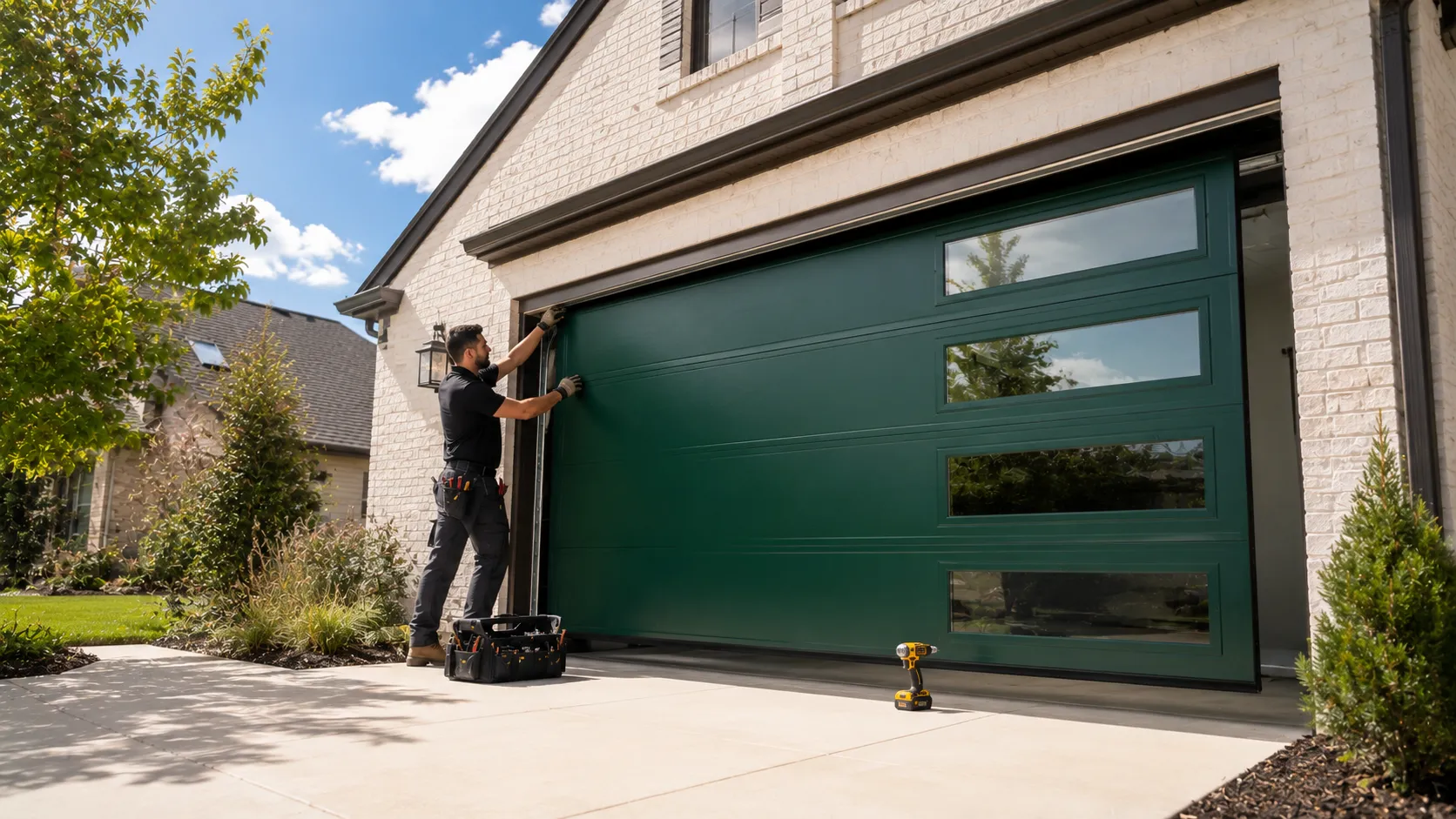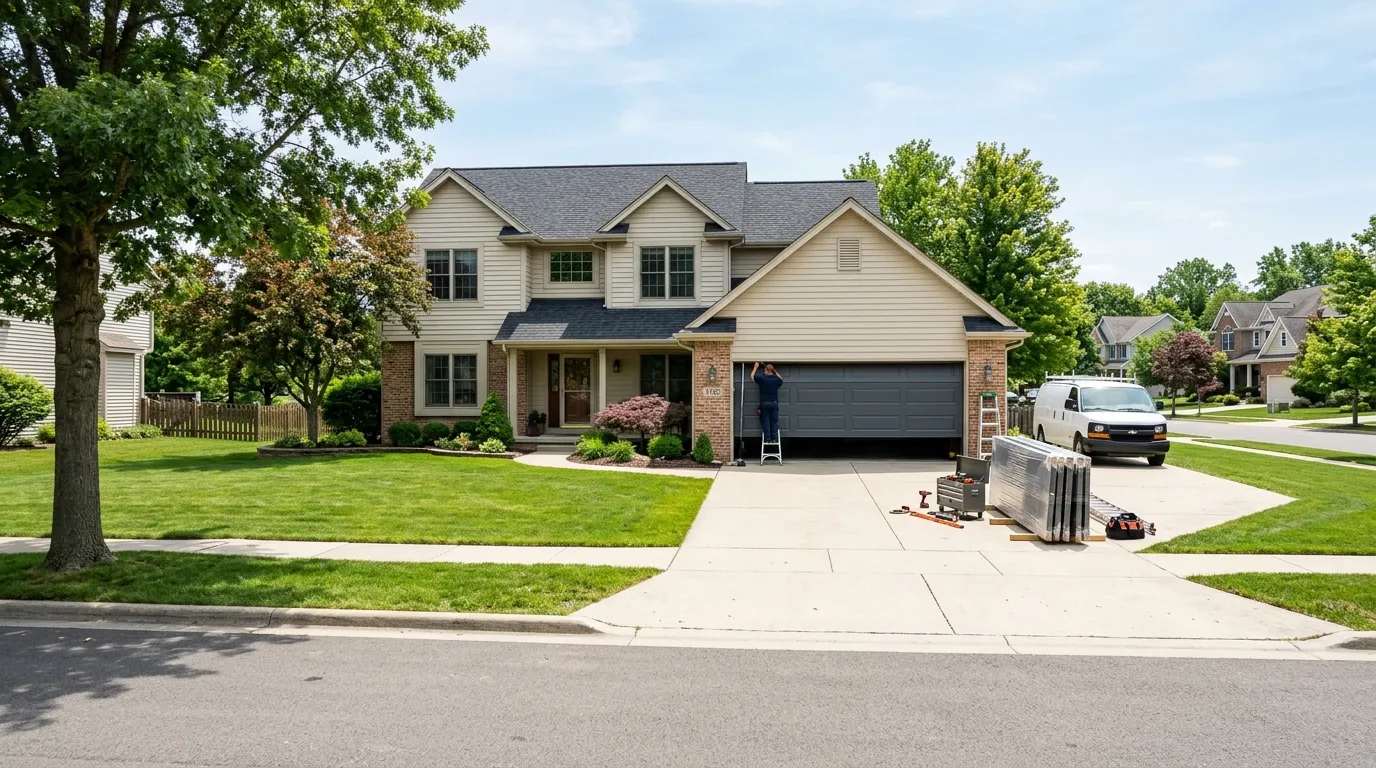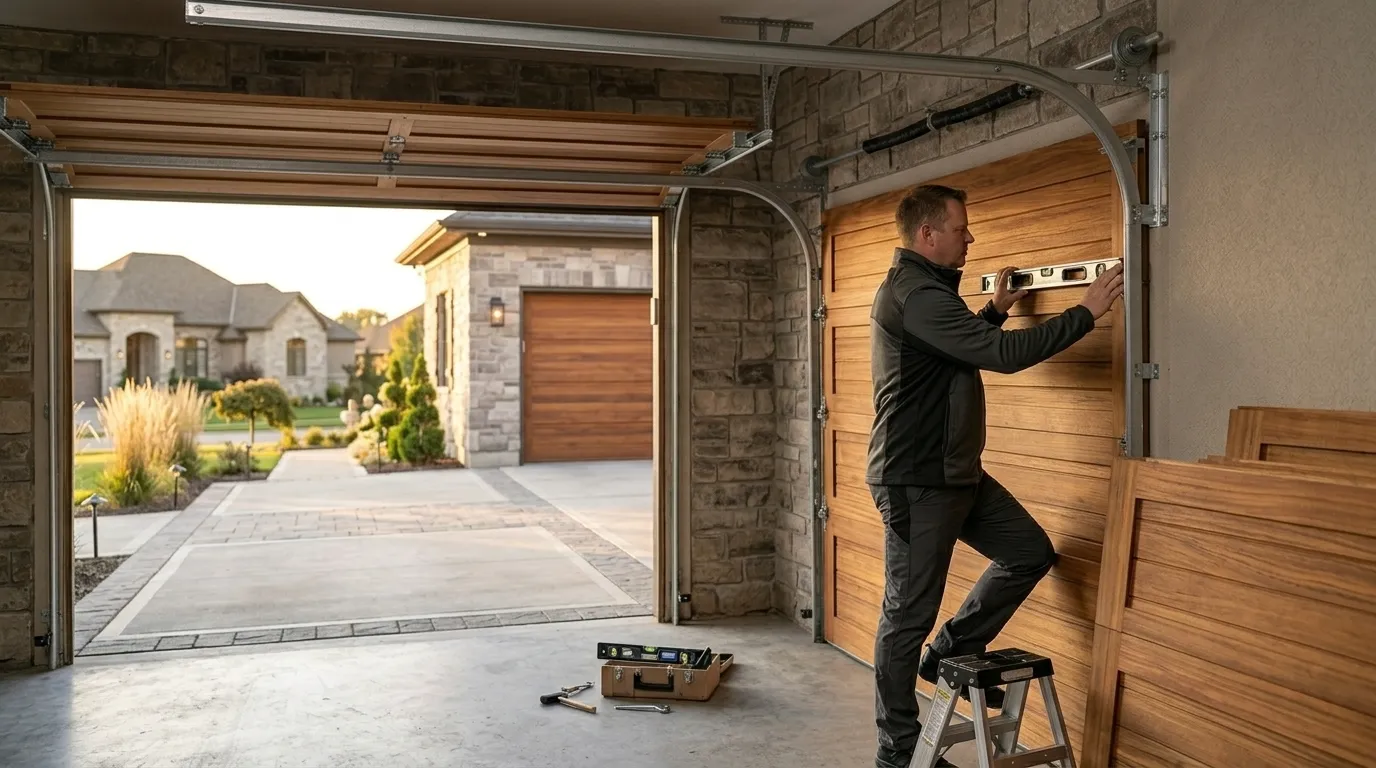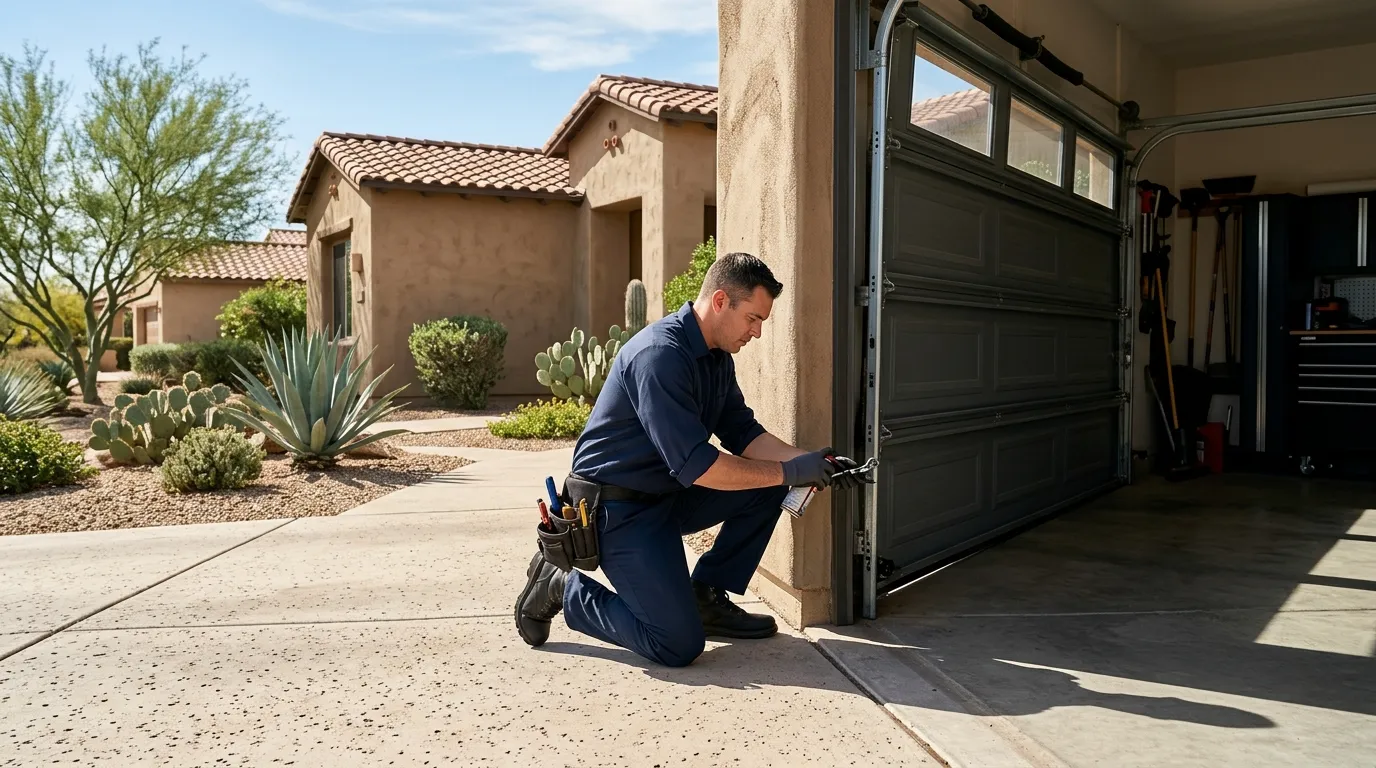
What You Are Seeing
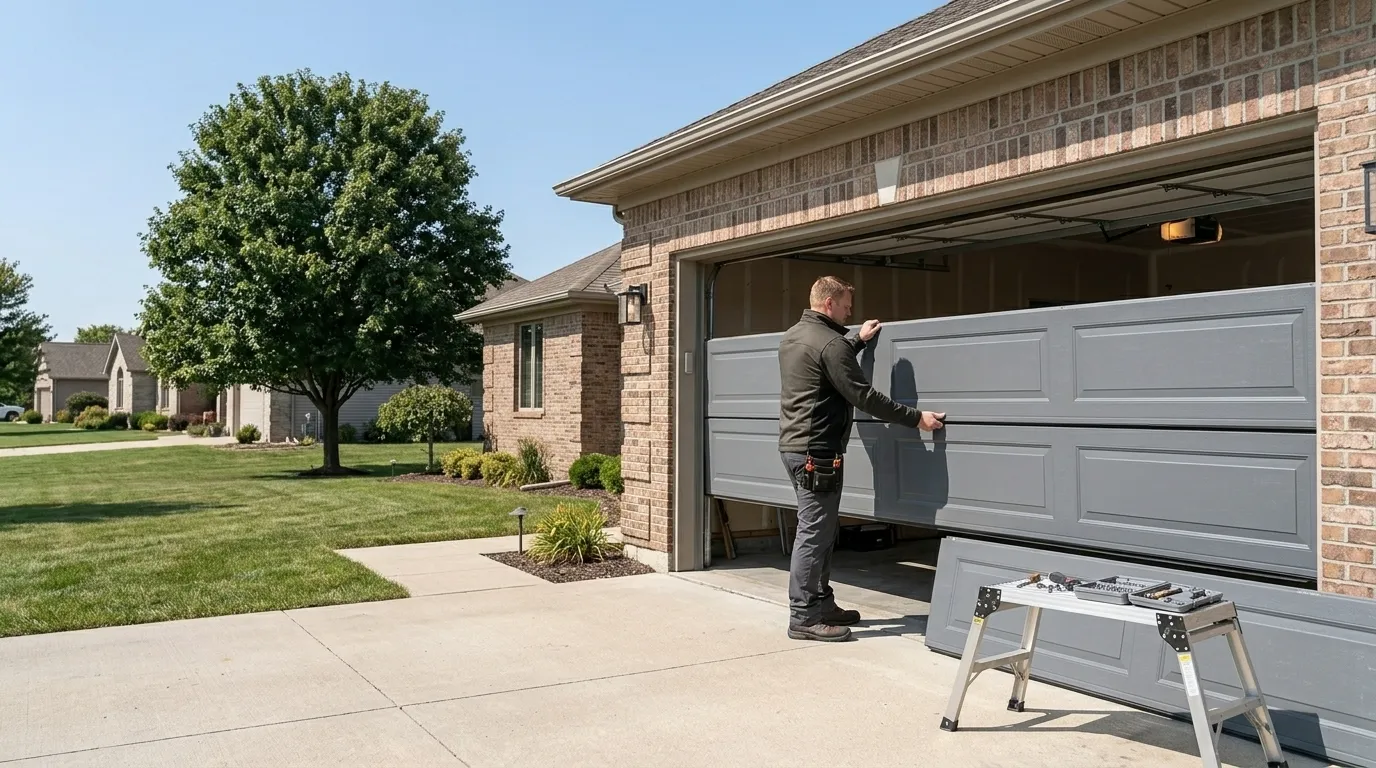
If you're looking at installation instead of repair, you've probably already noticed the signs: a door that's heavier than it should be to lift, daylight showing around the edges when it's shut, or a steel panel that's rusted through at the bottom corner. Most houses in Livonia went up between 1938 and 1991, with the bulk clustered around 1960, so a lot of the original garage doors - or the first replacement door that went in decades ago - are undersized by today's standard, uninsulated, and running on hardware that no longer matches what a modern opener expects.
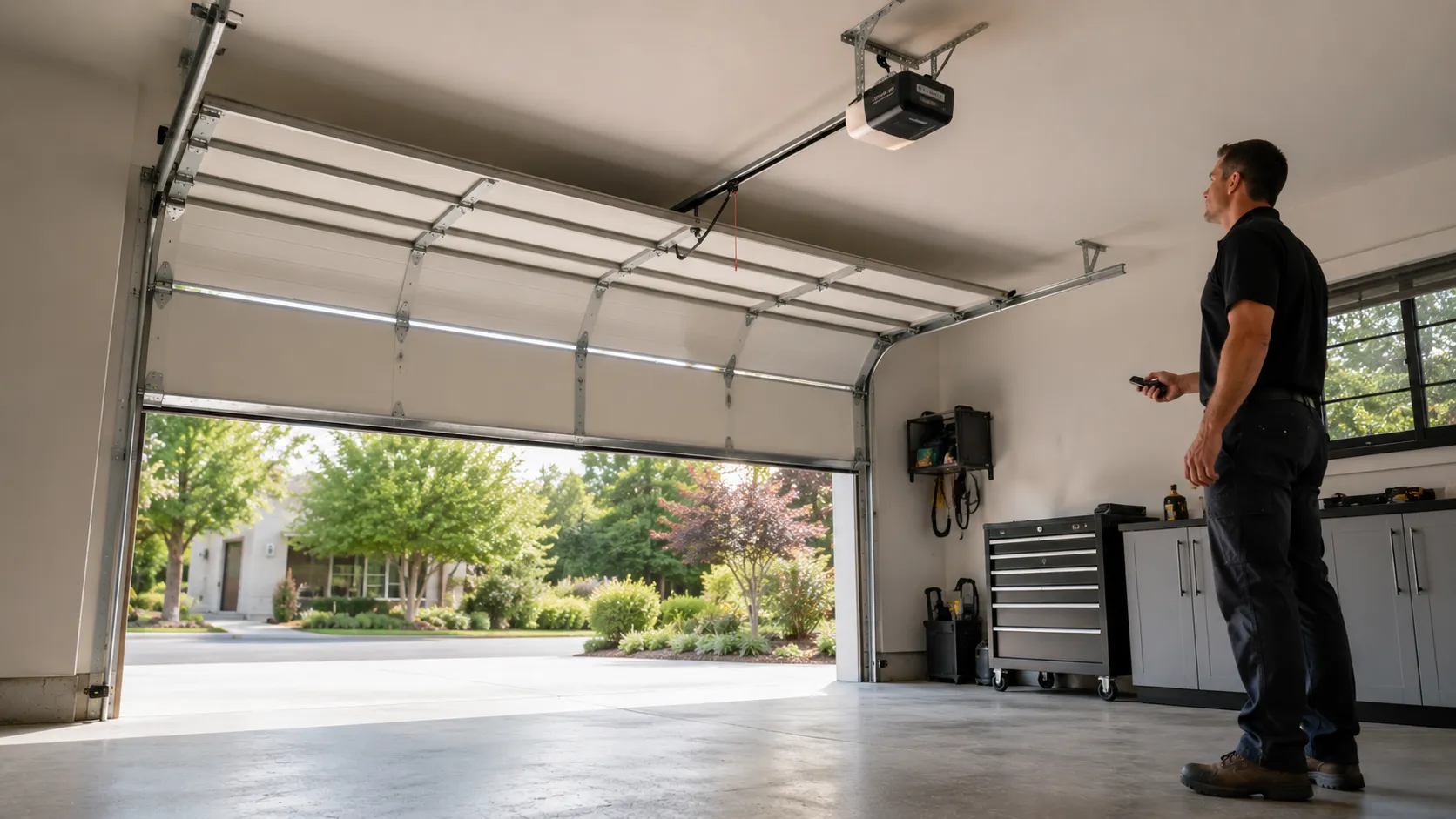
Sometimes it's simpler than that. You're adding an opener to a door that was never built to take one, or you're widening the bay to fit a bigger vehicle than the house was designed around. Either way, installation is a different job than repair: it's not about patching what's there, it's about sizing, insulating, and mounting a door correctly for the opening and the climate it sits in.
Booking a Visit
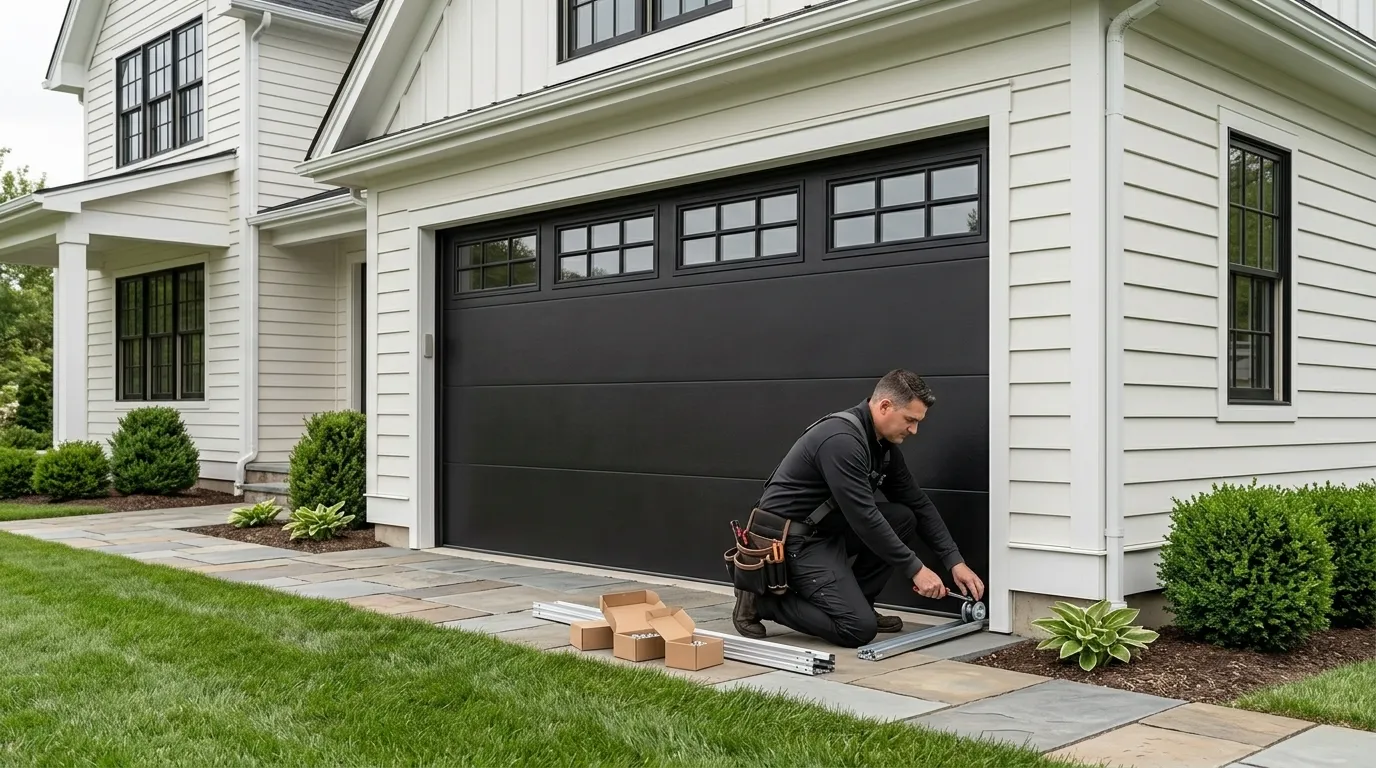
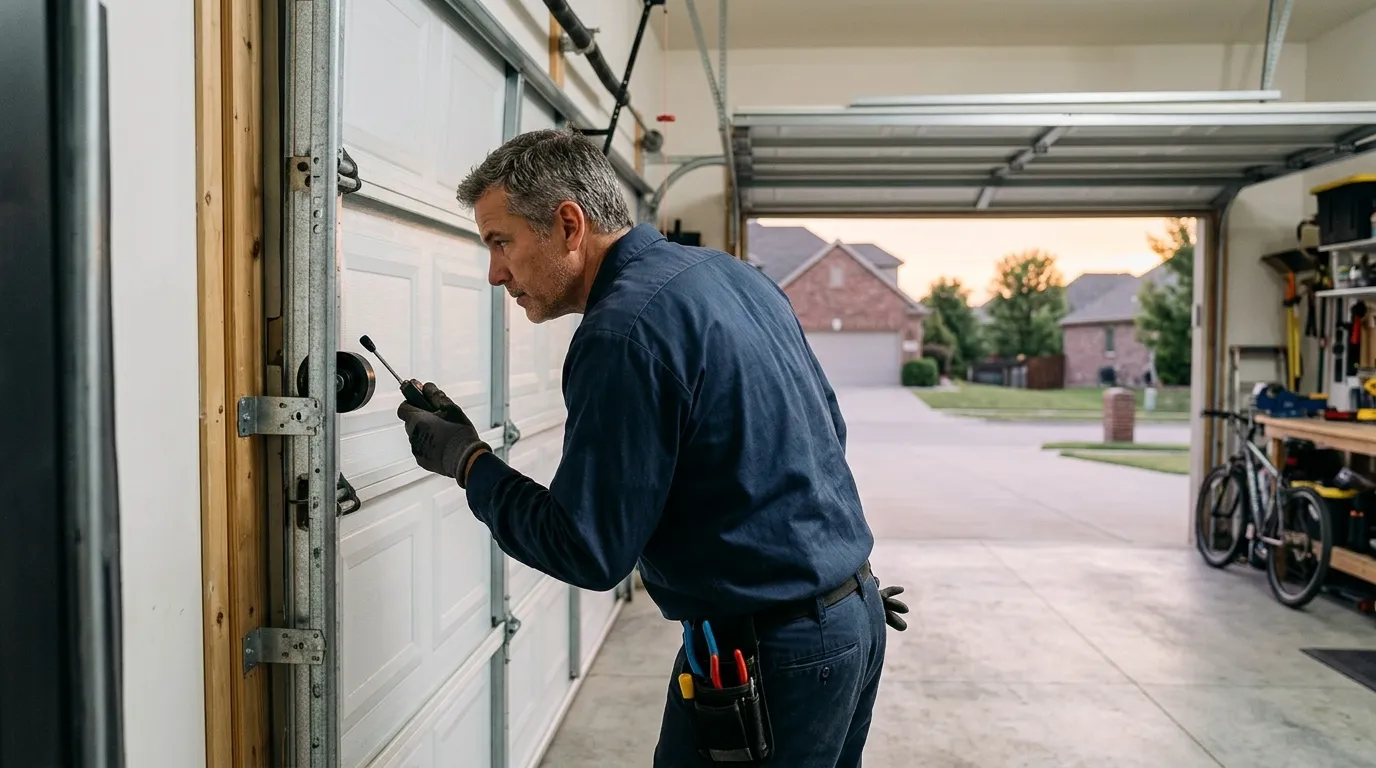
We come out, measure the actual opening (not just the door that's currently in it, since those don't always match), and walk you through door types that fit both the house and the budget. For a straightforward single or double door on a standard opening, we can usually get you a firm quote on-site the same visit. If the opening needs framing work or the header isn't square, we'll say so before you commit to anything.
One thing worth knowing up front: certain insulated and custom-width doors have longer lead times from the manufacturer than a standard steel door does. If you're on a tight timeline, tell us that at booking so we can steer you toward what's actually in stock rather than what looks best on paper. We'd rather set the right expectation now than have you waiting on a door that isn't coming this month.
How We Fix It
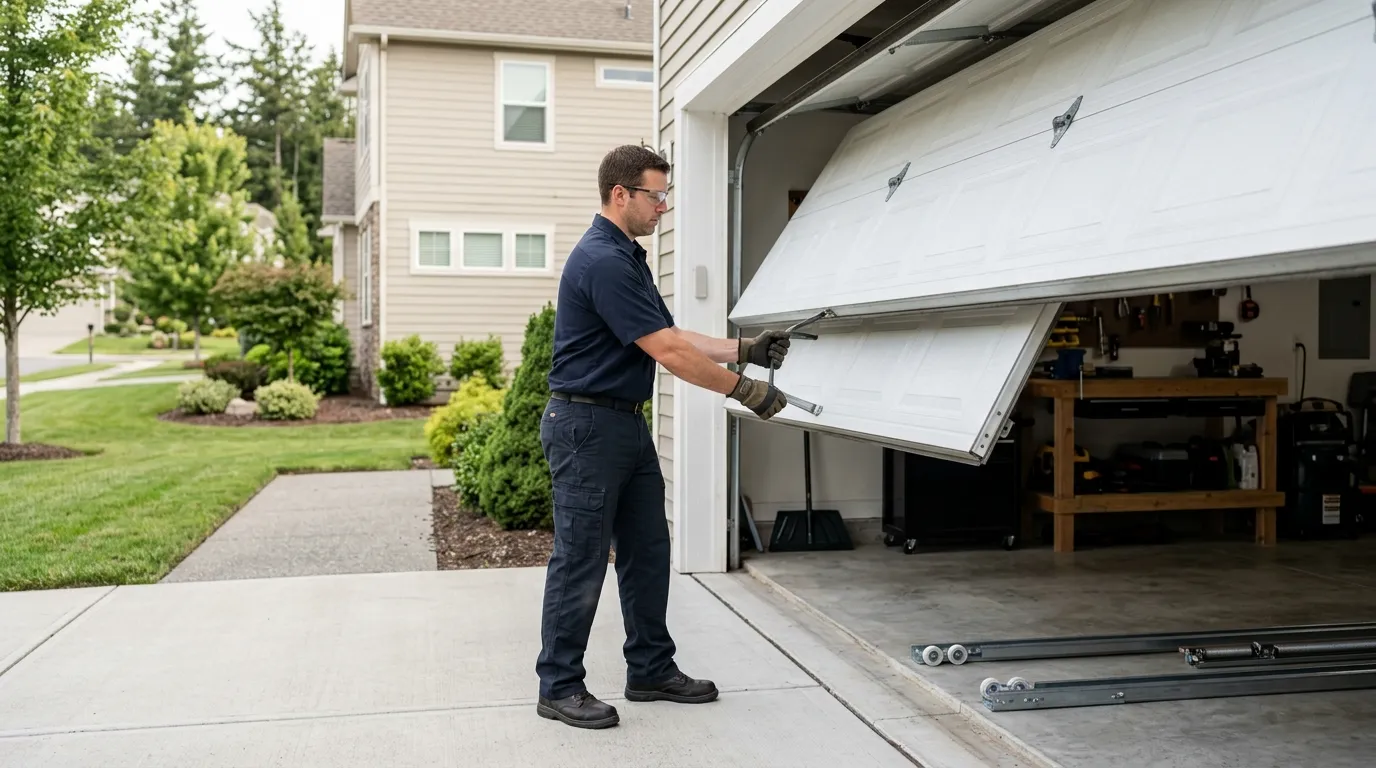
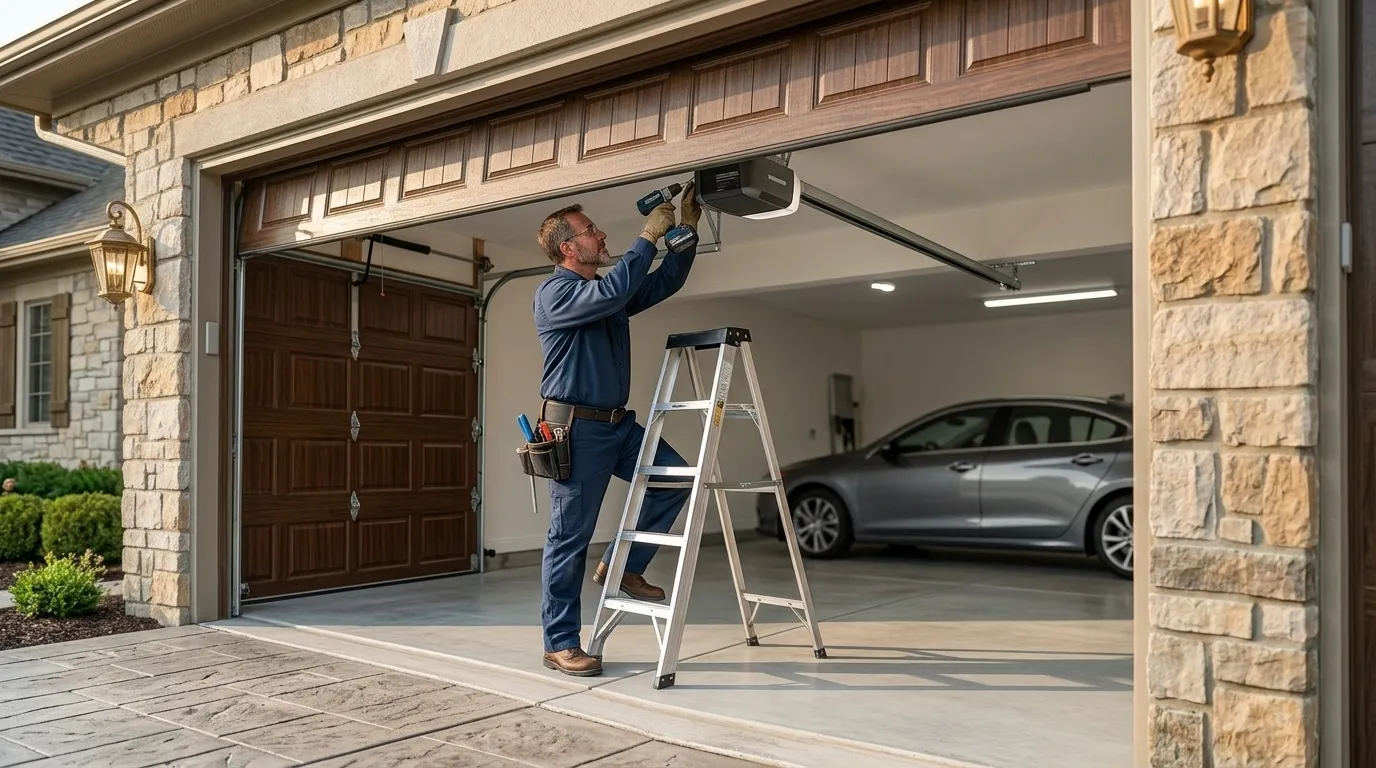
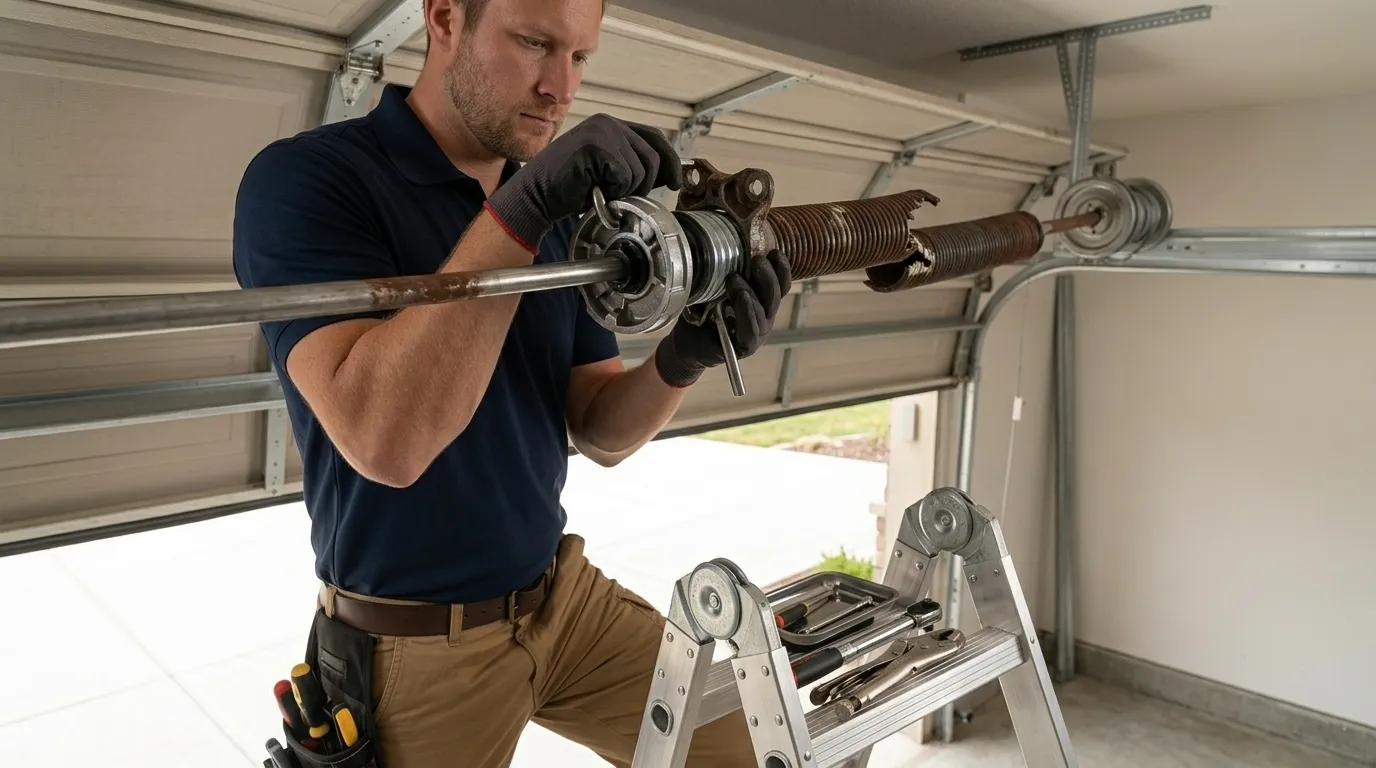
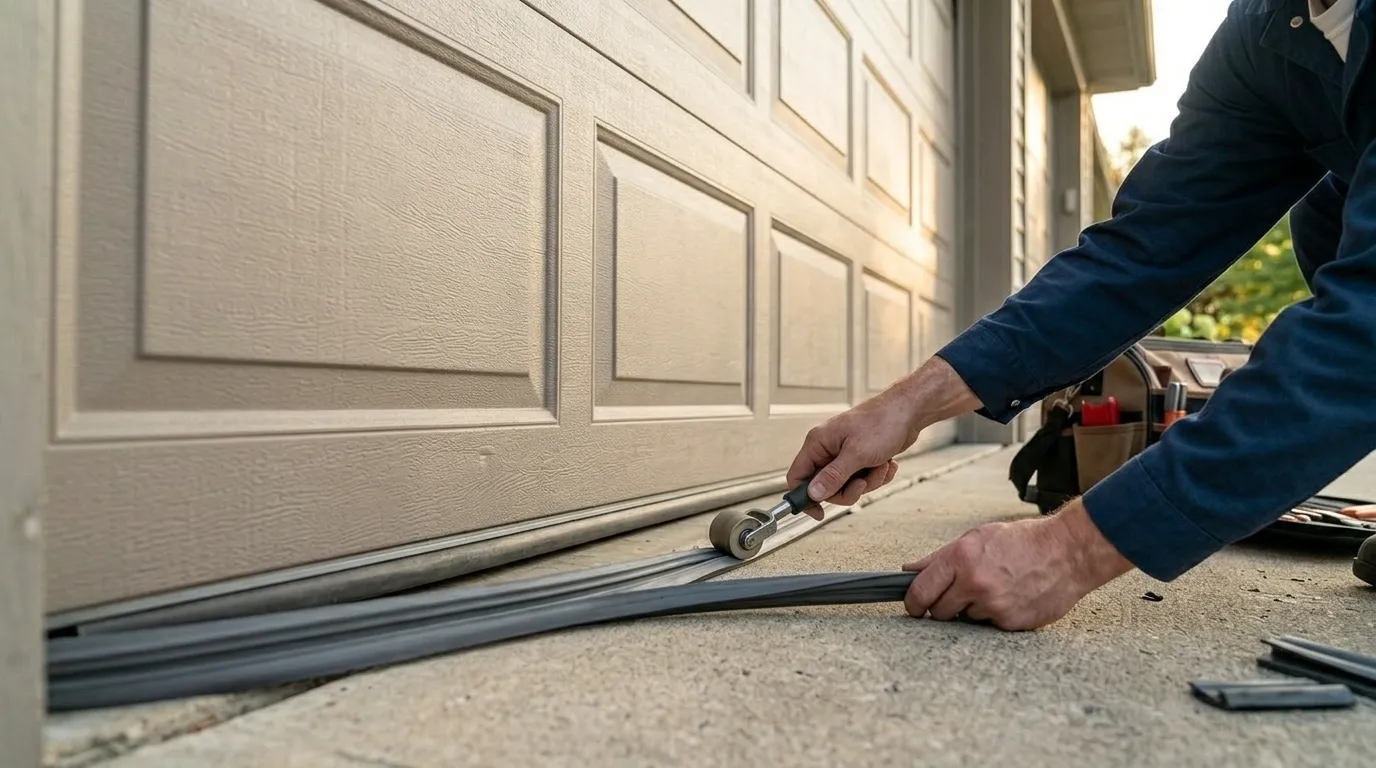
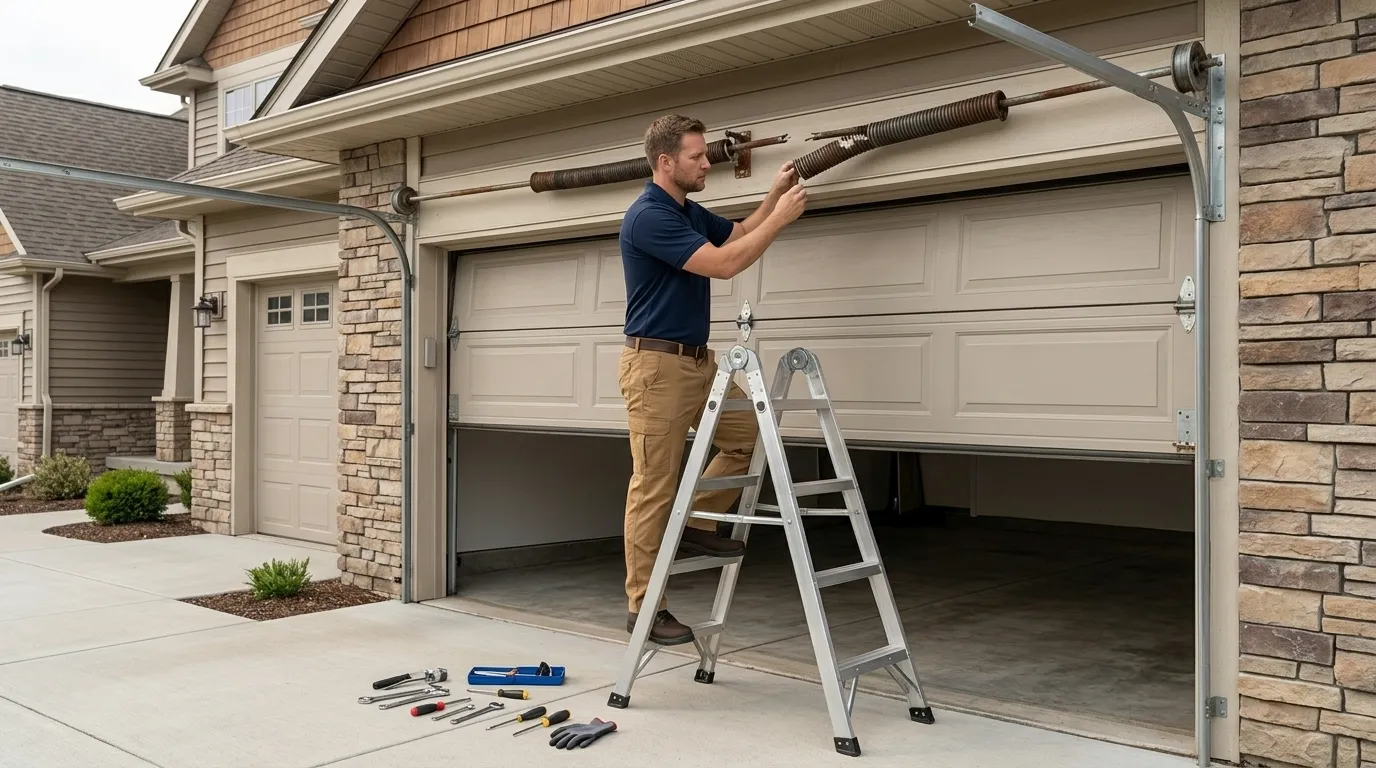
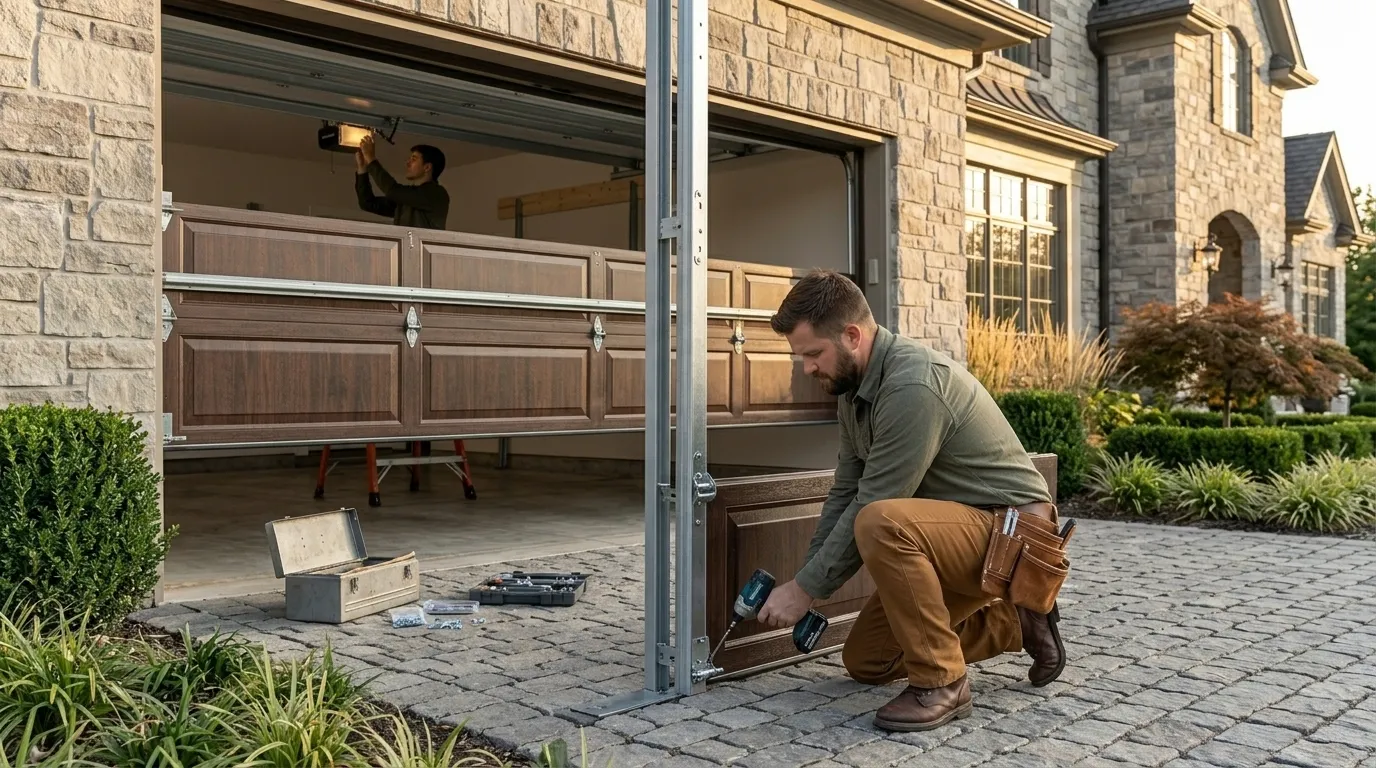
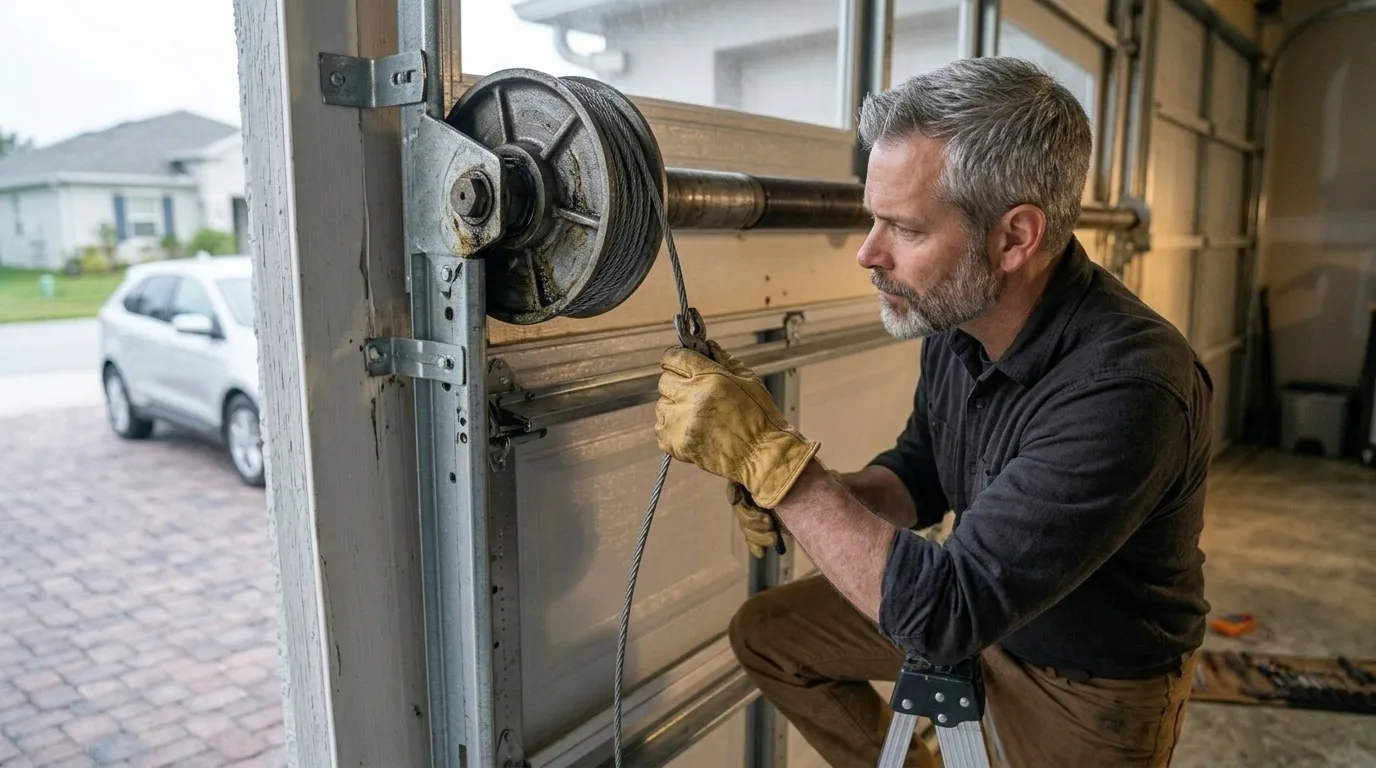
For most installs, that means going with an insulated steel or composite door rated for a cold climate, sized to the actual opening rather than whatever fit the old one, and paired with weatherstripping and a bottom seal built for temperature swings, not just rain. We set the track and torsion spring for the new door's weight, not the old door's, which is one of the most common corner-cuts we see from rushed jobs - a spring rated for the wrong door either fails early or makes the door dangerous to lift by hand if the opener quits.
With a median household income of $70,984 across the service area, we find most owners here are choosing to replace rather than keep repairing once a door from that 1960s-70s stock hits this stage, and the math usually works out in their favor once you count what a properly insulated door saves on heating a garage that's attached to the house. We serve homes throughout Livonia and out to nearby areas like Plymouth and Garden City, five miles off, though most of our installation calls come from right here.