The Problem
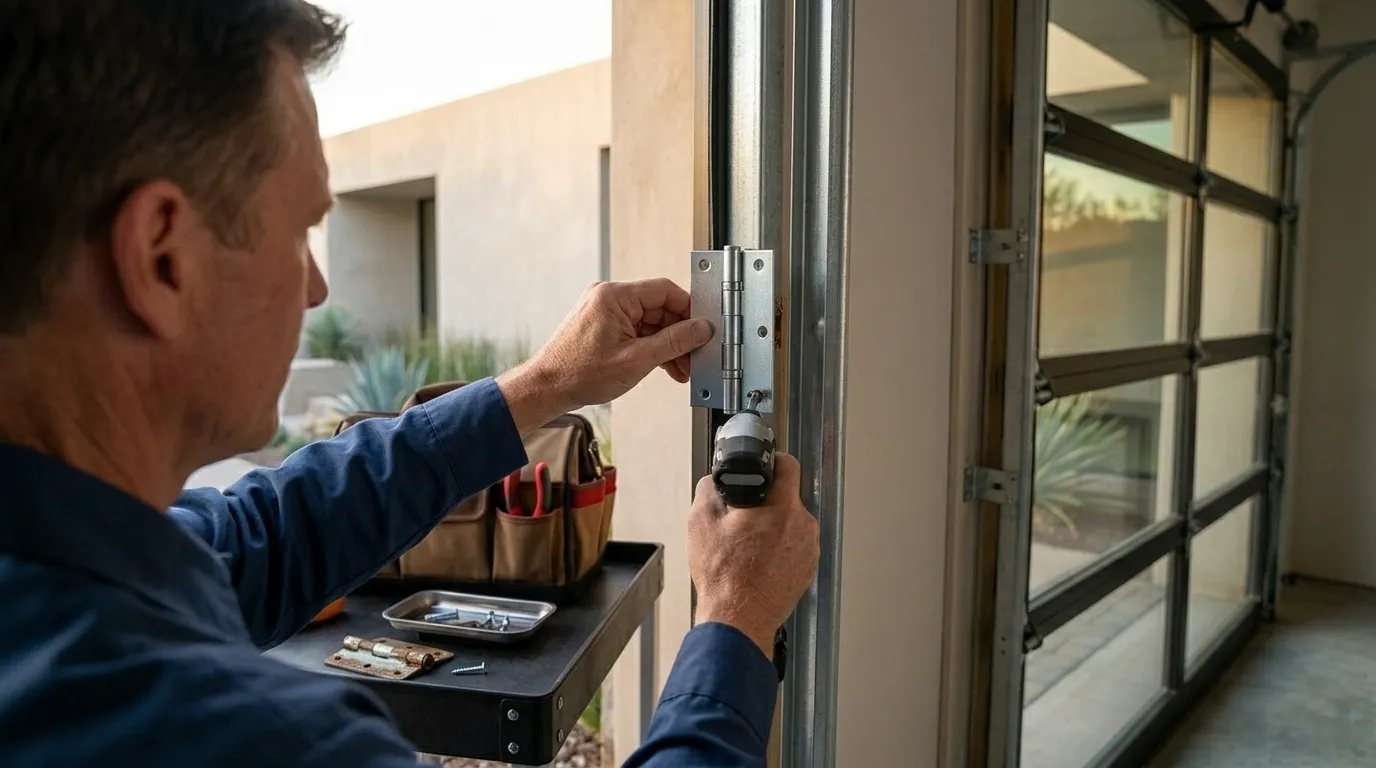
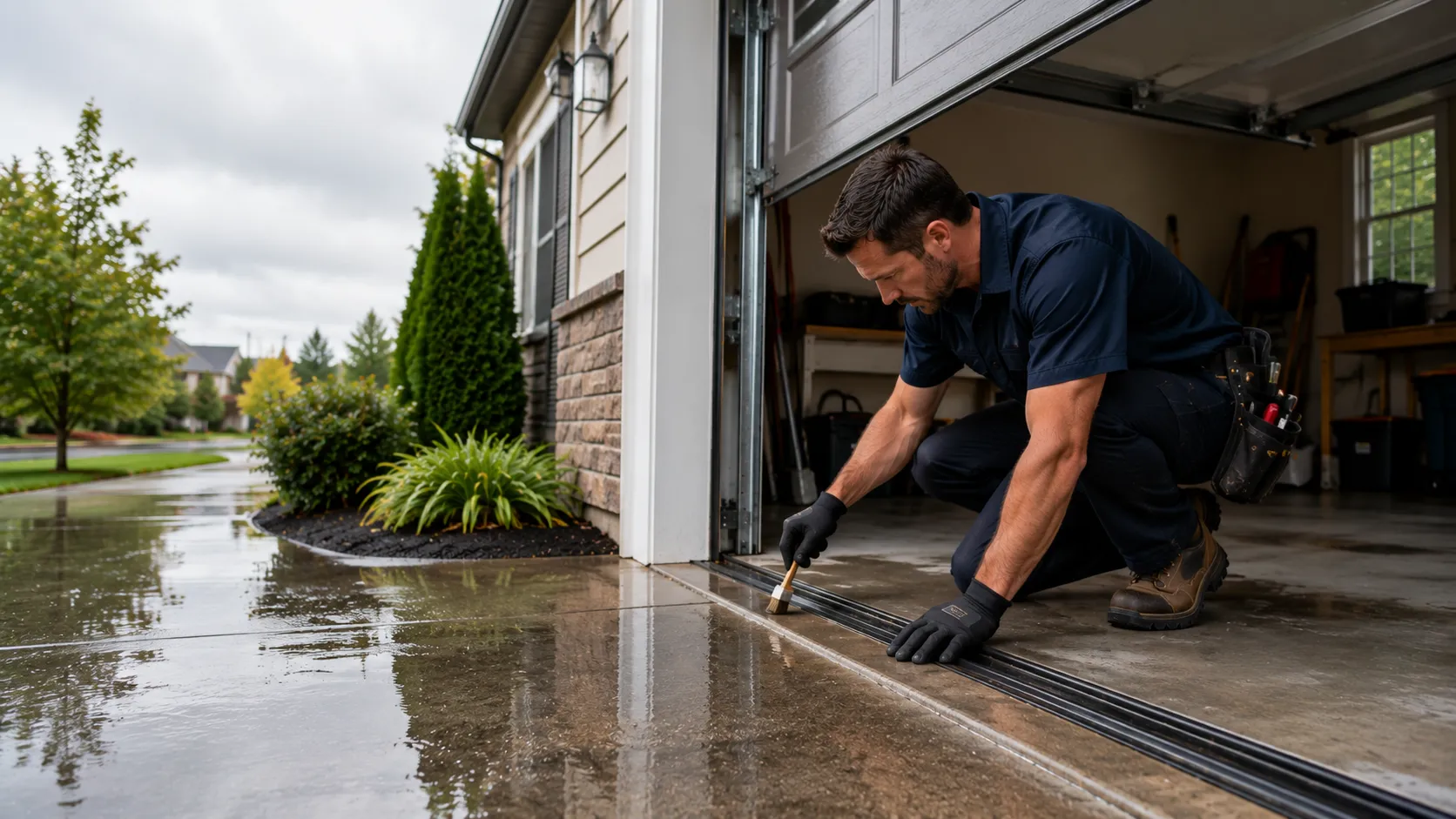
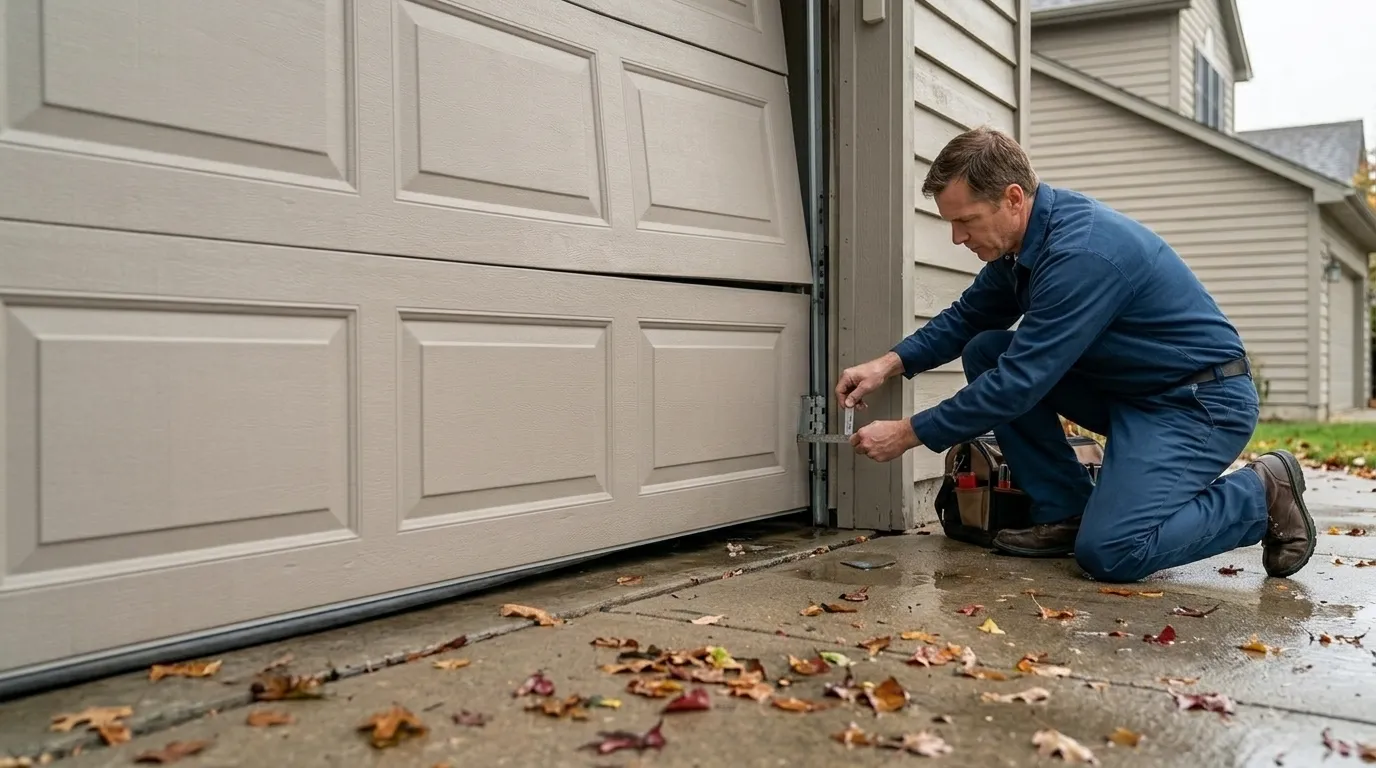
Livonia's housing stock mostly dates from 1938 to 1991, with the median year sitting around 1960. That means a huge share of the garages here were built with steel jambs and bottom seals designed for a different set of building codes, decades before manufacturers thought hard about air infiltration. The rubber or vinyl strip along the bottom of the door, the seal down each side jamb, and the flap across the top all harden and crack faster than most owners expect. Once that happens, cold air finds the gap and pushes straight through into the garage - and if the garage shares a wall with living space, that draught doesn't stop at the door. Across the 44 named areas that make up this part of the region, the story repeats: 1960s and 70s construction, similar door widths, similar seal wear. It's not a one-house problem. It's a whole subdivision built in the same decade hitting the same failure point around the same age, whether you're near the Plymouth line or closer to Garden City.
When Waiting Is Fine
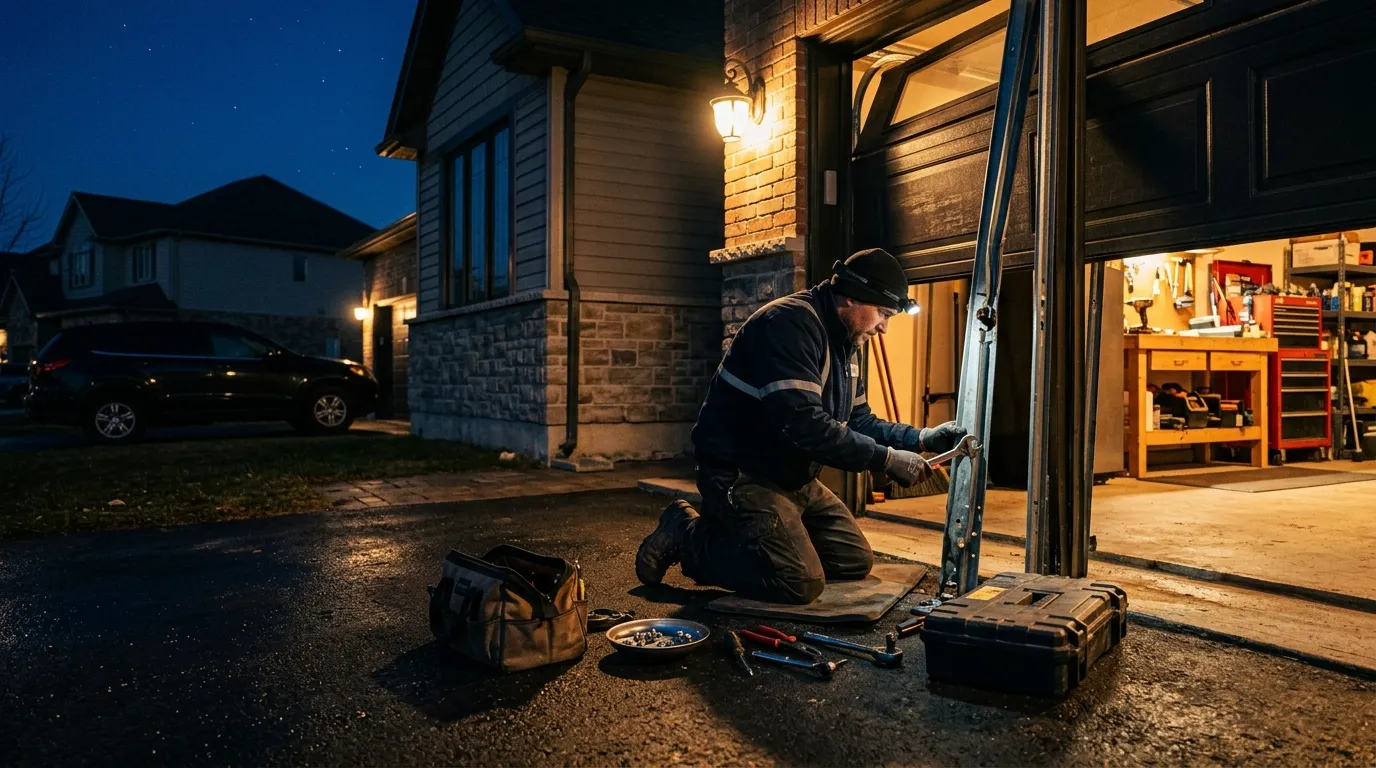
Not every draught is worth a service call right away. If you're feeling a thin line of cold air along one side of the door and the door itself still opens, closes, and seats square on the floor, that's usually a worn strip of vinyl, not a structural problem. It can wait for warmer weather, when the seal material is easier to work with and less likely to crack further during removal. What can't wait: a seal that's pulled loose enough in cold-severe conditions to let real volumes of air in near pipes or a water heater in the garage, or a bottom seal so far gone that the door isn't sealing at all when fully closed. That's a different call. Honest answer here - we'd rather tell an owner a small gap can hold until spring than send a truck out for a five-dollar fix in the middle of a January cold snap. Not every draught is an emergency, even in a cold-severe winter.
The Common Mistake
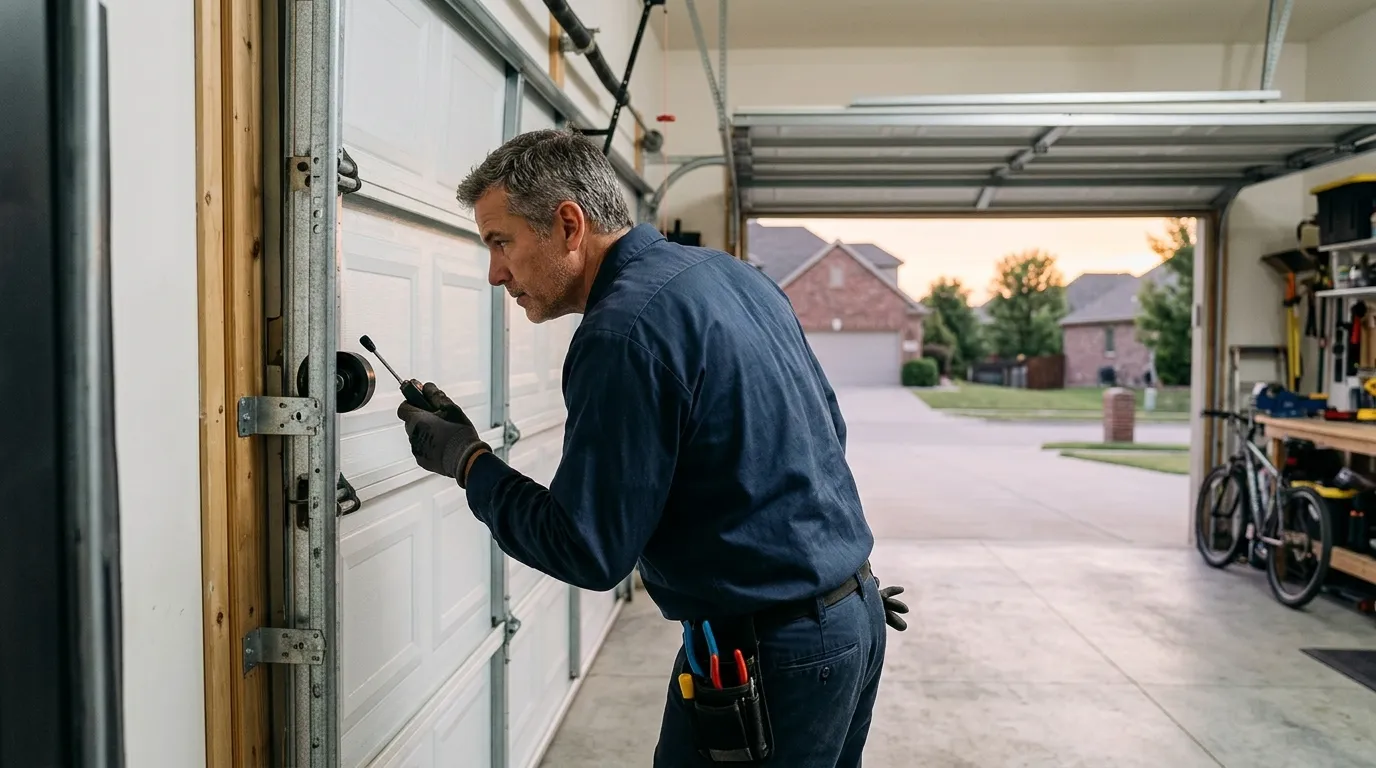
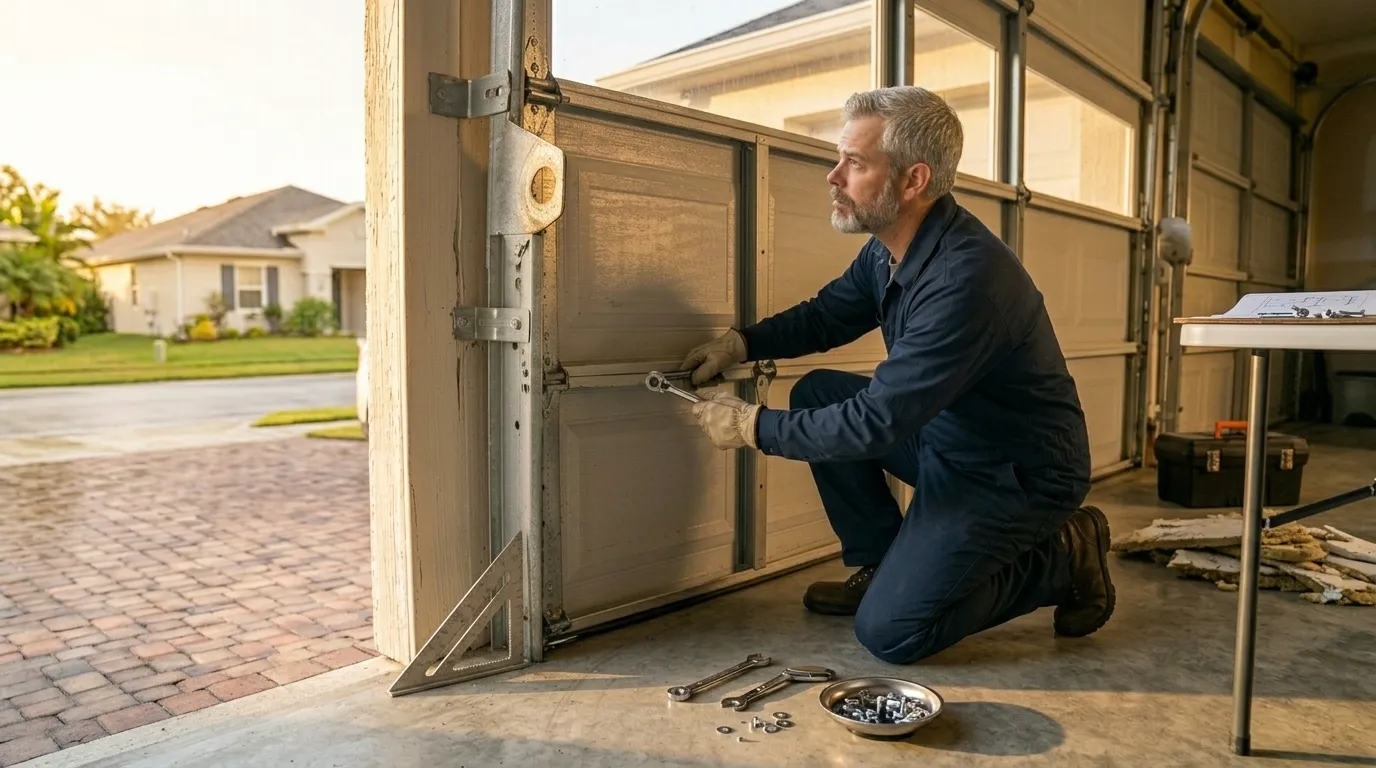
The mistake we see most in this housing stock: someone runs a bead of caulk along the bottom of the door frame to stop a draught, instead of replacing the bottom seal itself. Caulk doesn't flex with a door that opens and closes daily, so it cracks again within a season and the draught comes right back, now hidden under a layer of dried caulk that makes the actual seal harder to reach and replace. The second mistake is buying a generic seal kit sized for modern track hardware and trying to force it onto an older 1960s-era frame - the track profile doesn't match, and the door ends up gapping worse than before the fix. If your door frame is original to a house built anywhere near that 1960 median year common across this area, get the jamb depth measured before ordering a seal, not after you've already bought the wrong one.