The Problem
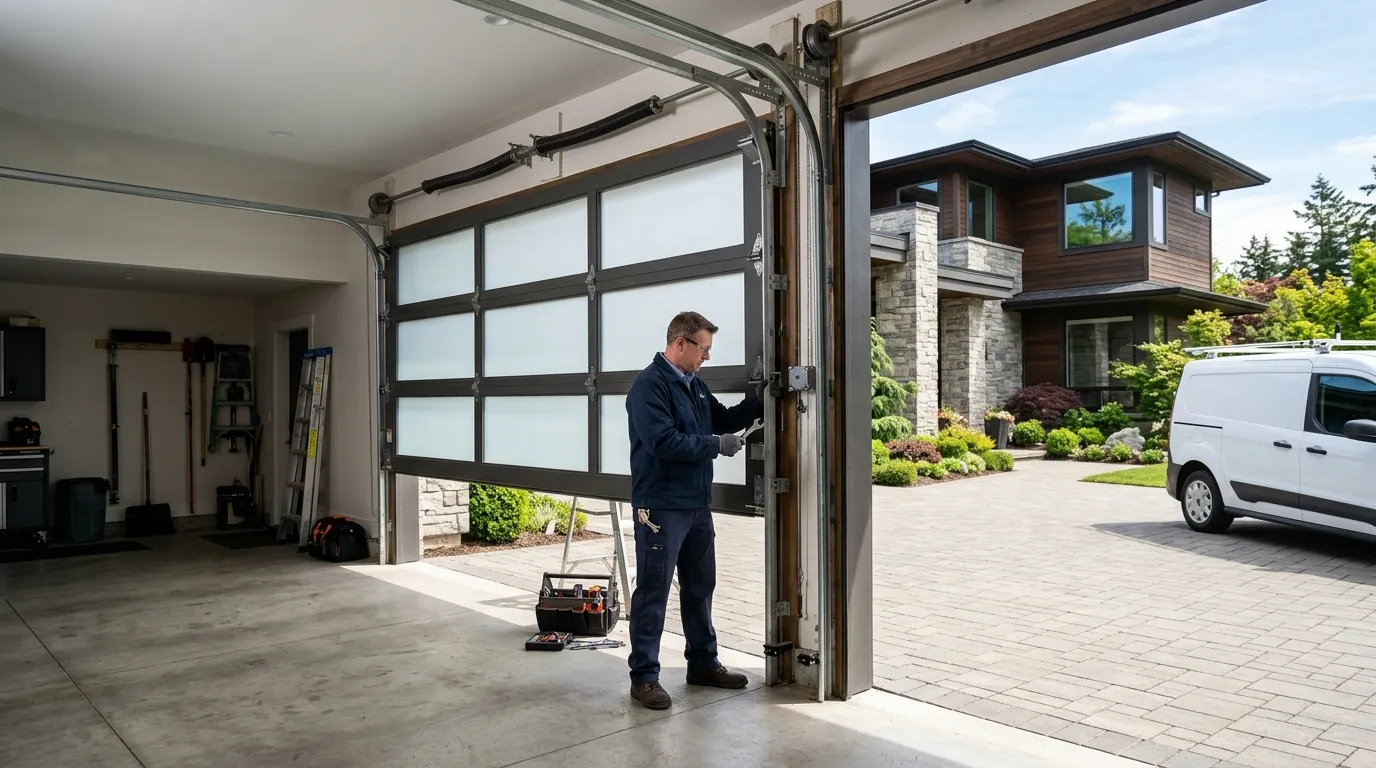
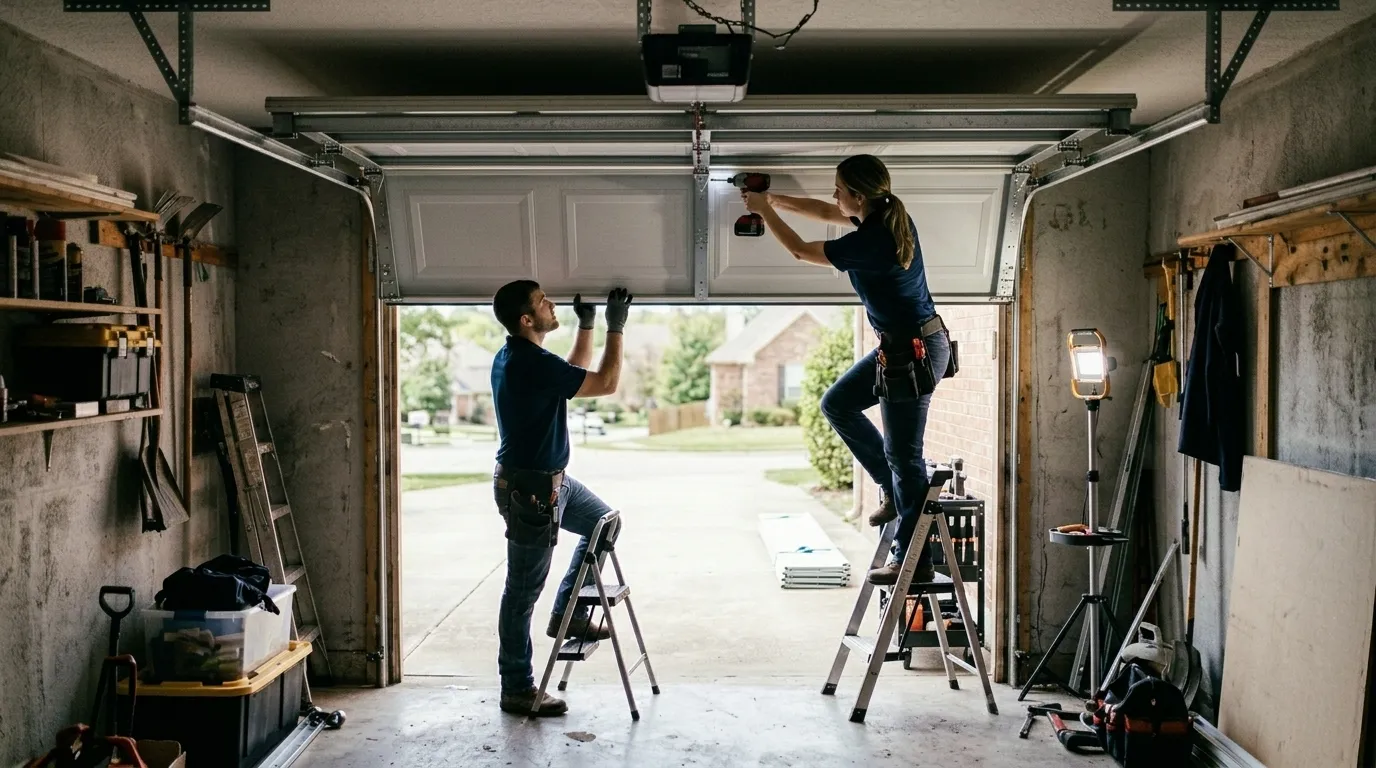
Most houses in Livonia went up between 1938 and 1991, with the bulk of the stock landing in the 1960s and 70s. That means a lot of the garage doors and openers on this side of town are original, or close to it - steel doors on torsion springs installed decades before today's safety cables and rollers became standard. The problem shows up as a door that still opens but does it slower every winter, a spring that's stretched past its rated cycles, or an opener that catches instead of pulling smooth. None of that means the whole unit is junk. It means the parts are old enough that guessing at what's wrong costs more than checking, since a 1960s door and a 1990s door don't share the same hardware even if they look similar from the driveway.
When Waiting Is Fine
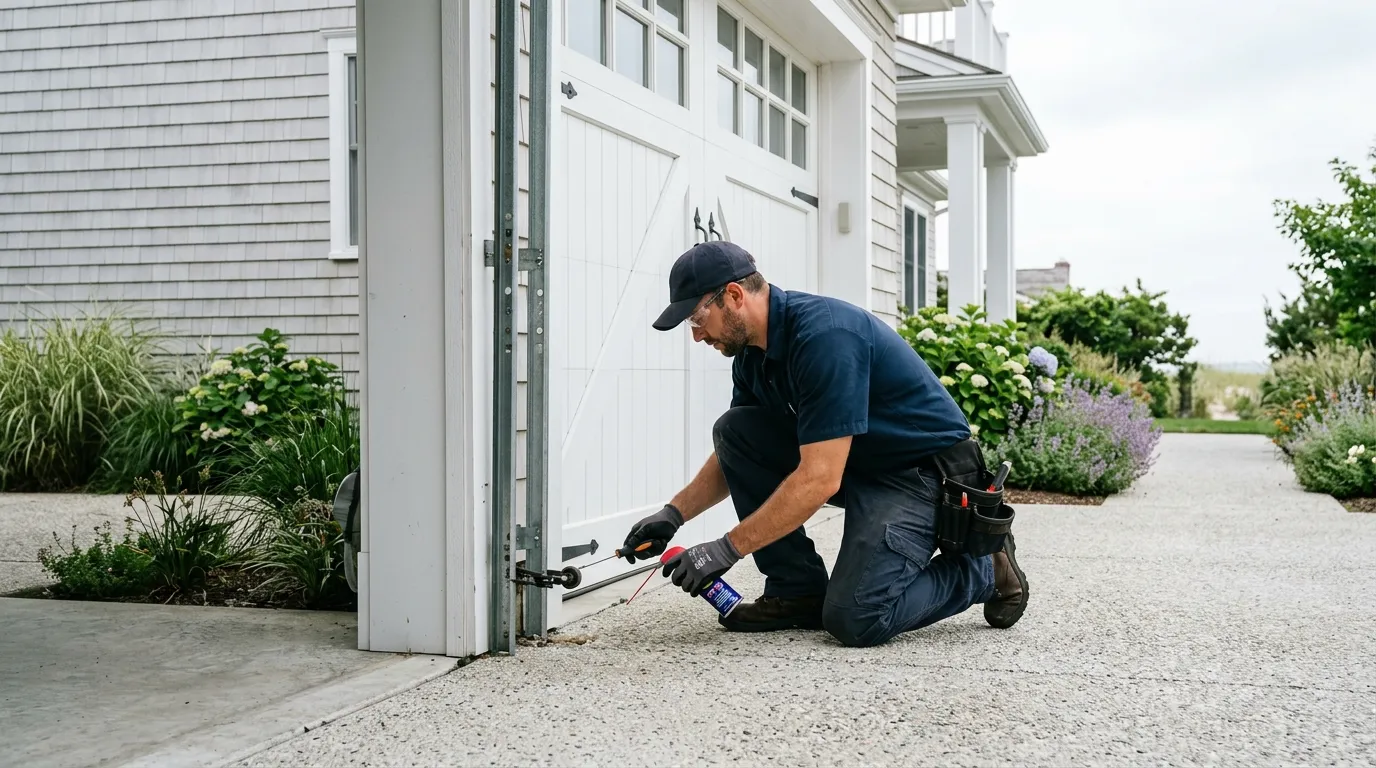
Not every noise or slow start means call today. If the door still seals at the bottom, the track is straight, and the opener reverses when it hits resistance, you can usually ride out a squeaky roller or a slightly slow close through a season. Livonia's median household income is just under $71,000, and for most owners here the smarter move is to keep an old door running with a low-cost fix - lubrication, a hinge swap, a sensor realignment - rather than replace on a hunch. We won't tell you to replace a door that's doing its job. If it opens, closes, seals, and the springs aren't visibly stretched or rusted through, it's worth waiting on. Save the bigger decision for when something actually fails, not when it just sounds tired.
The Common Mistake
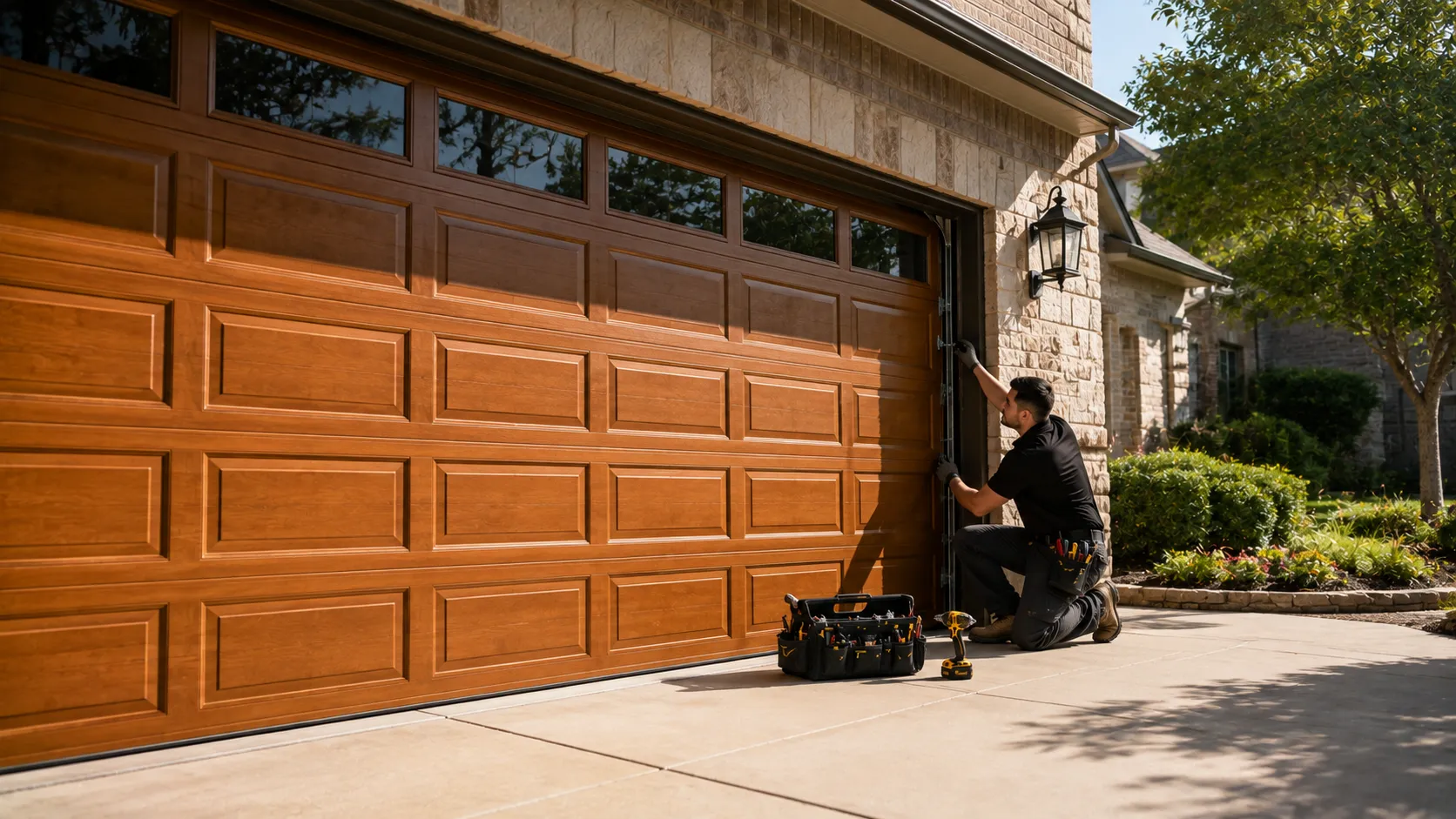
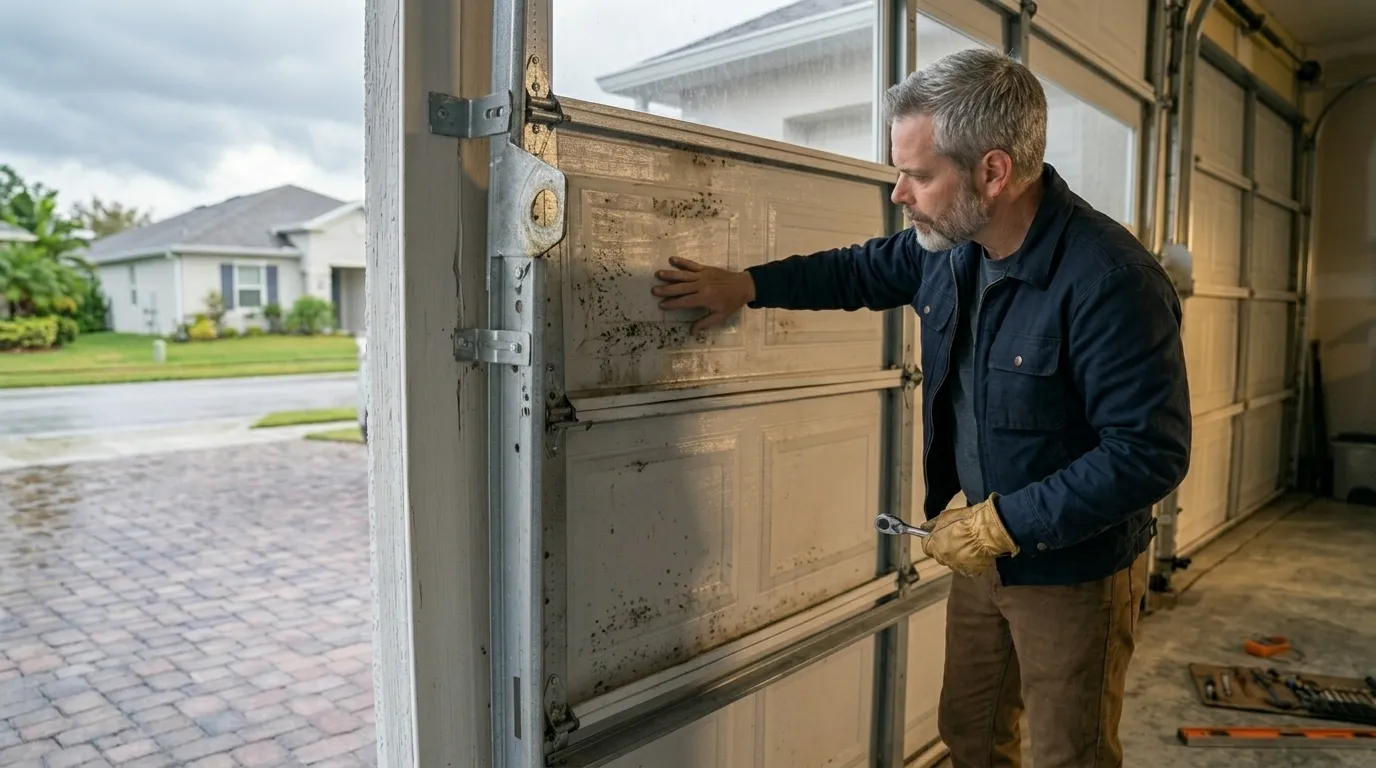
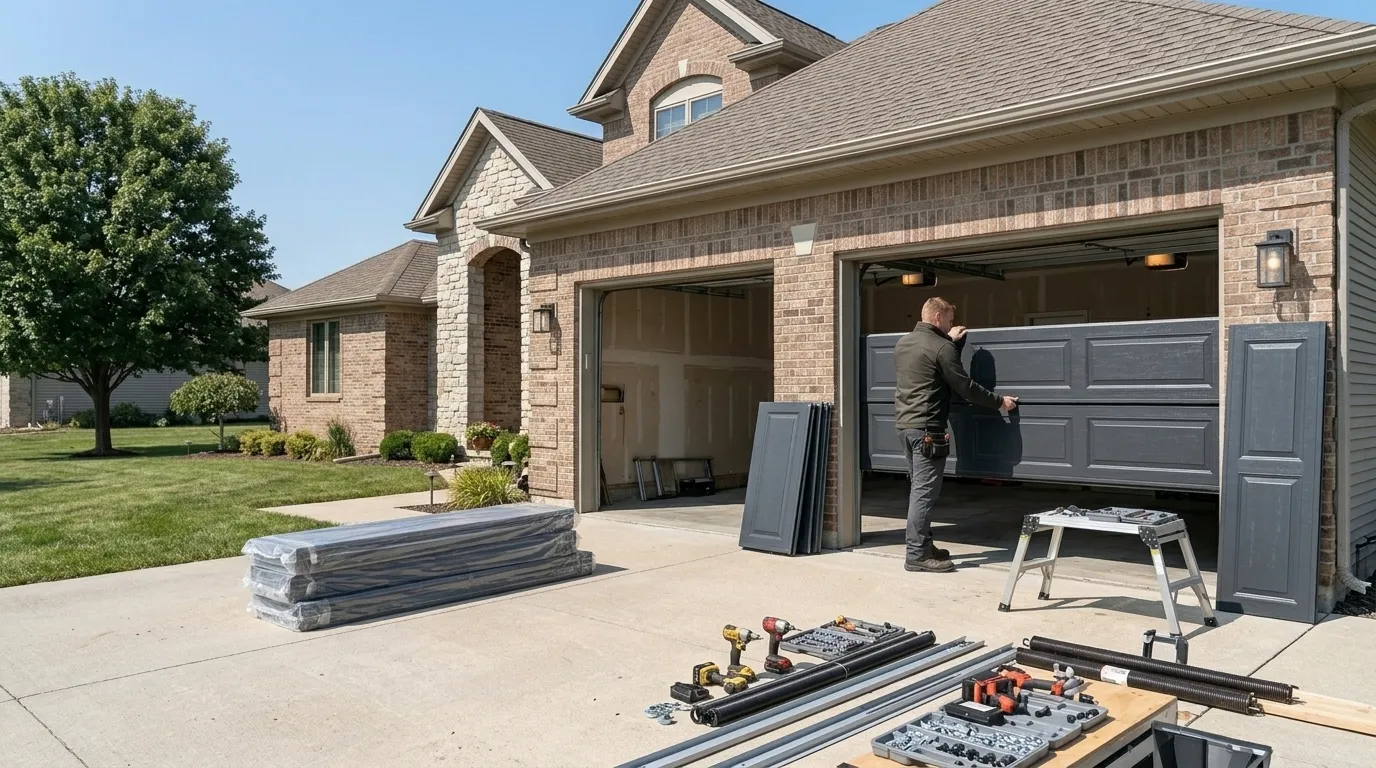
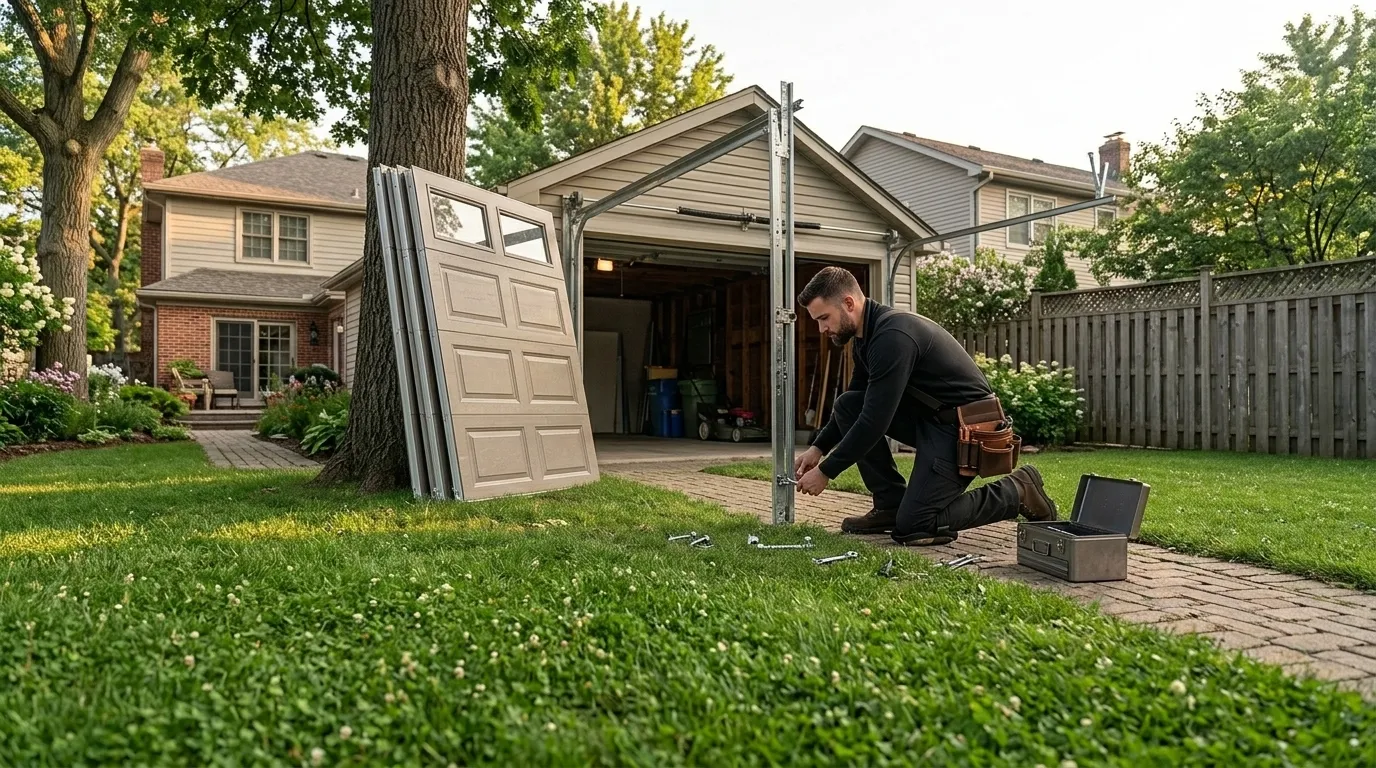
The mistake we see most on doors from this era is fixing the symptom and skipping the hardware underneath it. Someone replaces a broken spring on a door that's been on the same torsion bar and drums since it was installed in the 1960s or 70s, without checking whether the drums are still round or the bar is straight. The new spring works for a while, then a hairline crack in the drum finally gives, and the door and the fix both fail. We won't put a new spring on old, worn drums to save you a service call - replacing them together costs less than a second one down the road. If the panels are original and rusted through at the bottom, that's a replacement conversation, not a patch.