The Houses Here
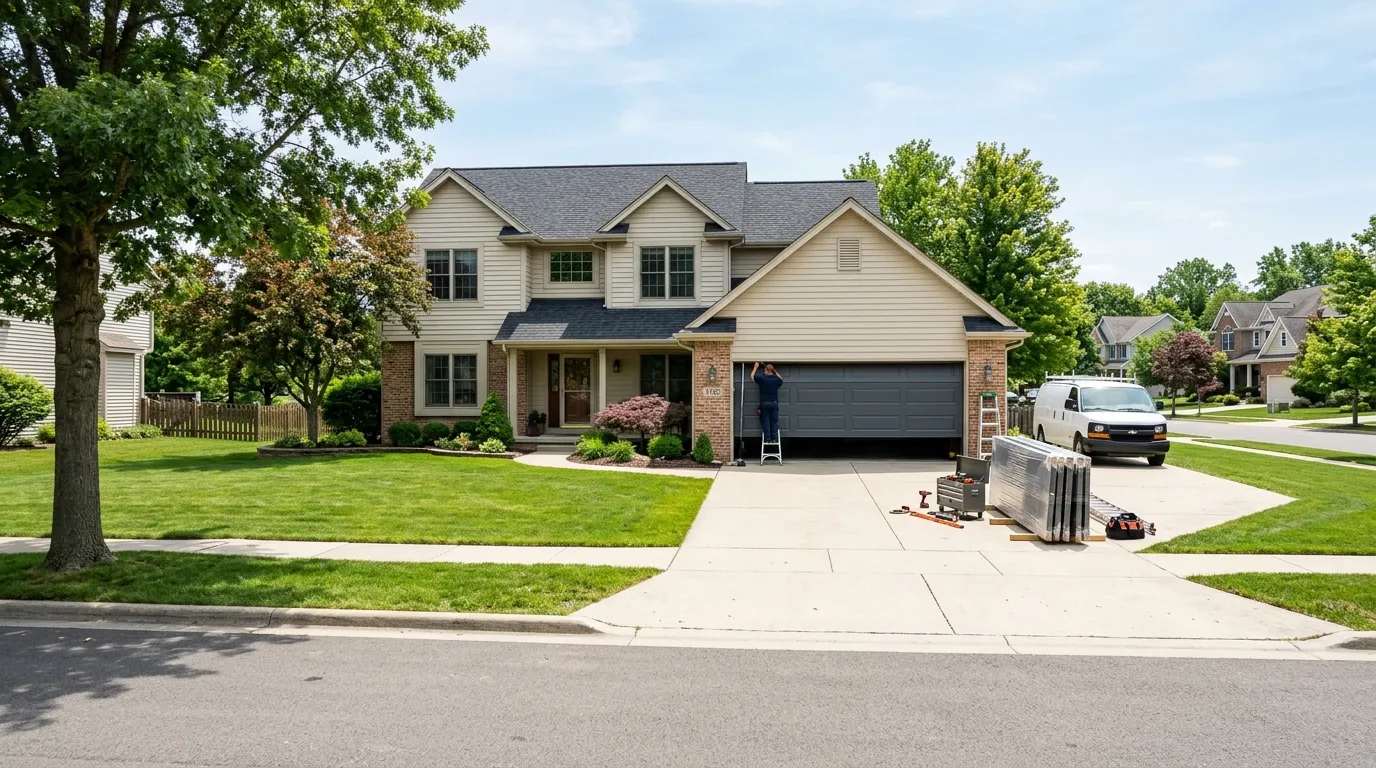
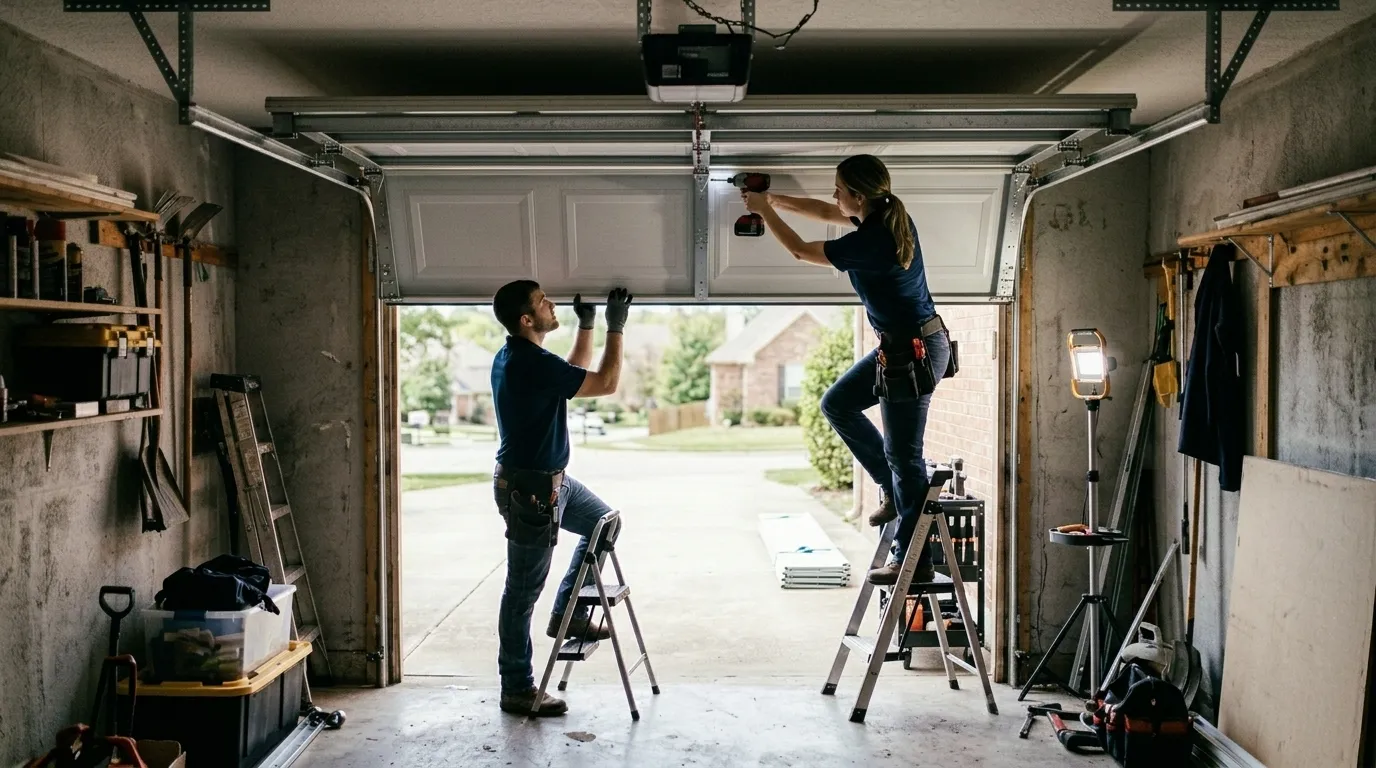
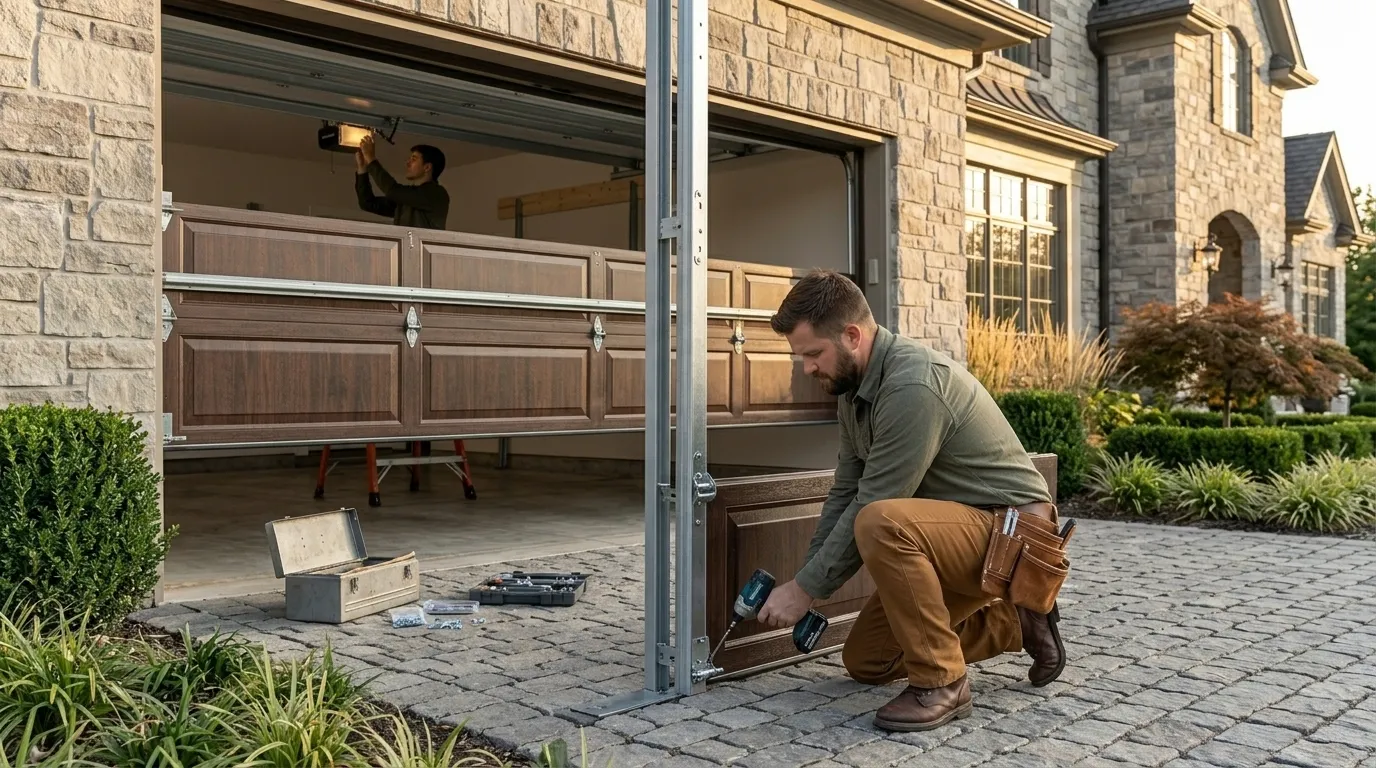
Hamtramck's median home was built around 1938, which puts it well ahead of the 1960 median we see across the rest of the service area. That's not a small gap. A house from the late 1930s was built for a car half the width of what people drive now, so the garages are narrower, the openings shorter, and the framing around them wasn't designed with a modern sectional door in mind.
With 7,410 households in Hamtramck and a median income of $40,103, a lot of these garages have never been touched since the original door went in, or they've had one replacement door forced into an opening it wasn't quite made for. That combination - old framing, tight clearances, and owners who reasonably want a repair rather than a full rebuild - shapes almost every call we get from this part of the coverage area.
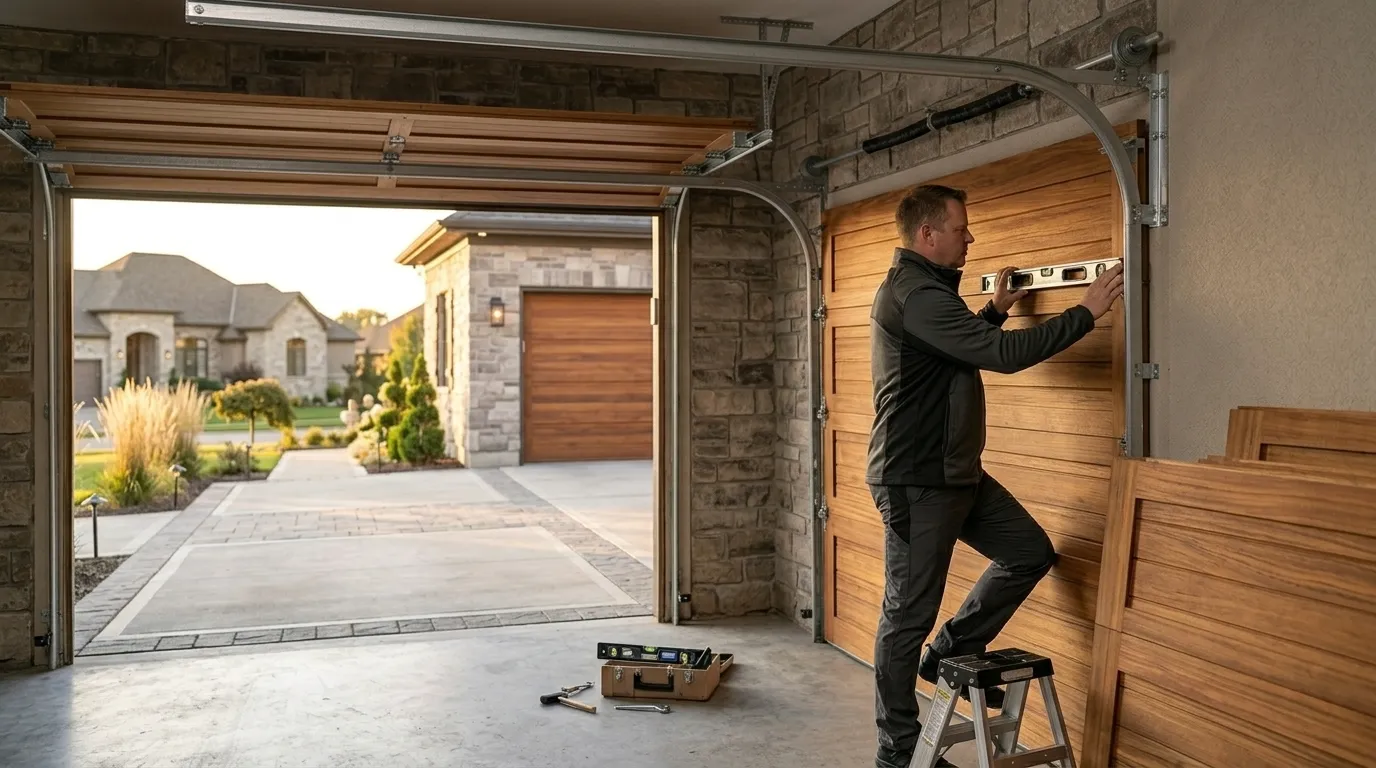
We won't pretend every door here is original. Plenty have been swapped out over the decades. But the bones of the garage, the header height, the side room for track, the depth for springs, those are still 1930s numbers, and that's the detail that gets missed when a door is quoted like it's going into a house built in 1990.
What Neighbours Usually Call About
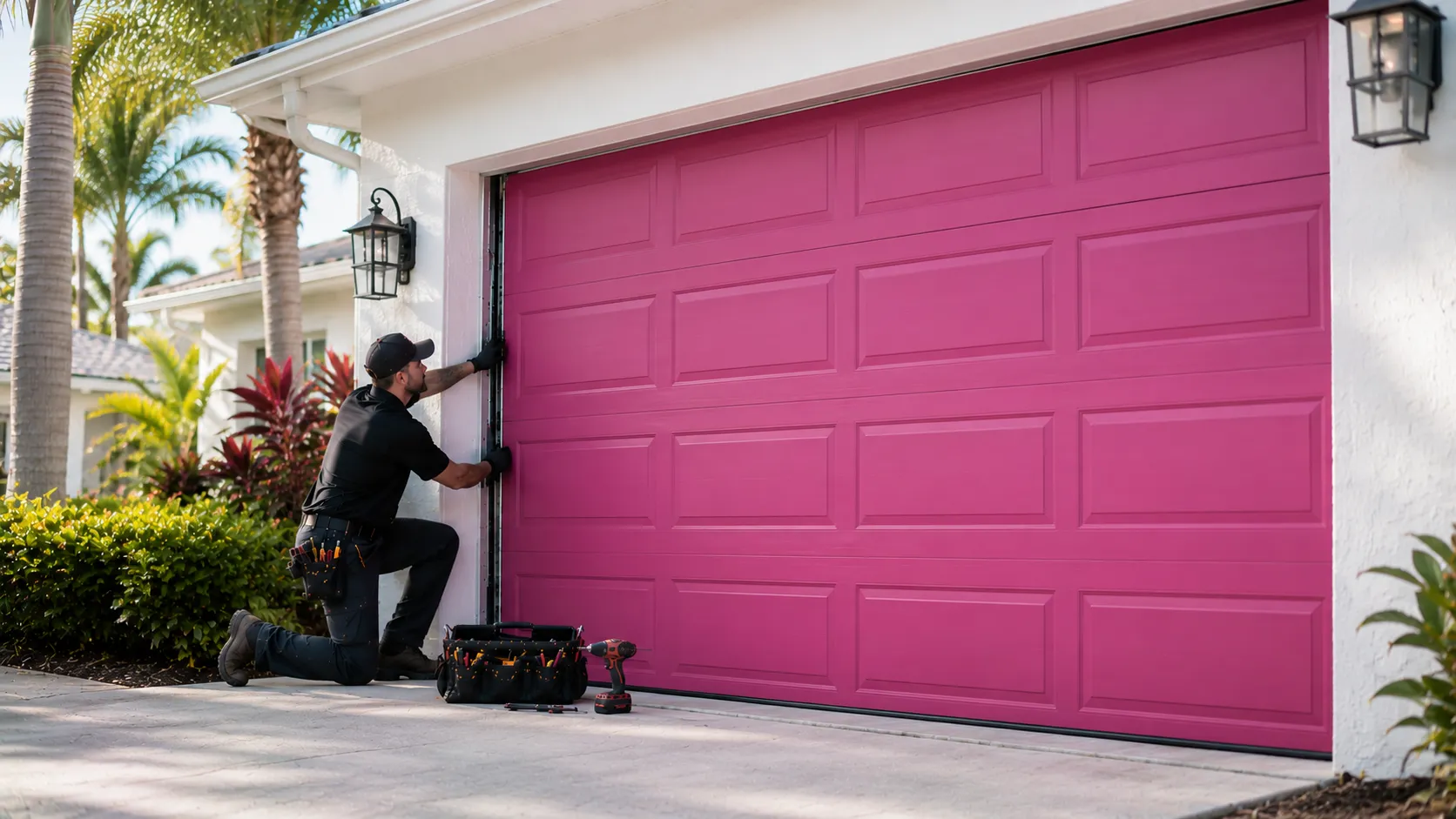
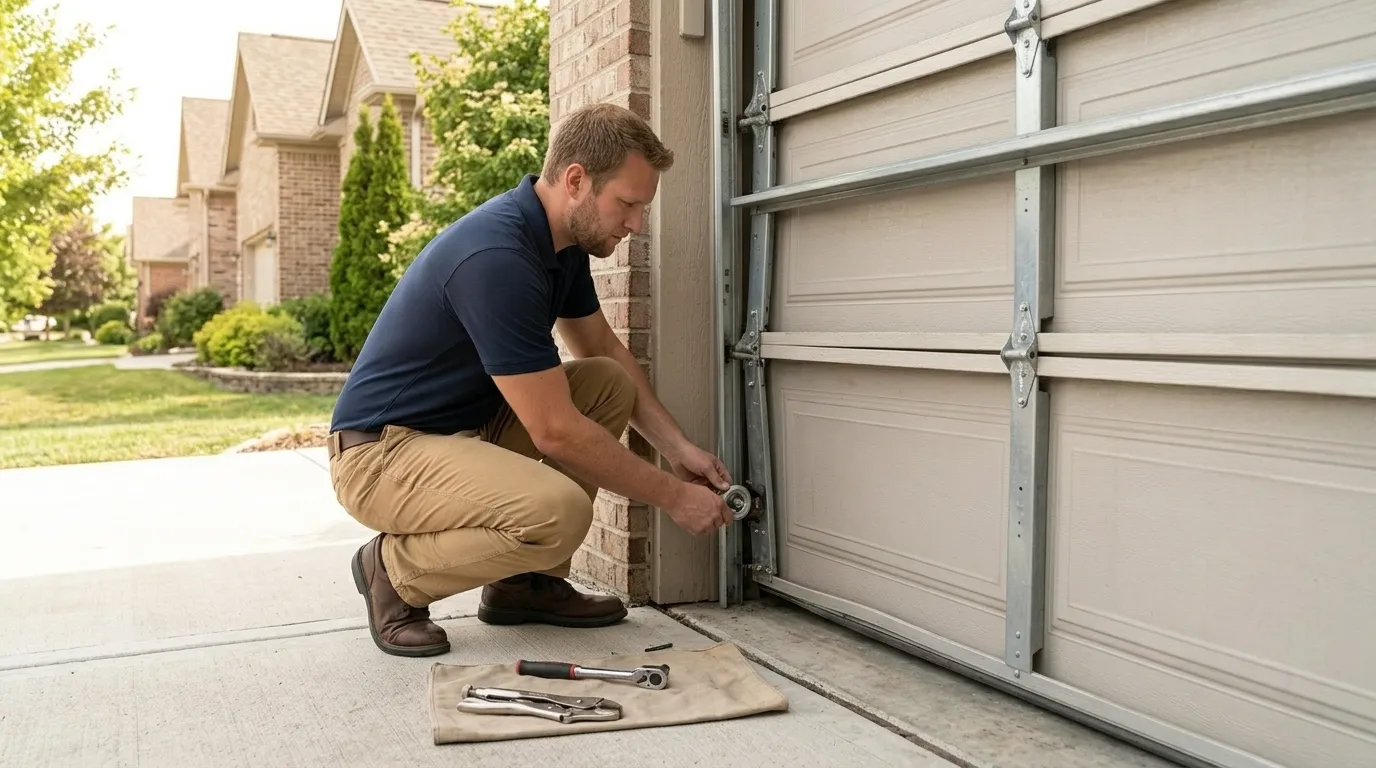
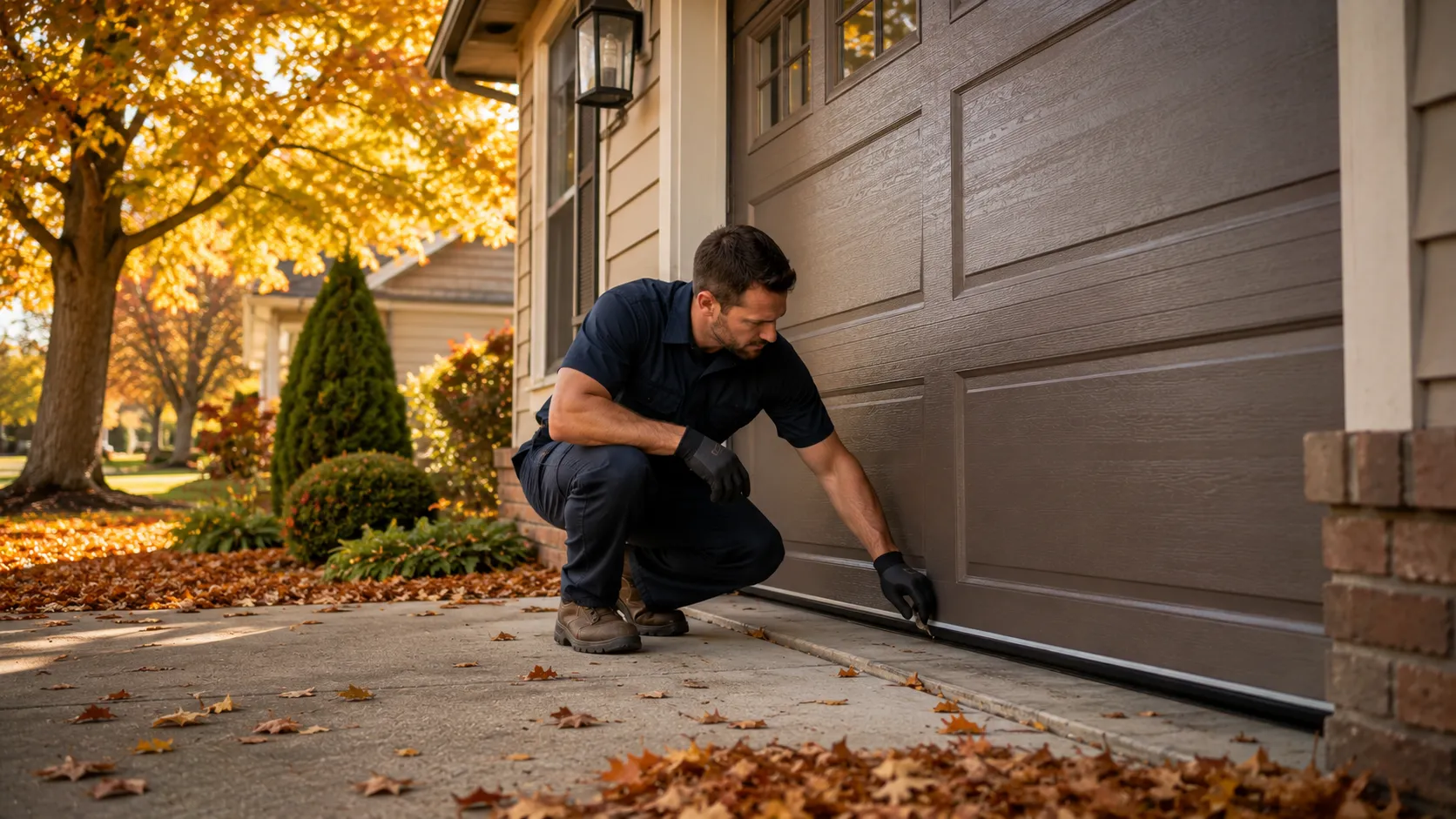
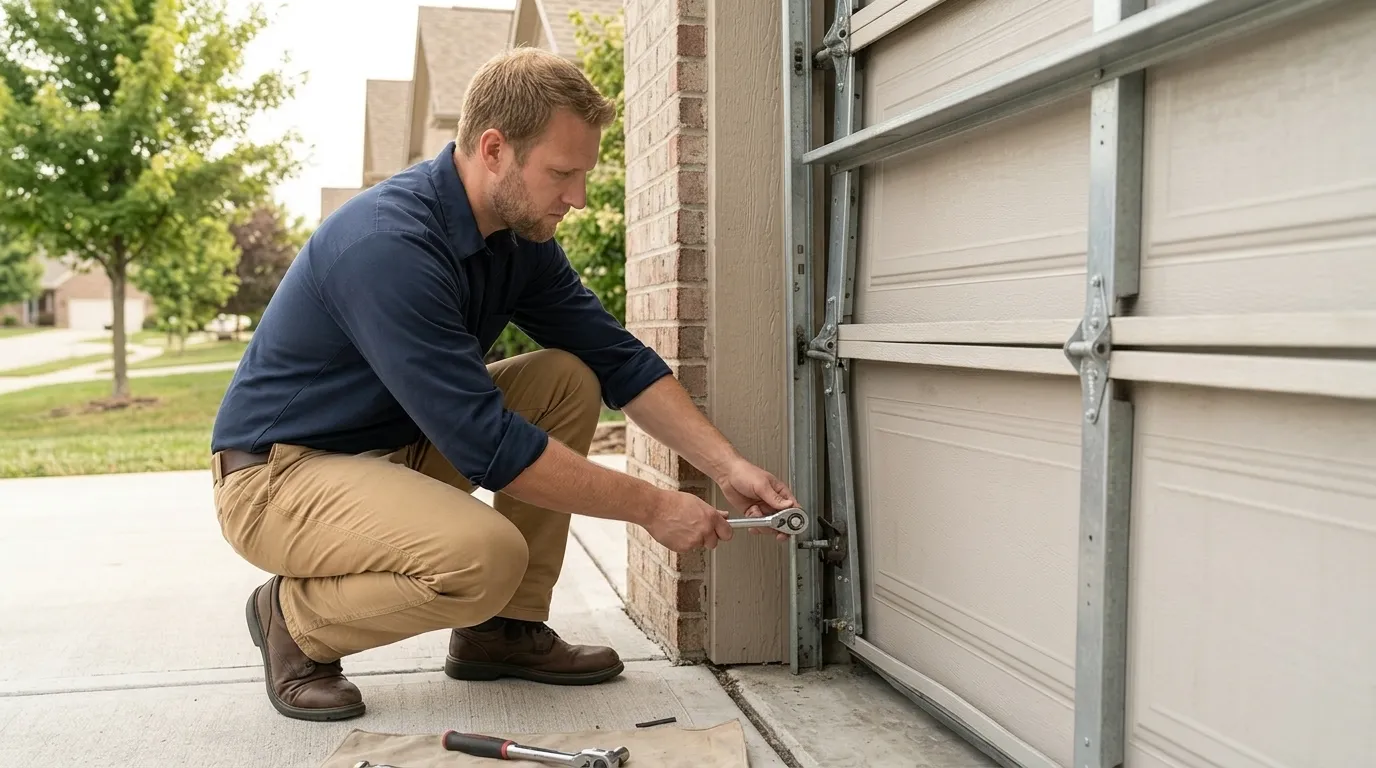
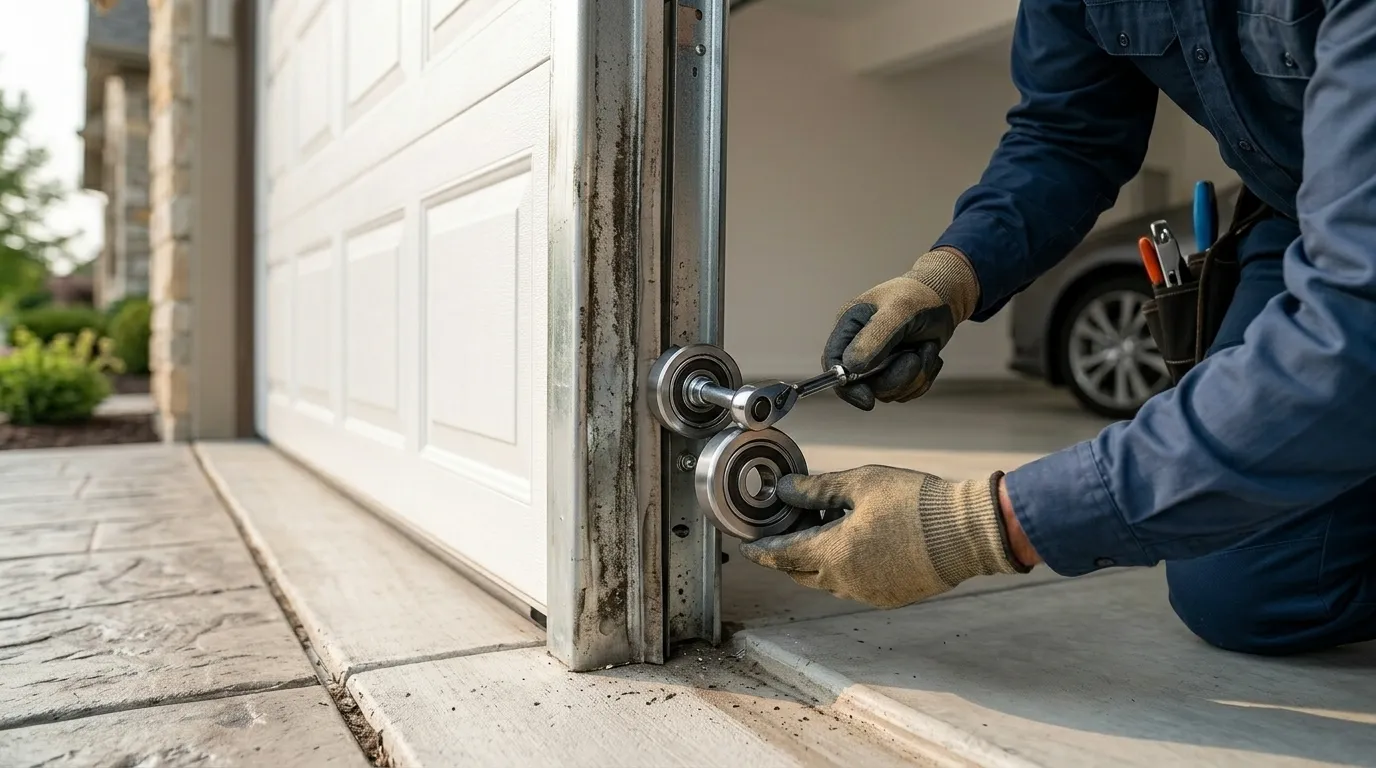
The calls we get from Hamtramck skew toward hardware that's been fighting a too-small opening for years: rollers worn oval from binding against narrow track, brackets that were re-drilled once already because the original spacing didn't match a replacement door, and openers straining because the door itself is heavier or stiffer than what the motor was sized for.
Because the median income here is lower than the wider area's $70,984, we also see more requests for a targeted fix - one spring, one section, one sensor - instead of a full teardown. That's a legitimate way to keep an older door running, and we'll tell you plainly when a repair still makes sense versus when the opening itself is the real problem.
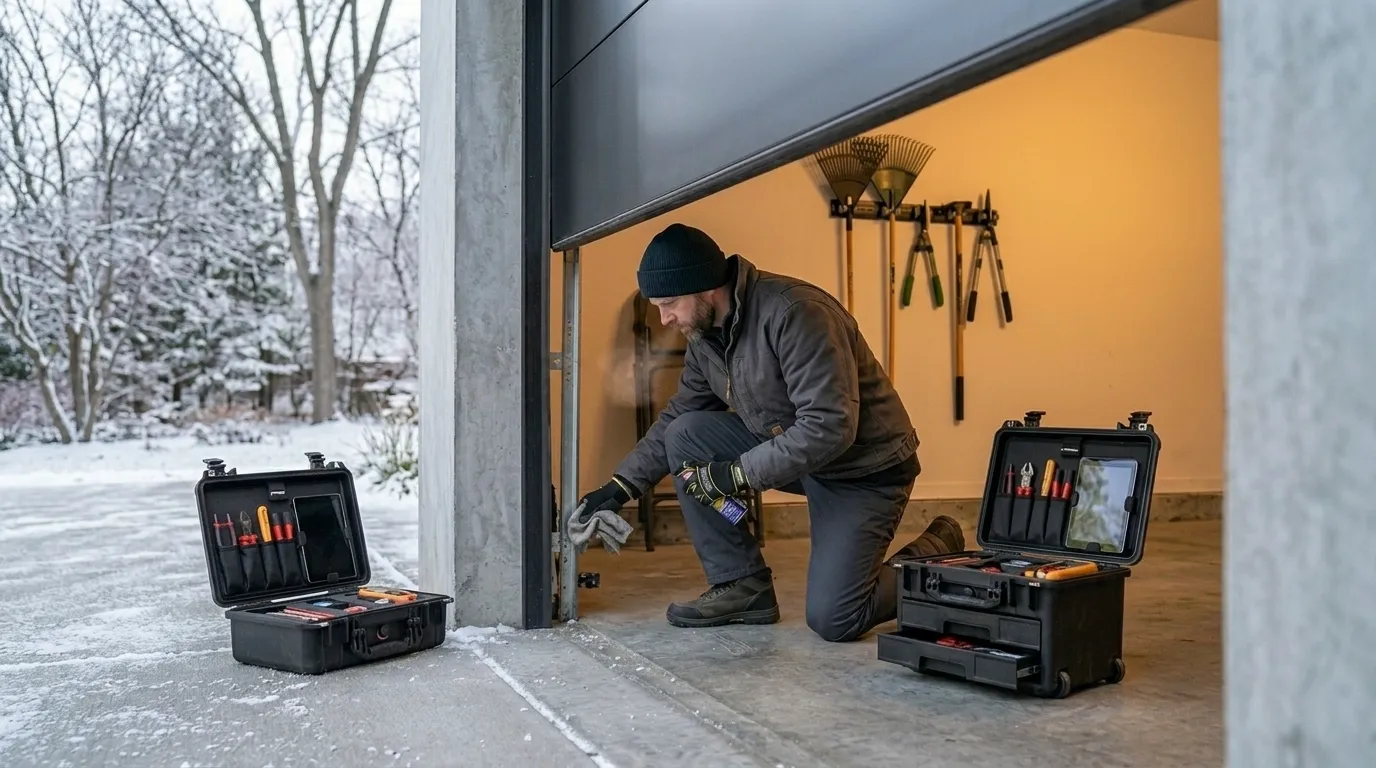
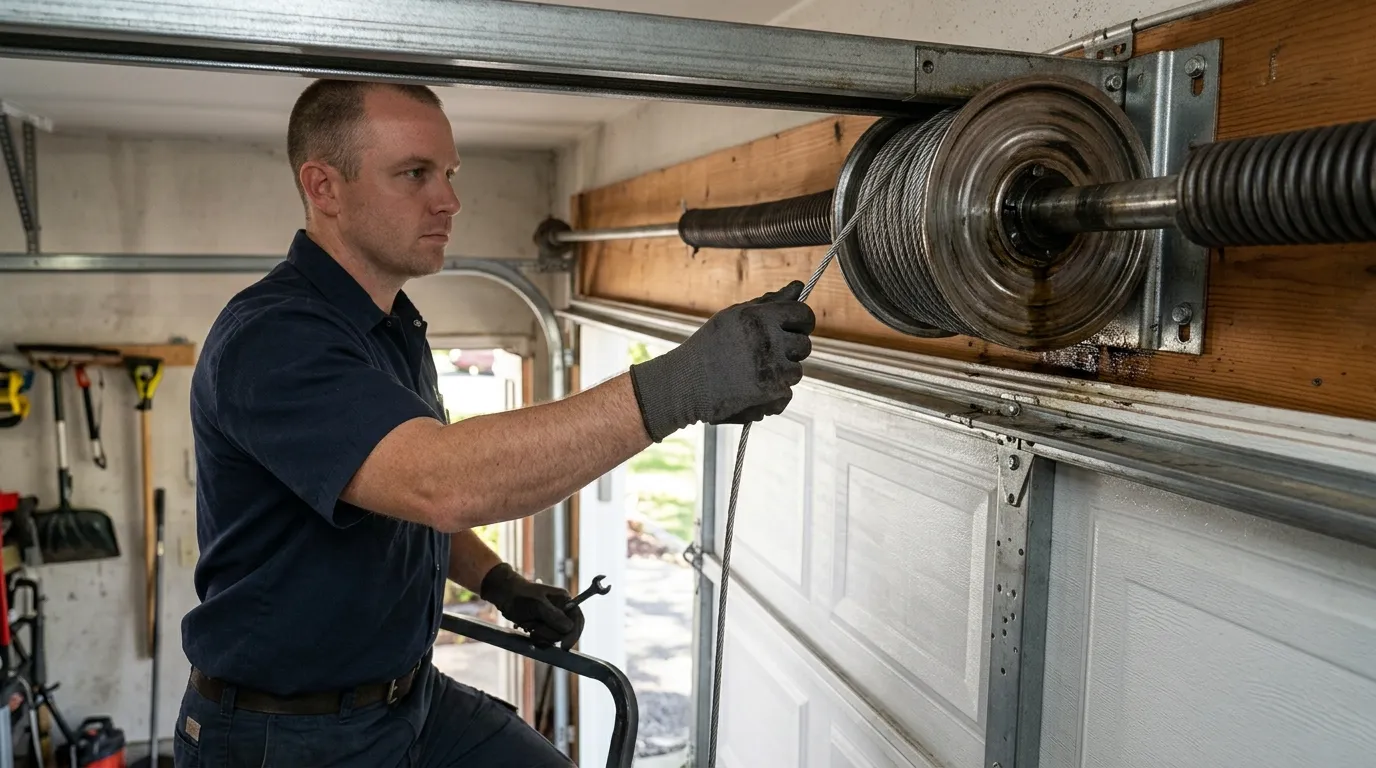
Cold-weather calls follow the same severe-winter pattern as the rest of the region: steel spring fatigue and stiff nylon rollers showing up hardest in January and February. On a narrower, older opening, a spring failure is more likely to also mean a bent track, because there's less margin for the door to rack before something scrapes.
Getting Here
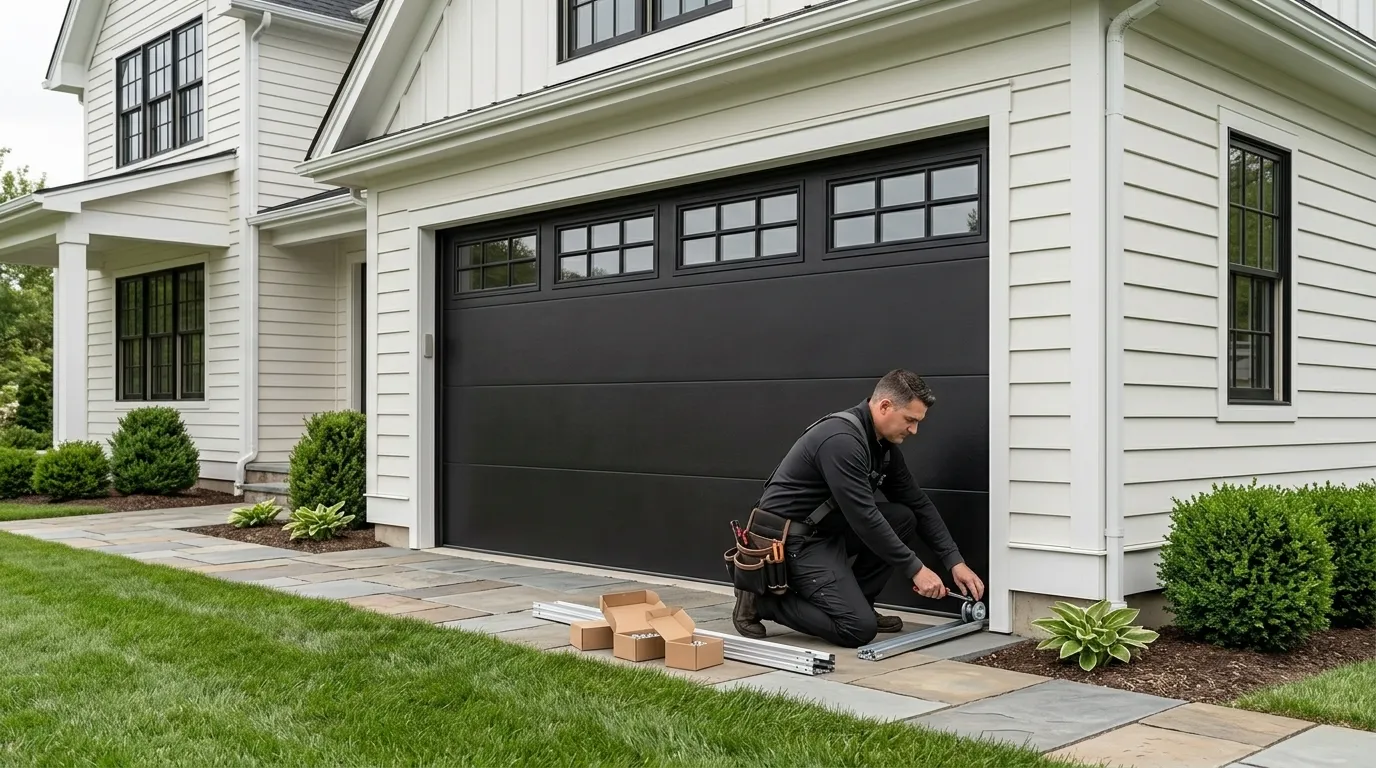
We run out of Livonia, about 16 miles from Hamtramck, so we're not sitting in a depot nearby and we won't tell you we are. What we bring is the truck, the parts for older torsion and extension setups, and the eye for spotting when an opening's age is the actual problem, not just the door.
We cover this stretch alongside the rest of the service area, and the distance means we schedule the drive rather than promise a same-hour arrival. If your spring lets go on a Tuesday morning, tell us that up front and we'll work it into the route.
You can see the rest of what we cover at /.