24/7 Emergency Service Open 7 days · 7am–8pm Serving Livonia, MI & nearby
(734) 488-7350
Livonia, MI

What Livonia's Older Housing Stock Means for Your Garage Door

Livonia's housing mostly dates to 1938-1991, much of it before modern insulation codes. Here's what that older stock means for your garage door and when to act.

What Livonia's Older Housing Stock Means for Your Garage Door

The Problem

Most houses in this part of Livonia went up between 1938 and 1991, with the median landing around 1960. That matters more than people think. A door installed on a house from that era, especially anything from the 50s and 60s, was almost never a modern insulated panel. It was a single layer of steel or wood, hung on hardware sized for a much lighter load than what gets bolted on today. When a homeowner finally swaps that old door for a new insulated one, the jamb, header, and track spacing often don't match without extra work. We see this constantly across the older sections of town: a door that looks fine gets replaced, and the install crew finds the framing was never built for a heavier insulated panel. It's not a defect in the house. It's just what building before insulation rules looked like. The fix isn't complicated, but skipping that step is how a straightforward swap turns into a return trip.

When Waiting Is Fine

Not every issue on an older door needs same-week attention. If the door still seals tight at the bottom, opens and closes on a level track, and the spring isn't visibly stretched or gapped, a cosmetic dent or a slow opener isn't an emergency. With median household income in the area around $70,984, we'd rather tell you to hold off on a full replacement than push a job that isn't urgent. A door from the 1960s stock that's been maintained can keep going for years past when people assume it's due for replacement. Where we'd tell you to move faster: any sign the door is out of insulation entirely, since that's the exact failure point on houses from this build era, or a spring that's already made noise. Otherwise, a scheduled look works fine.

What Local Conditions Do

This area sits in a cold, severe climate band, and that pairs badly with the uninsulated slab doors common on houses built before insulation rules took hold. Steel contracts in the cold, and a door with no thermal break flexes more at the panel seams every winter. On a 1960s-era door, that flexing works the same hardware that's been holding for six decades, and it's usually the torsion spring or the bottom bracket that shows it first. Freeze-thaw cycling also swells and shrinks wood jambs on the oldest end of that 1938-1991 range, which throws the track out of plumb by a few degrees. You won't see that with your eye, but the door will bind on cold mornings and roll smooth again once things warm up. That's a track and hardware issue tied directly to how this housing stock was framed, not a sign the opener is failing.

The Common Mistake

The mistake we see most in this area is homeowners replacing the opener and leaving the door alone, assuming the motor was the weak link. On a door built before insulation rules, an opener upgrade doesn't fix the real problem: a panel with no thermal break working against a cold-severe climate. The opener strains harder pulling a door that's stiffer in winter, so it looks like the opener failing when the door is what's fighting back. The other version of this mistake is patching an old single-layer door piece by piece instead of pricing a full insulated replacement once it's clear the door predates modern standards. Across the 44 named areas that share this same 1960s-70s housing pattern, that patch-and-hope approach tends to cost more over a few years than one properly sized replacement would have. We won't tell you every old door needs replacing. Plenty are fine. But if yours is uninsulated and the track keeps binding every winter, that's the door, not the motor.
How it works

From “it’s stuck” to “it’s fixed”

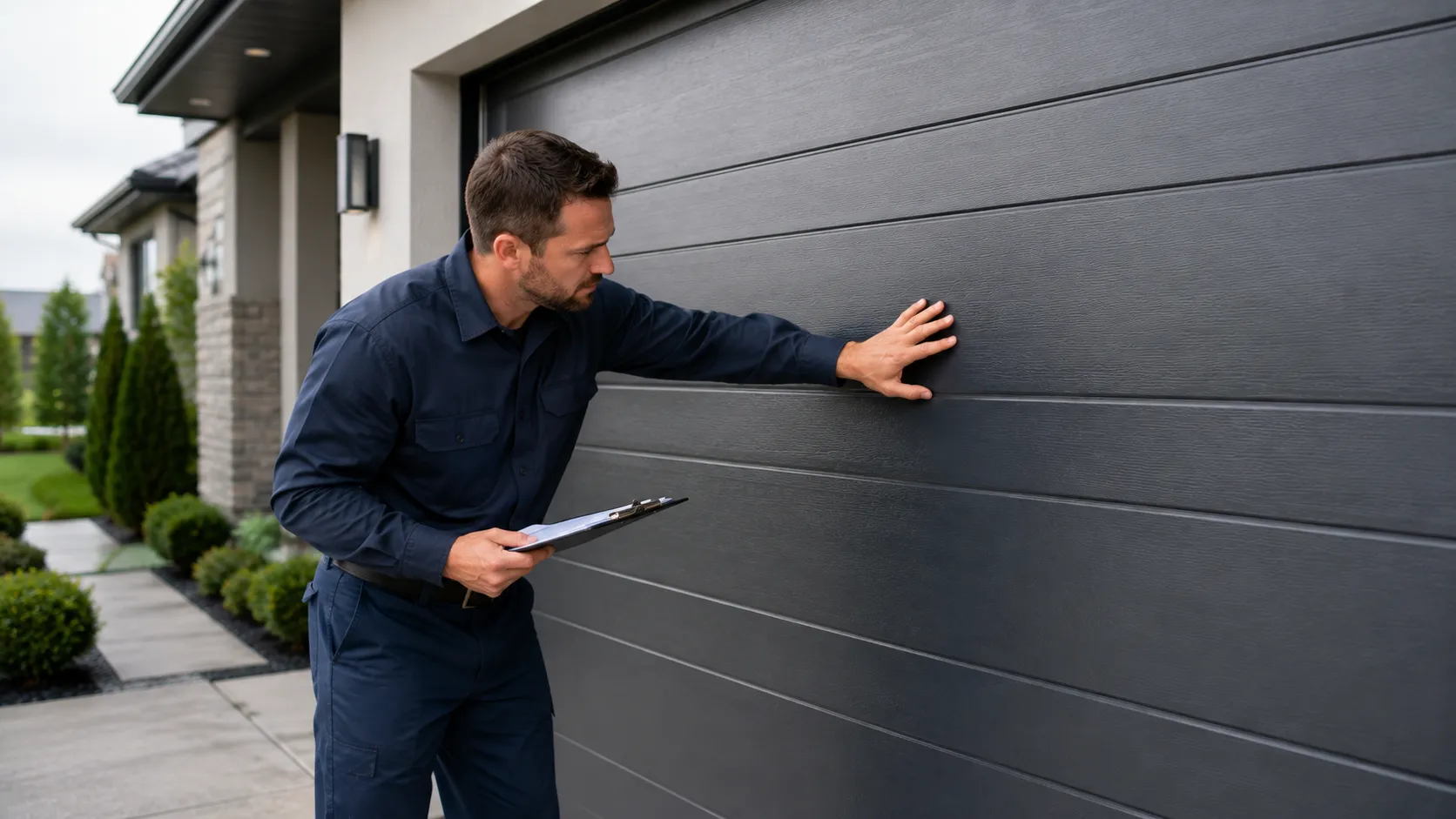
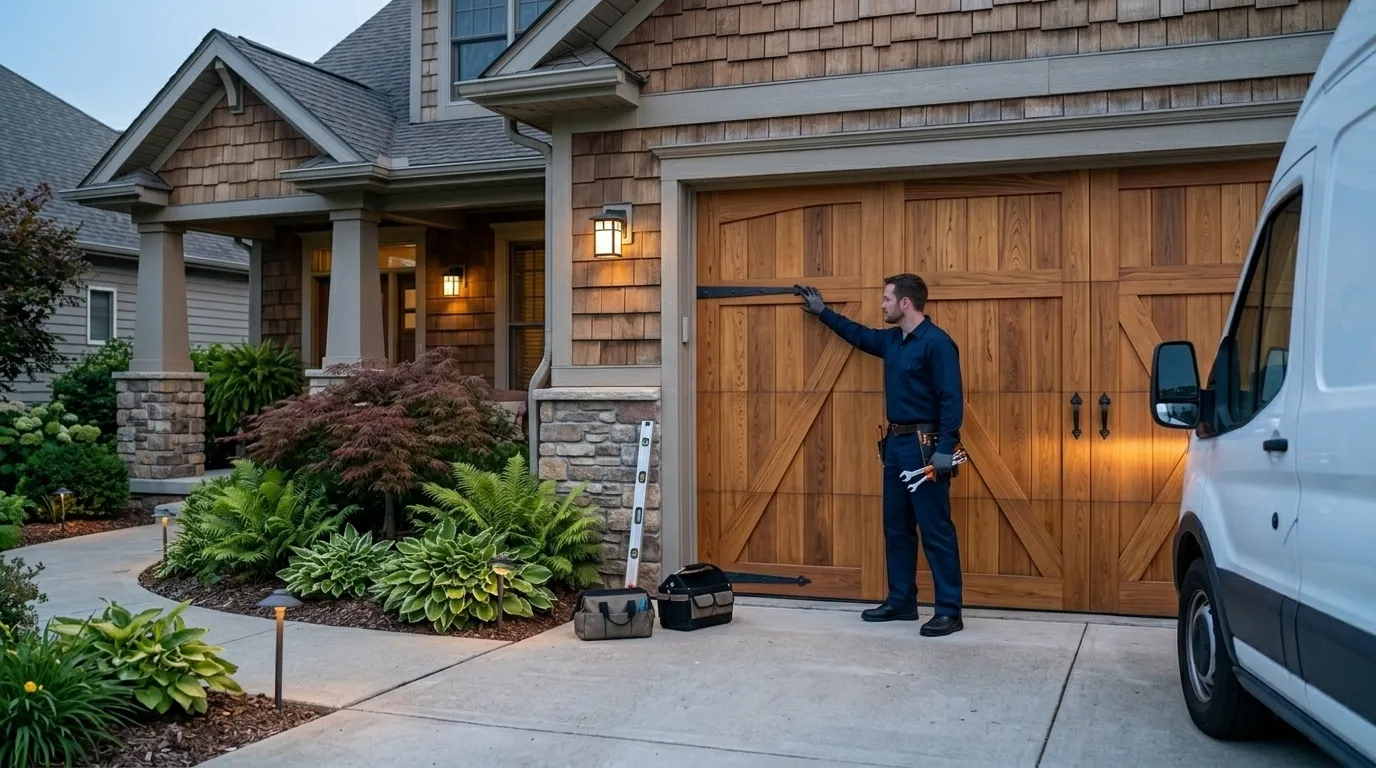
Tell us what’s wrong - Livonia garage door service

Tell us what’s wrong

Describe the symptom - won’t open, loud bang, opener runs but the door won’t move.

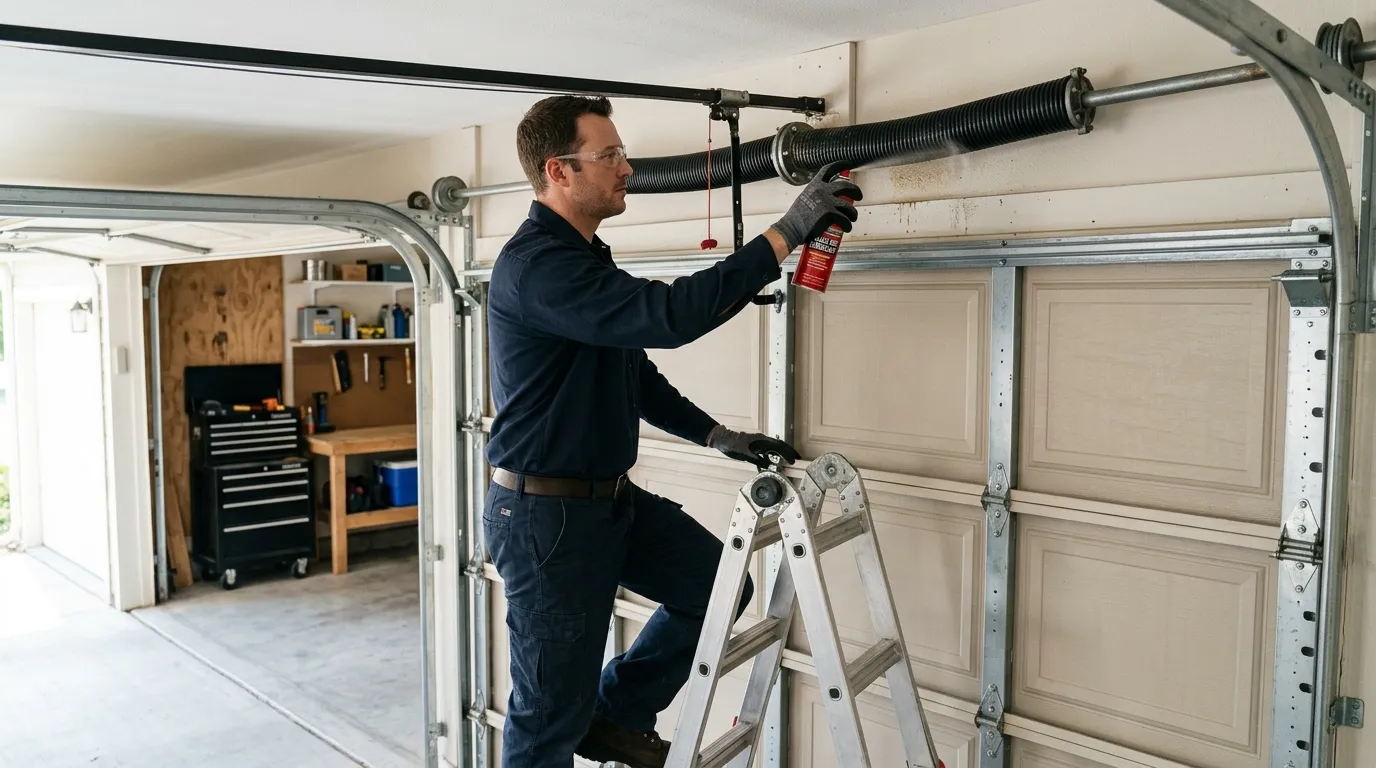
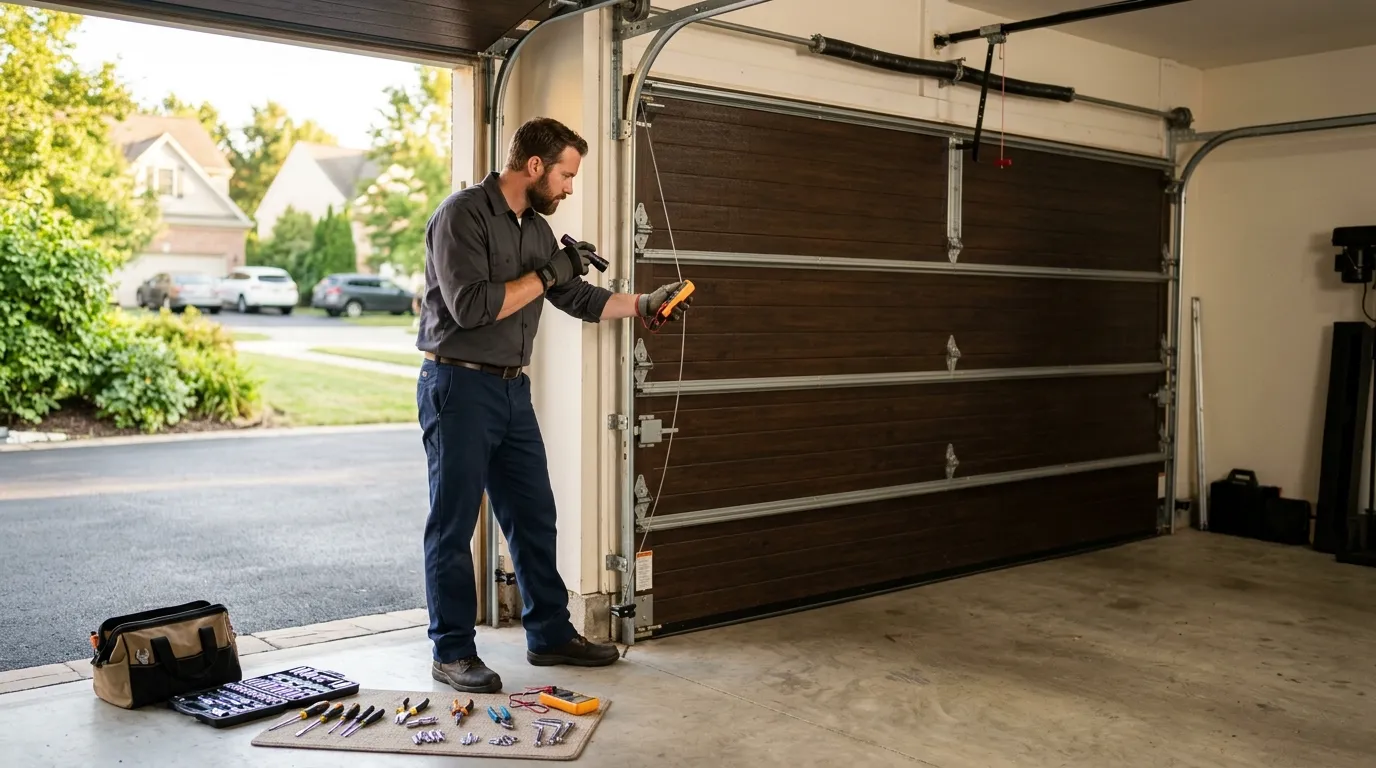
On-site diagnosis - Livonia garage door service

On-site diagnosis

A technician tests the door under power and by hand and finds what actually failed.

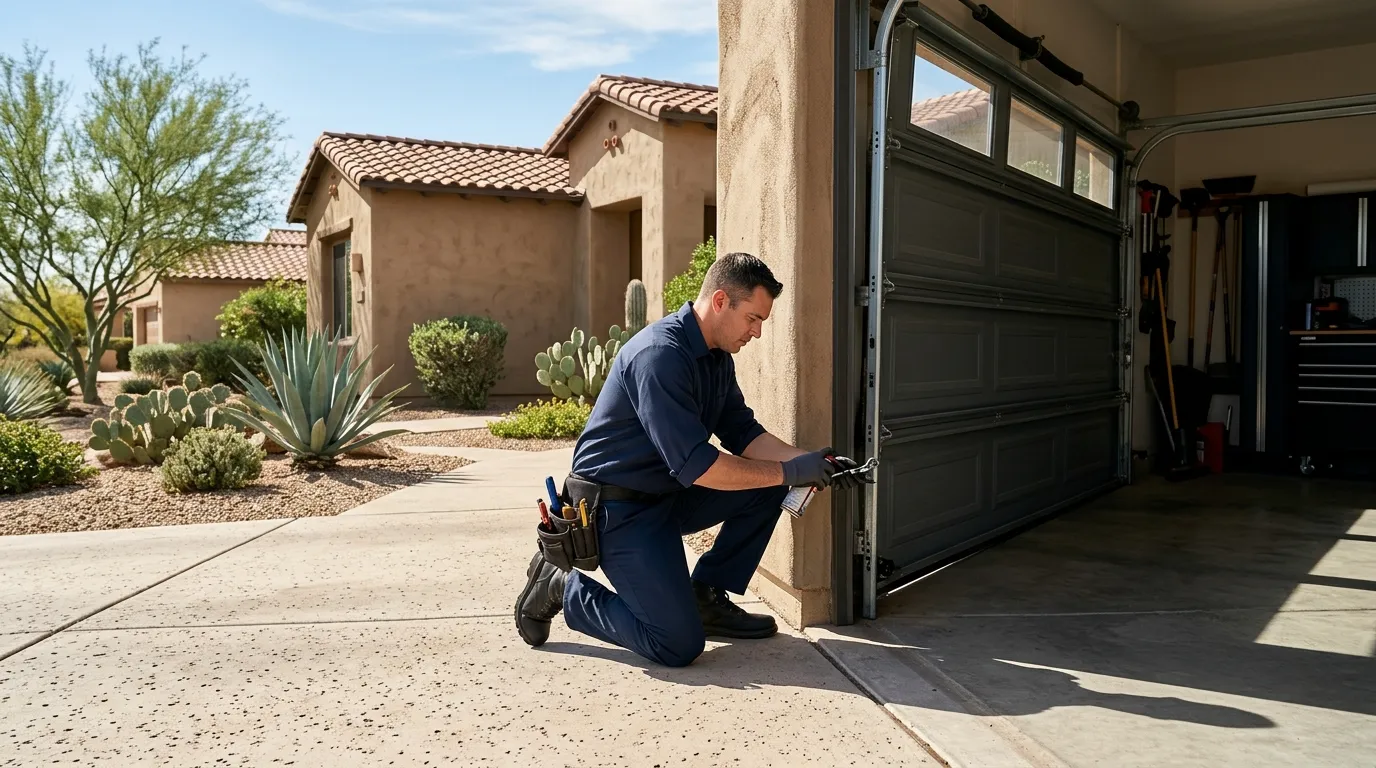
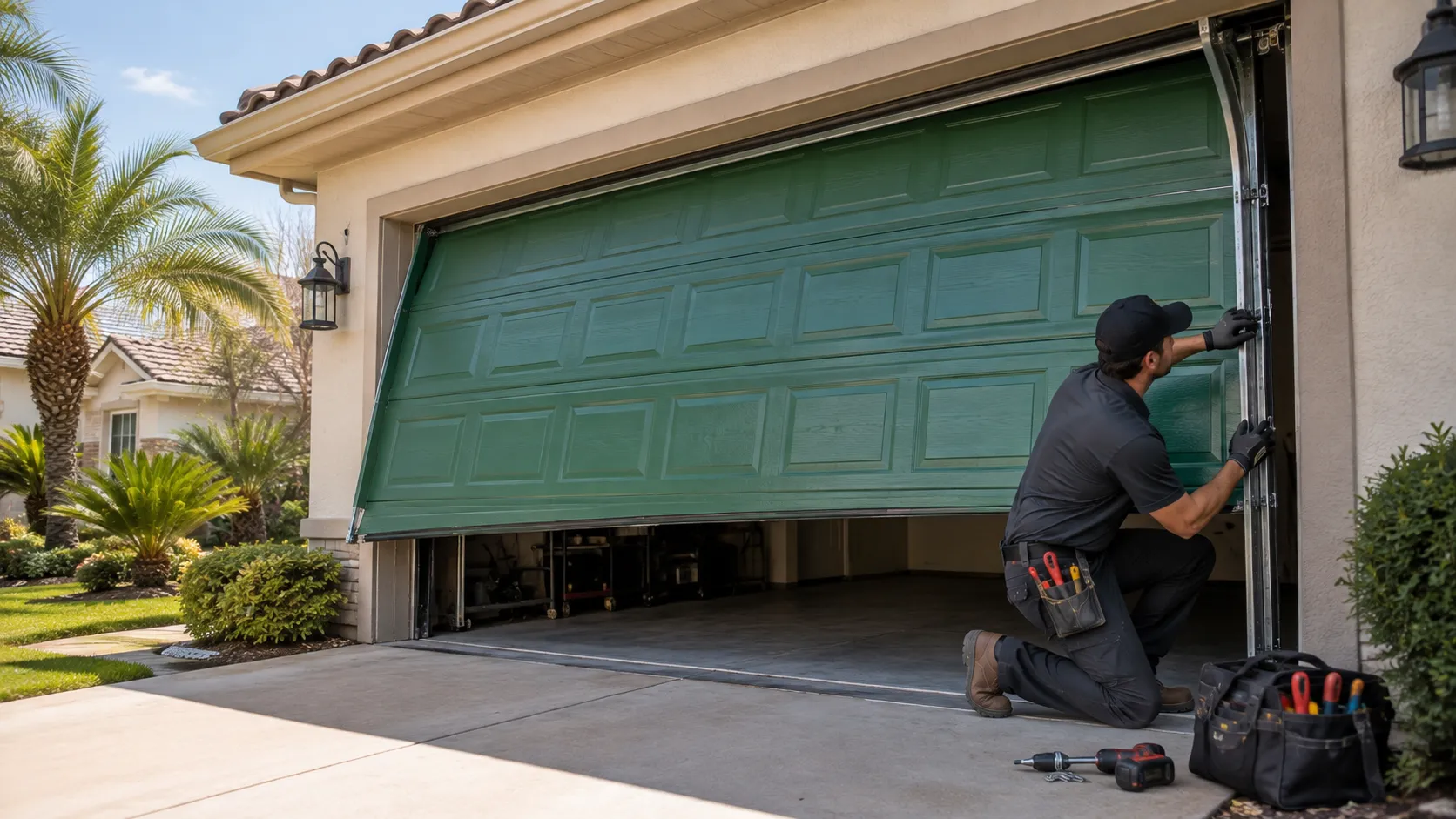
Clear, up-front plan - Livonia garage door service

Clear, up-front plan

You get the fix that’s needed and what drives the cost - before any work starts.

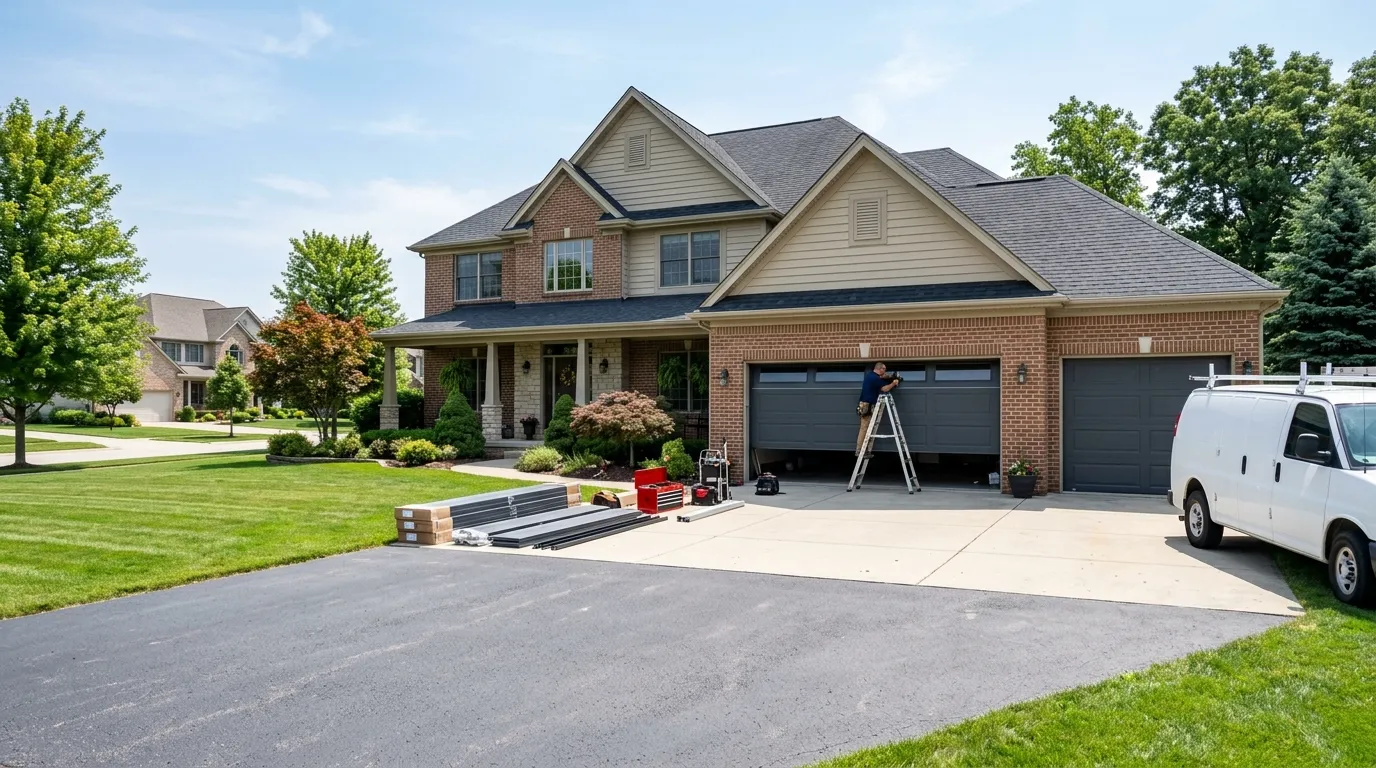
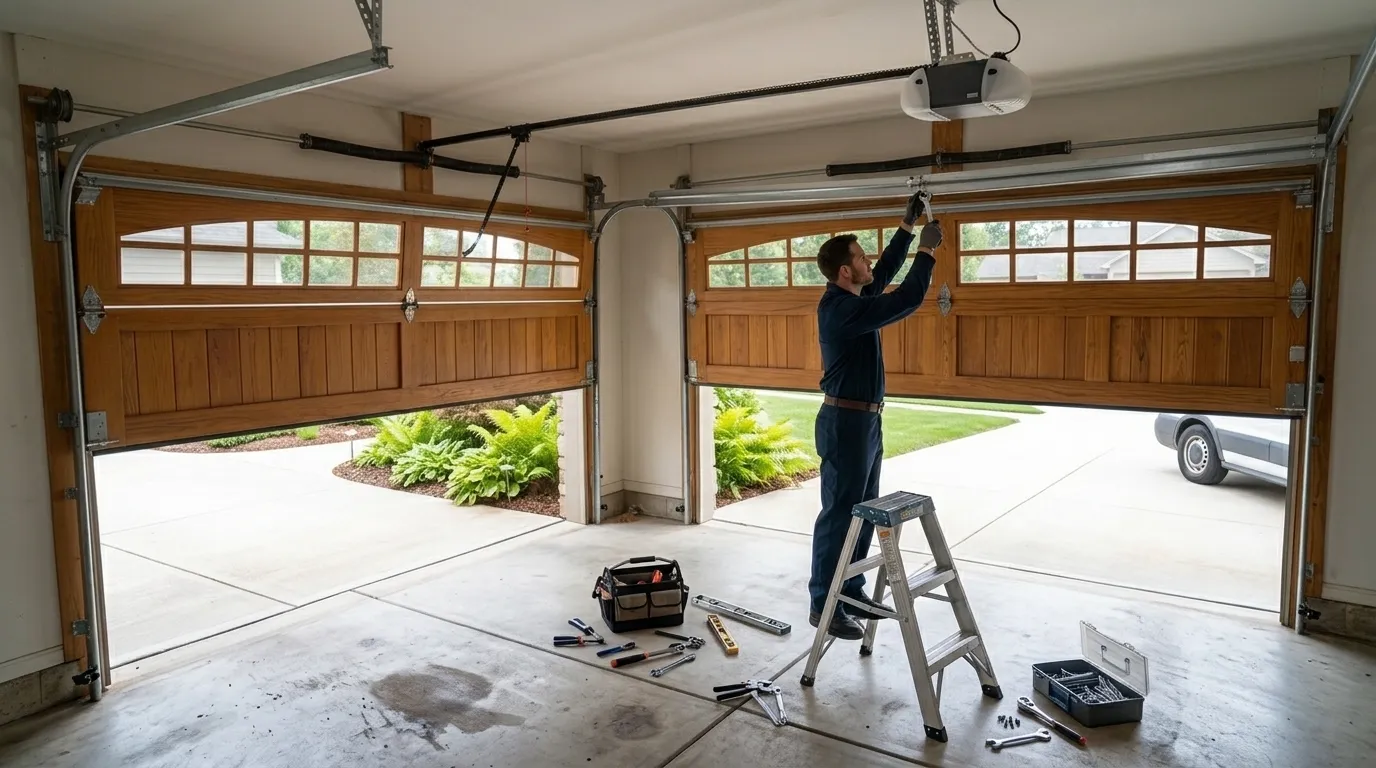
Repaired & tested - Livonia garage door service

Repaired & tested

The repair is done, the door is set true and tested, and the work area left clean.

Serving Livonia, MI - tell us what your door’s doing and we’ll take it from there.

How we work

What to expect

  • Diagnosis firstEvery visit starts by finding what actually failed - not a pre-written parts list.
  • The right part for the doorSprings and openers matched to the door’s weight and age, so the fix holds up.
  • Straight answersWhen a repair makes more sense than a replacement - or the reverse - you hear it plainly.
  • Clean, careful workTension released safely, hardware set true, the door tested under power before we leave.
Questions

Frequently asked

Straight answers about garage door repair in Livonia. Still unsure? Ask us directly.

Why does my garage door bind only in winter?

On older Livonia houses, wood jambs and steel track brackets move slightly with cold-severe winter temperatures, throwing the track a few degrees out of plumb. It usually loosens back up once temperatures rise. If it binds every winter and gets worse, have the track alignment checked before it strains the opener.

Is my door old enough to be uninsulated?

If your house dates to the 1950s or 60s, which covers a large share of homes in this part of town, the original door was almost certainly a single layer with no thermal break. Check for a hollow, thin panel with no foam backing. That's the giveaway, not the age of the house alone.

Should I replace the opener or the door first?

If the door predates insulation codes and is stiff in cold weather, replacing just the opener usually doesn't solve the underlying strain. Look at the door and track condition first. A new opener on a bad door just fails faster.

Do all older Livonia homes have this issue?

Not all, but it's common enough that we treat it as the default assumption on houses built in the 1938-1991 range, especially anything from the 1950s and 60s. A previous owner may have already replaced the door, so it's worth checking the panel itself rather than guessing from the house's age.

Ready to get your garage door sorted?

Tell us what it’s doing and where you are in Livonia - we’ll take it from there.

Request a QuoteCall