The Problem
Livonia's housing stock runs 1938 to 1991, with the median build year sitting around 1960. That matters more than people think when the power drops. A house wired in the 1960s or 70s got an opener added later, often on a circuit that was never meant to carry anything but a single garage light. When the power cuts, that opener goes dead with no battery backup, no chain override built in, and sometimes no manual release cord that anyone remembers is there. You're standing in the driveway with a dead motor and a door that weighs more than you think.
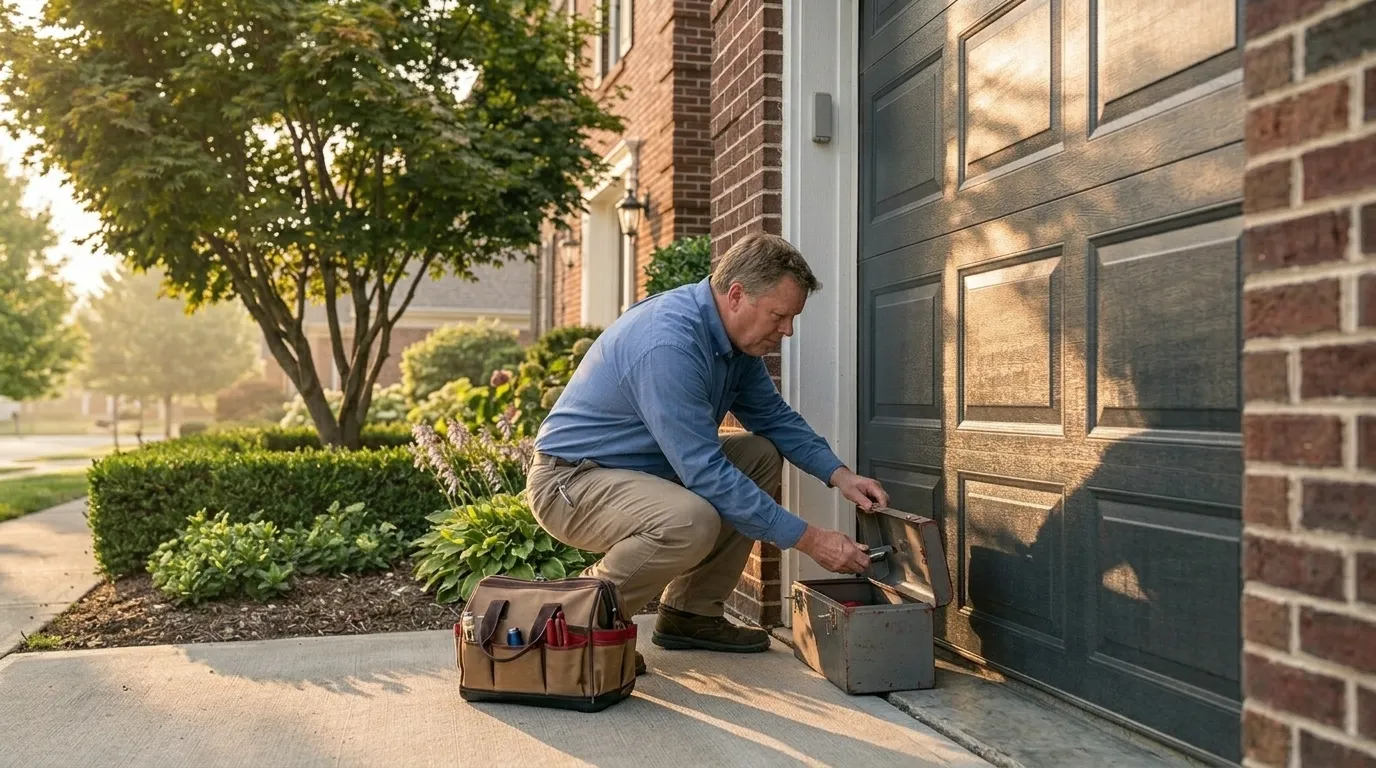
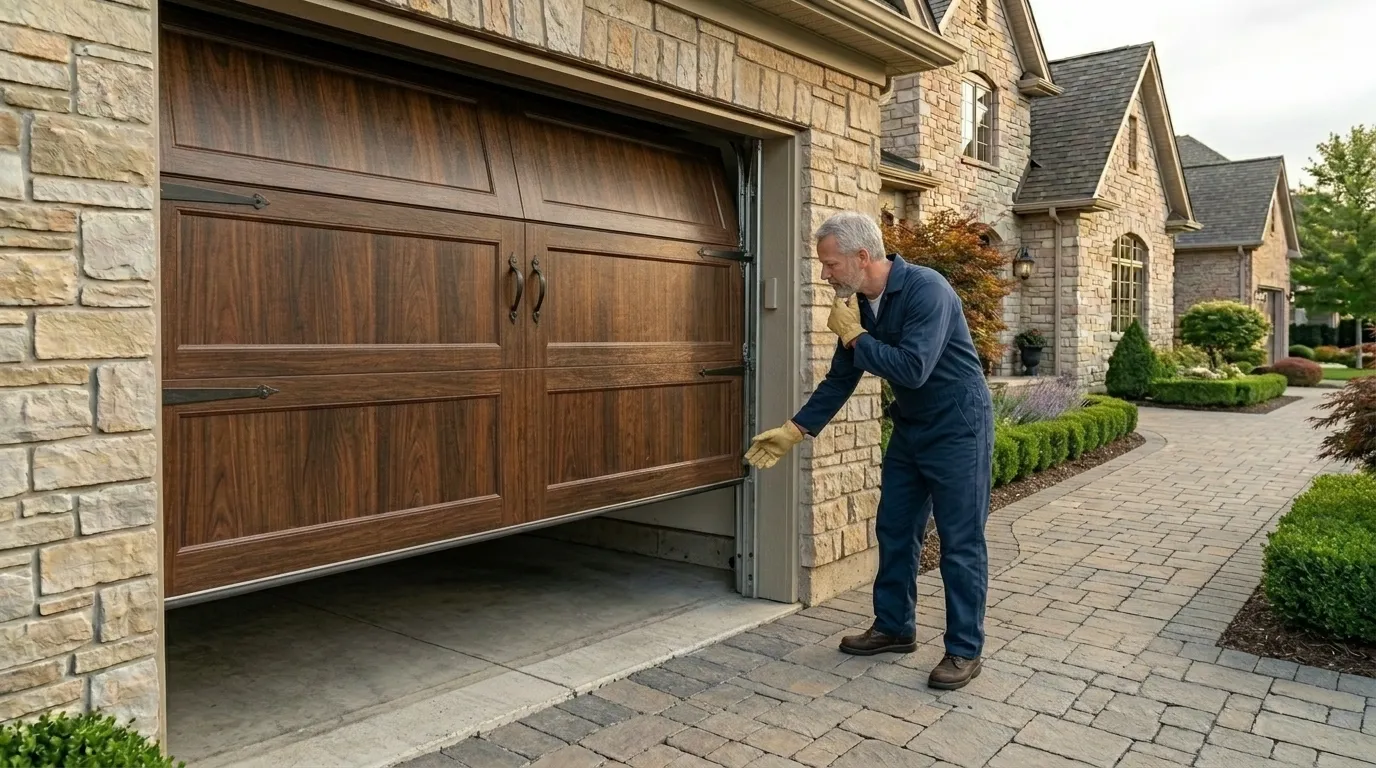
The fix isn't complicated once you know the door is there: pull the emergency release, lift by hand, close it again by hand until power's back. The problem is most owners in these older sections of town have never located the release cord, because the house came with an opener already installed by a previous owner decades ago and nobody walked them through it. That's not a design flaw. It's just a gap nobody filled in.
When Waiting Is Fine
Not every power cut needs a call. If your opener loses power for a short stretch and comes back before you need the car, there's nothing to do - the door sits closed, the springs hold the weight the same as always, and once power's restored the opener resyncs on its own most of the time. You don't need to manually cycle the door just because the lights flickered.
Where it's fine to wait: short outages, doors that were closed when power dropped, and openers under ten or so years old with a working wall control. Where it's not fine to wait: if you need the car out now, or if the outage runs long enough that you're using the manual release repeatedly - that cord and trolley aren't built for daily use and will wear out faster than the motor ever would.
The Common Mistake
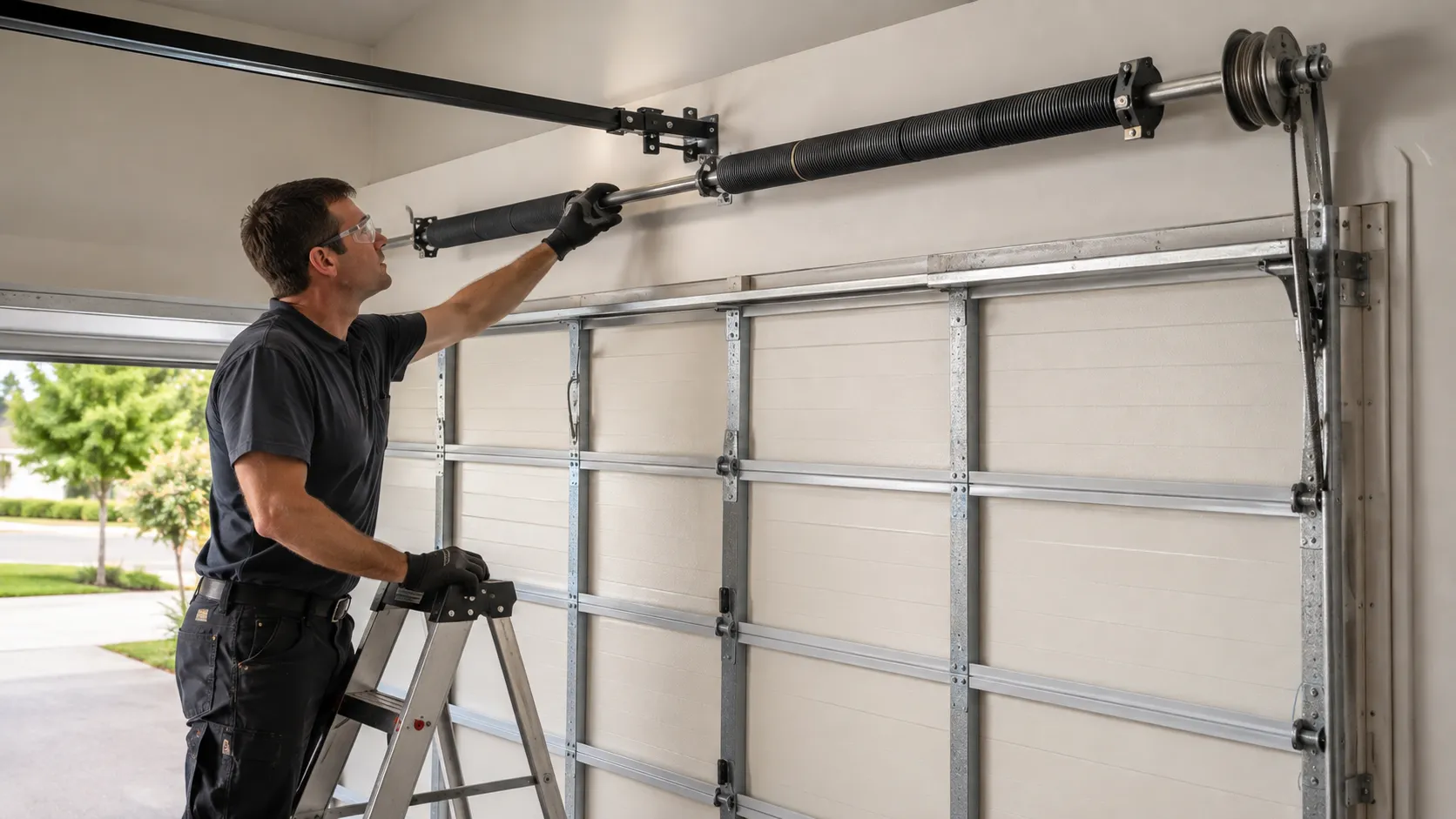
The mistake we see most is treating the manual release like a permanent workaround instead of an emergency-only tool. Owners with a 1960s or 70s house, no battery backup on the opener, and a long outage start opening and closing the door by hand every time they need the car, for days. The trolley release mechanism isn't rated for that kind of repeat use, and neither are the springs if the door's out of balance to begin with.
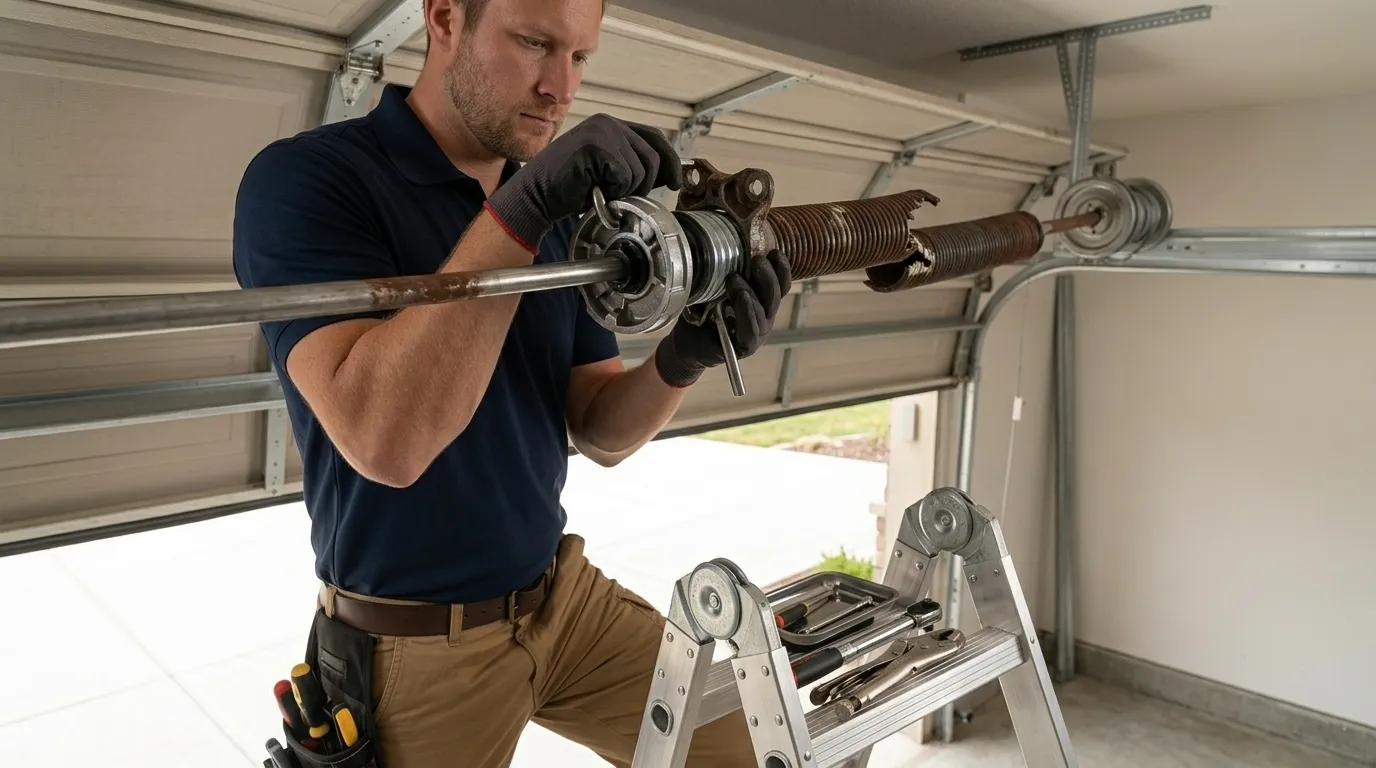
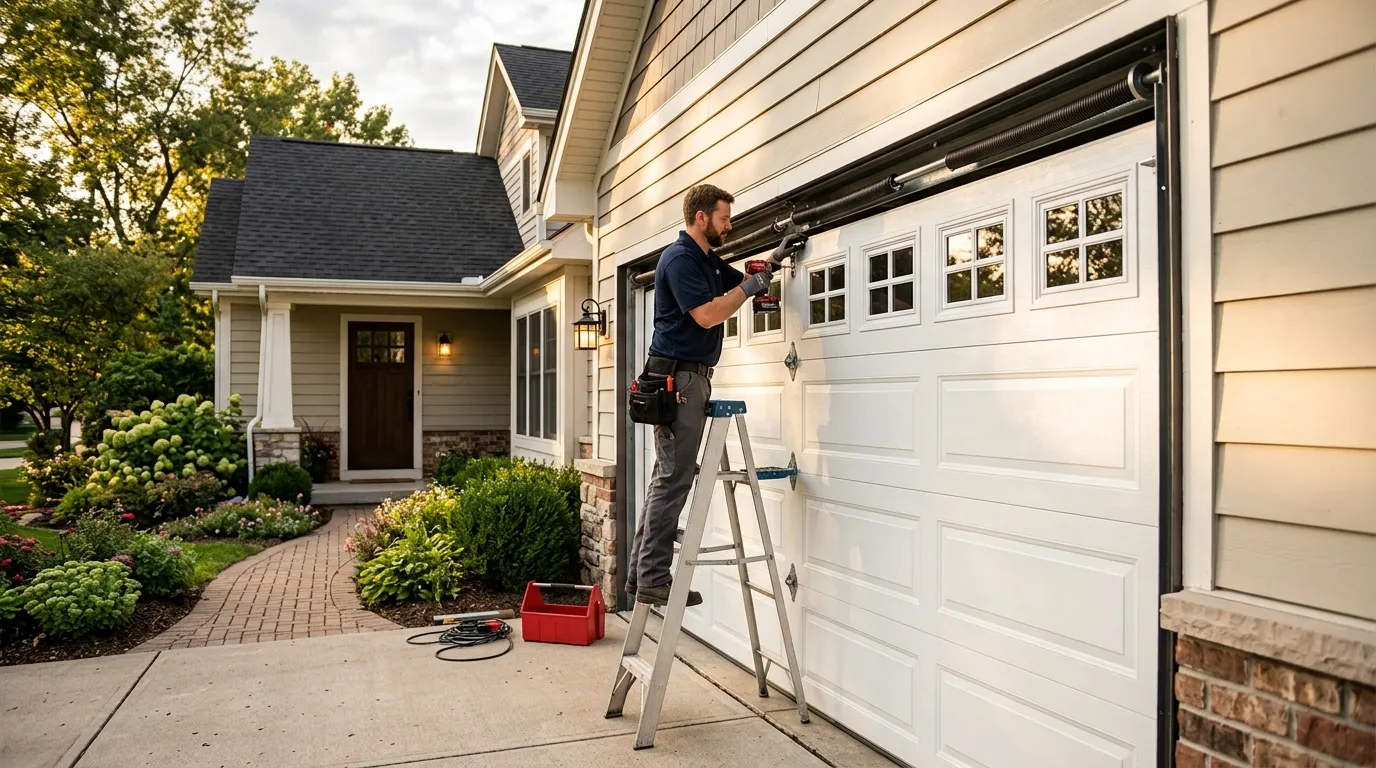
We don't sell a battery backup as the fix for every household - with median income here around $70,984, it's a reasonable add for some and not a priority for others, and we'll say so plainly if your opener and springs are in decent shape otherwise. What we won't do is tell you a battery backup fixes a door that's already out of balance or running on original-era hardware. That's a spring and cable job first. If your door hasn't been serviced since the house was resold last, get it checked before you lean on the manual release as your daily plan.