24/7 Emergency Service Open 7 days · 7am–8pm Serving Livonia, MI & nearby
(734) 488-7350
Livonia, MI

What Your Garage Door Is Trying to Tell You

Grinding, popping, or a rhythmic thump on a Livonia garage door usually traces back to hardware from the 1960s building boom and decades of Michigan winters working against it.

What Your Garage Door Is Trying to Tell You

The Problem

Most houses in this part of Livonia went up between 1938 and 1991, with the bulk of the stock dating to the 1960s and 70s. That means a lot of original or first-replacement hardware: torsion springs sized for lighter doors, rollers that were steel when steel was standard, and track brackets fastened straight into framing that has shifted an inch or two over sixty years. A noise that would be background hum on a newer door is often a specific part telling you it's near the end of its rated cycle count. A sharp bang on opening is usually a spring. A rhythmic thump once per rotation is usually a flat spot on a roller or a bent track section. A grinding whine that gets worse in cold weather is almost always a bearing plate that's dry and has been dry for years, because nobody greases a bearing plate on a schedule. None of these are random. Each one points to a part, and on a house this age, that part has likely never been replaced. The honest limitation here: a noise alone doesn't tell us the full story on a door we haven't seen, so any diagnosis over the phone is a guess, not a quote.

When Waiting Is Fine

Not every noise is an emergency, and treating all of them as one is how homeowners get oversold. A door that's slightly louder than it used to be, with no change in how it moves, opens, or closes, can usually wait for a scheduled visit rather than a same-day call. A single squeak on an otherwise smooth cycle is often just a roller that needs lubrication, something you can do yourself with the right spray and five minutes. Where waiting stops being fine: if the noise is new, sudden, and paired with the door hesitating, sagging on one side, or reversing on its own, that's a spring or cable under load losing tension, and it can let go the rest of the way without warning. On the older torsion setups common in this area's 1960s-era houses, a failing spring rarely announces itself gradually. It's fine, fine, fine, then not. If your door is still opening and closing on schedule with just added noise, you have time to book it right rather than rush it.

What Local Conditions Do

Livonia sits in a climate zone rated cold and severe, and that matters more to a garage door than most homeowners assume. Steel contracts in cold weather, and on a door built or last serviced decades ago, contracted steel means tighter tolerances on rollers, more resistance on the track, and more load on a spring that's already lost some tension over the years. That's why noise complaints cluster in the cold months here - it's not that parts fail more often in winter, it's that winter is when marginal parts stop hiding. Nearby areas like Plymouth, Garden City, and Dearborn Heights sit in the same weather band and see the same seasonal pattern on houses of a similar age. Grease also behaves differently below freezing: standard lubricant thickens and stops doing its job right when you need it most, which is part of why a bearing plate that was fine in September starts grinding in January. None of this is a defect specific to any one door. It's what this climate does to hardware that's already carrying decades of cycles.

The Common Mistake

The mistake we see most often on service calls in this area is spraying WD-40 on a noisy part and calling it fixed. WD-40 is a solvent, not a lubricant - it cleans off old grease and dust, which quiets things down for a week or two, then leaves the metal drier than before. On hardware from the 1960s and 70s housing stock that makes up most of Livonia, that dry metal is often already worn thin, and a solvent accelerates the wear instead of slowing it. The second common mistake is ignoring a noise because the door still opens, on the logic that a working door isn't a broken door. With 163,915 owner-occupied houses across this service area, a large share built well before modern spring and cable standards, a door that's still opening on a compromised spring isn't a door that's fine - it's a door that hasn't failed yet. The fix for both mistakes is the same: use actual lithium or silicone garage door lubricant on rollers, hinges, and the bearing plate, and get a spring or cable that's making noise inspected before it's the reason your car is stuck inside.
How it works

From “it’s stuck” to “it’s fixed”

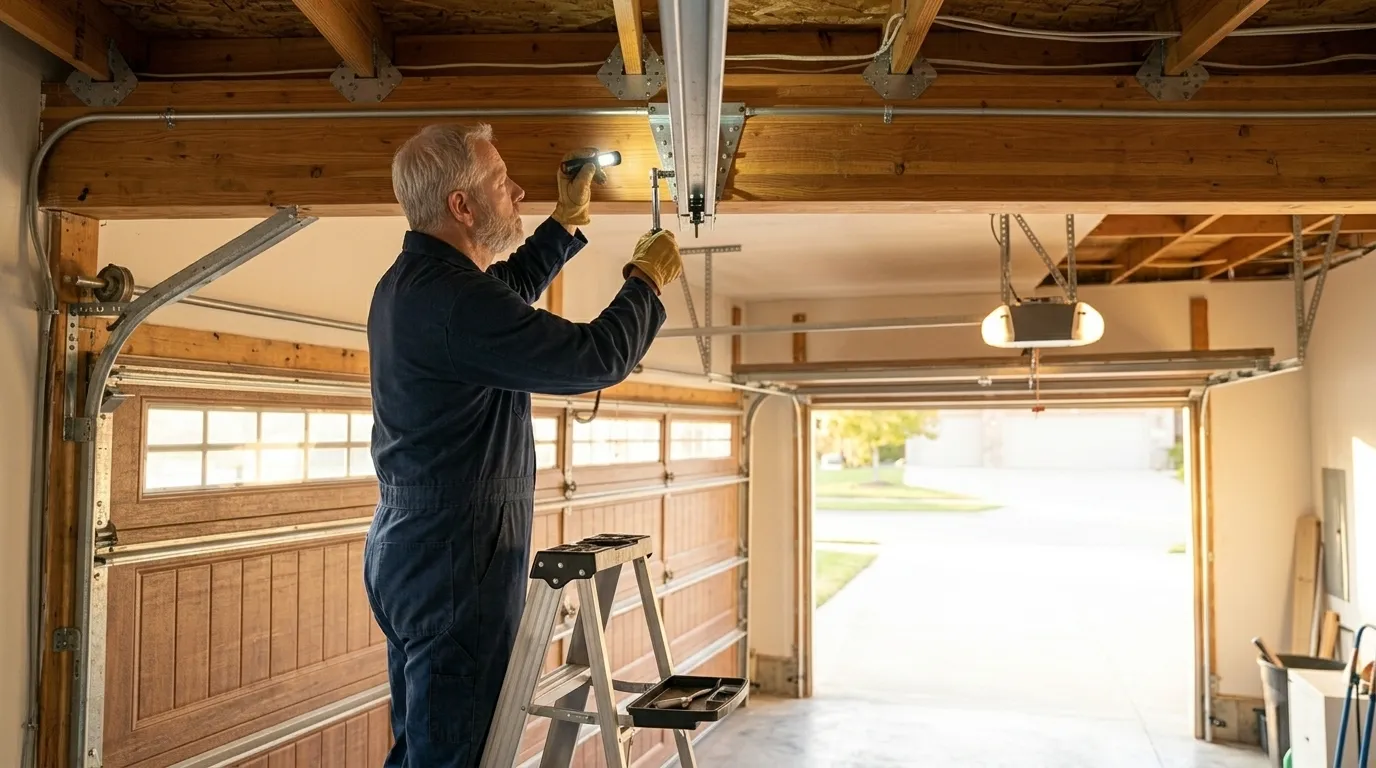
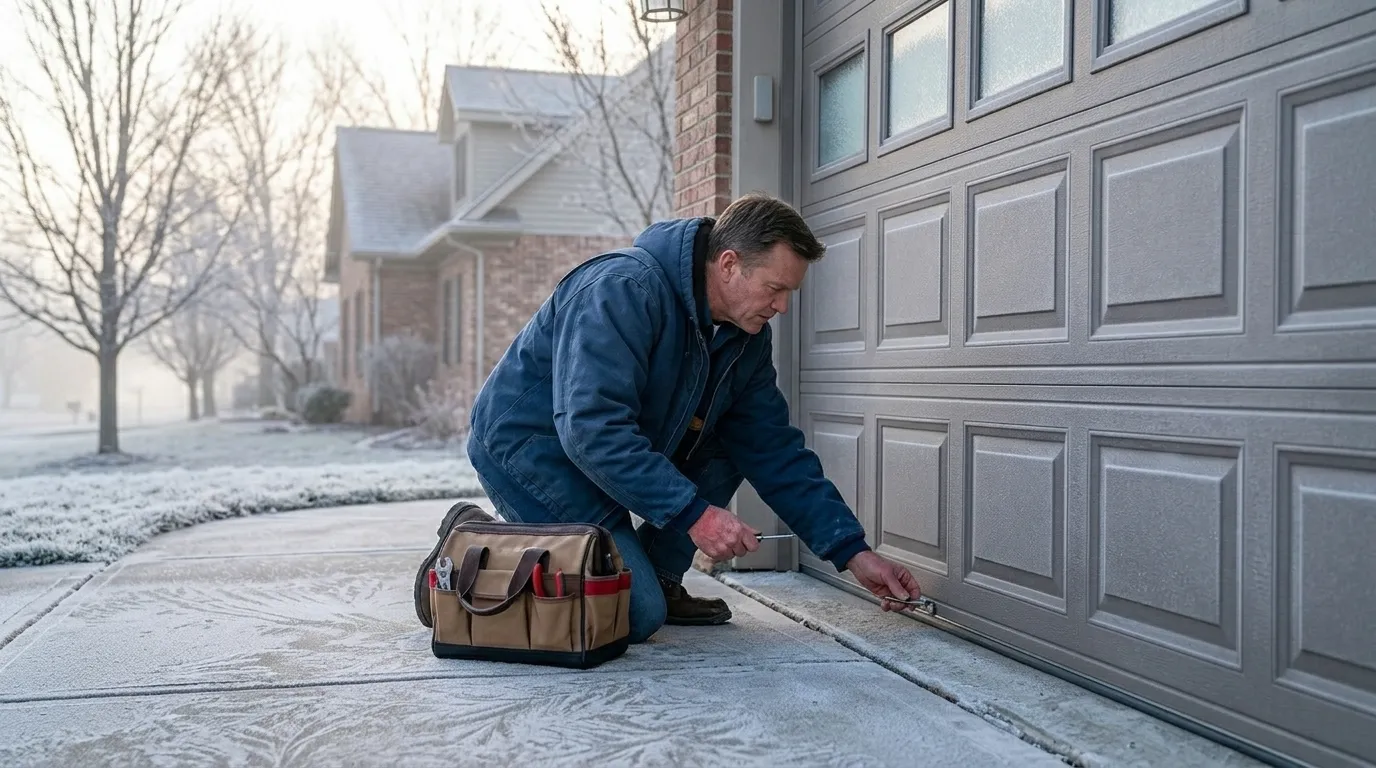
Tell us what’s wrong - Livonia garage door service

Tell us what’s wrong

Describe the symptom - won’t open, loud bang, opener runs but the door won’t move.

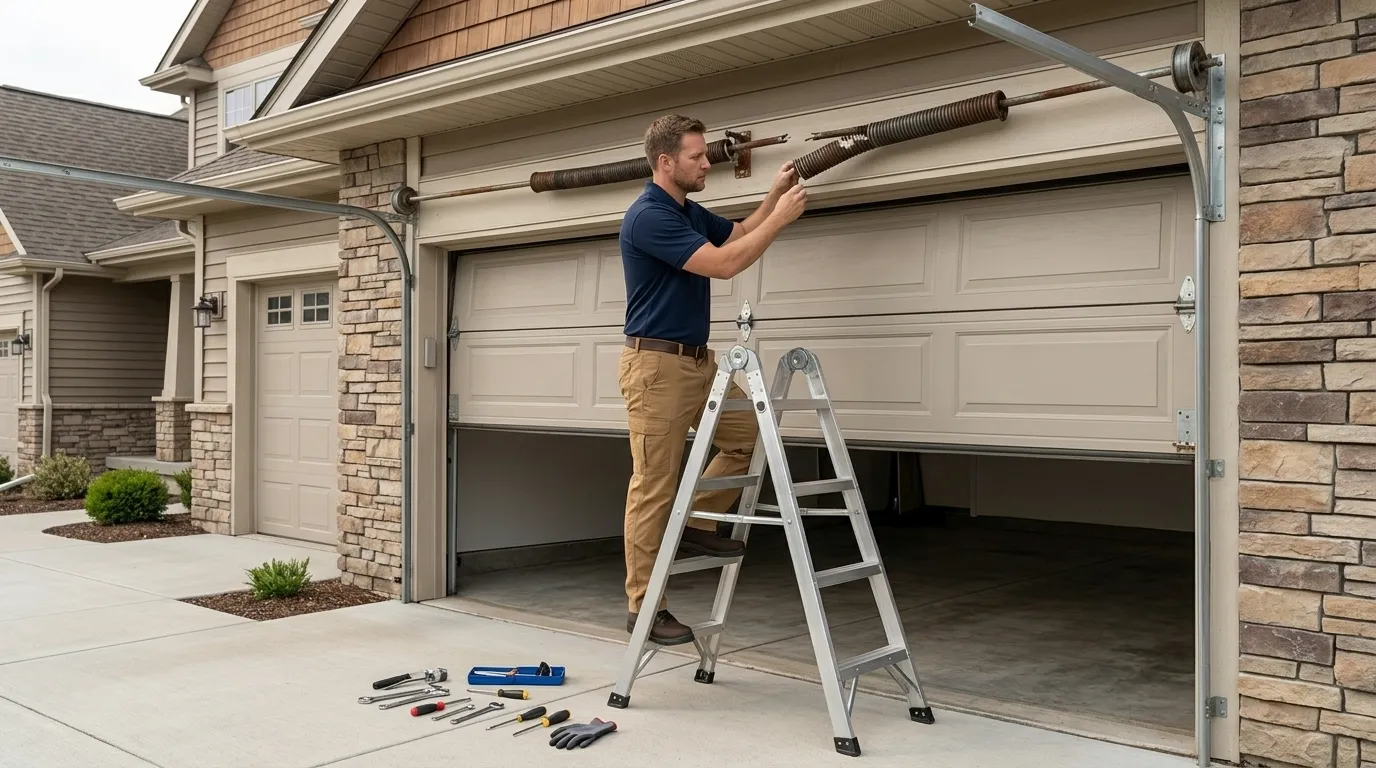
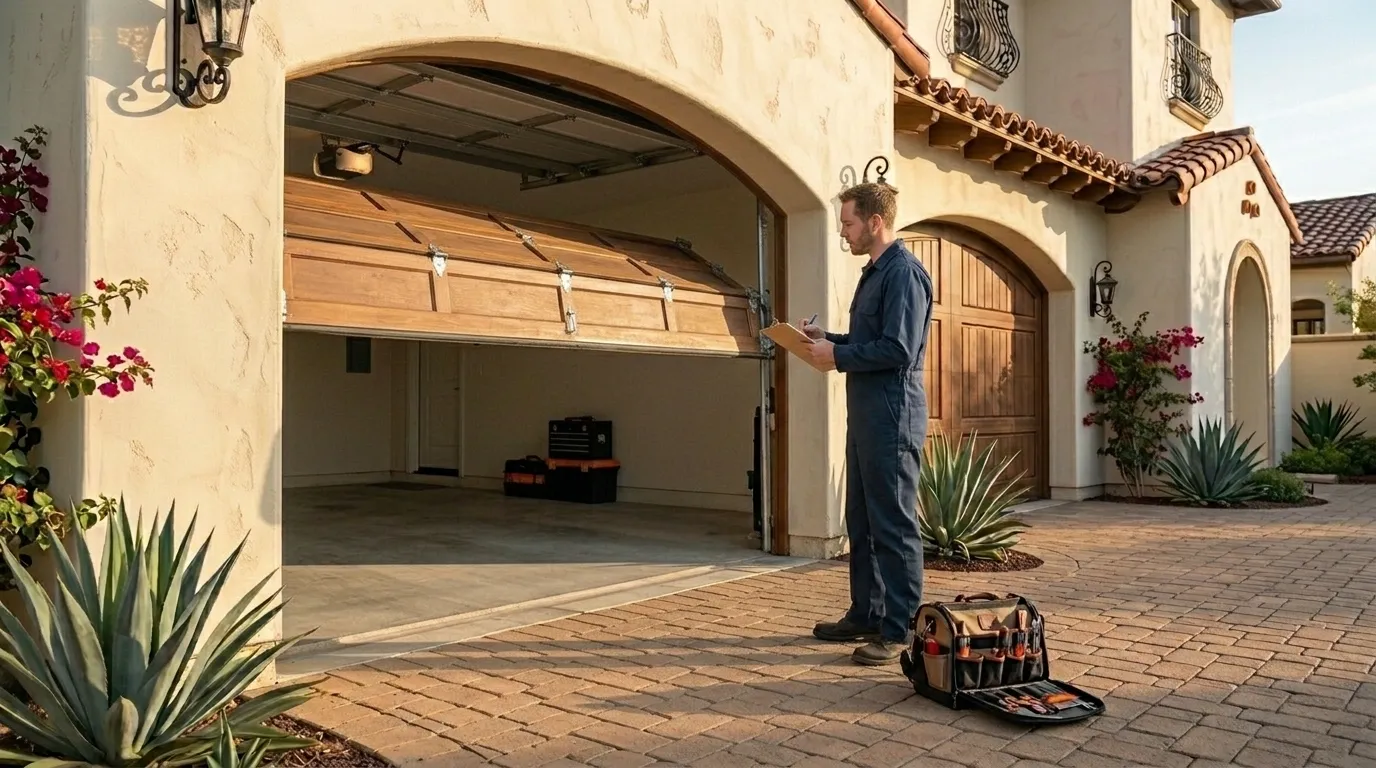
On-site diagnosis - Livonia garage door service

On-site diagnosis

A technician tests the door under power and by hand and finds what actually failed.

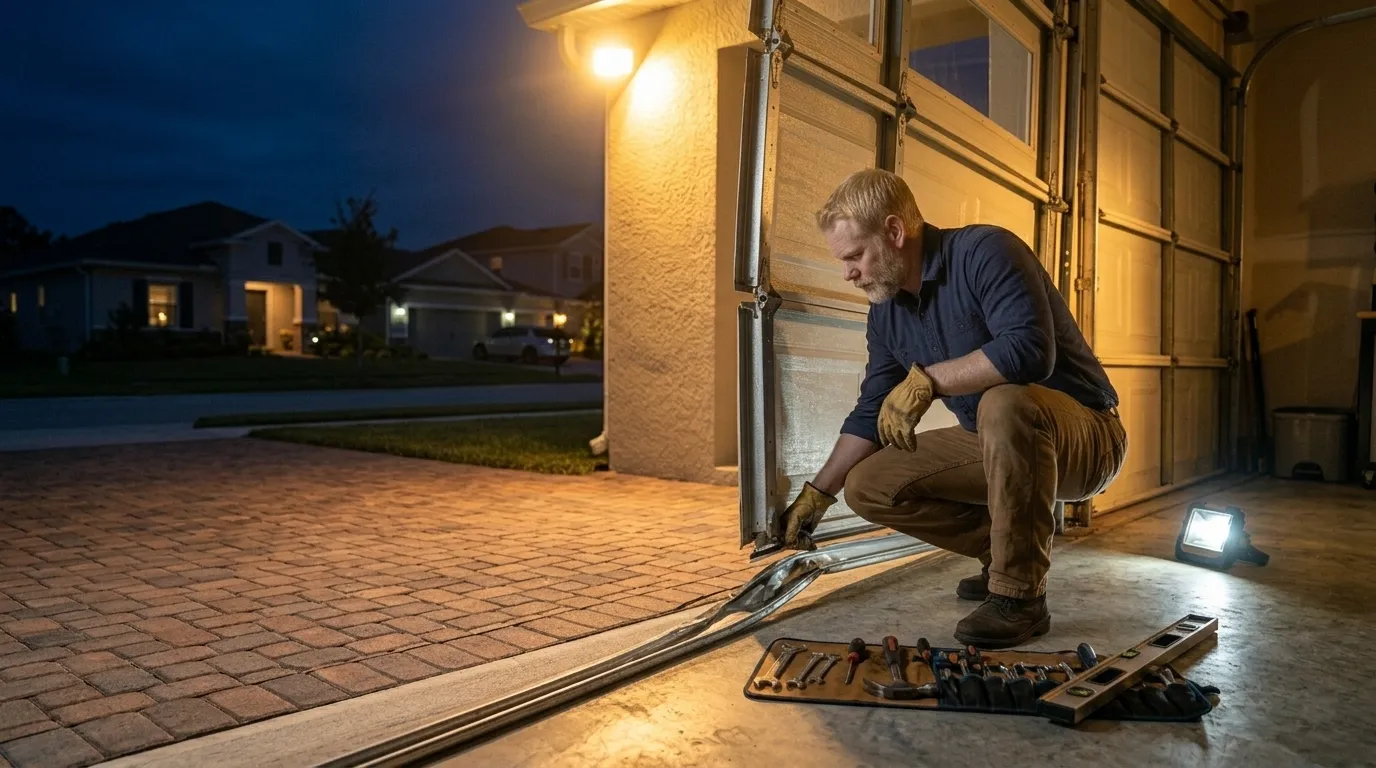
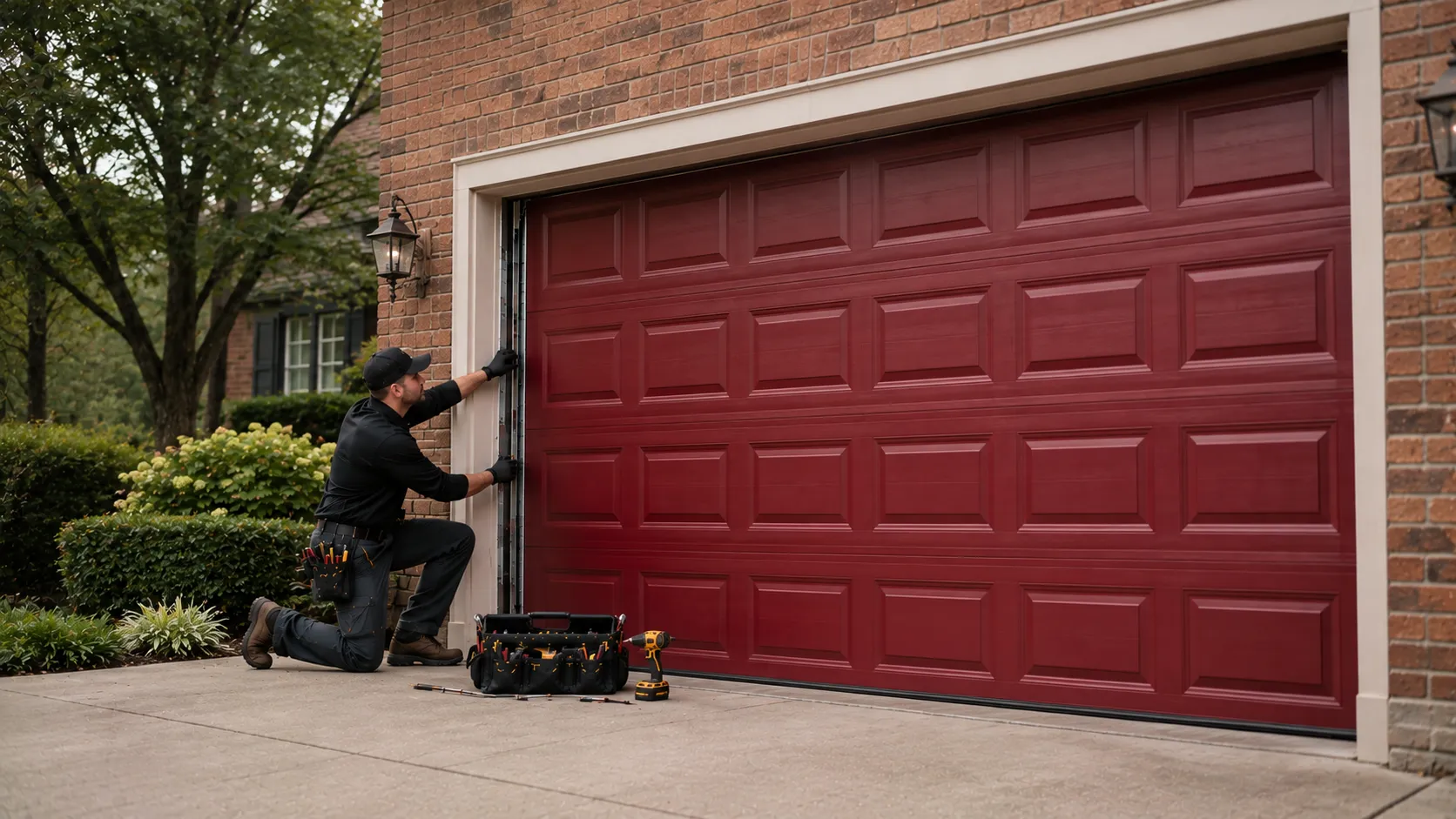
Clear, up-front plan - Livonia garage door service

Clear, up-front plan

You get the fix that’s needed and what drives the cost - before any work starts.

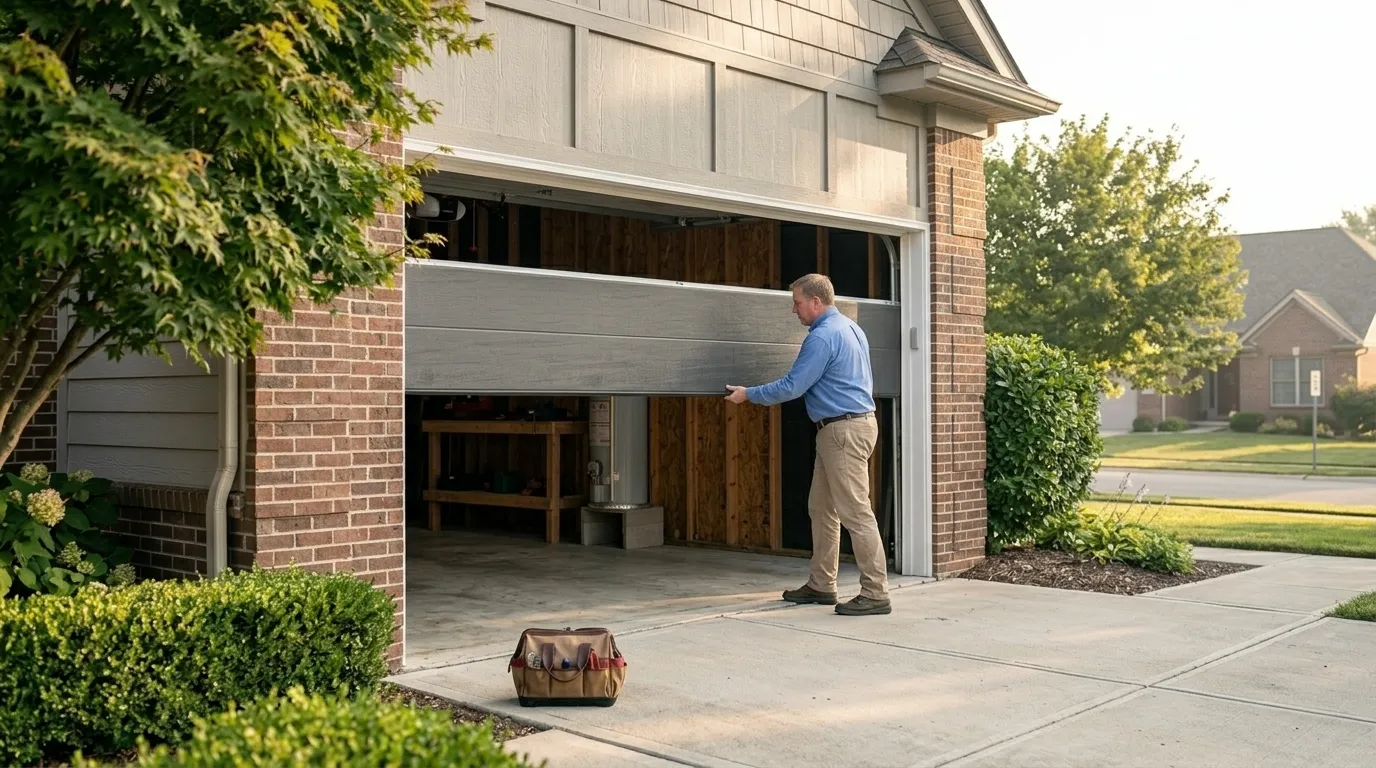
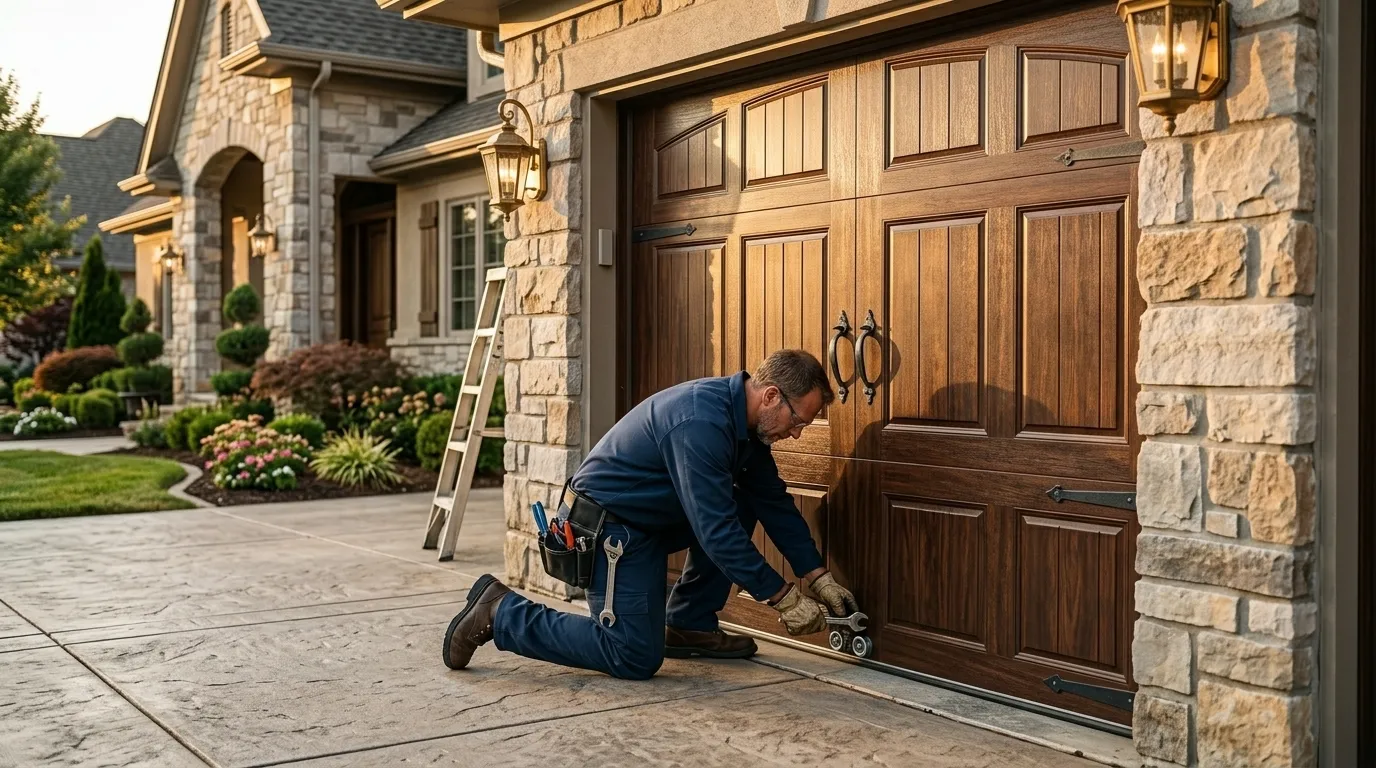
Repaired & tested - Livonia garage door service

Repaired & tested

The repair is done, the door is set true and tested, and the work area left clean.

Serving Livonia, MI - tell us what your door’s doing and we’ll take it from there.

How we work

What to expect

  • Diagnosis firstEvery visit starts by finding what actually failed - not a pre-written parts list.
  • The right part for the doorSprings and openers matched to the door’s weight and age, so the fix holds up.
  • Straight answersWhen a repair makes more sense than a replacement - or the reverse - you hear it plainly.
  • Clean, careful workTension released safely, hardware set true, the door tested under power before we leave.
Questions

Frequently asked

Straight answers about garage door repair in Livonia. Still unsure? Ask us directly.

My garage door makes a loud bang when it opens. Is that dangerous?

Usually, yes, that's worth addressing soon rather than later. A single loud bang, especially paired with the door feeling heavier to open by hand afterward, often means a torsion spring has taken damage or lost tension. On the older hardware common in this area, a spring under load can fail the rest of the way without more warning.

Why does my garage door get noisier in winter?

Livonia sits in a cold, severe climate zone, and cold steel contracts, tightening tolerances on rollers and tracks. Grease also thickens in low temperatures and stops lubricating well. A part that's marginal all year tends to announce itself once the weather turns, which is why winter is when most noise complaints come in.

Can I just lubricate the noise away myself?

Sometimes, if it's a dry roller or hinge - use a proper garage door lubricant, not a general solvent spray, which strips old grease without replacing it. If the noise is coming from the spring, cable, or bearing plate, or if it's new and sudden, that's not a lubrication job, and we'd want to look at it before you keep running the door.

How do I know if it's the spring or just a roller?

A roller problem usually sounds like a rhythmic thump or squeak once per rotation and doesn't change how the door moves. A spring problem often sounds like a bang, grinding, or a scraping noise on lift, and the door may feel heavier or move unevenly. We can't diagnose it for certain without seeing it, but that pattern is a reasonable first read.

Ready to get your garage door sorted?

Tell us what it’s doing and where you are in Livonia - we’ll take it from there.

Request a QuoteCall