What Happens After You Call
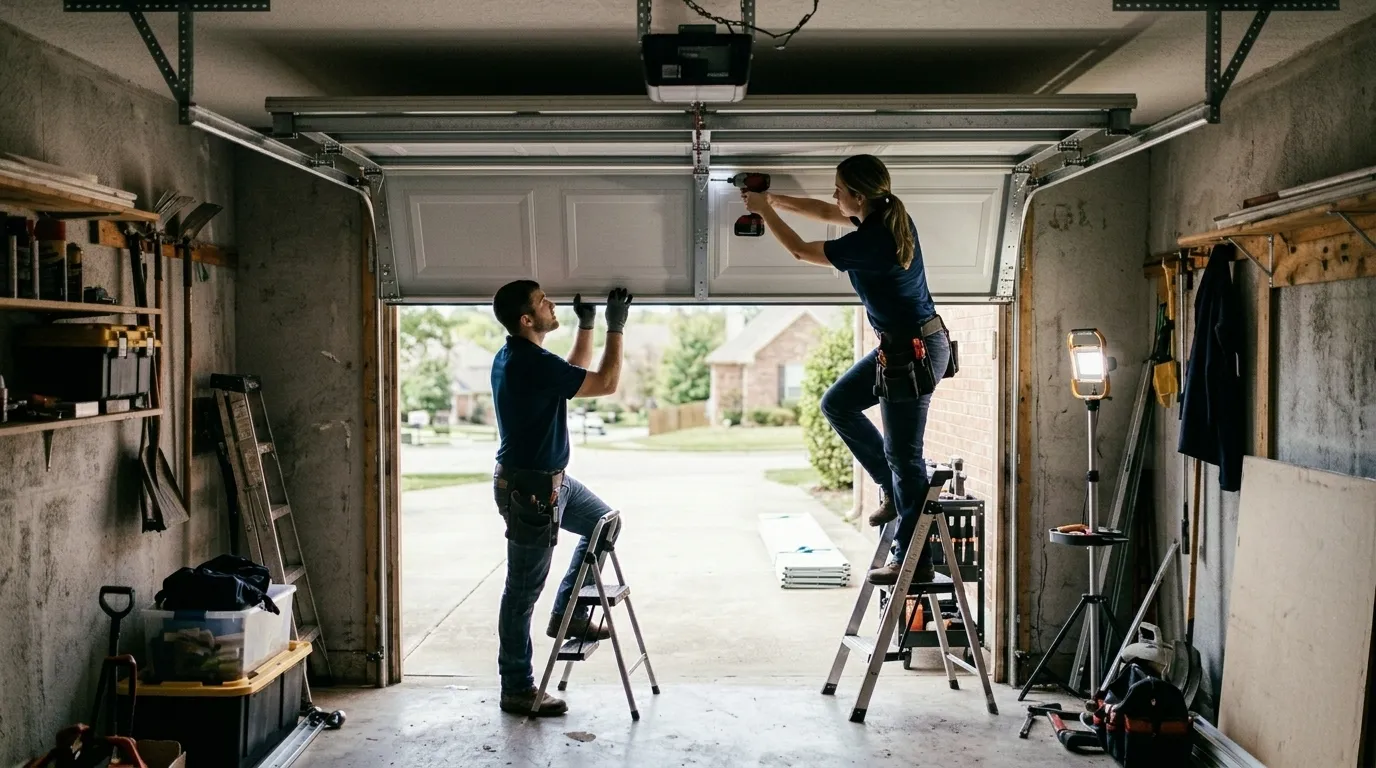
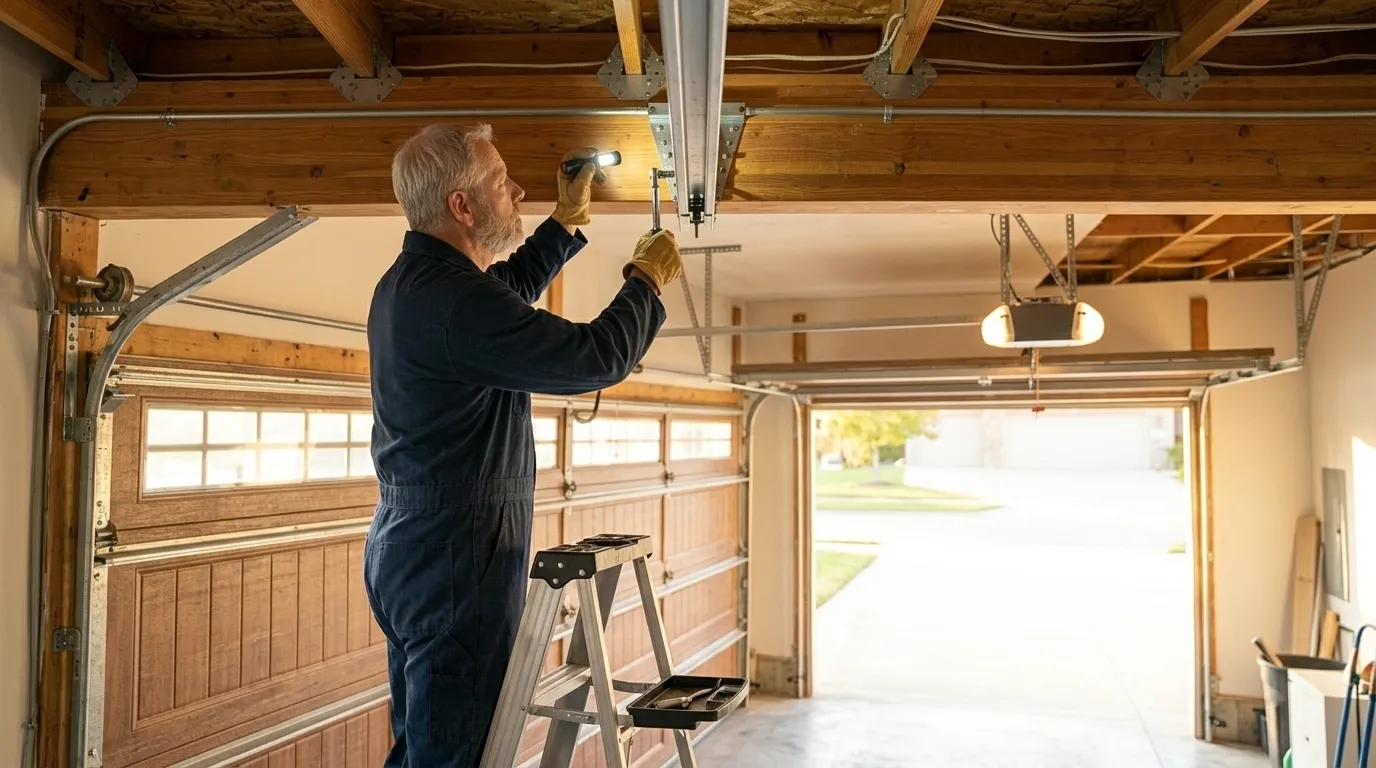
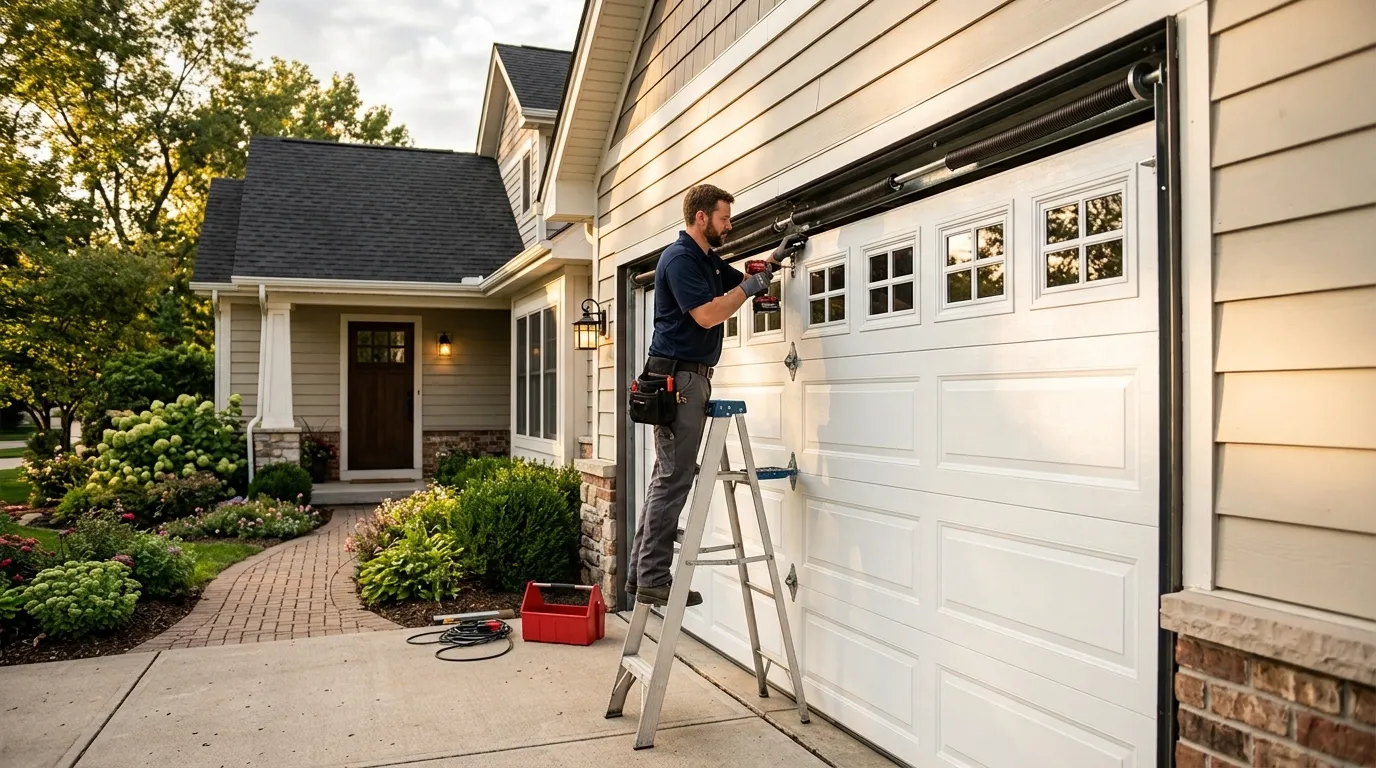
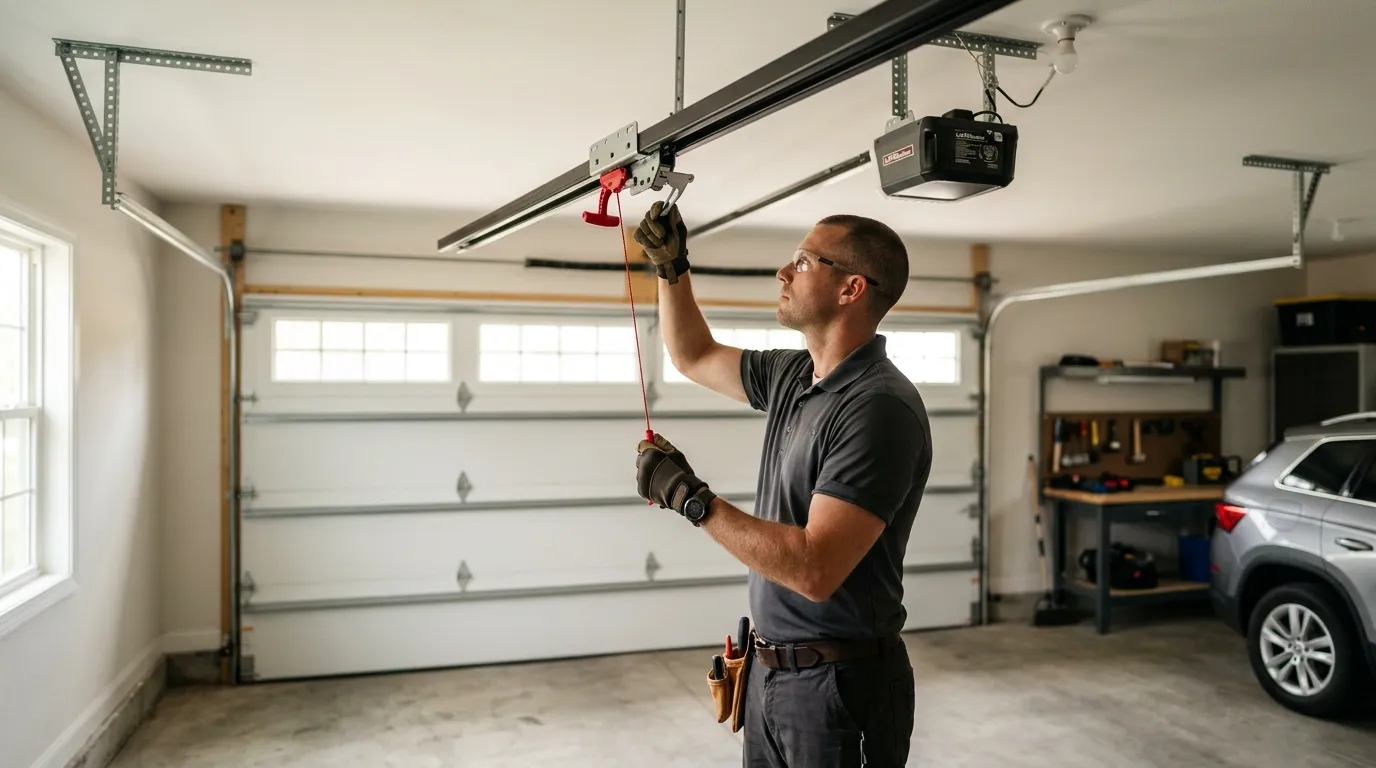
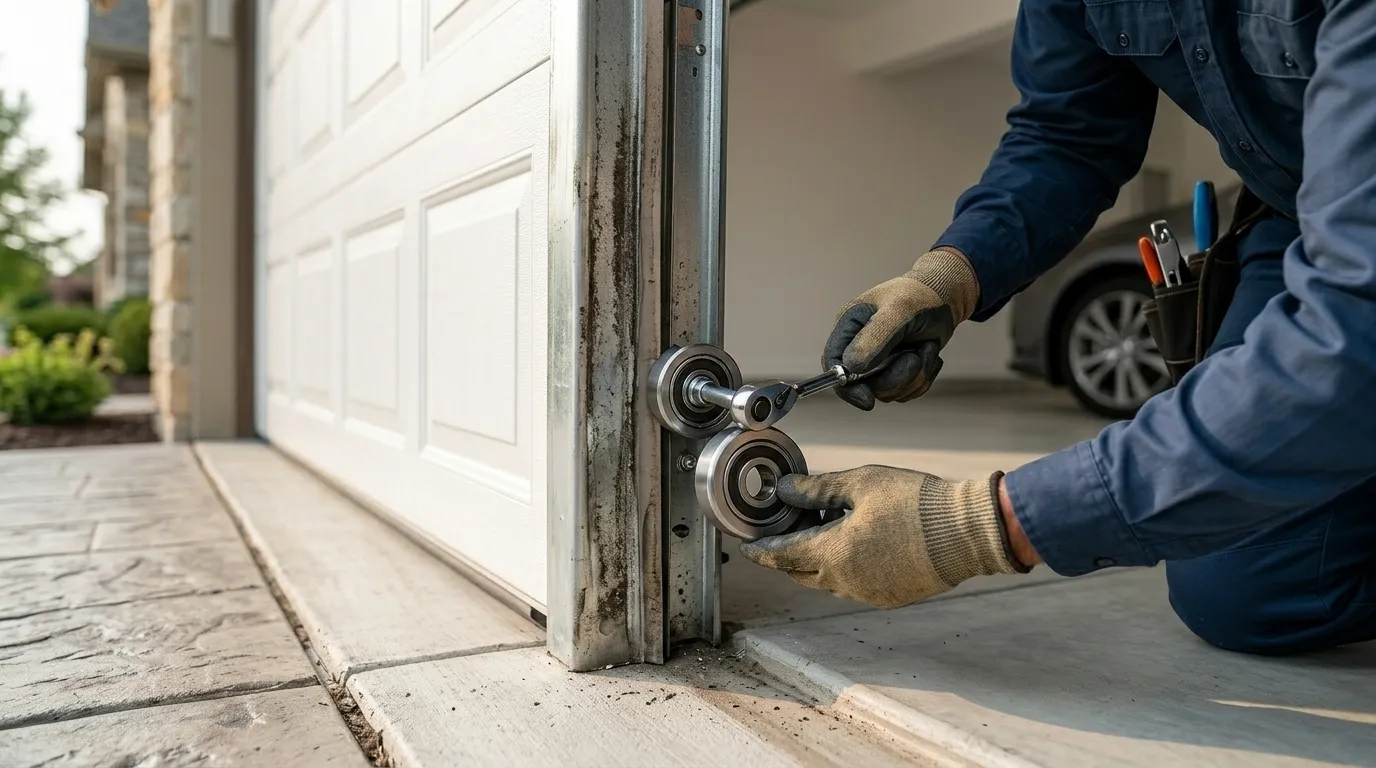
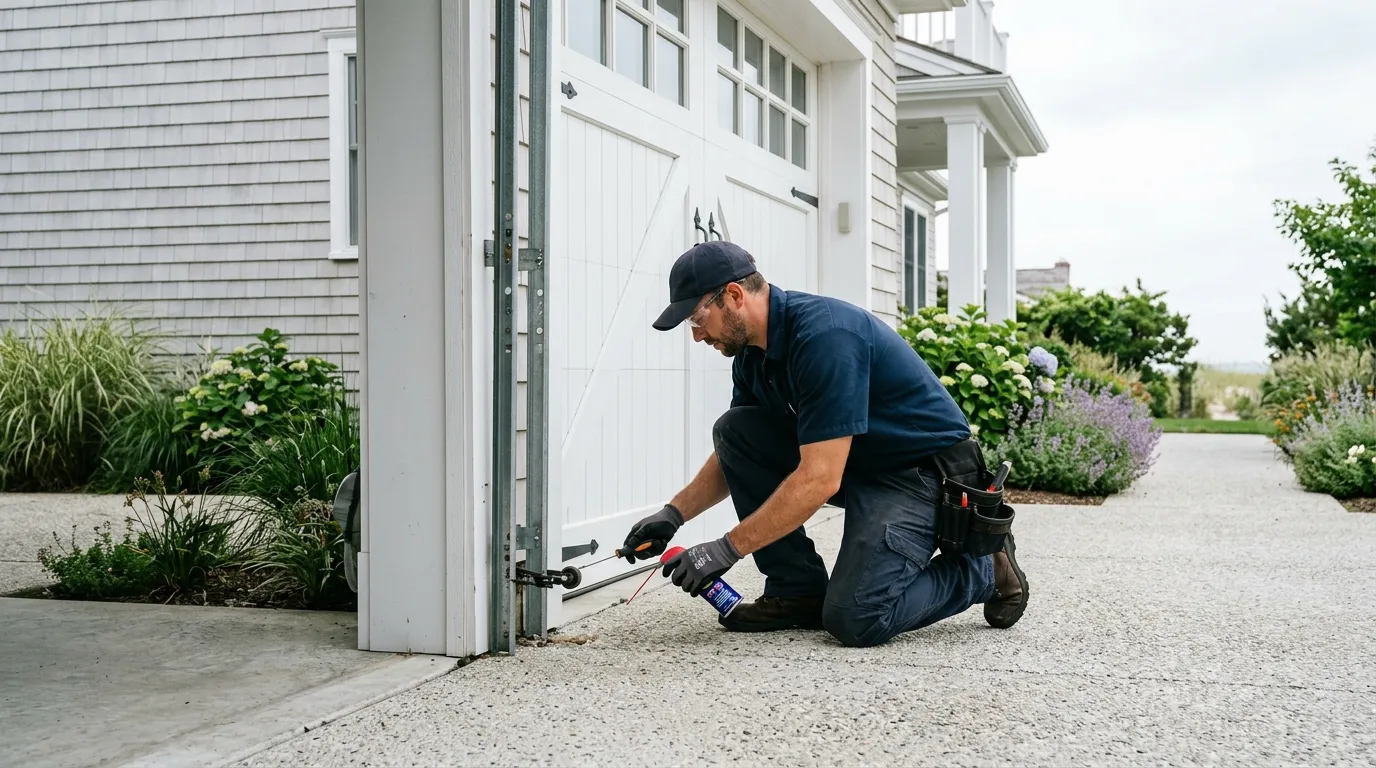
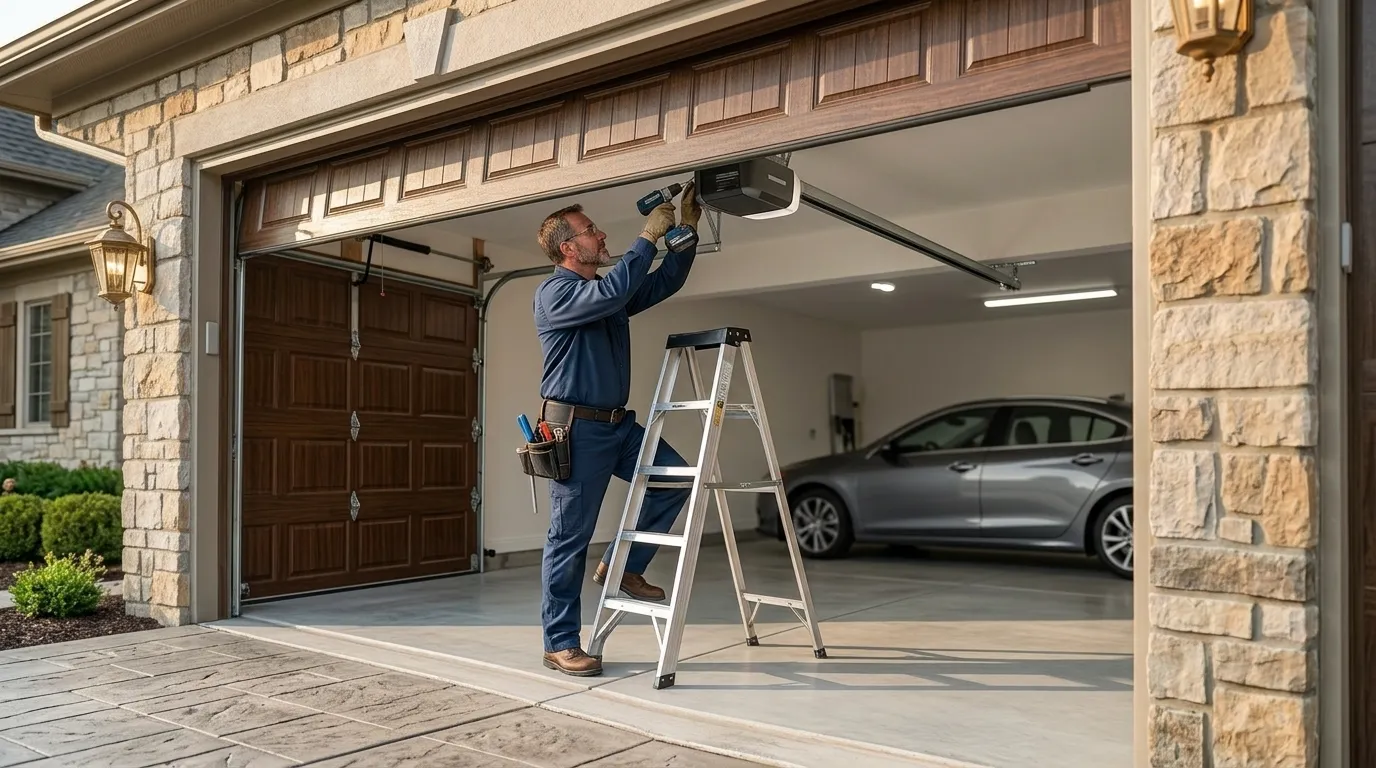
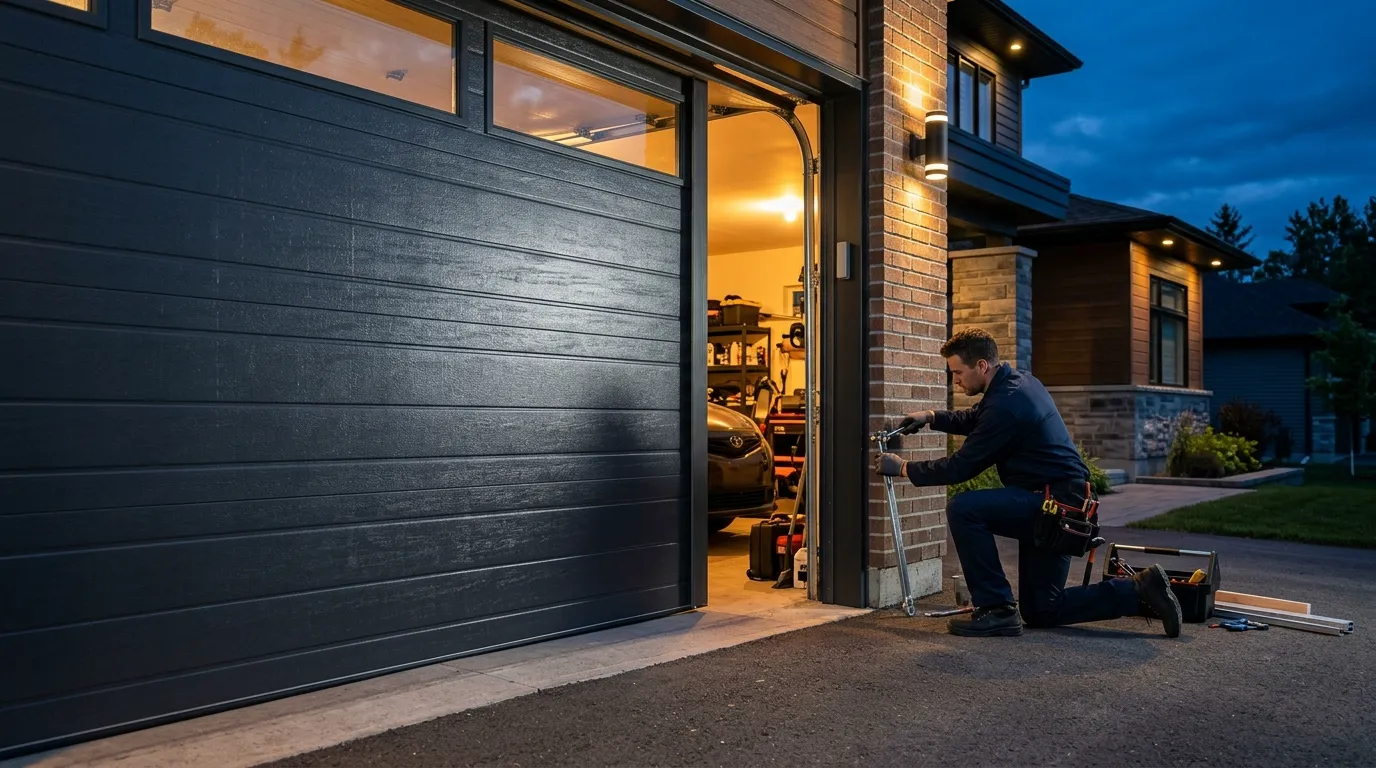
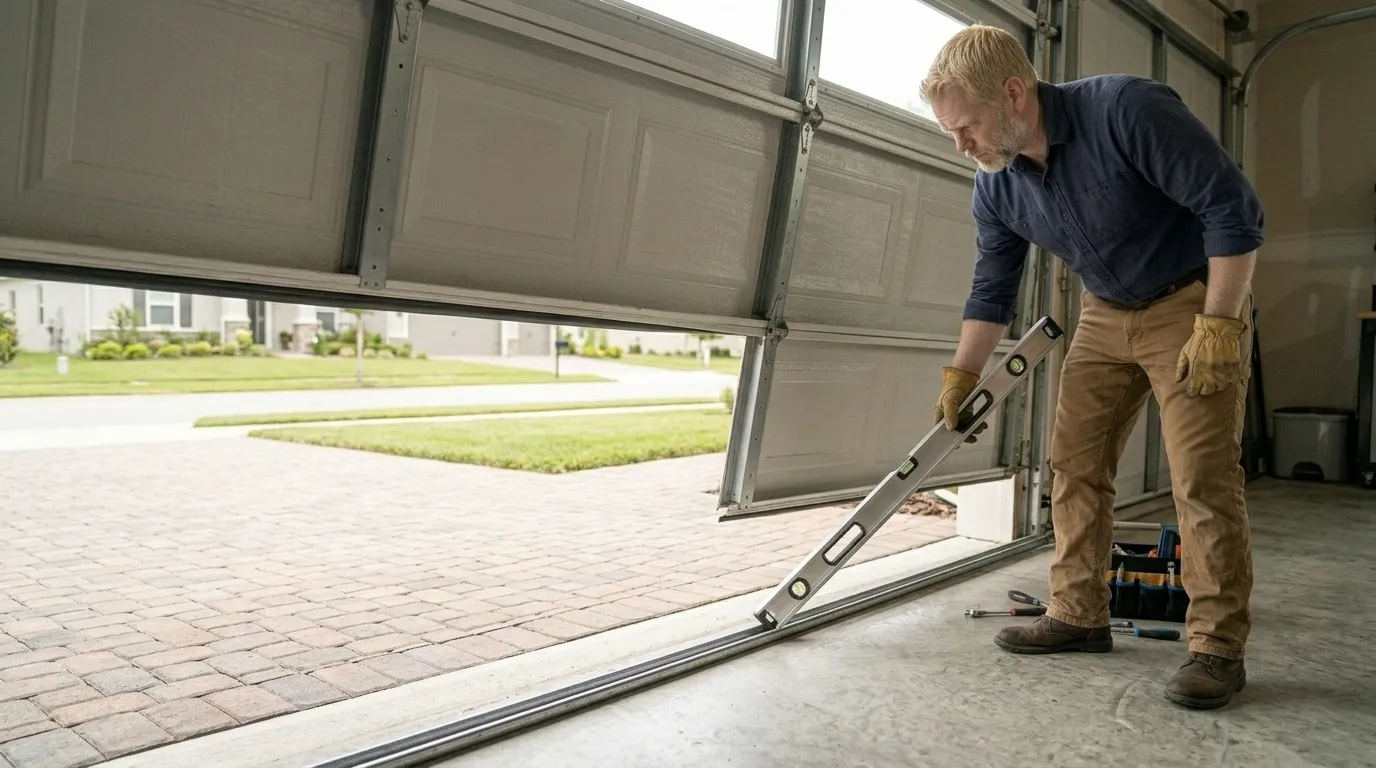
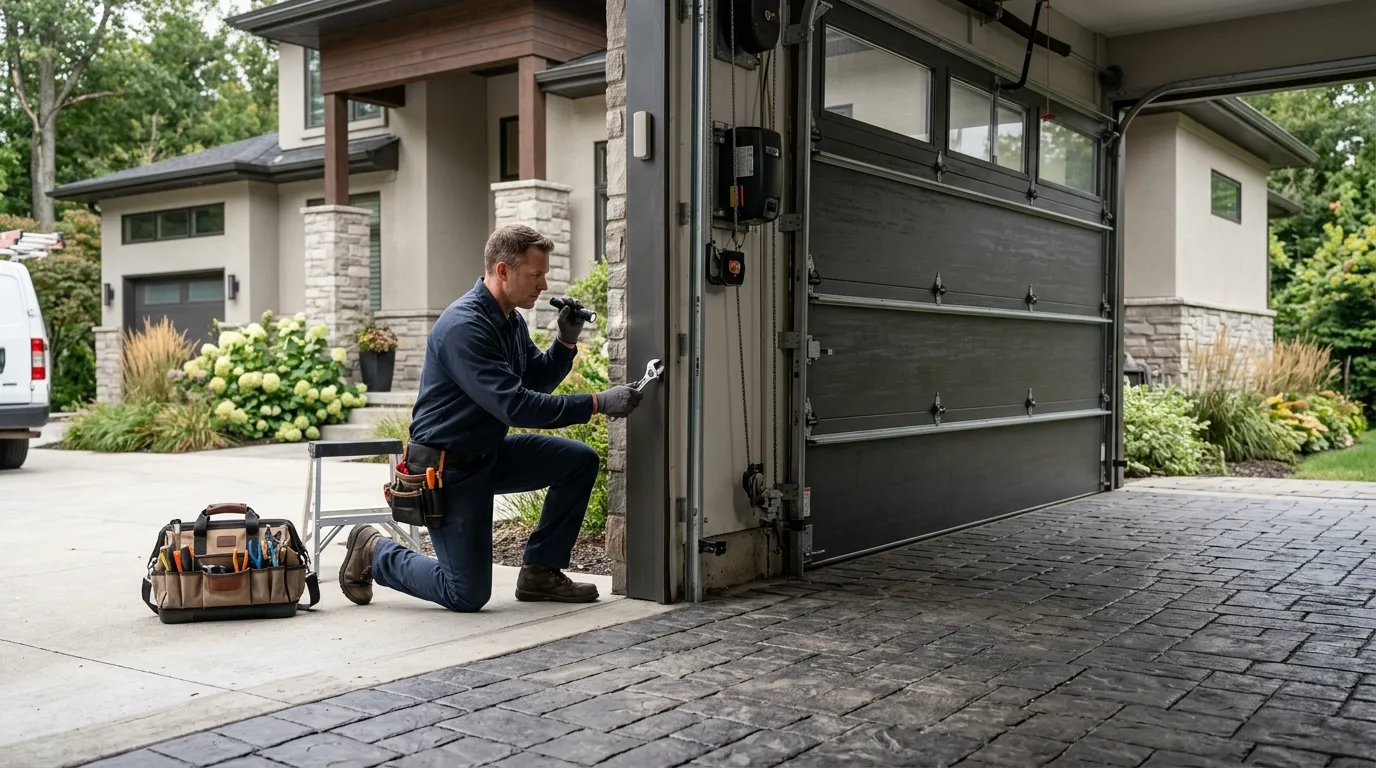
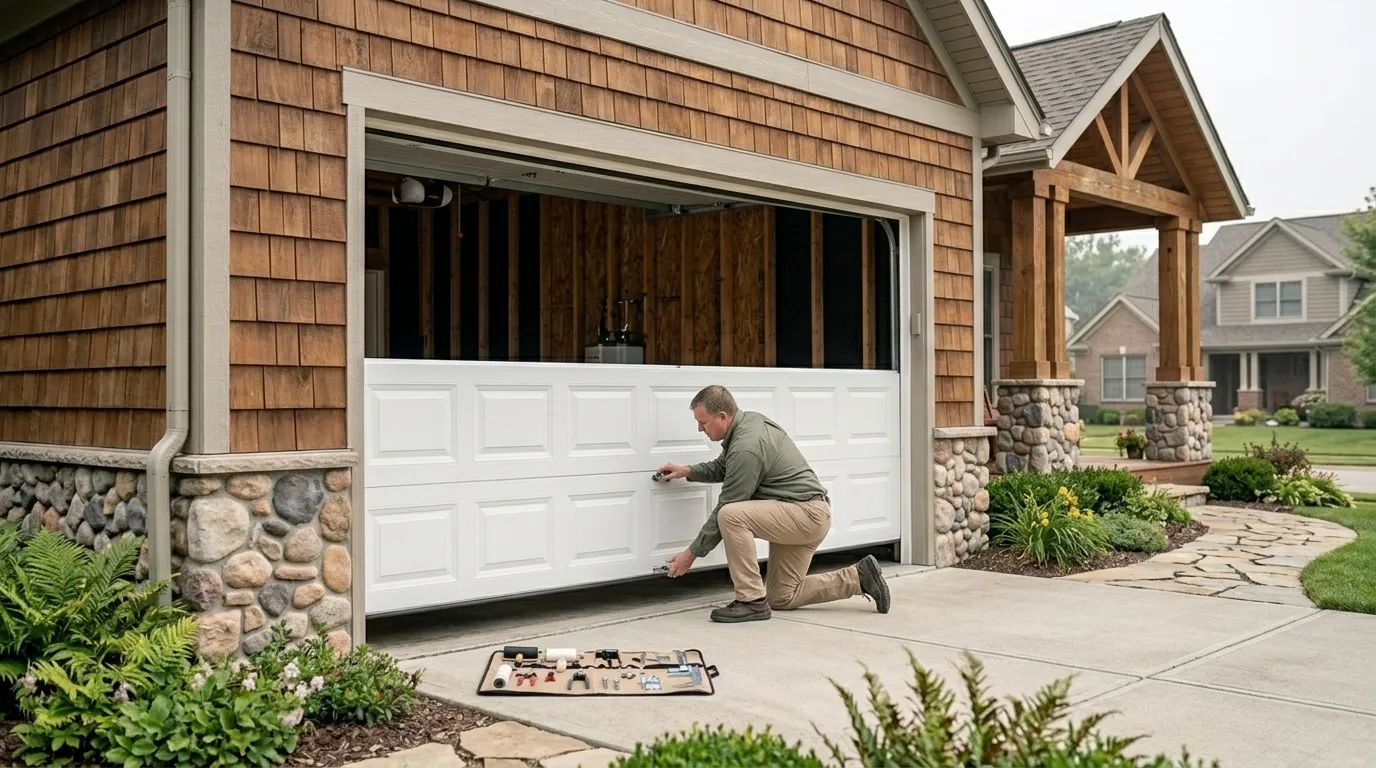
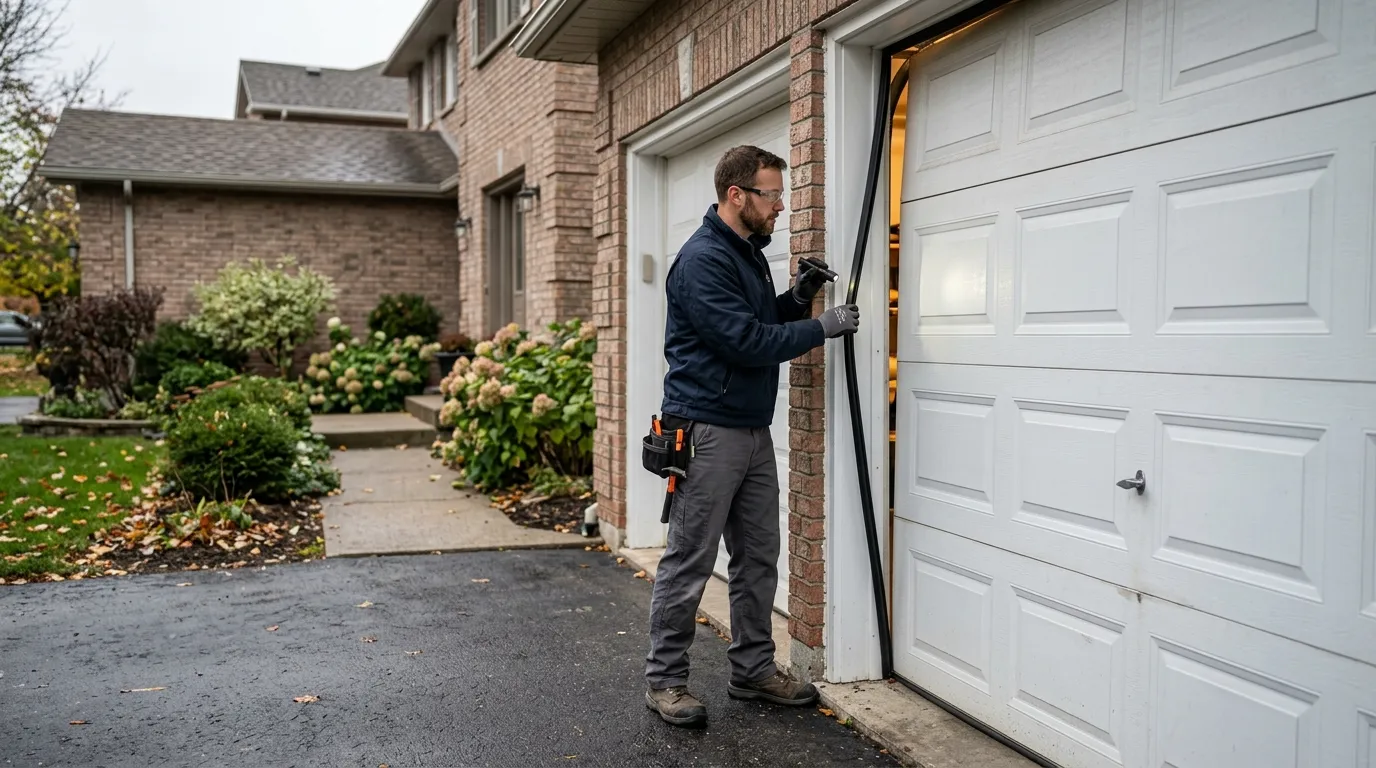
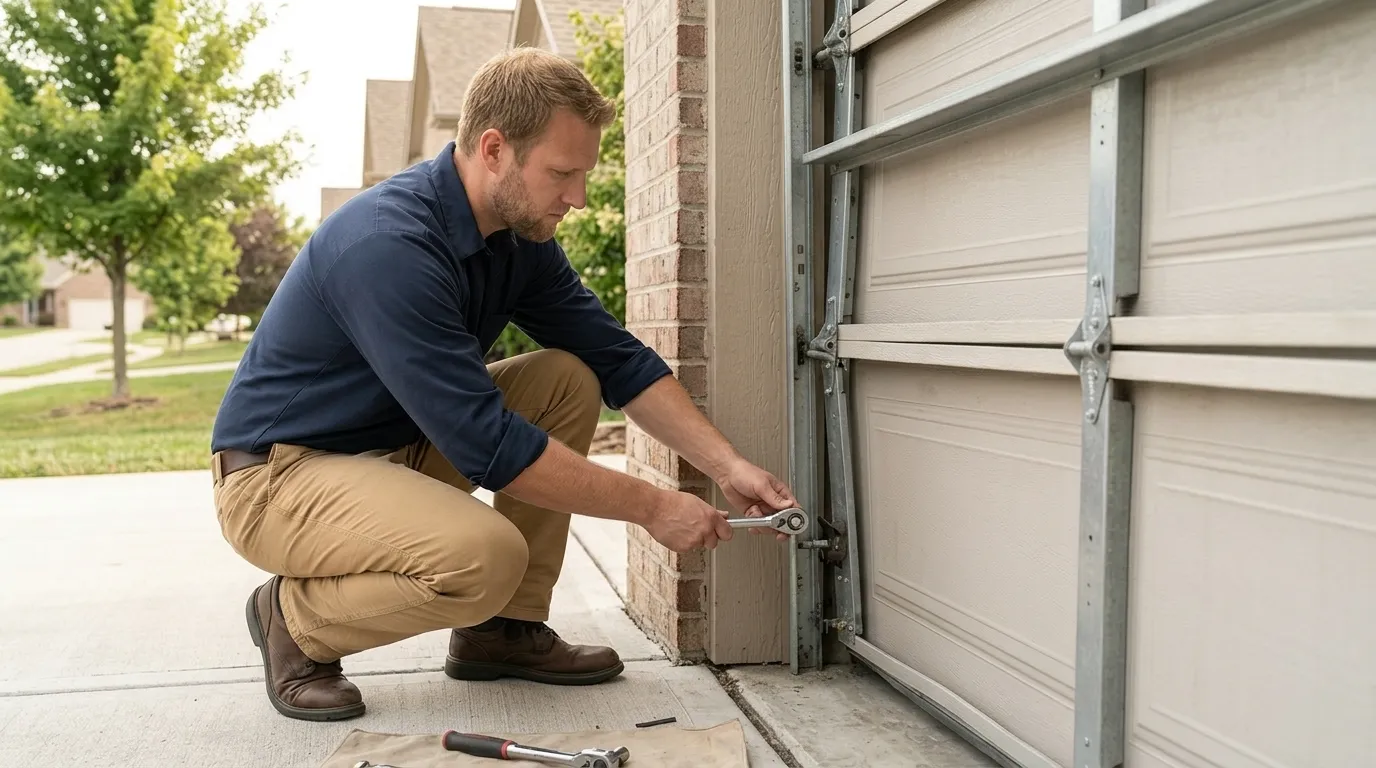
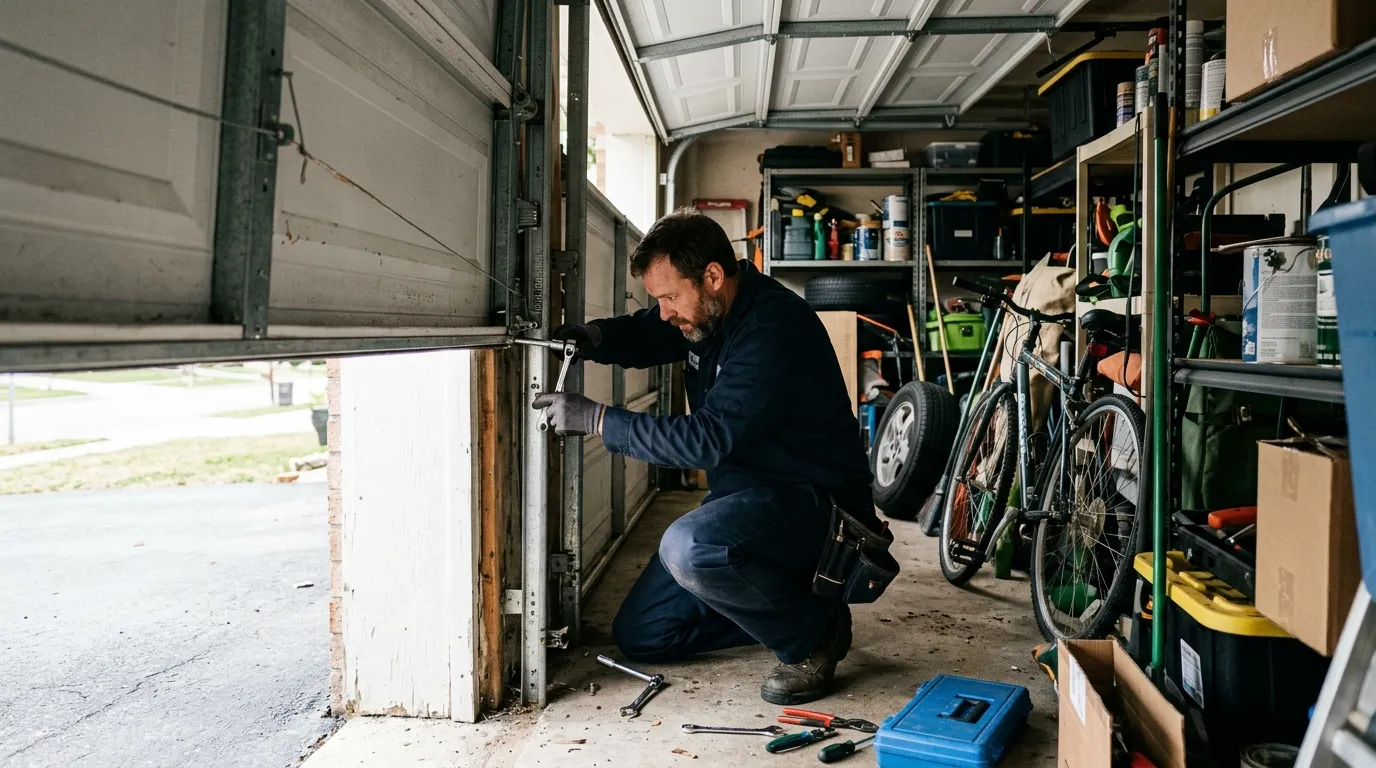
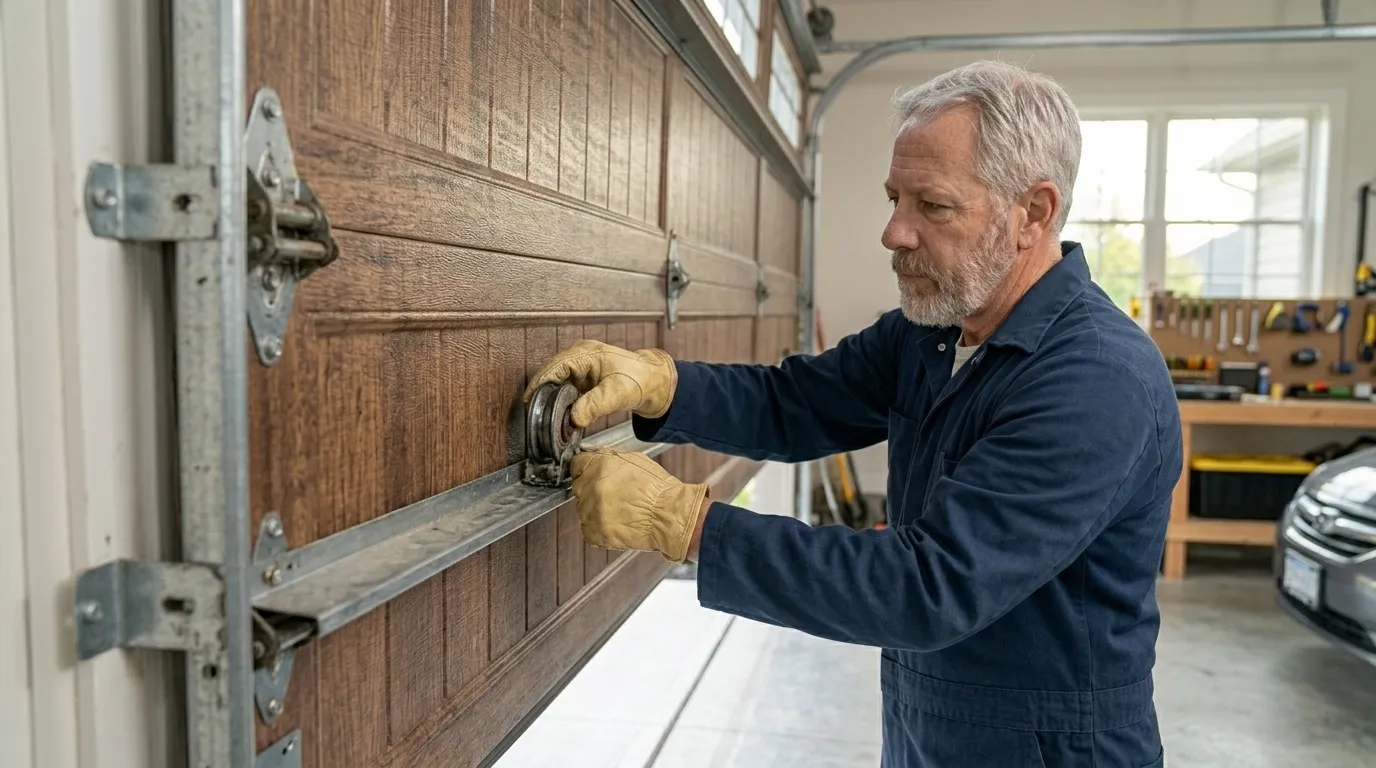
When you call (734) 488-7350, you're talking to someone who can tell you what's likely wrong before a truck ever leaves the lot at 12001 Farmington Rd. Most of the homes we work on here were built between 1938 and 1991, with the bulk going up in the 1960s and 70s, so a lot of the calls we get are predictable: torsion springs that have outlived the door they were installed on, openers from a different decade than the door they're bolted to, rollers and hinges worn from thirty-plus winters.
We ask a few questions on the phone - the door's age if you know it, whether it's making noise or just not moving, whether the opener runs but the door doesn't lift. That tells us what parts to bring, because a lot of these original setups use hardware that current big-box openers and tracks weren't built around. Cold-climate freeze-up on a spring or cable that's already fatigued is a common enough combination here that we plan for it rather than treat it as a surprise.
We'll give you a window, not a guess dressed up as a promise. If the fix is simple, we say so on the phone and don't pad the visit.
What We Do Not Take On
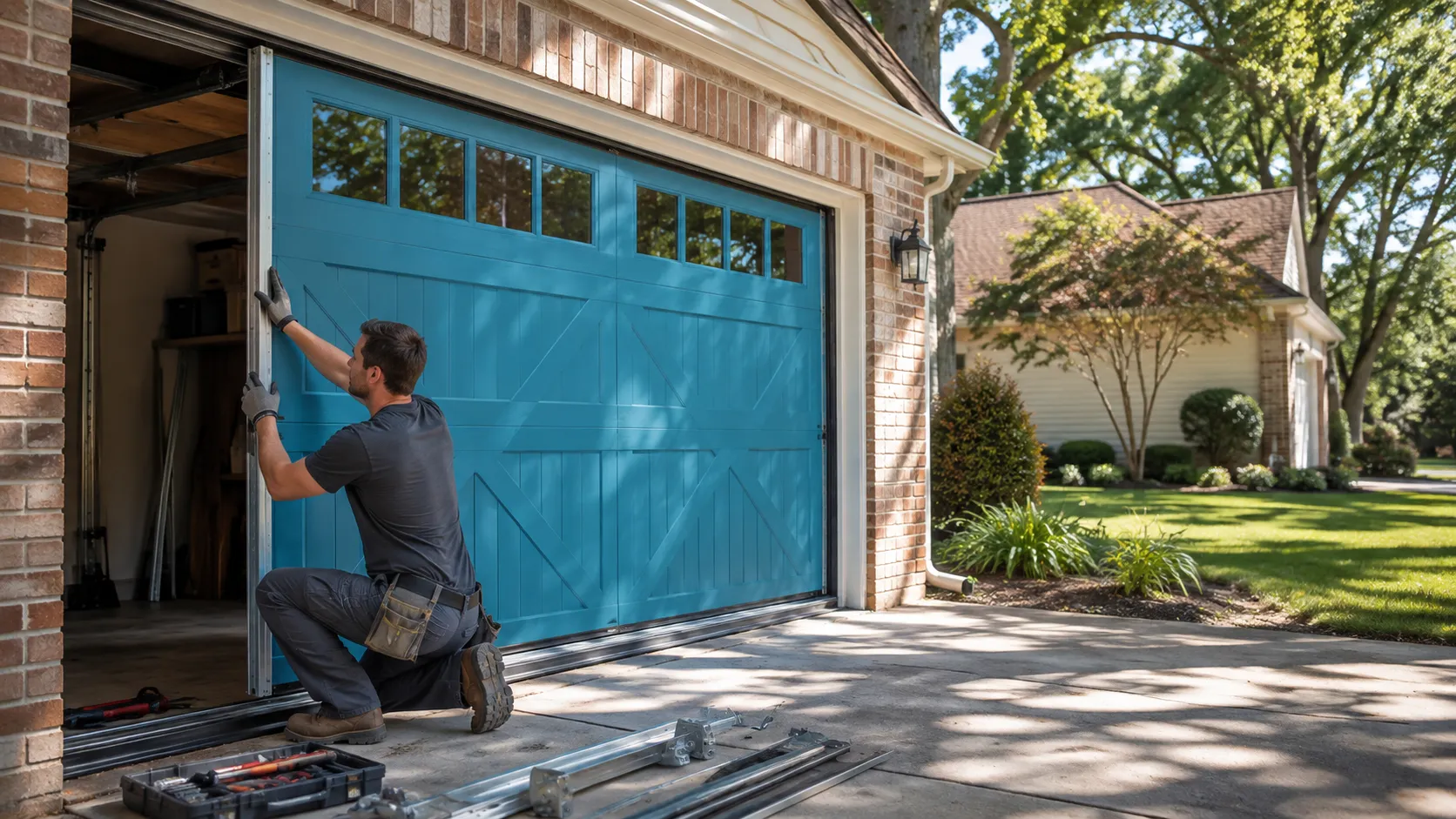
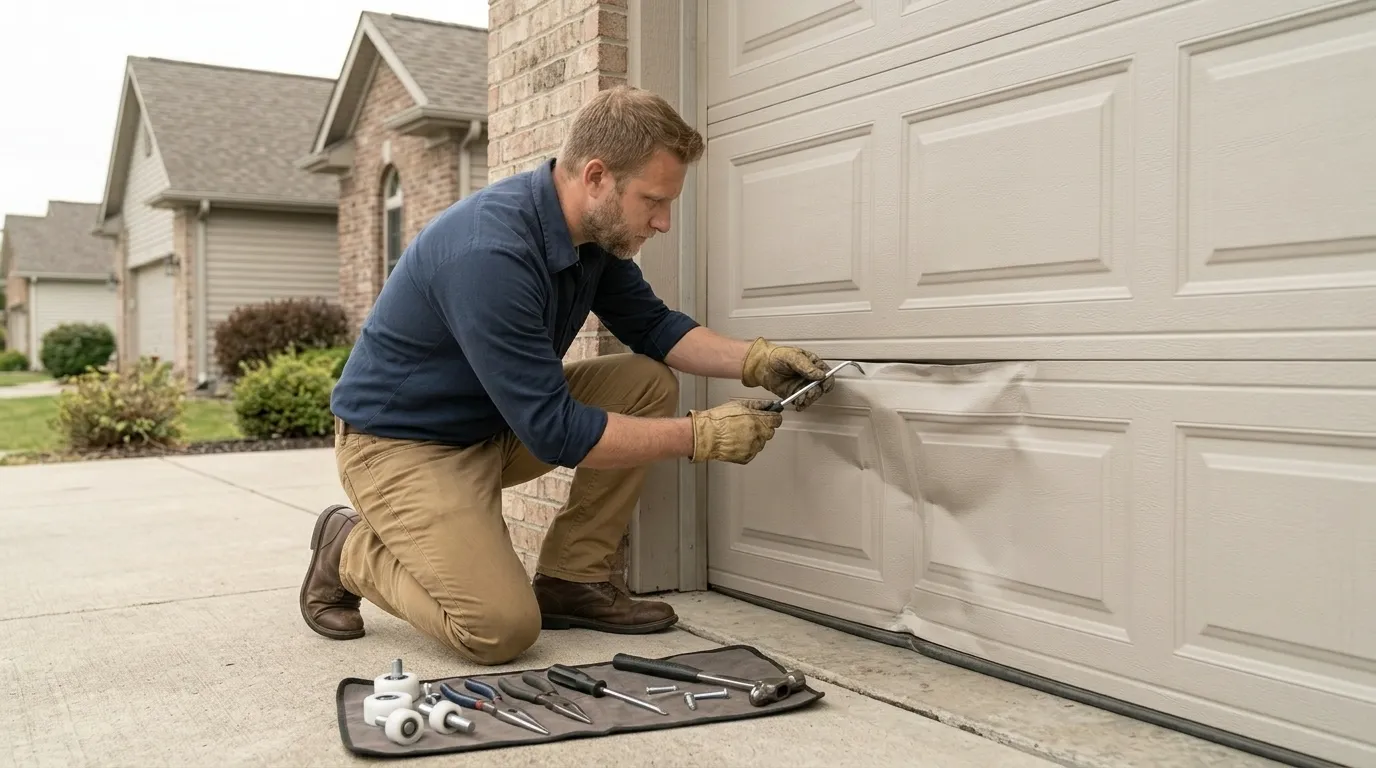
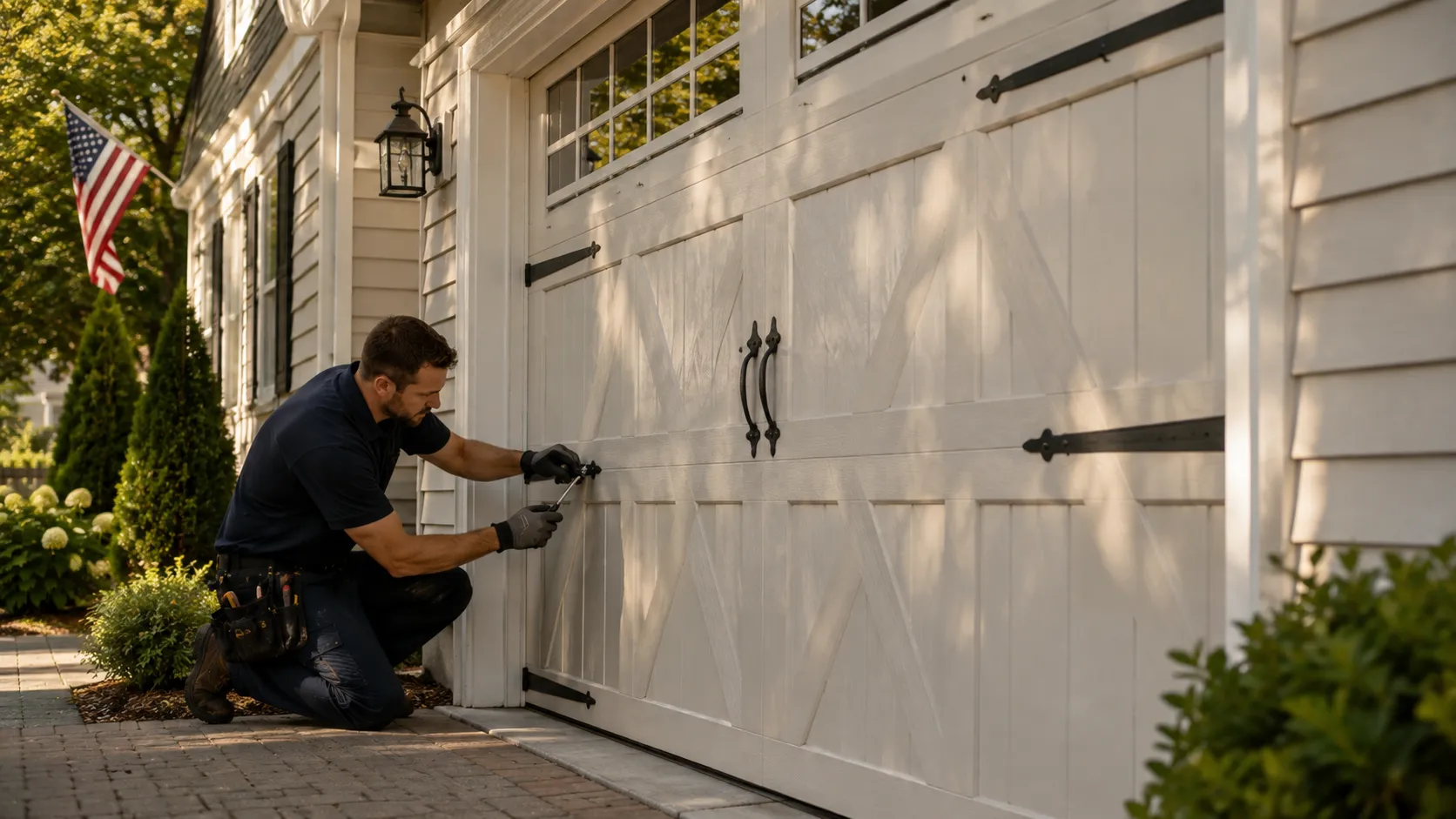
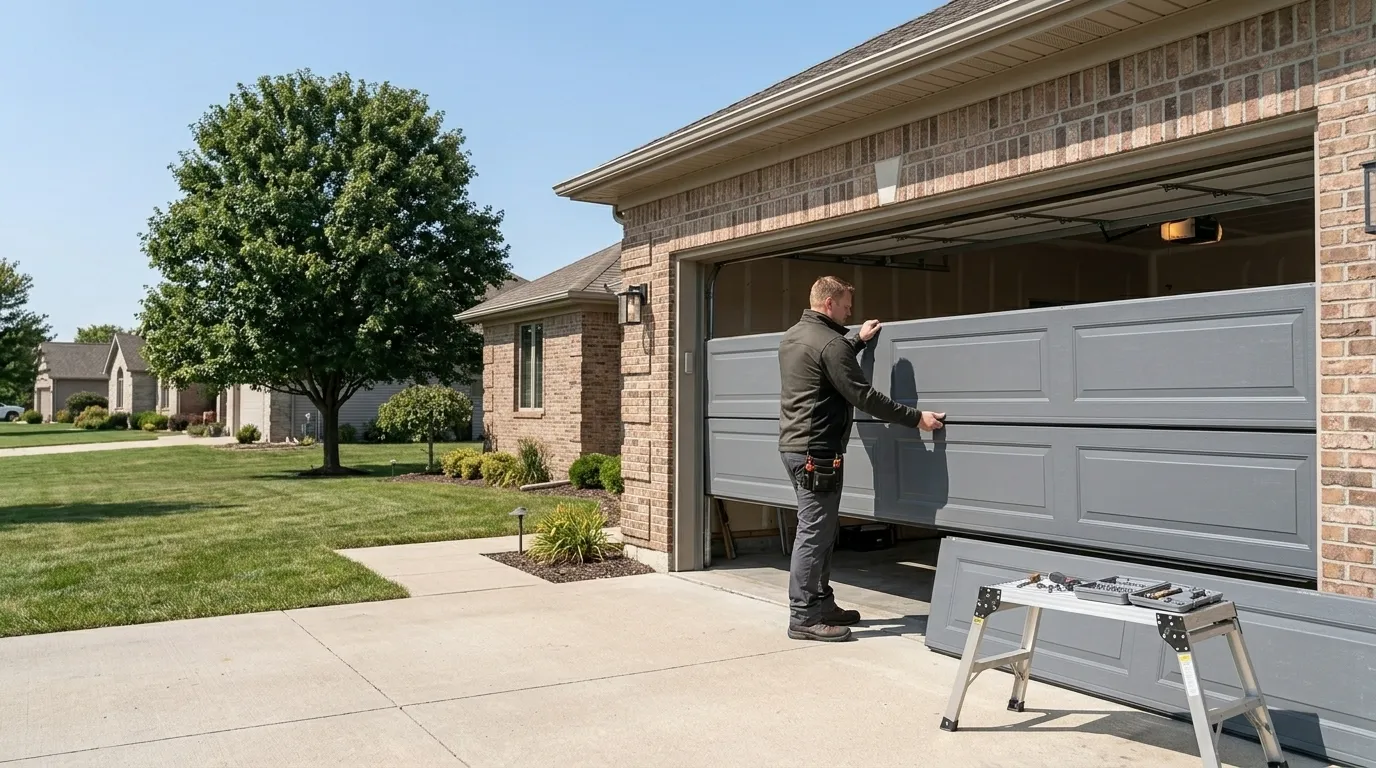
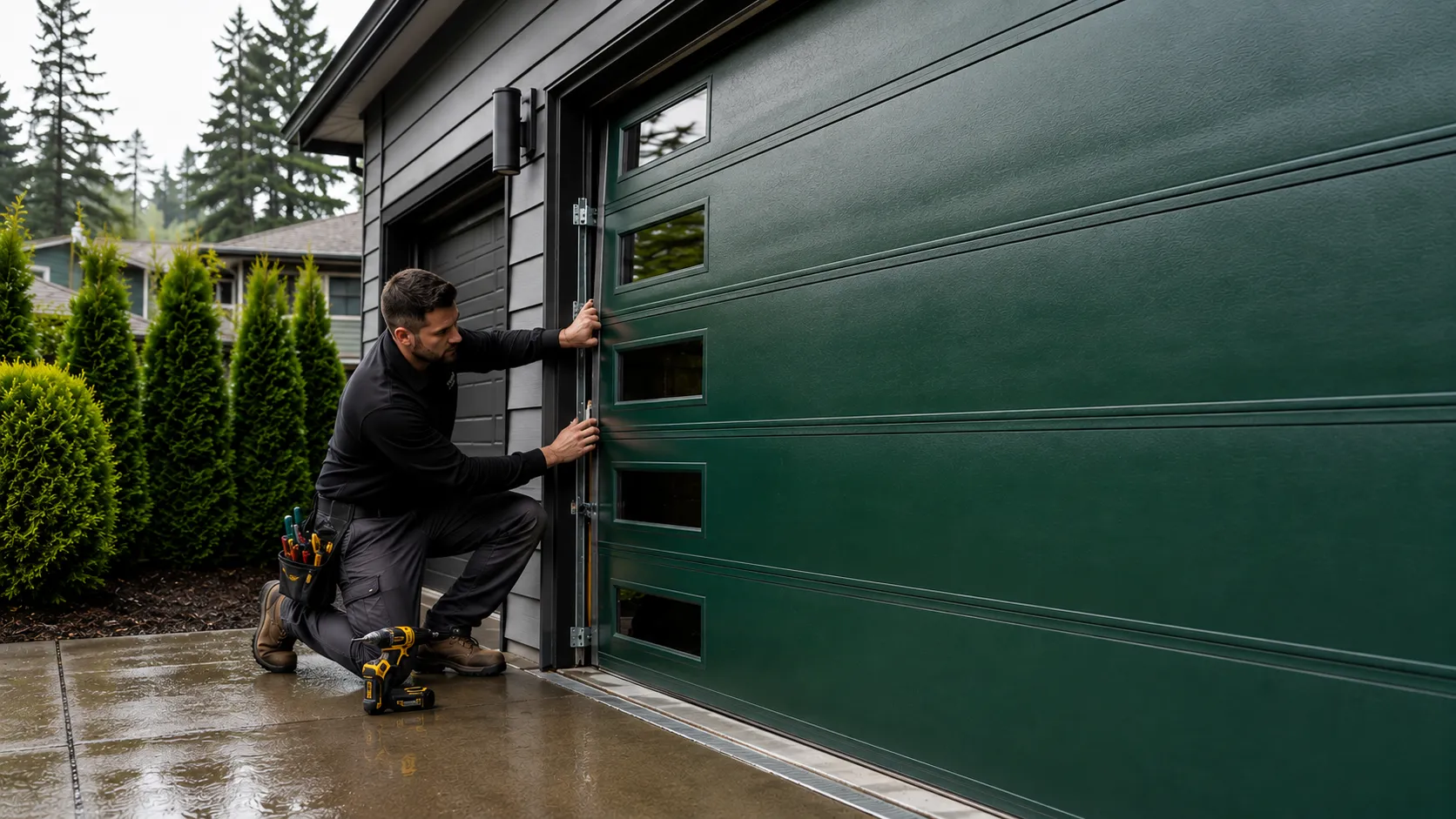
We work on residential garage doors - springs, cables, openers, tracks, panels, rollers. We don't do gates, commercial roll-up doors, or fabrication work, and we won't pretend a cracked, decades-old wood panel door is a ten-minute fix when the honest answer is replacement. If a door is original to a house built in the 1940s or 50s and the track hardware is long discontinued, we'll tell you that up front instead of hunting for a part that doesn't exist anymore.
We also don't do same-day full installs on every call - some openers and track kits have to be ordered, and if yours is one of them, we'll say so rather than stall you on the phone. And we're not the right call for a door that's more rust and rot than repairable structure; at that point patching it costs more than it's worth and we'll tell you that instead of running up a bill.