The Problem
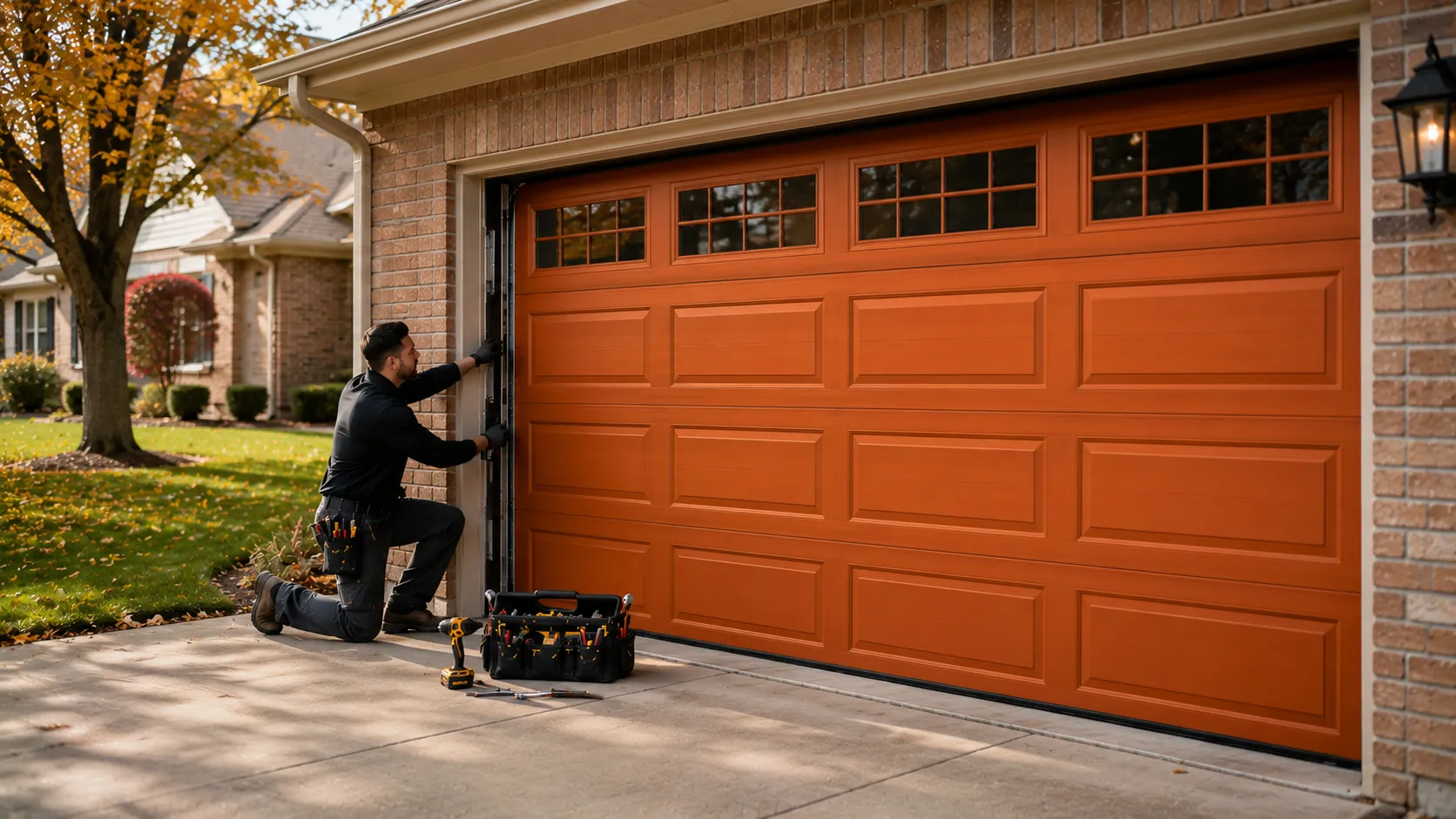
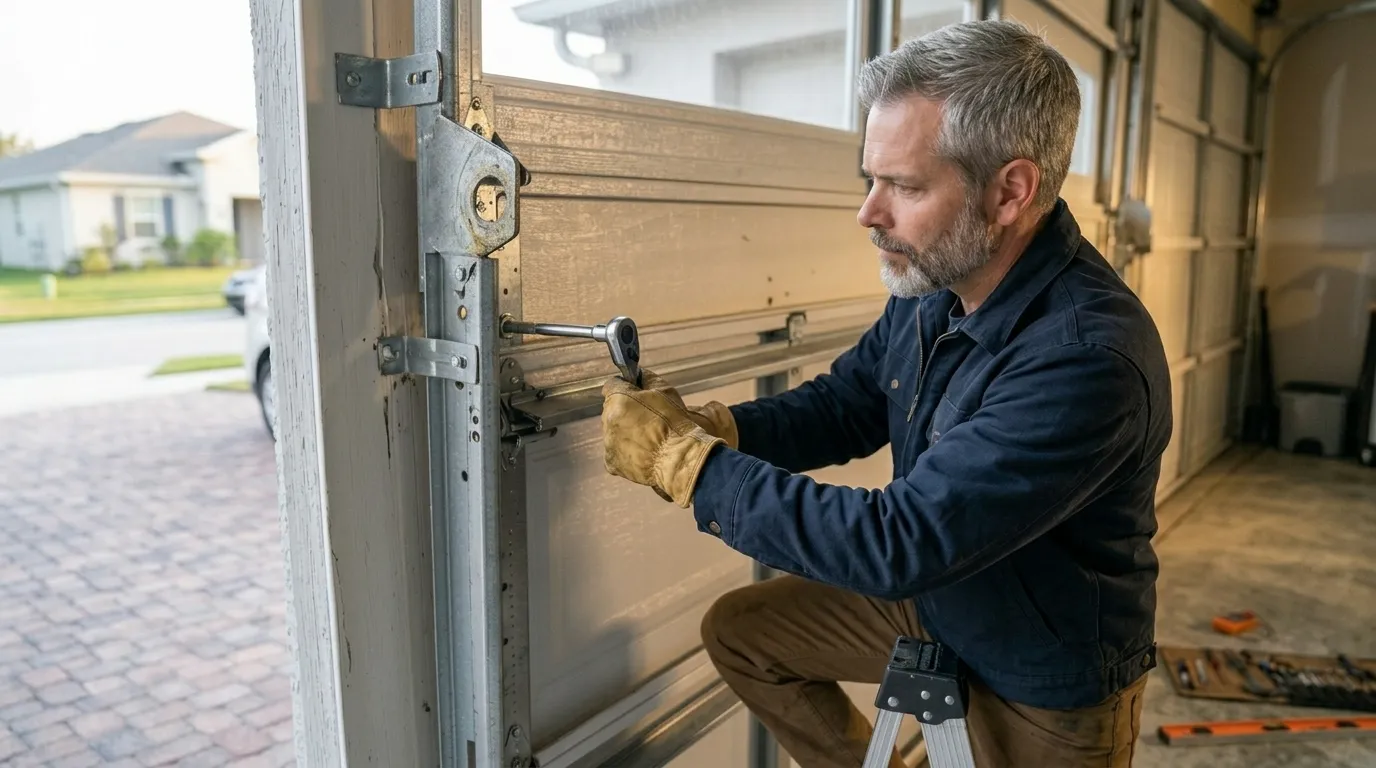
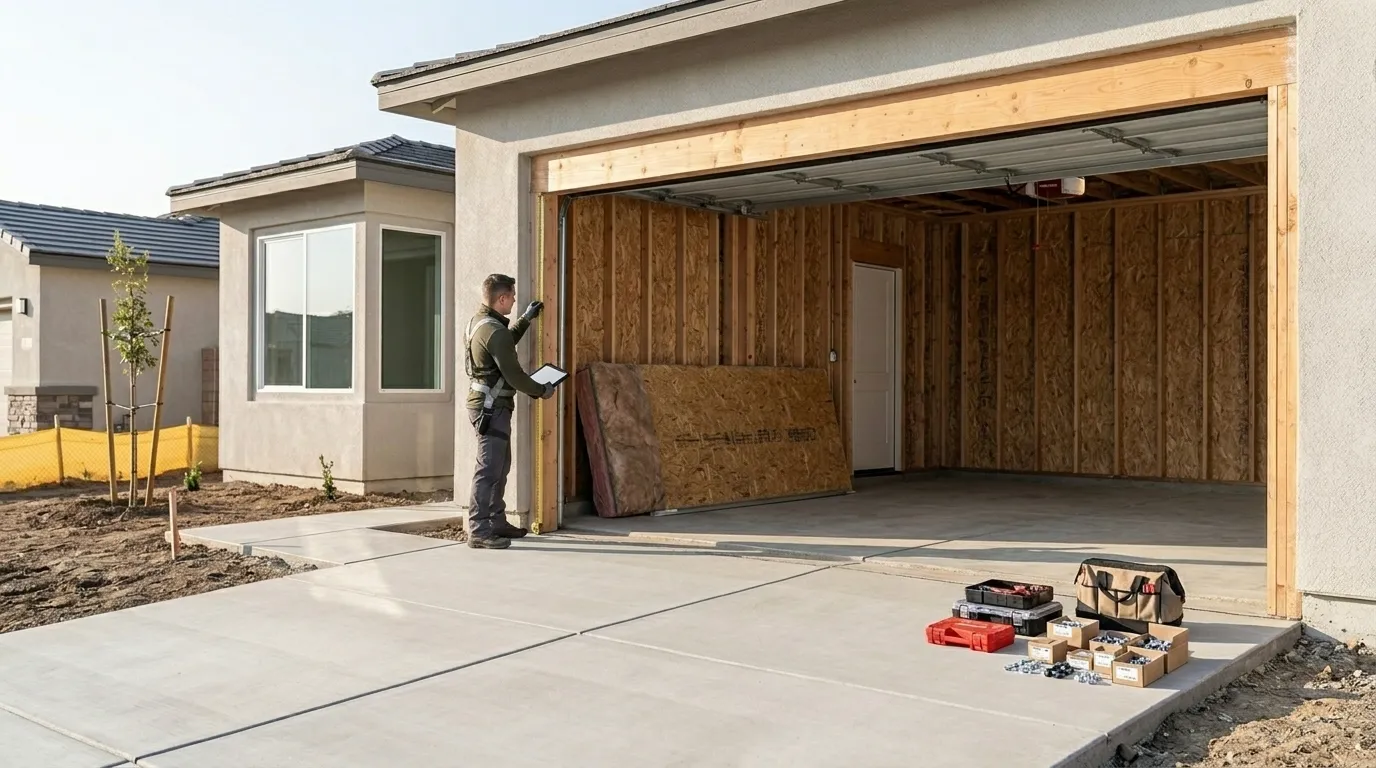
Livonia's housing stock runs from 1938 to 1991, with the typical house dating to right around 1960, and most of the neighborhoods here fall into that 1960s-70s wave of construction. Doors and openings from that era were built for a different set of standards than what's on the shelf at a supply house today. Headroom is tighter. Rough openings often run narrower than the 16-foot doubles that dominate new construction. If you're pricing a replacement, the first surprise for a lot of Livonia owners isn't the door itself, it's finding out the frame around it needs work too before a new door will fit right. That's not a sales pitch, it's just how openings built sixty-plus years ago behave when you try to drop a modern door into them. On top of the fit issue, a door that age has usually gone through several spring and roller replacements already, and the track hardware from that period wasn't built to modern wind or insulation specs. So the decision to replace isn't just about a worn-out panel. It's about whether the opening itself, the track, and the header framing can take a door built to current standards without extra carpentry. Skipping that check is the single most common reason a new door install runs into a change order halfway through.
When Waiting Is Fine
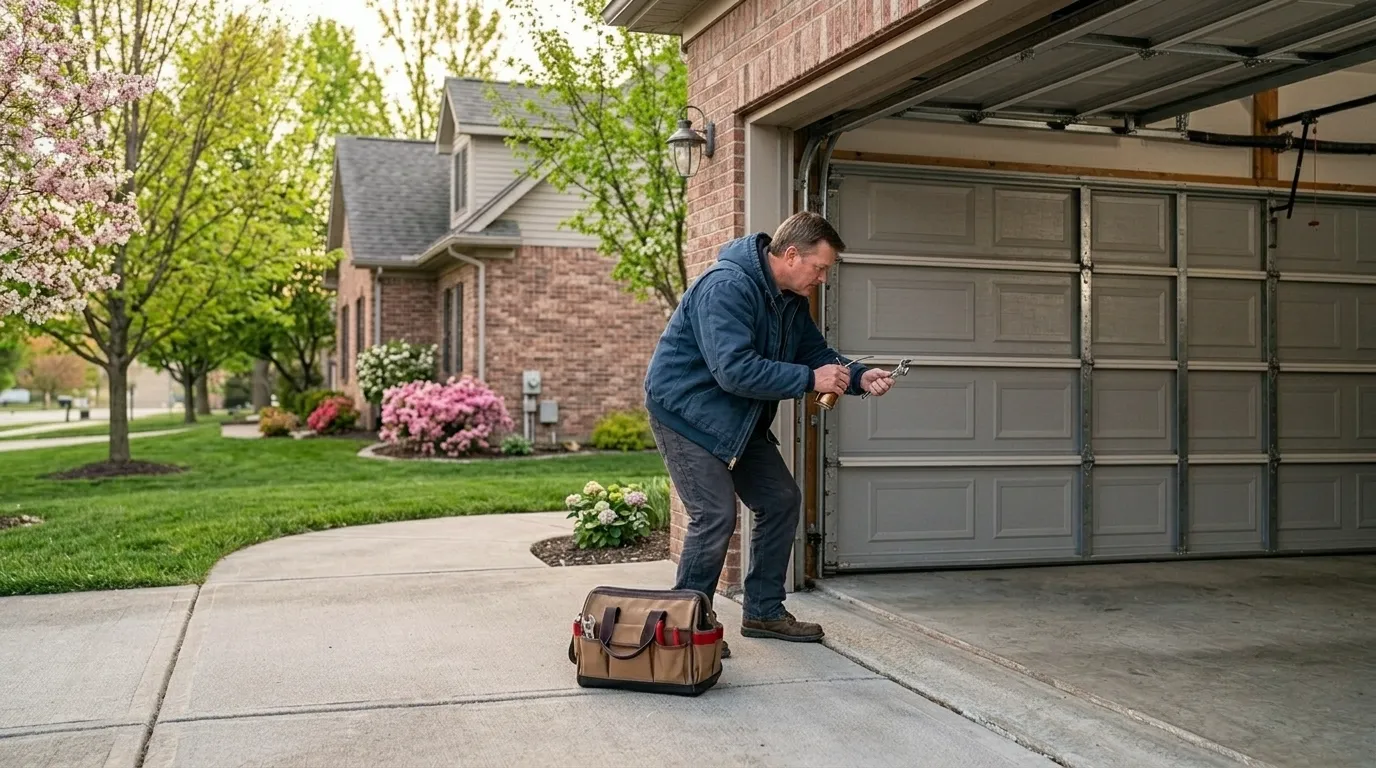
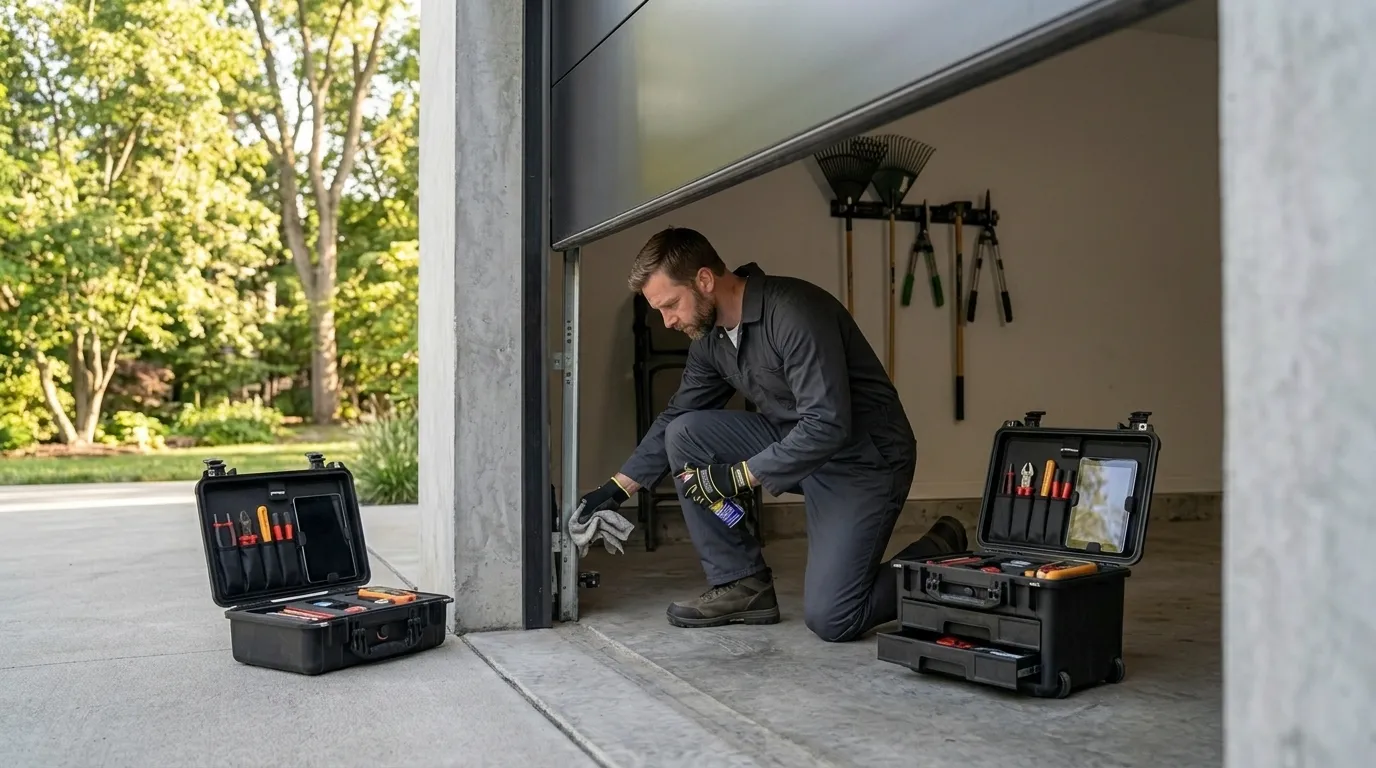
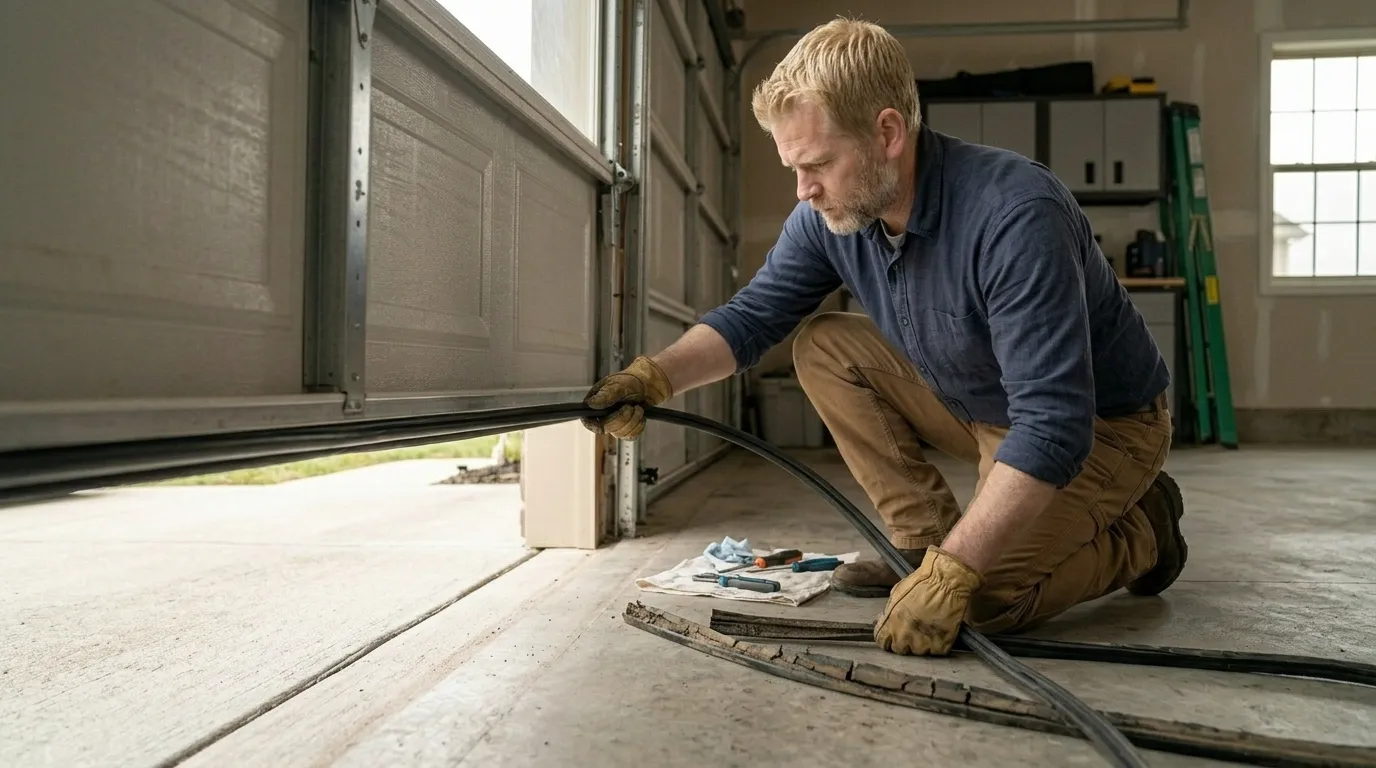
Not every door on a 1960s or 70s Livonia house needs to come out this year. If the panels are sound, the door still seals reasonably well at the bottom, and the only issue is a spring, a roller, or an opener that's acting up, that's a repair job, not a buy-a-door job. Original doors from that era were often built heavier than what's sold today, and if the steel or wood hasn't rusted or delaminated, there's no reason to replace a door that's still doing its one job of keeping weather out. The honest limitation here: parts for some of the older torsion hardware from that period are getting harder to source, and once a part is discontinued, a repair that used to take an hour can turn into a wait on a special-order piece. That's the point where replacement starts making more financial sense than chasing parts. But if your door is closing square, sealing at the bottom, and the opener isn't grinding, you're fine to wait. Spend the money on the spring or the weatherstrip instead of a full door, and put the replacement decision off until something structural actually fails.
The Common Mistake
The mistake we see most in Livonia is picking a replacement door on price and looks alone, without checking it against the opening and the climate load it has to handle. A thin, single-layer steel door might be $200 cheaper on the showroom sheet, but on a house built in that 1960s-70s window, with an opening framed to older tolerances, a light door is more likely to rack or bow under wind load once it's hung in a frame that was never perfectly square to begin with. The other version of this mistake is assuming a stock-size door from a big box store will drop into a sixty-year-old opening without any header or jamb work. Across the wider area there are roughly 163,915 owner-occupied houses, most carrying that same original garage framing, and it's common enough that measuring the actual opening before ordering anything should be step one, not step three. Buy the door that matches the climate load and the opening you actually have, not the one that matches the photo in the catalog.