The Problem
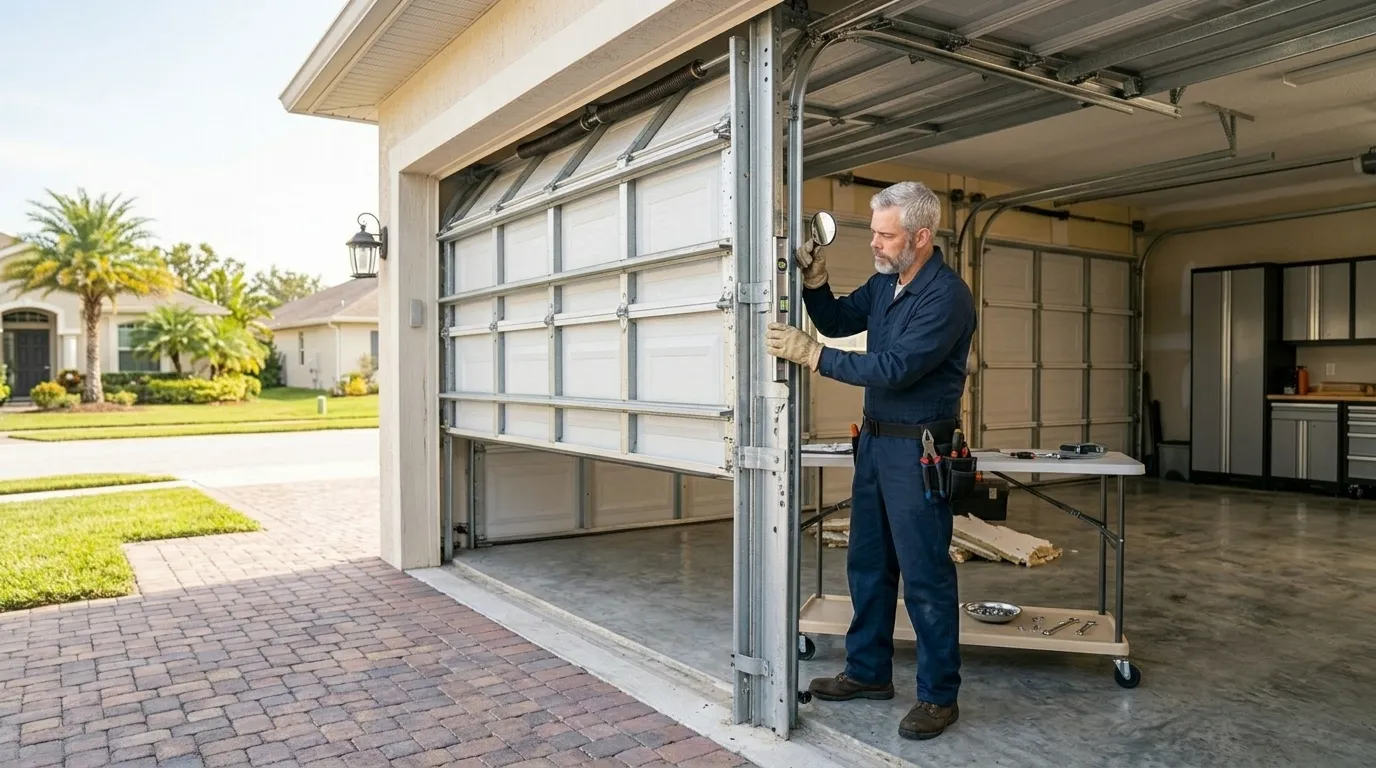
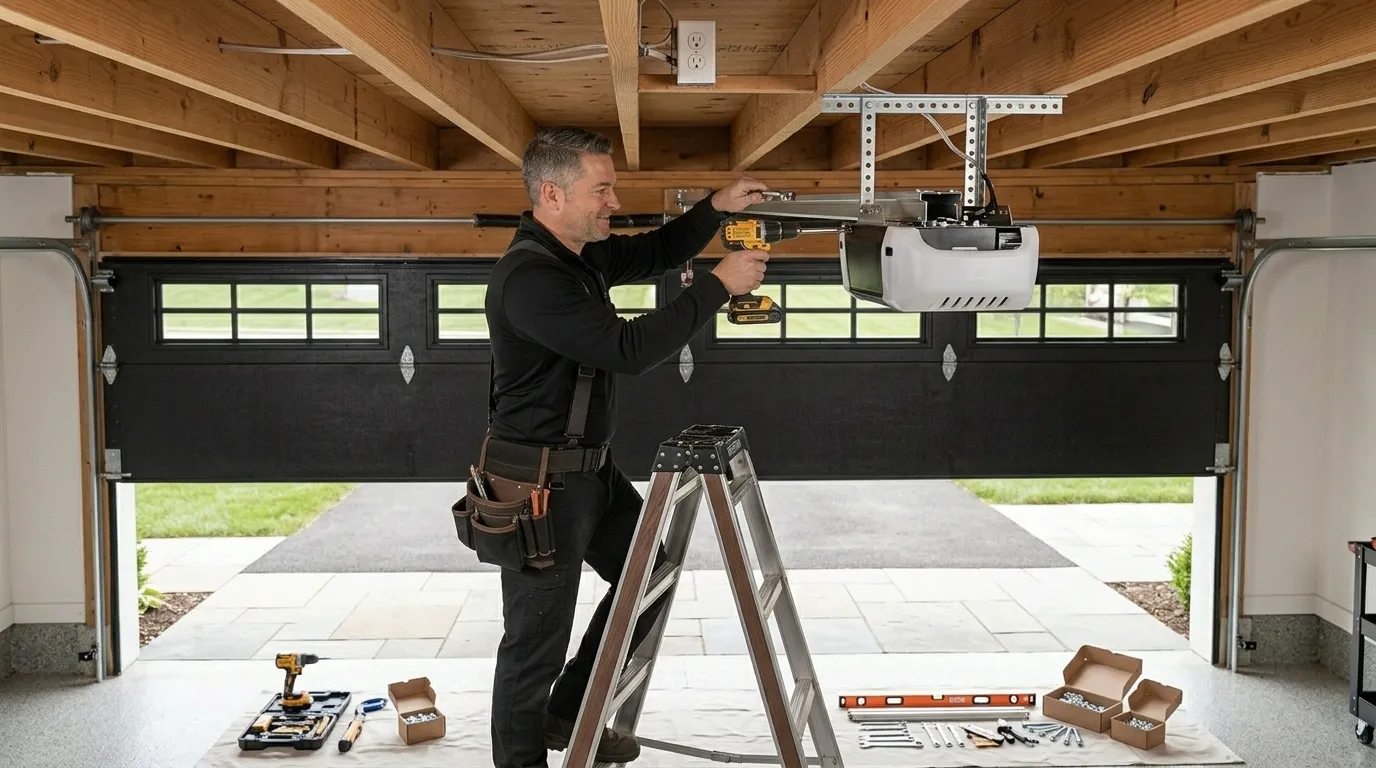
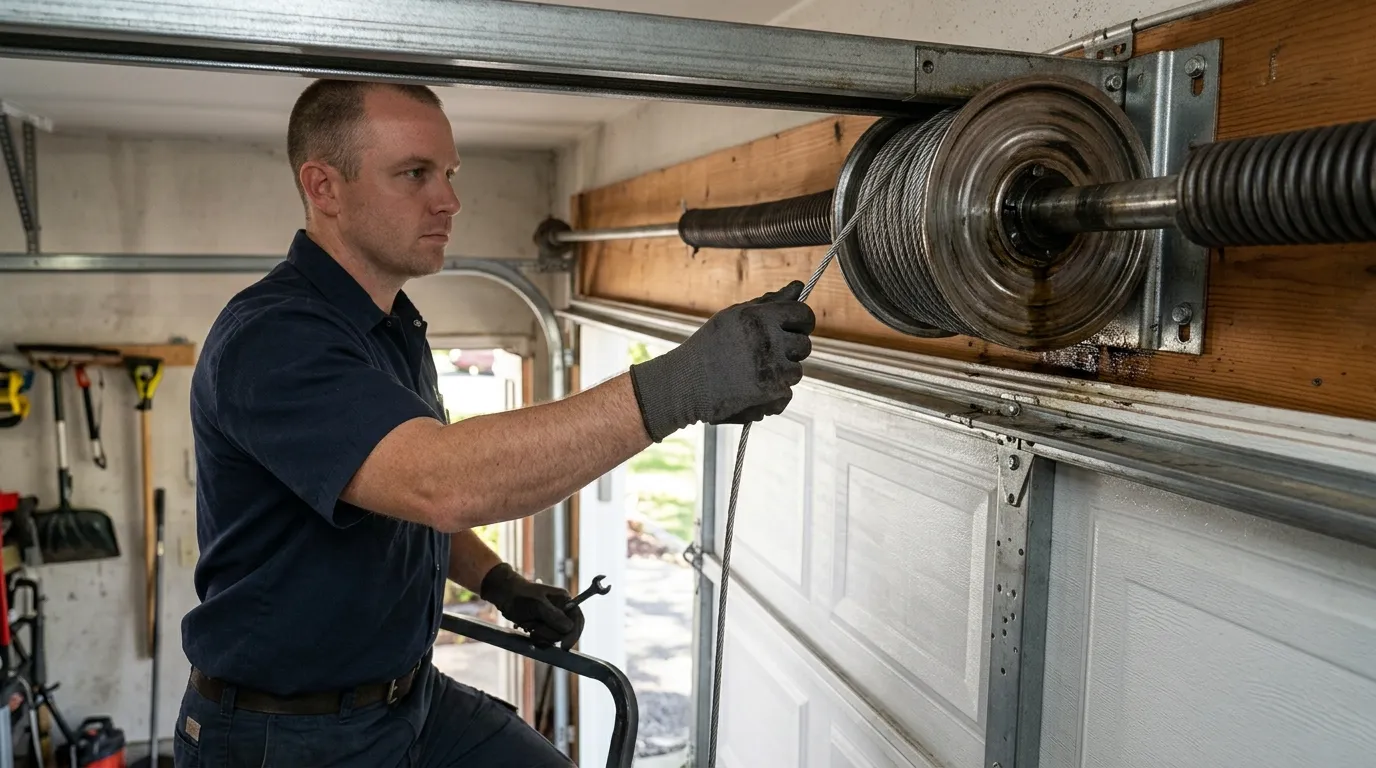
Most houses in Livonia went up between 1938 and 1991, and the median build year lands around 1960. Across the roughly 44 named areas that make up this service territory, the bulk of the housing stock is 1960s and 70s construction. That matters more than people think, because a door built for a house from that era was sized and sprung for panels that weighed less than the steel and insulated doors sold today. When a homeowner has swapped in a heavier door over the years but kept the original torsion spring or track, the hardware is working outside its intended range every single cycle. Add a cold climate on top of that and the spring steel itself behaves differently than it did when it was new. So before a tech touches the opener, the first thing checked is what era the door and the track system actually came from, not what the homeowner assumes is wrong. A grinding opener motor is often just the last part to complain about a problem that started at the spring years earlier.
When Waiting Is Fine
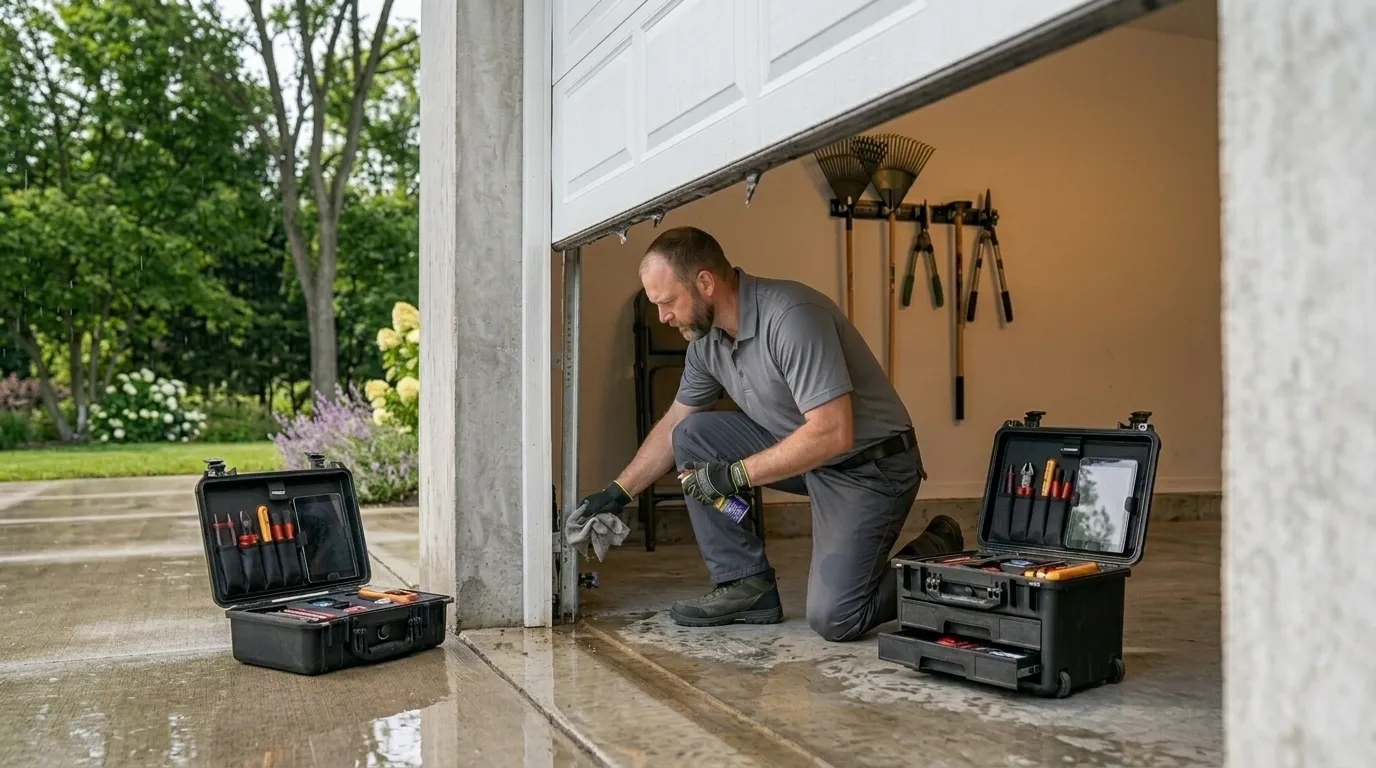
Not every noise means a same-day call. If the door still opens and closes on its own power, moves at a normal speed, and the noise is a consistent squeak rather than a bang or a scrape, that's usually a roller or hinge that needs lubricant, not a repair. It's fine to wait a week or two and see if a light oil on the rollers and hinges quiets it down. Where waiting is not fine: a door that's suddenly heavier to lift by hand, a cable that looks frayed, or a door that jerks and stops partway through a cycle. Those point to spring tension loss or track misalignment, and continuing to run the opener against that resistance is how a small problem turns into a broken cable or a bent track. One honest limit here: we can't tell you over the phone whether a noise is cosmetic or structural. Torsion spring wear especially looks and sounds identical right up until it lets go, which is why an in-person check matters more than a guess based on a description.
The Common Mistake
The mistake we see most often is a homeowner replacing the opener when the actual problem is the spring or track. An opener motor straining against a stiff, undersized, or aging torsion spring will eventually burn out or strip its gear, and it looks like the opener failed on its own. On a house from the 1960s or 70s stock common here, the spring is frequently original or close to it, sized for a lighter door than what's currently hanging. Replacing the opener without addressing the spring just means the new opener starts the same slow failure on day one. The fix is to check spring tension and wire gauge against the actual door weight first, before assuming the motor is the problem. It's a cheaper check and it's the one that actually explains why the door got heavy or loud in the first place.