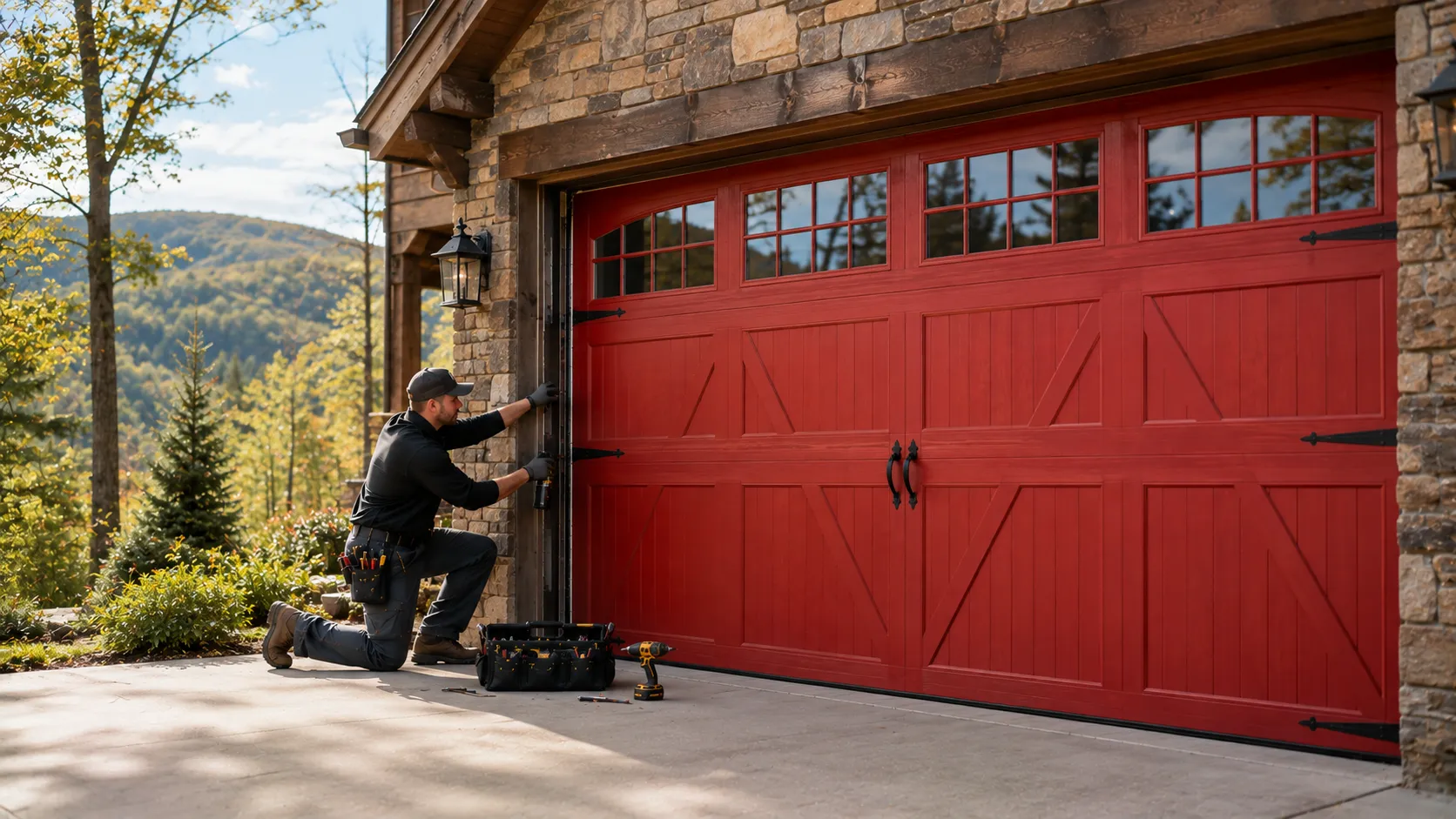
The Houses Here
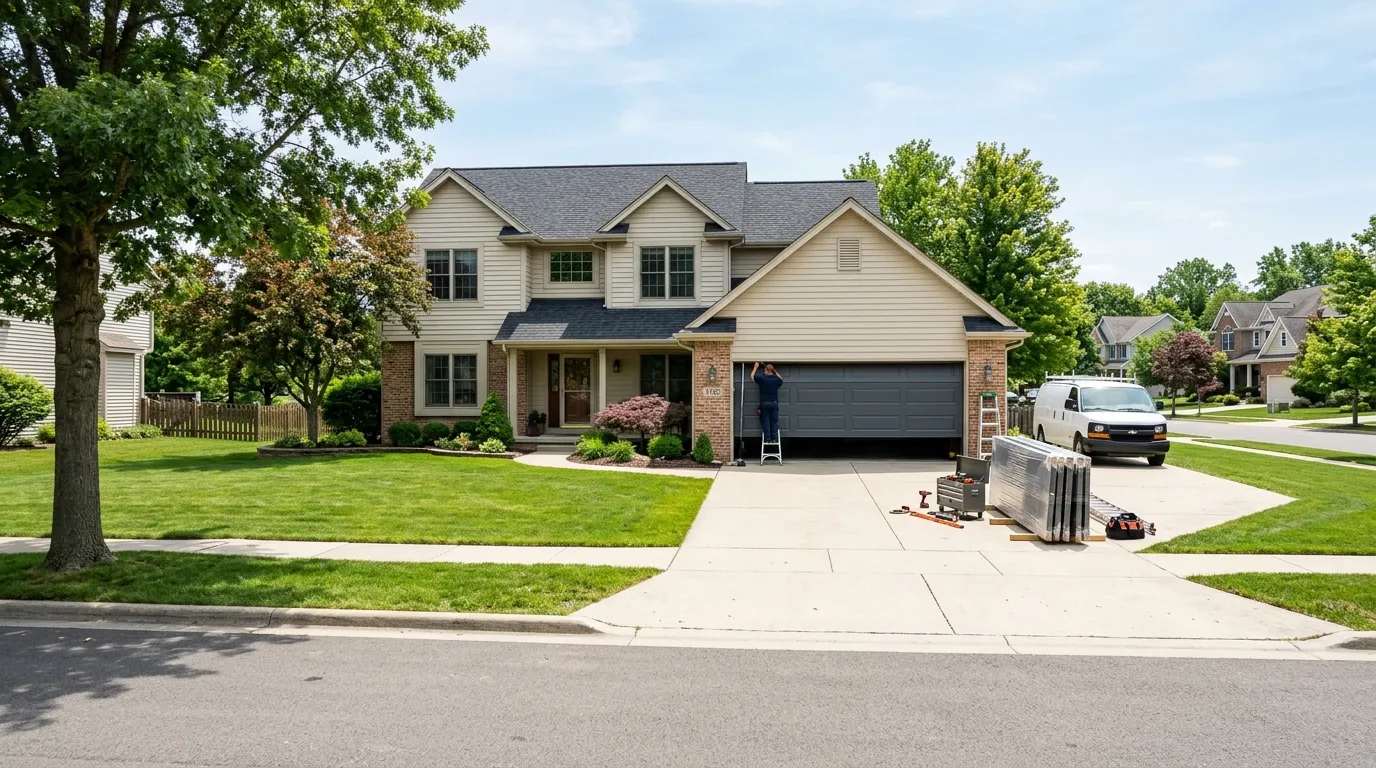
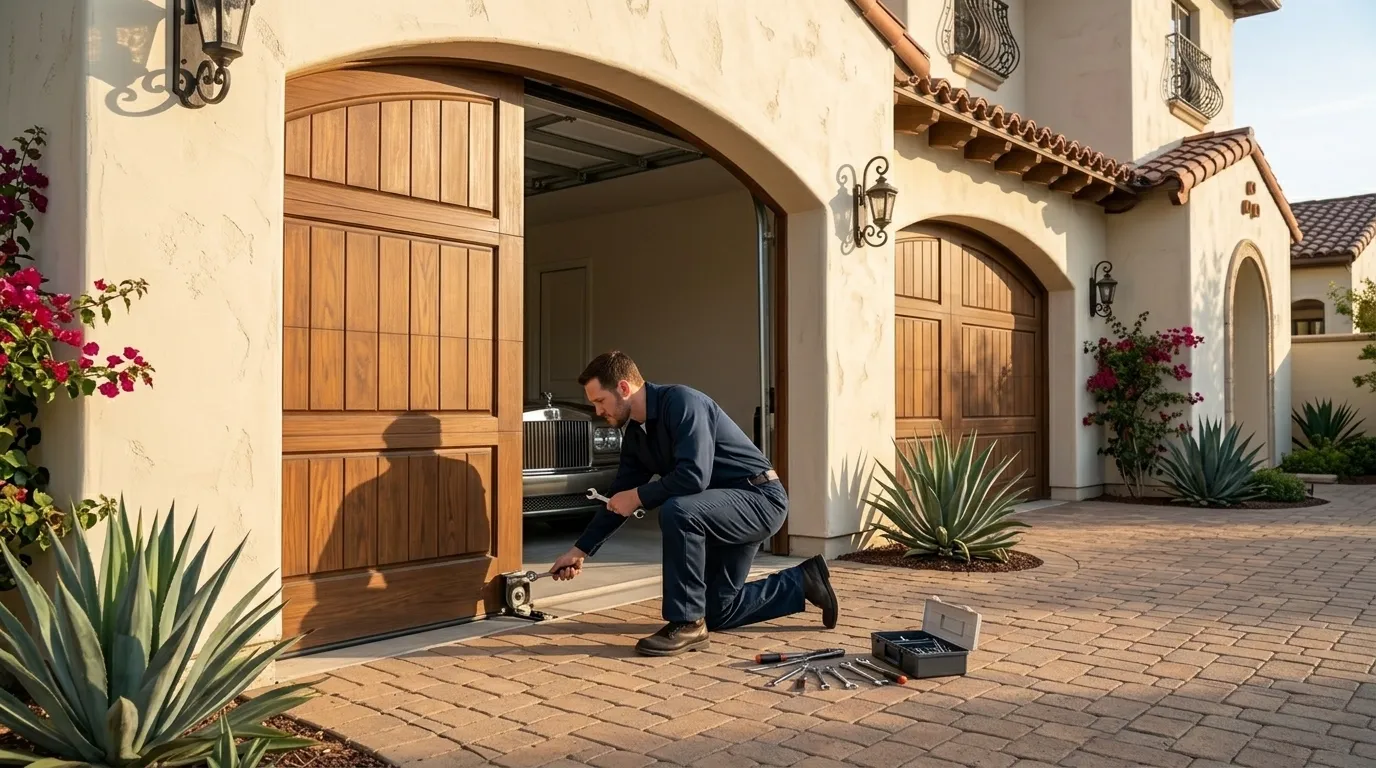
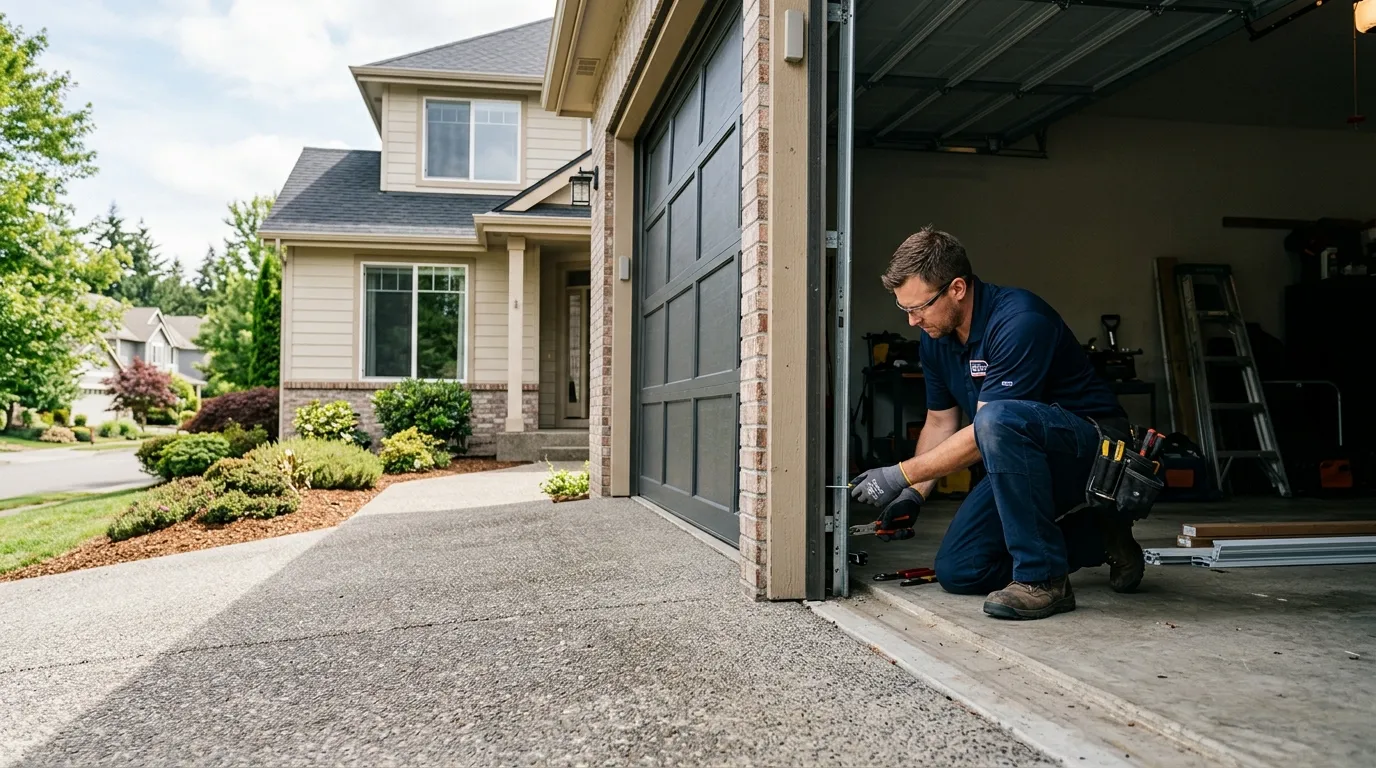
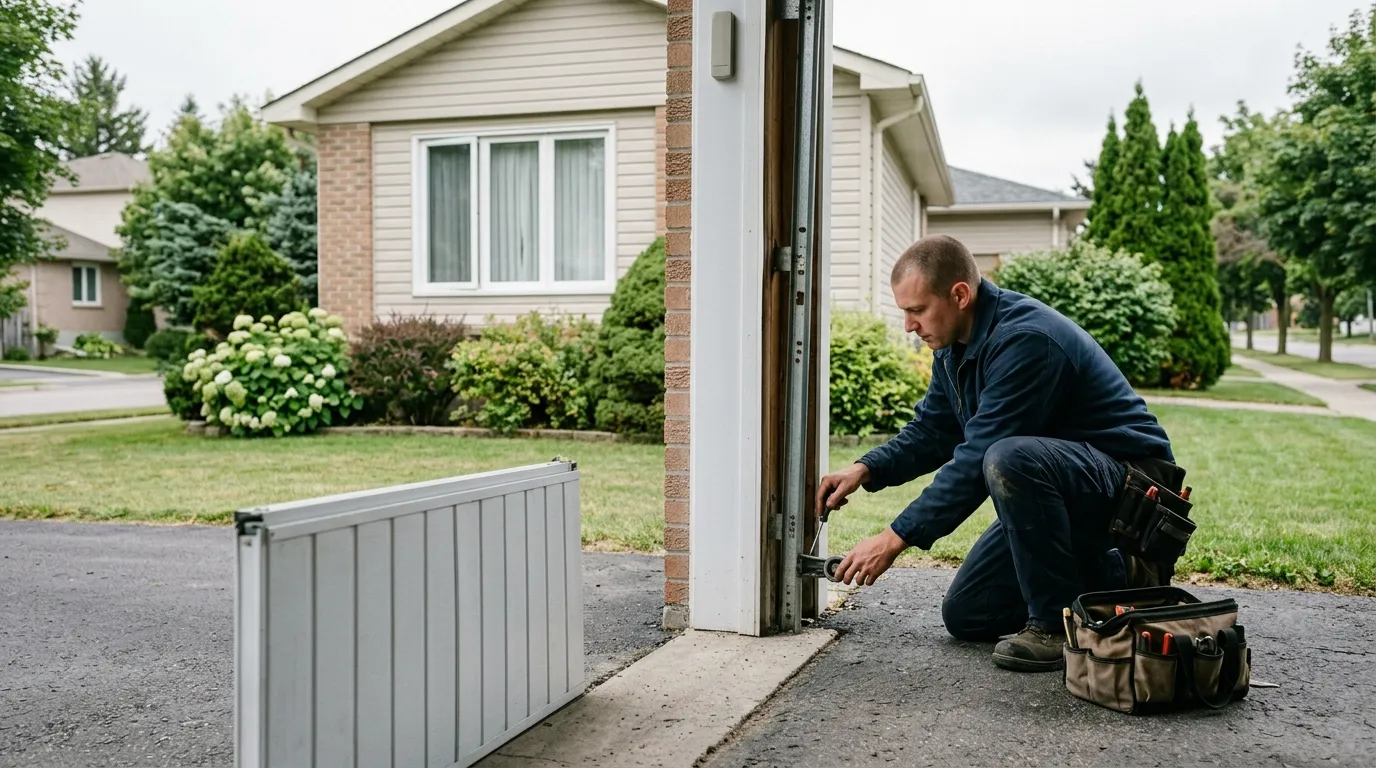
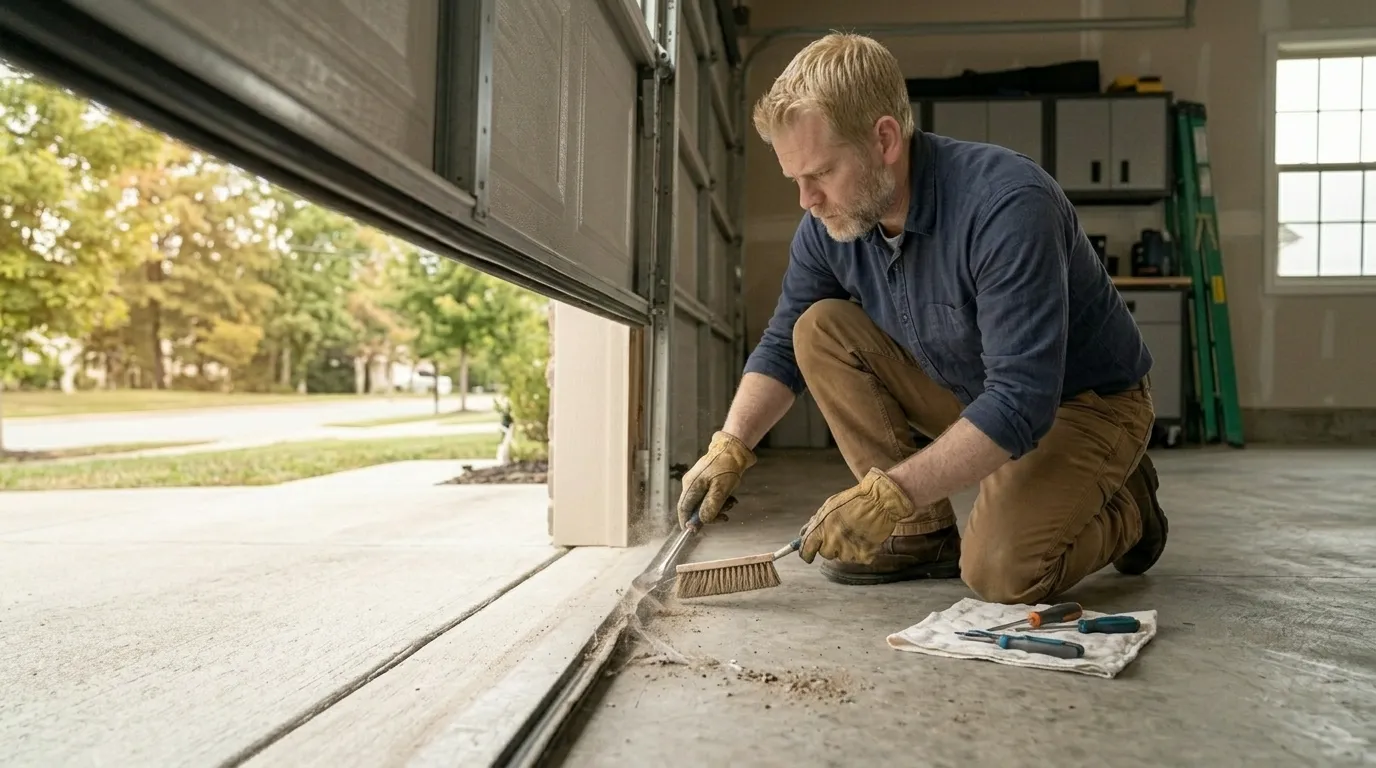
Birmingham's housing stock centers right on 1960, the same midpoint you see across this whole corner of the region, where most homes went up between 1938 and 1991. That matters more here than in a lot of the towns we drive to. Birmingham runs about 9,326 households, a small footprint, but a wealthy one - median household income sits at $153,125, more than double the $70,984 median across the wider area we cover. That gap shows up in how people here treat a garage door problem. A homeowner in a lower-income pocket might patch a cable twice before replacing it. In Birmingham, we get more calls that go straight to full door replacement, insulated panels, quiet-drive openers, because the budget is there and the patience for a third repair on a fifty-year-old door usually isn't. The bones of these houses, though, are the same 1960s construction you'll find on the older blocks anywhere in this service area: steel jambs, torsion hardware original to the build, and openers that have usually been swapped once or twice since.
What Neighbours Usually Call About
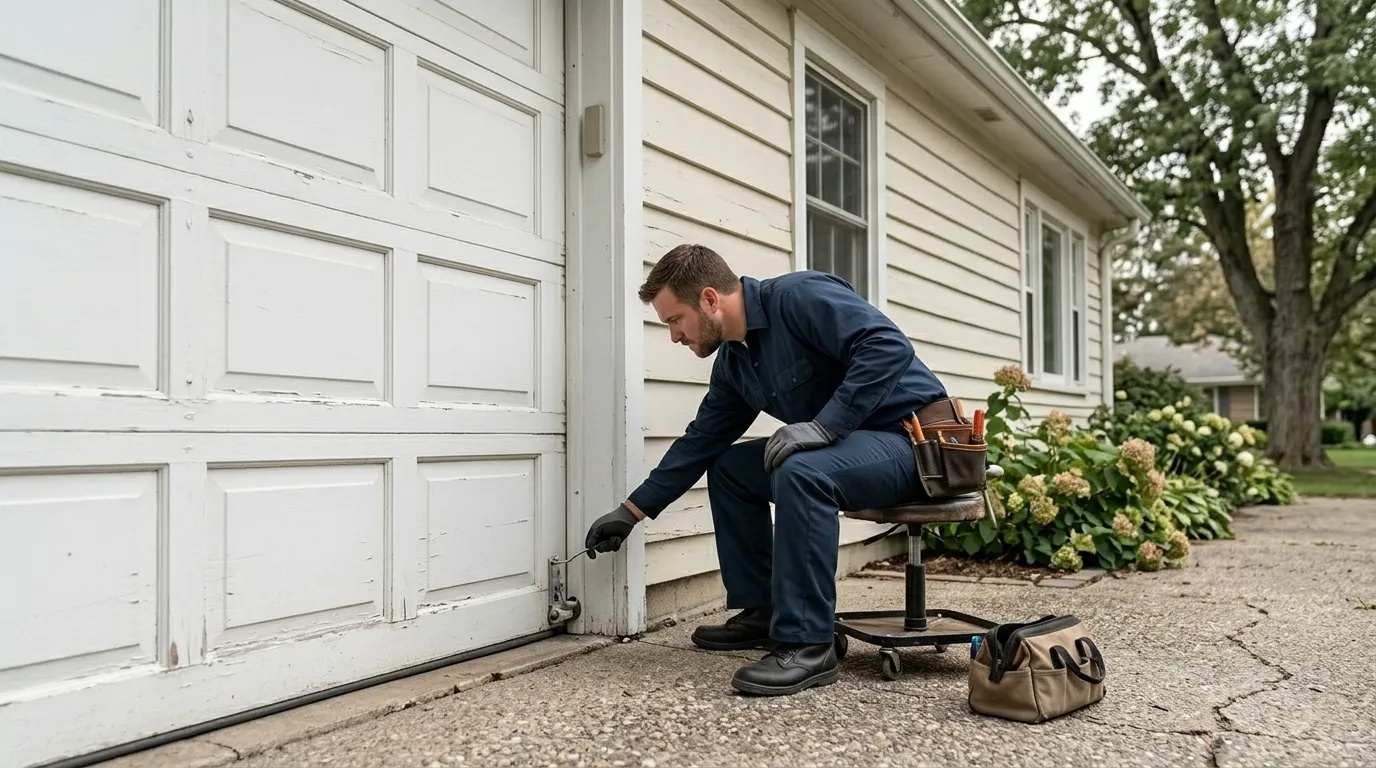
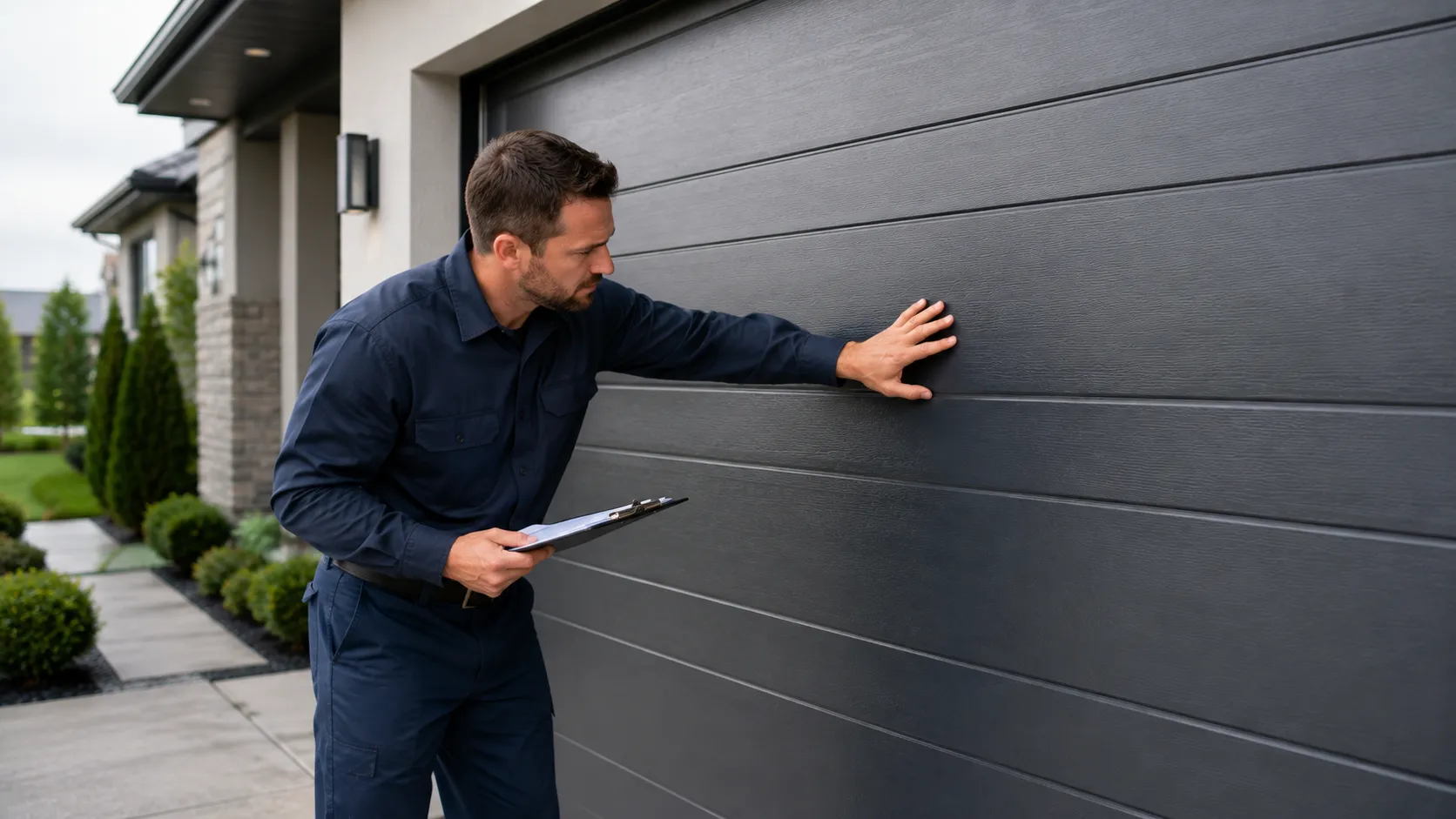
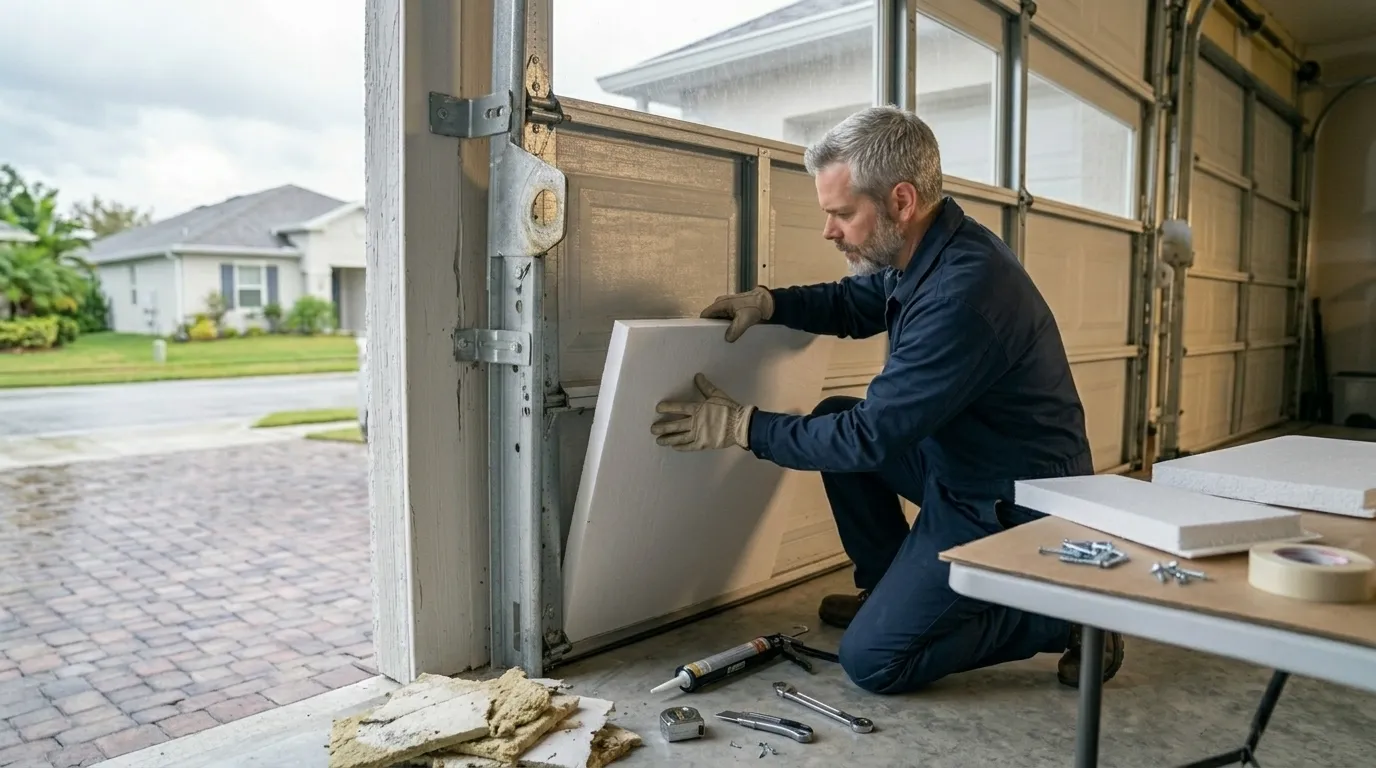
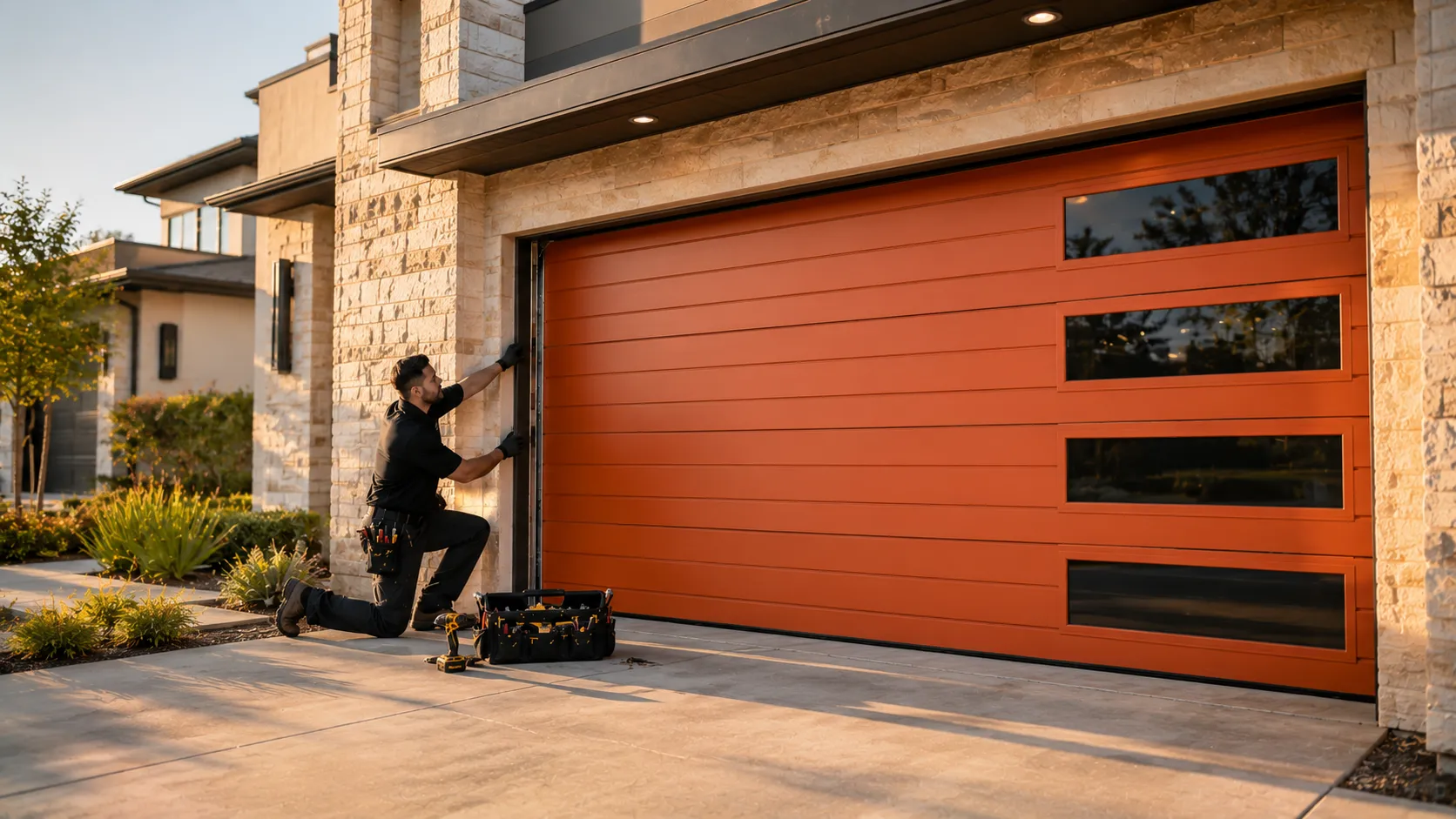
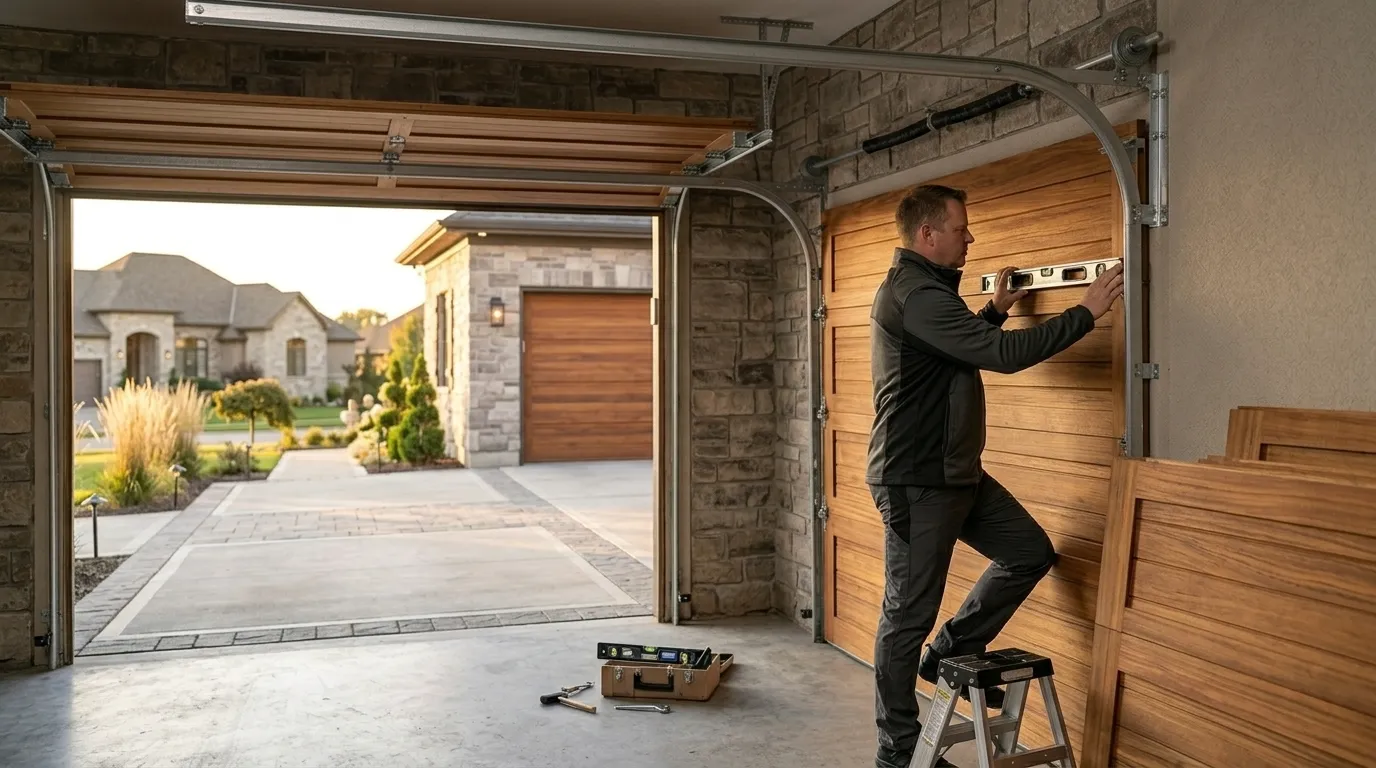
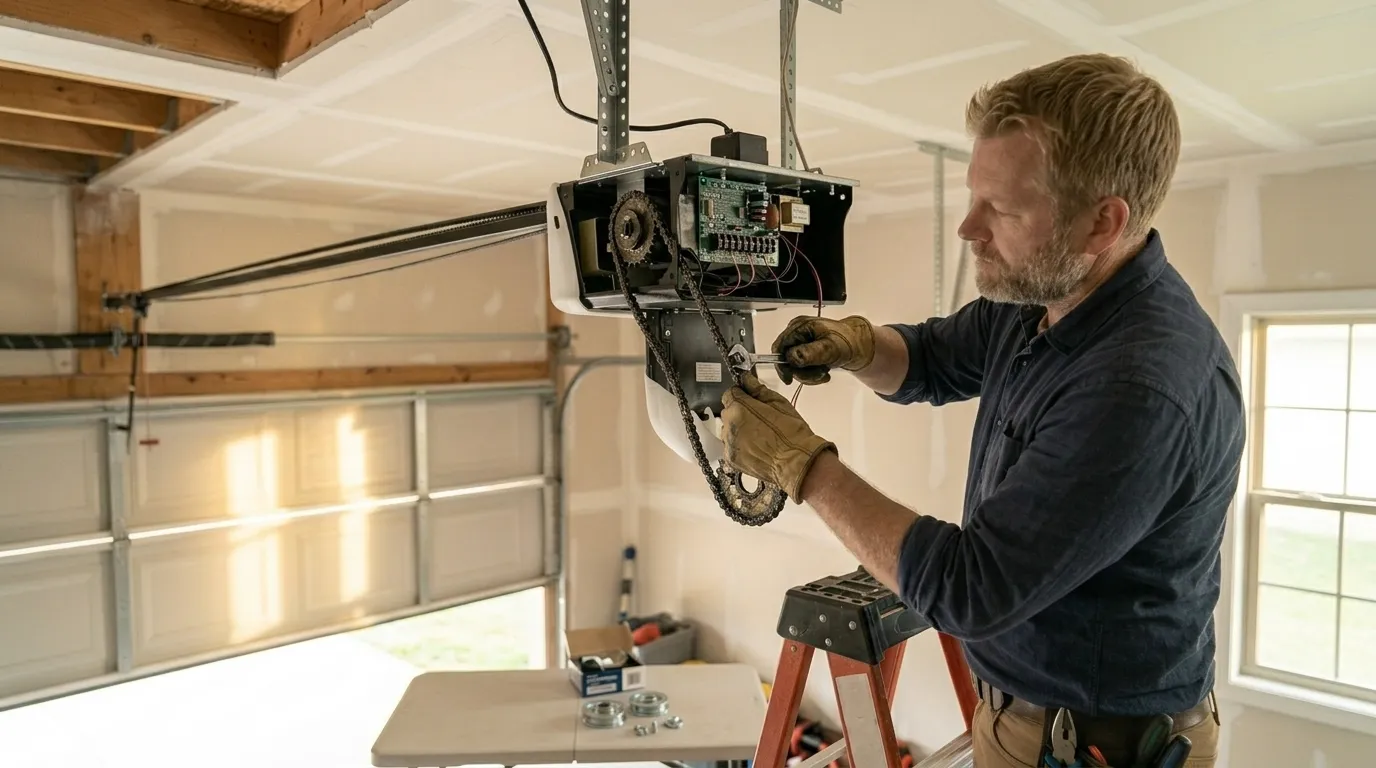
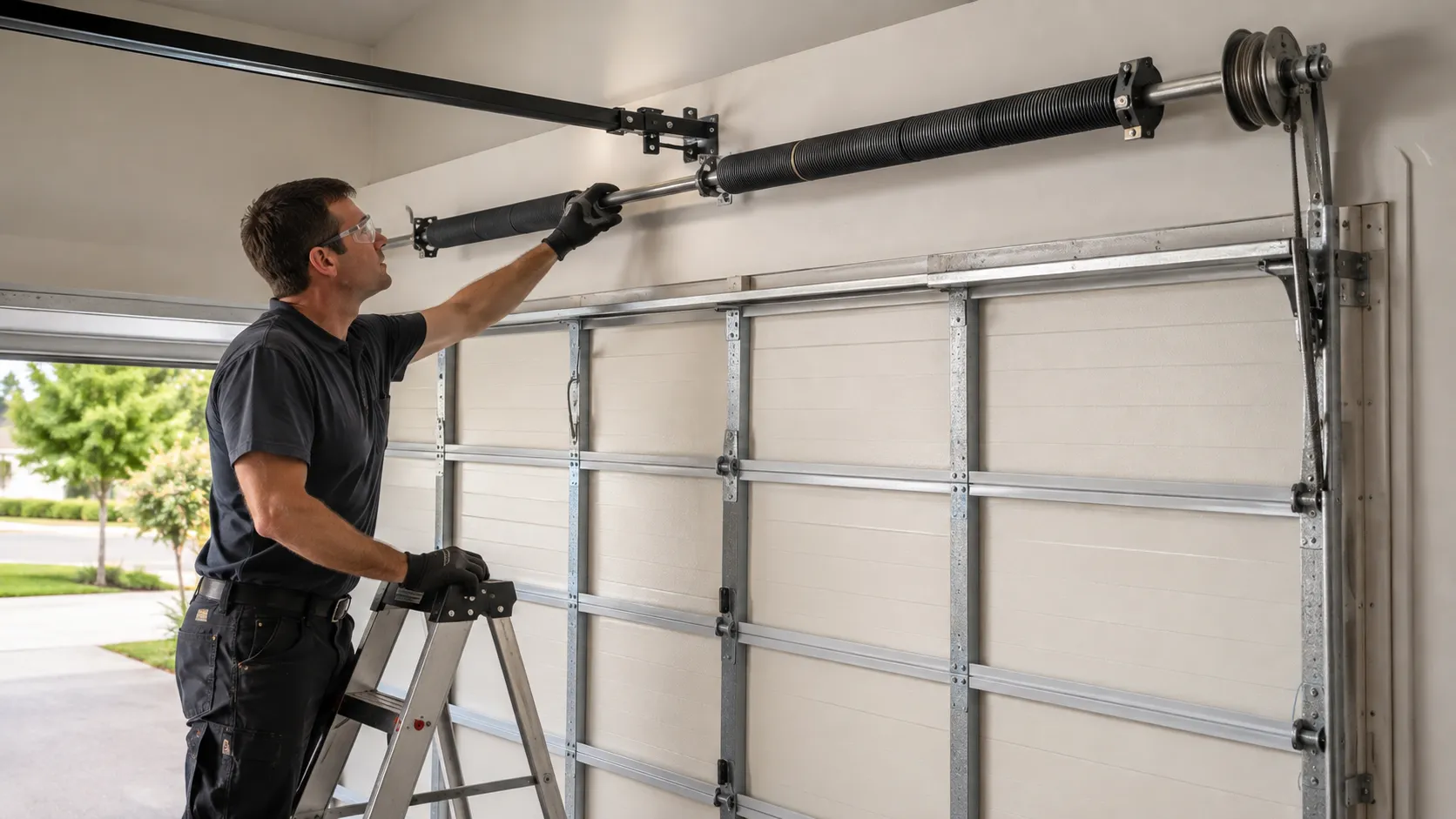
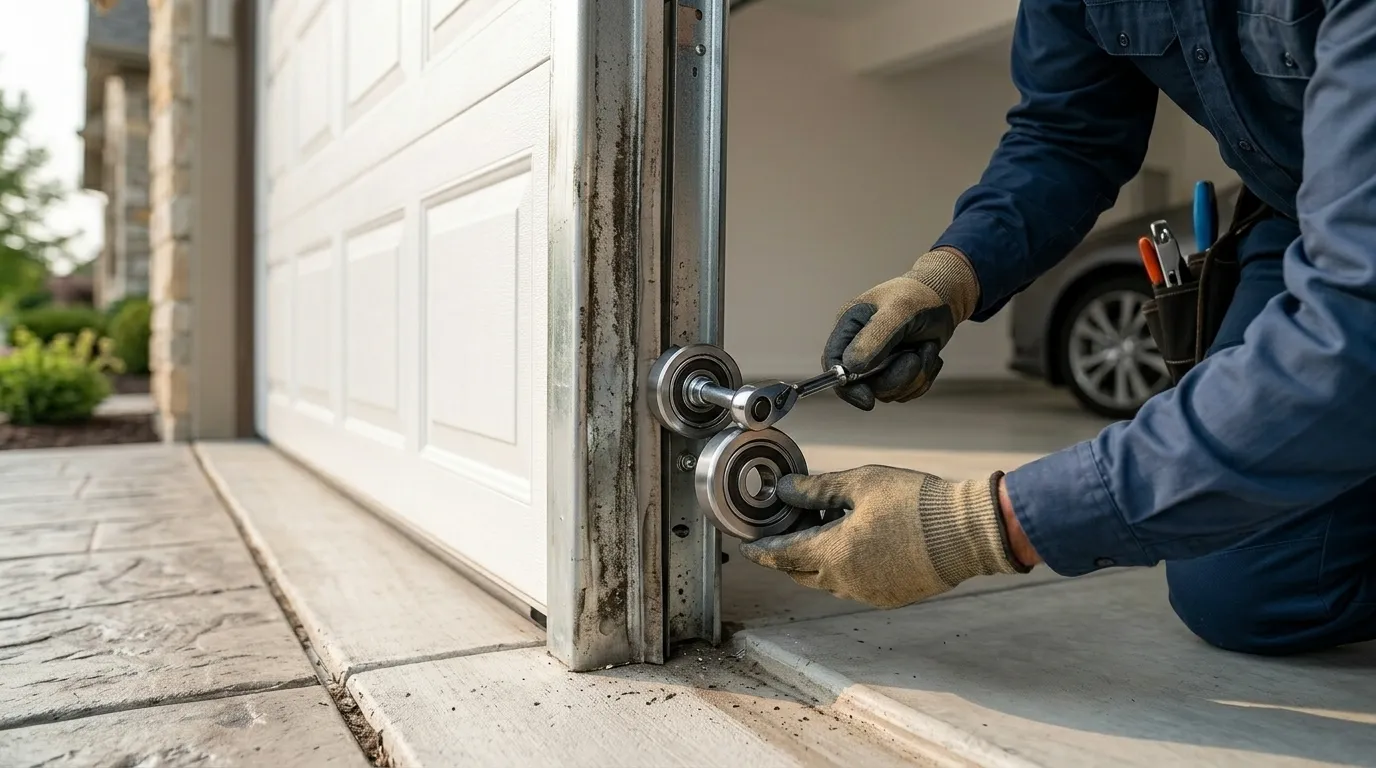
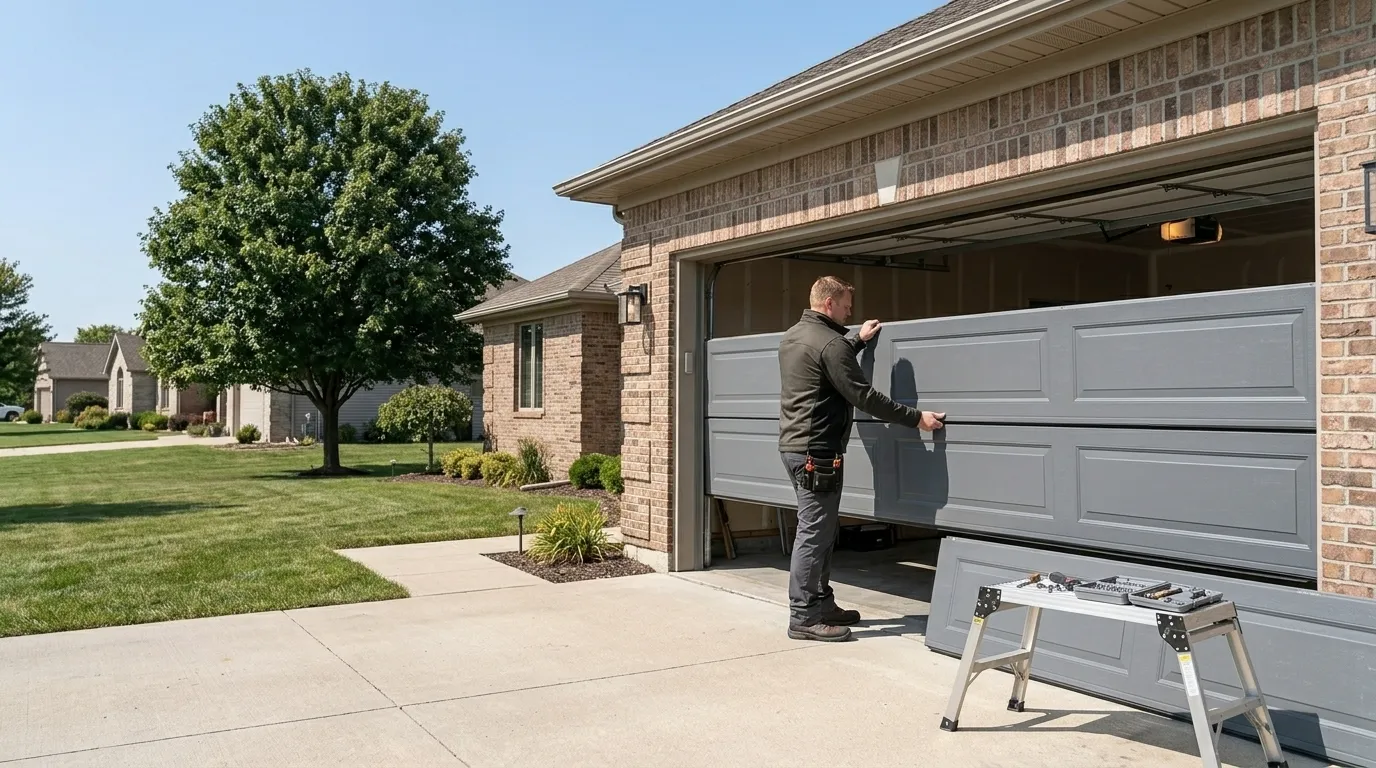
On a house built around 1960, the torsion spring is the part that's had the most time to wear out, and it's the call we hear most from this area - a door that won't lift, or one that slams down because the spring already snapped. Right behind that: openers on their second or third motor, chain-drive units from the 80s or 90s that grind before they fail outright. Rollers and cables get mentioned too, mostly on doors that have never been serviced, just used. Given the income level here, we also get more calls asking about upgrading rather than patching - insulated steel doors to replace the single-layer panel that came with the house, or a quieter belt-drive opener instead of another chain-drive repair. That's a reasonable question to ask on a house this age. Where the original hardware is steel jamb and torsion spring from 1960, the parts are still standard sizes, so repair is almost always possible. It's really a homeowner's call on whether to keep fixing a sixty-year-old door or move to something built to current standards.
Getting Here
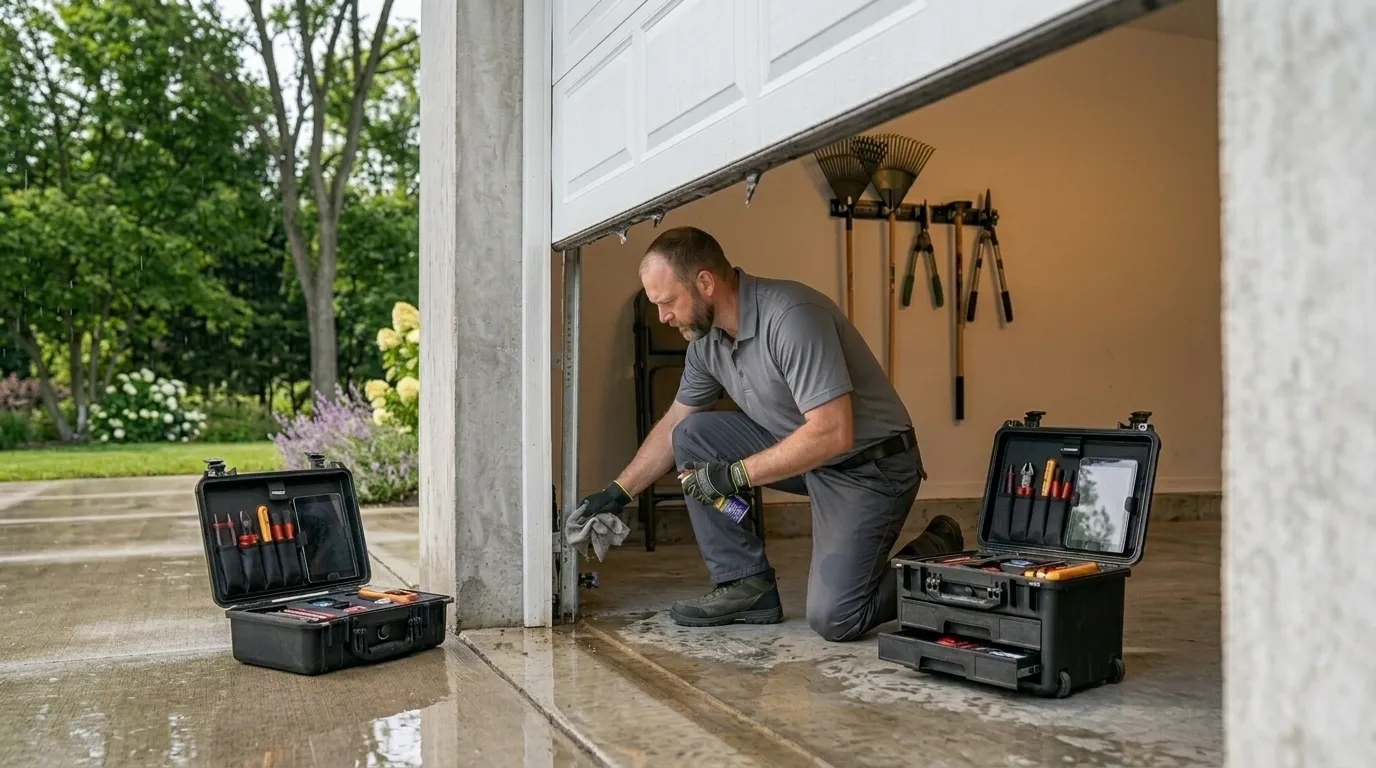
Birmingham sits about 13 miles out from our shop in Livonia, on the longer end of the drives we make regularly. It's in the same general stretch as Bingham Farms and Franklin, both closer in, and not far past Beverly Hills and Bloomfield Hills, both around the same distance. We don't keep a second location or a drop box in Birmingham - every truck runs out from Livonia - so we schedule the drive into the job rather than promising a same-hour arrival we can't back up. If you're comparing us to a company that's physically closer, that's a fair thing to weigh. What we bring instead is familiarity with the hardware that's actually in these houses: 1960-era torsion setups, the panel styles that came standard then, and what tends to fail on them first. That's worth something on a call where the first question is usually "can you even get parts for this."