24/7 Emergency Service Open 7 days · 7am–8pm Serving Livonia, MI & nearby
(734) 488-7350
Livonia, MI

What a Garage Door Service Call Covers Here

A real look at what a Livonia garage door service call includes, based on the age of local housing stock and the cold climate this area sees every winter.

What a Garage Door Service Call Covers Here

The Problem

Most of the housing in this part of southeast Michigan went up between 1938 and 1991, with the median build year sitting around 1960. That means a lot of the doors and openers we get called out to aren't the doors that came with a 2015 subdivision - they're originals or first replacements on hardware that was standard for a 1960s or 70s build. Side-mounted torsion springs, single-thickness steel panels, openers with no rolling-code security, and track hung on wood jambs that have shifted a little over sixty years. A service call on a house like this isn't a quick bolt-tightening job. It usually starts with figuring out what decade the hardware is actually from, because the parts you need for a 1962 door aren't the parts on the truck for a 2018 one. That's the real difference between a call here and a call in a newer development - you're diagnosing an assembly, not swapping a part off a shelf.

We cover the service area out to about Plymouth, Garden City, and Dearborn Heights, and the pattern holds across most of it: older housing stock, original hardware, and doors that have been patched more than once before anyone called a pro.

When Waiting Is Fine

Not every noise or stiff spot needs a same-week call. If a door on a house from this era is a little loud on the track but still opens and closes evenly, that's wear you can live with for a while - lubricate the rollers and hinges and keep an eye on it. A slow opener that still fully closes and reverses on contact is a candidate for a scheduled visit, not an emergency one. Where you shouldn't wait: a door that won't stay up on its own, a cable that's frayed or already popped, or a spring that's visibly gapped. Those get worse fast, and on the older torsion setups common in houses built before the 1990s, a failed spring can drop a door with real force. One honest limit here - if the opener is original 1960s-era hardware with no safety reversal sensors, we're not going to patch it and call it done. That's a replacement conversation, not a repair, because there's no safe way to bring 60-year-old hardware up to a standard it was never built to meet.

What Local Conditions Do

This area sits in a cold, severe climate band, and that shapes what actually fails on these doors. Steel panels on houses from the 1960s and 70s were rarely insulated to modern standards, so temperature swings between a heated garage and a below-freezing exterior stress the seams and the weatherstripping first. Torsion springs lose tension faster in cold, and grease that was fine in July turns stiff by January, which is why a door that worked all summer starts groaning or hanging up the first hard freeze. Track alignment also drifts more here - the freeze-thaw cycle moves foundations and slabs slightly year over year, and on a house from this era that's had 50-plus winters to work on it, that shows up as a door that binds on one side. A service call on an older house in this climate band checks the spring tension, the track plumb, and the weatherstrip condition together, because in this weather they tend to fail as a set, not one at a time.

The Common Mistake

The mistake we see most is treating a symptom instead of the hardware behind it. Someone hears a loud bang or a door that sticks partway and assumes it's the opener, so they replace the opener - on a house built well before 1991, with springs and track from the same era, and the door still sticks a month later because the real problem was the spring or the track alignment, not the motor. With a median household income around $70,984 across this service area, we get that a full door replacement isn't always the first move people want to make, and it usually shouldn't be. But swapping the newest, easiest-to-see part while leaving 60-year-old springs and rollers in place just moves the failure point, it doesn't fix it. A real service call checks the spring, the cables, the rollers, the track, and the opener's safety reversal in that order, because on a door this old, the failure is almost always upstream of whatever part is making the noise you actually called about.
How it works

From “it’s stuck” to “it’s fixed”

Tell us what’s wrong - Livonia garage door service

Tell us what’s wrong

Describe the symptom - won’t open, loud bang, opener runs but the door won’t move.

On-site diagnosis - Livonia garage door service

On-site diagnosis

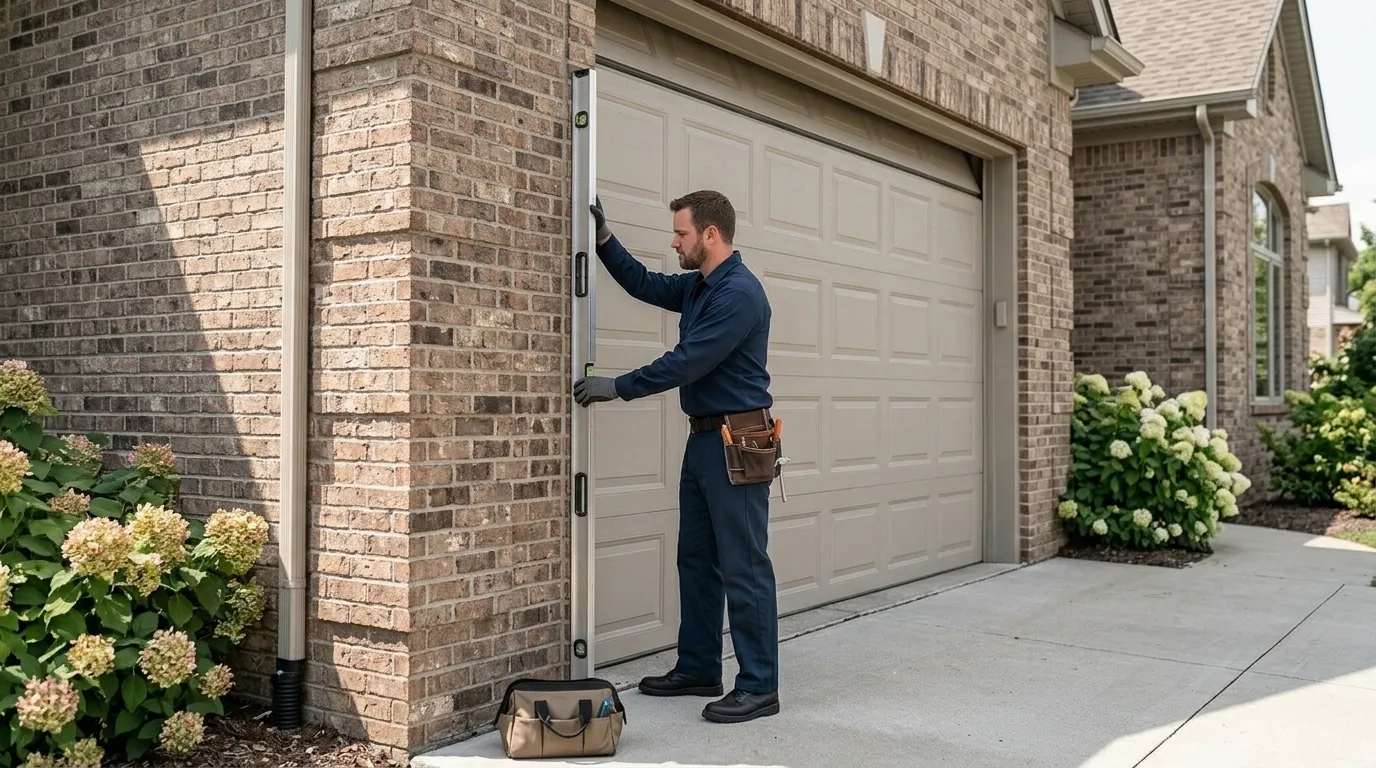
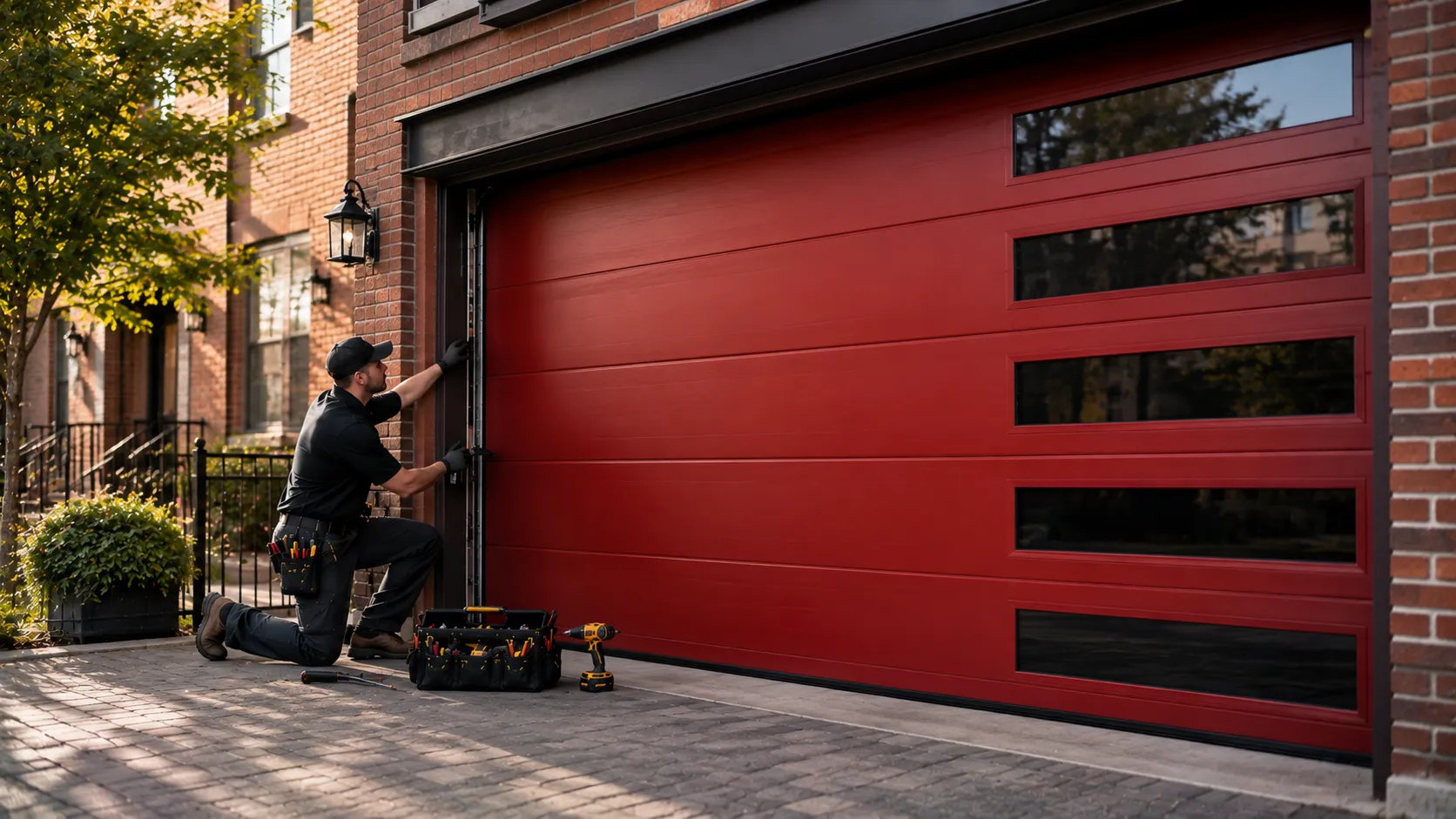
A technician tests the door under power and by hand and finds what actually failed.

Clear, up-front plan - Livonia garage door service

Clear, up-front plan

You get the fix that’s needed and what drives the cost - before any work starts.

Repaired & tested - Livonia garage door service

Repaired & tested

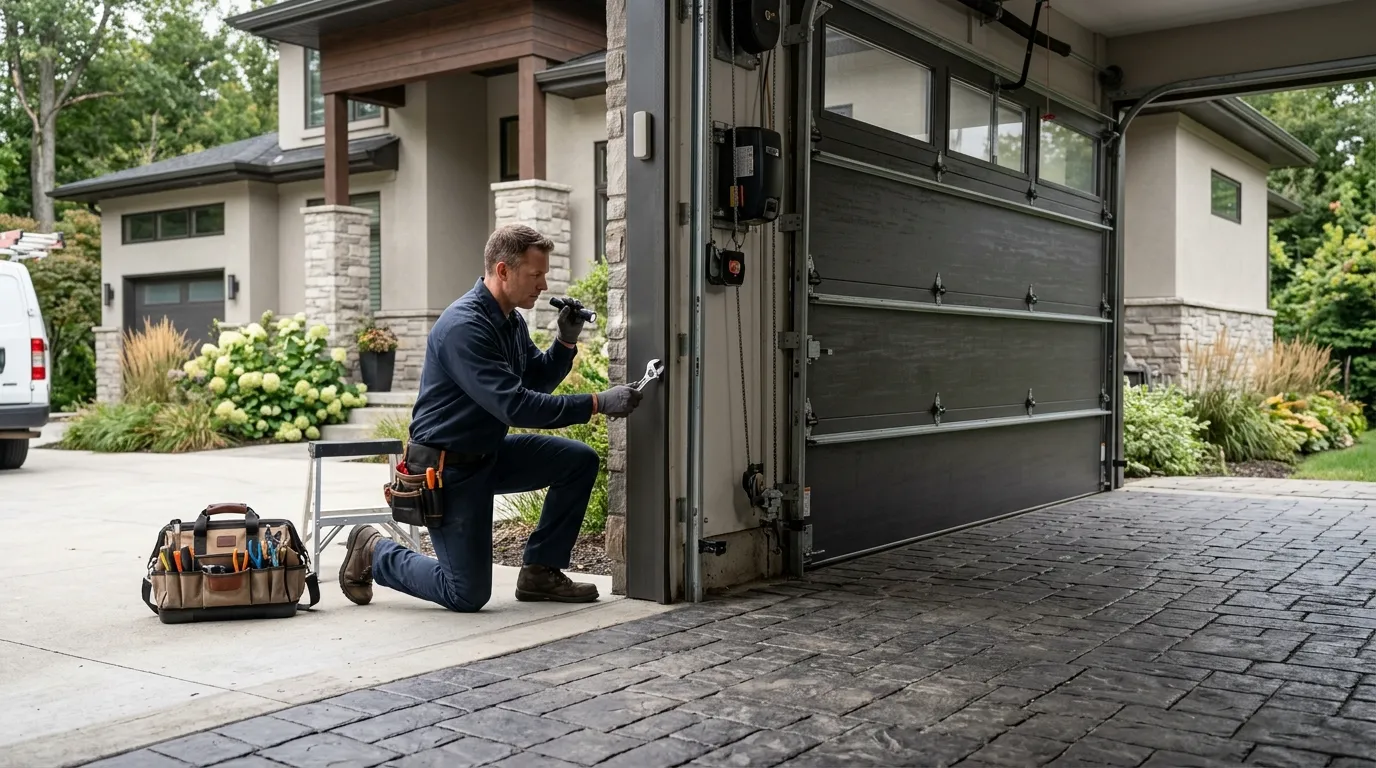
The repair is done, the door is set true and tested, and the work area left clean.

Serving Livonia, MI - tell us what your door’s doing and we’ll take it from there.

How we work

What to expect

  • Diagnosis firstEvery visit starts by finding what actually failed - not a pre-written parts list.
  • The right part for the doorSprings and openers matched to the door’s weight and age, so the fix holds up.
  • Straight answersWhen a repair makes more sense than a replacement - or the reverse - you hear it plainly.
  • Clean, careful workTension released safely, hardware set true, the door tested under power before we leave.
Questions

Frequently asked

Straight answers about garage door repair in Livonia. Still unsure? Ask us directly.

Why does my garage door act up more in winter?

Cold makes torsion springs lose tension and stiffens the grease on rollers and hinges, and this area sits in a cold, severe climate band that sees that swing every year. On houses built before the 1990s, the track and panel seams have also had decades to shift with the freeze-thaw cycle, so several small issues tend to show up at once in January rather than gradually.

Is it worth repairing an original door from the 1960s?

Sometimes. If the panel steel and track are still sound, a spring or cable repair can carry the door for years. But if the opener has no safety reversal sensors or the panel is warped, repair stops making sense - that's a replacement call, and we'll tell you when we see it.

Do you cover areas outside Livonia itself?

Yes, our service area extends out to nearby communities including Plymouth, Garden City, and Dearborn Heights, roughly 5 to 6 miles out, and further to places like Northville and Wayne.

What does a typical service call actually check?

Spring tension, cable condition, roller and hinge wear, track alignment, and the opener's safety reversal, checked in that order. On older housing stock common in this area, these tend to fail together rather than one at a time, so a call that only looks at the noisy part usually misses the real issue.

Ready to get your garage door sorted?

Tell us what it’s doing and where you are in Livonia - we’ll take it from there.

Request a QuoteCall