The Houses Here
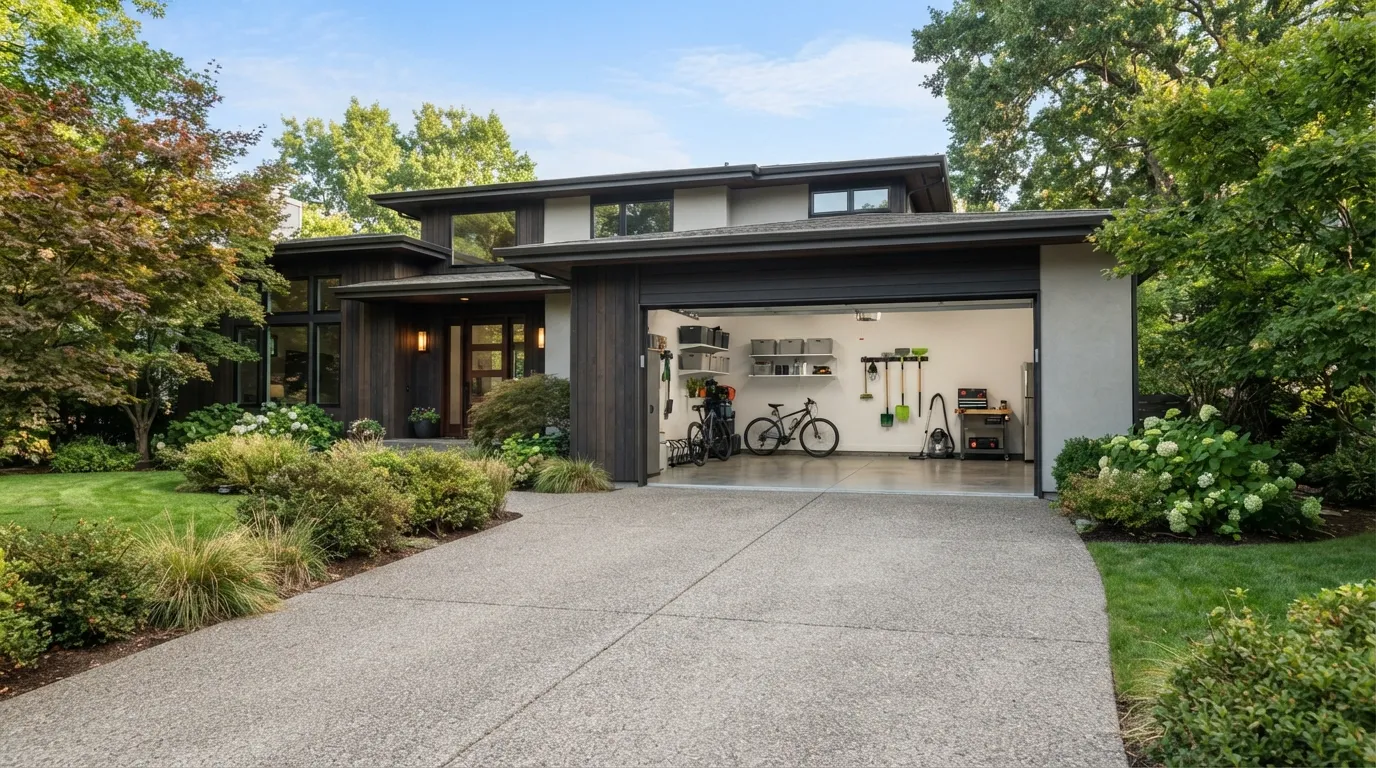
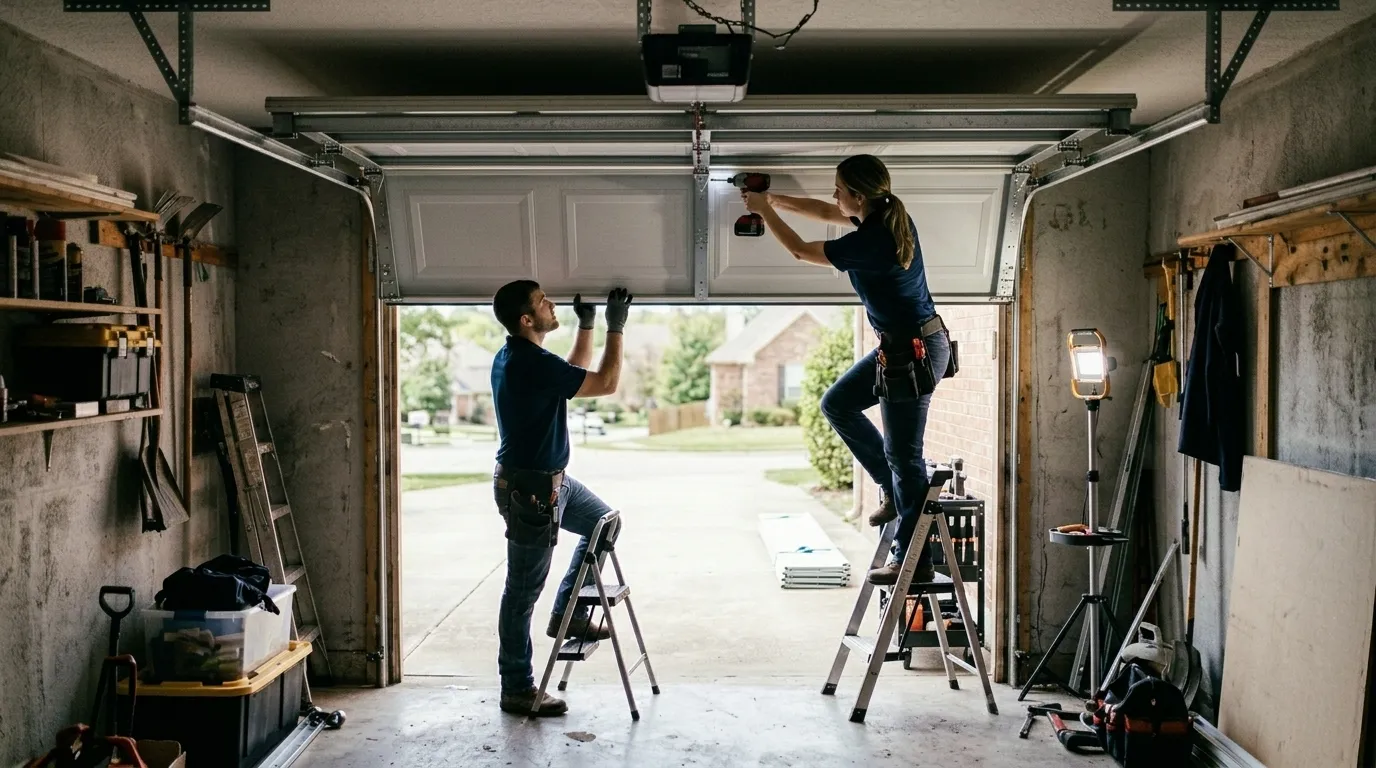
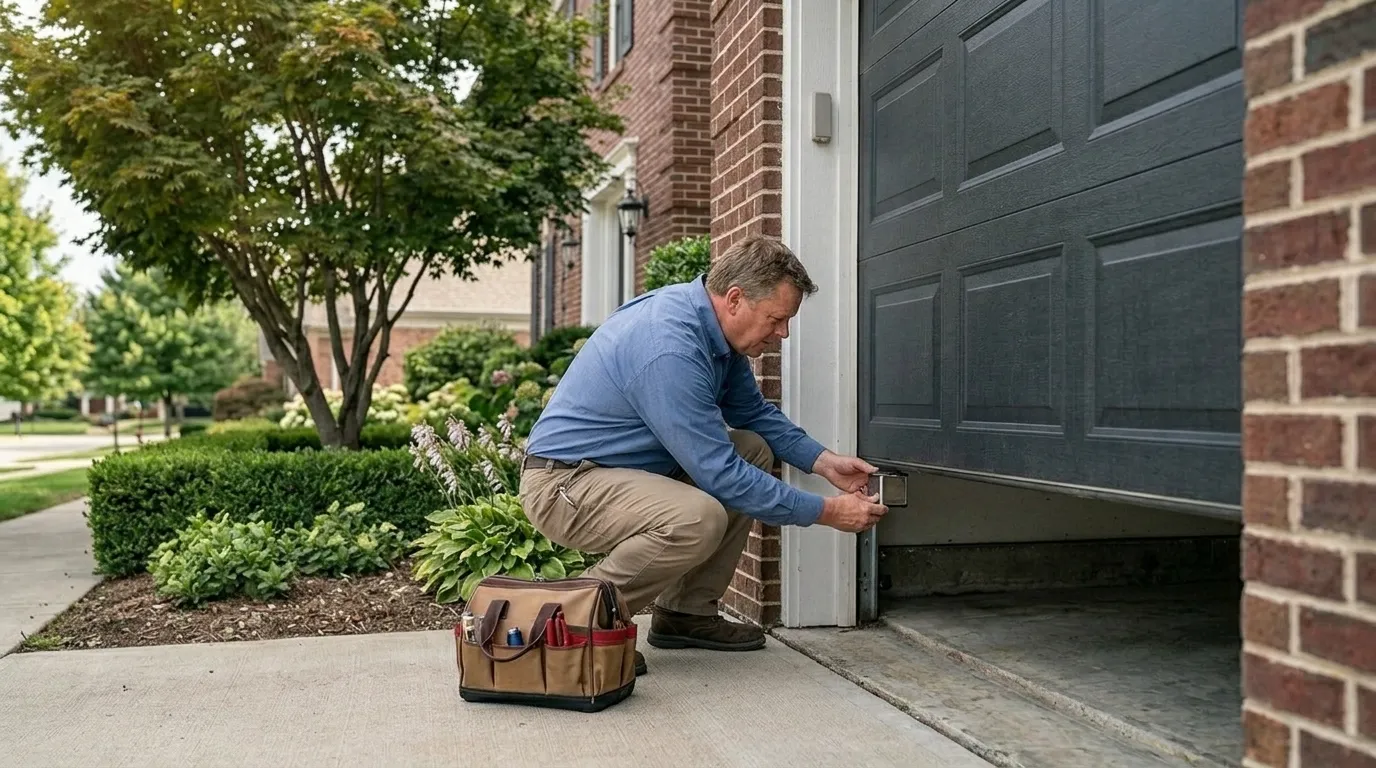
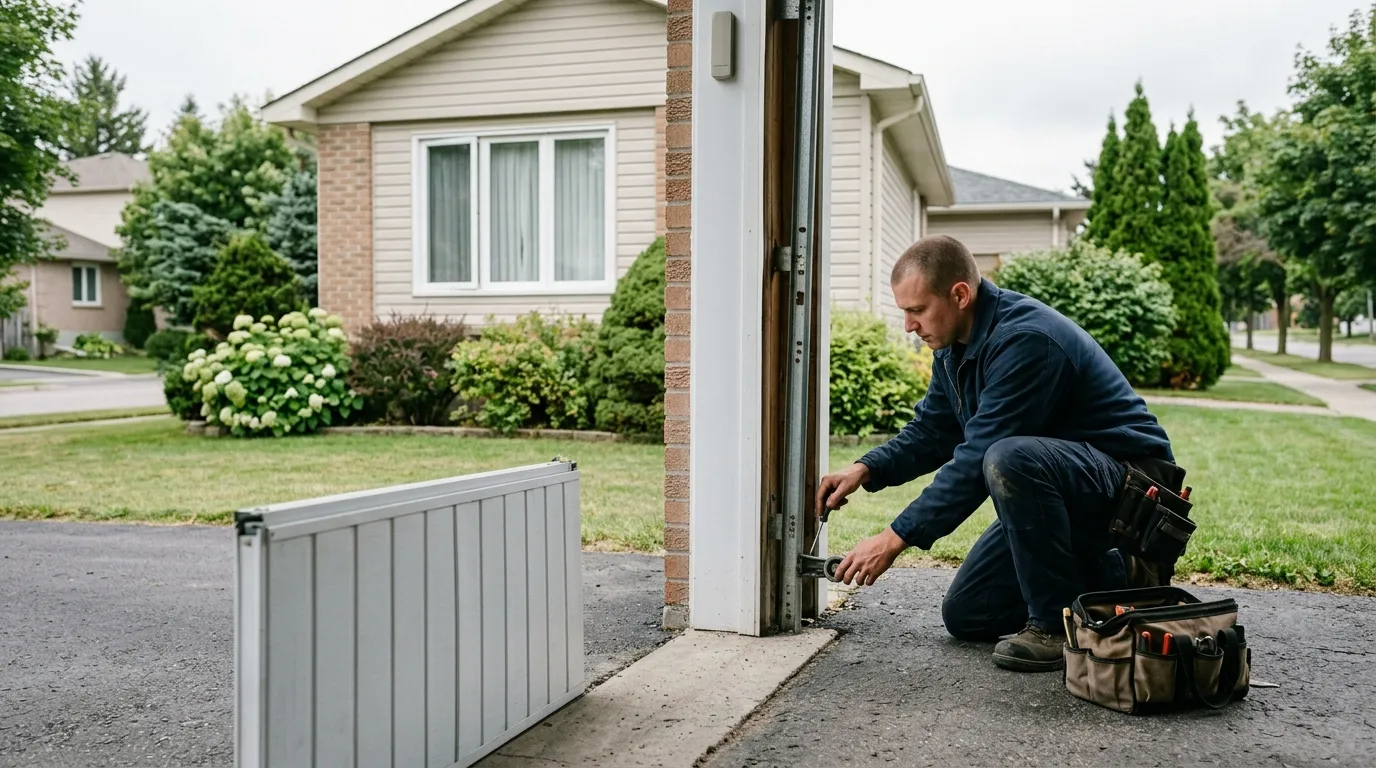
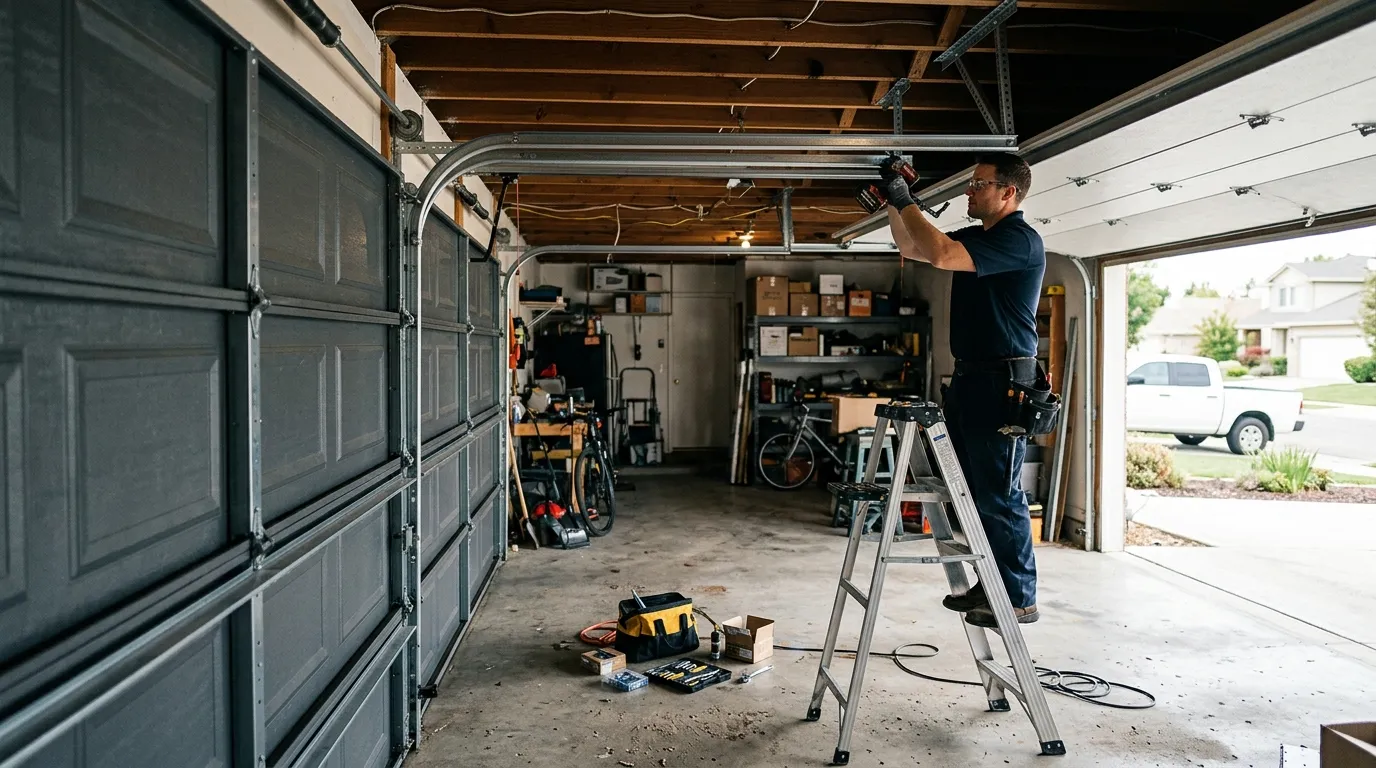
Wolverine Lake's housing stock centers on 1972, which puts it later than the wider service area's median of 1960. That gap matters more than it sounds. A house built in 1972 usually came with an extension-spring setup or an early torsion conversion, steel panel doors with thinner skins than what went in during the 1950s, and openers retrofitted decades after the fact rather than installed with the house. Across the 44 named areas this company covers, the housing generally runs 1960s-70s, so Wolverine Lake sits on the newer edge of that range rather than the older one. With about 1,894 households here, this isn't a sprawling subdivision grid - it's a smaller, tighter area, and the doors that went in during that early-70s building push are now over fifty years old regardless of how many times a panel got swapped. The track hardware, the header brackets, the springs - a lot of that original steel is still doing the job, just tired.
What Neighbours Usually Call About
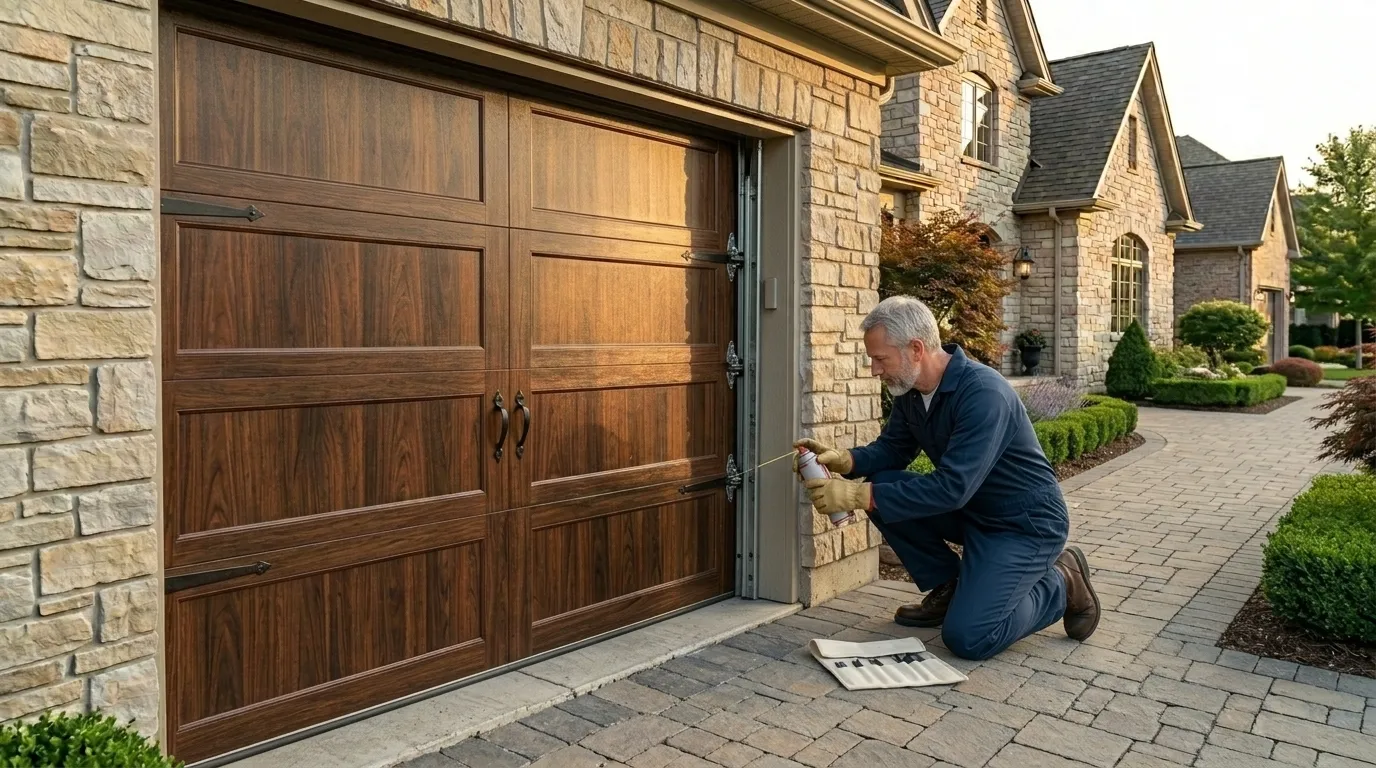
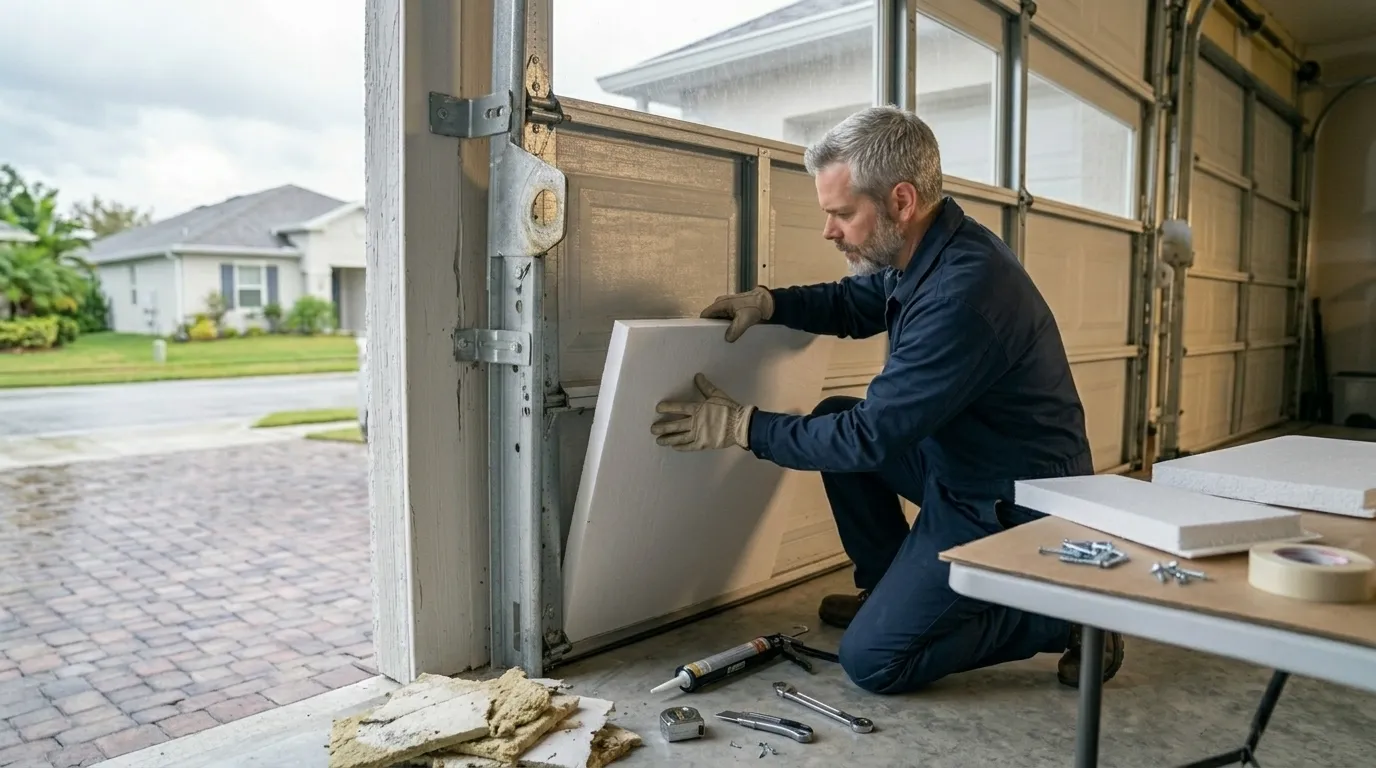
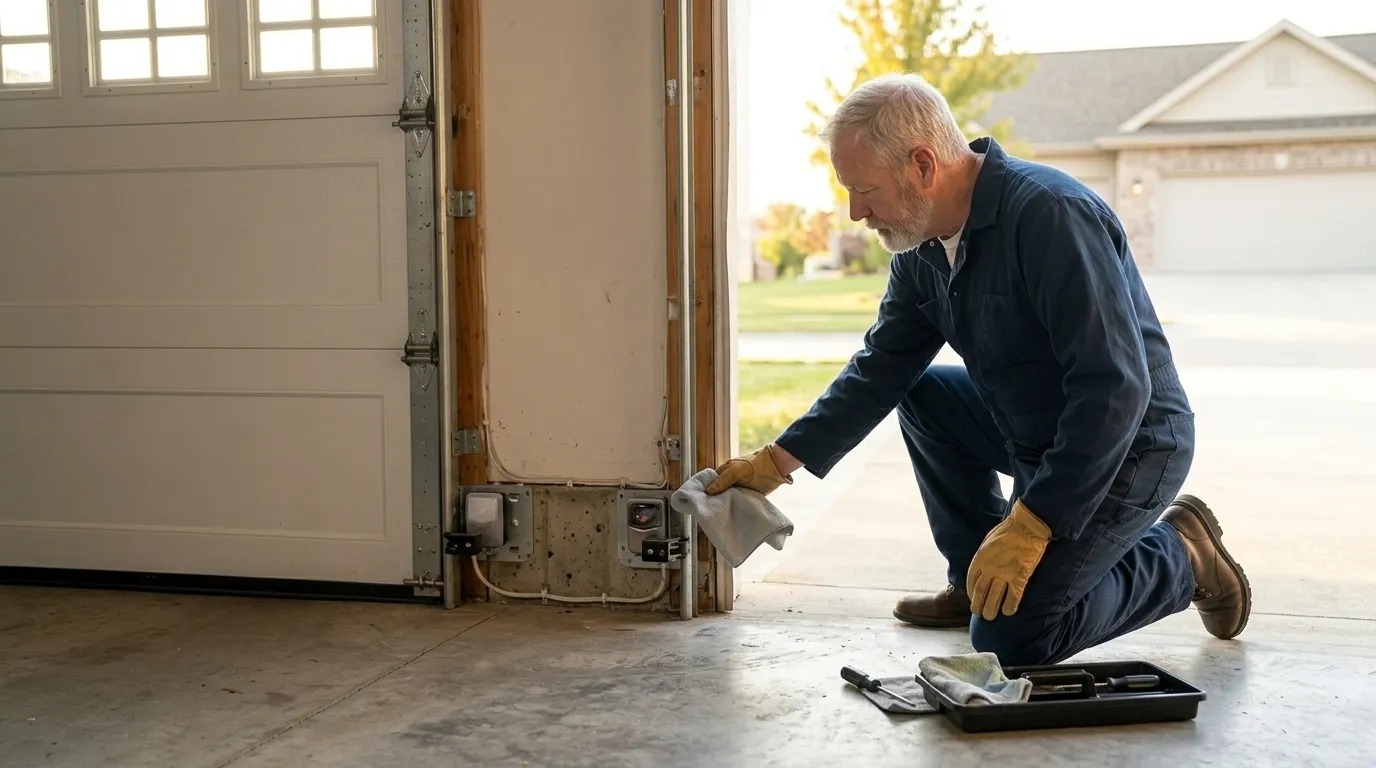
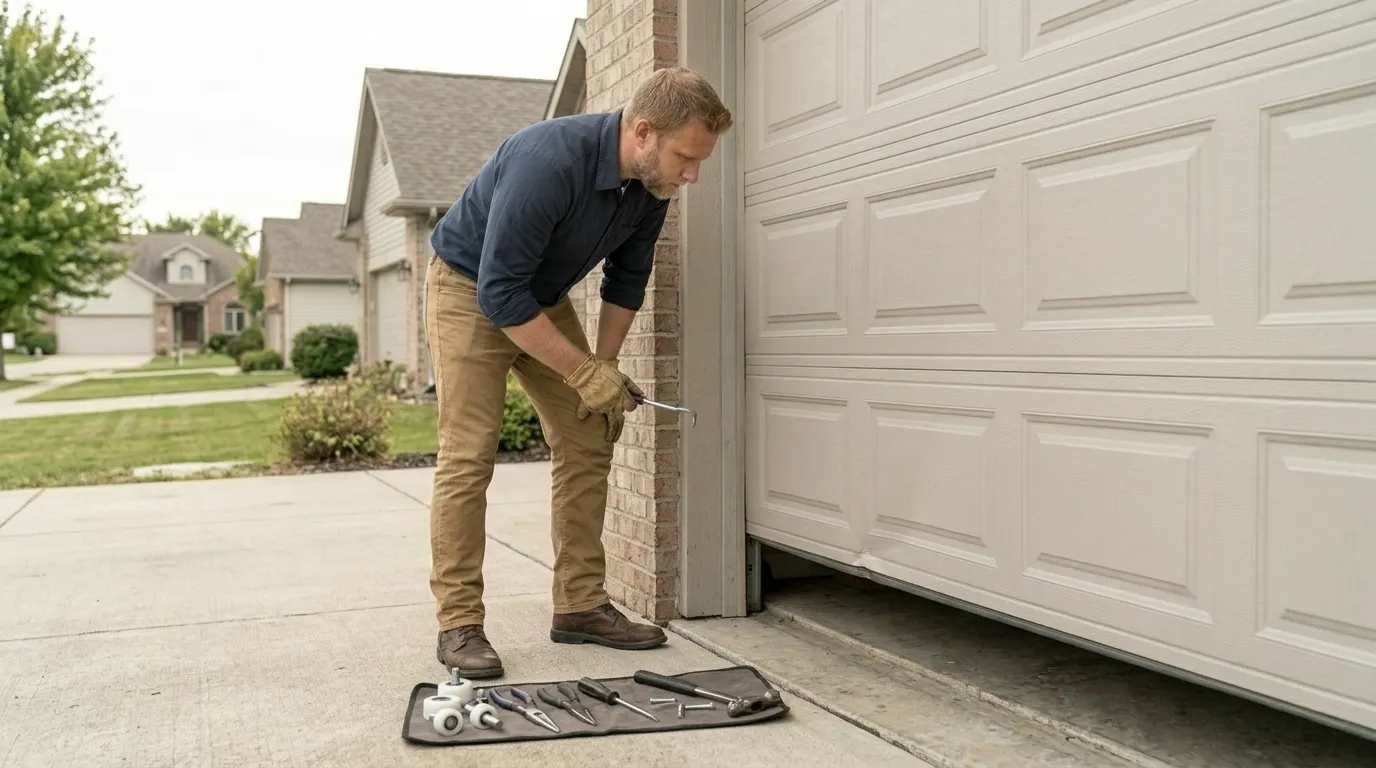
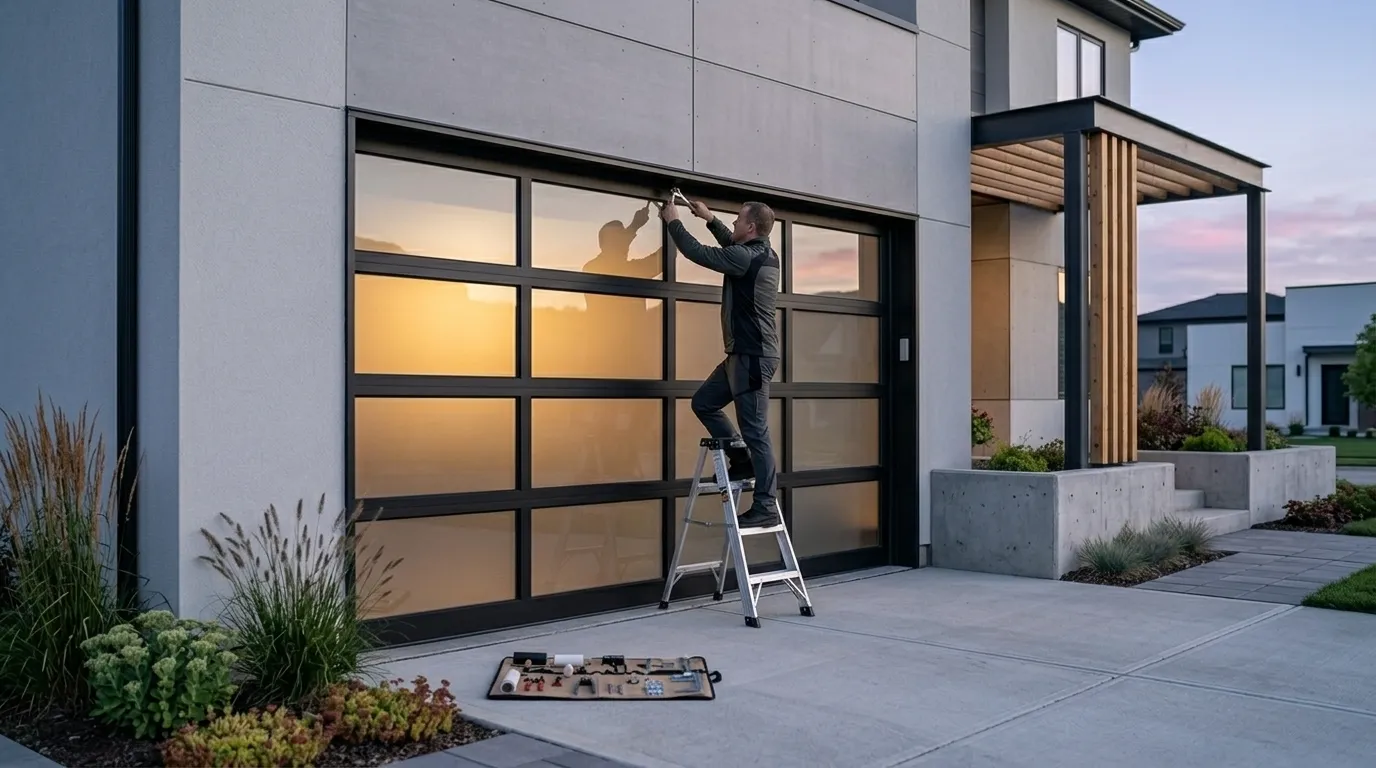
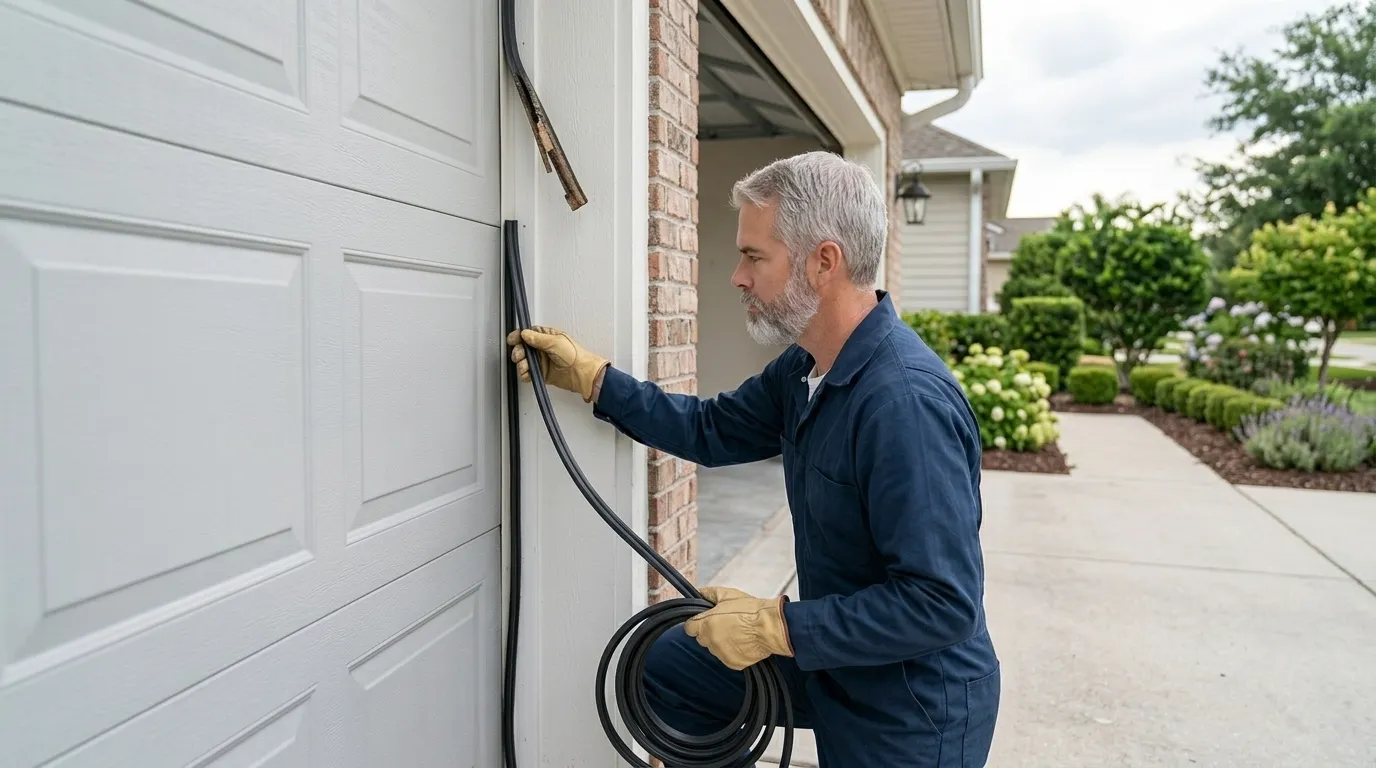
With median household income here at $88,423 - well above the service area's $70,984 - the calls we see tend to skew toward full opener replacements and insulated panel upgrades rather than patch jobs to keep an old door limping along. People here are more willing to replace a worn spring system outright instead of nursing a cable that's fraying. That said, the 1972-era doors themselves don't care what the owner can afford - a torsion spring on a 50-year-old track still breaks the same way it would on a starter house. The common calls are stuck doors after a cold snap, openers that grind before they catch, and rollers that have worn their tracks into a shape they were never cut to hold.
Getting Here
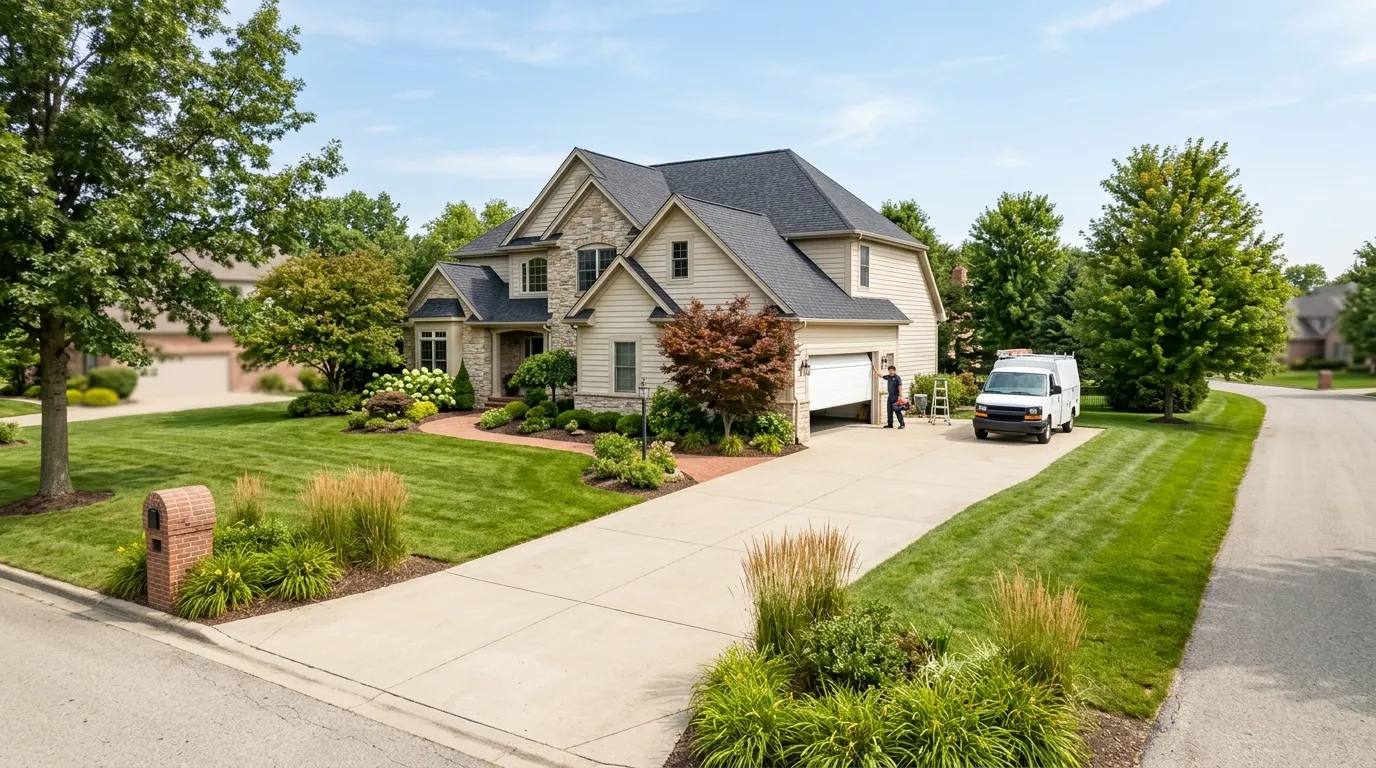
We run out of Livonia, about 12 miles from Wolverine Lake, and that trip is part of how we schedule the day rather than something that slows the job down once we're on site. We don't keep a depot or a crew stationed in Wolverine Lake itself - every job here is a truck coming from Livonia with the parts loaded for what the call described. That's worth knowing up front: if a job turns out to need a part we didn't anticipate, the fix might mean a second trip rather than a same-visit save. We'd rather tell you that than pretend otherwise.