Doing It Yourself
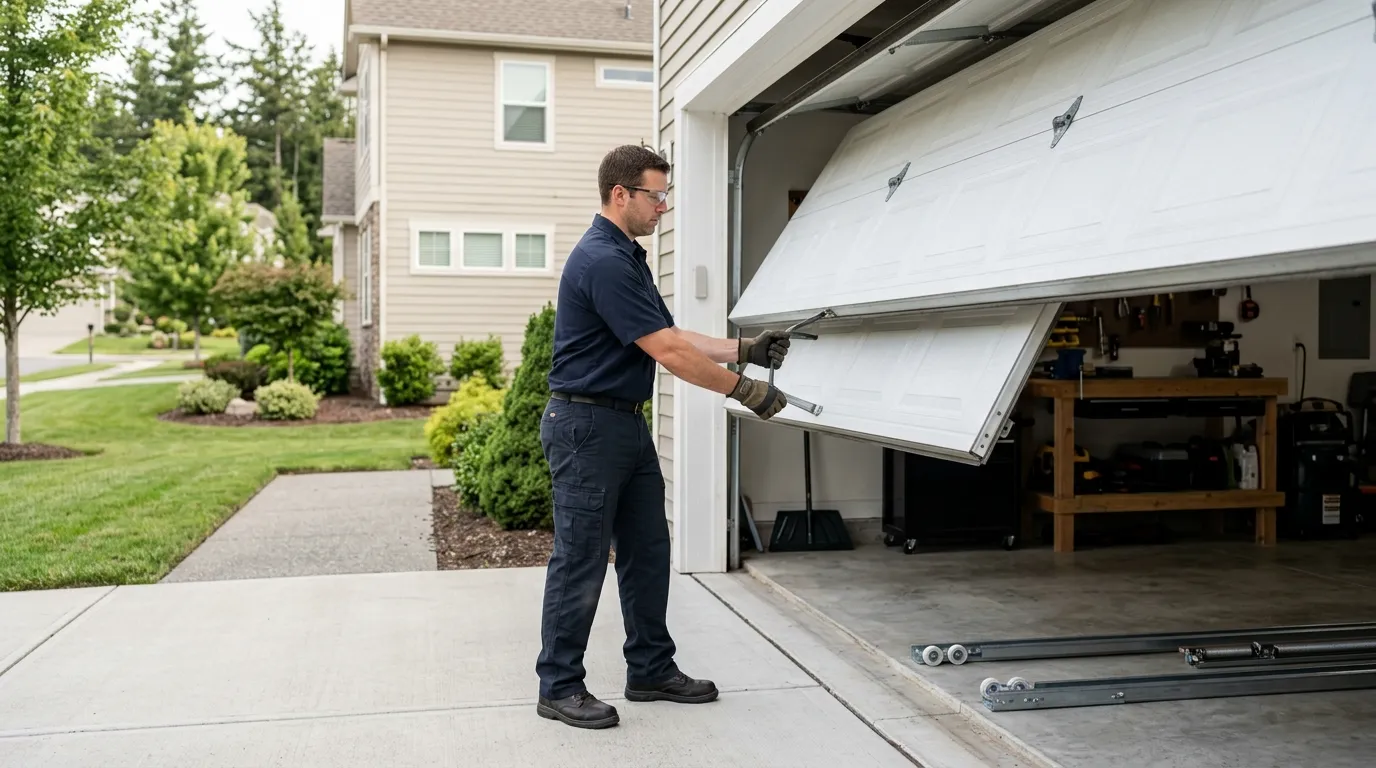
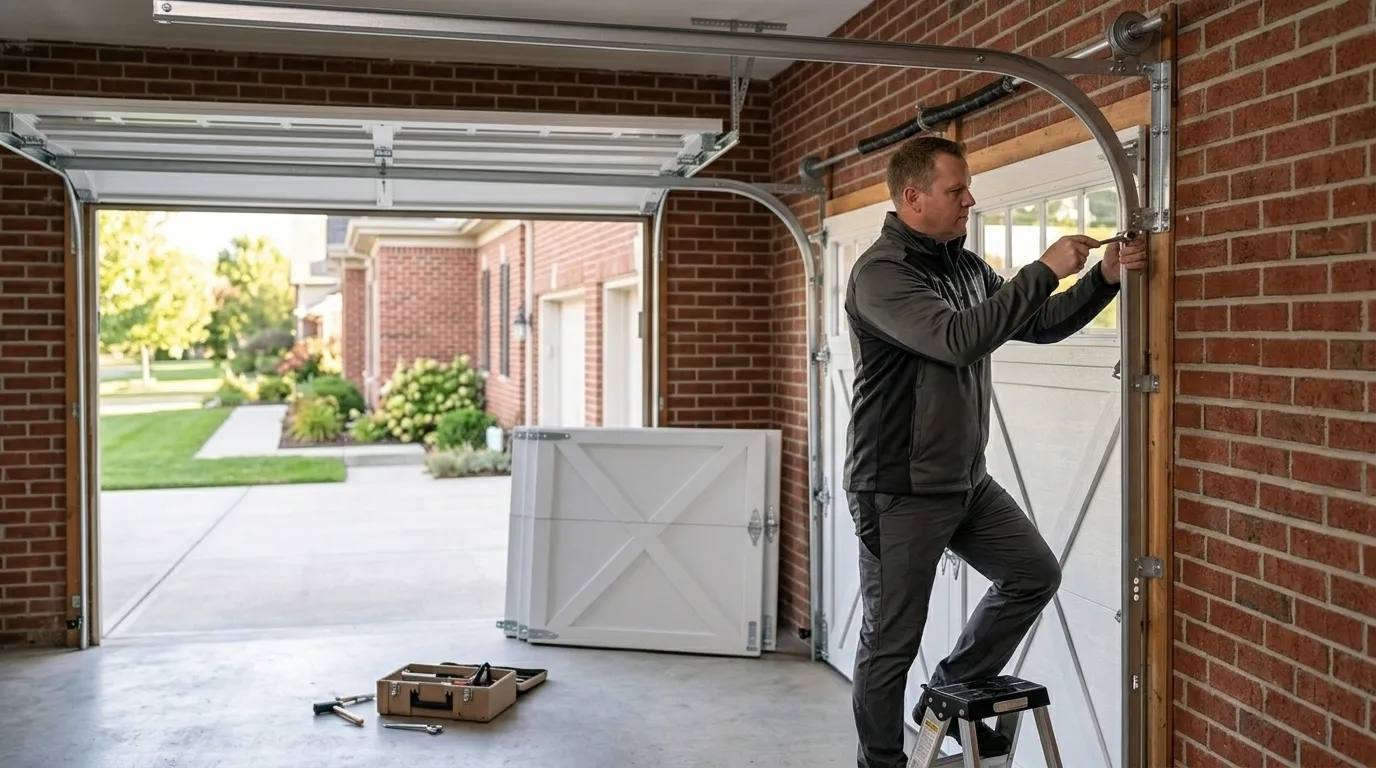
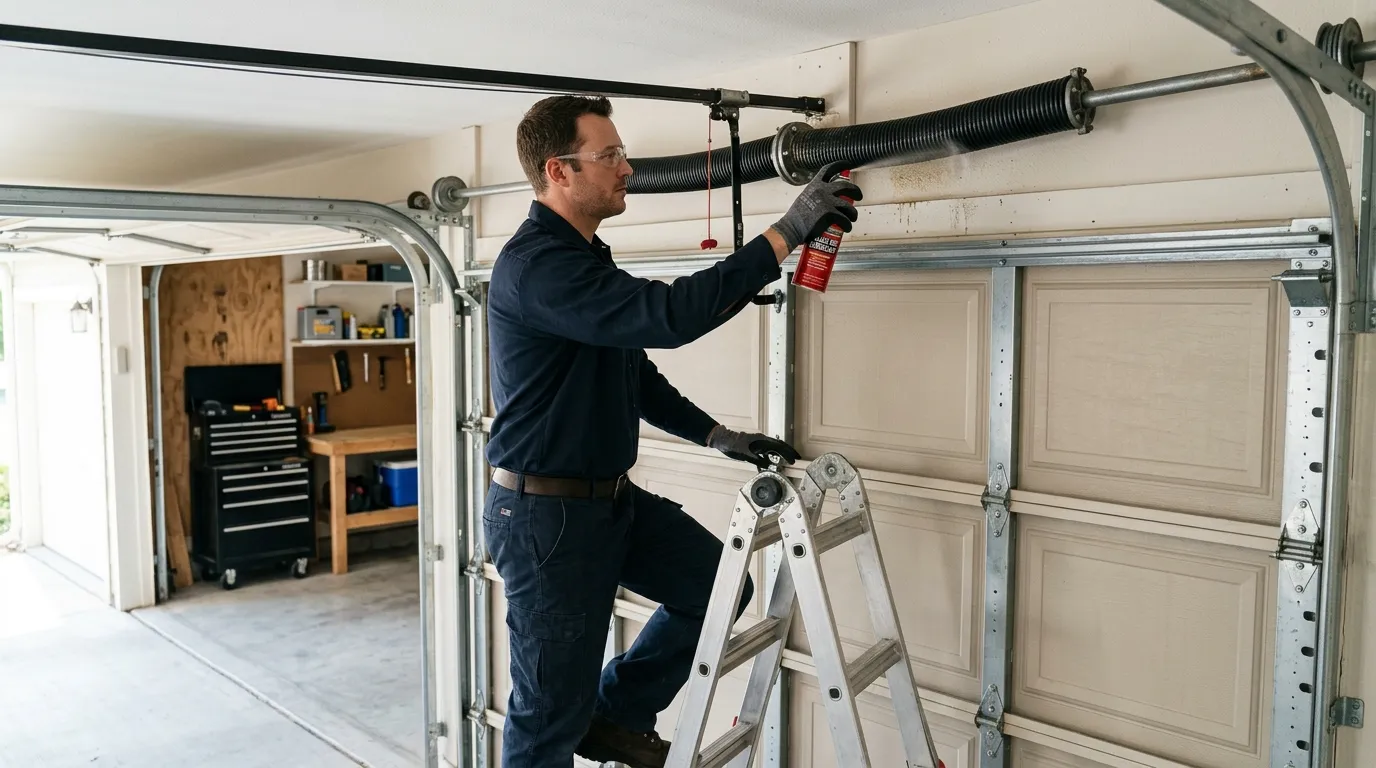
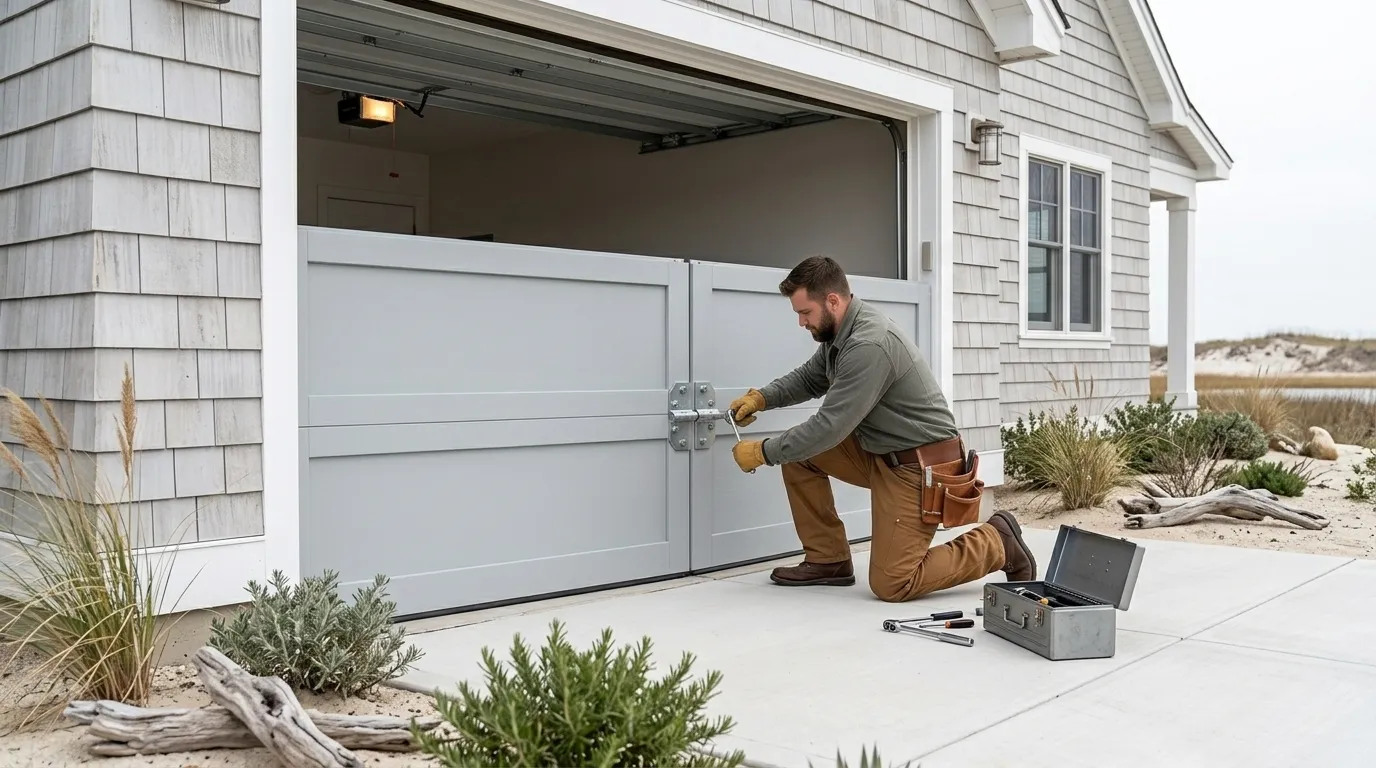
A torsion spring is wound under enough tension to put a person in the hospital if it lets go while you're working on it. We don't walk homeowners through winding or unwinding one over the phone, and we won't post a video telling you how either. That's not us being precious about the work - it's the one job in this trade where a mistake doesn't mean a redo, it means an ER visit. What you can safely check yourself: whether the spring is visibly separated (a clean gap in the coil above the door), whether the door will lift a few inches by hand with the opener disconnected, and whether one side of the door hangs lower than the other. All three tell us something useful before we even get the truck loaded. Anything past that - touching the winding bars, loosening the set screws, swapping the spring itself - is the part we ask you to leave alone. If the hardware on your door dates back to when the house was built, there's also a decent chance the mounting bracket or the drum is worn in ways that aren't obvious until someone's hands are on it, which is another reason this isn't a Saturday project.
How Long It Takes
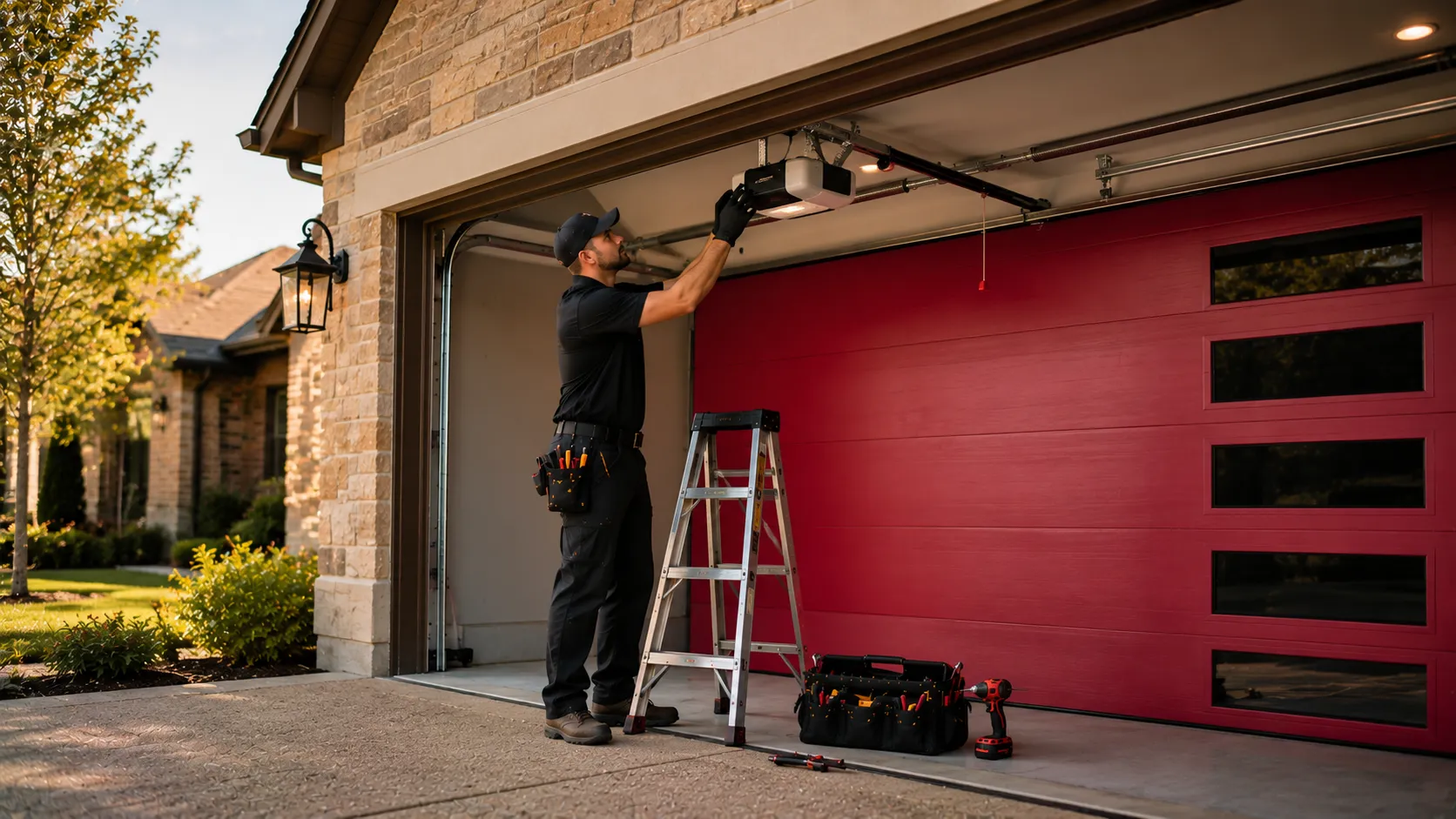
Most torsion spring swaps are a same-visit job once we've got the right spring on the truck - the work itself is measured in an hour or so, not a full afternoon. What adds time in a neighborhood like this is matching the spring to the door. Houses in Dearborn Heights going up mostly in the late 1950s often came with springs sized for lighter, single-layer wood doors that have since been swapped for heavier steel or insulated replacements, without anyone re-rating the spring for the new weight. When that's the case, we're not just replacing what broke - we're correcting a size that was already wrong before the failure. That's a longer conversation on-site than a straight one-for-one swap, but it's the difference between fixing today's problem and setting up next year's.
What You Are Seeing
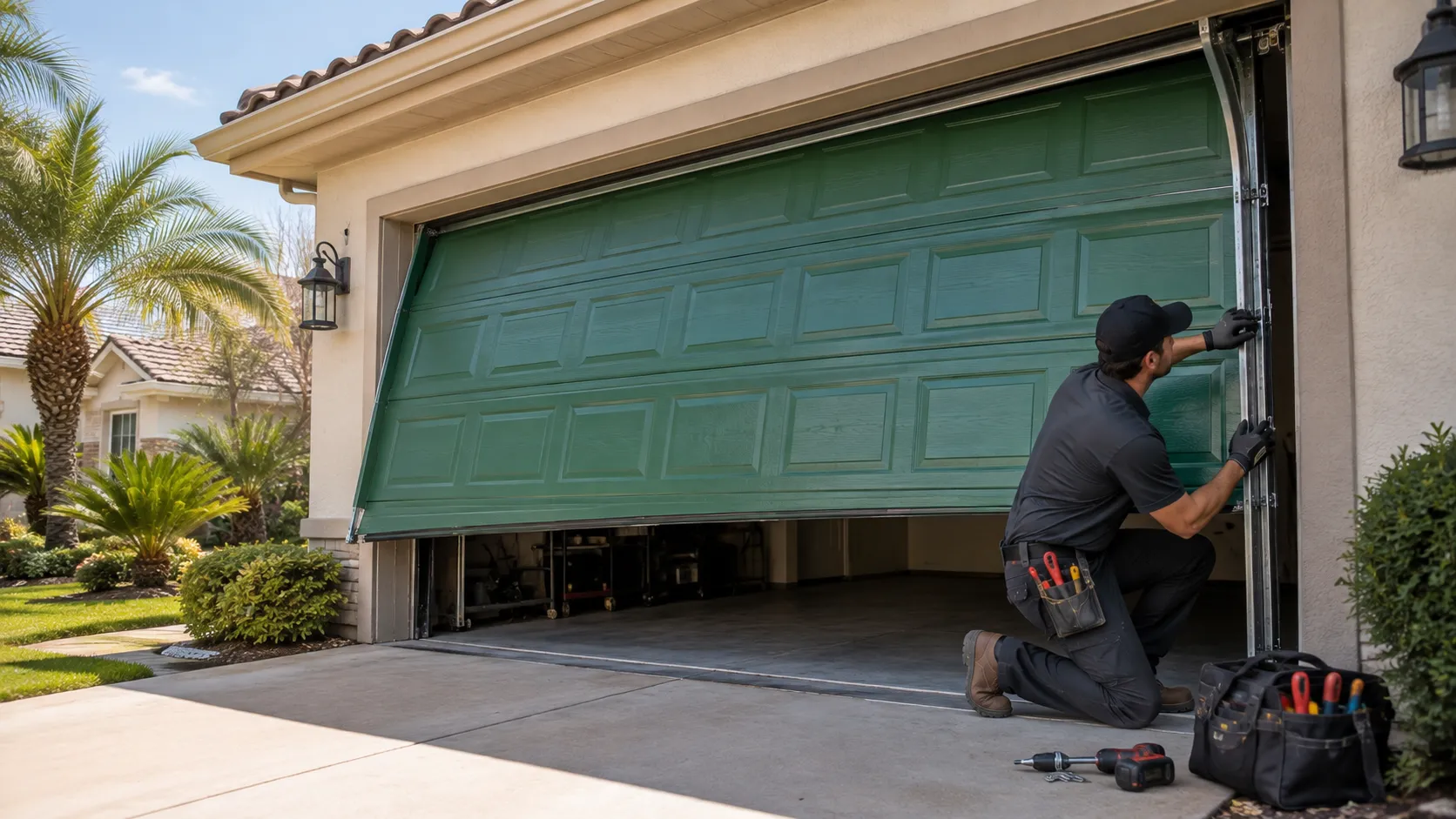
The most common call is a door that won't budge and an opener that hums or clicks without lifting anything - that's the opener straining against a dead spring instead of the spring doing its job. Sometimes it's less dramatic: the door feels heavier than it used to, or it slams down the last foot instead of settling. A loud bang from the garage, especially first thing in the morning when the metal is coldest, is usually the spring itself letting go. If you can see a visible gap in the coiled spring above the door, it's already broken - don't run the opener again until it's replaced, since that puts strain on parts the spring was there to protect.
The Complications
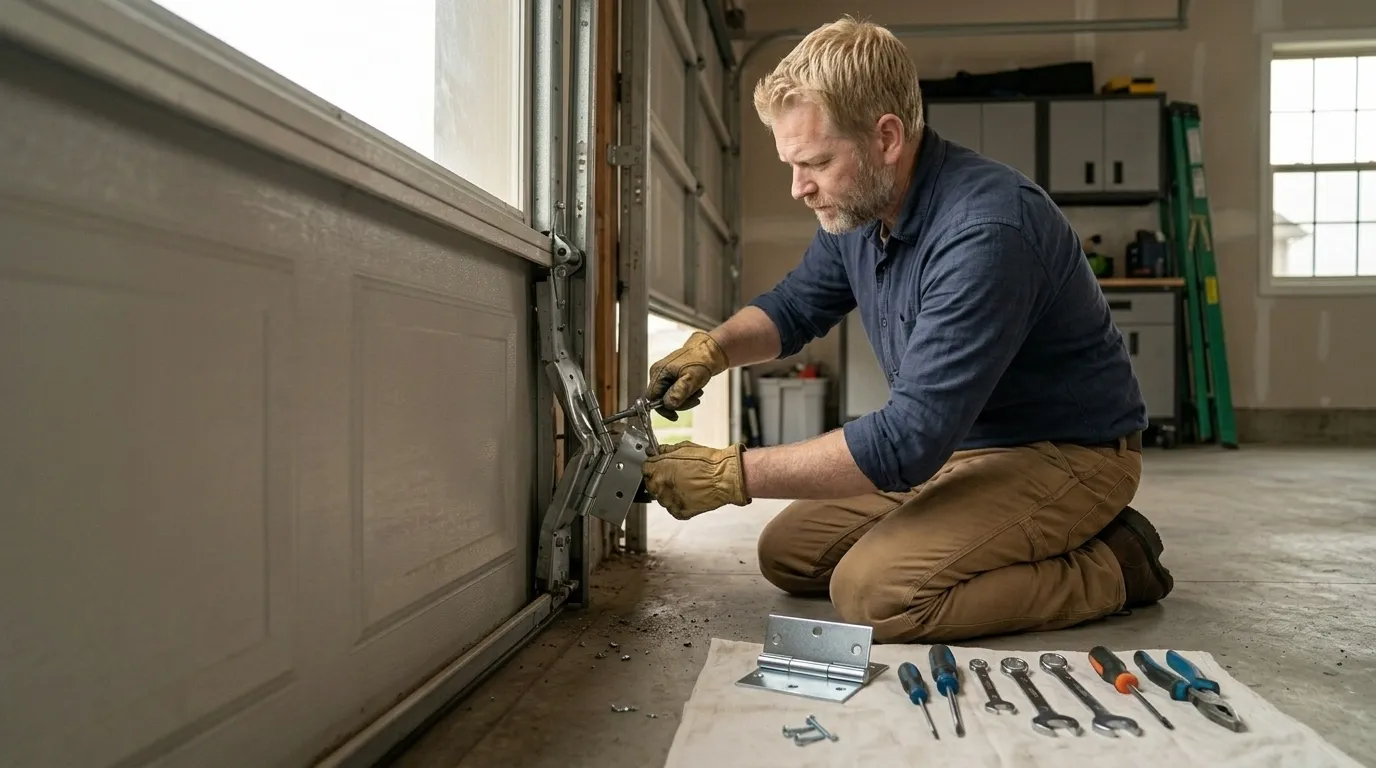
Original hardware from a 1958 build doesn't always match anything on the shelf. Drum sizes, shaft diameters, and bracket spacing have all shifted over the decades, and a house that's never had the springs touched can have a setup that needs an adapter or a full bracket swap rather than a straight spring-for-spring change. We also run into doors where a previous repair used a spring rated for the wrong door weight, which shortens the life of whatever goes in next unless it gets corrected. None of this is unusual for the area - it's just slower to diagnose than a newer install, and worth knowing before you're told a quick fix will hold.