Doing It Yourself
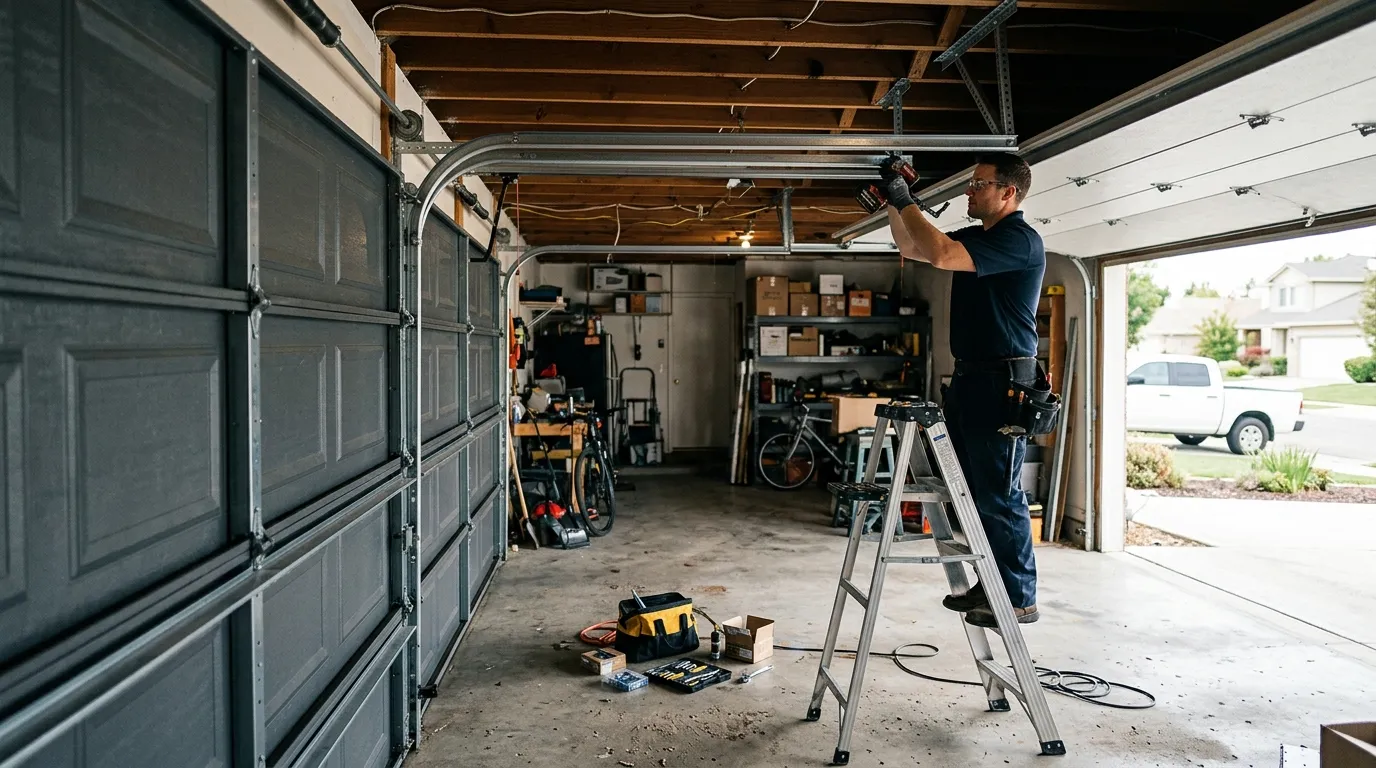
Dearborn Heights sits about six miles from our Livonia shop, close enough that we're not talking you out of a job just to save a drive. We're talking you out of it because of what's actually on these houses. Most of the housing stock here dates to the late 1950s, right in the middle of the wider 1938-1991 range across our service area, and those original openings were framed for doors that don't match what's sold today. Pull the wrong panel off a track that old and you can find a header that's shifted a half inch, or hardware sized for a door nobody makes anymore.
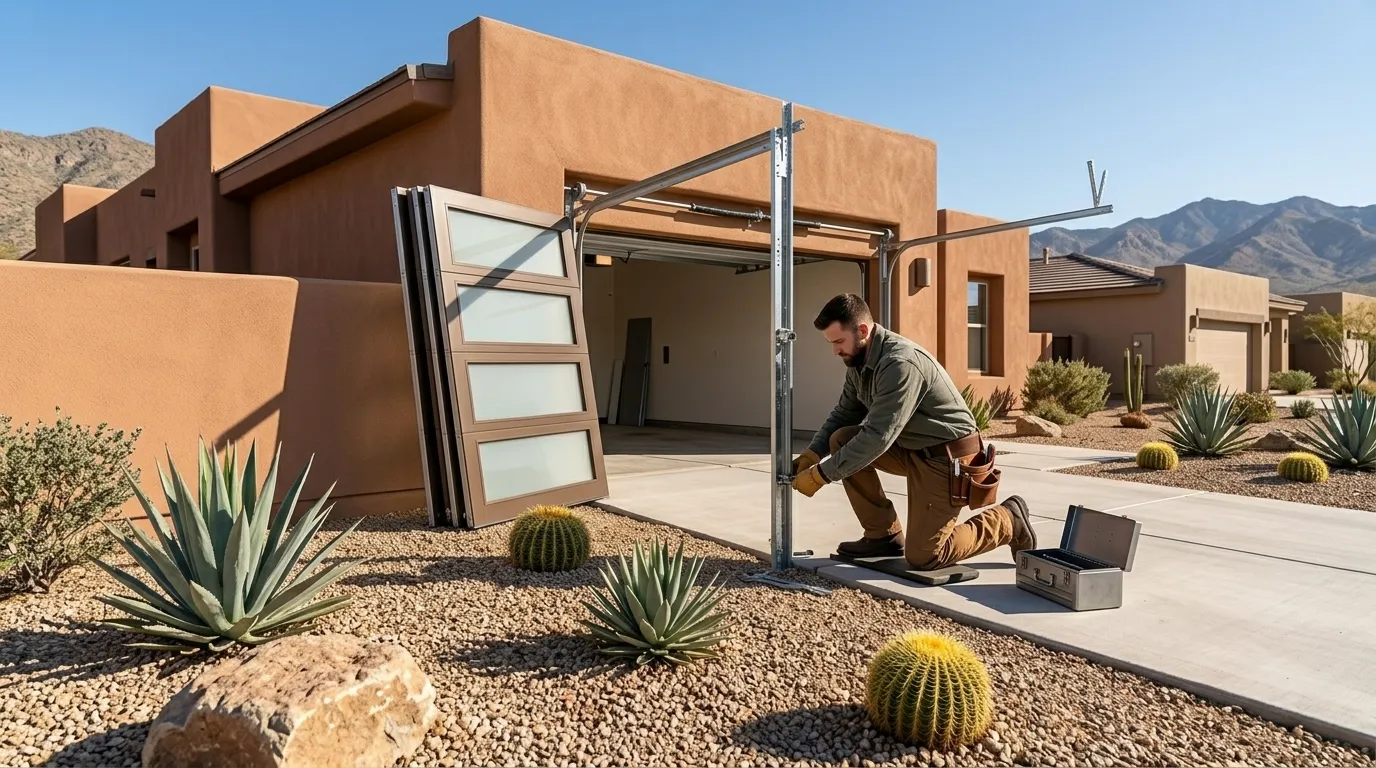
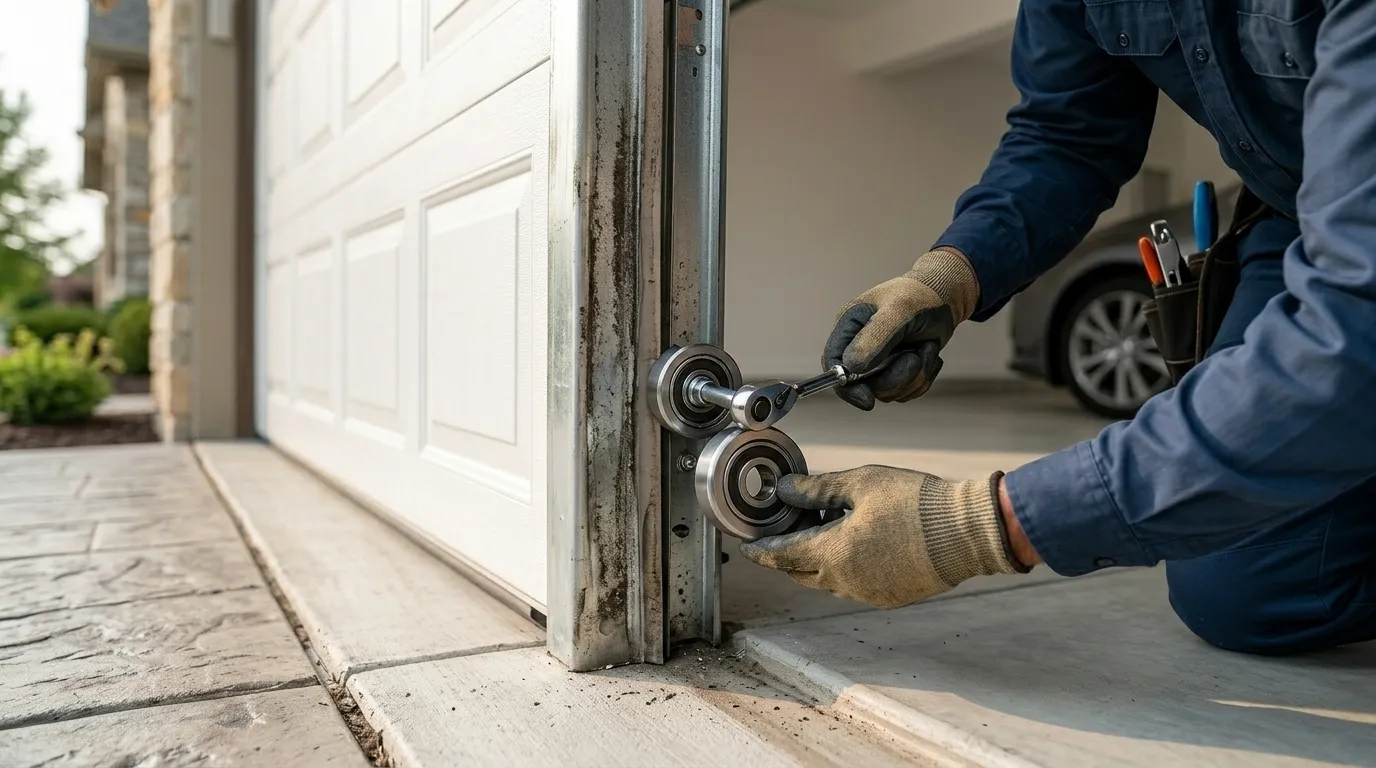
A new torsion spring under load will put you in the ER faster than almost any other DIY job in the garage. We're not going to pretend otherwise. If you want to swap a broken roller or realign a track yourself on a newer door, that's reasonable. Sizing and hanging a new door on a 1950s-era opening, setting spring tension for it, and squaring a new track to old framing is a different job, and it's the one we get called to fix after someone else tried it.
How Long It Takes
We won't give you a number we don't have, so here's what actually drives the timeline instead. First, whether your opening is a standard size or one of the odder ones common in houses built before modern door manufacturing settled on today's dimensions - a lot of Dearborn Heights garages fall into that second category. Second, whether the framing around the opening needs any correction before a new door can be squared into it. Third, whether you're replacing a single door or coordinating a job with an opener swap at the same time.
Because we run out of Livonia, six miles out, we schedule installs rather than treat them as walk-up jobs, so we can bring the right door width and the right hardware the first trip instead of guessing. If your opening turns out to be non-standard, that adds a step - measuring first, ordering the door to fit, then coming back to install. We'd rather add that step up front than show up with the wrong door and waste your afternoon and ours.
What You Are Seeing
On houses from this era, the giveaway is usually a door that looks fine standing still but binds, drags, or drops unevenly the moment it moves. That's a track built for a lighter, uninsulated panel decades ago now flexing under a heavier replacement door, or original hardware that's simply outlived its steel. You might also notice daylight around the edges when the door's shut - not always a sign of damage, sometimes just a door that was never sized quite right for the opening in the first place, common in houses of this age where openings weren't standardized yet.
Another pattern we see in Dearborn Heights specifically: openers added years after the house was built, wired into a garage that was never planned for one. That doesn't cause the door itself to fail, but it complicates an installation, because the new door has to work with whatever bracket and wiring setup got added on later. None of this means the house was built wrong. It means the door on it now is often not the one the opening was designed for.
The Complications
The most common complication on a house from the late 1950s is framing that's shifted slightly over the decades - not damaged, just settled, the way most houses this age have. A new door needs a square, sound opening to hang correctly, and if the jambs have moved even a little, we have to shim or adjust before the door goes up right. We can handle minor correction like that on site. What we don't do is structural carpentry - if a header's rotted through or a jamb needs full replacement, that's a repair for a carpenter first, and we'll tell you plainly if that's what we're looking at rather than force a door onto a frame that isn't ready for it.
The other complication is matching a new insulated door to an old, uninsulated opening in a severe cold climate. A heavier door changes the load on the track and the spring set, so we're not just swapping a panel, we're often re-specifying the whole hardware set to carry it properly through a Michigan winter.