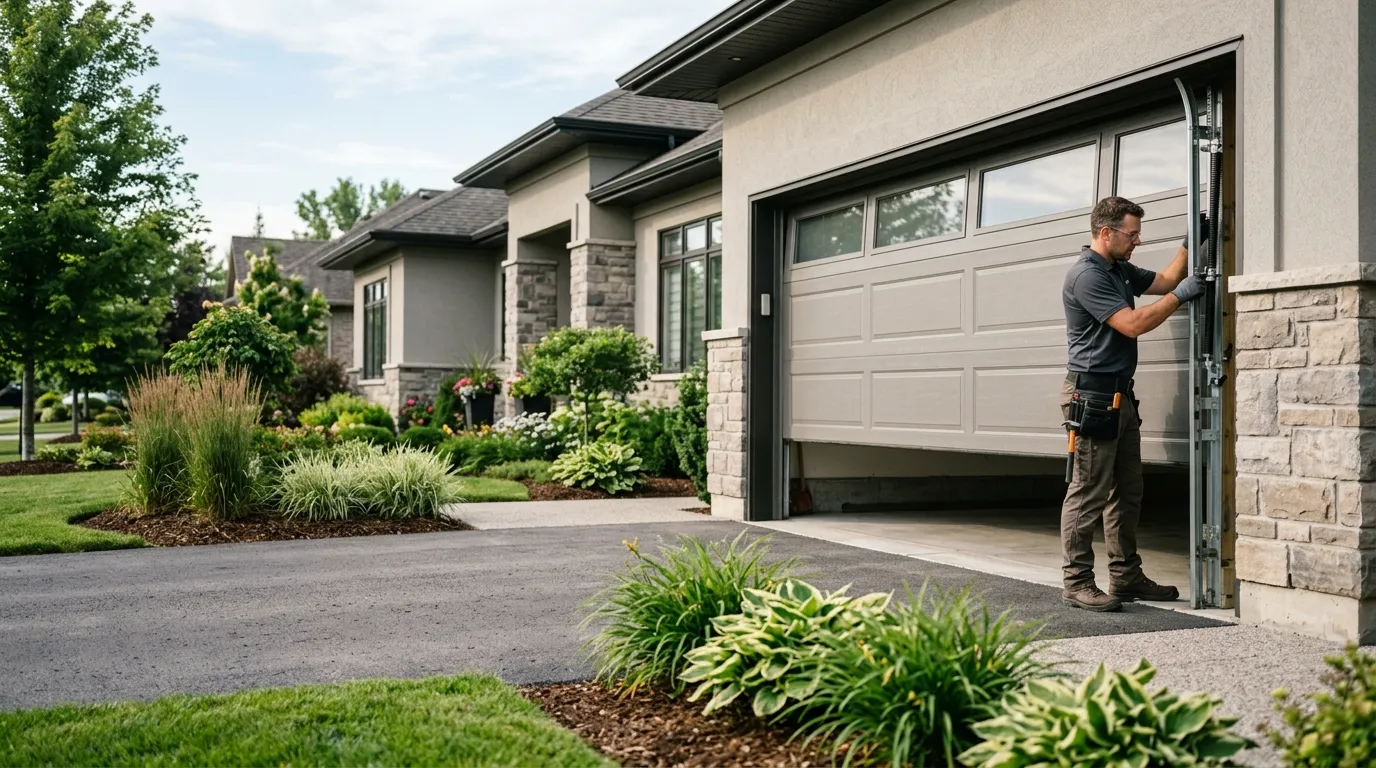
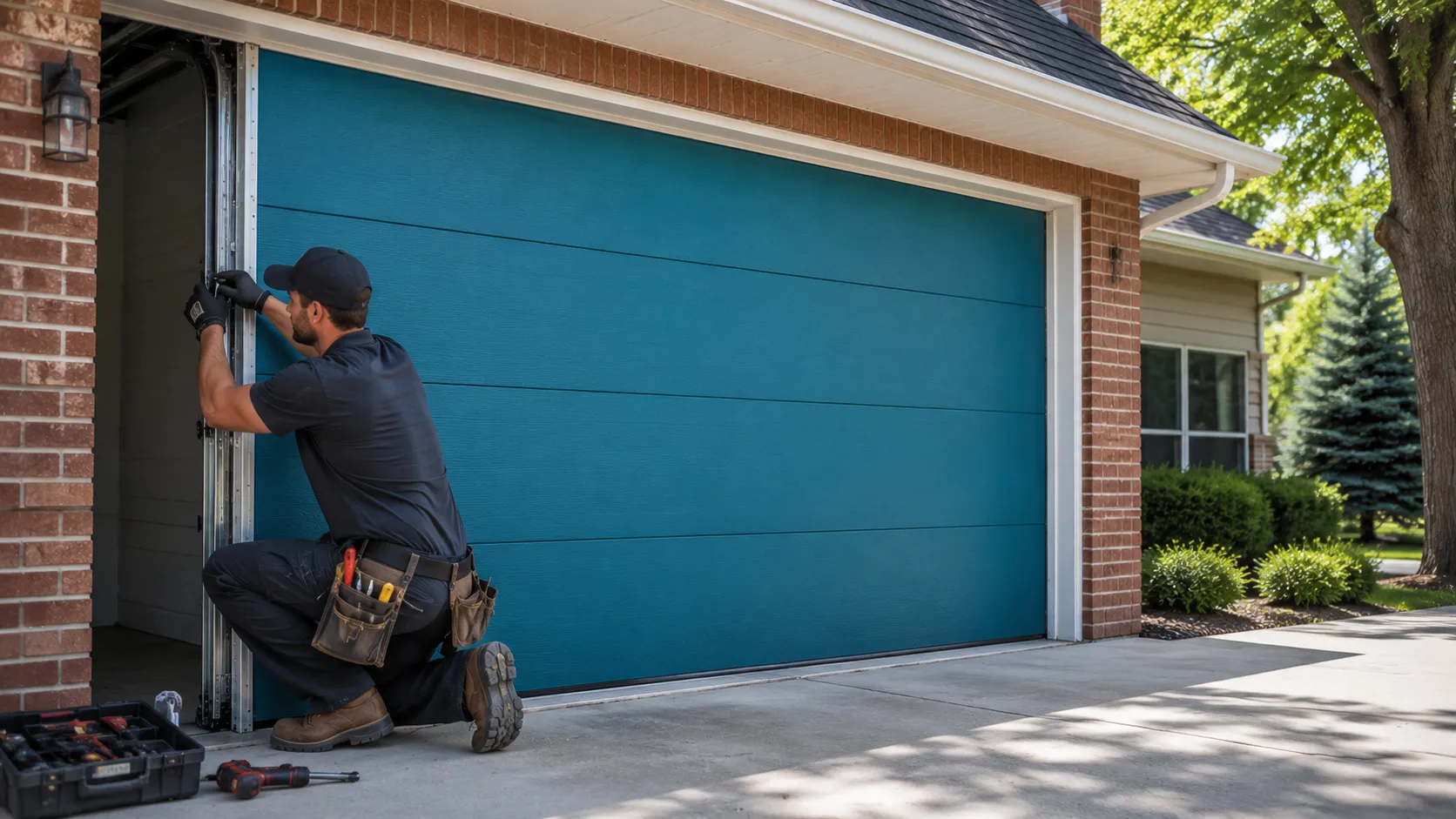
Doing It Yourself
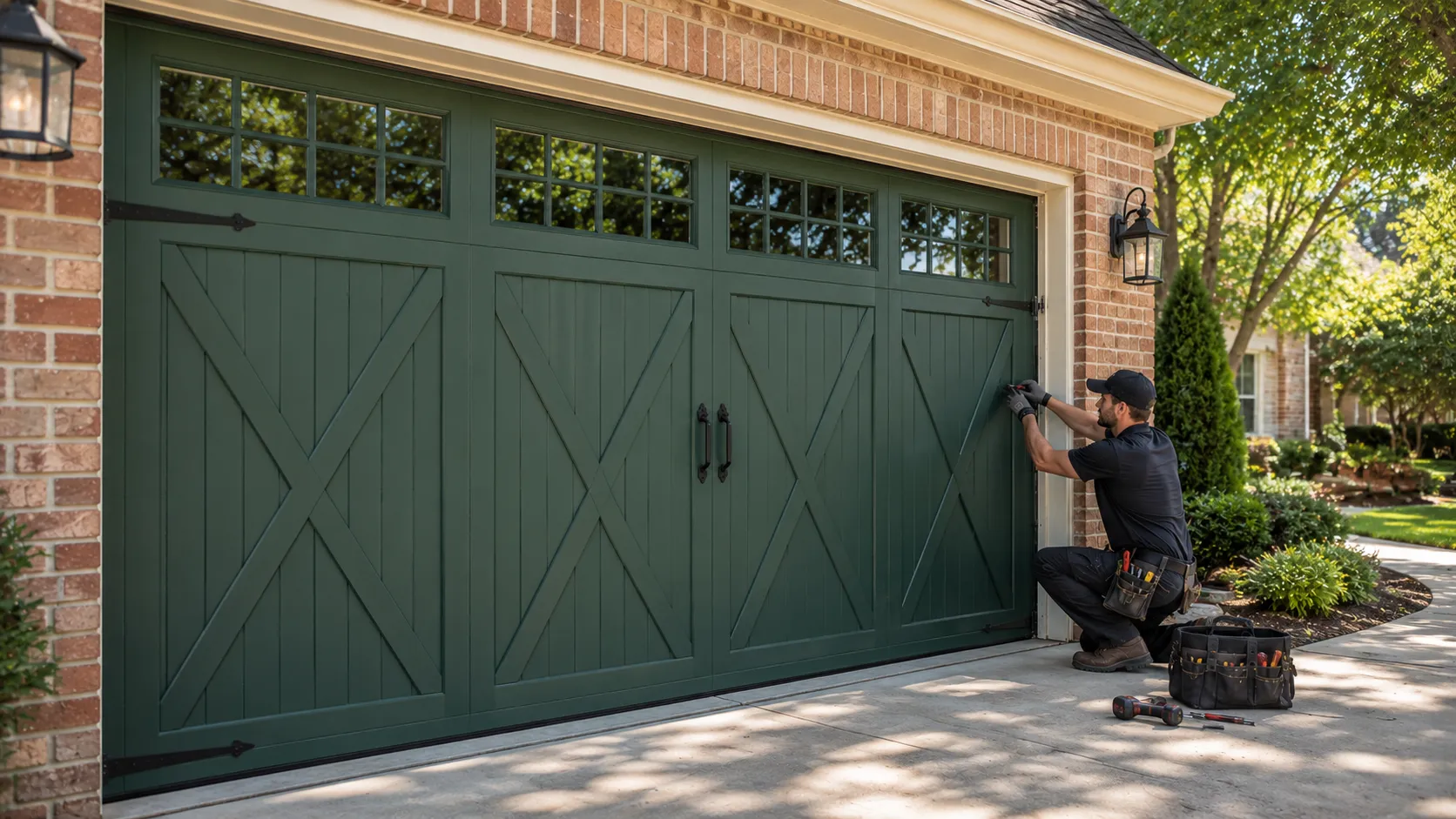
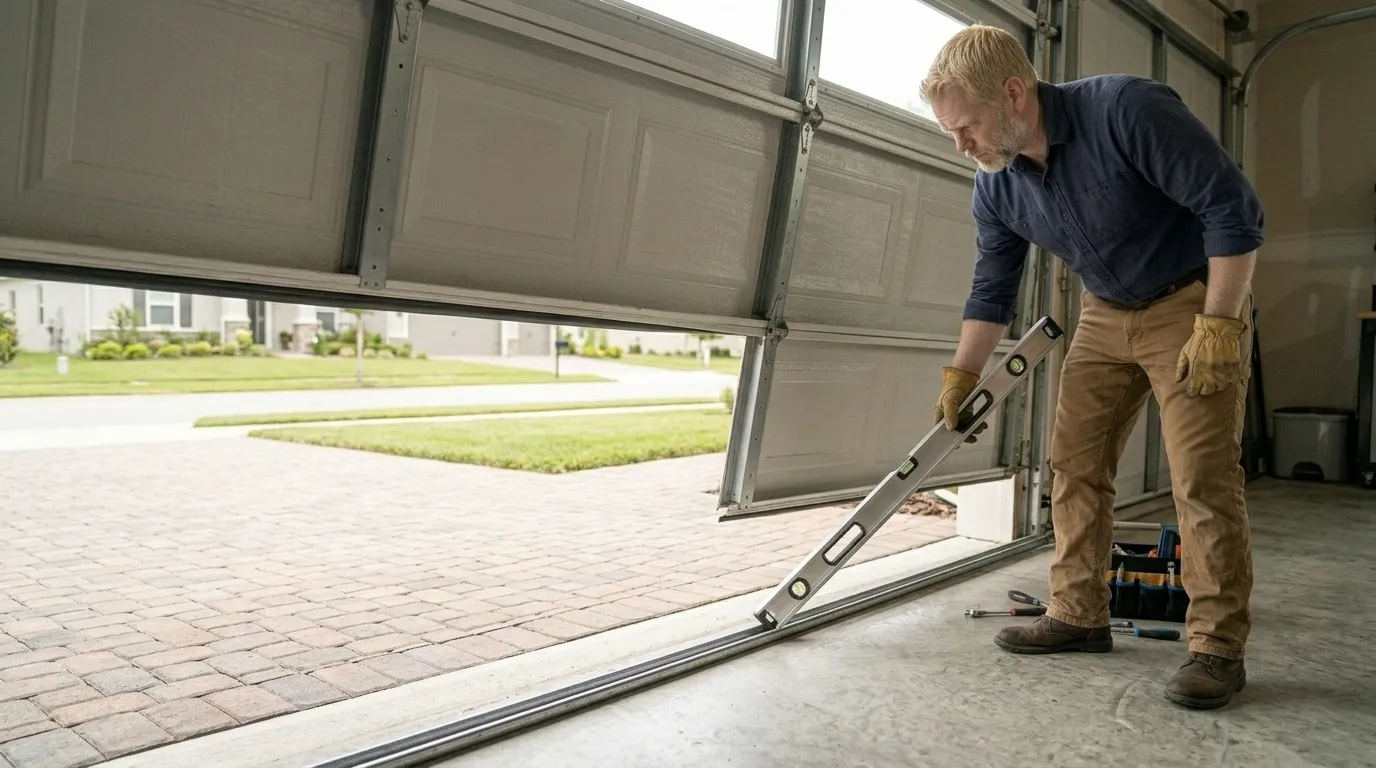
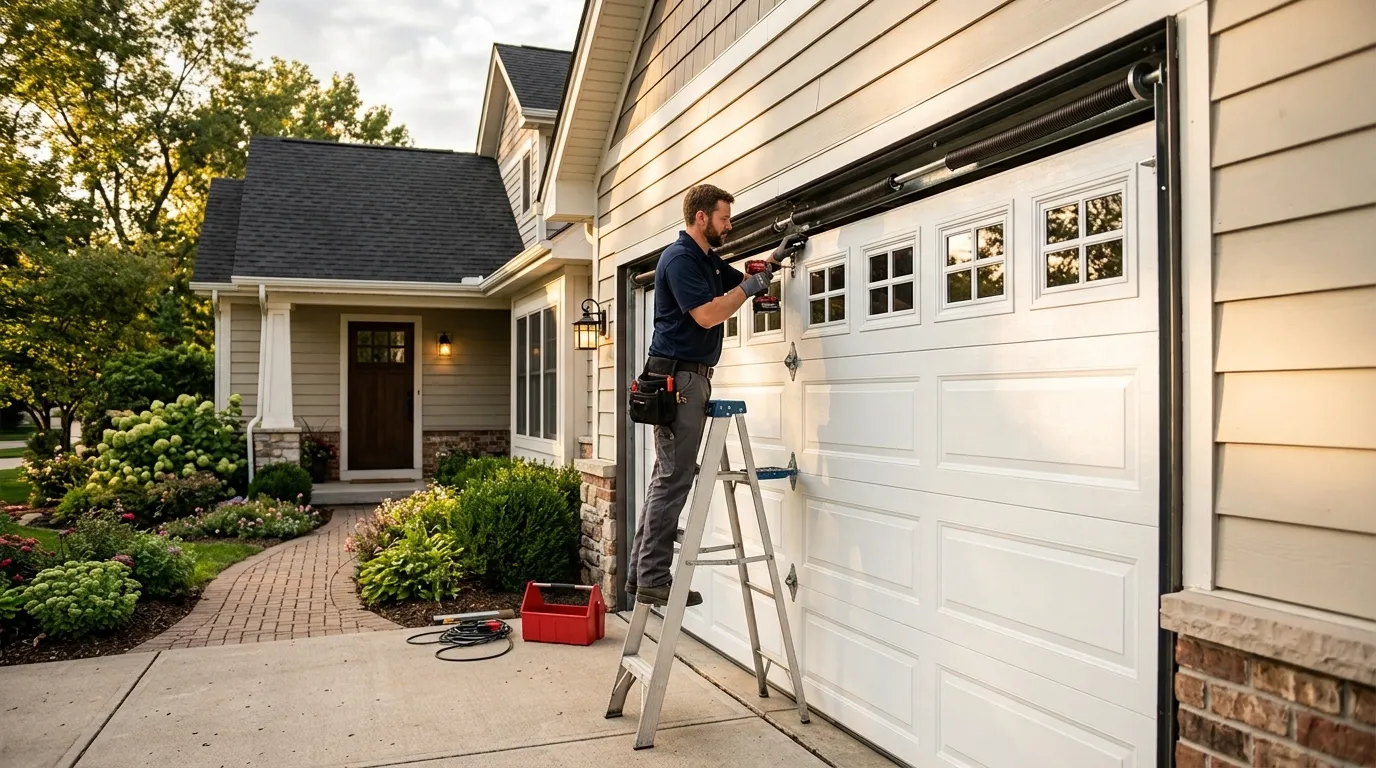
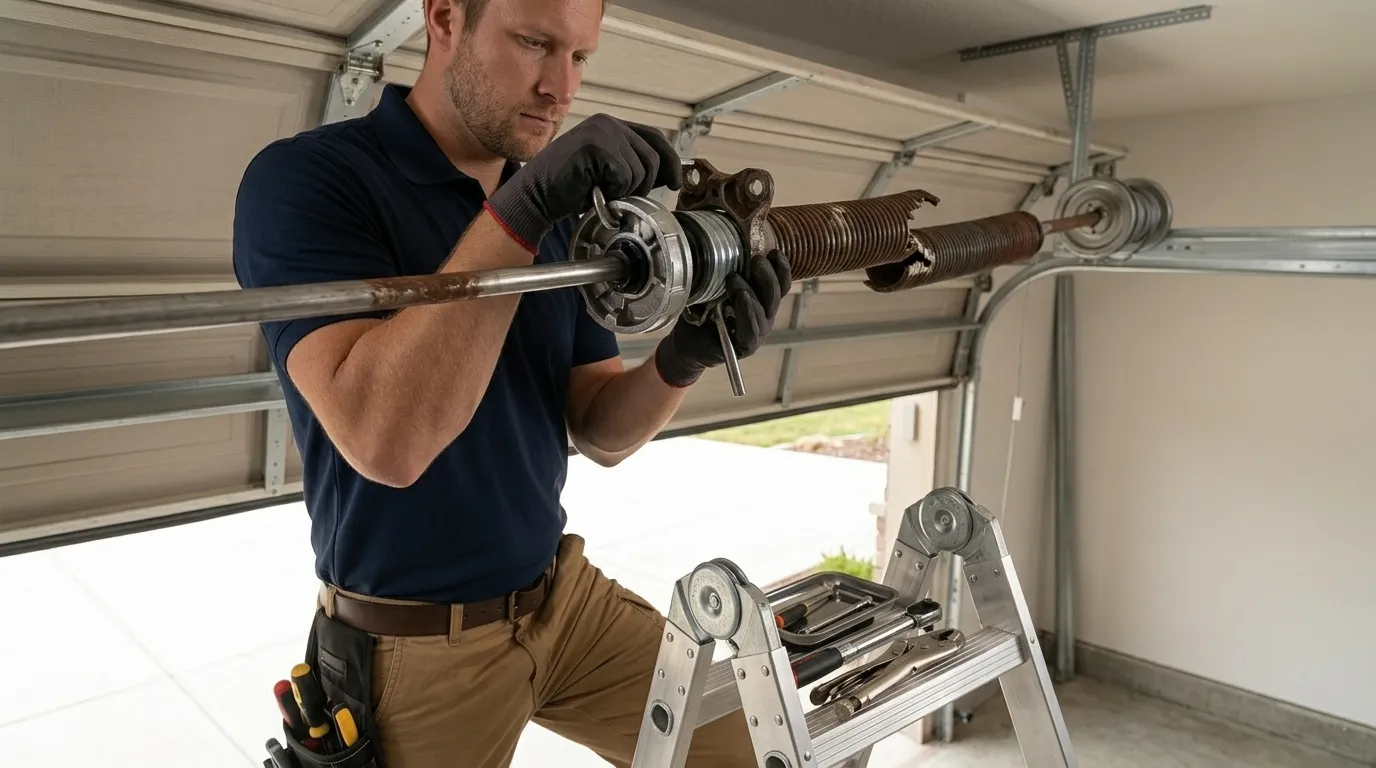
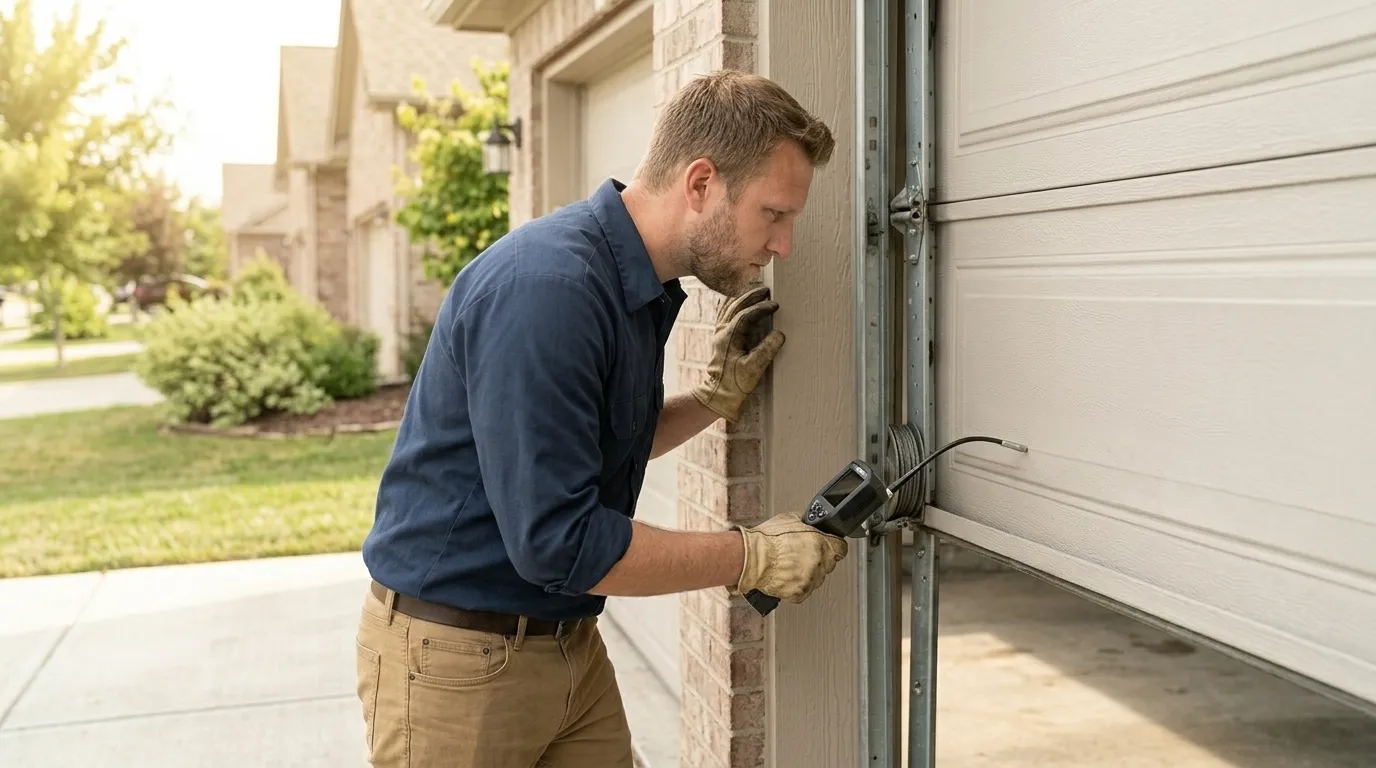
Before you touch anything, know what you're dealing with. Dearborn Heights median household income sits at $61,035, close to $10,000 below the $70,984 median across our wider service area, and that number matters here because it's the point where the repair-or-replace math gets tight. A door that's slipped a roller or popped a cable off track is almost always a repair, not a replacement - but only if nobody makes it worse first. Pulling on a door that's cocked sideways in the tracks can snap the remaining roller loose or bend the track further, turning a $200 fix into a full section replacement. If a cable is off the drum or a spring looks unwound, leave it. Torsion springs store enough force to break fingers, and on houses this age the hardware is often original, meaning the parts and clearances aren't what you'd find on a door bought at a home center last year. The one thing you can safely check yourself: look at the bottom rollers with the door down. If one has jumped the track and the door still sits flat and square, that's a smaller job. If the whole panel is racked, don't force it - that's a call, not a DIY afternoon.
How Long It Takes
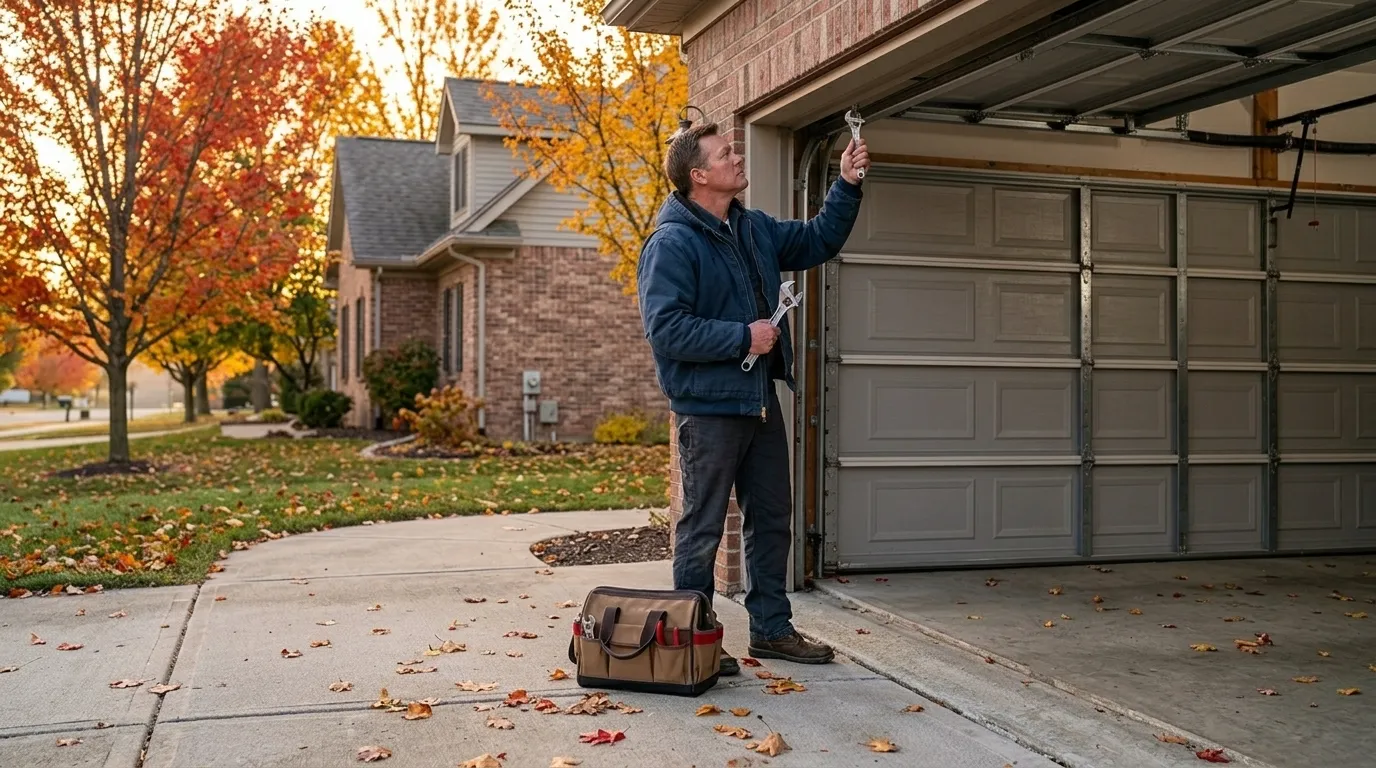
We run this out of Livonia, six miles from Dearborn Heights, which keeps the drive short but it's still a drive - there's no branch office here, so don't expect a walk-in counter or a truck parked around the corner. Once we're on site, a straightforward off-track fix - rehanging a section, reseating cables, swapping a bent roller - usually runs under an hour. Where it stretches longer is diagnosis on older doors: houses here have a median build year of 1958, and a lot of that stock still carries its original track spacing and hinge pattern, which means measuring twice before ordering any part rather than grabbing something off a shelf that's built for a newer door. If the track itself is bent rather than just knocked loose, that's a separate repair on top of the reset, and it adds time. We'll tell you on the phone, before we drive out, whether what you're describing sounds like a quick reset or something that needs a second trip for parts.
What You Are Seeing
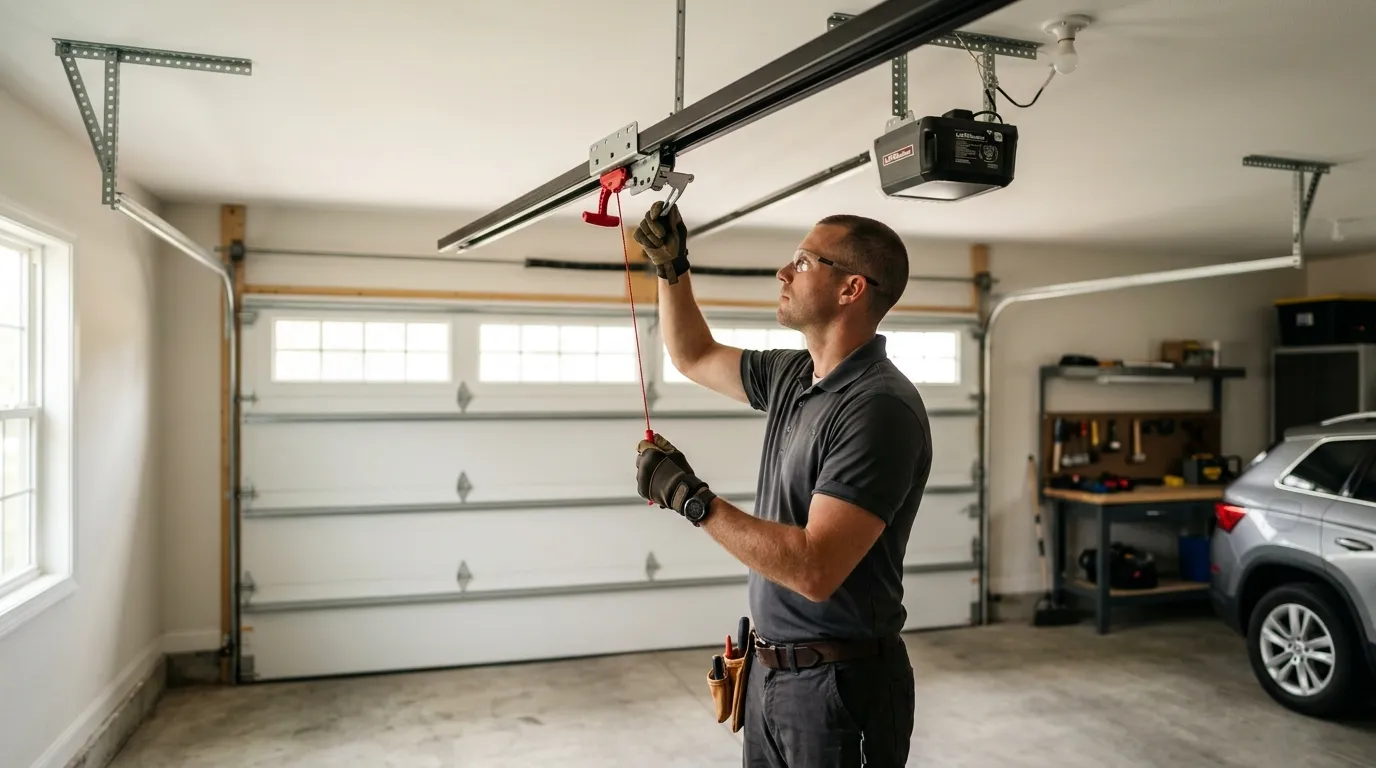
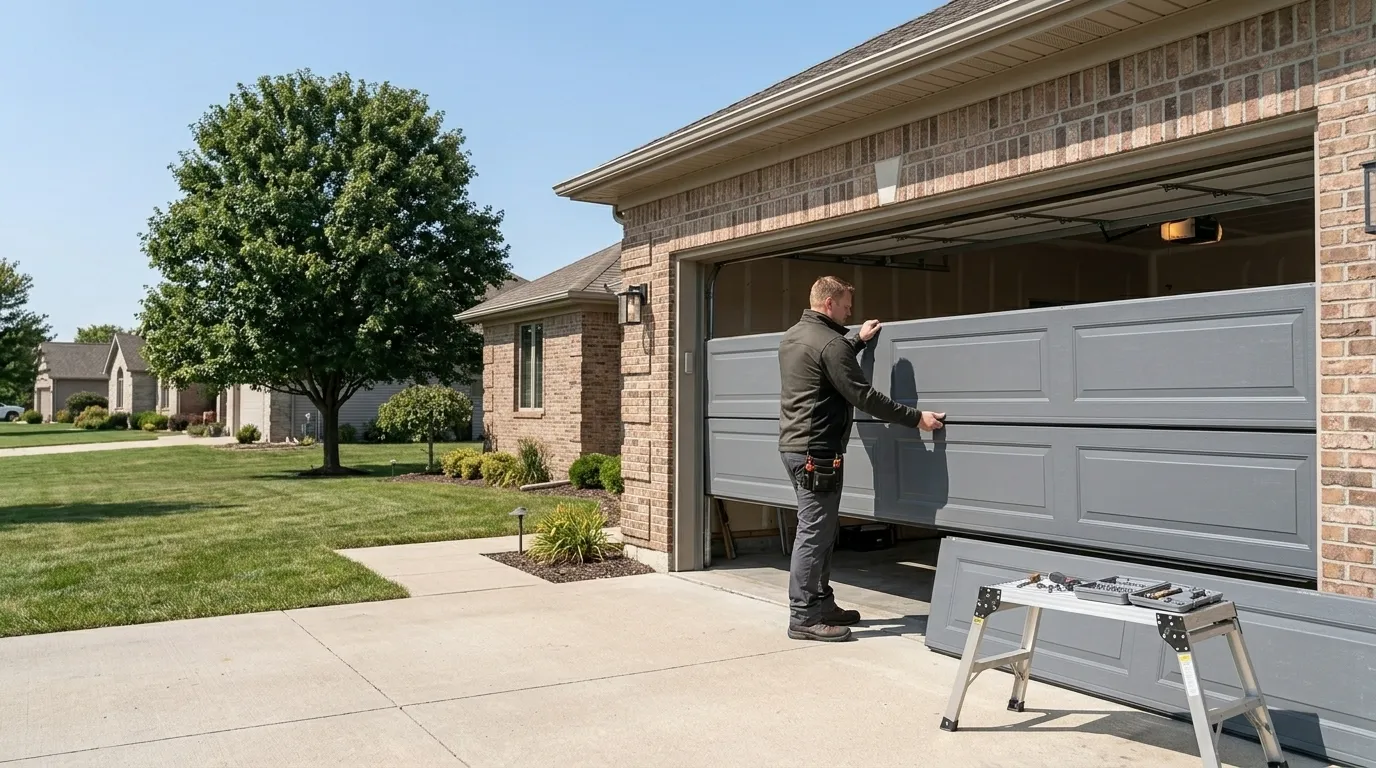
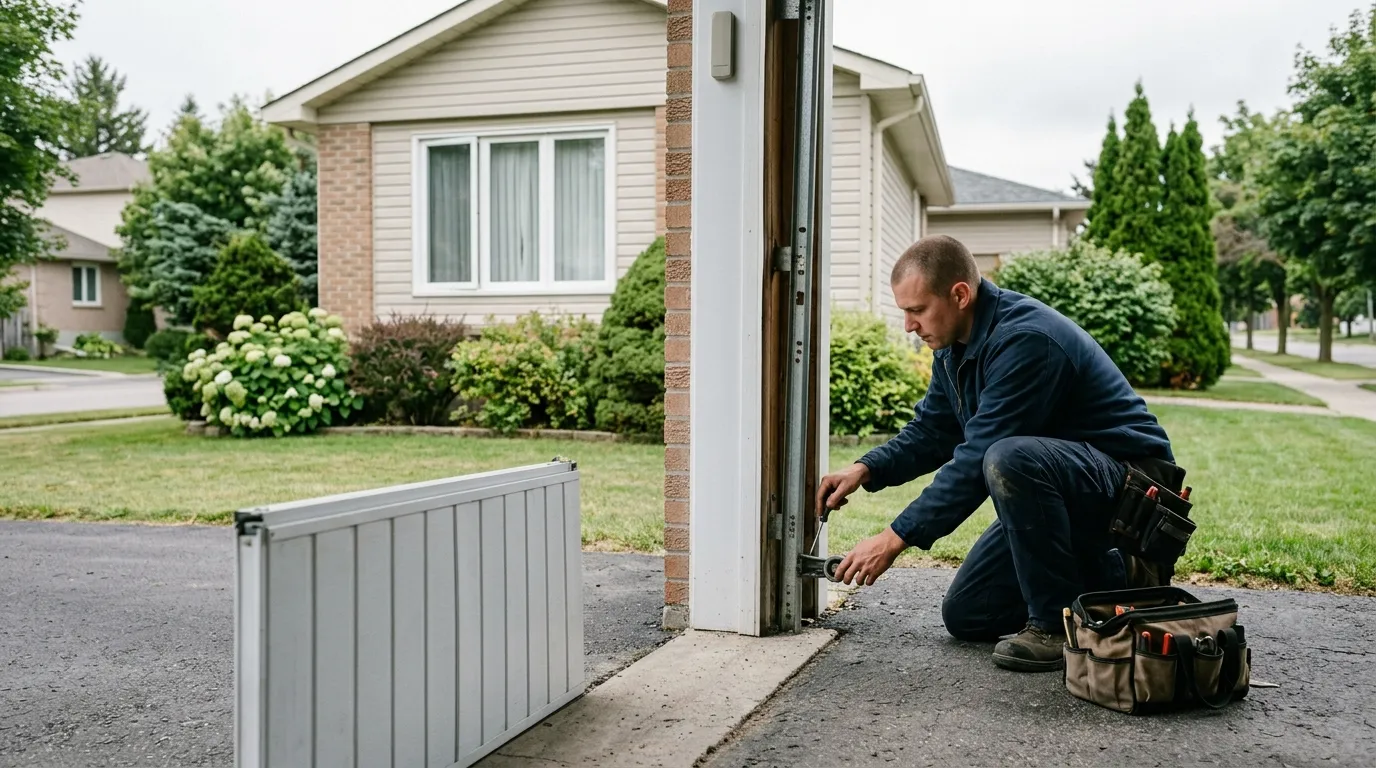
The signs are usually obvious once you know to look. The door stops mid-travel and won't go up or down, or it moves but scrapes and grinds against one side of the frame. Sometimes one bottom corner sags lower than the other, so the door sits crooked in the opening even when it's fully closed. You might see a roller sitting loose on the concrete instead of in its track, or a cable hanging slack instead of taut along the side. If the opener is still trying to run the door, you'll often hear the motor straining against resistance it shouldn't be fighting - that's the opener trying to force a door that's no longer riding straight. In some cases the door looks fine sitting still but binds hard the moment it starts moving, which points to a bracket that's loose rather than fully separated. Any of these is a sign to stop running the opener and call, rather than cycling it again to see if it clears itself.
The Complications
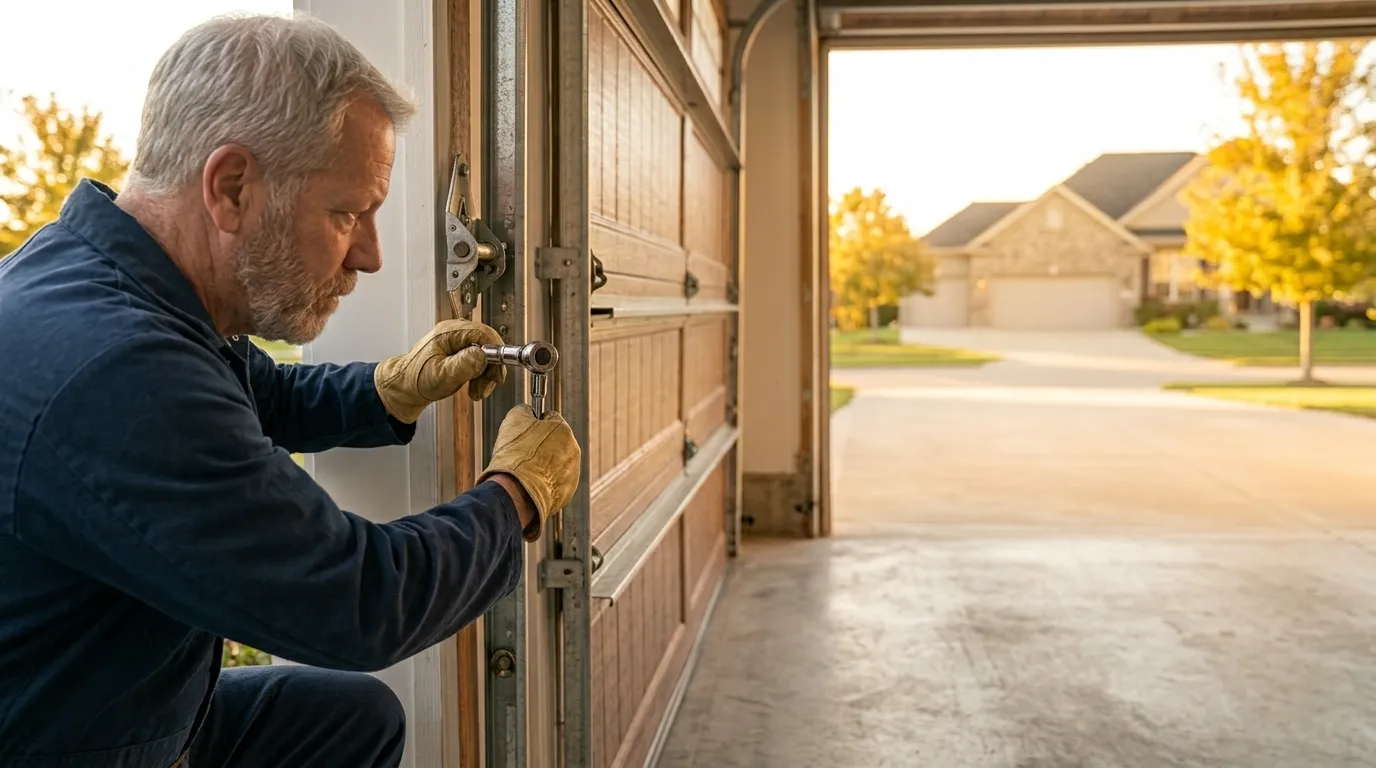
Here's the honest part: not every off-track call is a clean fix. On houses from the 1958 era, we sometimes find track hardware and hinge sizes that aren't stocked on the truck because they were phased out decades ago - that can mean a return trip once we've sourced the right bracket rather than a one-visit job. Low headroom is another one we run into on older garage layouts in this area; a door that's off track in a tight-clearance opening sometimes needs the whole track reset at a different angle to clear the header, not just a reseat. And if a cable came off because it frayed rather than because it simply slipped, we're not going to rehang it and call it done - a frayed cable under tension is a hazard, full stop, and that becomes a cable replacement job even if the customer just wanted the door back on track for now. We'd rather tell you that up front than send you a bill that surprises you.