Doing It Yourself
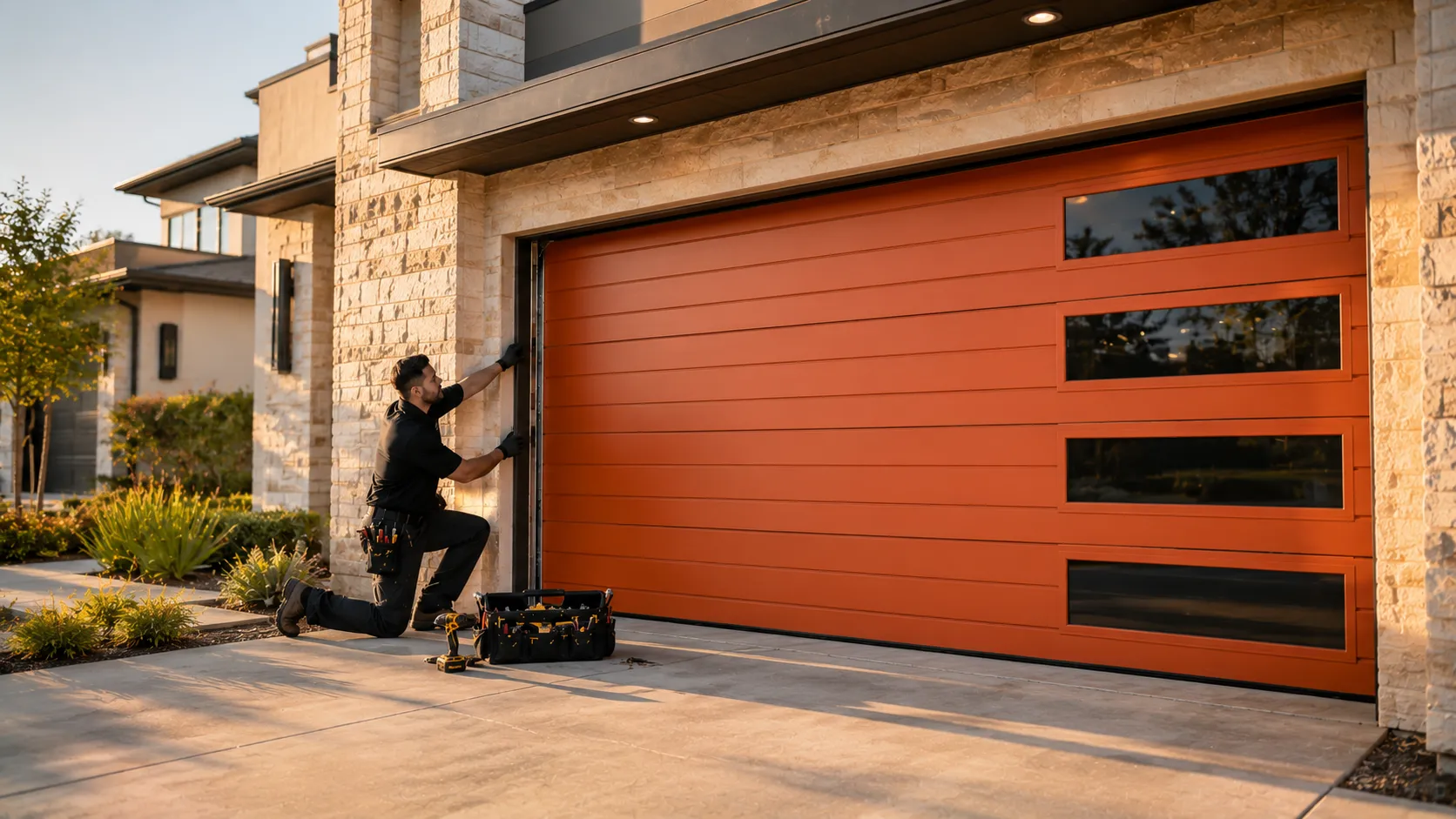
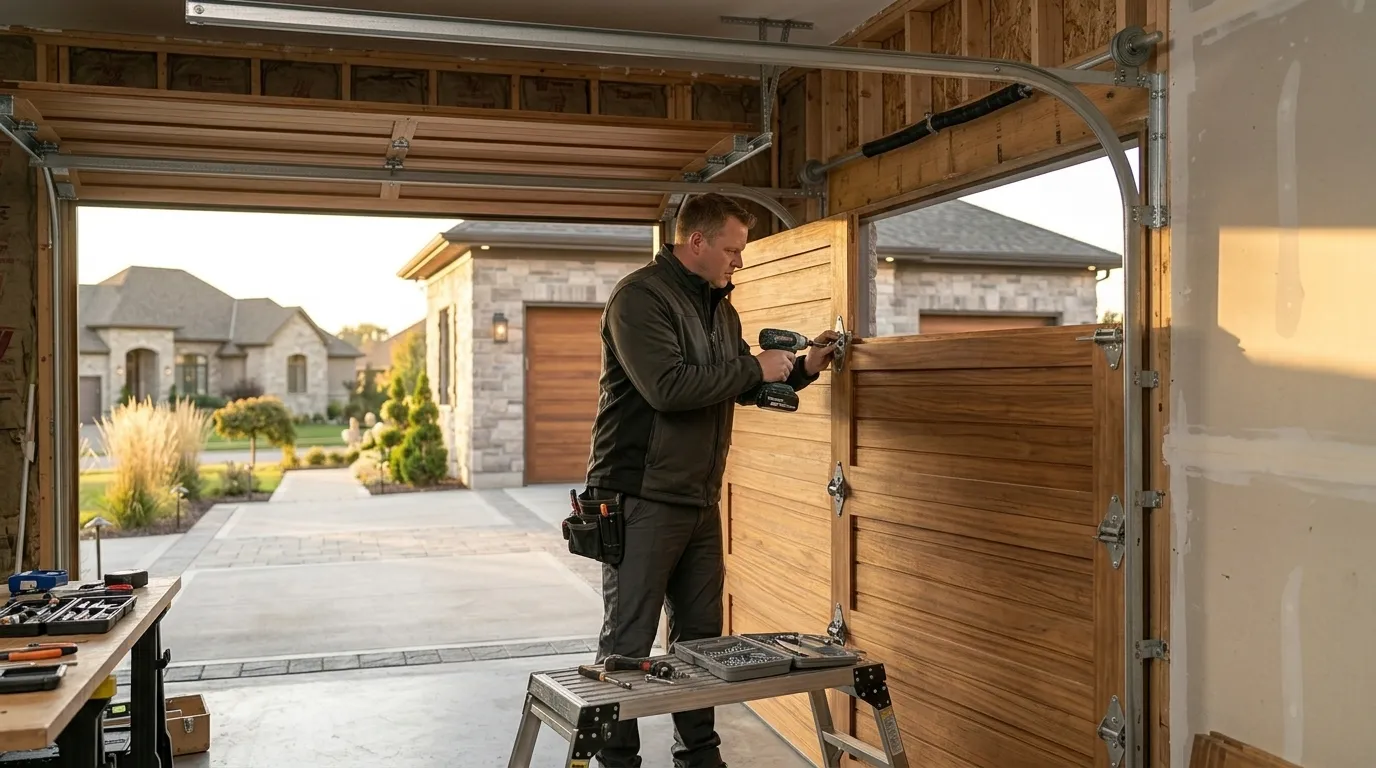
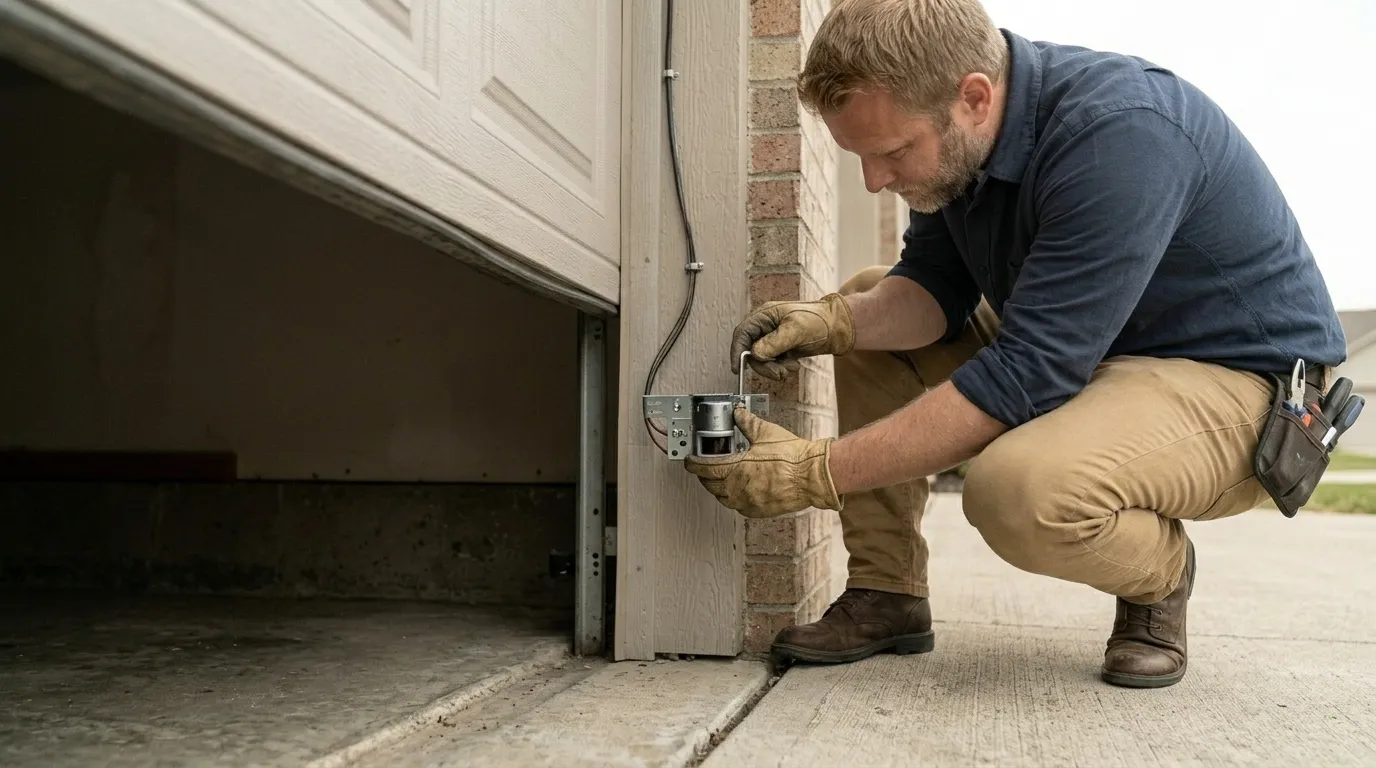
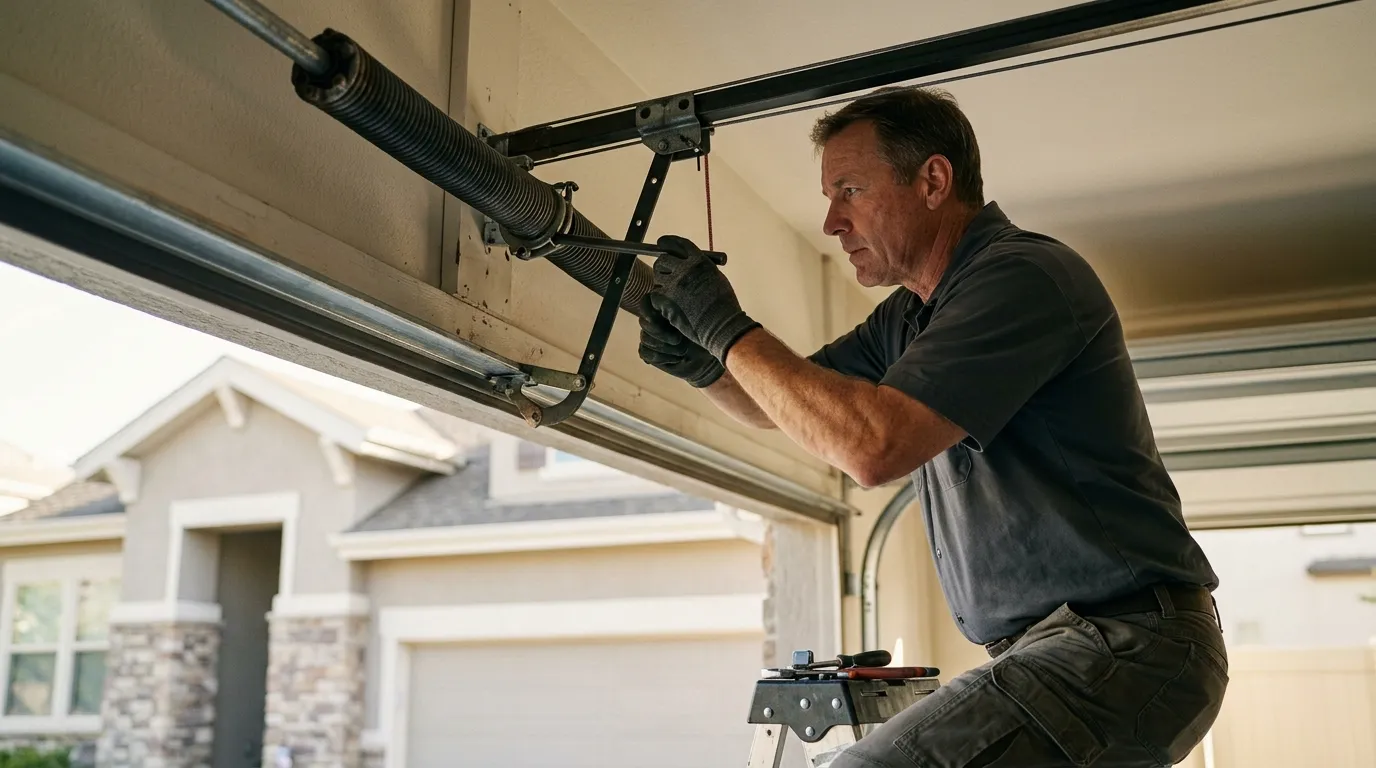
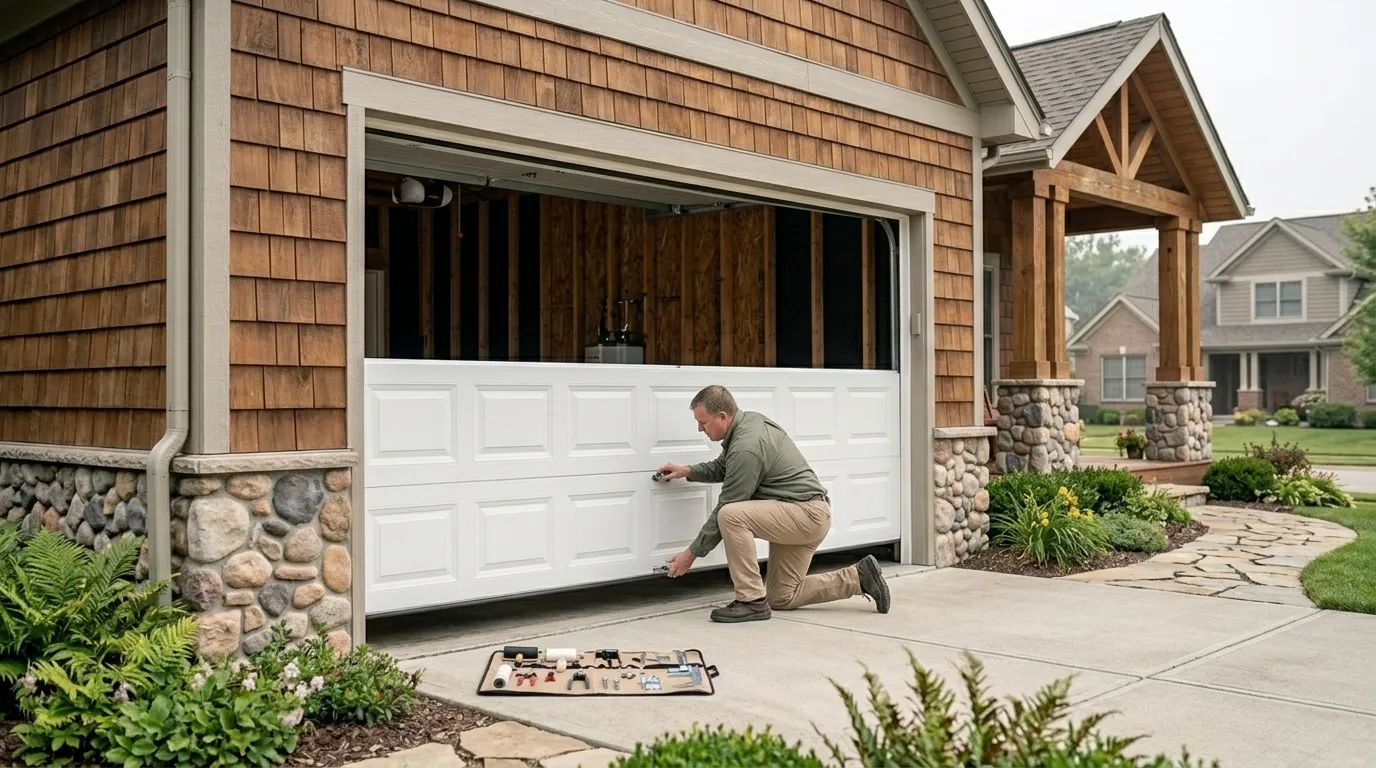
A dented steel panel on a sectional door looks like a bolt-off job, and sometimes it is. If the section is just cosmetic - a dent from a bumper or a cart, no bend in the track rail, no binding when the door runs - you can often unbolt the hinges, swap the section, and rebolt without touching springs or cables. That's the limit of what we'd call safe DIY here.\n\nWhere it stops being a weekend project: doors on Dearborn Heights homes built around 1958 often run narrower panel widths than what's stocked at most supply houses today, which were sized for later production runs. You order the wrong width and it either doesn't sit flush against the neighboring section or it throws the whole door out of square on the track. We've measured plenty of these before ordering, and the width mismatch is the single most common reason a DIY panel swap turns into a bigger job. If your torsion spring is under tension and you're not sure how to release it, that's not a DIY step regardless of the age of the door - a spring at full tension can put someone in the hospital.
How Long It Takes
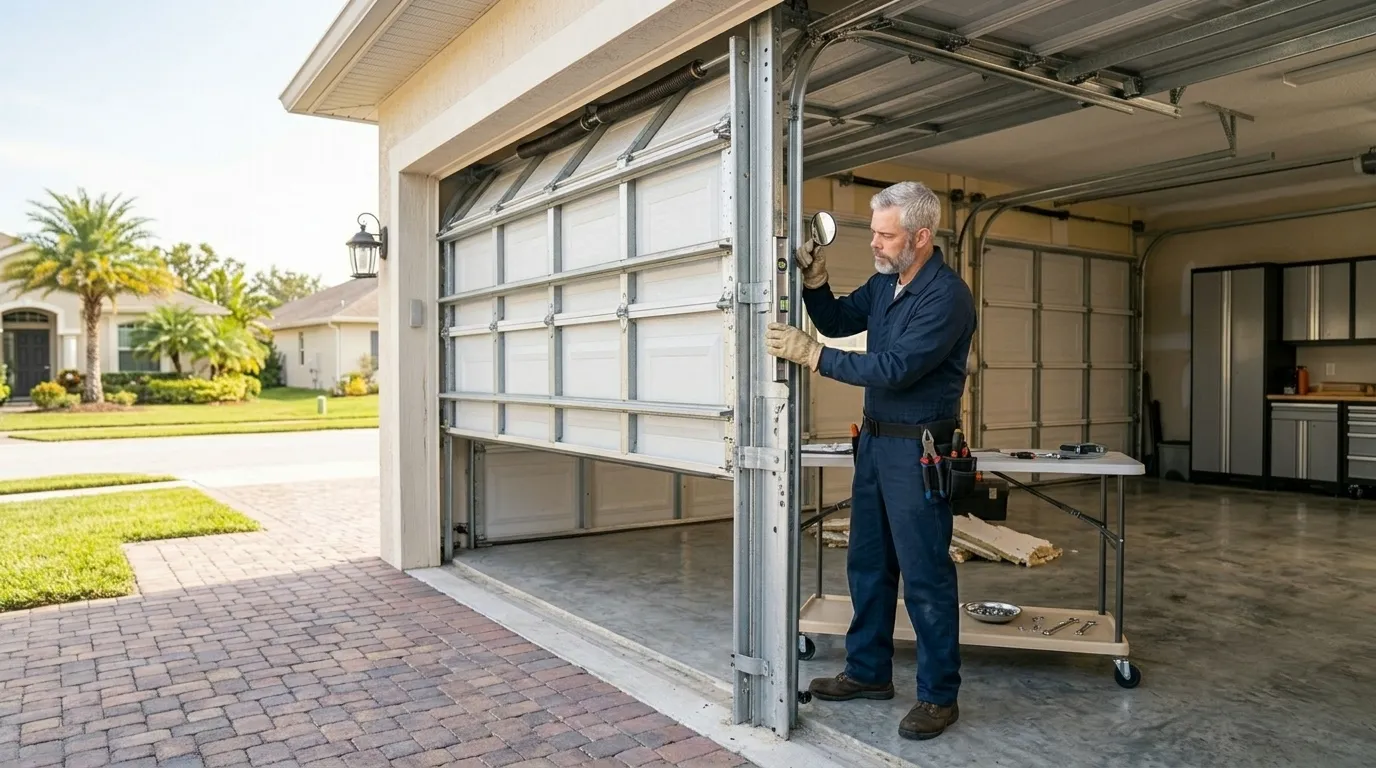
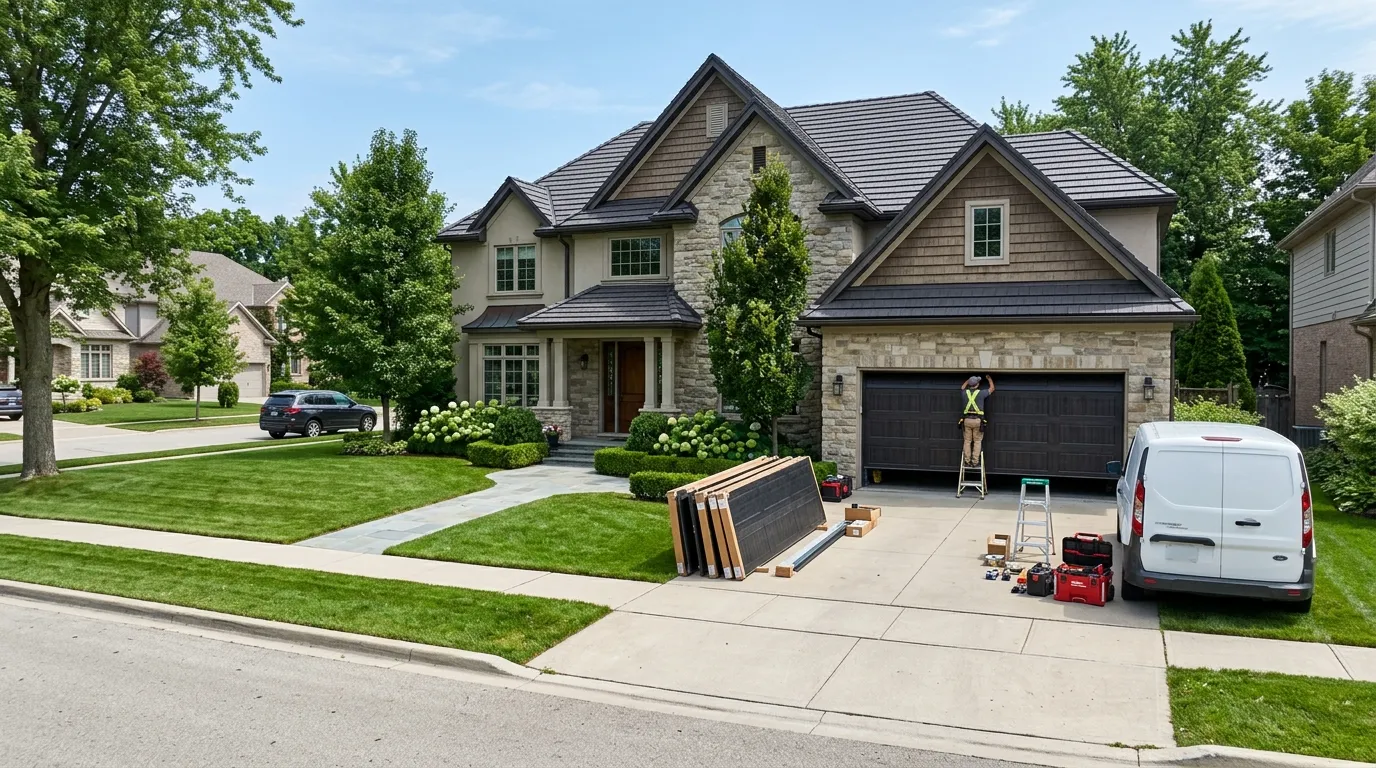
A single-section panel swap on a double door, once the right part is on the truck, usually runs under two hours from arrival to a door that opens clean on the track. Multi-panel jobs - two or three sections gone from a hard hit or years of freeze cracking - take longer because each section has to be checked for square against the ones next to it before the hinges go back on.\n\nThe part is what actually controls the schedule, not the labor. If your door is an odd width from the 1958-era stock common around Dearborn Heights, ordering a matching panel can add days versus a same-day swap on a standard modern width. We'd rather tell you that up front than promise a same-visit fix and miss it.
What You Are Seeing
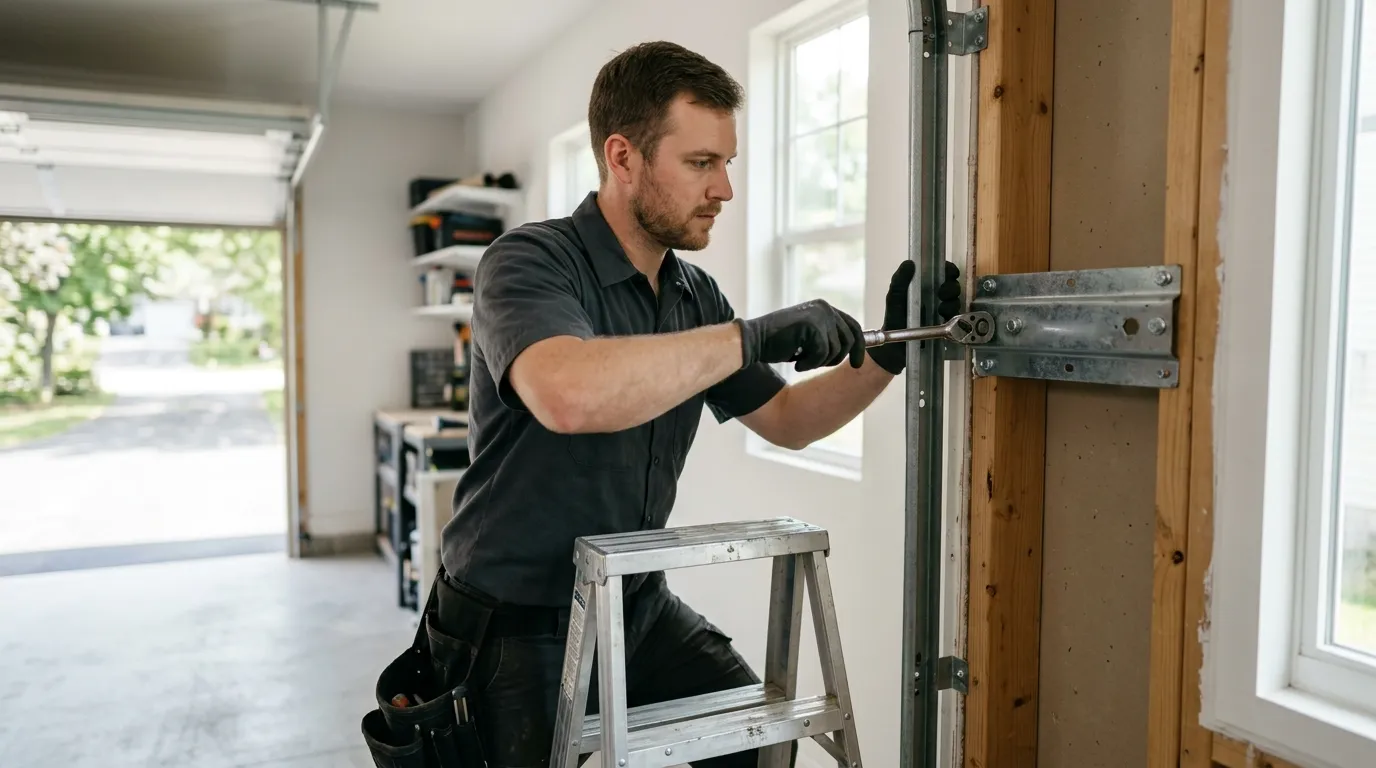
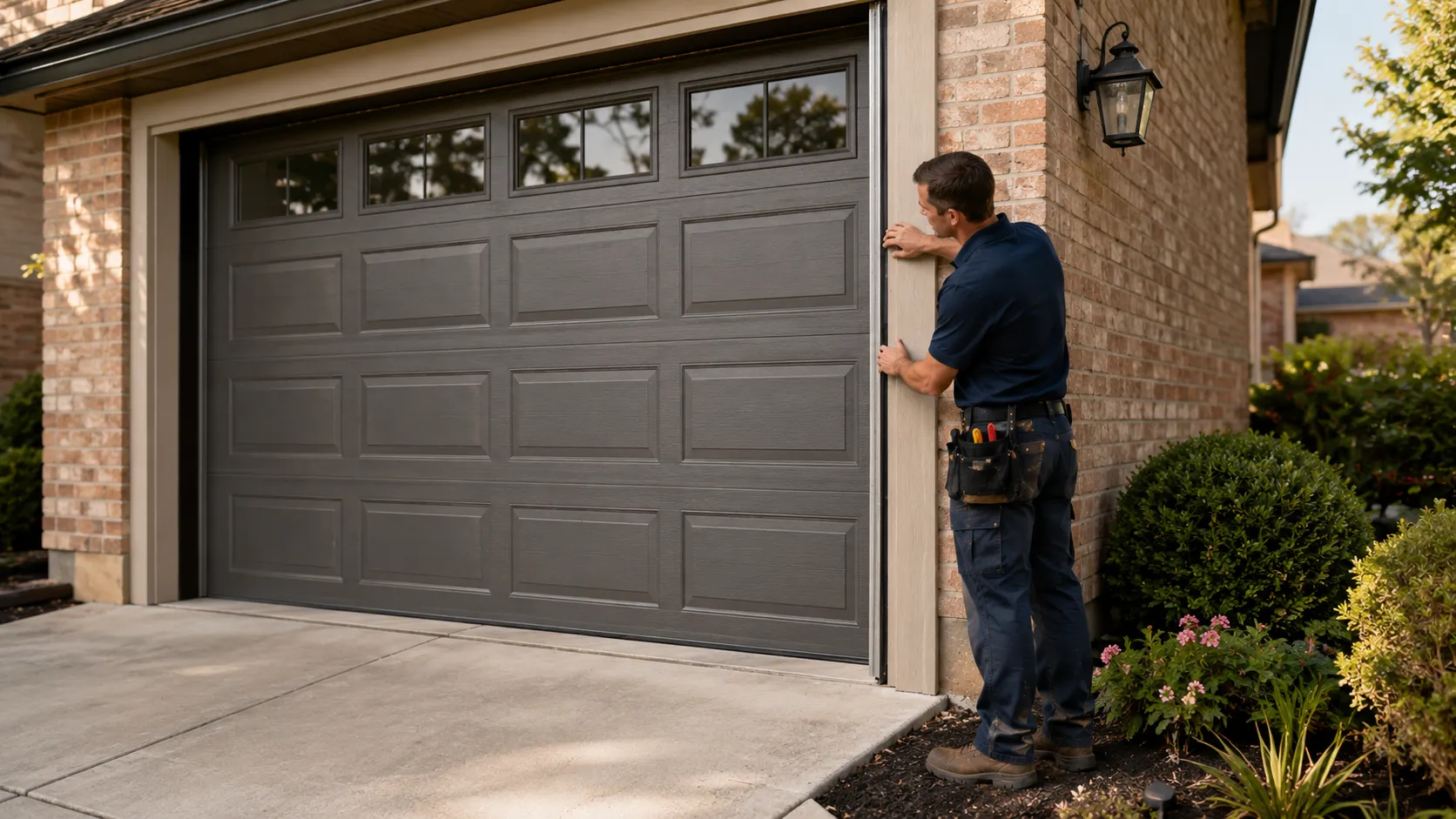
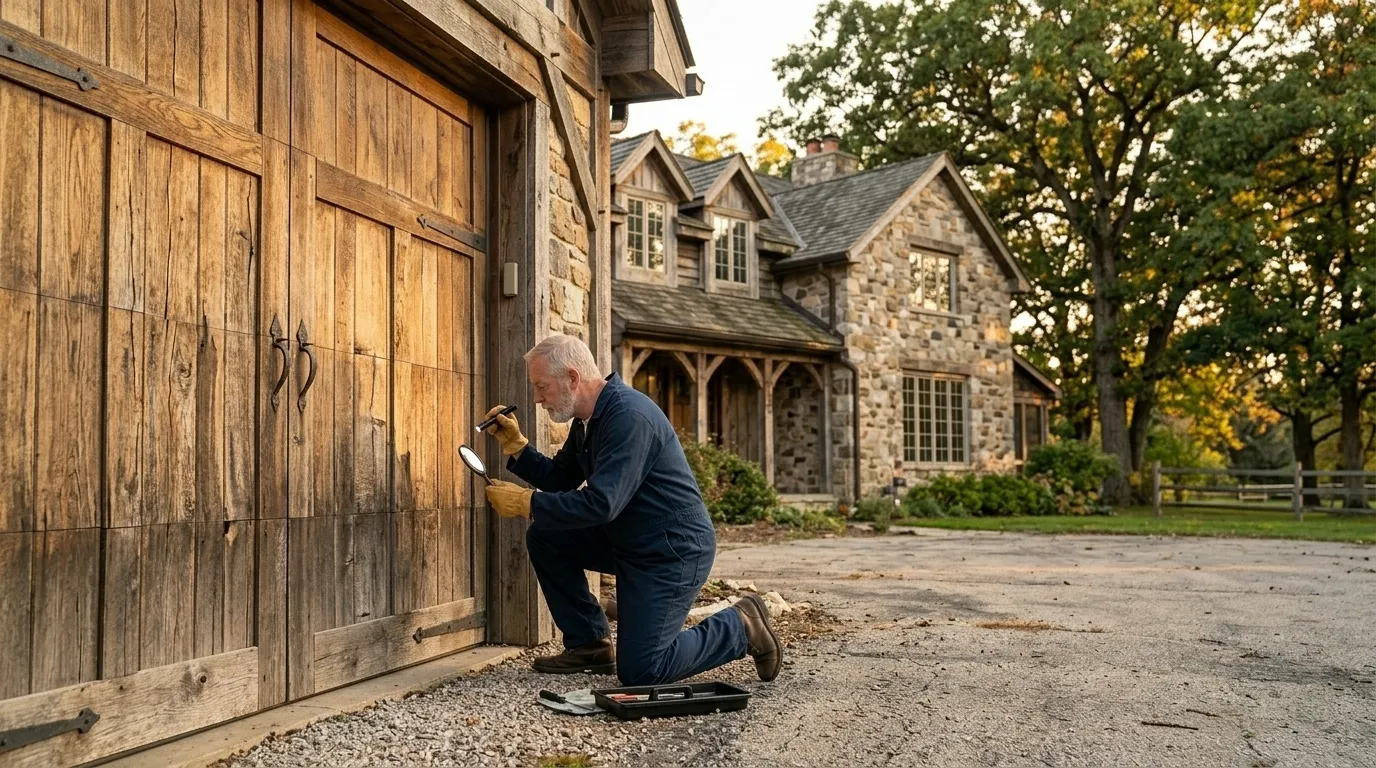
Most panel-replacement calls start with one of three things: a visible dent that's started to crease or crack at the edge, a section that's gone soft and doesn't sit flush anymore, or daylight showing through a seam that used to be tight. On the 1958-era stock common here, cracking often runs along the same fold line where the panel got dented years earlier and nobody replaced it - the metal fatigued at that spot and finally gave.\n\nIf the whole door is racking - meaning it looks slightly twisted or one side rides higher than the other when it's halfway up - that's usually not a panel problem by itself. That's the track or the hinges pulling out of alignment, and swapping a panel won't fix it. We'd rather flag that on the phone than have you order a part that doesn't solve what's actually wrong.
The Complications
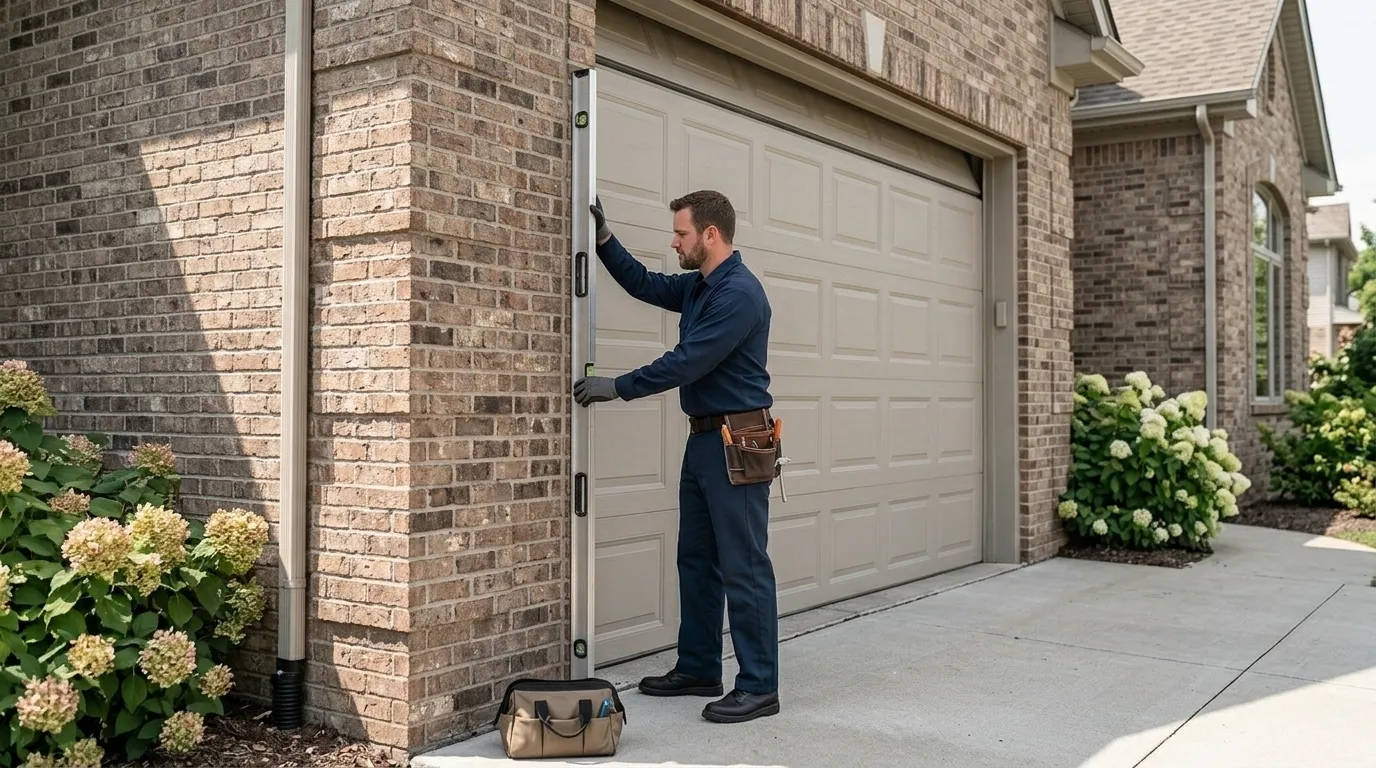
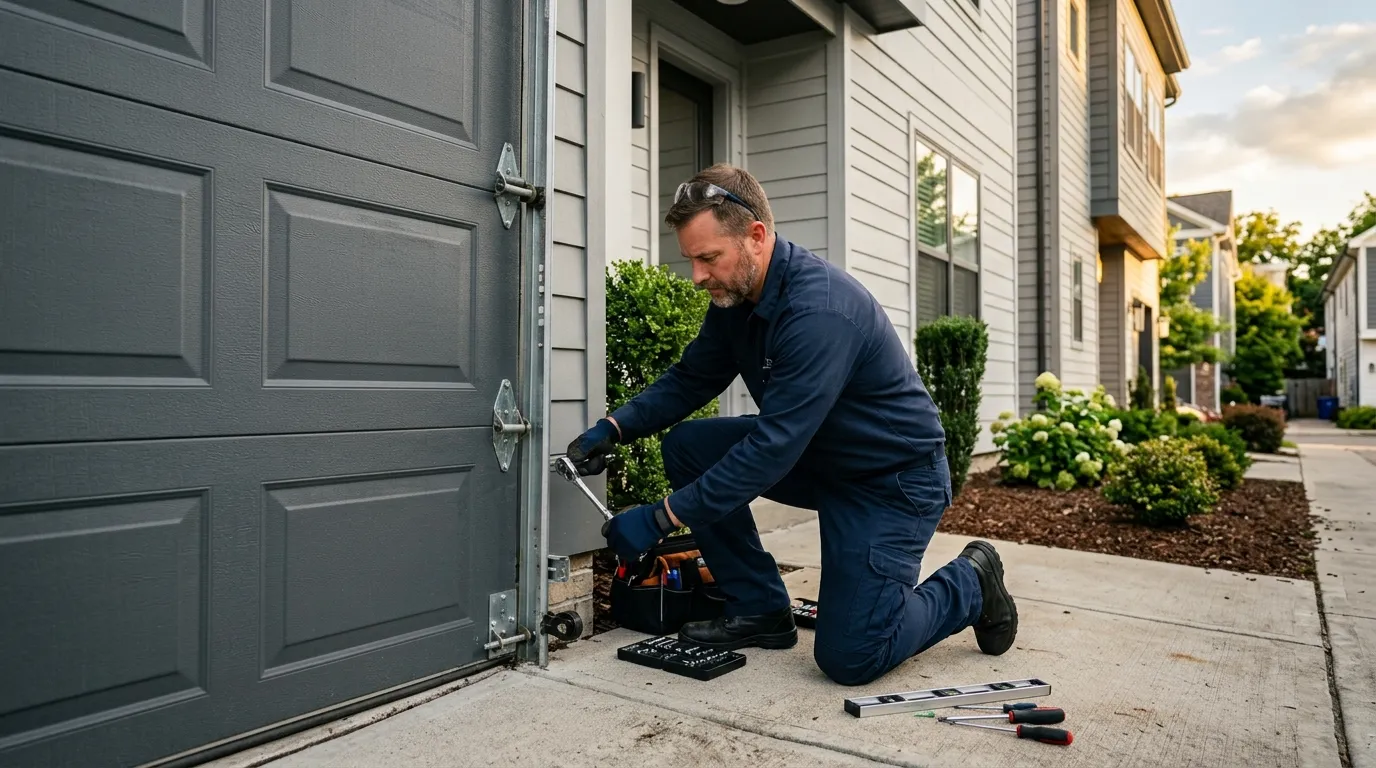
The biggest complication on older Dearborn Heights doors is matching width and gauge. A panel ordered to a generic modern size can end up a half-inch off from what's actually on the door, and a half-inch is enough to bind the rollers or leave a gap at the seam. We measure before we order, which sometimes means a return trip instead of a one-visit fix - that's the honest tradeoff on a door this age.\n\nThe other complication is color and finish. If your door has faded or chalked over the decades, a brand-new panel next to older ones can be a visibly different shade until the whole door weathers evenly, which takes time we can't speed up. We'll tell you that before the work starts, not after.