What You Are Seeing
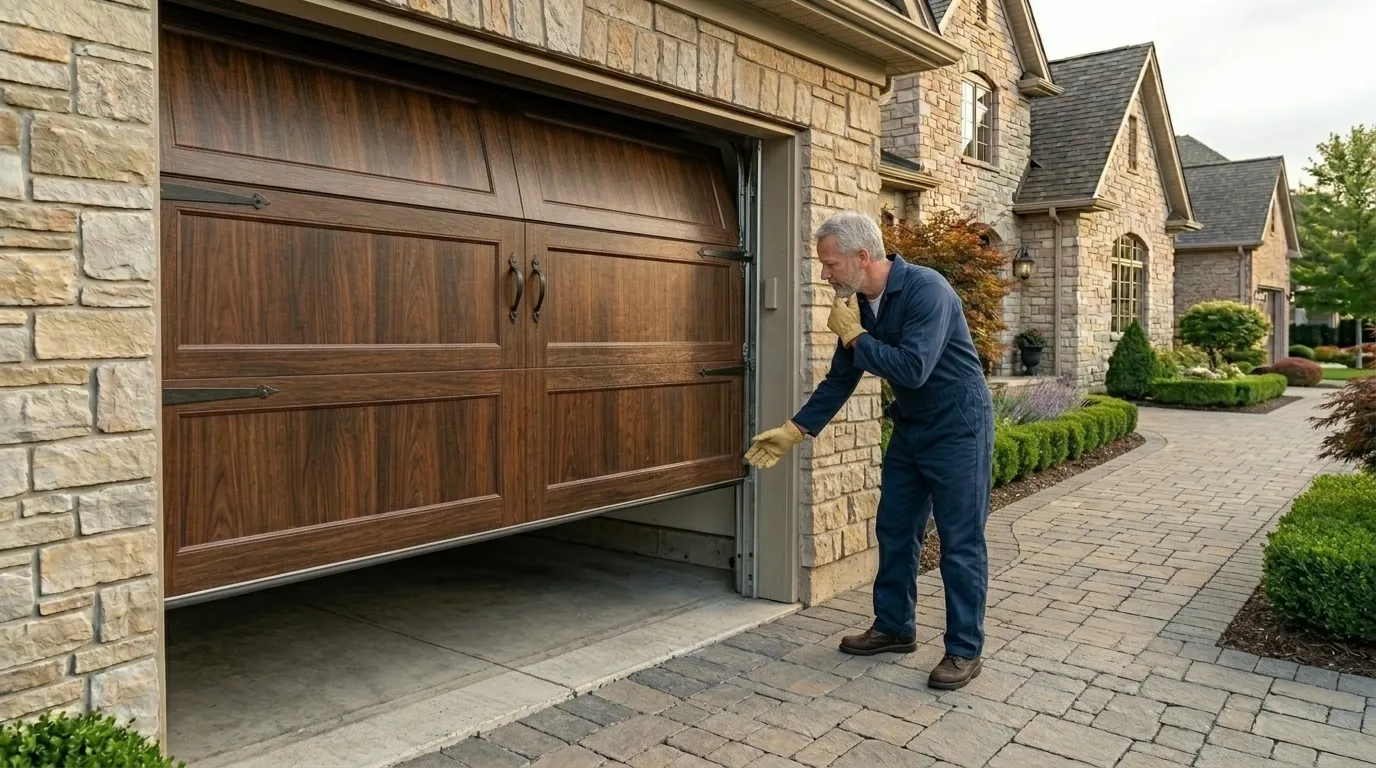
You press the button and nothing happens, or the opener grinds for a second and quits. In a lot of Livonia houses, that's not a fluke - it's the opener reaching the end of its life at the same time everything else built between 1938 and 1991 is reaching the end of its life. If your house dates from that median build year of 1960, chances are the opener isn't original, but it's probably the second one, installed sometime in the 80s or 90s, and it's simply worn out.
Other times what you're seeing is a mismatch: a newer, stronger door hung off an opener that was sized for a lighter one-piece slab decades ago. The motor labors, the gears strip, and you get the grinding-then-nothing pattern. We also see openers that cycle fine in summer and then start hesitating or reversing on their own once the cold sets in - that's a wiring or sensor issue that gets worse, not better, as temperatures drop.
If your remote works but the wall button doesn't, or vice versa, that's usually a control board fault, not a full opener failure, and it's worth a second look before you replace anything.
Booking a Visit
We serve homeowners across the wider Livonia-area market - roughly 311,238 households and 163,915 owner-occupied houses spread through this part of southeast Michigan, with a median household income of $70,984. That mix means we see everything from a straightforward swap on a well-kept door to a full opener-and-track rebuild on a house that hasn't been touched since the Carter administration.
When you call, tell us the age of the door (if you know it), whether it's a single or double, and what the opener is currently doing - or not doing. That lets us bring the right hardware on the truck instead of guessing. If your garage is unheated, mention that too, since it changes what opener class we'd recommend.
We don't install openers sight-unseen off a phone description alone when the door itself looks questionable. If the door's springs, cables, or track are shot, putting a new opener on top of that is a waste of your money - we'll tell you that up front rather than sell you a motor that has nothing solid to pull against.
How We Fix It
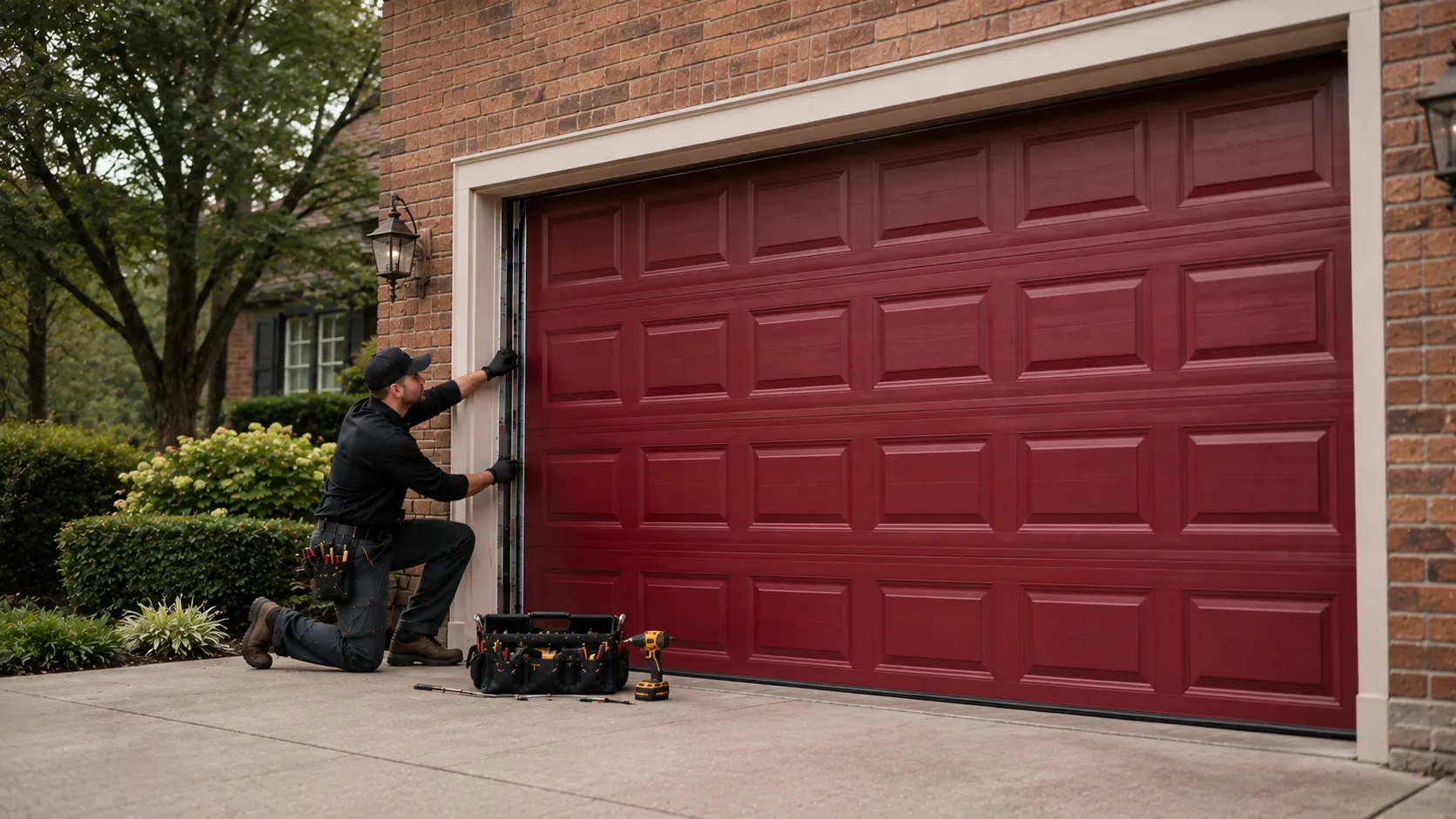
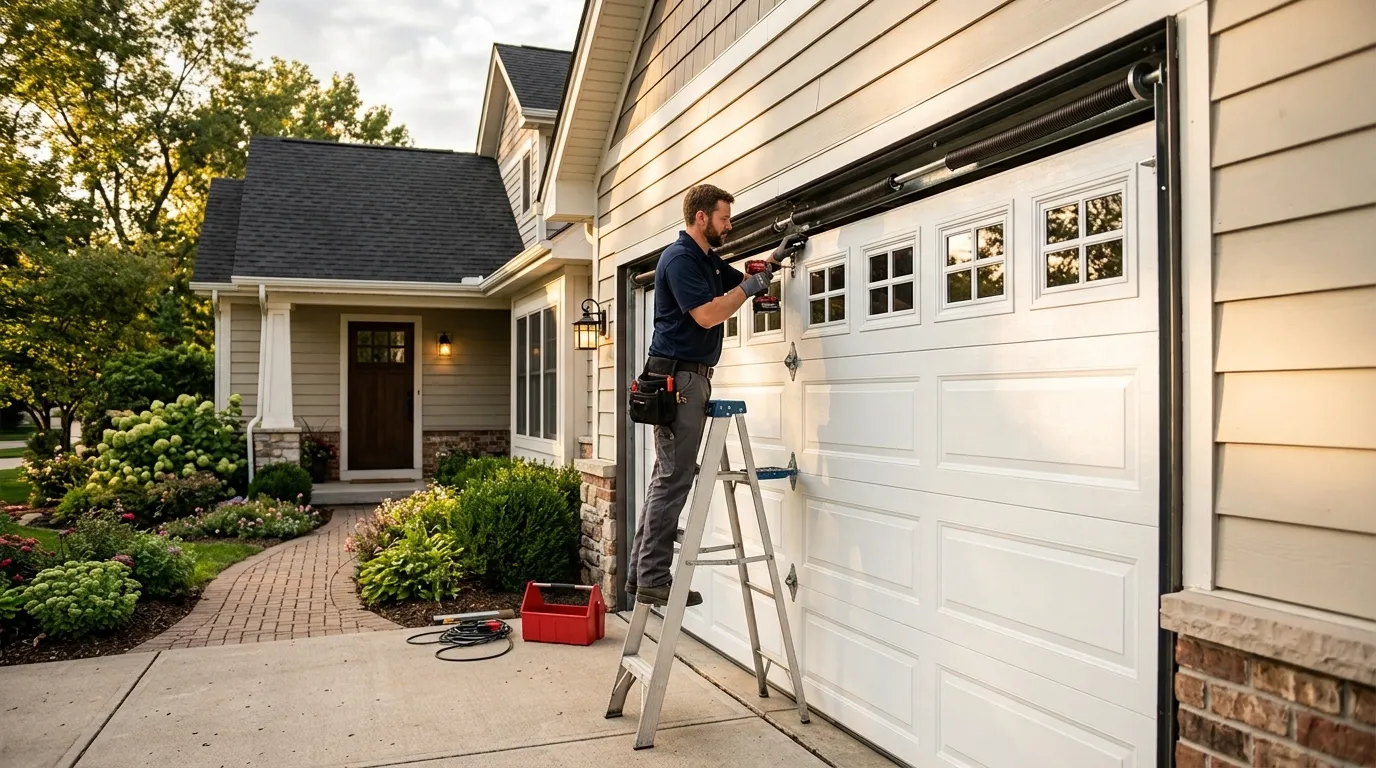
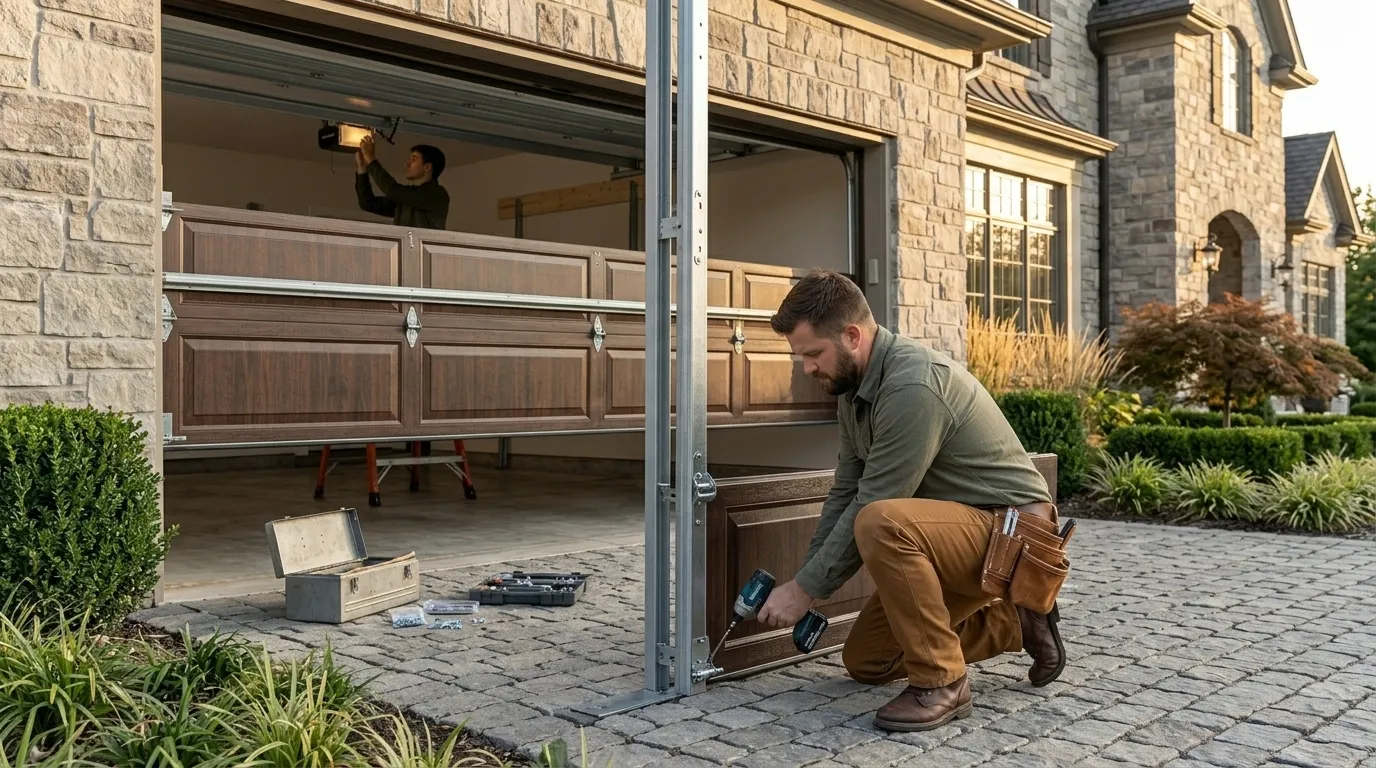
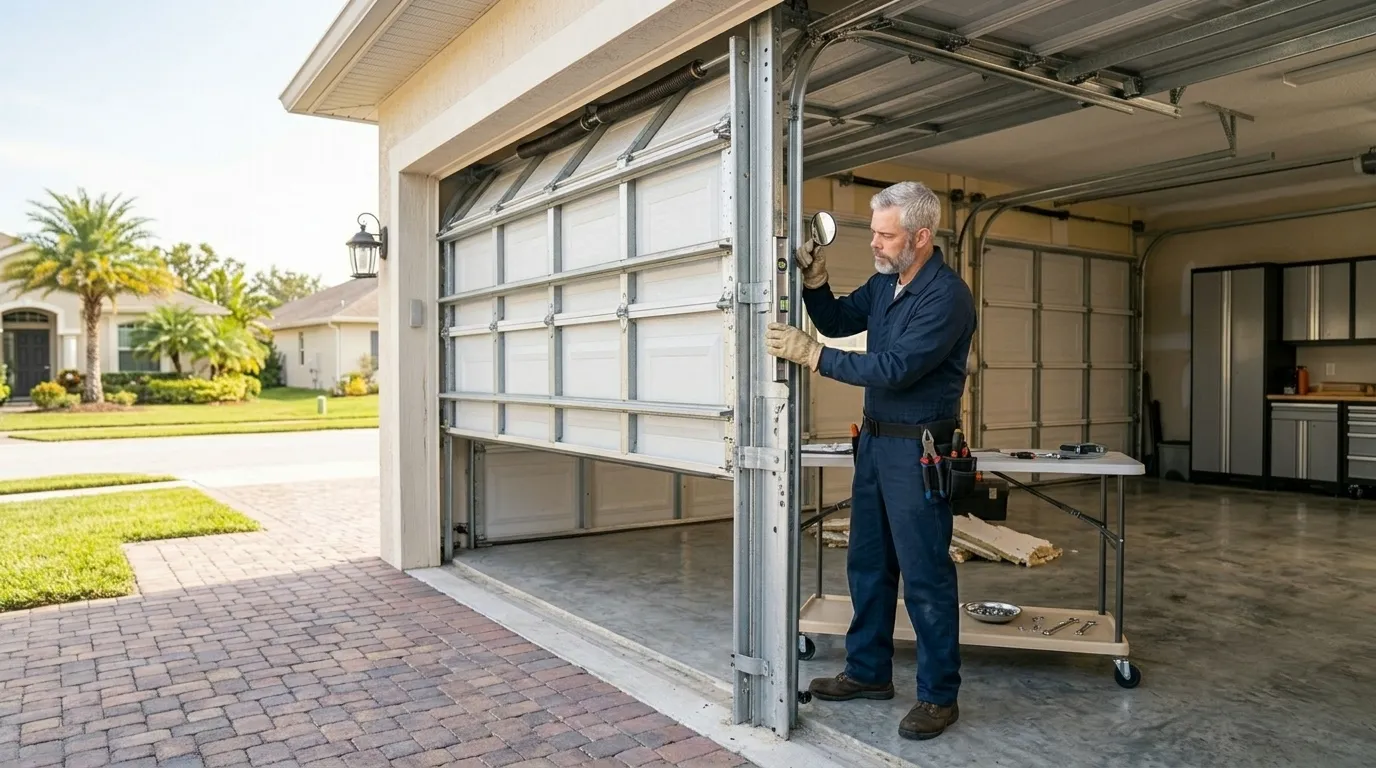
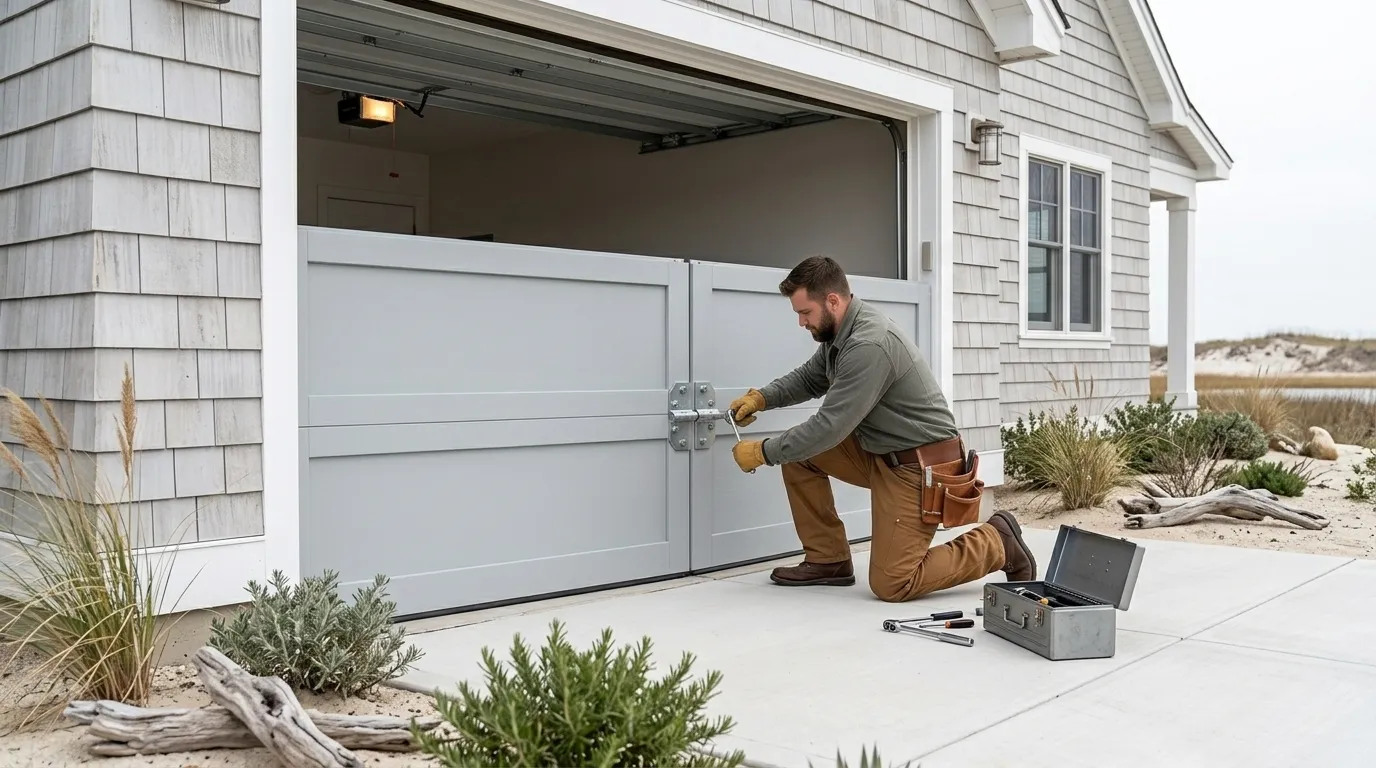
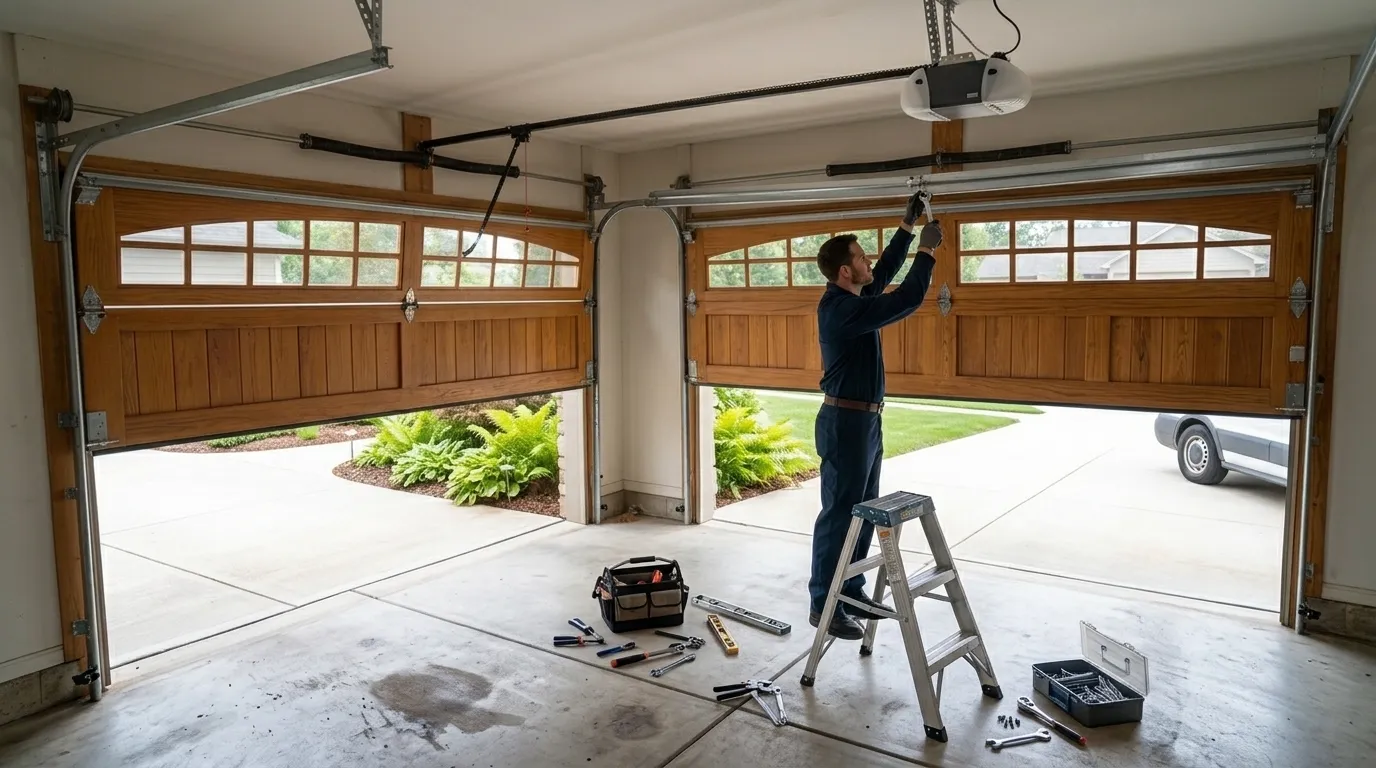
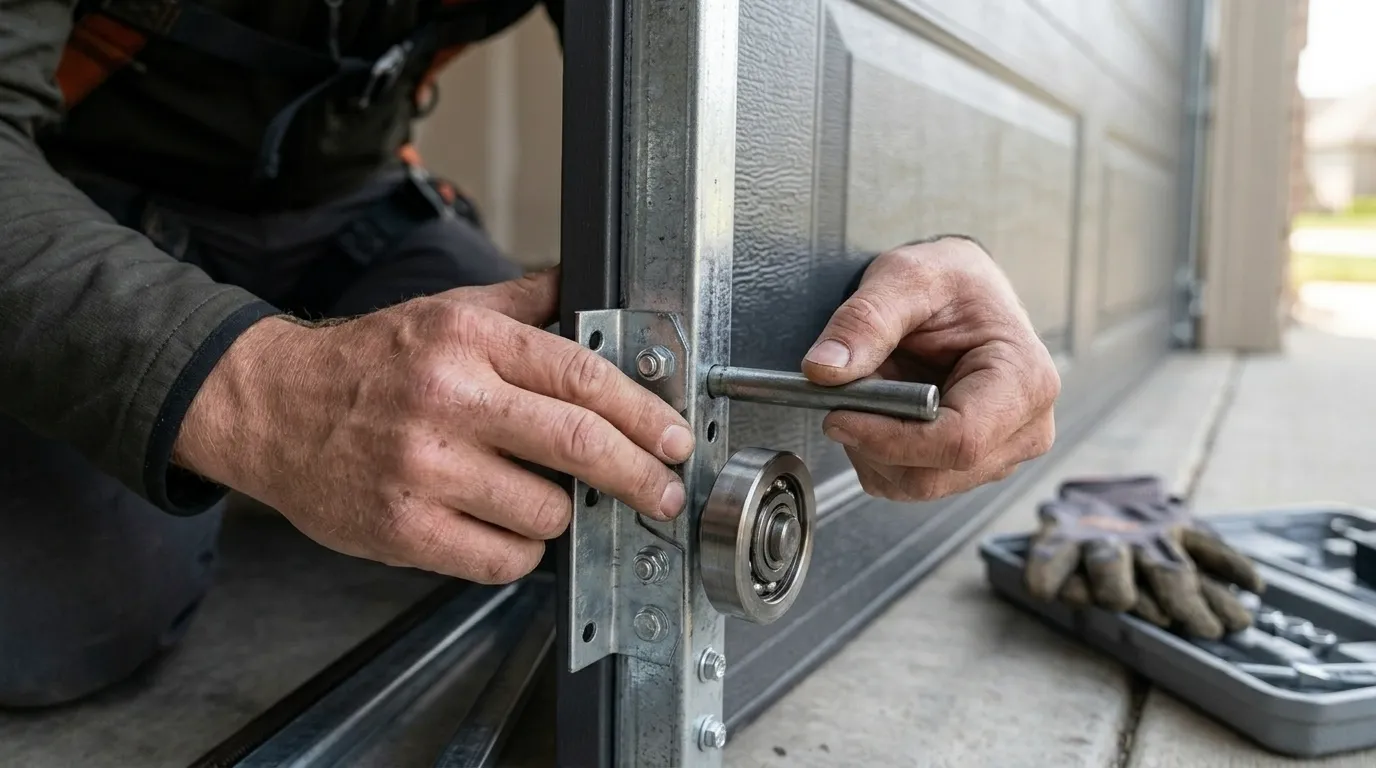
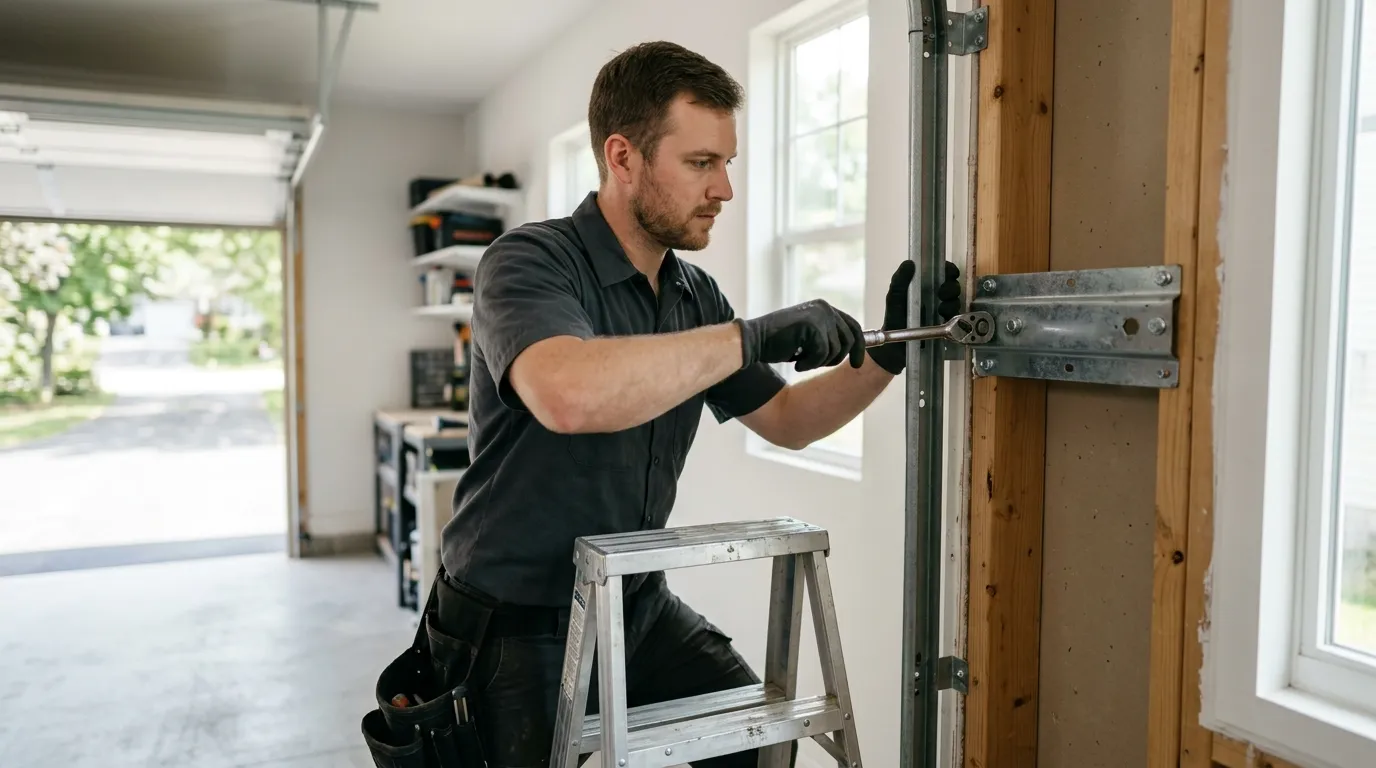
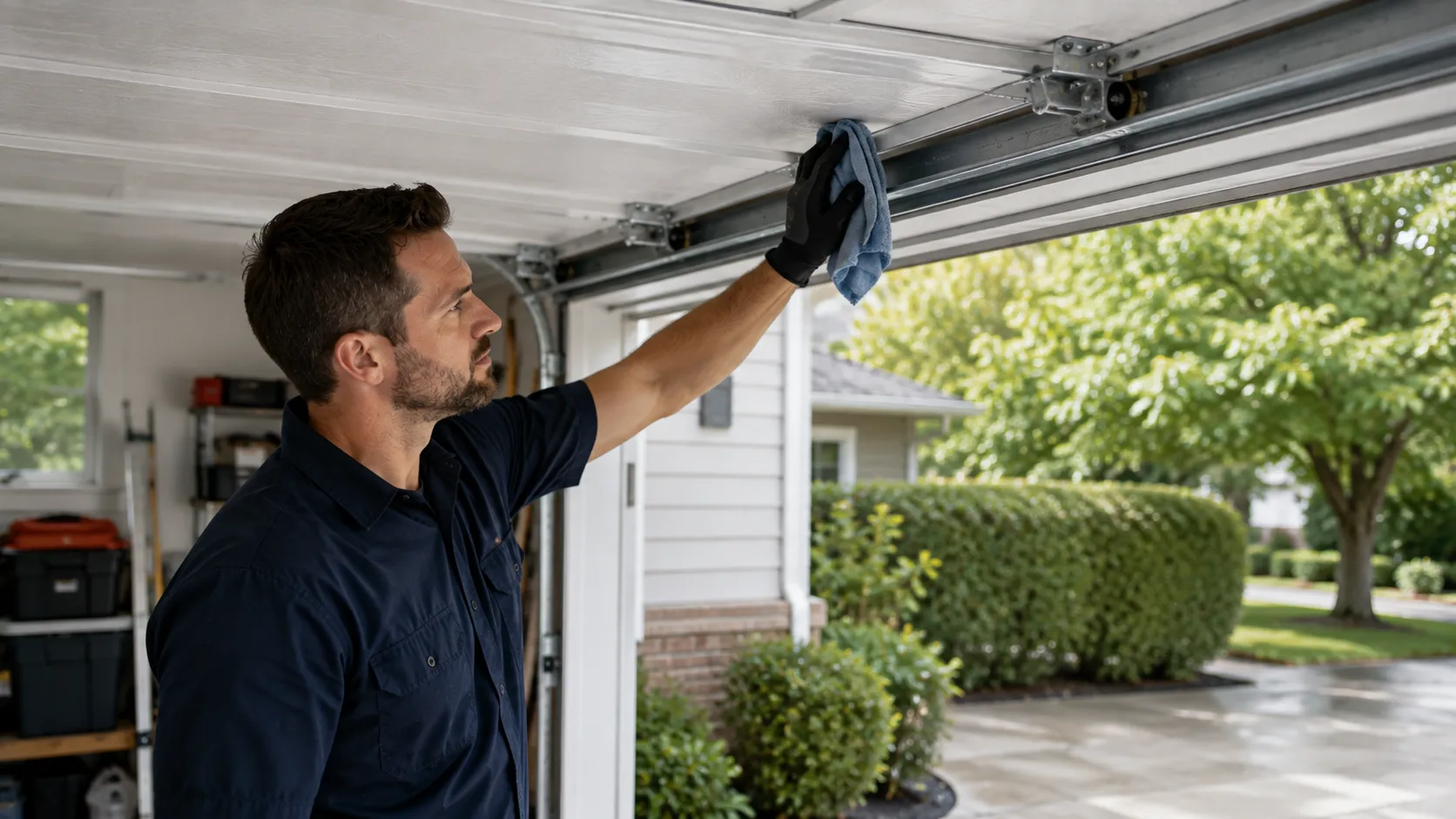
For a straight opener swap, we pull the old unit, check the header bracket and rail alignment against the door you actually have (not just the opener box specs), and set the travel limits and force settings to match. On houses with the older, heavier one-piece or sectional doors common in this build era, that force calibration matters more than usual - factory defaults undershoot and the door won't fully close, or overshoot and it slams.
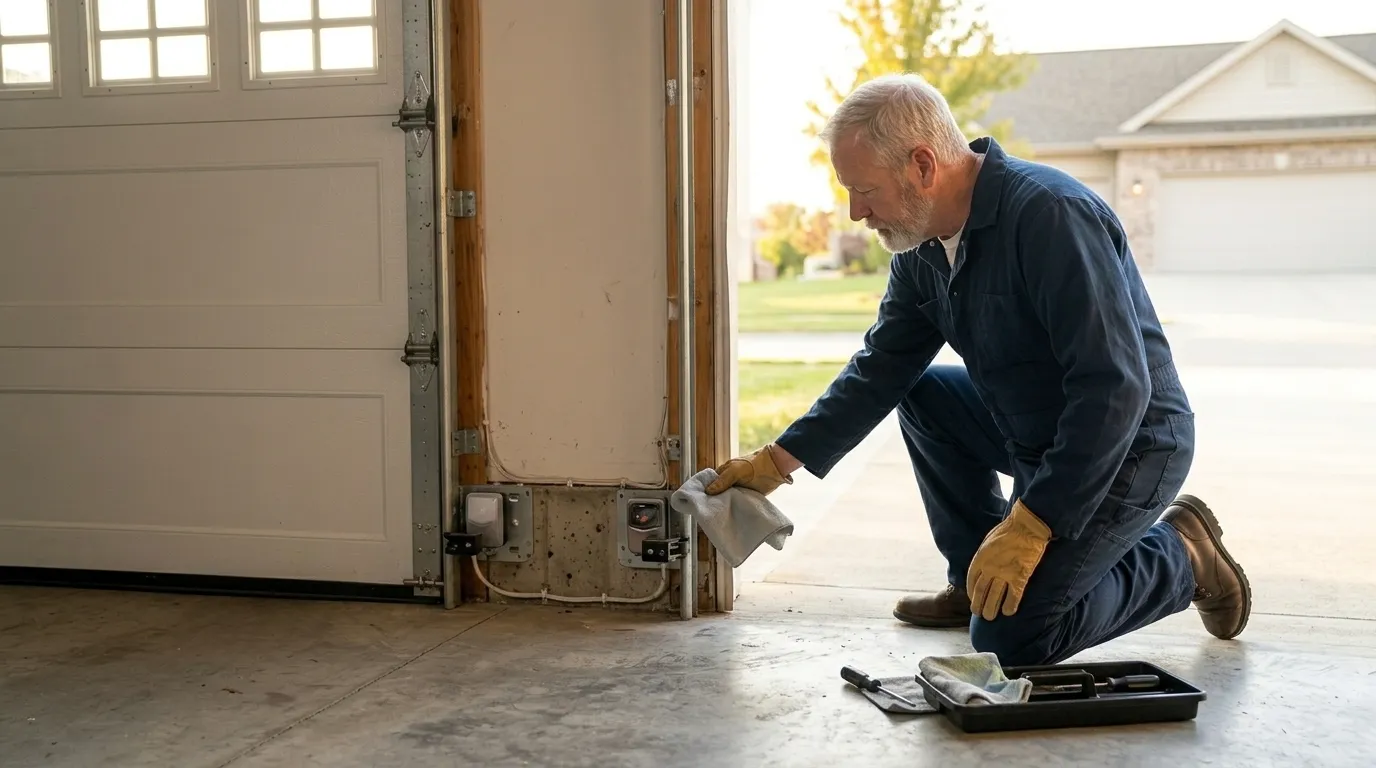
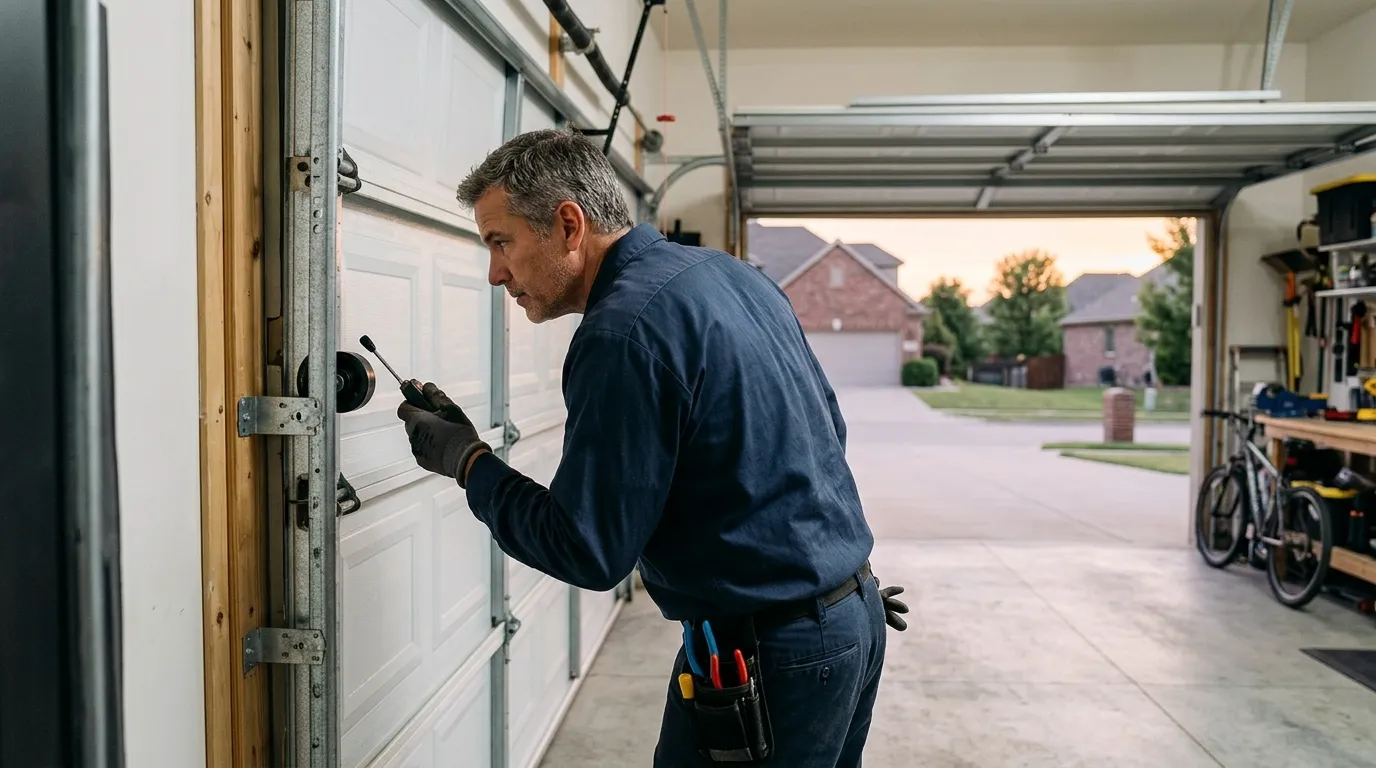
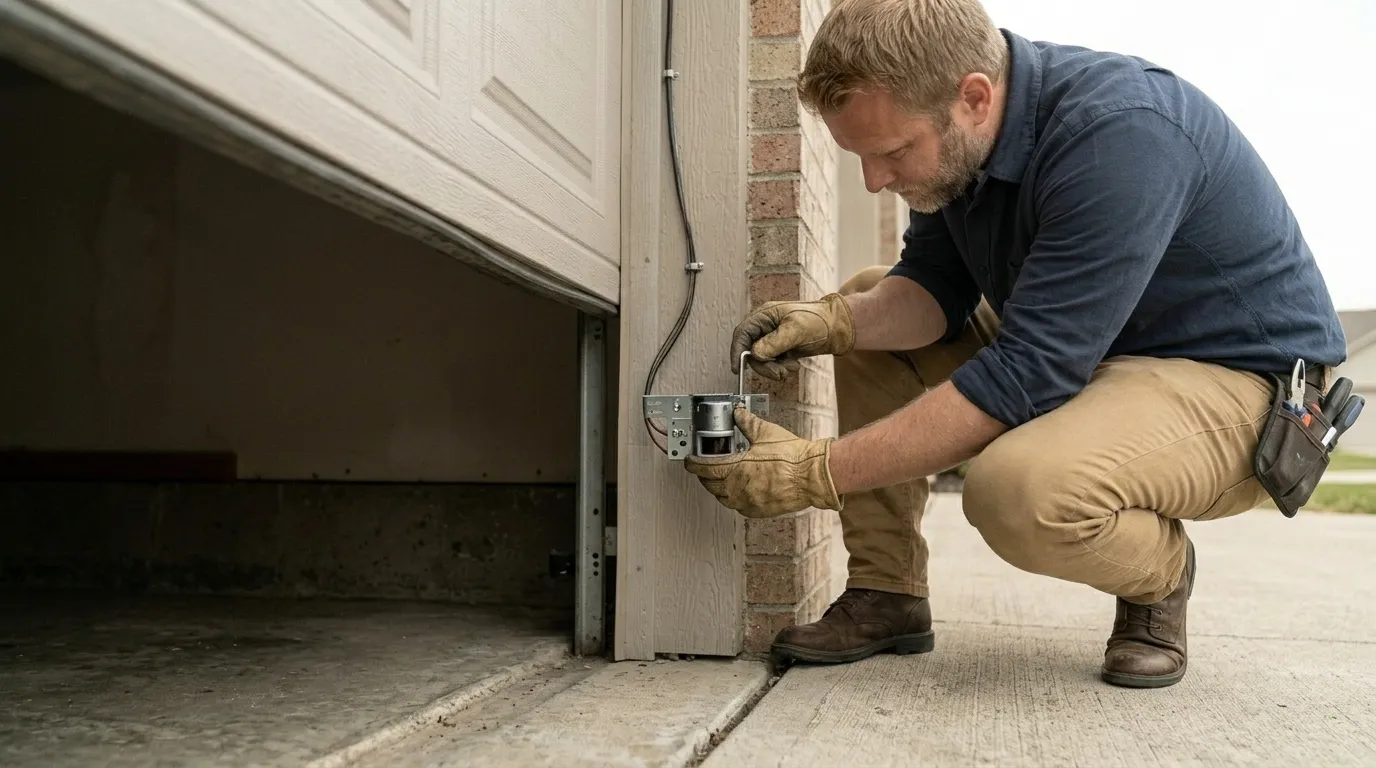
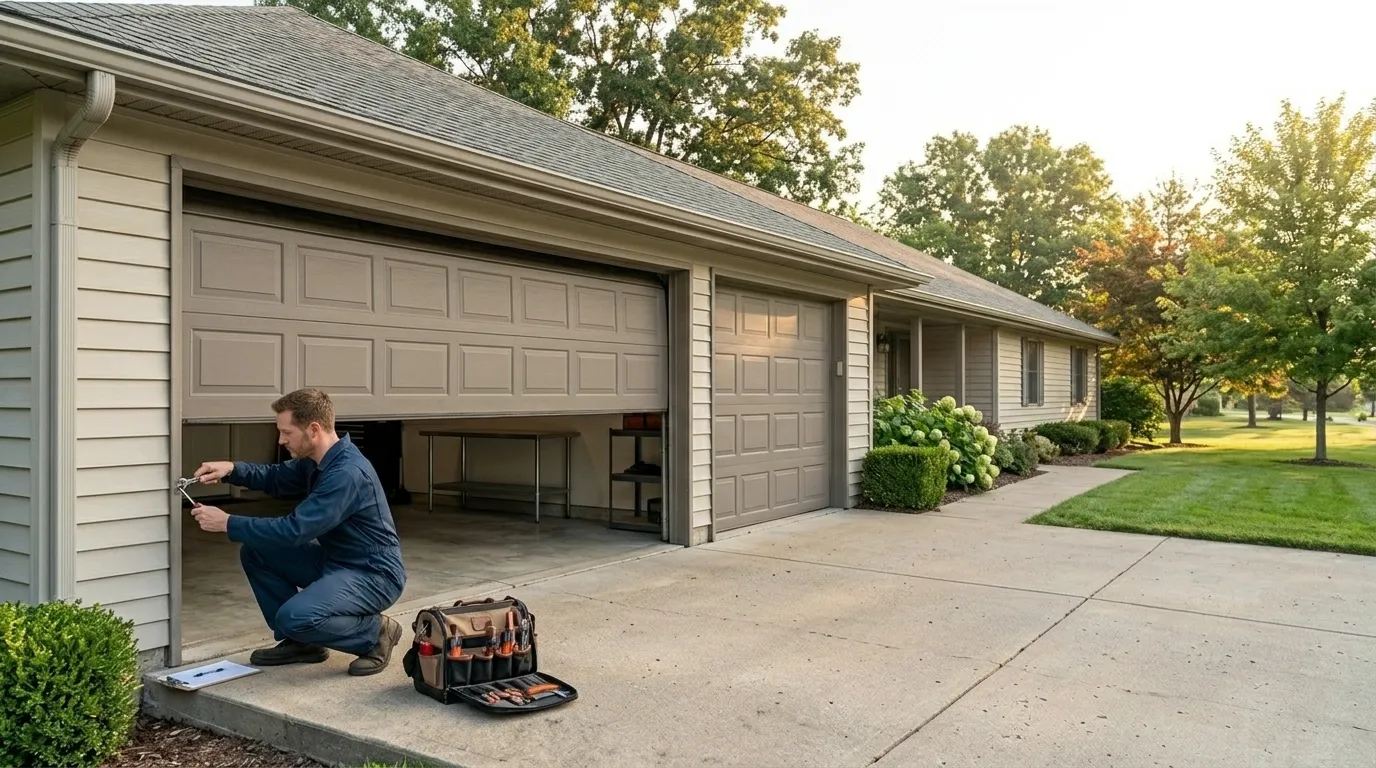
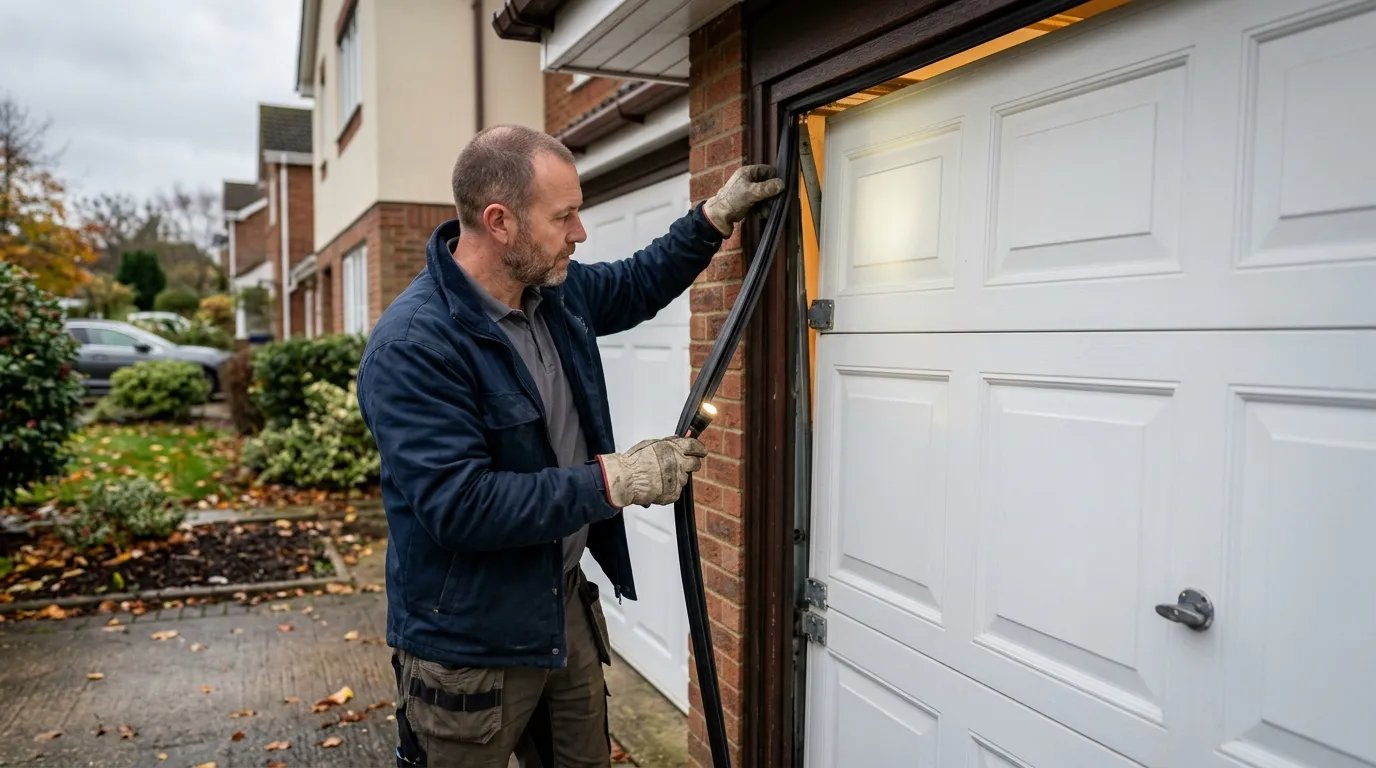
We test the safety reversal and photo eyes under real load, not just an empty swing, since that's the part cold weather affects most. If your existing wiring is original to the house, we'll flag it before running a new opener through it rather than after something trips.
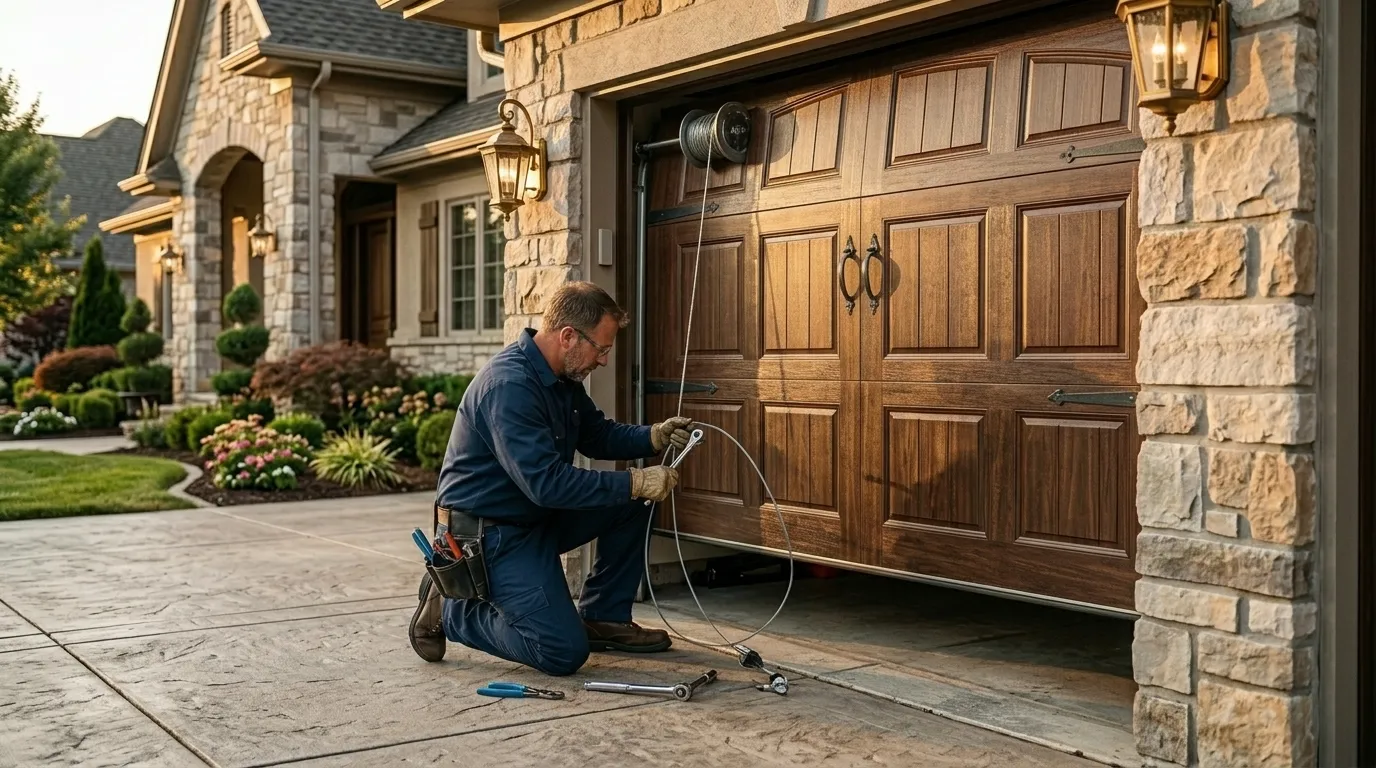
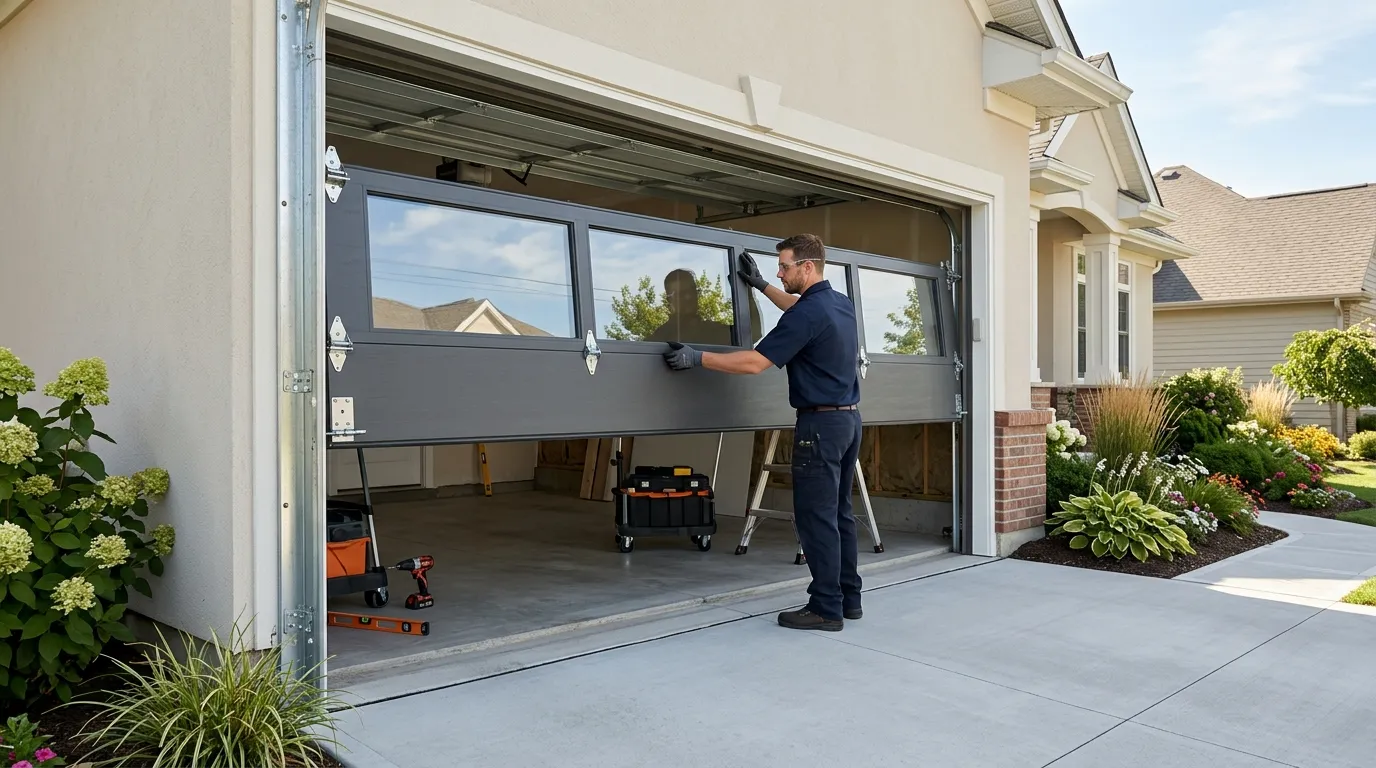
One limit worth knowing: if the door itself is out of square, warped, or running on cables past their service life, we're not going to hang a new opener on it and call it done. We'll tell you what needs to happen with the door first. An opener is only as good as what it's lifting, and putting new money on old hardware just moves the failure a few months down the road instead of fixing it.