What You Are Seeing
A door that used to open in three seconds now takes six, or it shudders halfway up and stops. Maybe the opener grinds before it catches, or a roller squeals every single cycle no matter how much you spray it. None of that is random. Most houses in this part of southeast Michigan went up between 1938 and 1991, with the median sitting around 1960, and a door built or replaced during that stretch is old enough that its hardware is either original or a first-generation swap nobody's touched since.
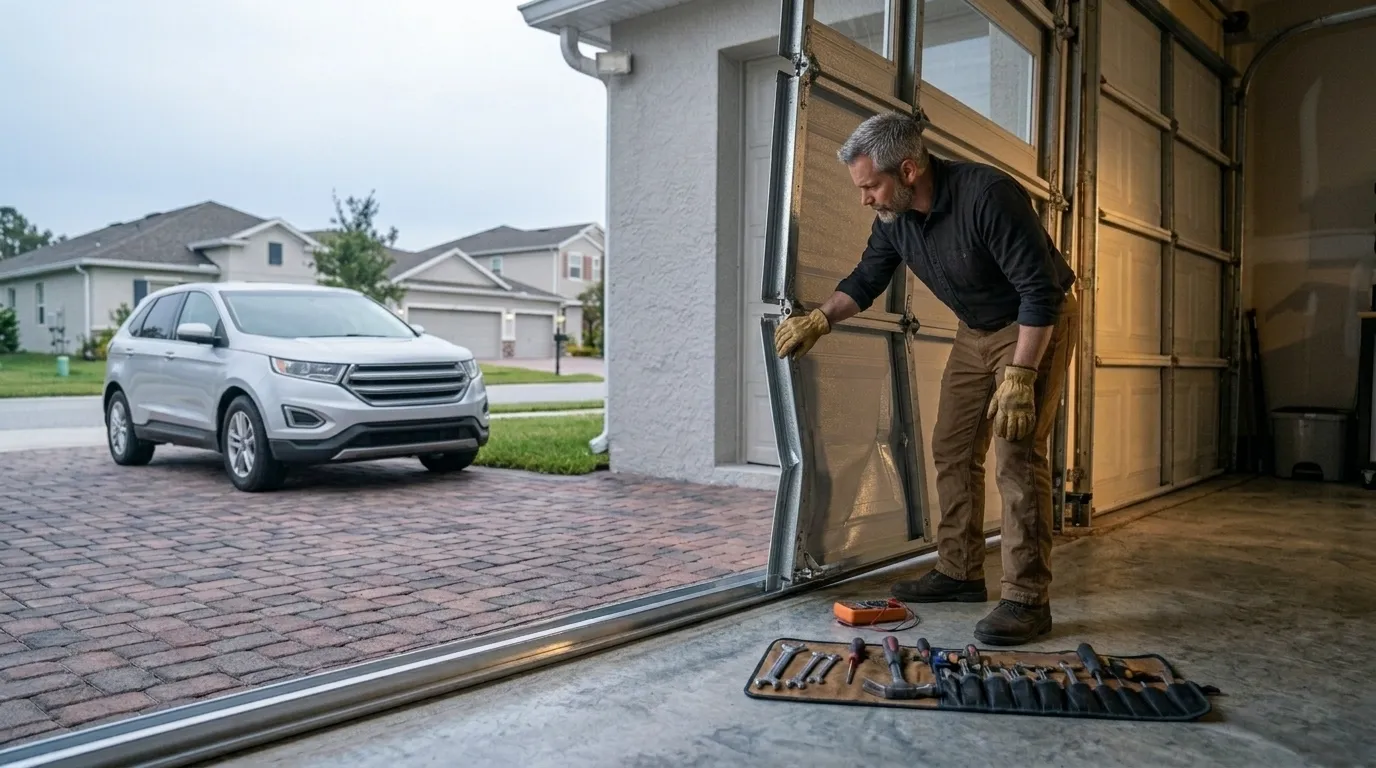
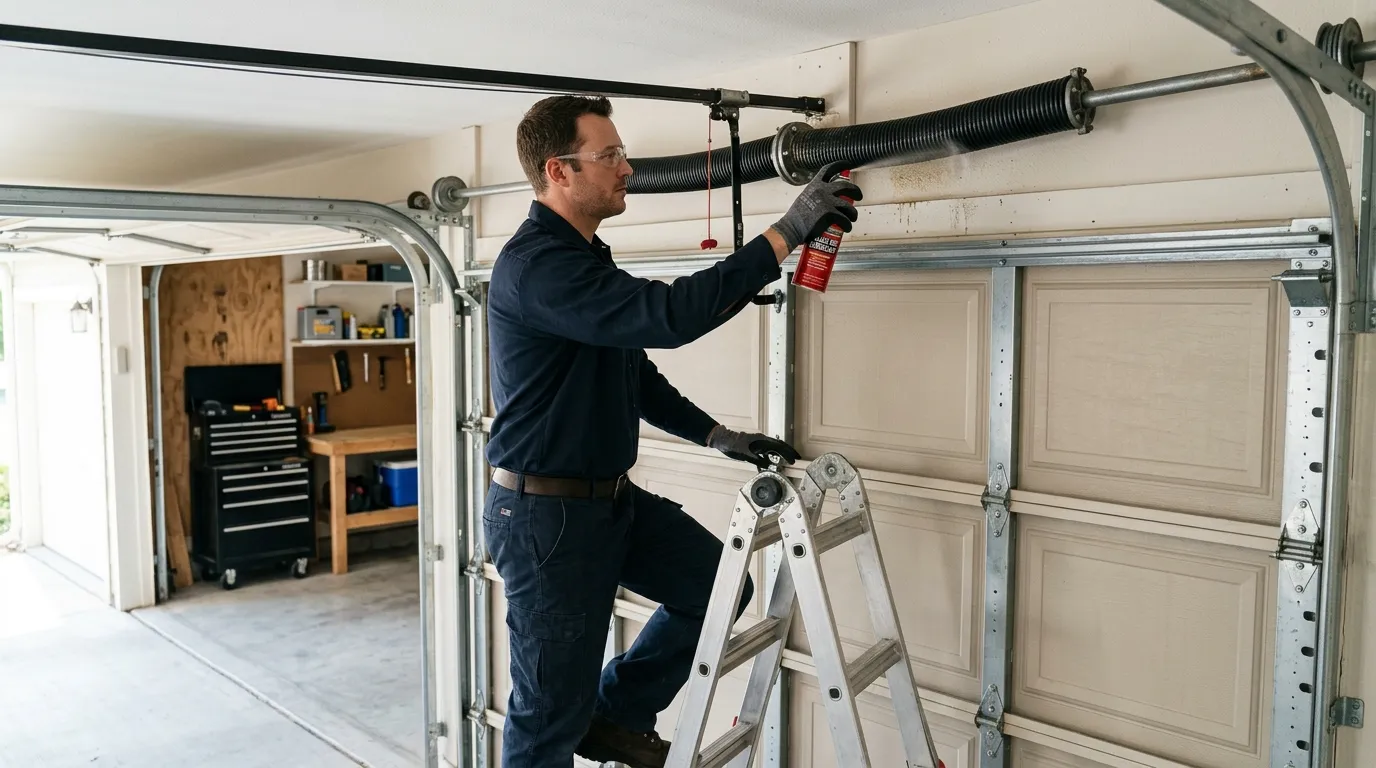
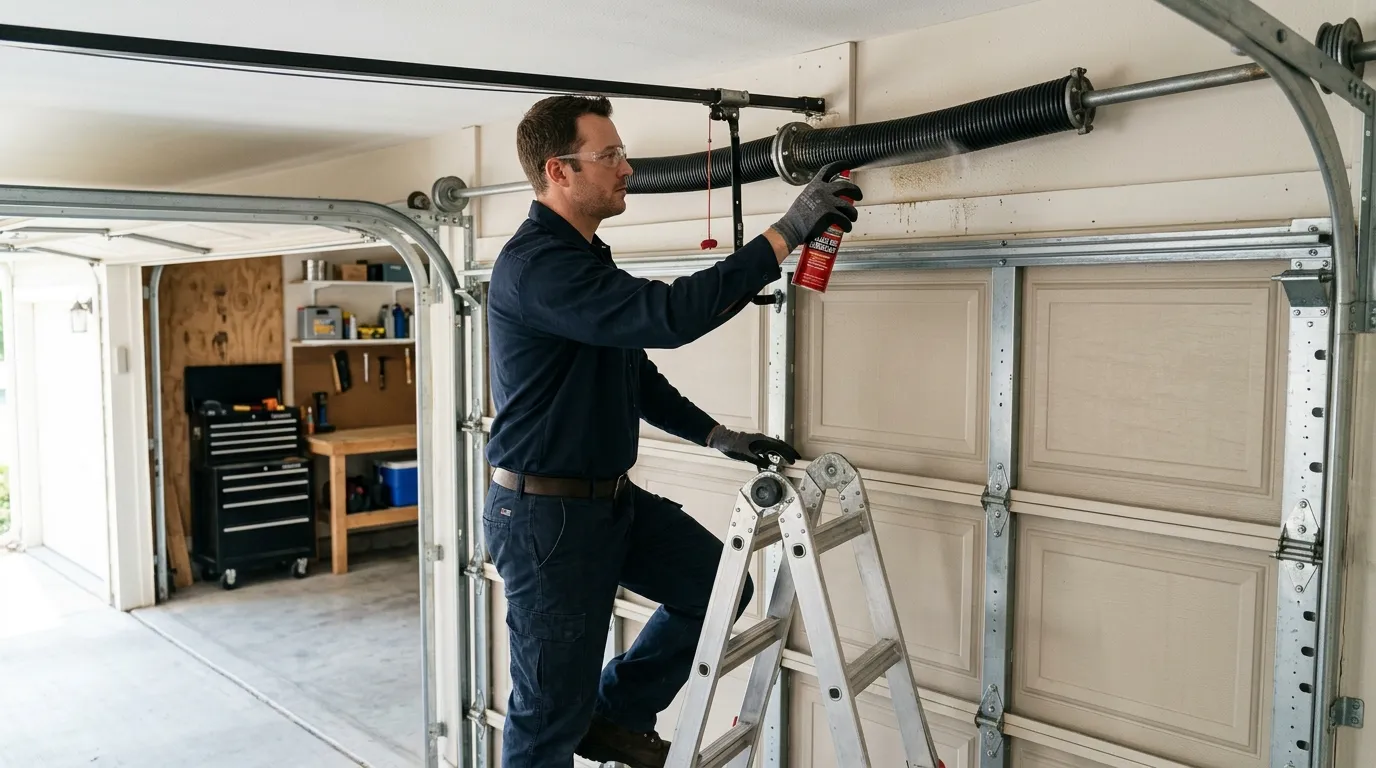
What you're seeing is usually one of three things: a torsion spring losing tension after decades of cycling, a track that's walked slightly out of plumb as the house settled, or an opener whose gears have worn past the point where lubrication helps. None of these show up overnight. They show up as a slow change in sound and speed that homeowners get used to until the door won't open at all. If your door drops fast on the way down or the cables look frayed, stop using it - that's not a maintenance visit anymore, that's a spring or cable job and it can hurt someone.
Booking a Visit
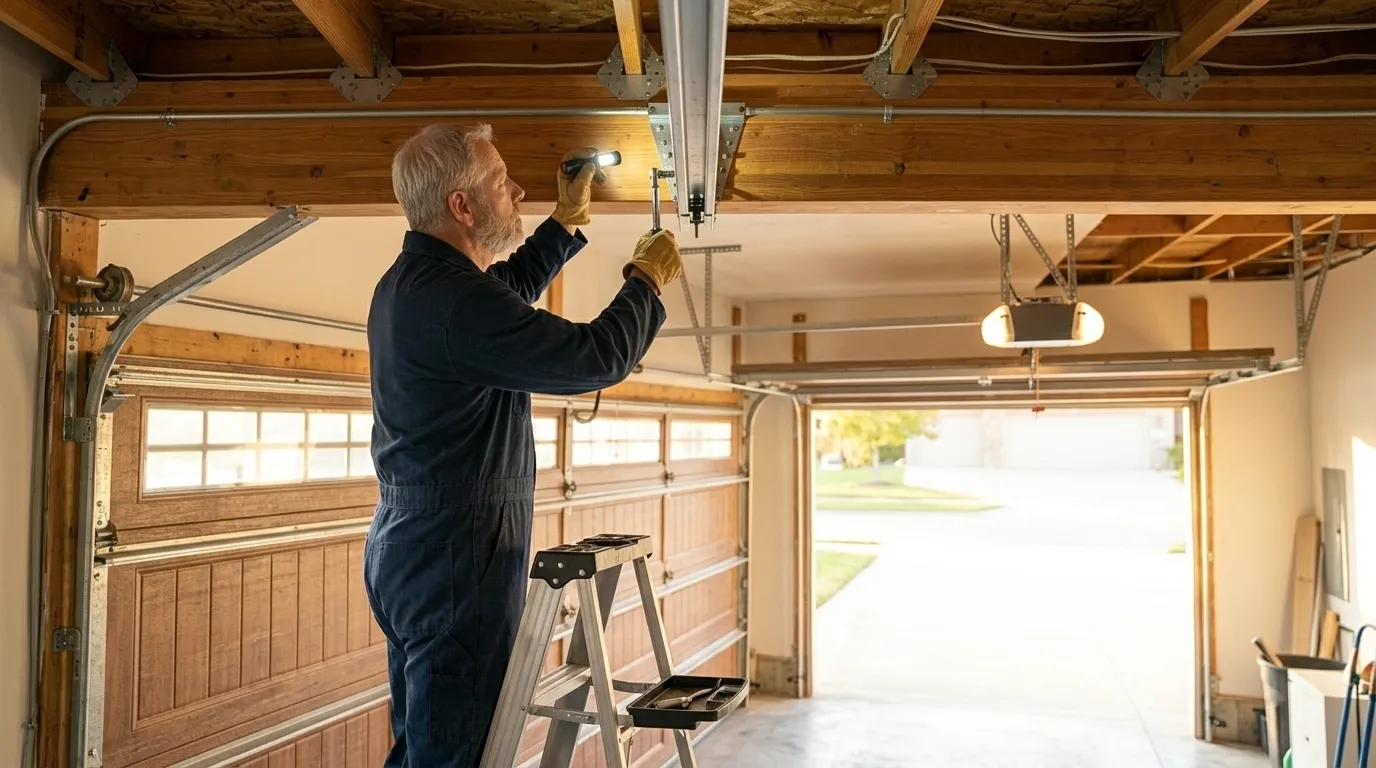
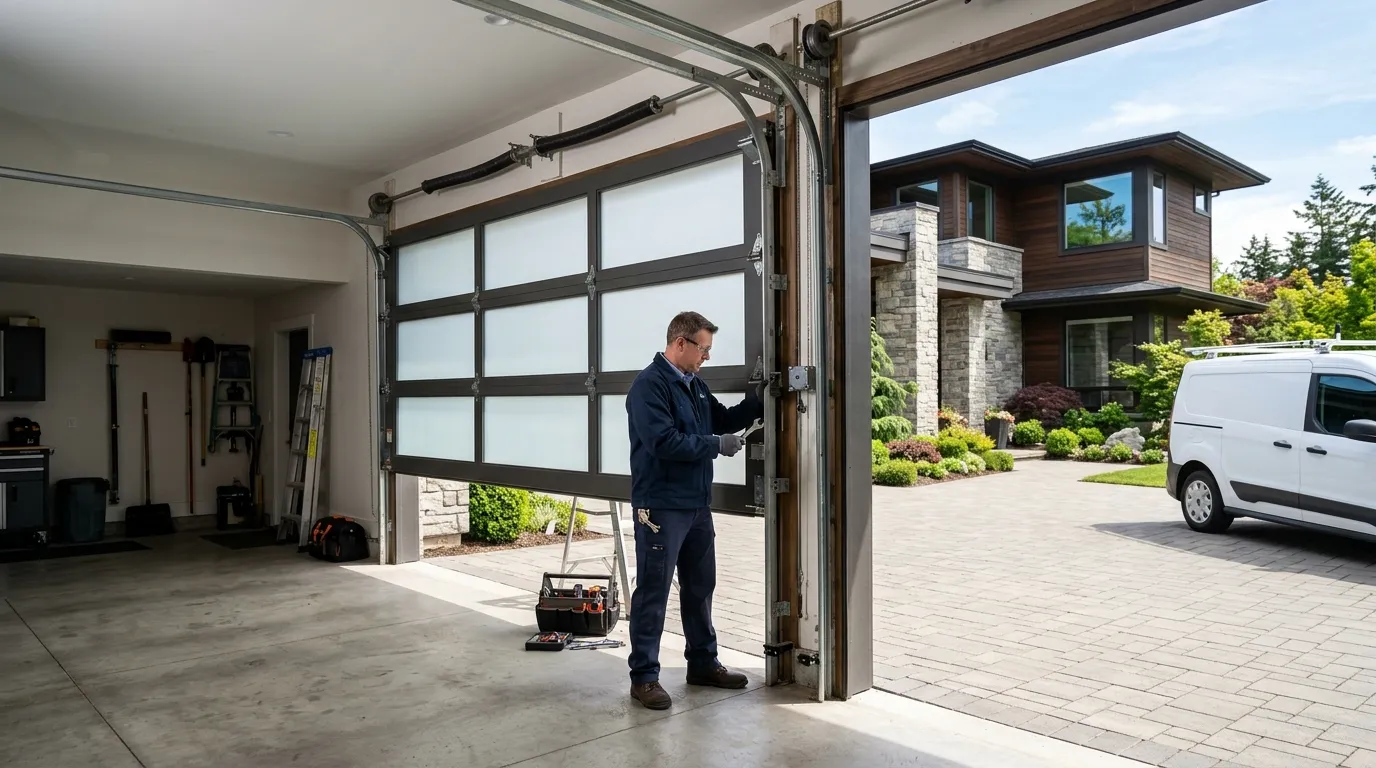
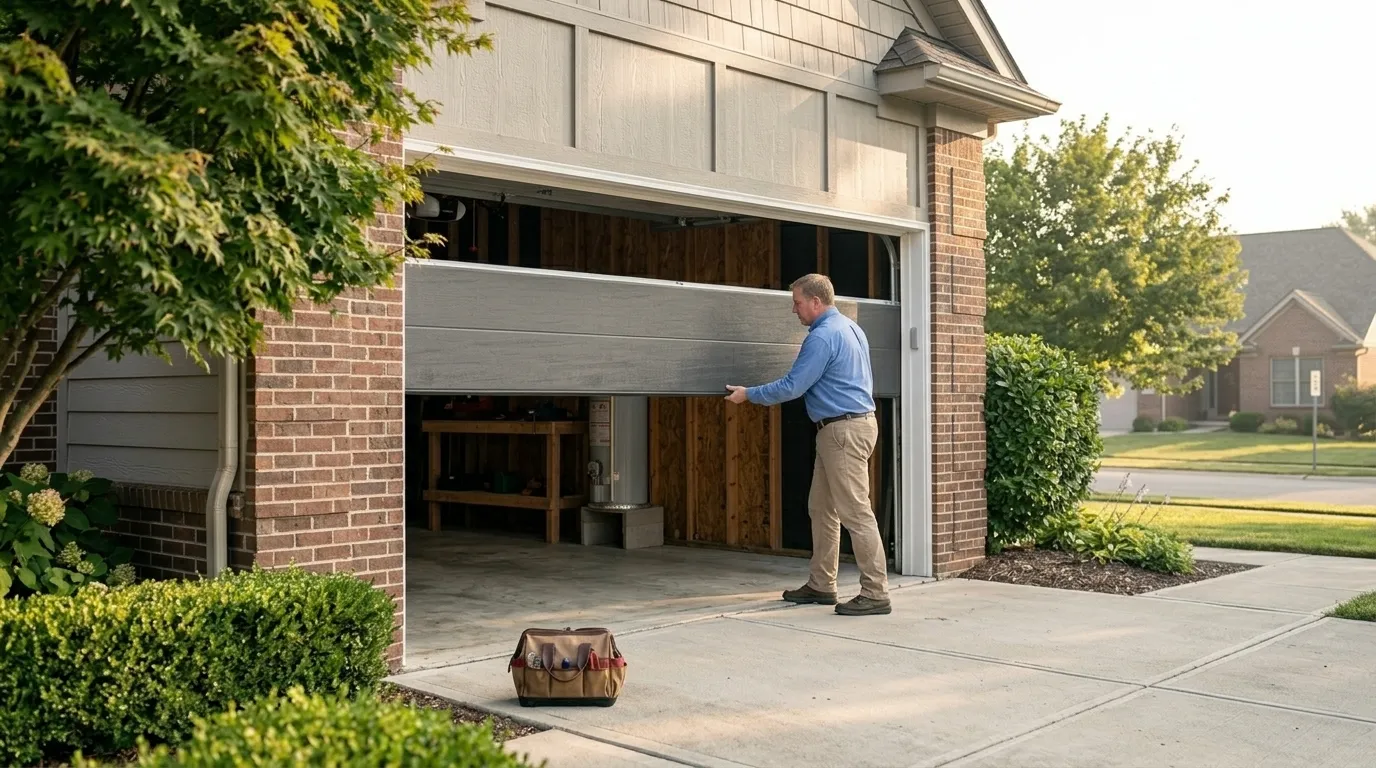
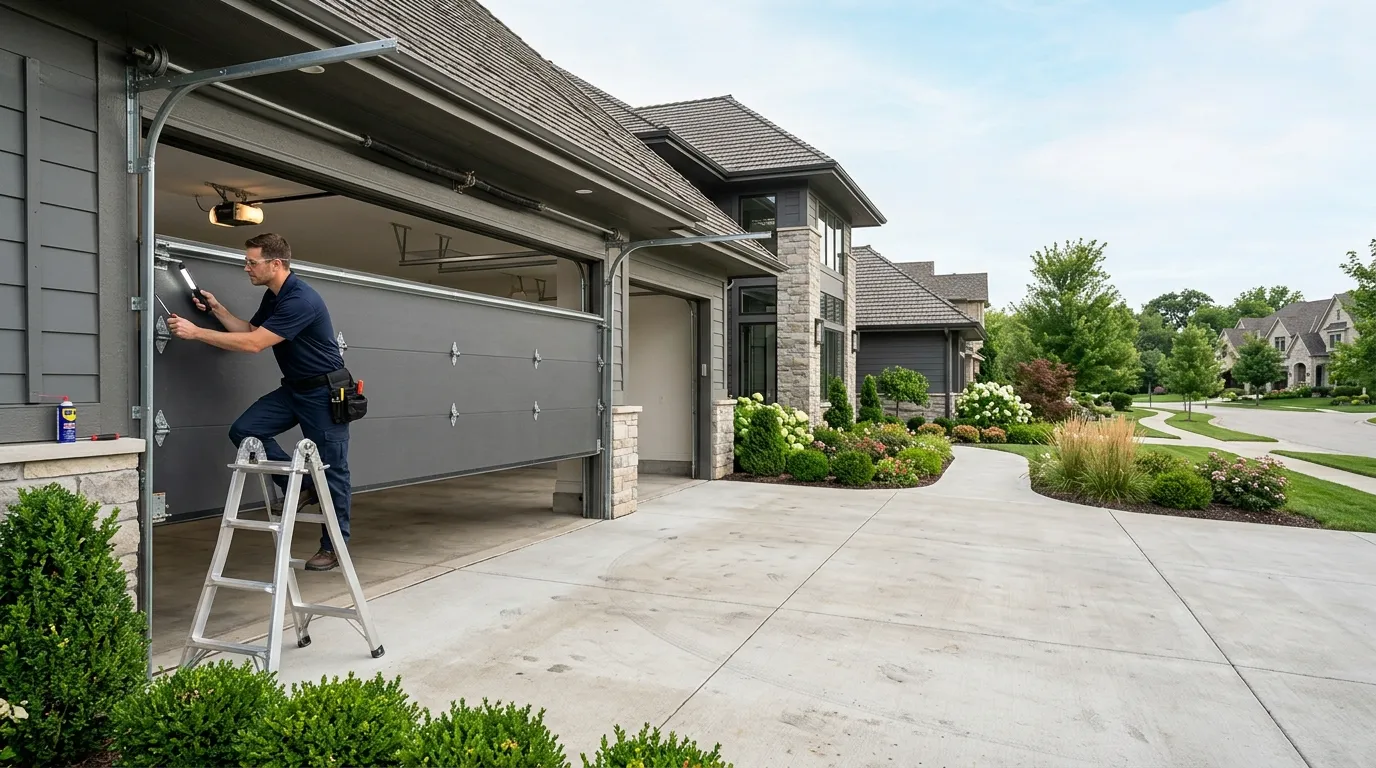
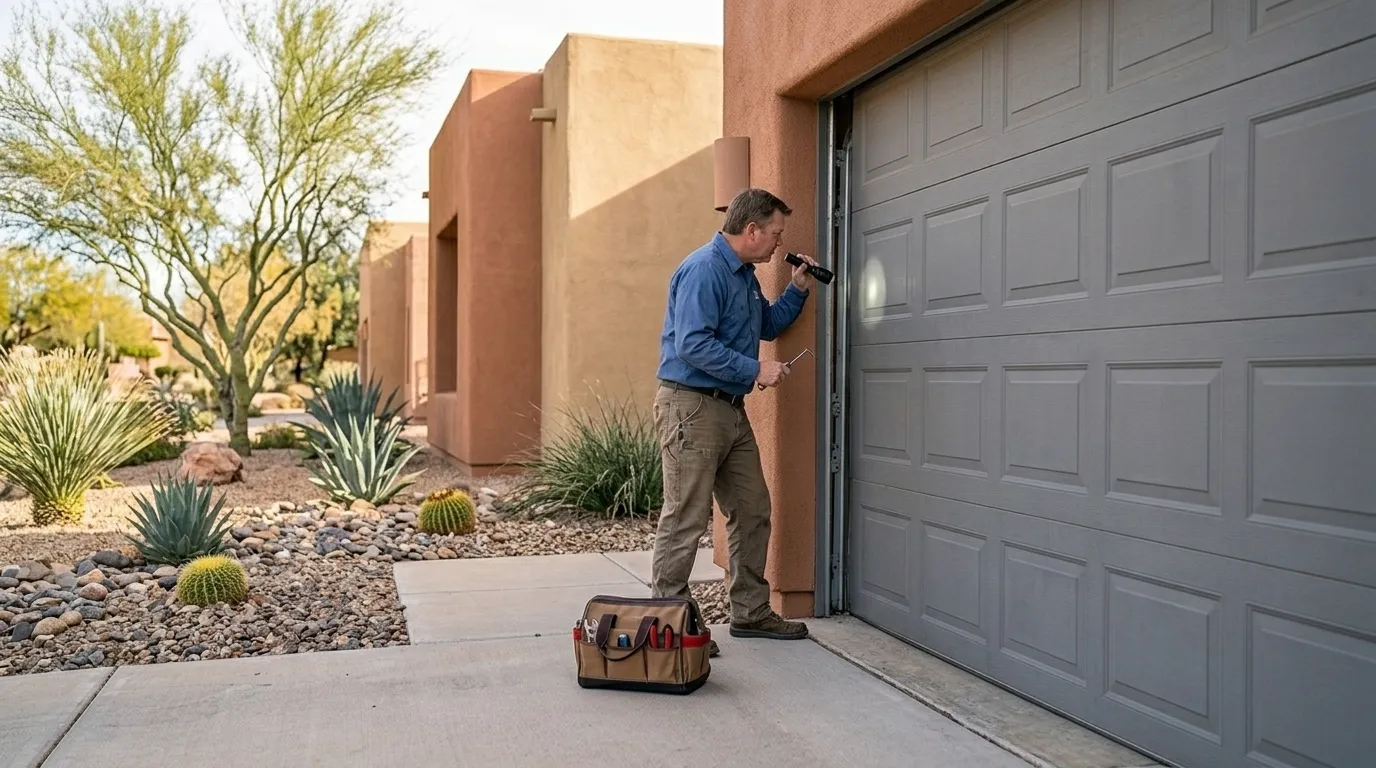
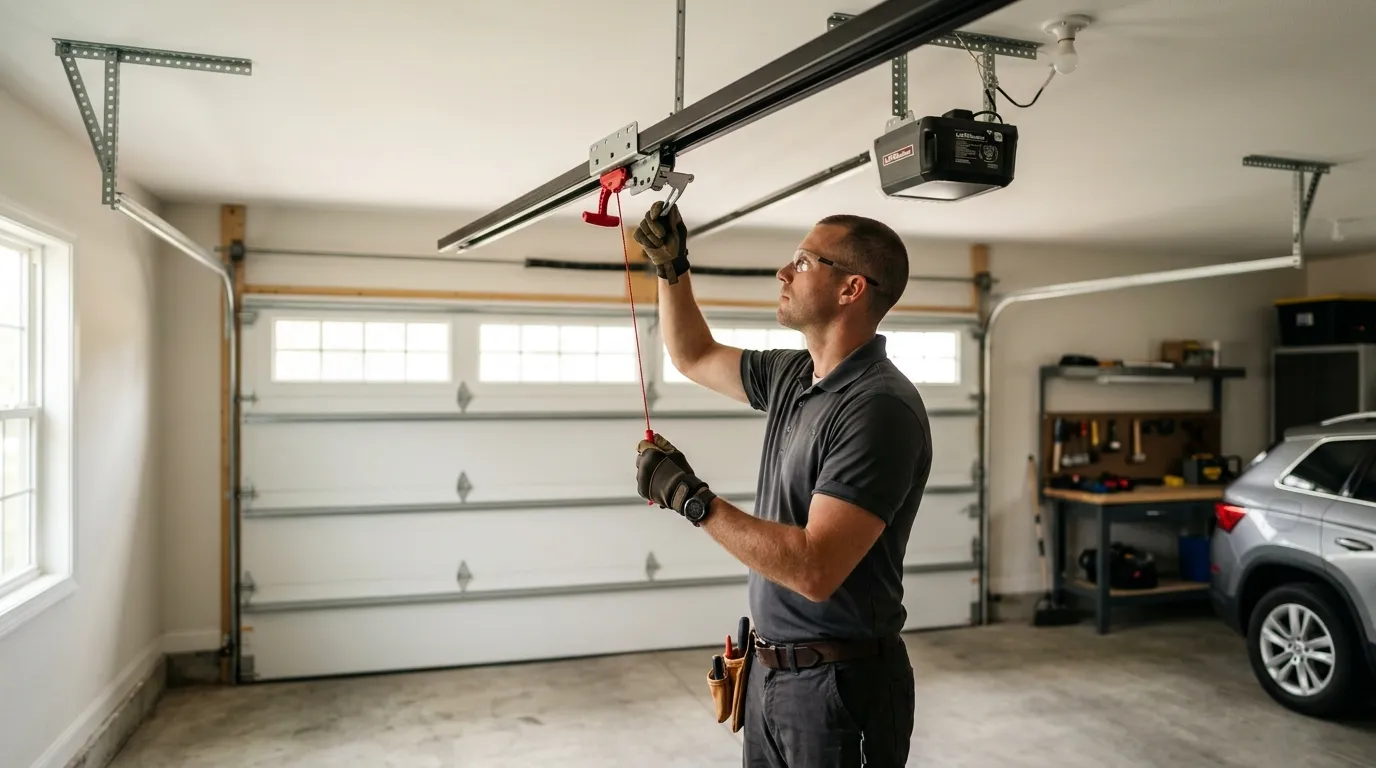
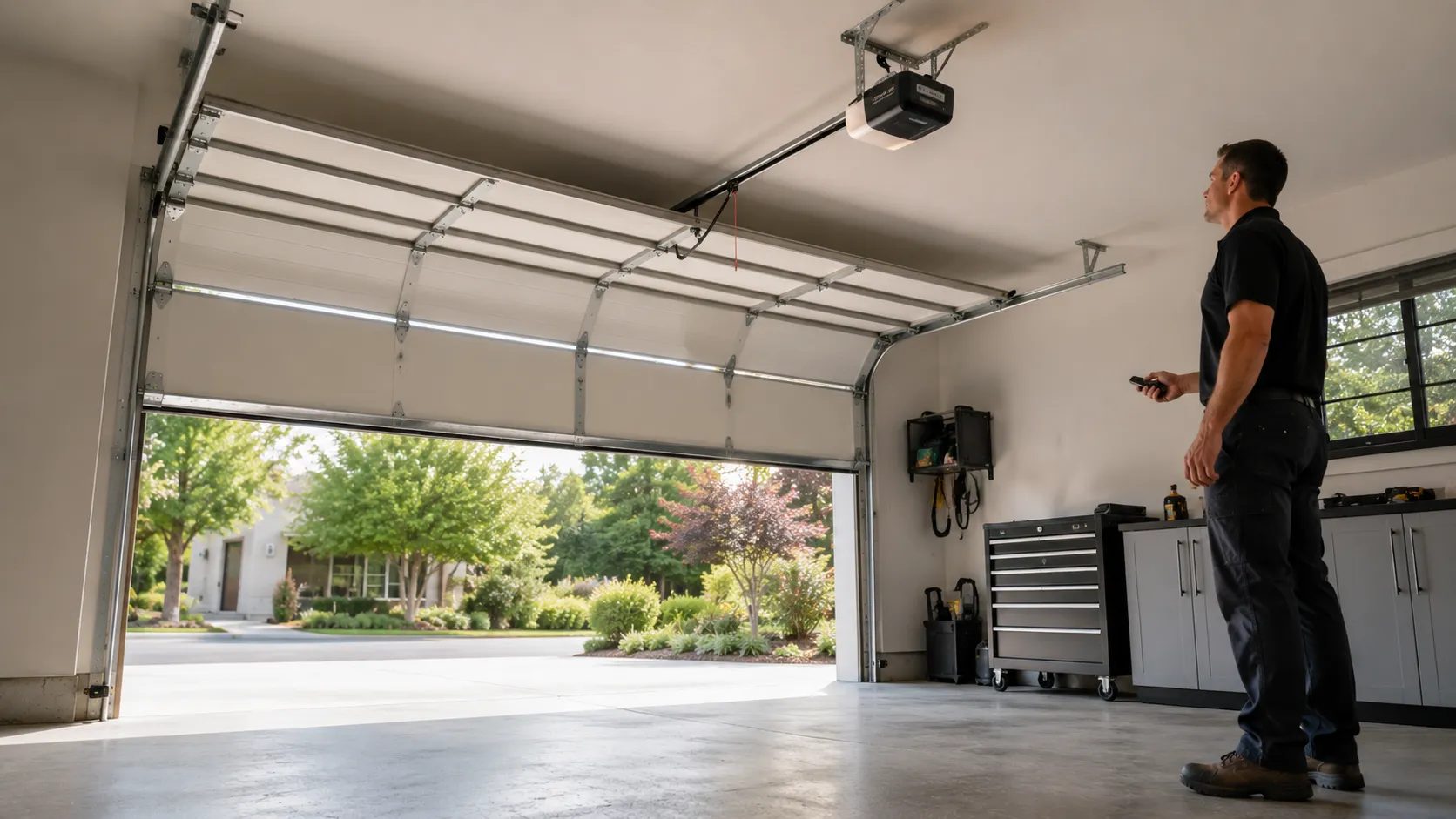
A maintenance visit is a check, not a wait-and-see. We look at spring tension, track alignment, roller condition, opener force settings, and the weatherstrip at the bottom panel, because that seal is doing more work here than it does somewhere with a milder winter. We tell you what's fine, what's wearing, and what's going to fail in the next year or two so you can plan for it instead of getting stuck without a working door on a Tuesday morning.
We don't upsell a full replacement on a maintenance call. If the door's sound, we say so and we leave. If something's close to the end, we'll tell you the honest timeline rather than push you into a job you don't need yet. One limit worth knowing up front: if a part on an older door is discontinued, we may need to order a compatible replacement rather than an exact match, and that can add a few days to a repair versus a straightforward tune-up. Booking regular maintenance is what keeps most doors out of that situation in the first place.
How We Fix It
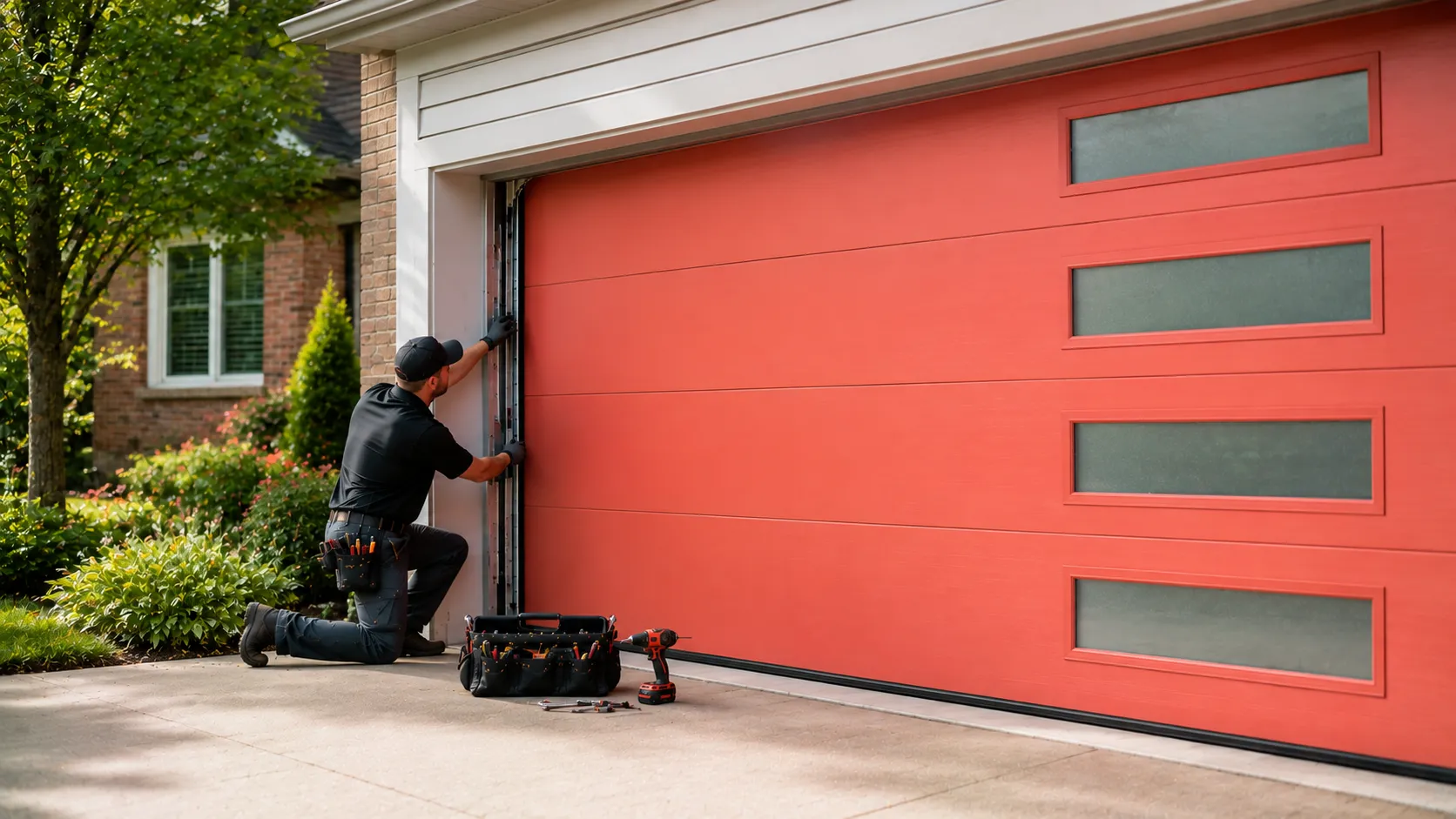
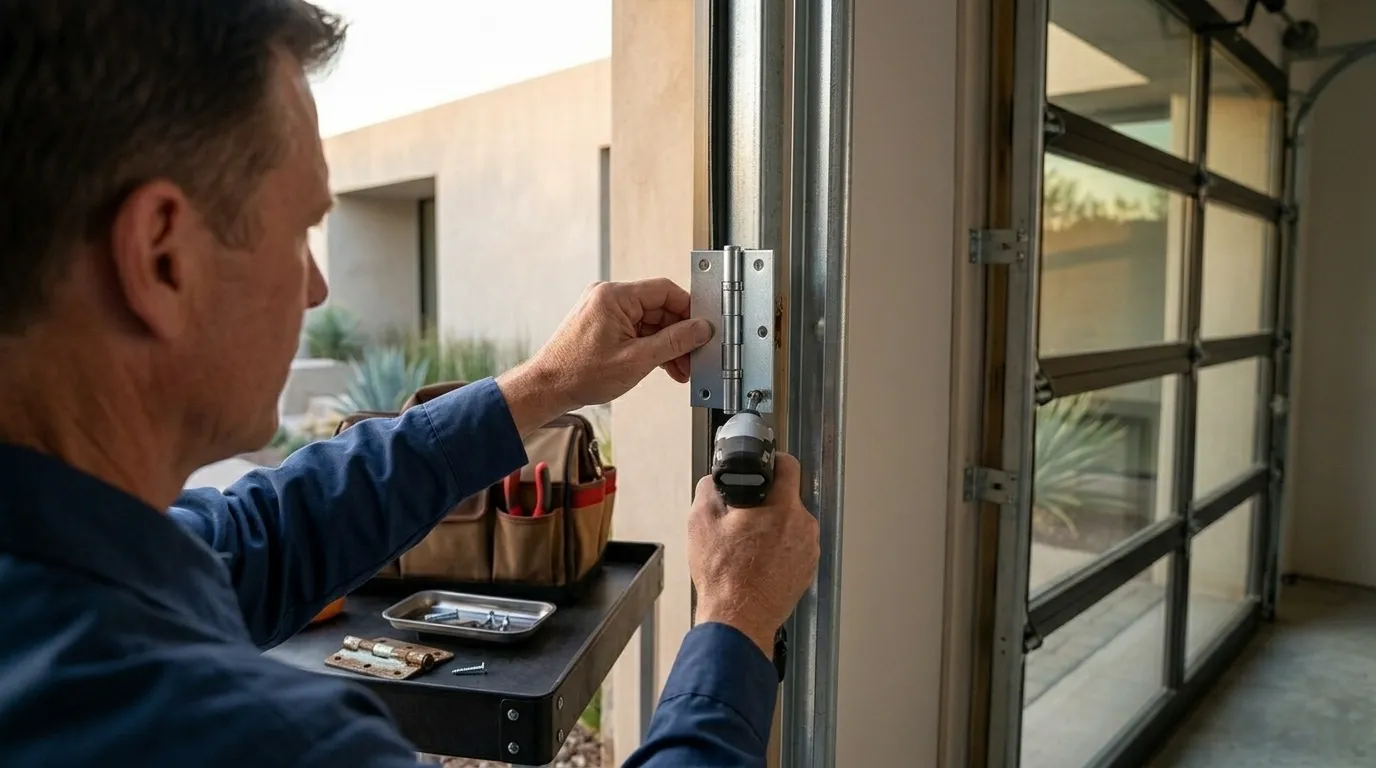
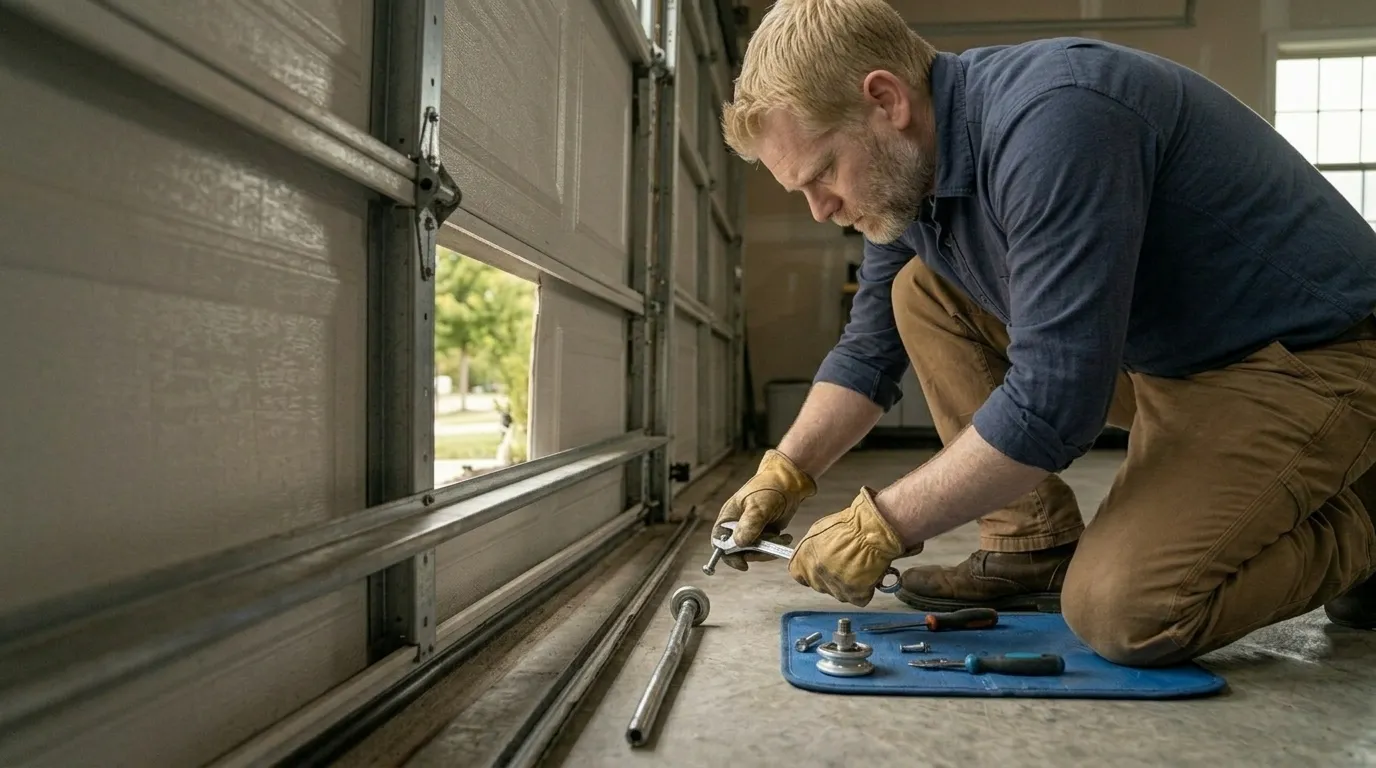
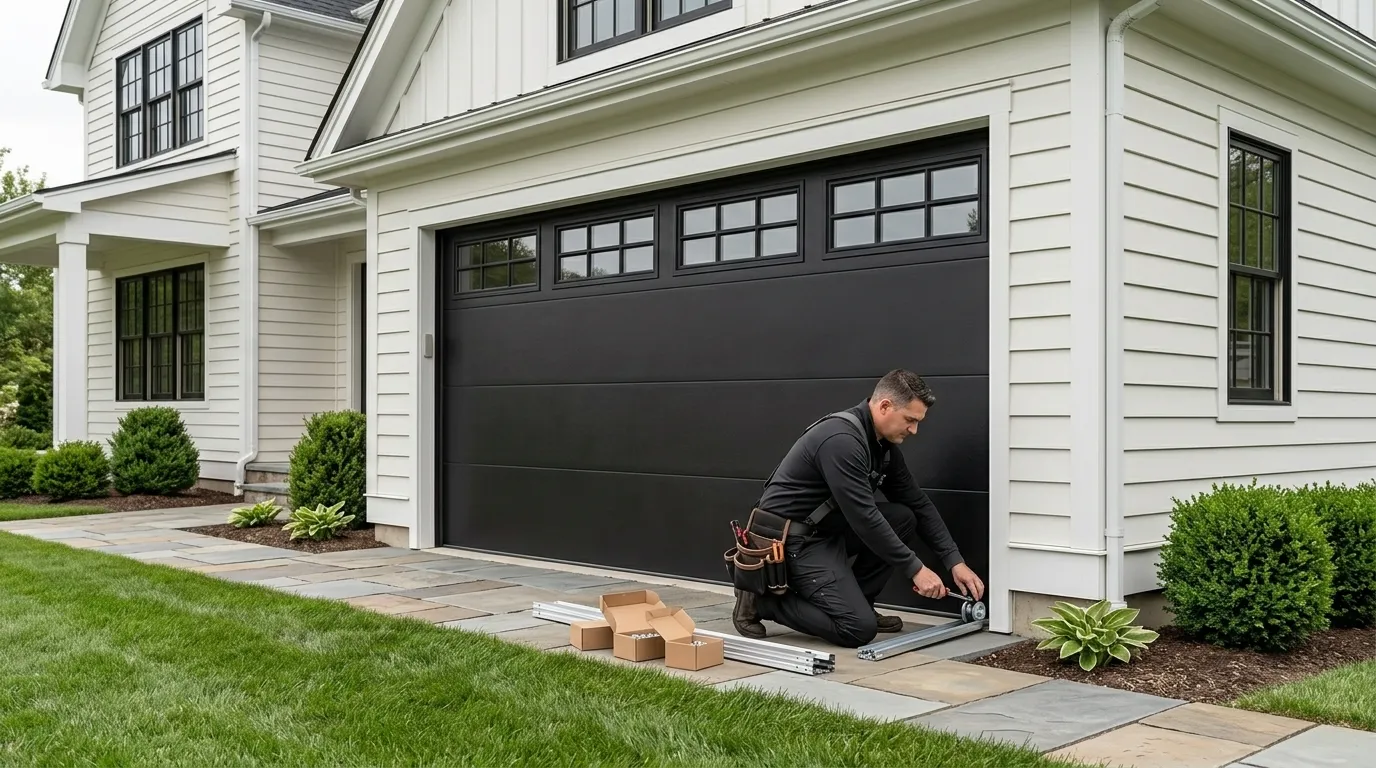
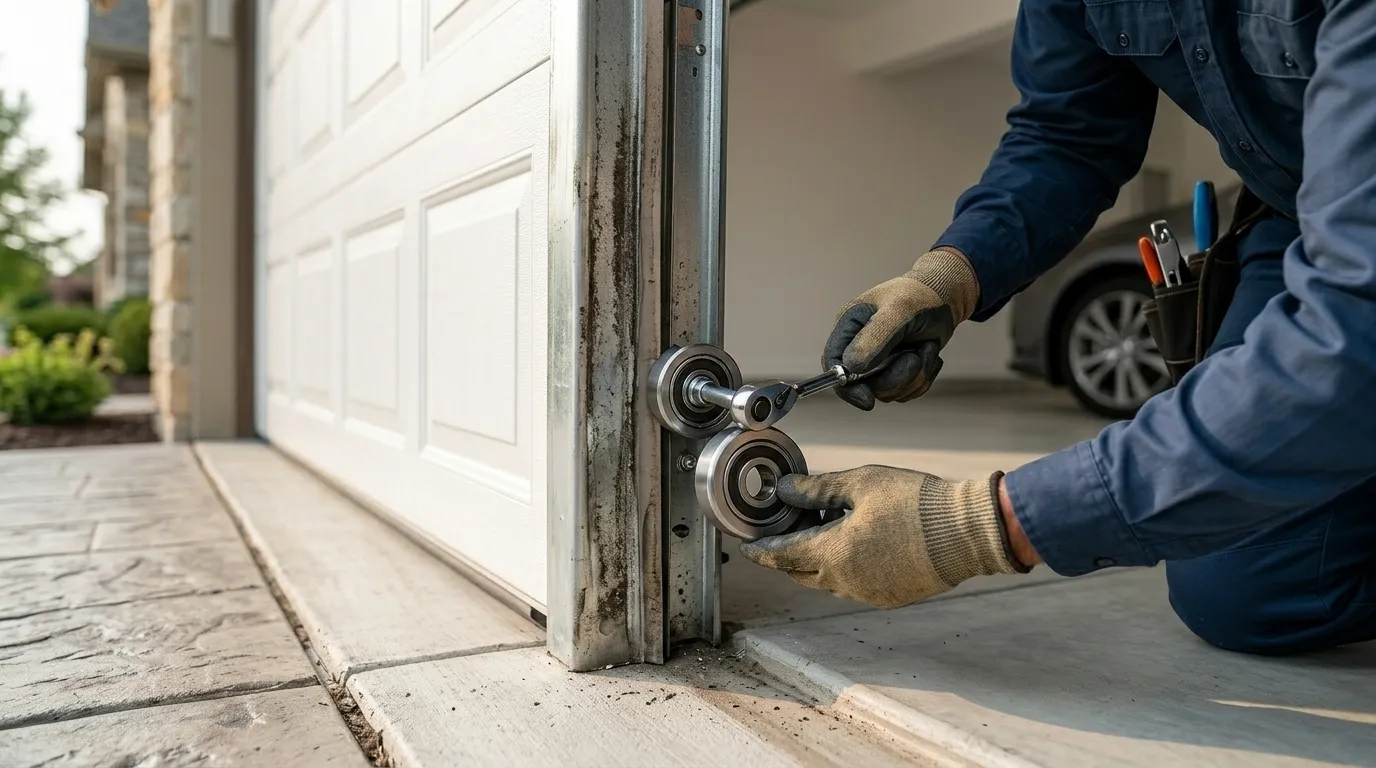
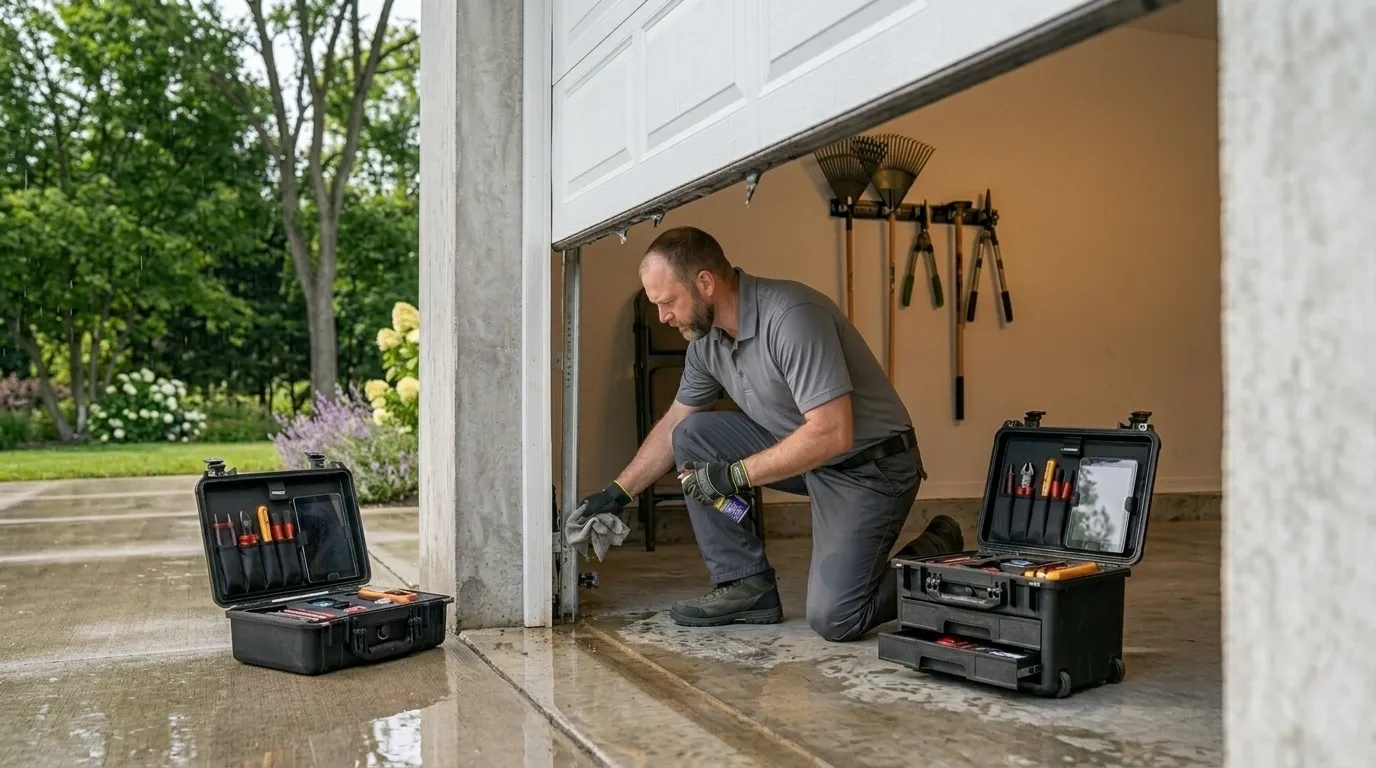
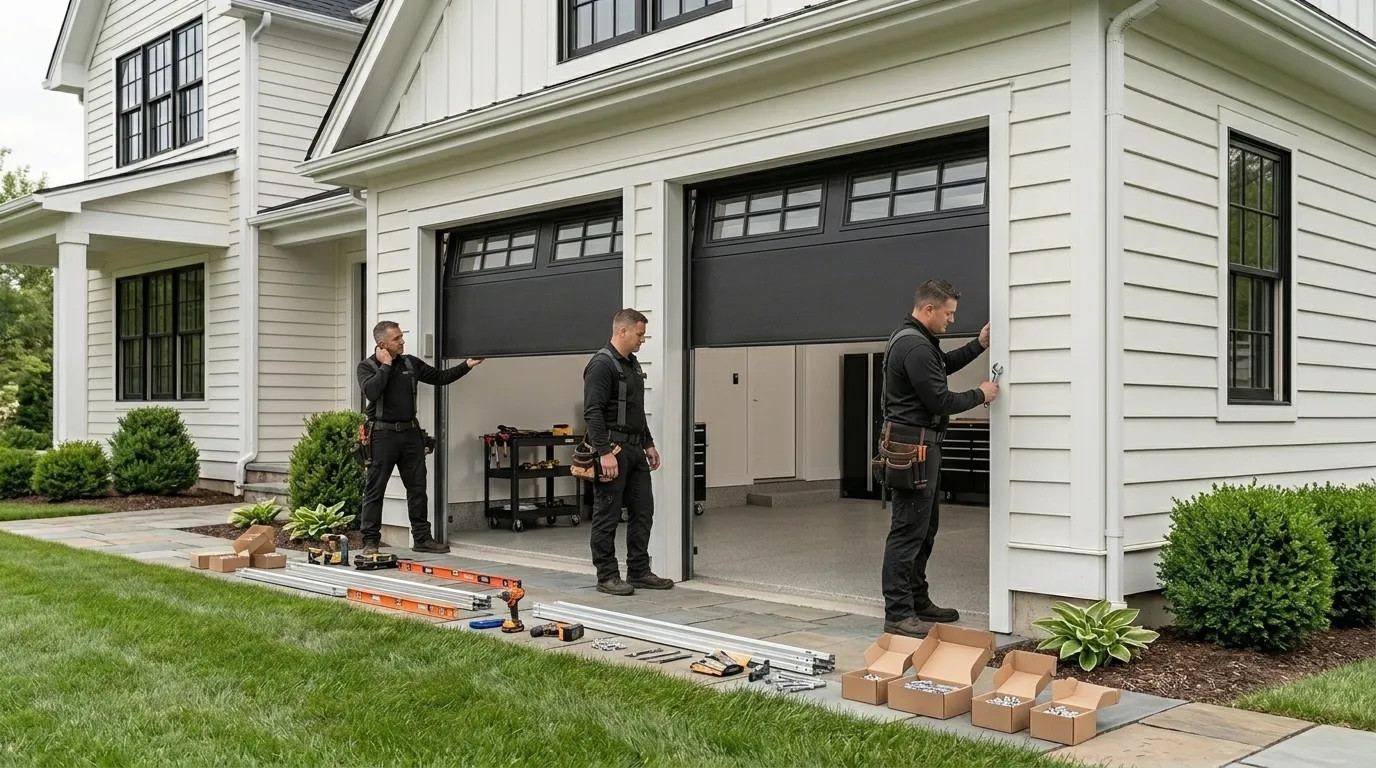
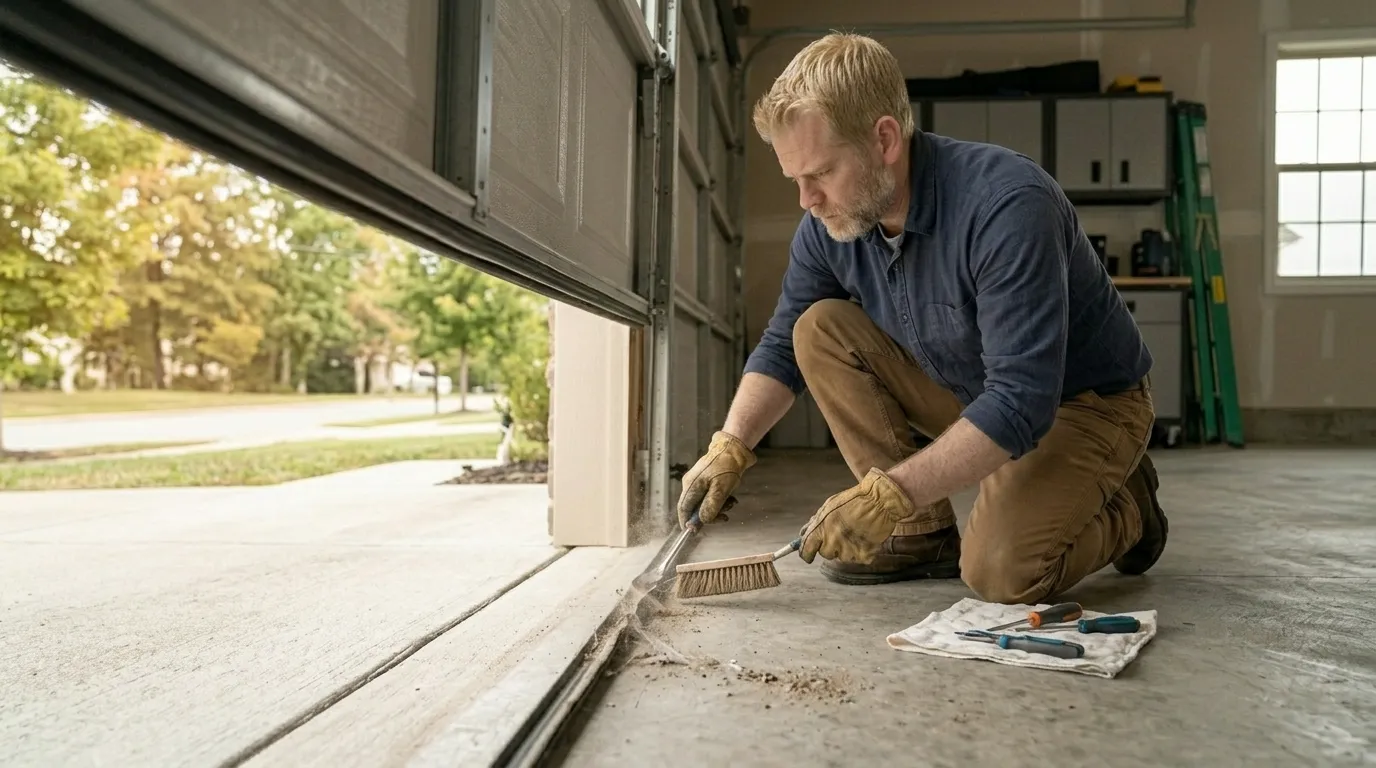
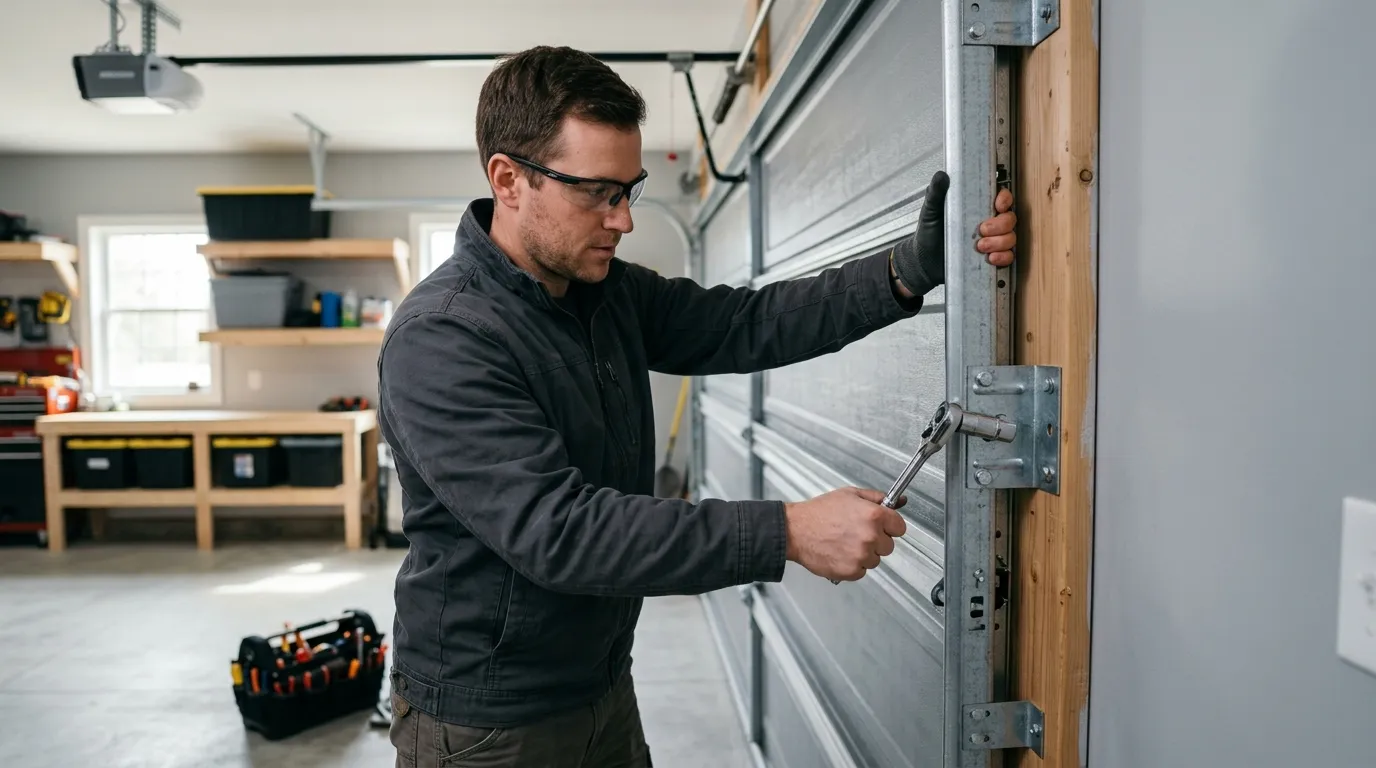
For most maintenance calls, the fix is adjustment, not replacement: retensioning a spring that's drifted, realigning a track that's a quarter inch out of plumb, swapping worn rollers before they crack, and resetting opener force and limit settings so the door isn't straining on every cycle. We also check the bottom seal and weatherstrip, since a gap there lets cold air and moisture into the garage all winter, which speeds up rust on cables and hinges.
Where the household income and housing data for this area point to a lot of long-term owners rather than frequent turnover, we see the same pattern often: a door that's had one owner and one install, aging quietly until something finally slips. Catching that early with a scheduled visit is cheaper and faster than an emergency call after a spring snaps. If a part is too worn or too old to adjust safely, we'll tell you that directly and price the repair instead of stretching a tune-up to cover something it can't fix.