Doing It Yourself
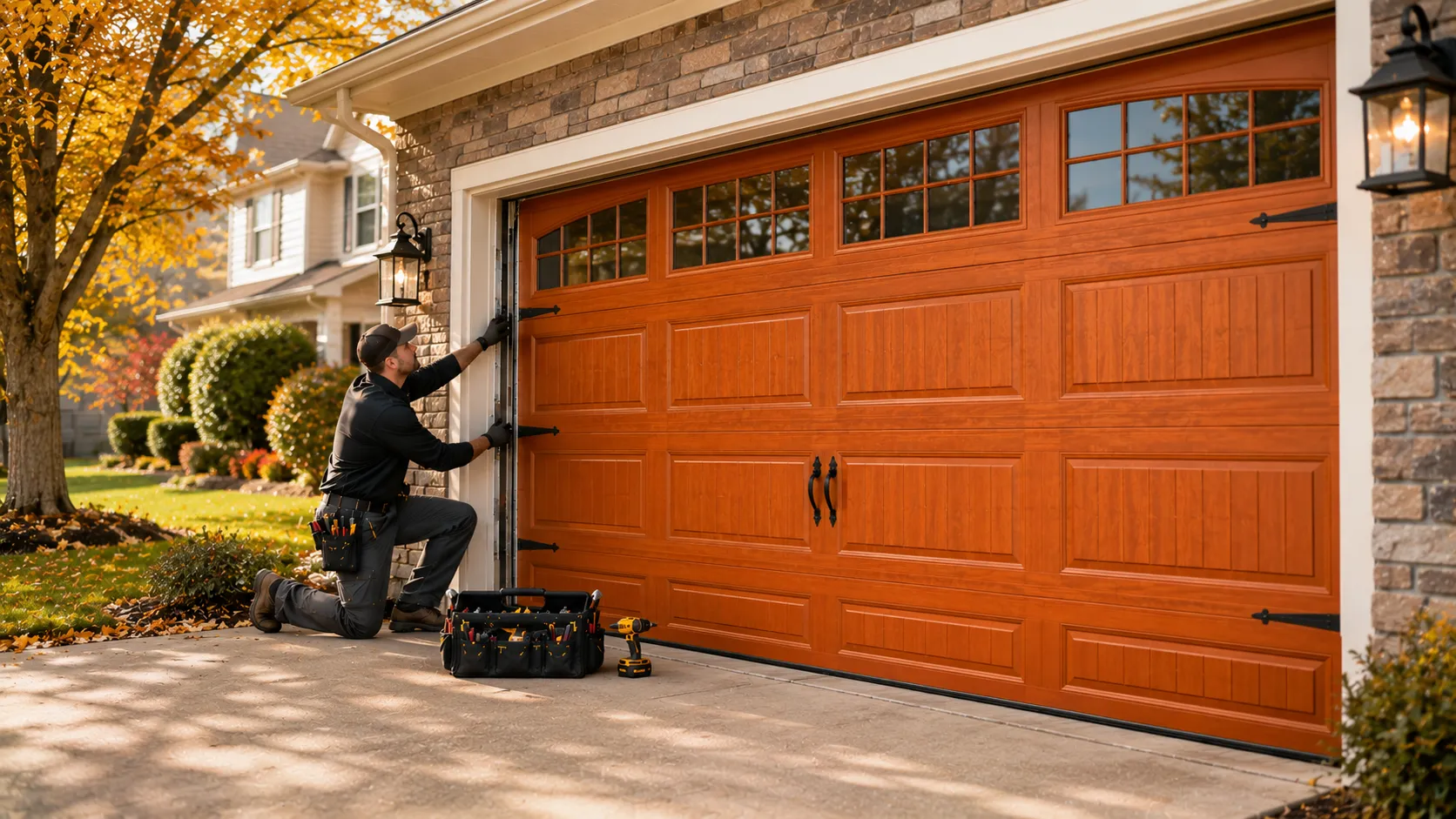
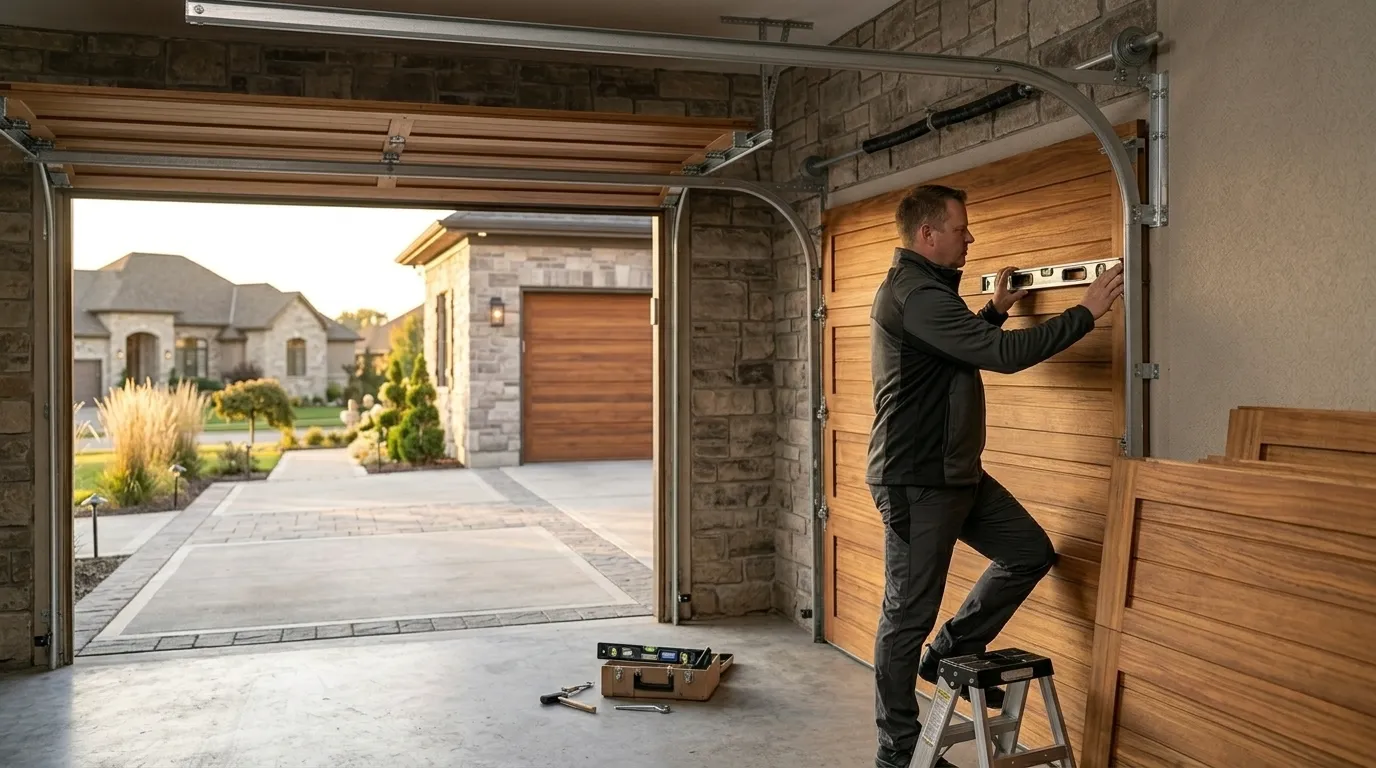
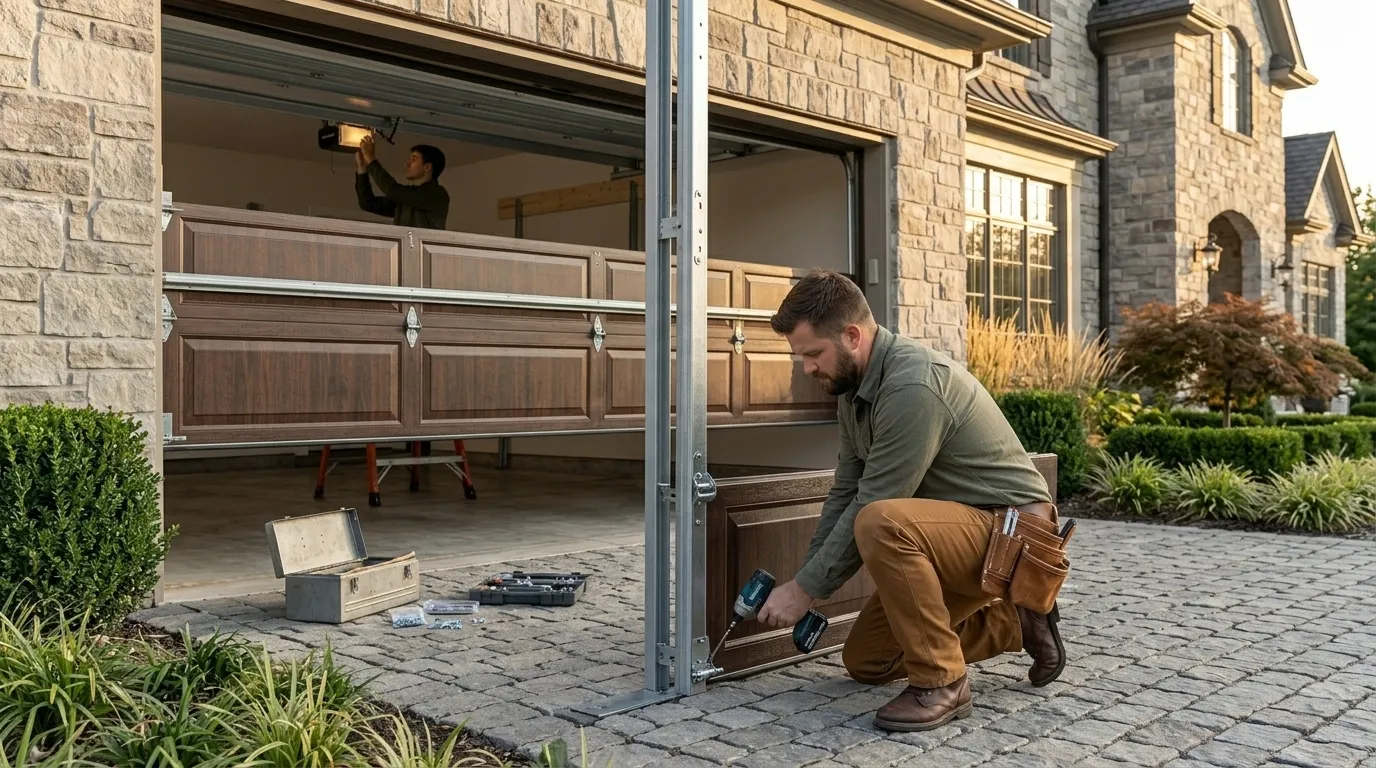
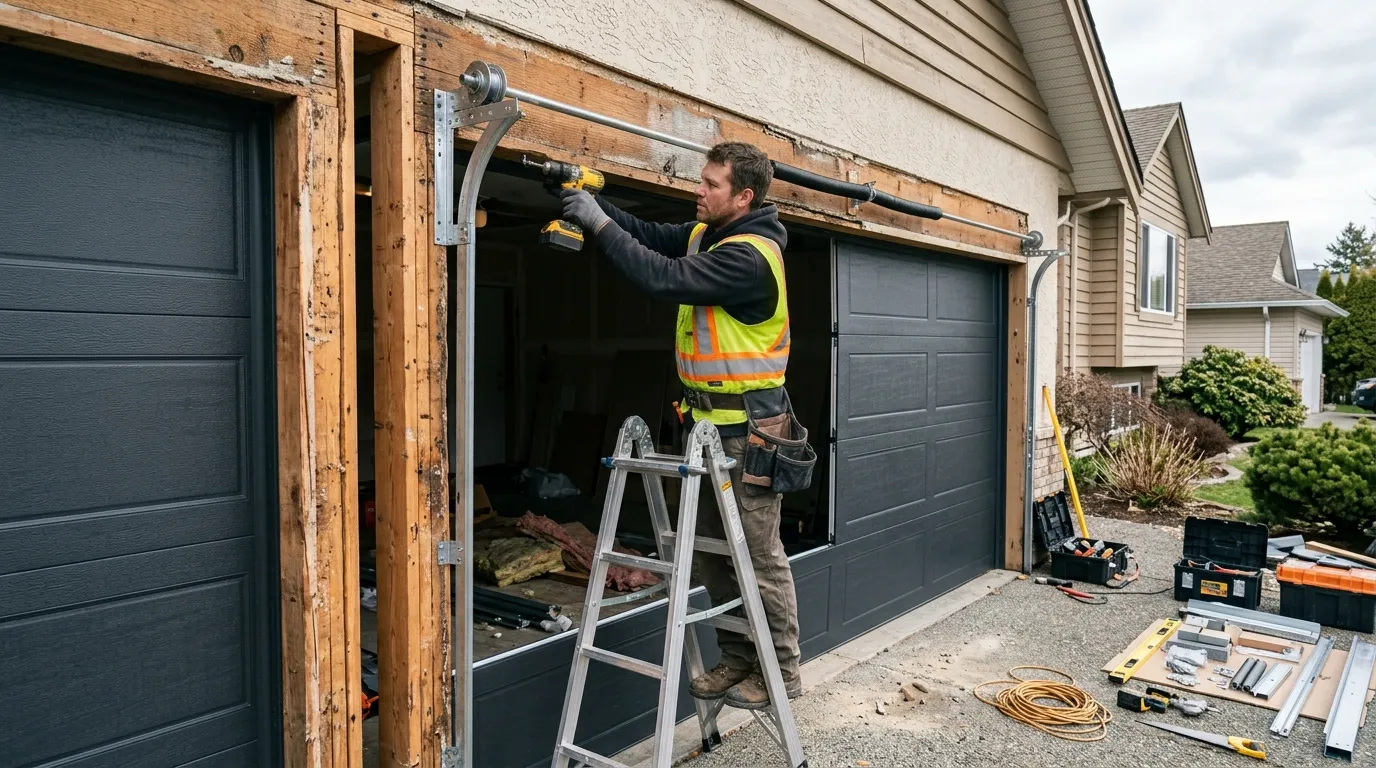
A lot of the openers we replace out this way were put in by the homeowner, and plenty of that work is fine. If your garage has a wood header in good shape and you're running a standard 7-foot single door, a belt-drive kit from a box store will bolt up the way the instructions show it. Where DIY gets people in Dearborn Heights specifically is headroom and bracket spacing on houses built around 1958 - a lot of these garages were framed for a lighter, older-style door, and the header bracket that comes in a new opener kit doesn't always match the ceiling clearance or the joist spacing you've got. We've seen openers mounted on lag bolts driven into nothing but drywall because the joist wasn't where the instructions assumed it would be. If you're comfortable with a stud finder and a torque wrench, go ahead. If you're not sure what's above that ceiling, that's the one part of this job worth paying for. We won't pretend every install needs a pro - plenty don't.
How Long It Takes
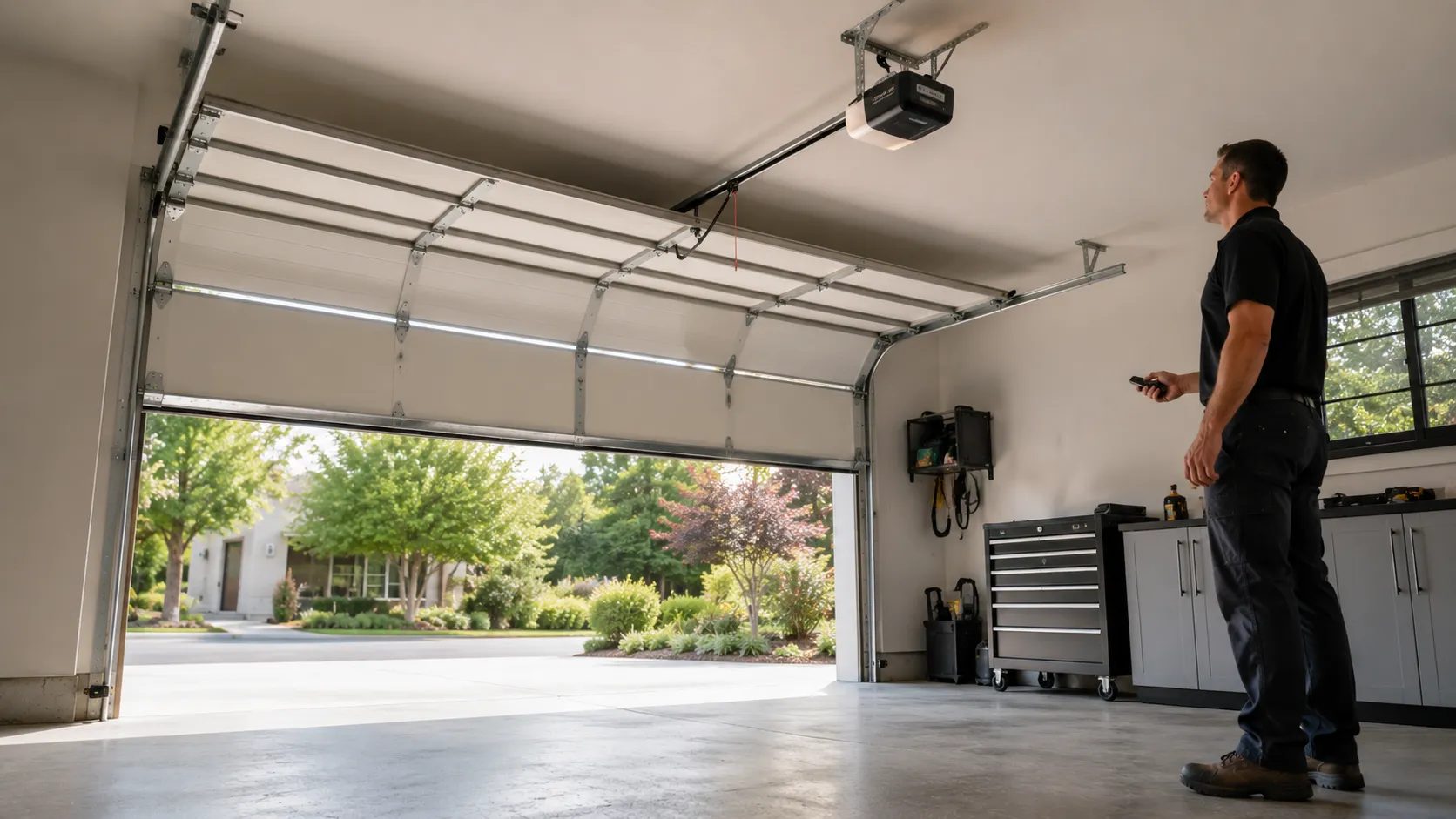
A straight swap - old opener out, new one in, same rail length, same door - usually runs under two hours once the truck is on site. Add another hour if the mounting bracket has to be rebuilt for a joist that isn't where a stock kit expects it, which comes up more in this part of the service area than it does back in Livonia because of how much of the housing stock here predates the newer opener hardware standards. We come from Livonia, six miles out, so figure that into when you call - we're not sitting in a Dearborn Heights lot waiting on a dispatch, we're driving over. That's not a knock on the job, just how the route works. Same-day is realistic for most weekday mornings; it's not something we promise over the phone.
What You Are Seeing
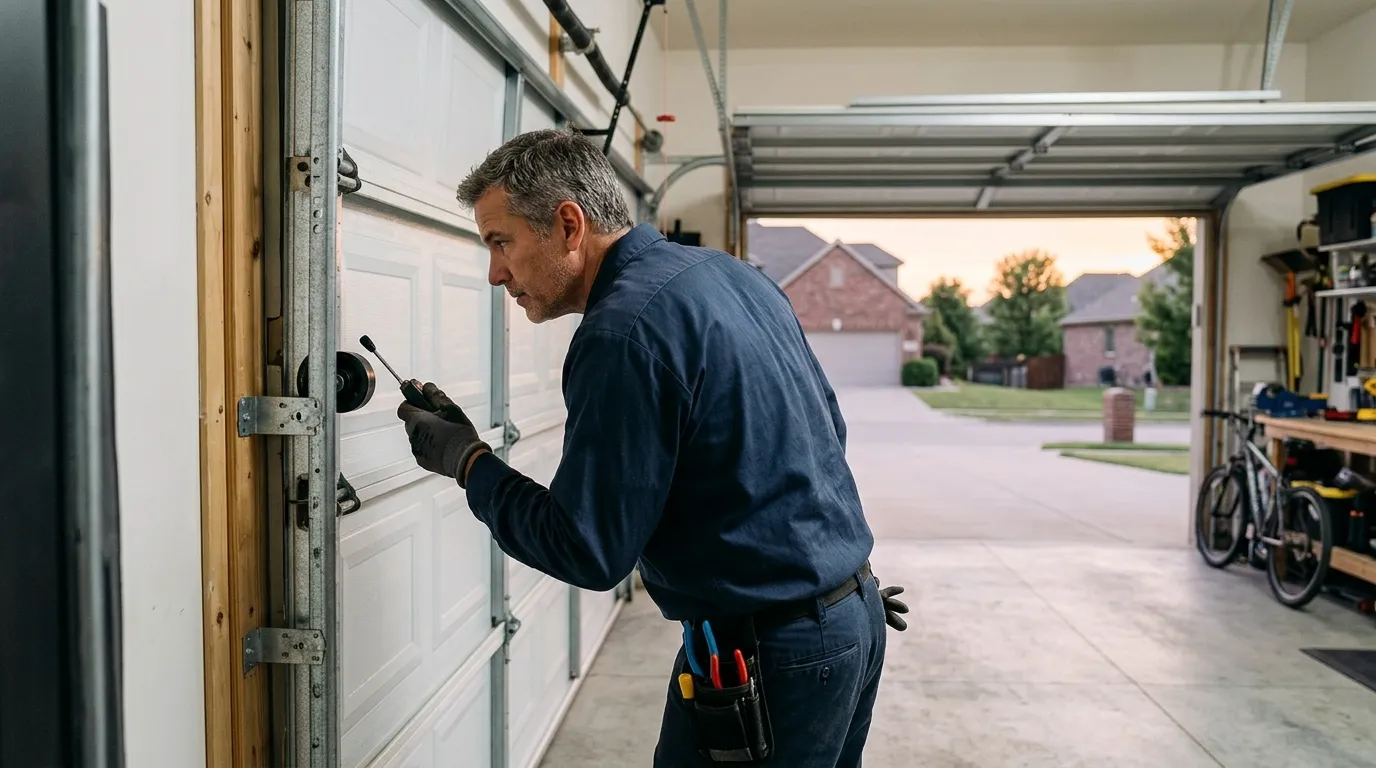
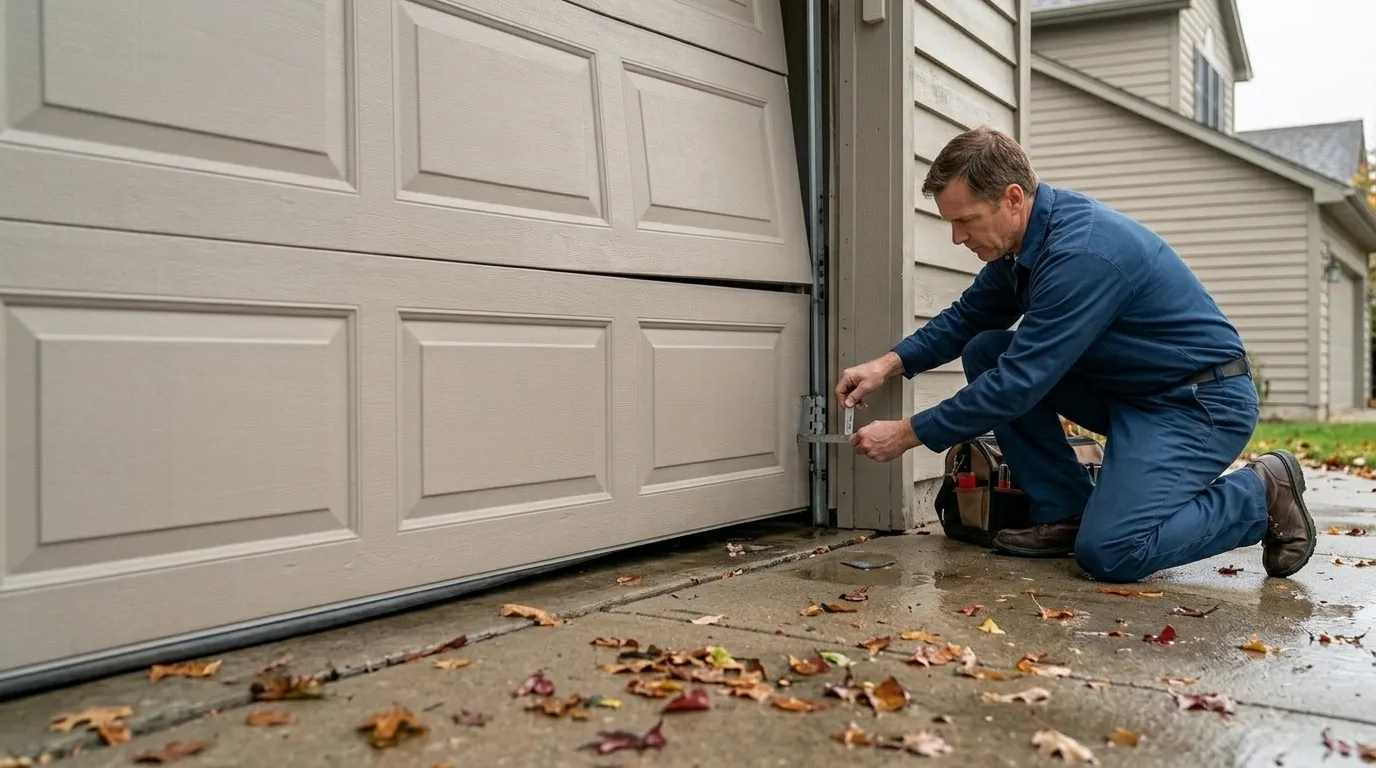
The opener runs but the door doesn't move, or it moves an inch and stops - that's usually the drive gear stripped, common on units that have been fighting an undersized rail bracket for years. A door that reverses right after it touches the floor is a limit switch out of adjustment, often because the bracket itself has shifted on old lag bolts. Grinding or a loud pop on cold mornings, then normal operation once the garage warms up, points to a chain or belt working against a mount that isn't rigid anymore. If the light blinks and the motor hums but nothing moves, that's almost always the capacitor or the gear, not the door itself - worth knowing before you replace a spring that was never the problem.
The Complications
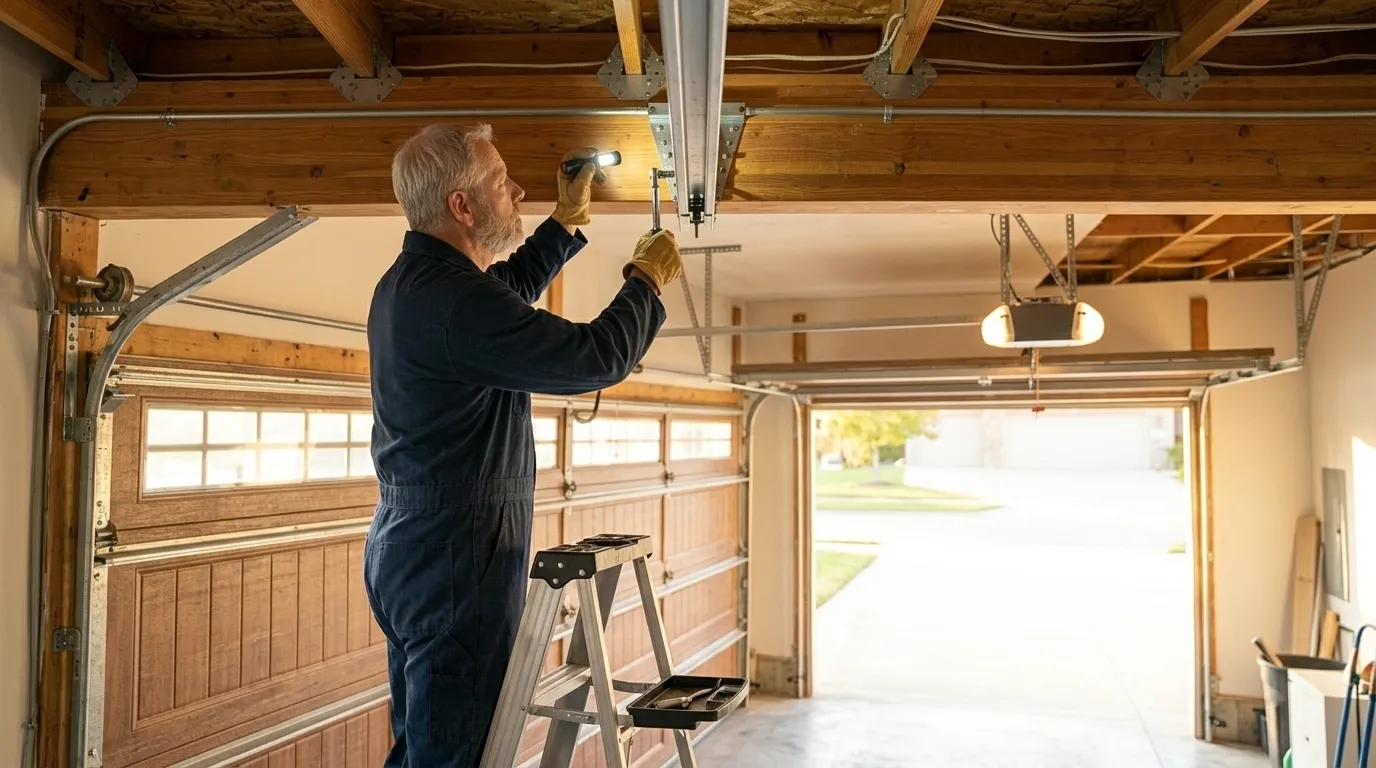
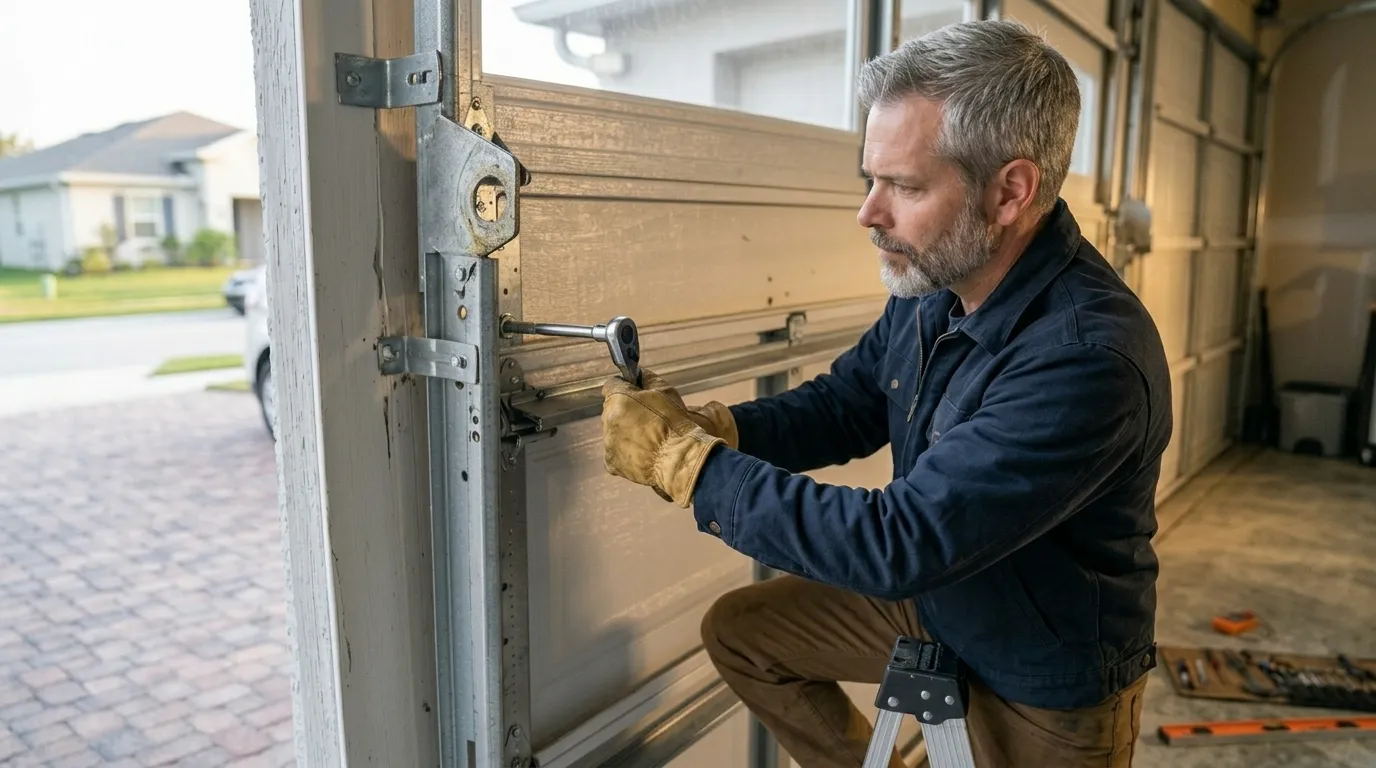
The complication we run into most in Dearborn Heights isn't the opener - it's what it's bolted to. A house built around 1958 sometimes has a header that was fine for the original door and hardware but isn't rated for a heavier insulated door if the owner upgraded the door without upgrading the frame. We check that before we quote anything, because installing a new opener on a header that can't take the load isn't a fix, it's a delay. Low headroom shows up too, more here than in newer construction - some garages don't have the clearance a standard rail kit assumes, which means a low-headroom rail or a jackshaft setup instead of the kit you'd get off a shelf. We'll tell you straight if your garage needs bracket or header work before an opener goes in; we don't install onto something we don't trust to hold.