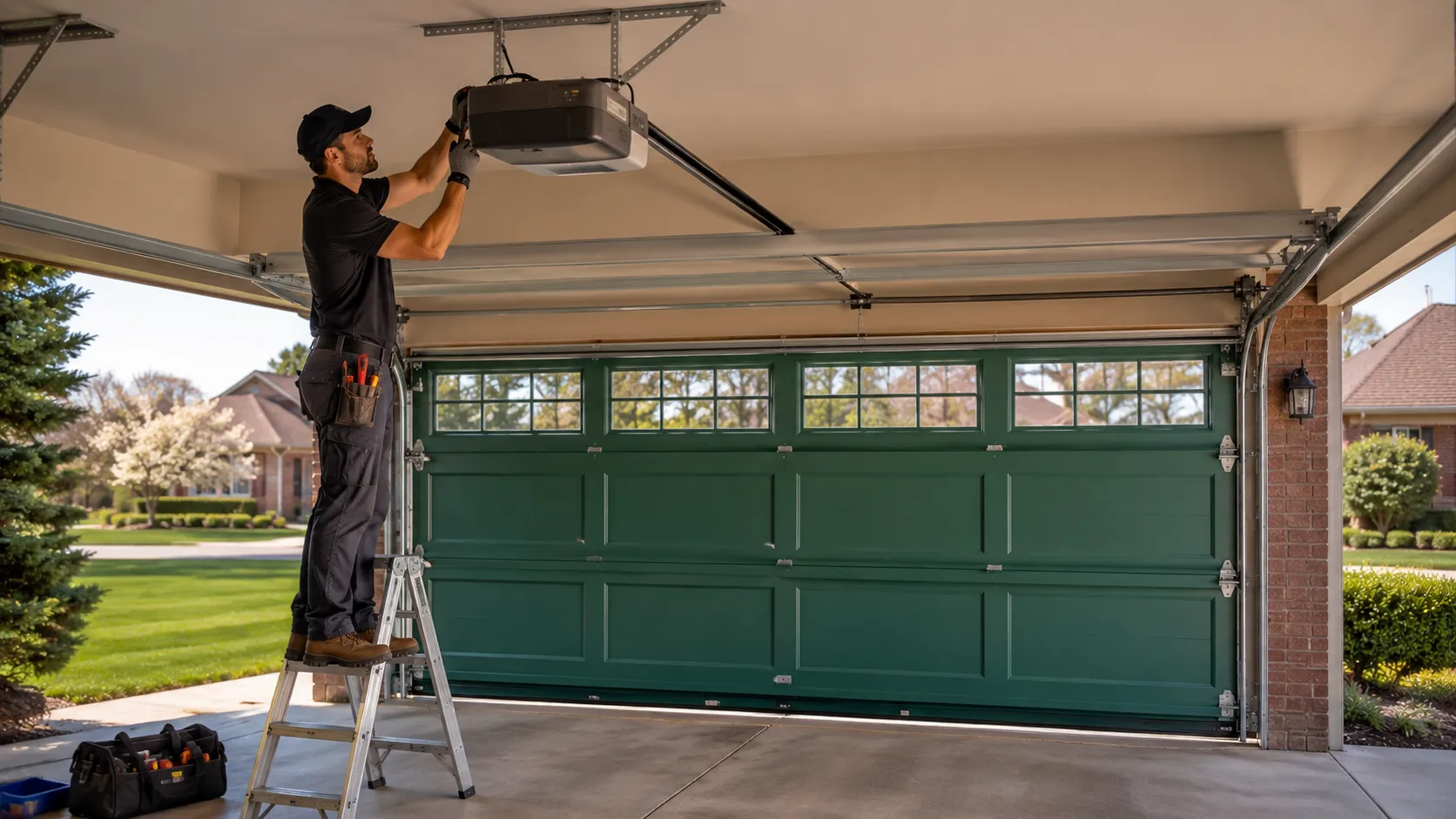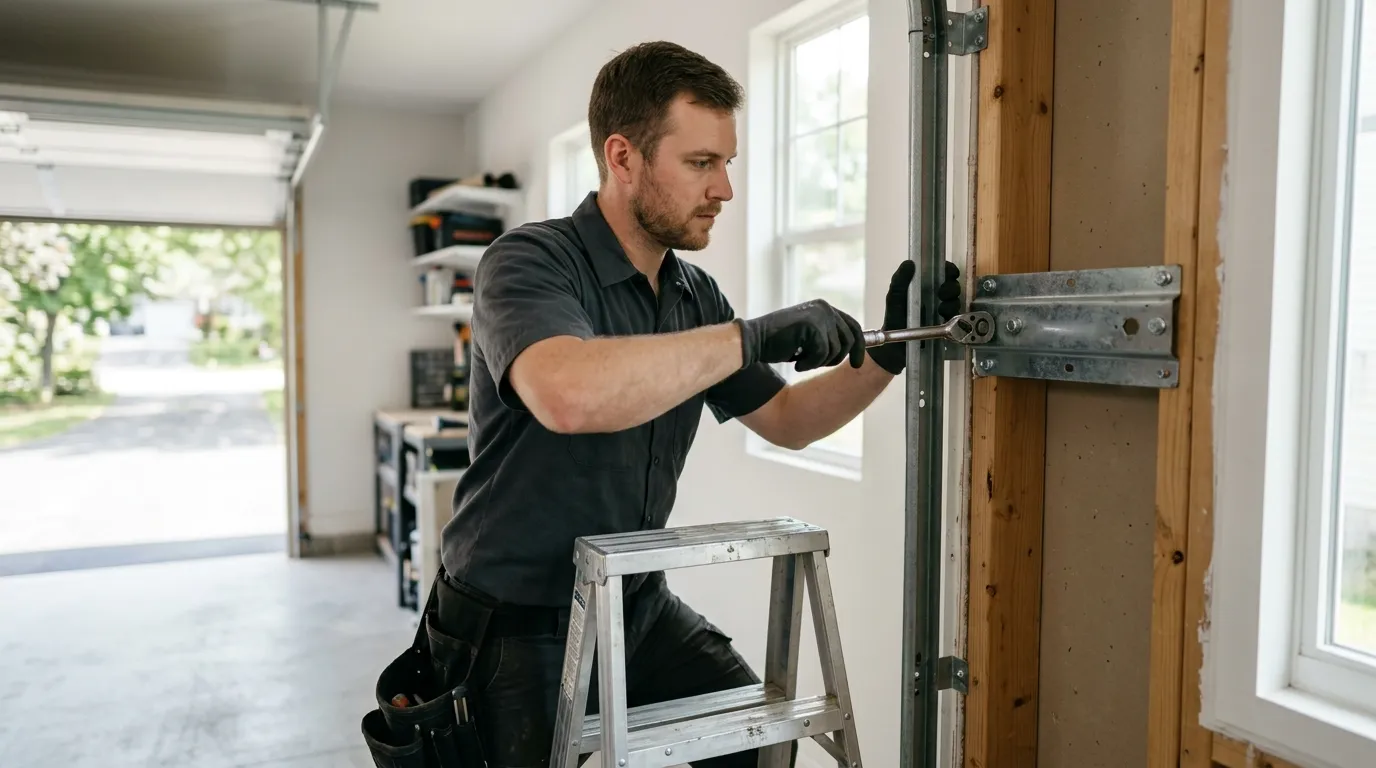
Doing It Yourself
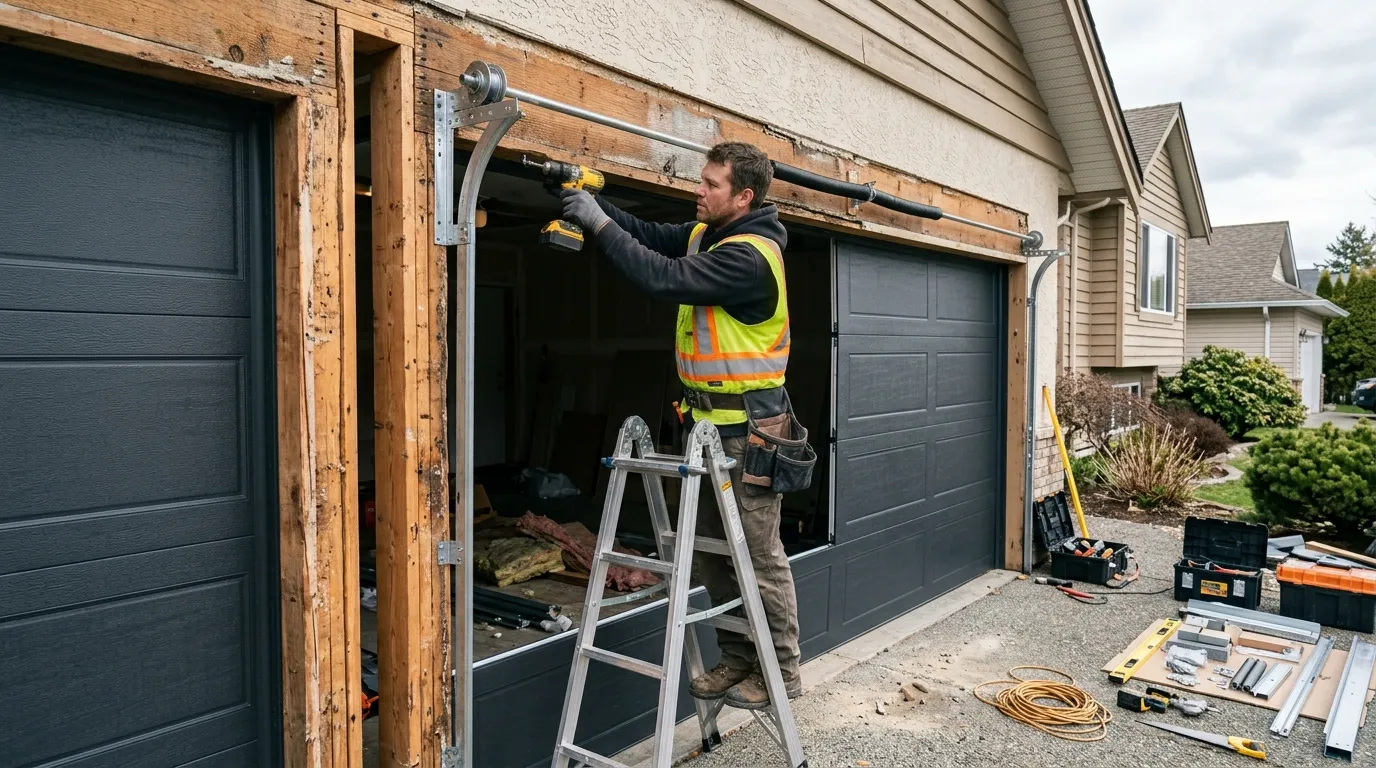
Berkley's housing stock centers on 1949, which puts most of these garages a decade or more ahead of the broader service area's 1960 median build year. That matters for panel work because doors installed on houses from that period often got resized, re-tracked, or fully swapped out for steel sectional doors sometime in the decades since - which means the panel dimensions on a lot of Berkley garages don't match what a big-box store stocks off the shelf.
If you're tempted to order a replacement panel online and bolt it on yourself, measure twice before you buy anything. A panel that's a half-inch off in width or a different gauge steel than the rest of the door will bind on the track or throw off the balance. On a door already carrying decades of small repairs, that mismatch shows up fast as a screech, a stick point, or a section that won't seat flush.
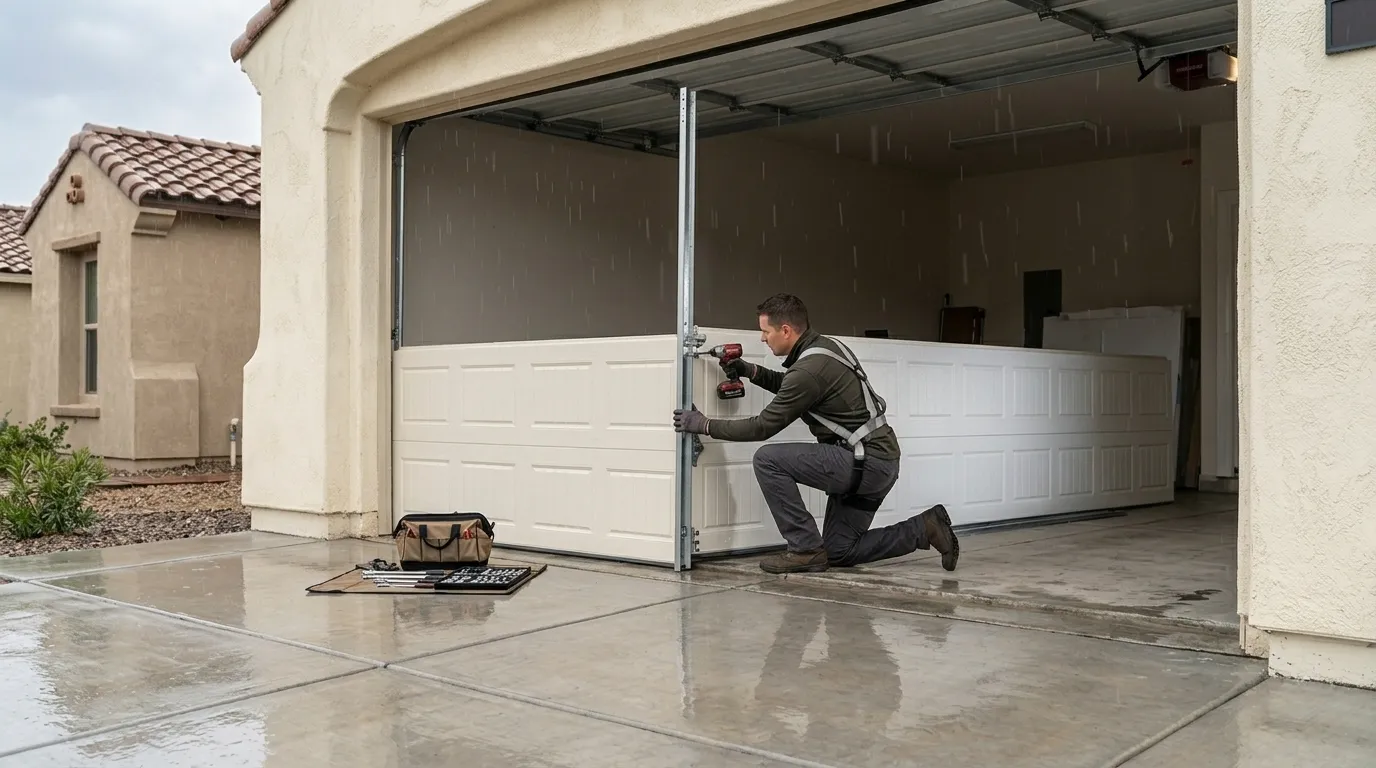
We're not going to tell you it can't be done - plenty of single-panel swaps are straightforward if the door is a common size. But if your garage predates modern sectional standards, or if a previous owner had panels swapped piecemeal over the years, get the actual model and section height before you order anything. Guessing costs more than the panel.
How We Fix It
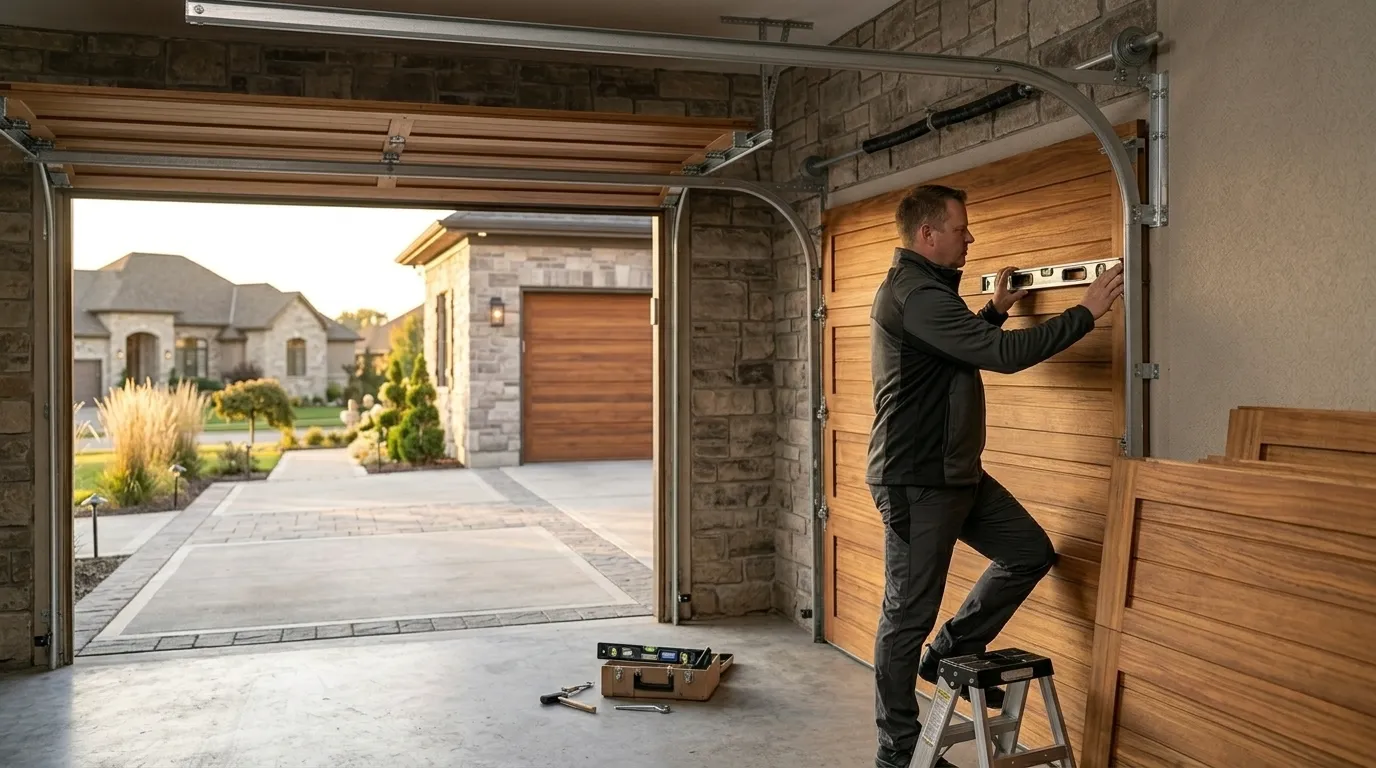
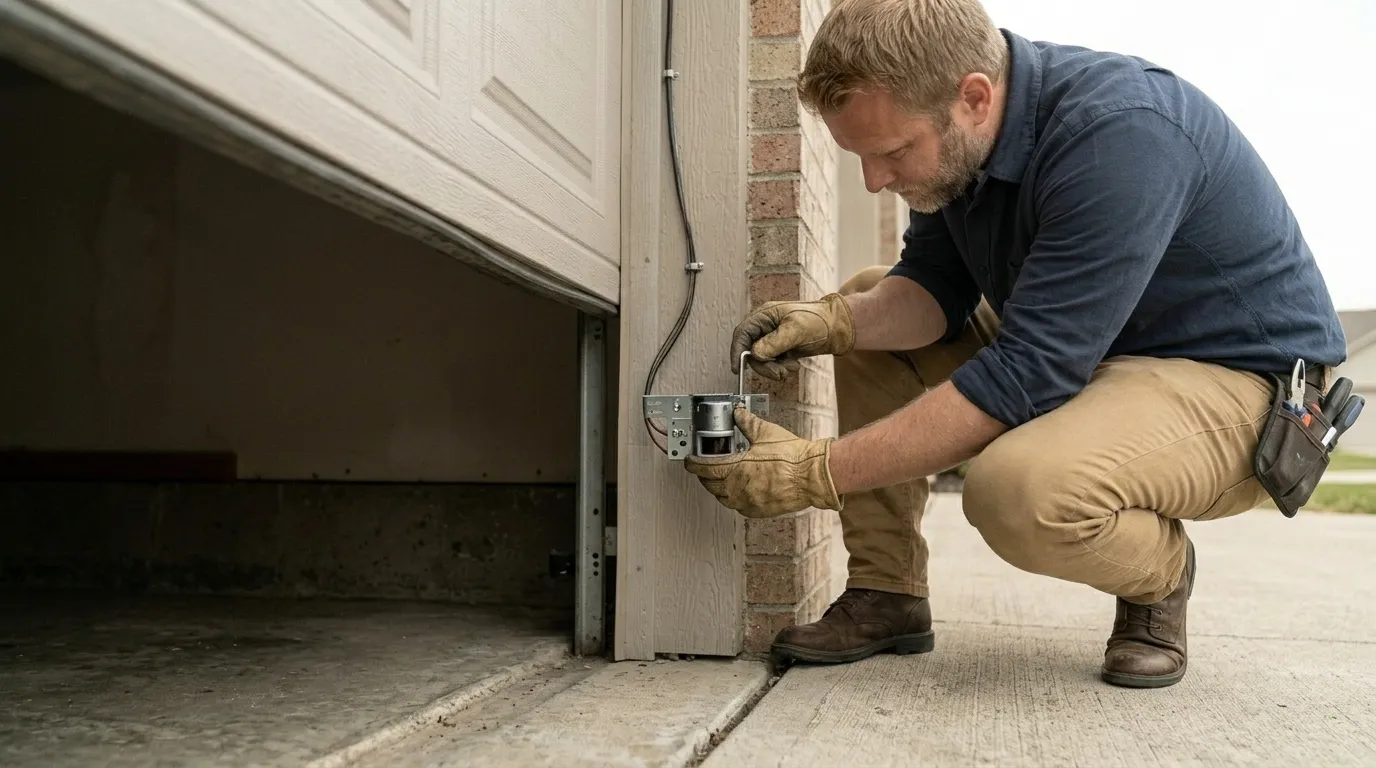
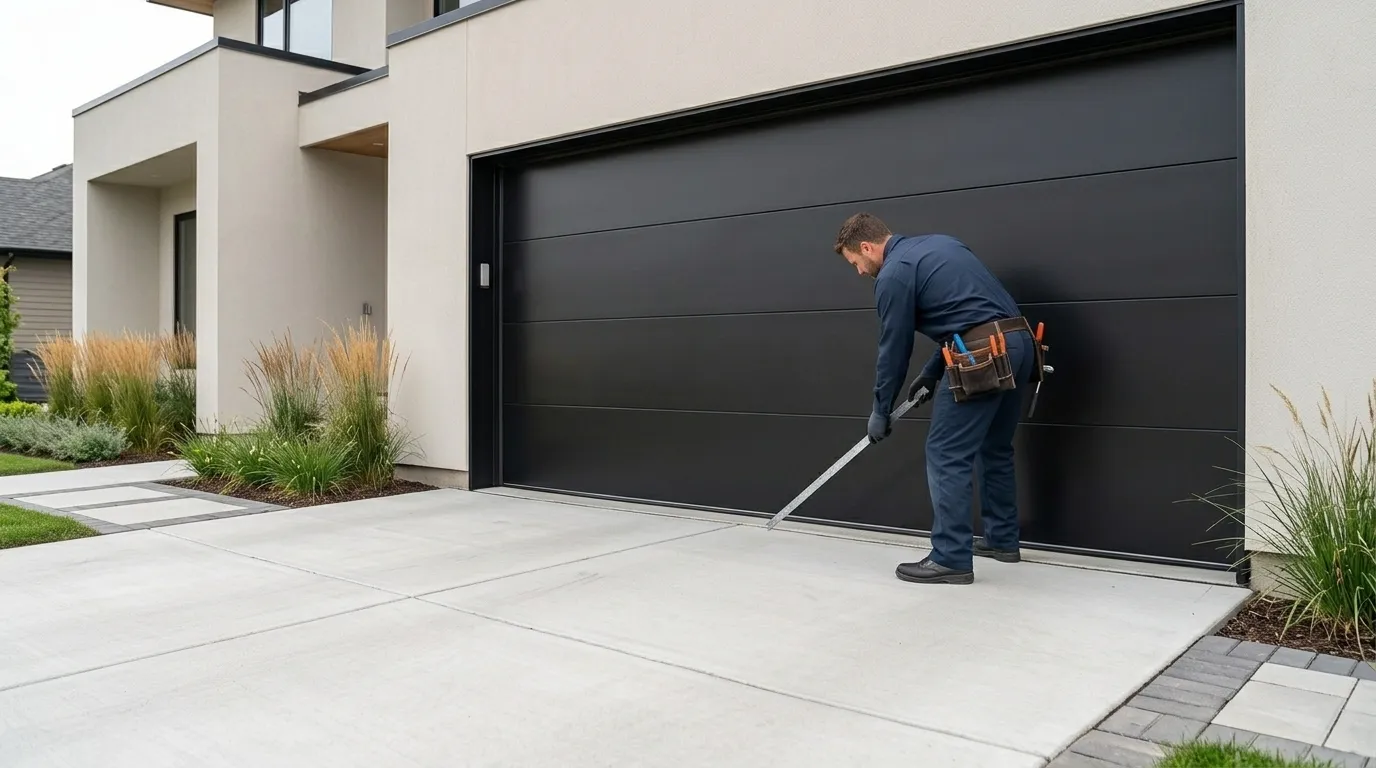
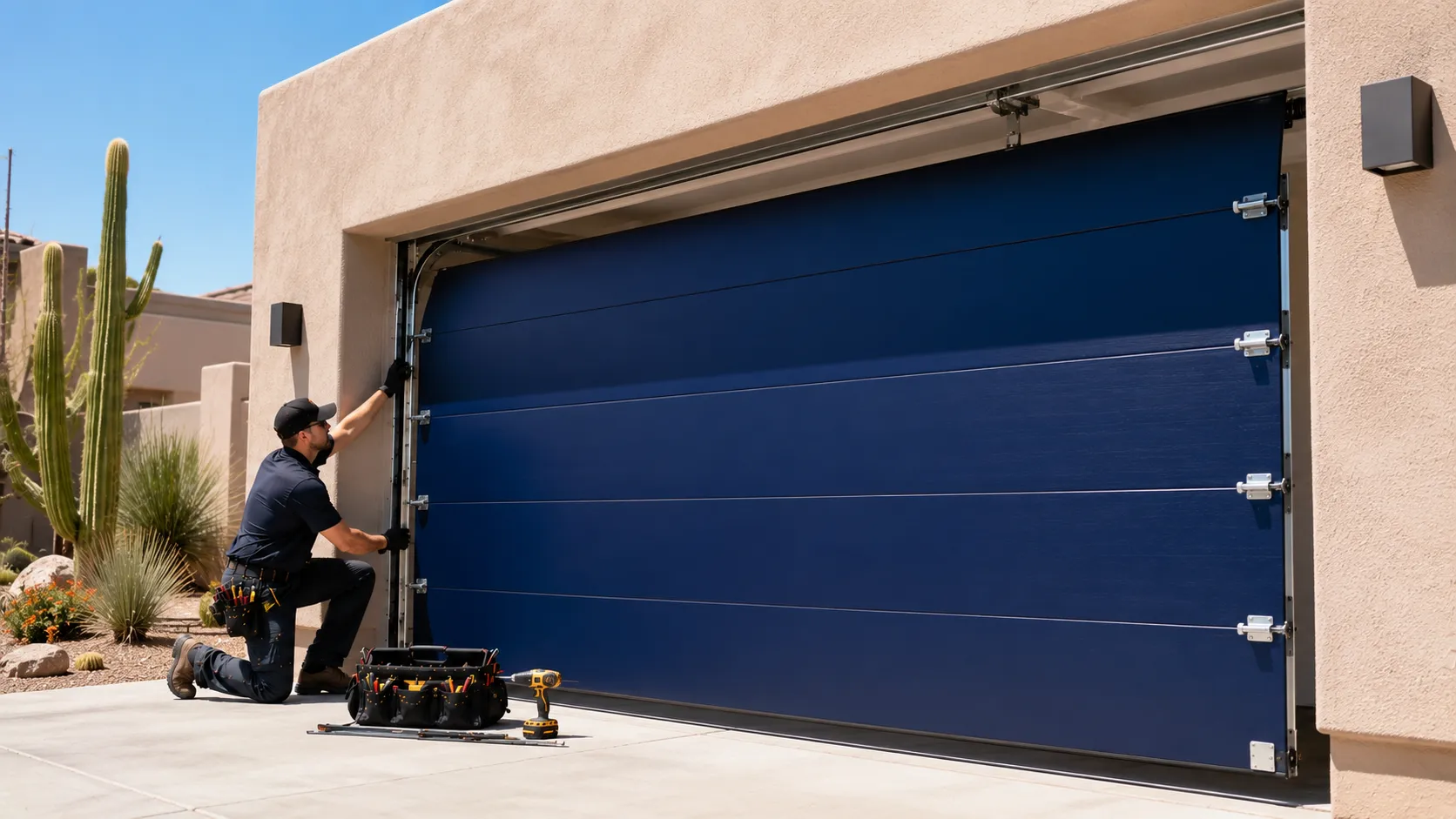
We pull the model plate first, when there is one. On houses built as far back as 1949, that plate is sometimes missing or painted over, so we measure the section height and track radius by hand and match against manufacturer specs before ordering a panel. That's slower than a same-brand swap on a newer install, but it avoids sending a panel back because it doesn't fit the existing hardware.
We replace the damaged section, not the whole door, whenever the remaining panels are structurally sound and the color and rib pattern will match closely enough that it doesn't look patched. If the door has been re-paneled before with a mismatched style, we'll tell you that straight - sometimes a full door replacement makes more financial sense than chasing a third generation of mismatched panels, and we'll say so instead of selling you a panel that won't look right.
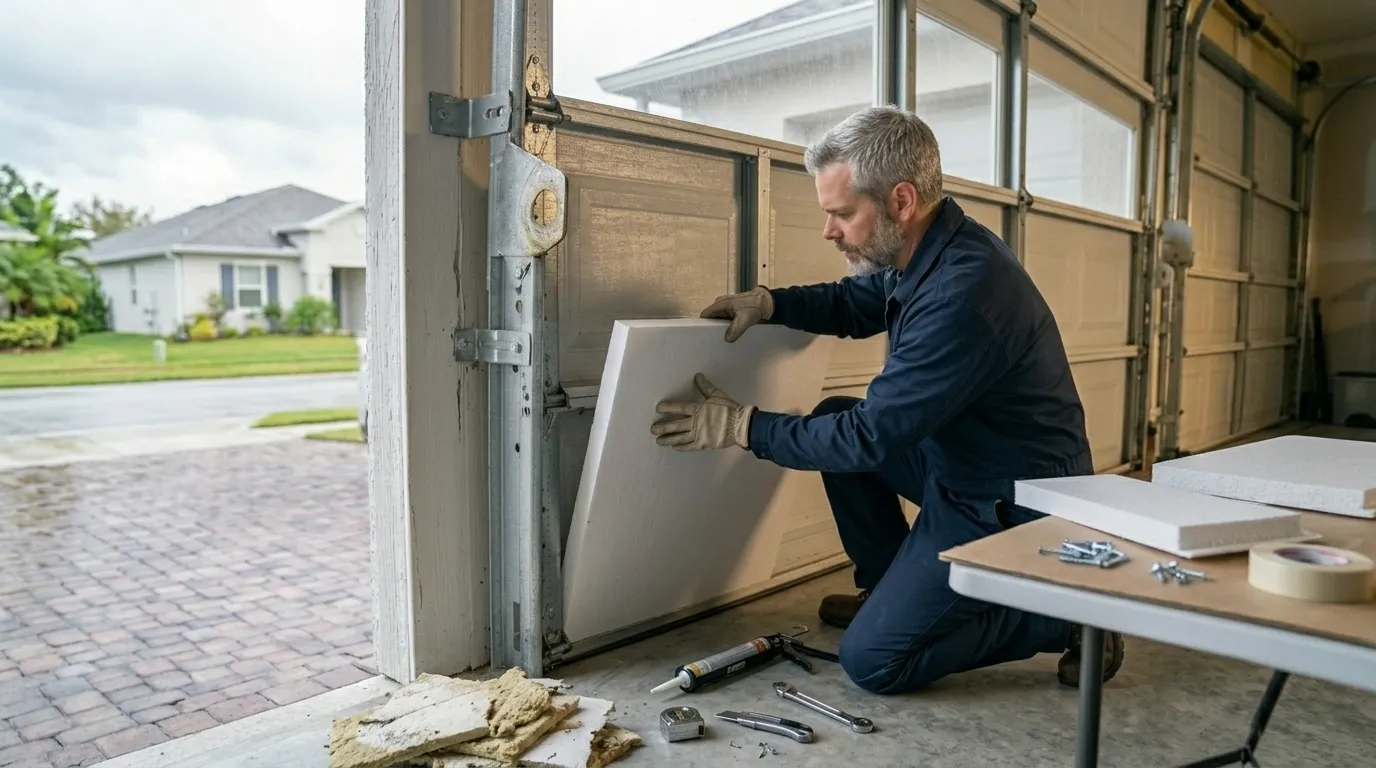
Because this area sits in a severe cold climate zone, we also check the insulation value of the panel you're getting versus what's already in the door. Swapping in an uninsulated panel next to insulated sections leaves a cold spot in the door and, over a winter, in the garage itself.
What Causes It Around Here
With a median build year of 1949, Berkley's garages have had roughly seventy years of freeze-thaw cycles to work on whatever door is currently hanging there, and this area sits in a climate zone rated severe cold. Panels take the brunt of that over time: condensation trapped behind an aging panel skin rusts through from the inside, and repeated expansion and contraction around the seams eventually cracks the finish and lets water in for good.
With household income in Berkley running well above this service area's overall median of $70,984, we also see more owners opt for a matched insulated replacement panel rather than a patch, especially once one panel's failed and the rest of the door is showing the same age. That's a reasonable call on a door that's outlived a couple of past repairs already - patching a panel on a door that's already had two or three other repairs just delays the next call.
Dents from contact - a mirror, a bike, a trailer tongue - show up in every town regardless of housing age, so not every job here traces back to the building stock. But the rust-through and warped-seam calls track closely with how old the door itself is, and in a neighborhood built mostly around 1949, that's a real factor.