Doing It Yourself
Berkley is a small city as these things go - about 6,852 households, tight lots, older detached garages that were built to match houses going up around 1949. That size matters for what kind of repair calls come out of here: fewer big commercial doors, a lot more single-car and narrow double garages with hardware nobody has updated since the house was built.
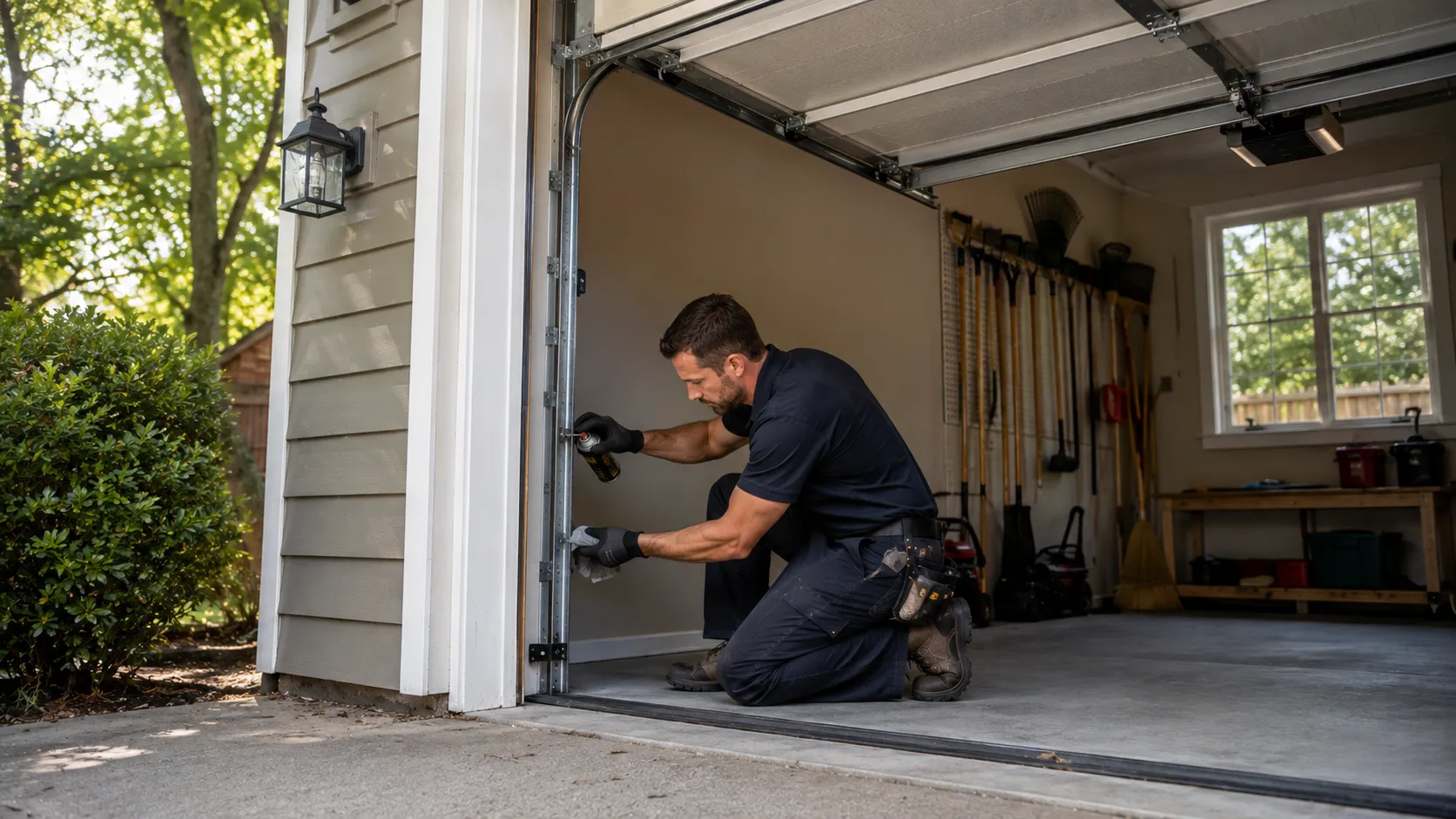
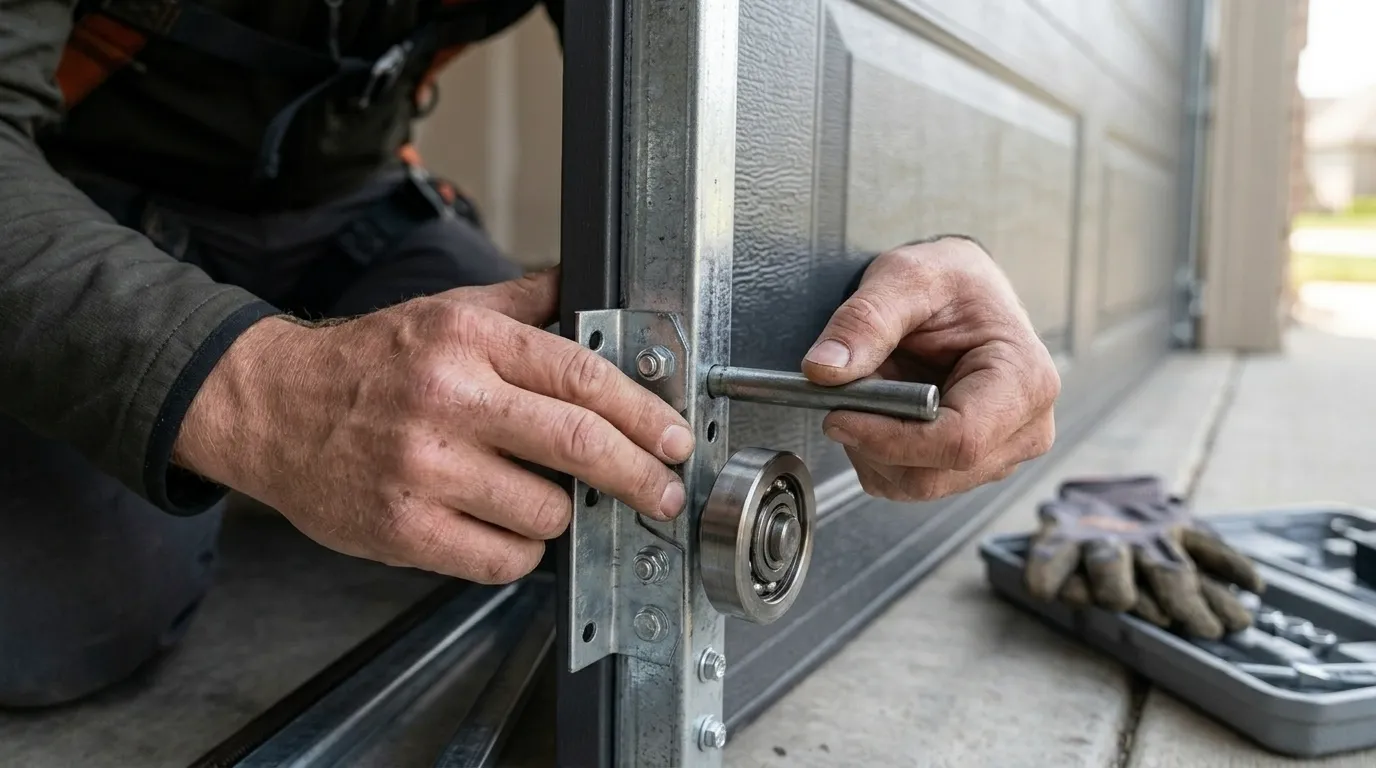
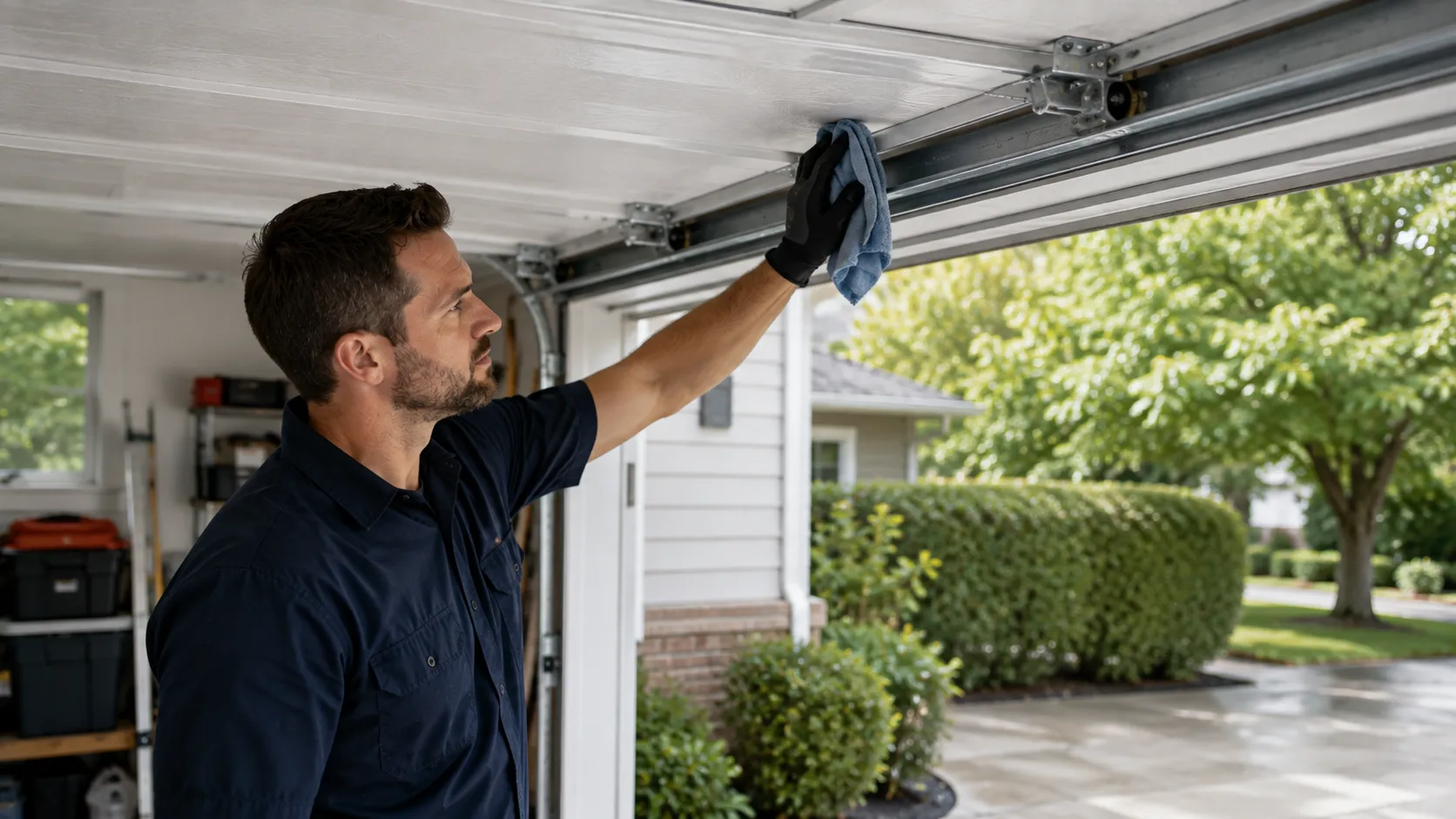
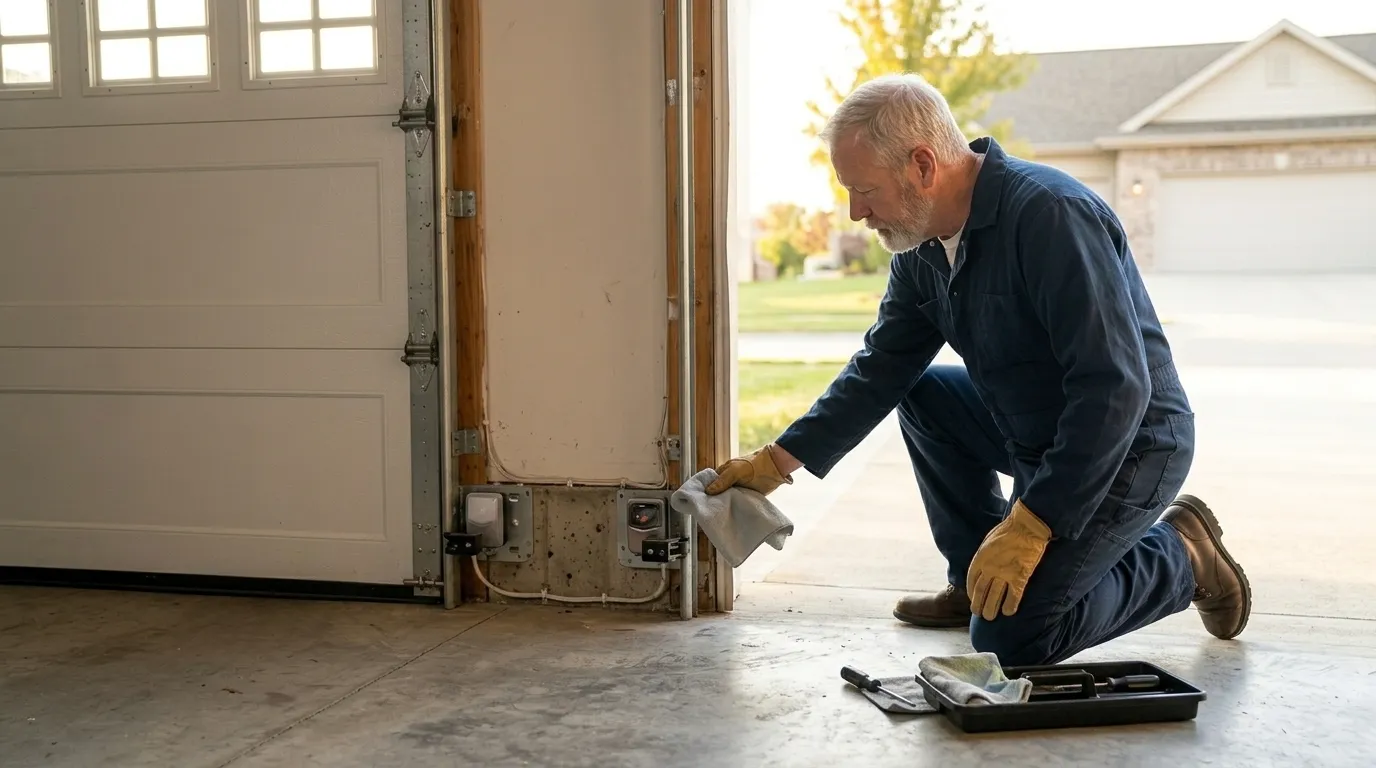
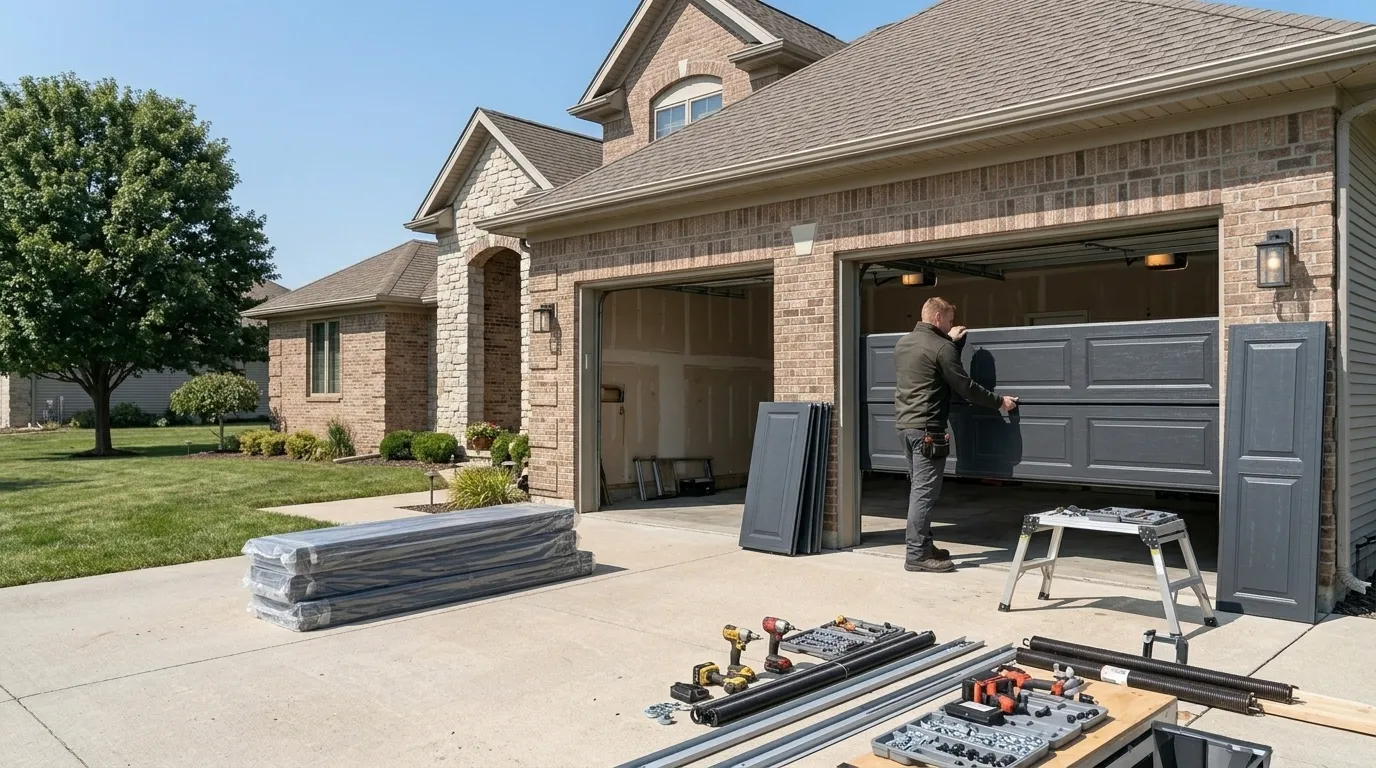
Some things are fine to try yourself. Lubricating hinges and rollers with the right spray, tightening loose bolts on the track, checking that the photo-eye sensors are clean and aligned - all of that is reasonable weekend work. What isn't: touching a torsion spring. On a door this old, the spring is under enough stored tension to break a hand or worse, and the brackets holding it are original hardware, not the standardized parts you'd find on a door built in the last twenty years. If the door won't move, or moves and slams, stop and call. We'd rather talk you out of a repair than tape up your knuckles.
How We Fix It
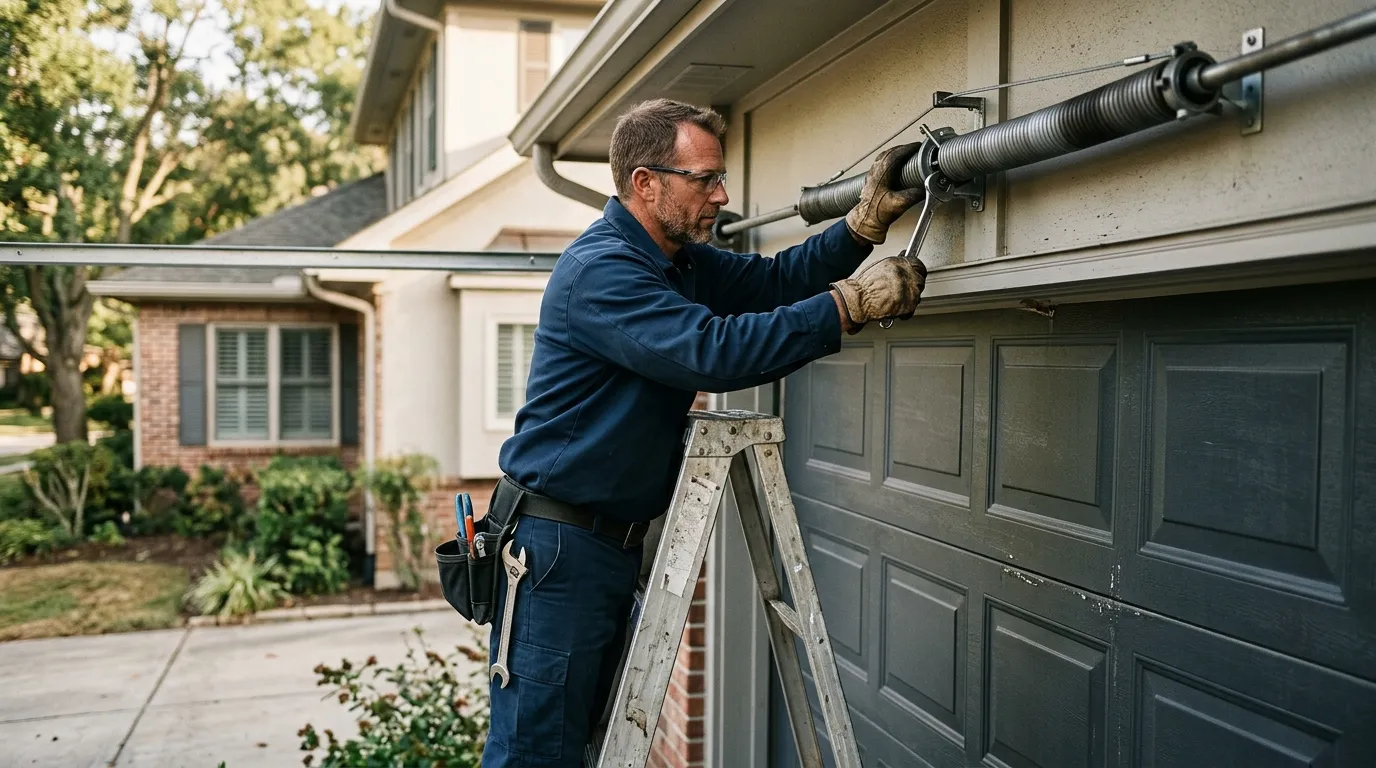
We come out of Livonia, about 12 miles away, so we're not a walk-down-the-street outfit for Berkley - we bring the truck stocked for what a 1949-median neighborhood actually needs, not a generic parts kit. That means torsion springs sized for older low-headroom setups, extension spring conversions, and the odd sizes that fit a garage built before openers were standard equipment.
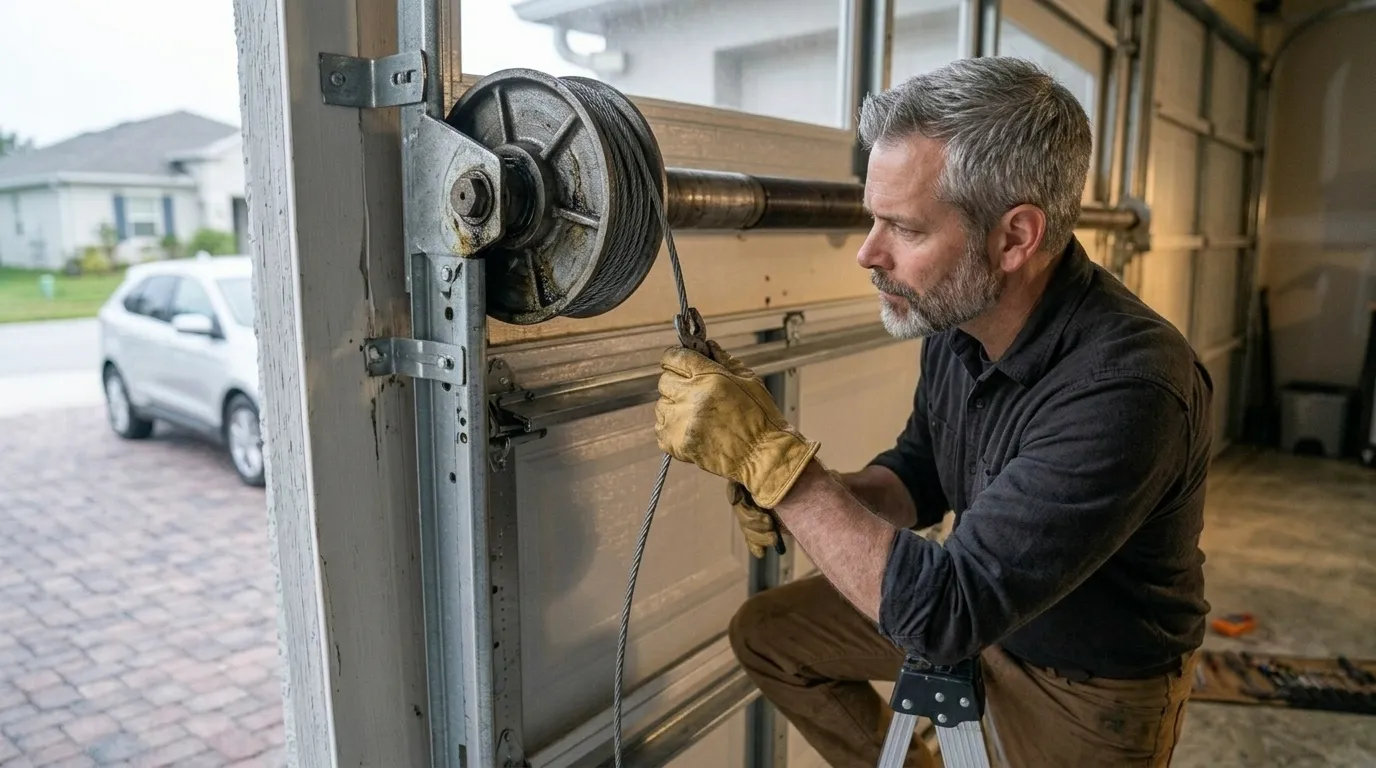
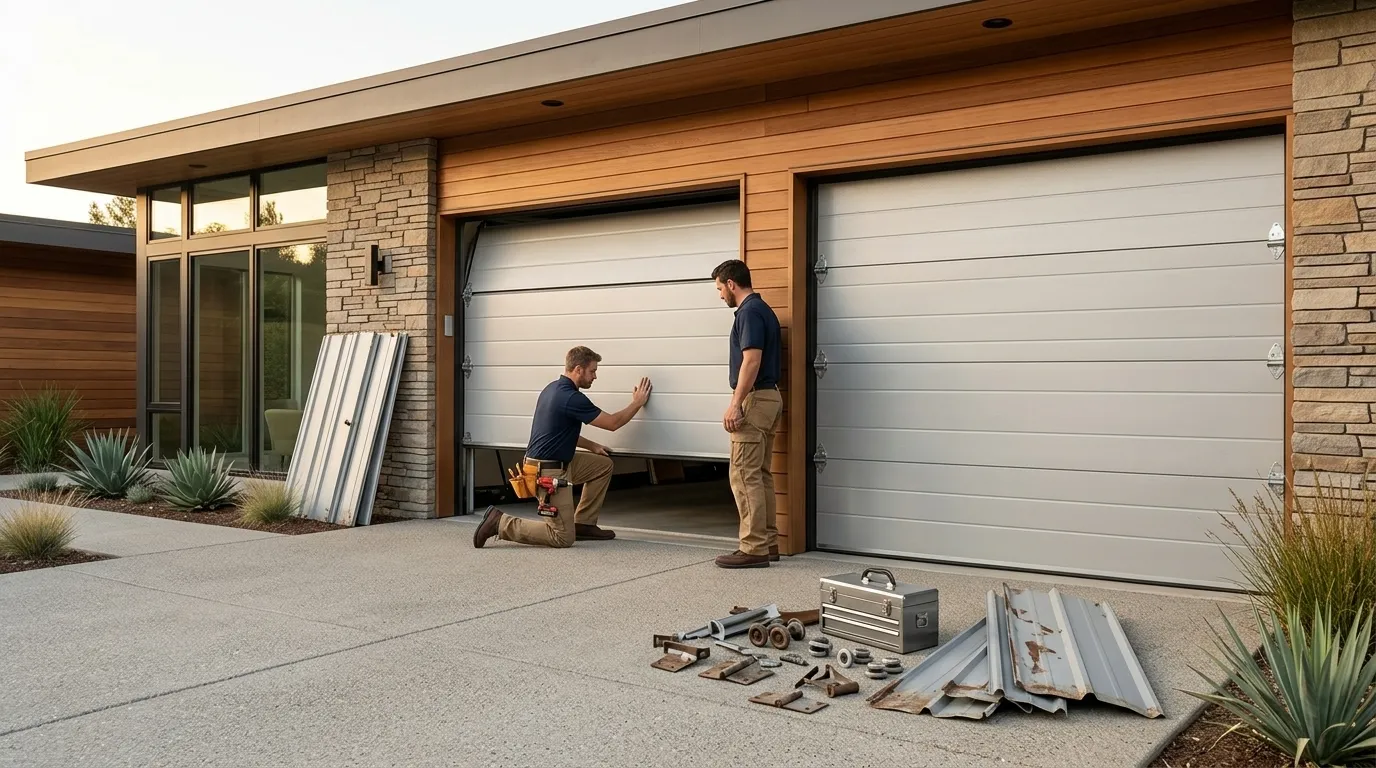
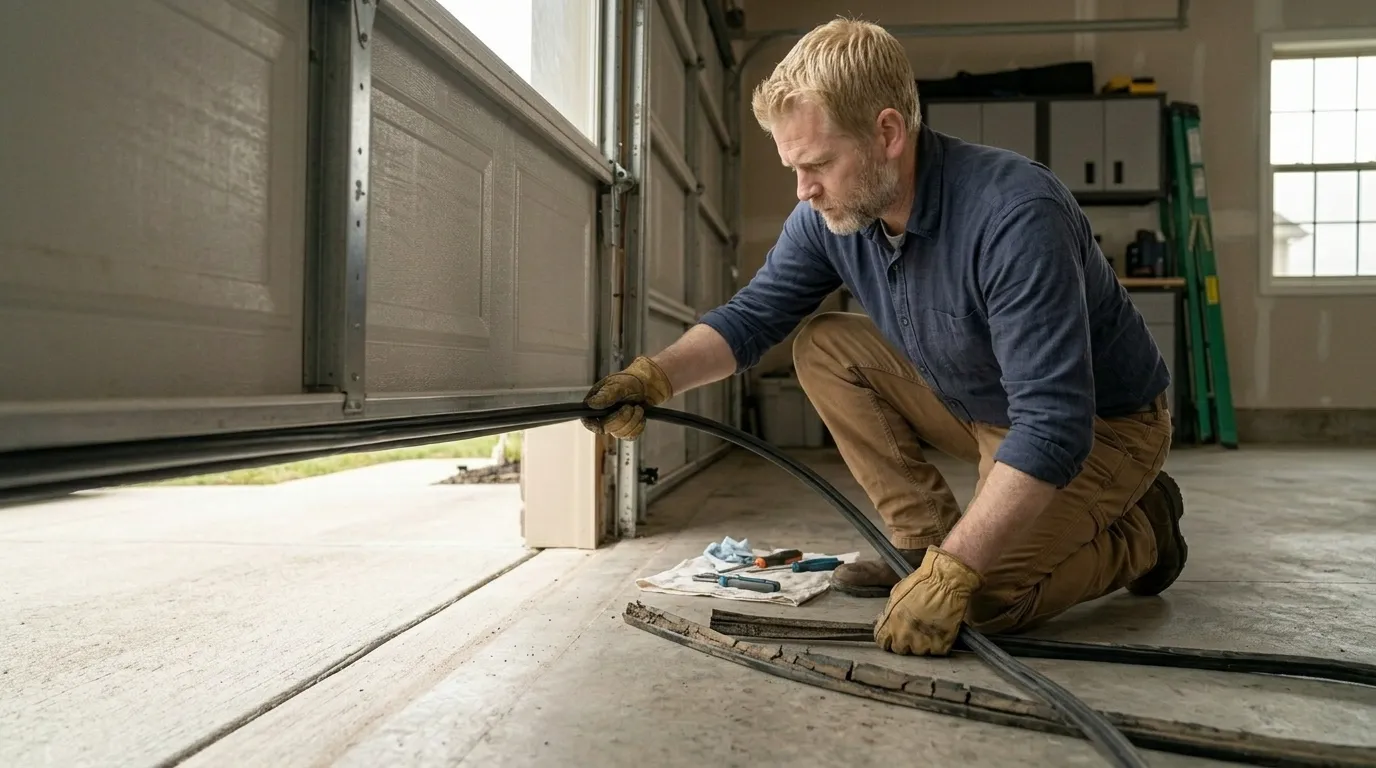
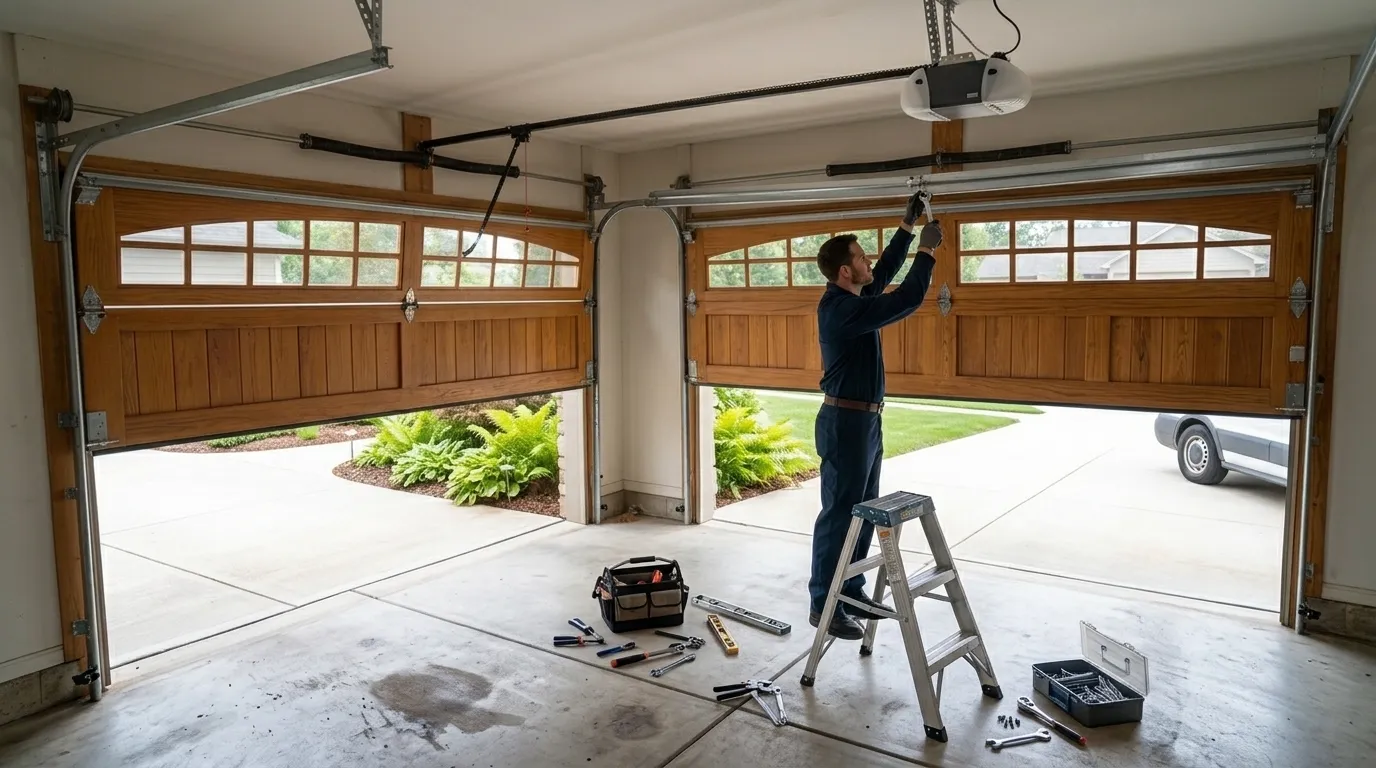
On a typical call we check the springs first, since a door built in this era is more likely to be running the original torsion or extension setup than a modern replacement. From there it's rollers, cables, the track alignment, and the opener if there is one - plenty of these garages had one added decades after the house went up, on hardware that doesn't match today's units. We fix what's broken and tell you plainly when a part is too worn or too obsolete to keep patching, rather than billing you for a repair that won't hold.
What Causes It Around Here
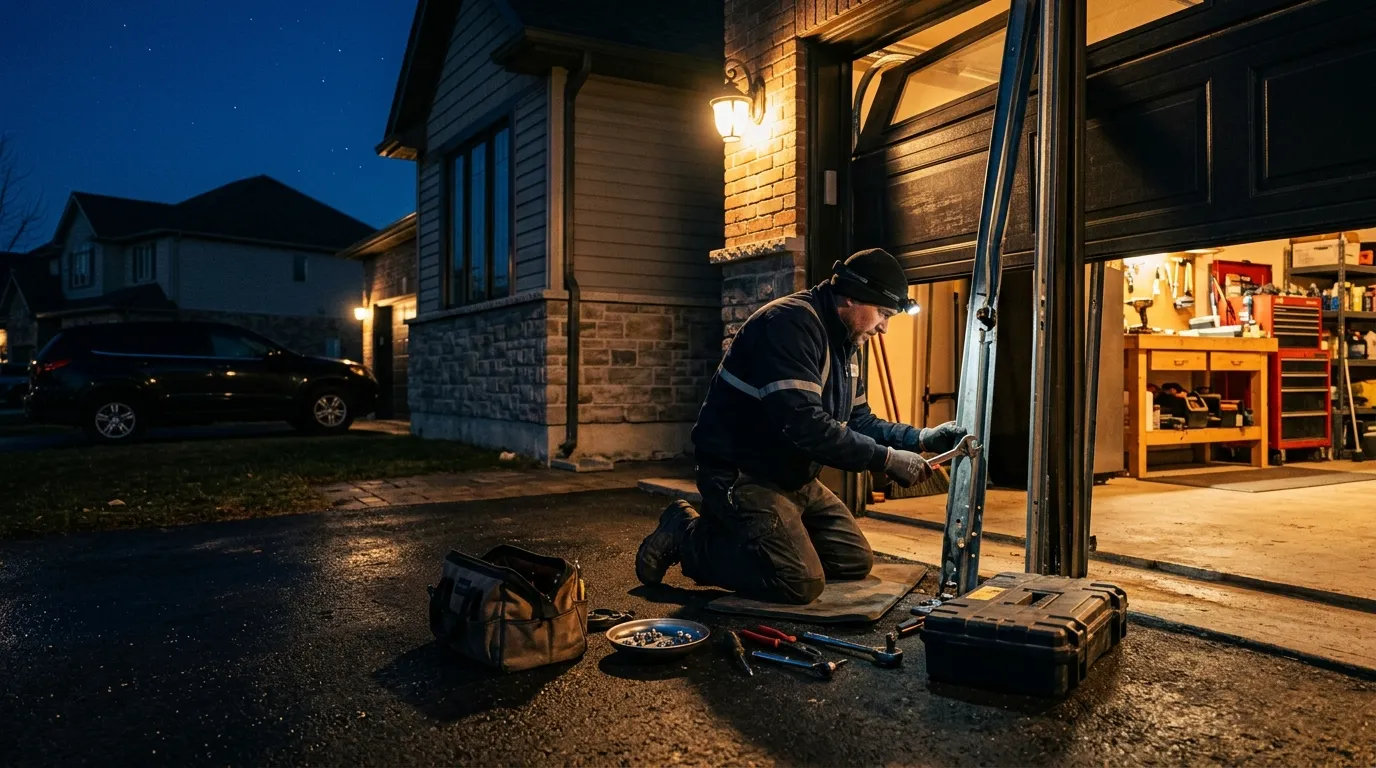
A neighborhood built around 1949 means original-era garages, and those come with predictable failure points: torsion springs that have outlived their rated cycle count, steel tracks that have rusted at the base from decades of Michigan winters, and openers - where they exist - that were retrofitted onto framing that was never meant to carry one.
The cold is the other half of it. This region sits in a severe cold climate zone, and steel springs and cables lose flex in low temperatures, so breaks cluster in the coldest stretches of winter when a spring that's been weakening all year finally gives out on a subzero morning. Snow and ice buildup on tracks doesn't help either - it forces the opener to work harder pulling a door that's dragging, which burns out gears faster than it should.
None of that is unique to any one house in Berkley, but it's consistent enough across a neighborhood this age that when we get a call, we already have a good guess what we'll find before we open the door.