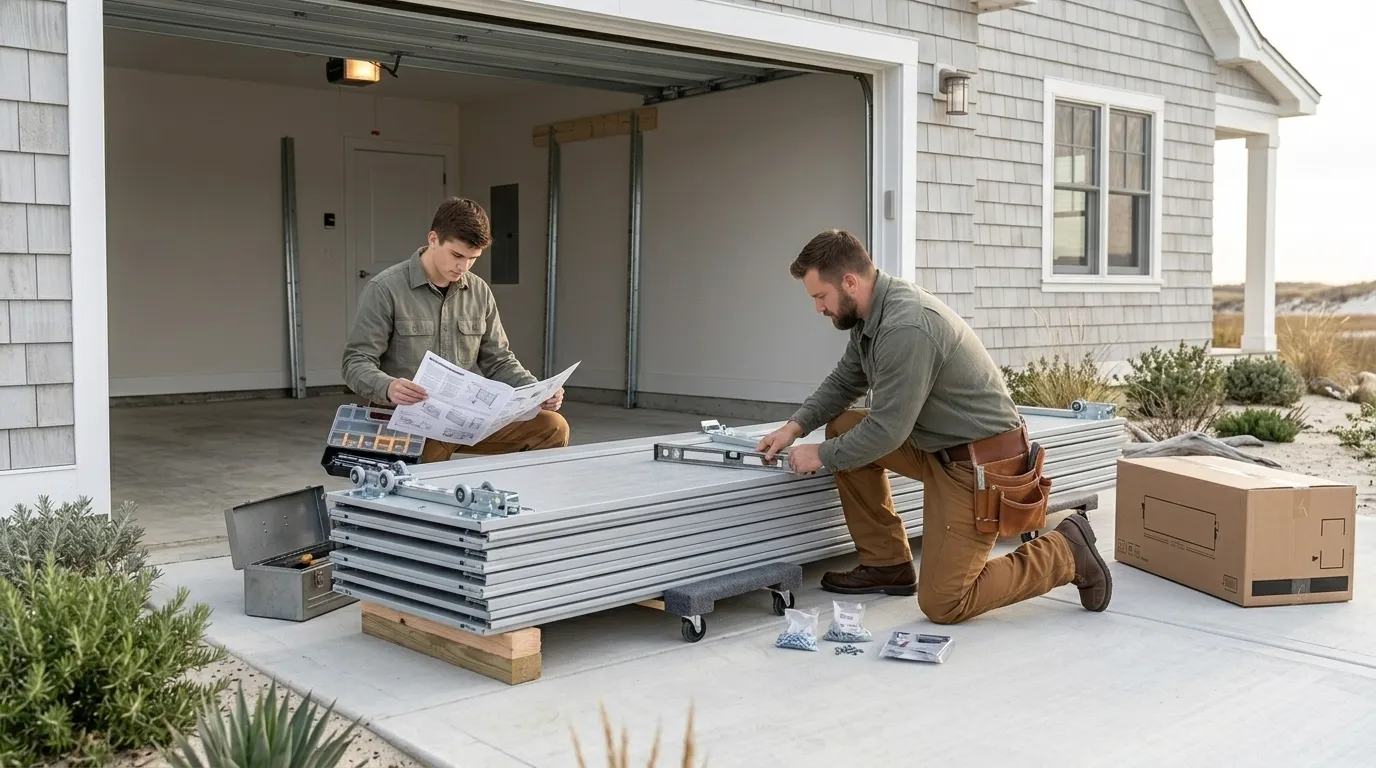
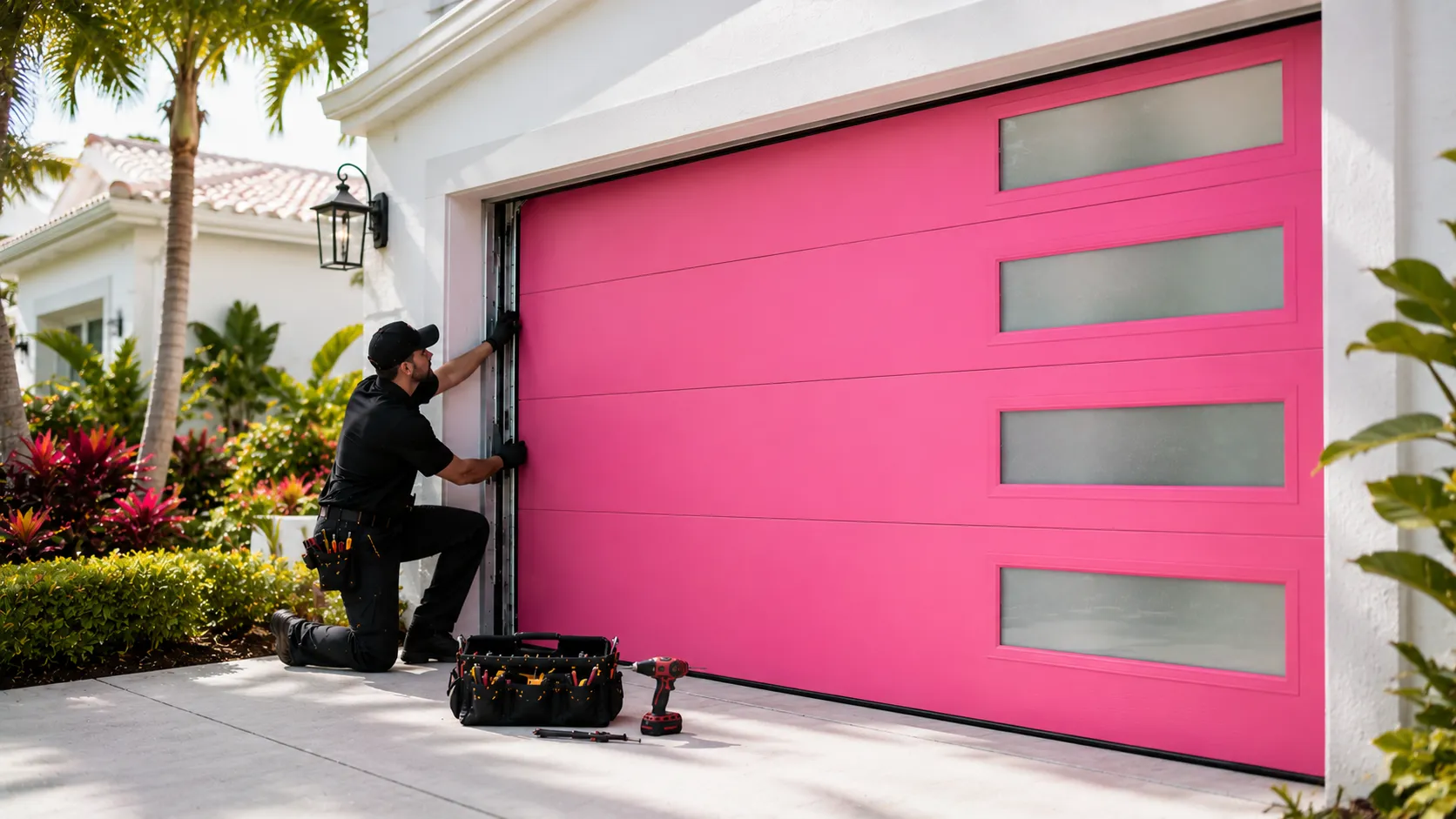
Doing It Yourself
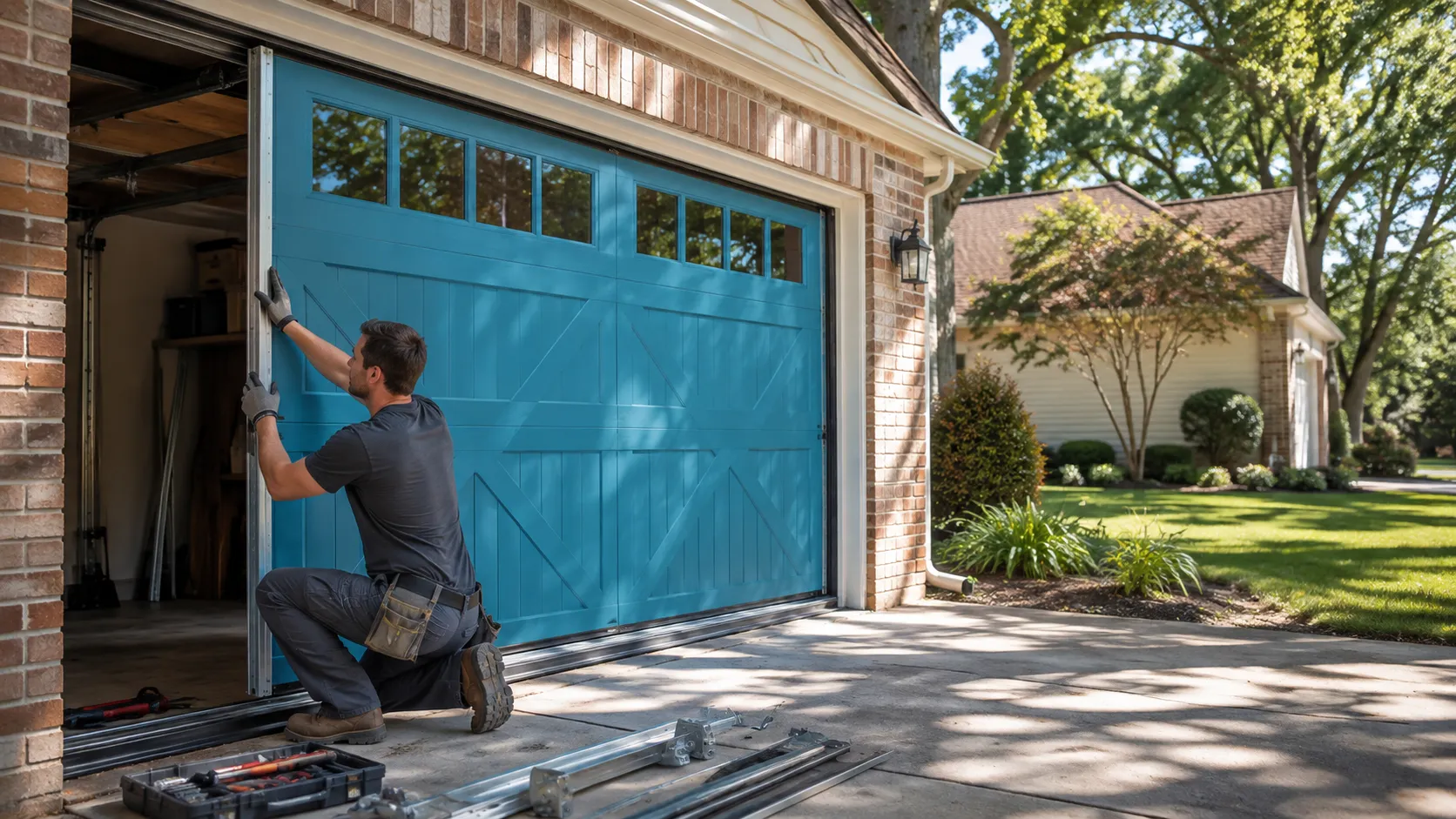
Berkley's houses mostly went up around 1949, close to a decade ahead of the 1960 median we see across the rest of the service area we cover out of Livonia. That matters the second you start shopping for a new door. A lot of these houses were built with a single-car bay, framed to openings that don't match anything sold off a shelf today. Measure wrong by even an inch on width or headroom and the door you ordered won't seat right, or the track won't clear an old header.
The other wrinkle is the opener wiring and the wall switch, often added decades after the house itself, sometimes on a circuit that predates GFCI requirements. If you're comfortable pulling a permit and you know your framing is square, a straightforward double-door swap on a newer garage isn't out of reach for a handy owner. But on a 1949 opening, we'd rather you call before you buy the door, not after. A door that doesn't fit the header gets returned, and that's real money and a week of delay you didn't need.
We're honest that we don't do same-day emergency runs to Berkley - we work out of Livonia, about 12 miles southwest, and installs here get scheduled, not walked in.
How We Fix It
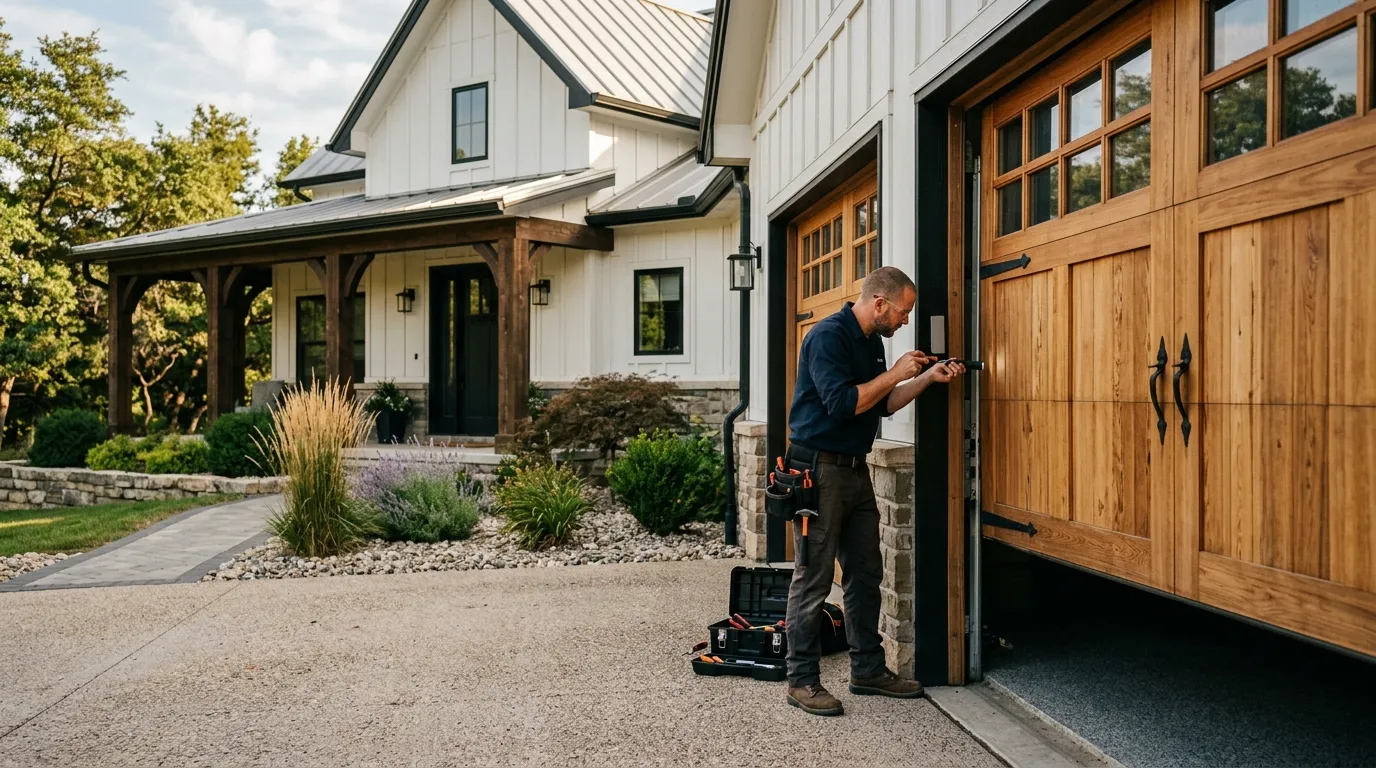
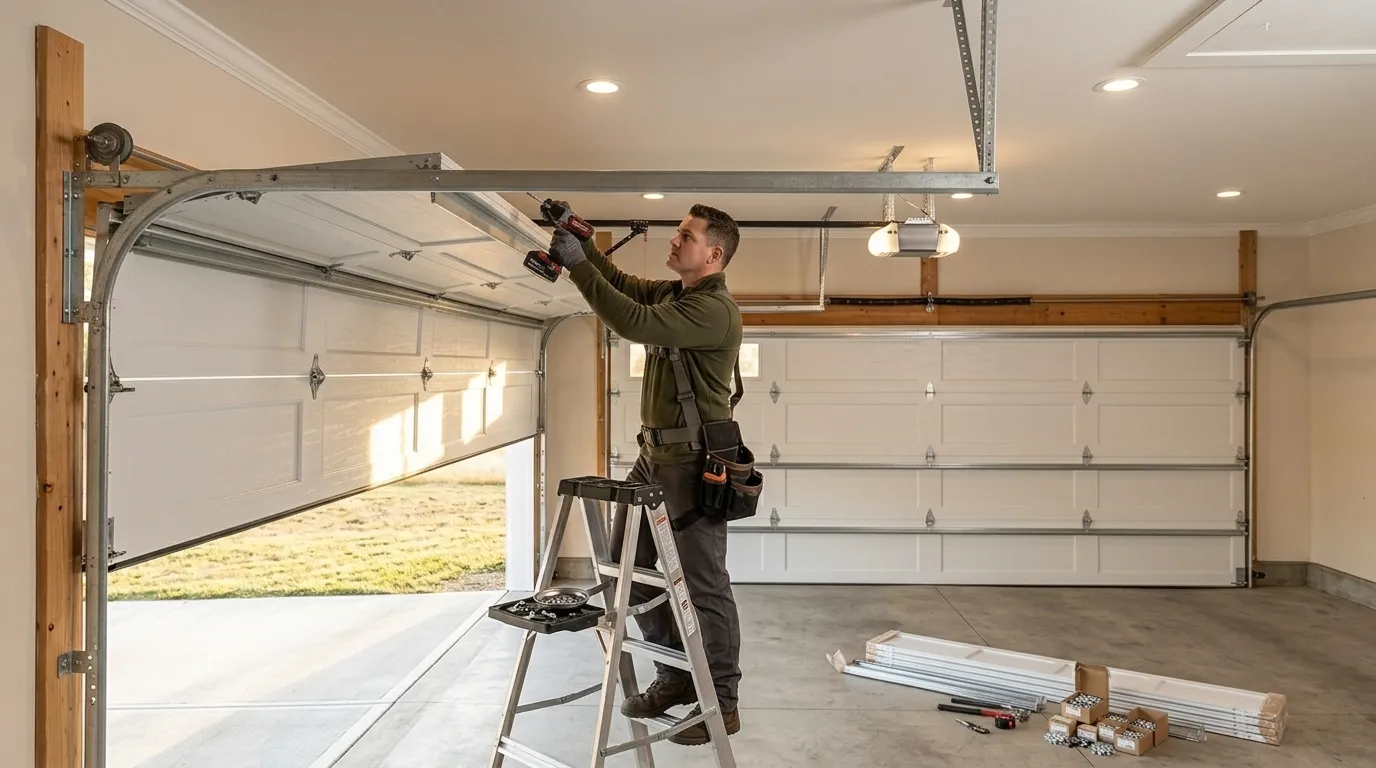
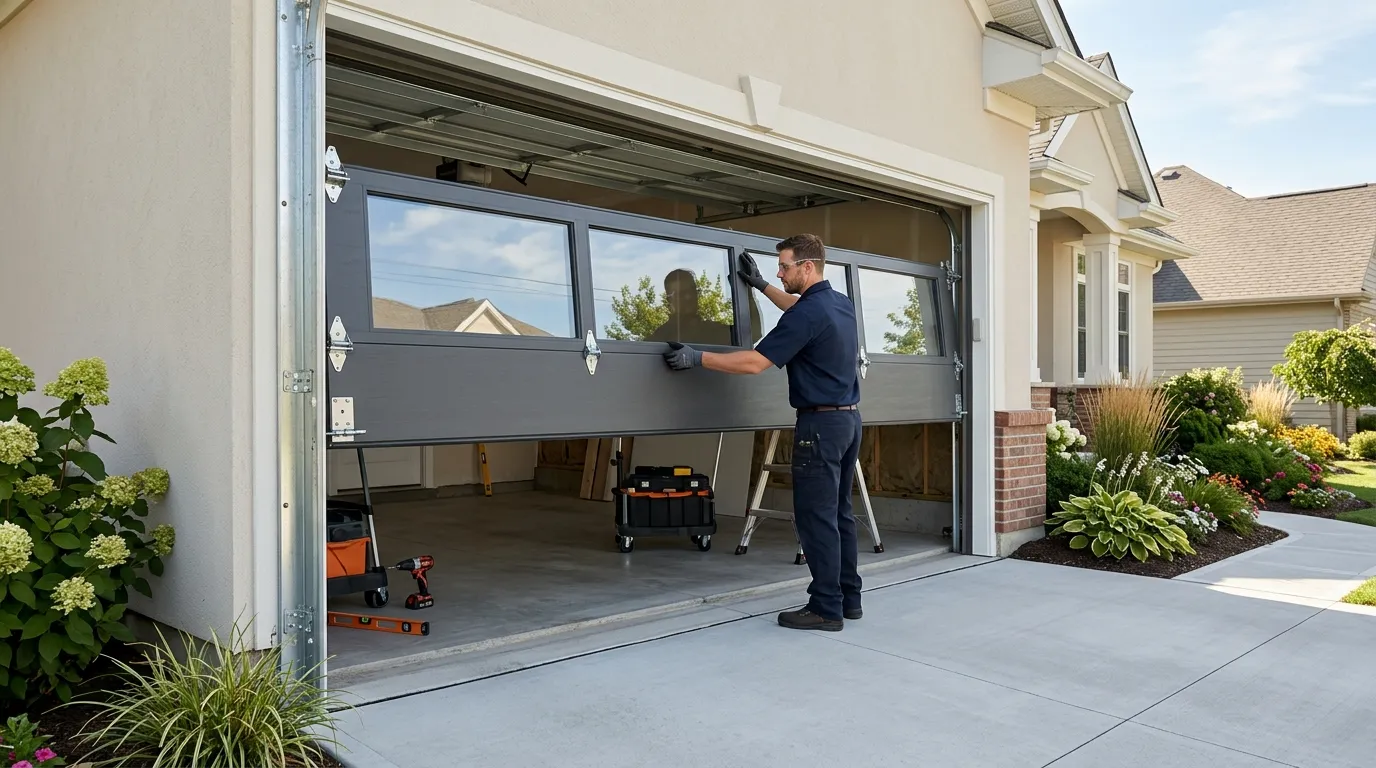
On a house from Berkley's era, the first job is confirming the actual rough opening before we quote anything, because builders in 1949 didn't standardize the way tract housing later did. We pull the old door, check the jamb for square and rot, and decide whether the existing track and header can carry a new door or whether we're adding blocking first.
Given the cold-climate demands this part of Michigan sits in, we spec insulated steel or insulated composite doors rather than the thin single-layer panels that were common when these houses were first built. A double-car opener with vibration-dampened belt drive is standard on the replacements we install, matched to the spring weight for the door size, not a generic one-size setup.
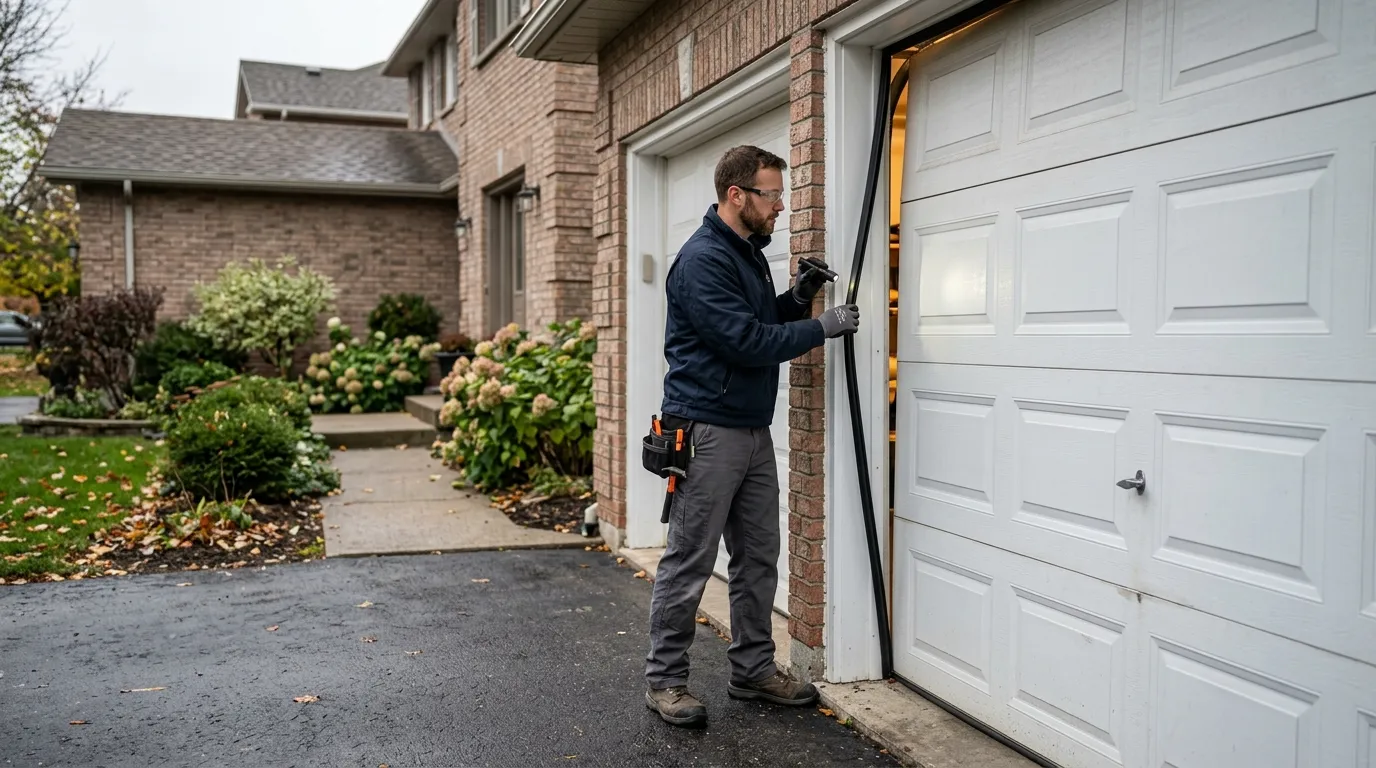
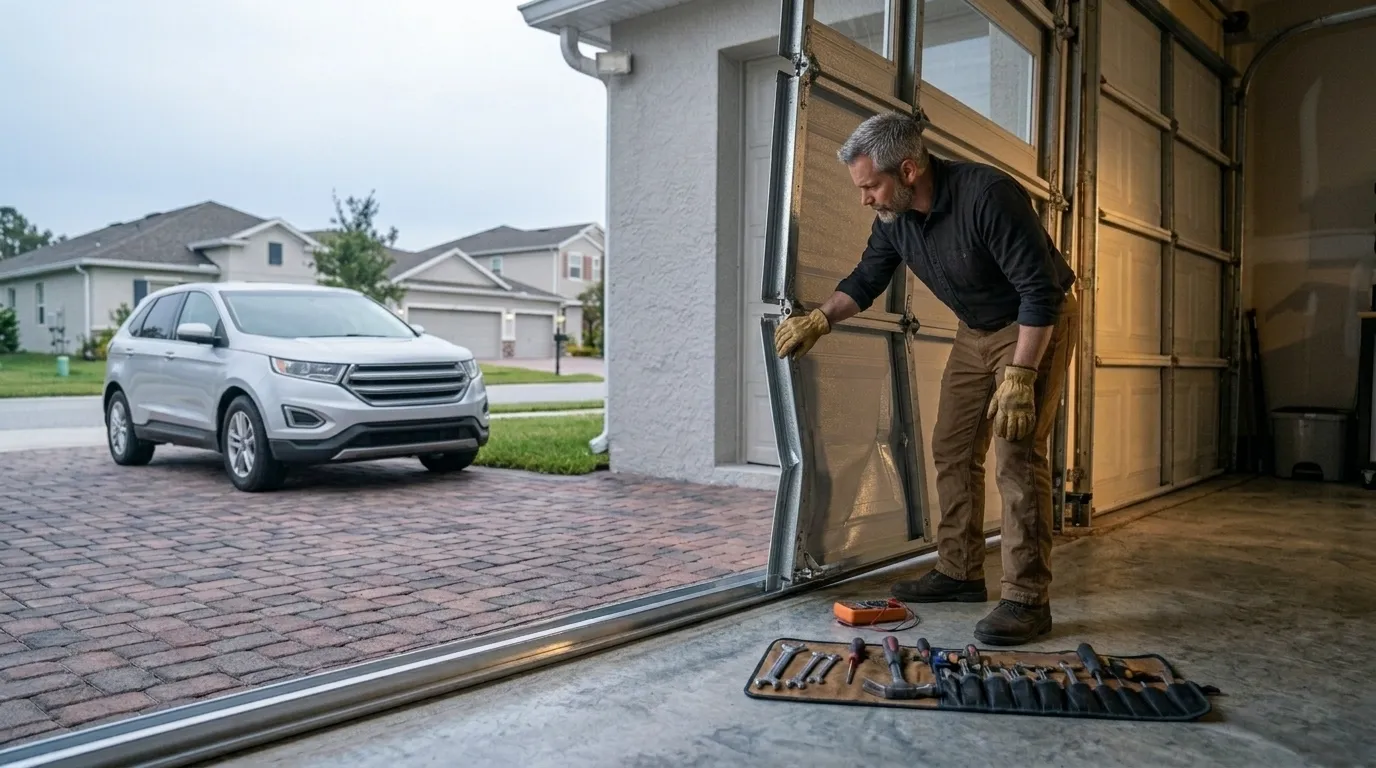
We don't try to save an old single-car door by patching panels once the steel has started to rust through at the bottom - past a certain point the frame is bent and no amount of panel repair keeps it running true. On those jobs we tell owners straight that replacement is the cheaper call over a year, not just the easier one for us.
What Causes It Around Here
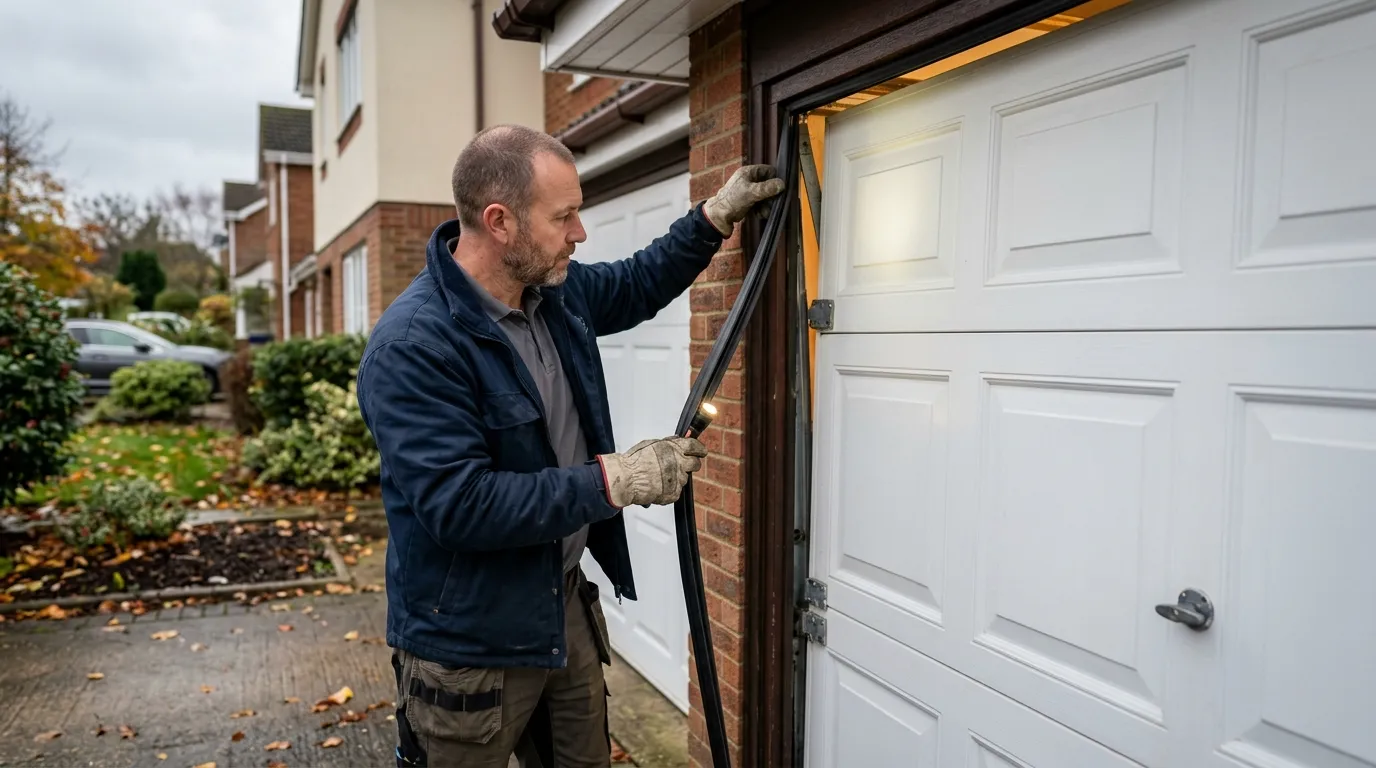
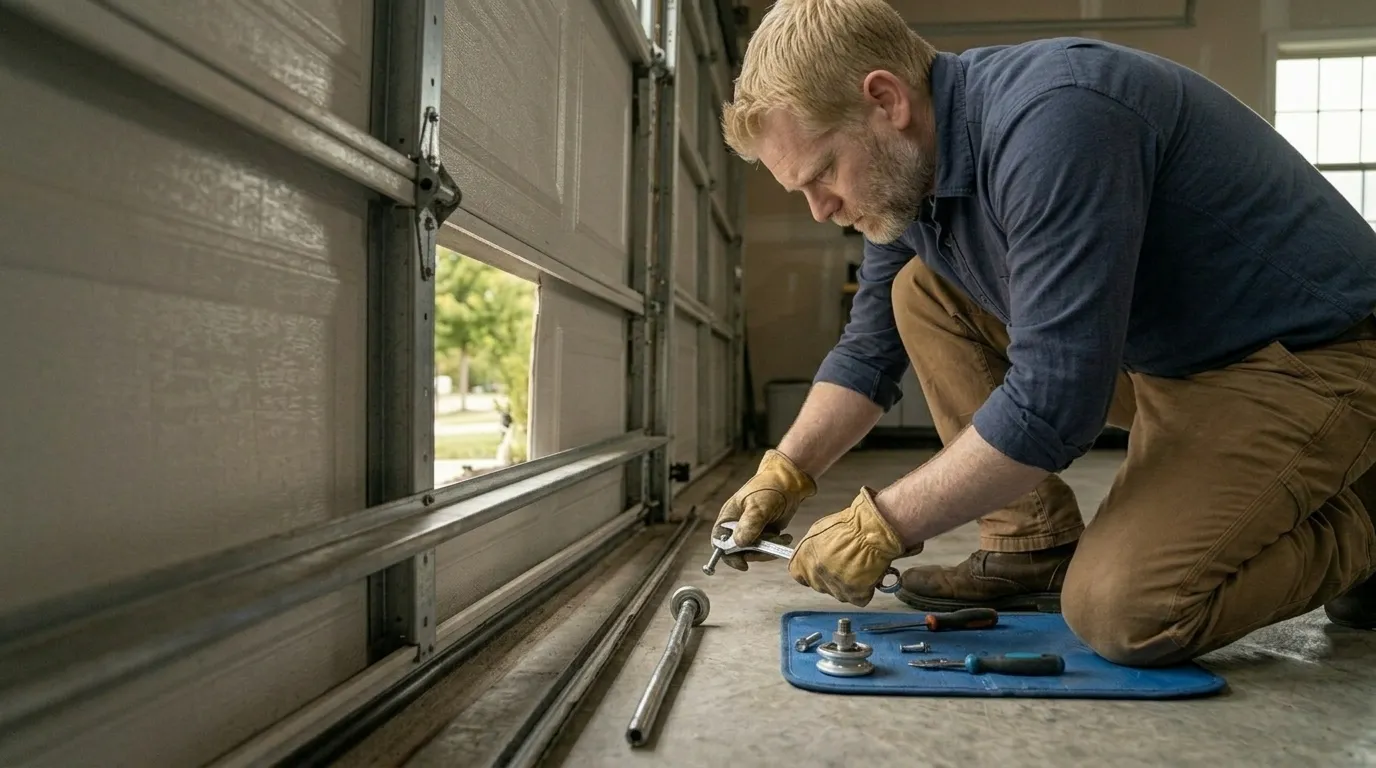
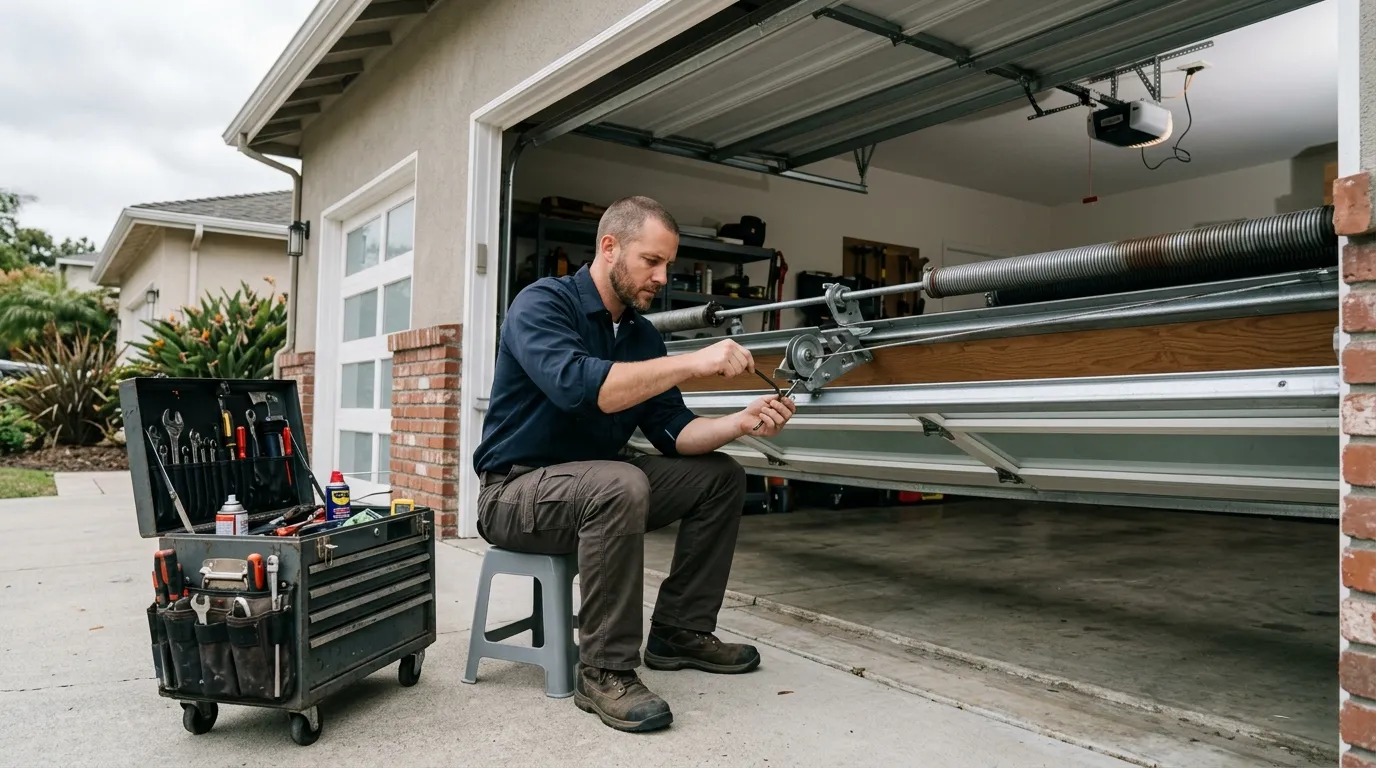
The failures we see on Berkley calls trace straight back to the age of the housing. A door built to fit a 1949 opening runs on hardware that was never designed for the spring tension modern insulated doors need, so when an owner swaps the door but keeps the old track and jamb brackets, something eventually gives - usually a bent track or a stripped bracket, not the door itself.
Michigan's severe cold band is the other half of it. On these older single-layer doors, the steel contracts hard in a deep freeze and old fasteners loosen faster than they would on a newer, better-sealed opening. That's less a Berkley-specific quirk than a citywide one, but it shows up more here because more of the doors are original or close to it.
With around 6,852 households in Berkley, most on lots platted well before double-wide garages were standard, the single-car-to-double conversion is a recurring request - and it's a framing job as much as a door job, which is why we look at the opening before we quote the door.