Doing It Yourself
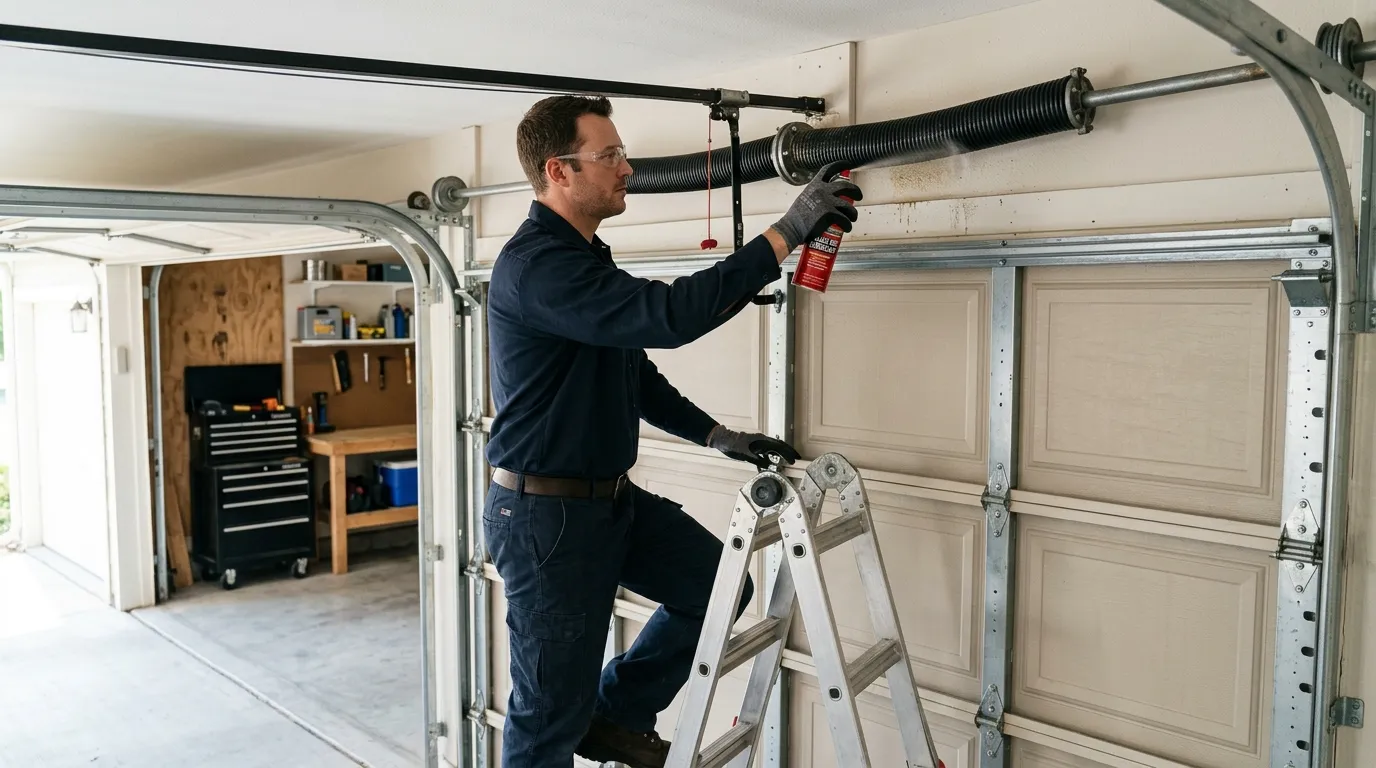
A lot of Berkley garages still have the door that came with the house, or a direct replacement on the original track. Homeowners can do some of this themselves: wipe down the tracks with a dry rag, check that the bottom rubber seal isn't cracked, and look at the springs for gaps in the coil - if you see a gap, stop, that spring is under load and not something to touch. Lubricating rollers and hinges with a light garage-door lubricant (not WD-40, which attracts grit) once or twice a year keeps things quiet and slows wear.
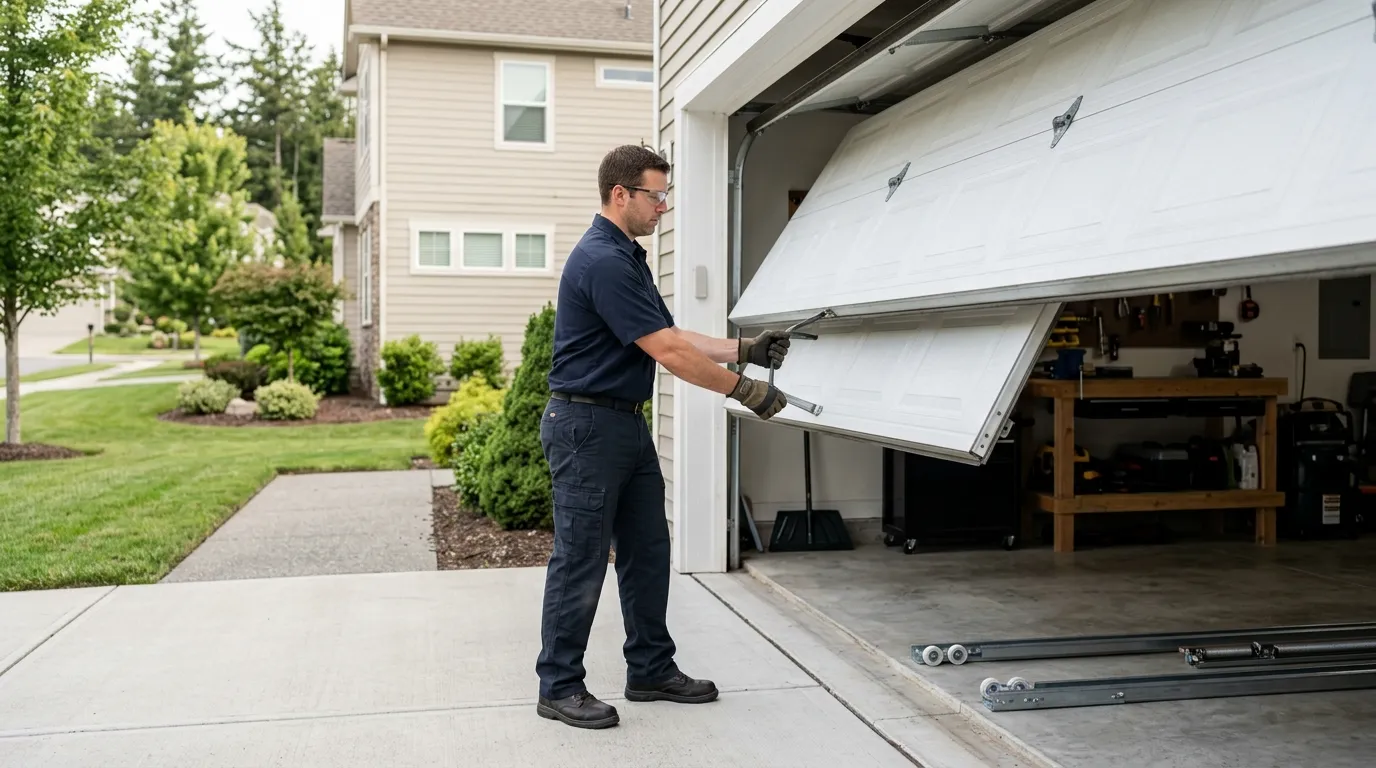
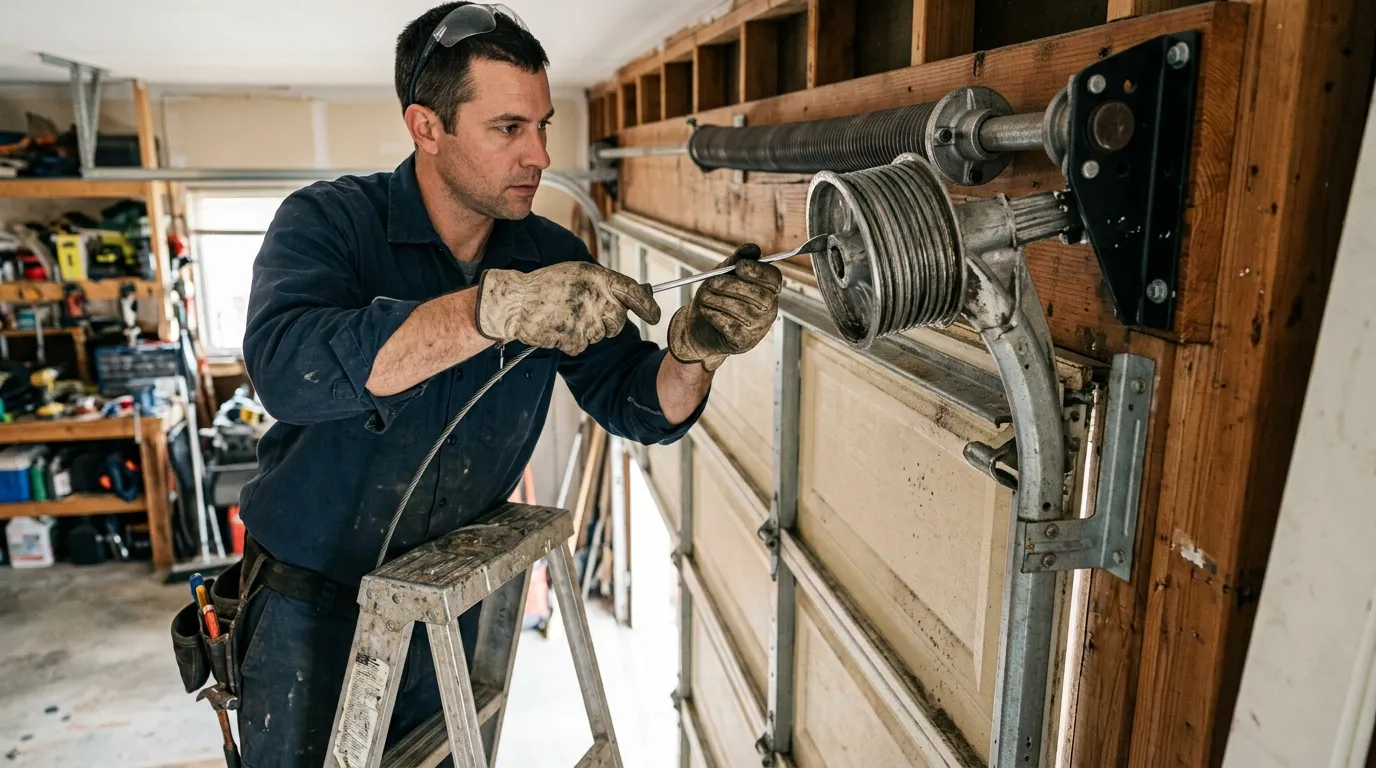
What you shouldn't do yourself: adjust spring tension, replace a cable, or take apart the opener's gear housing. On a house built in 1949, the hardware you're working around may be older than anything sold today, and parts don't always interchange the way they would on a newer door. If a fastener looks original to the house, treat it as fragile rather than force it.
We're honest that not every door here is worth maintaining forever. If the track is bent from age or the panel steel has rusted through at the bottom, tuning it up is a short-term fix, and we'll tell you that instead of billing you for repeated visits on a door that's due for replacement.
How We Fix It
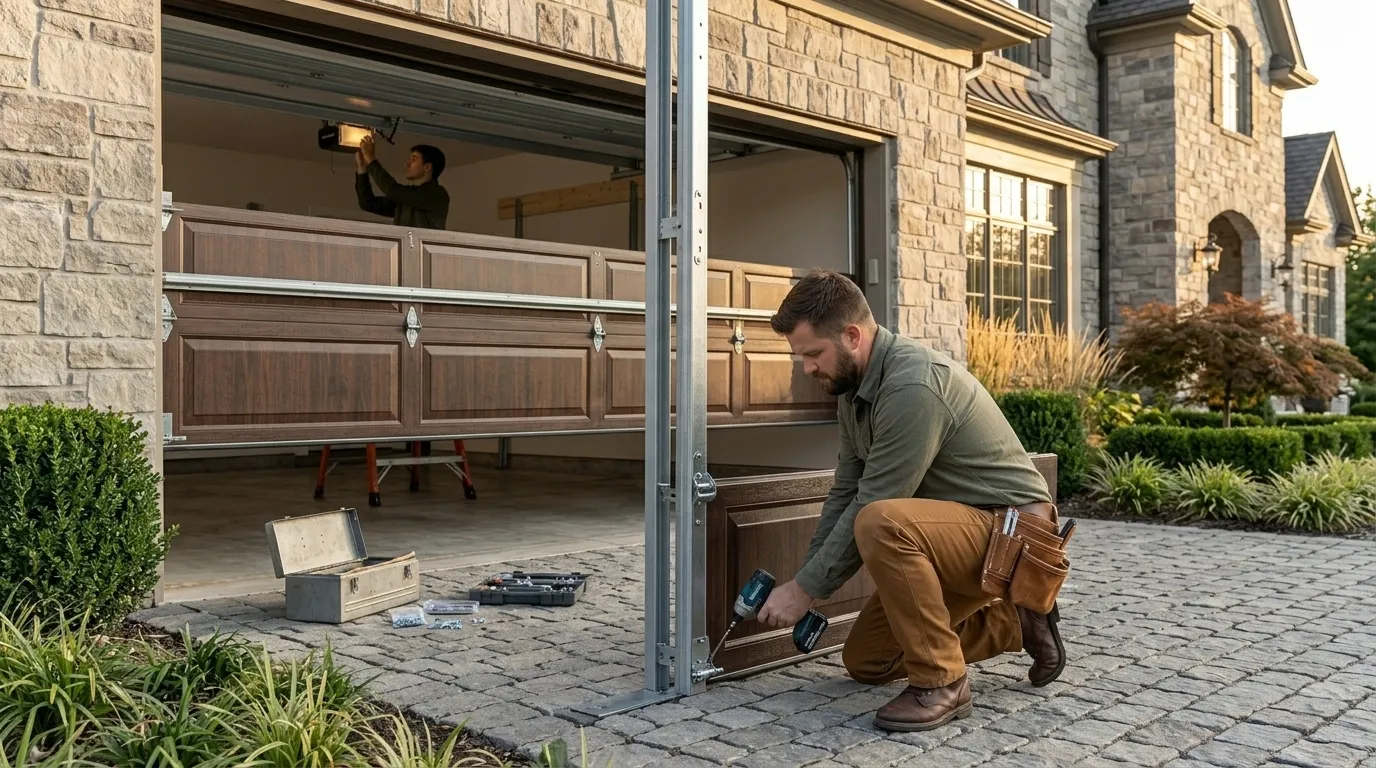
We come out from Livonia, 12 miles over, and start by checking whether the door and opener are original to the house or a later swap. In a city where the median home dates to 1949, that's not a rare question - a good share of doors we look at are on hardware installed decades after the house itself, since garage doors get replaced more often than roofs.
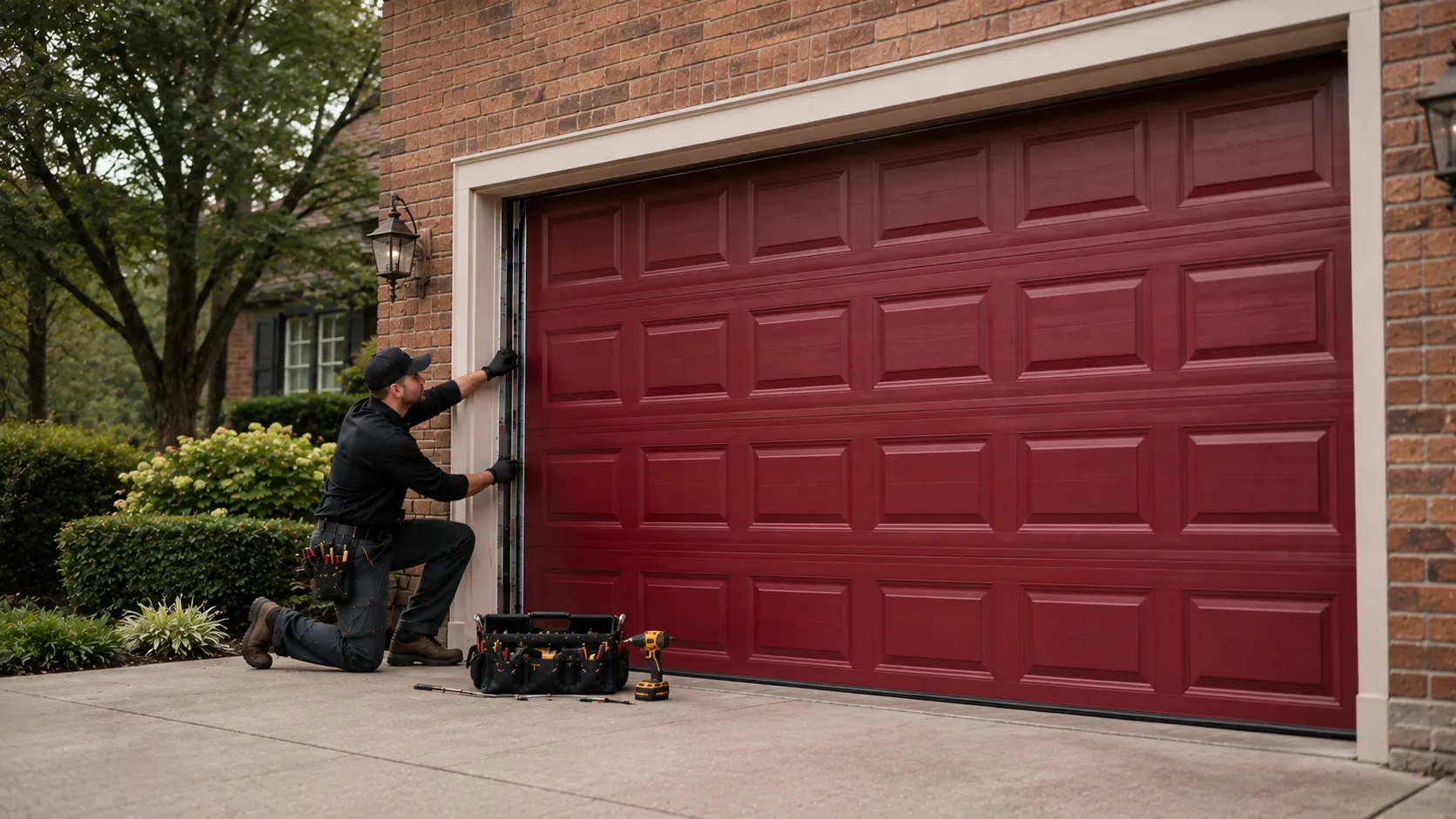
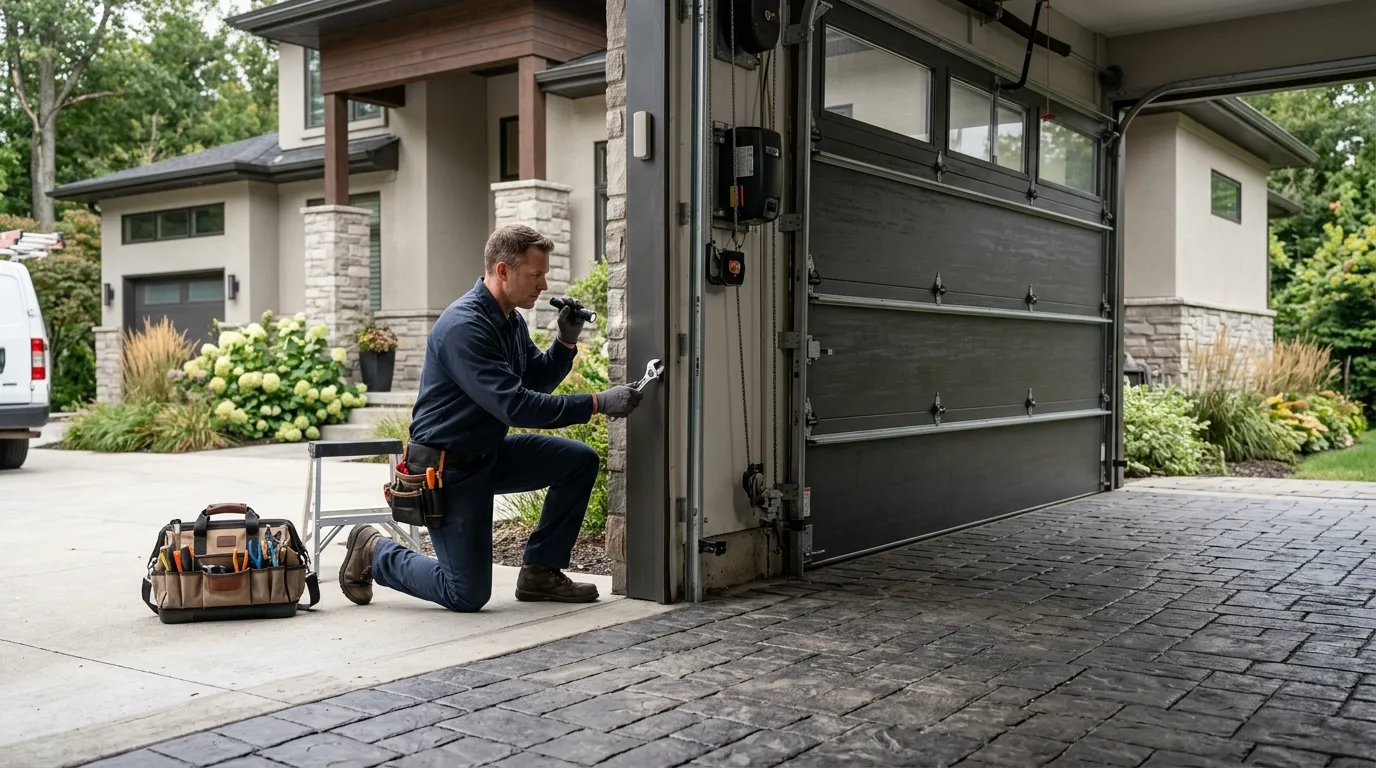
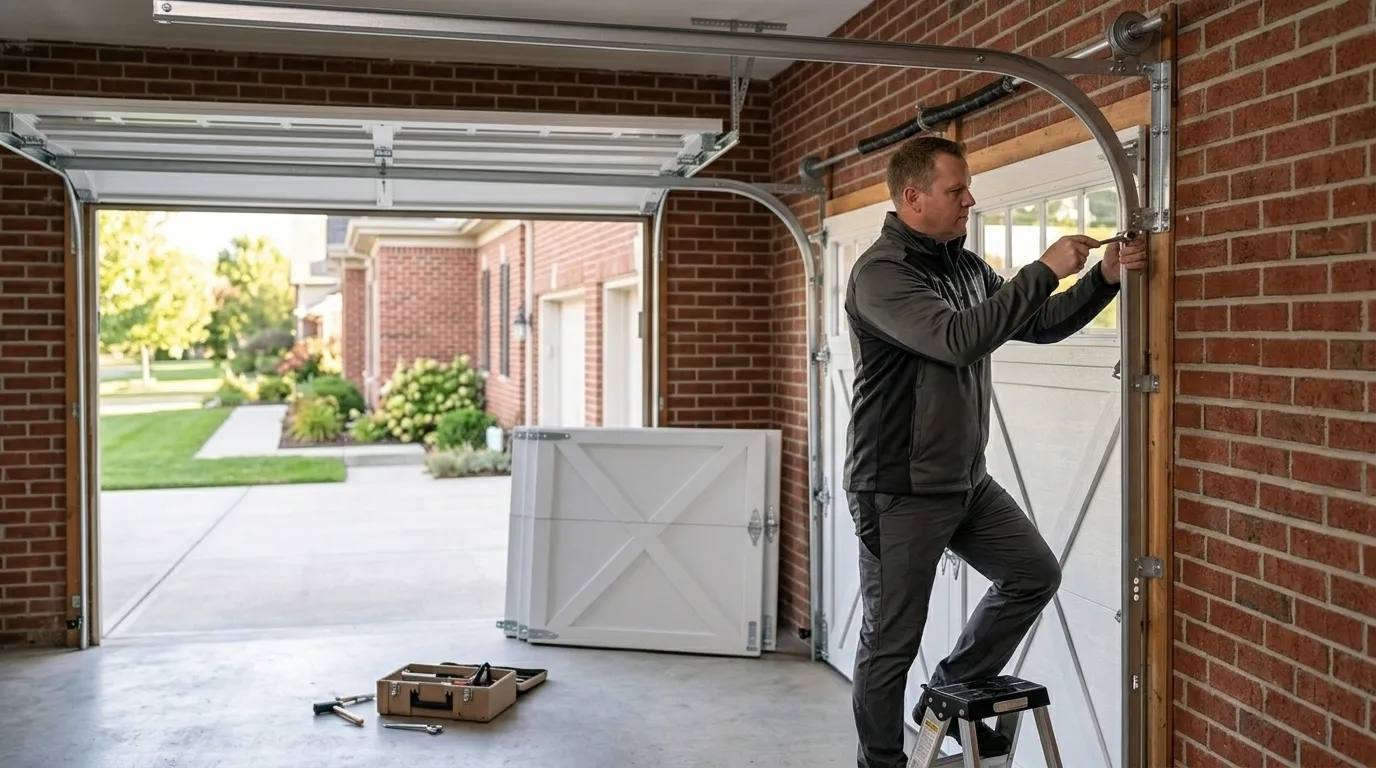
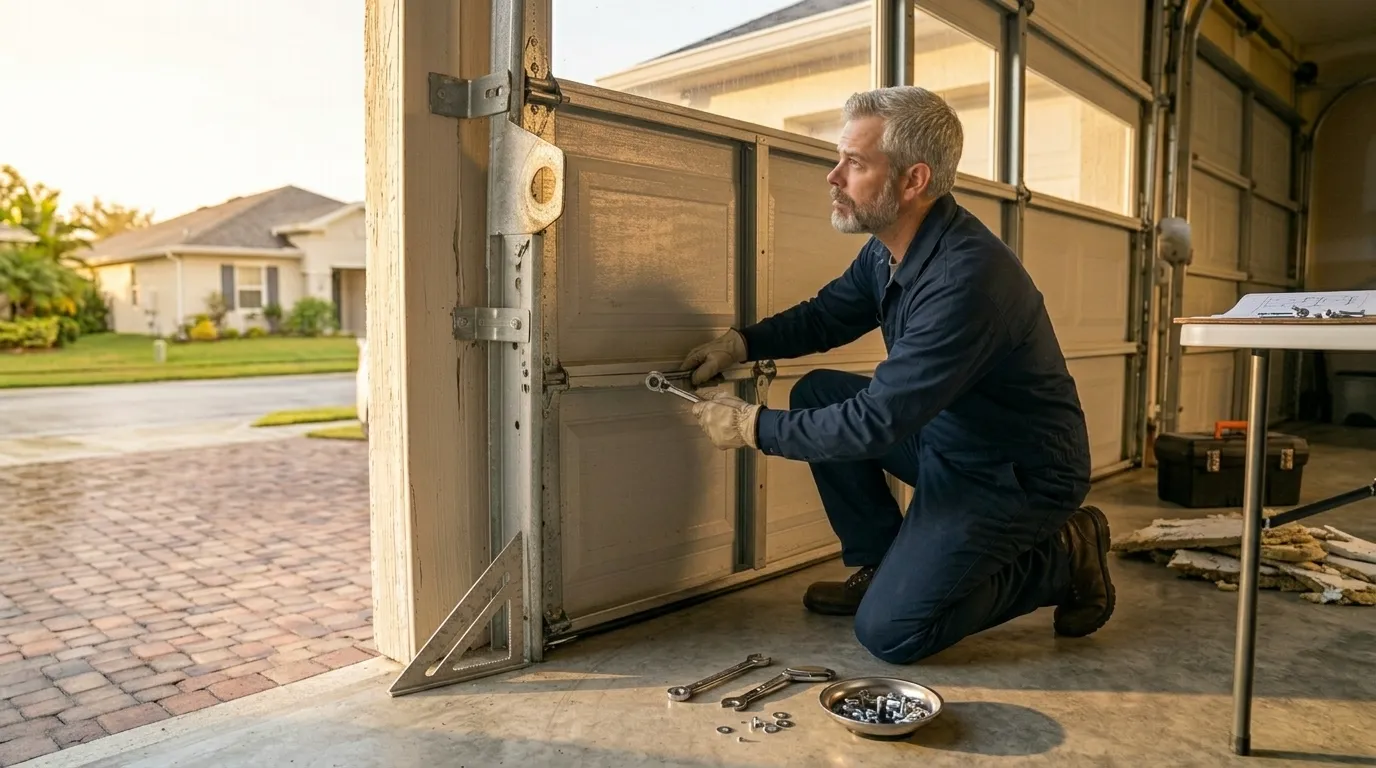
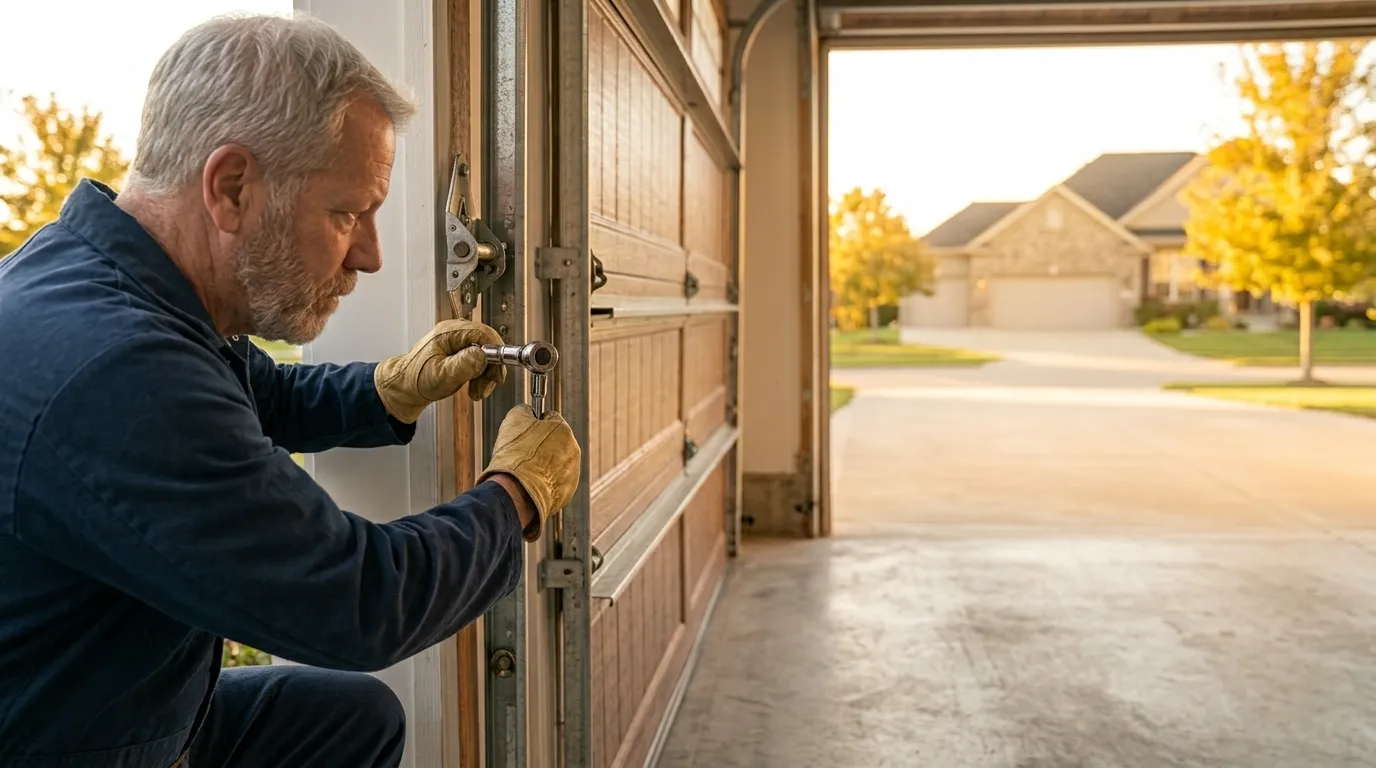
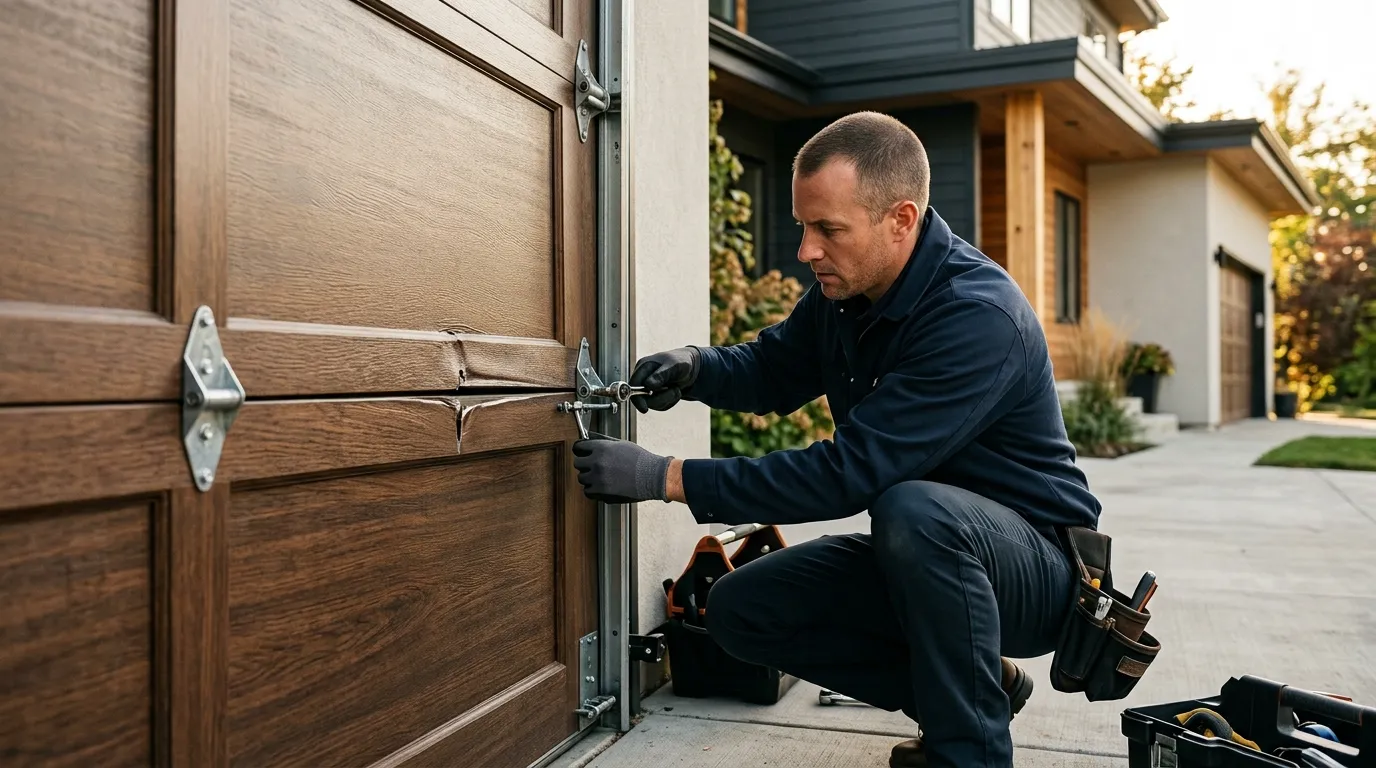
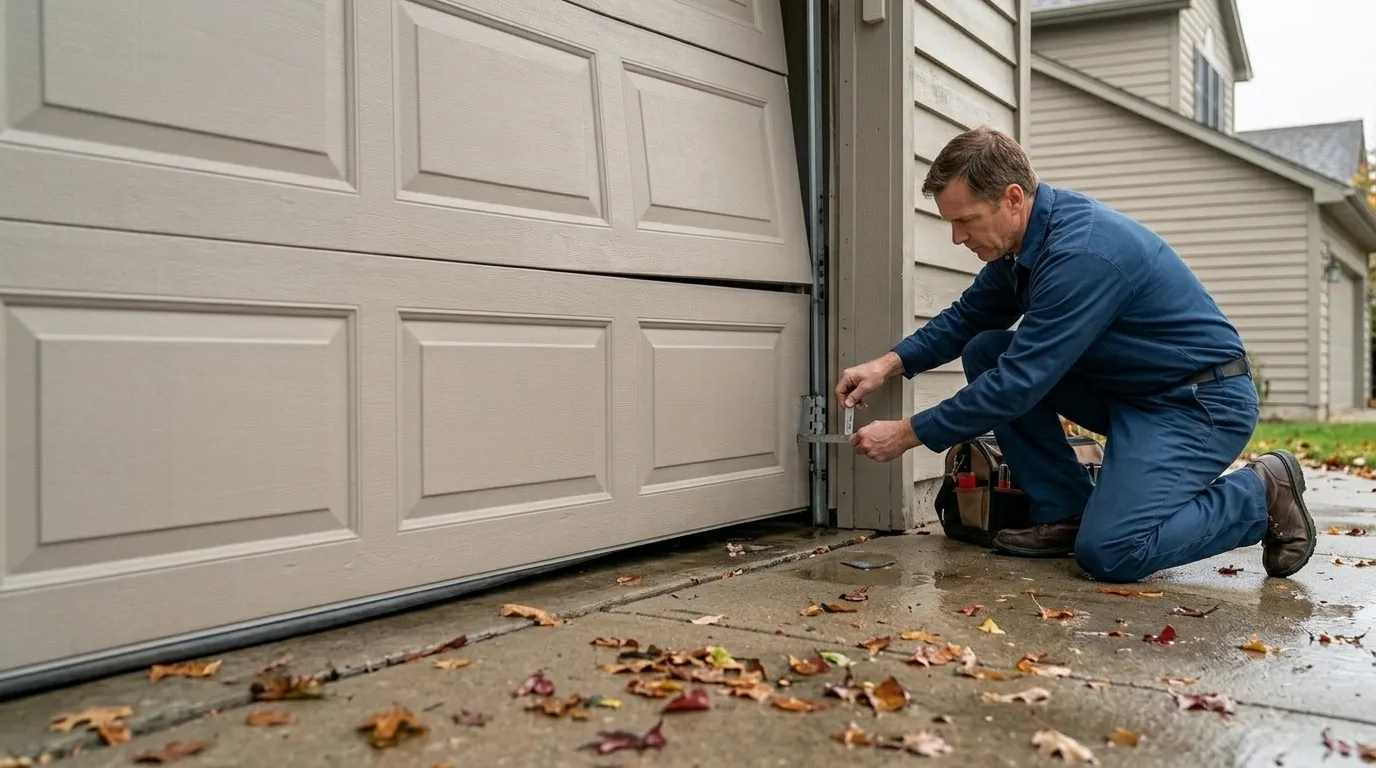
Maintenance here means checking torsion or extension spring balance, testing the auto-reverse safety sensors, tightening the track brackets against the framing, and re-torquing hardware that's worked loose over years of freeze-thaw cycling. Cold-climate swings put real stress on steel track and lag bolts - metal contracts, wood framing shifts slightly, and bolts back out a turn at a time. We check for that specifically rather than just spraying lubricant and calling it done.
We don't stock every part for every era of door on the truck. If your opener or spring size is unusual for the age of the house, we may need to order a part before we can finish the job in one visit.
What Causes It Around Here
The main driver in Berkley is age. With a median build year of 1949, houses here are older than the typical 1960 median across the wider service area, which means more of the garages were framed before automatic openers were standard equipment. Tracks and brackets were often installed for a manual door, then retrofitted later - and retrofits are where hardware stress concentrates over time.
Winters in this region sit in a severe cold band, and that matters more on older hardware. Steel track bolted into framing that's had 75 years to settle doesn't flex the same way newer construction does, so seasonal contraction works fasteners loose faster than it would on a house built in the 1980s or 90s. We see more bracket and lag-bolt callbacks on the pre-1950 side of our territory than on the newer end of it.
Humidity and de-icing salt tracked in on tires also speed up rust at the bottom bracket and rollers, especially on doors that haven't been serviced in a few years.