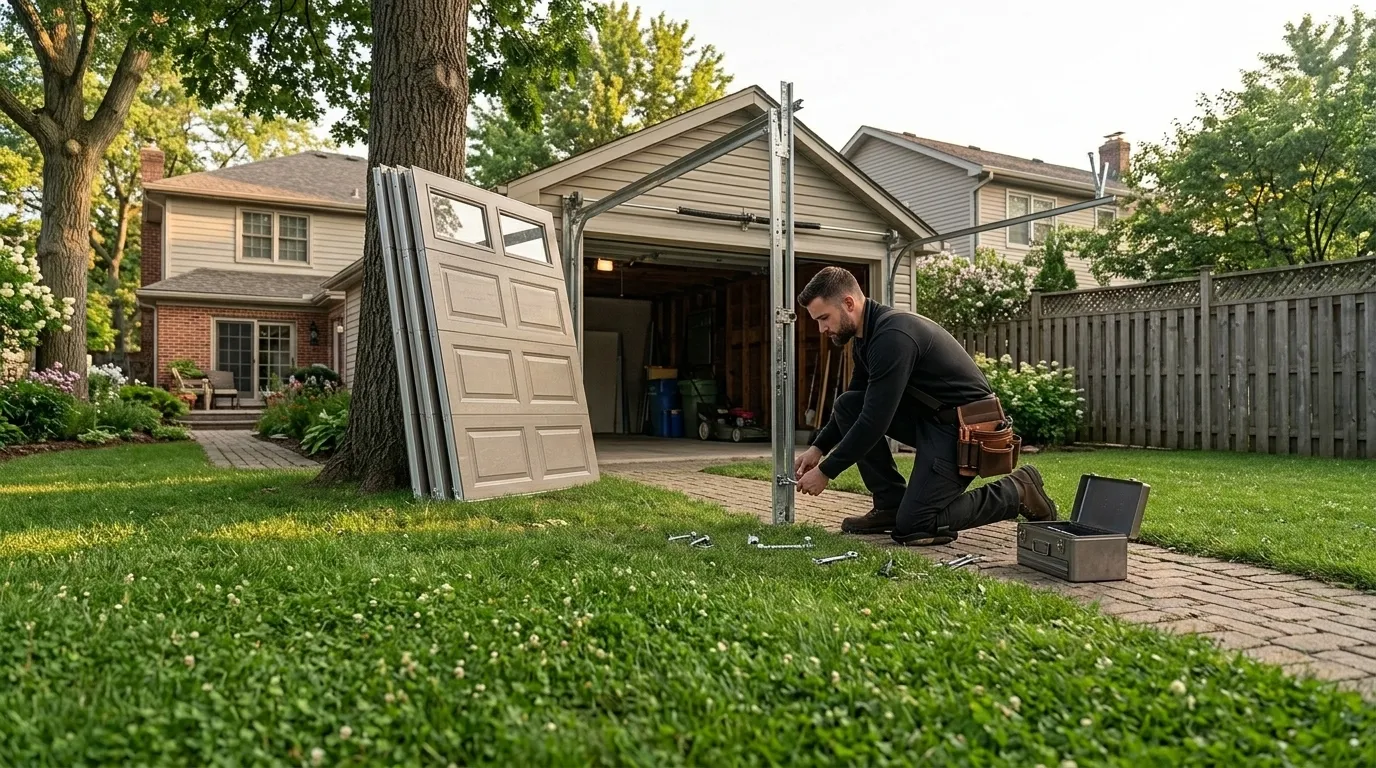
Doing It Yourself
Berkley's median household income sits at $113,103, well above the $70,984 median across our service area. That matters here because it changes the math on repair versus replace faster than in most towns we cover. On a lower-income block, a homeowner might patch a worn door for another five years out of necessity. In Berkley, once a door is fighting its owner every morning, most people would rather write the check for a new one than keep feeding parts into a door built when Truman was president.
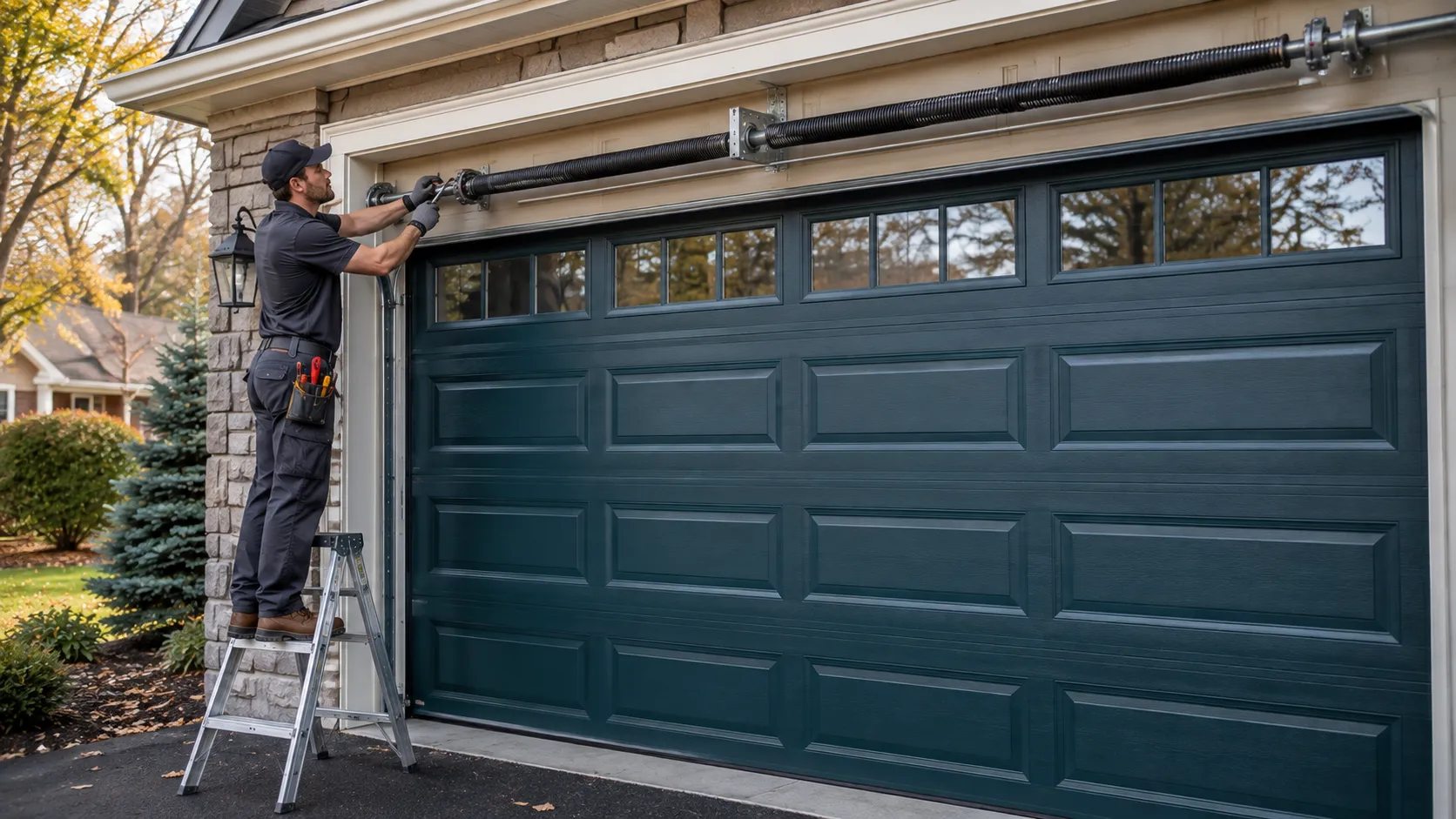
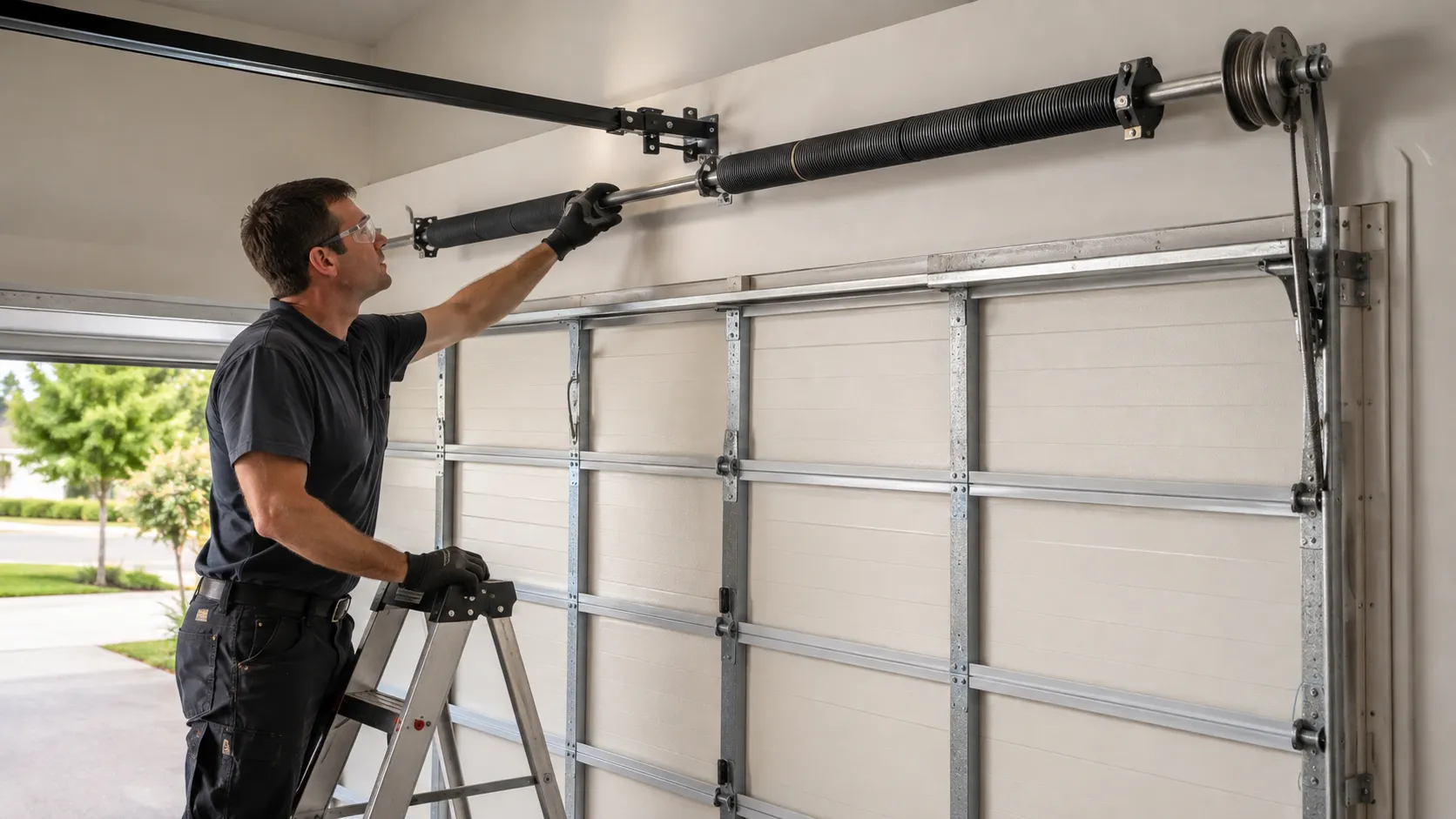
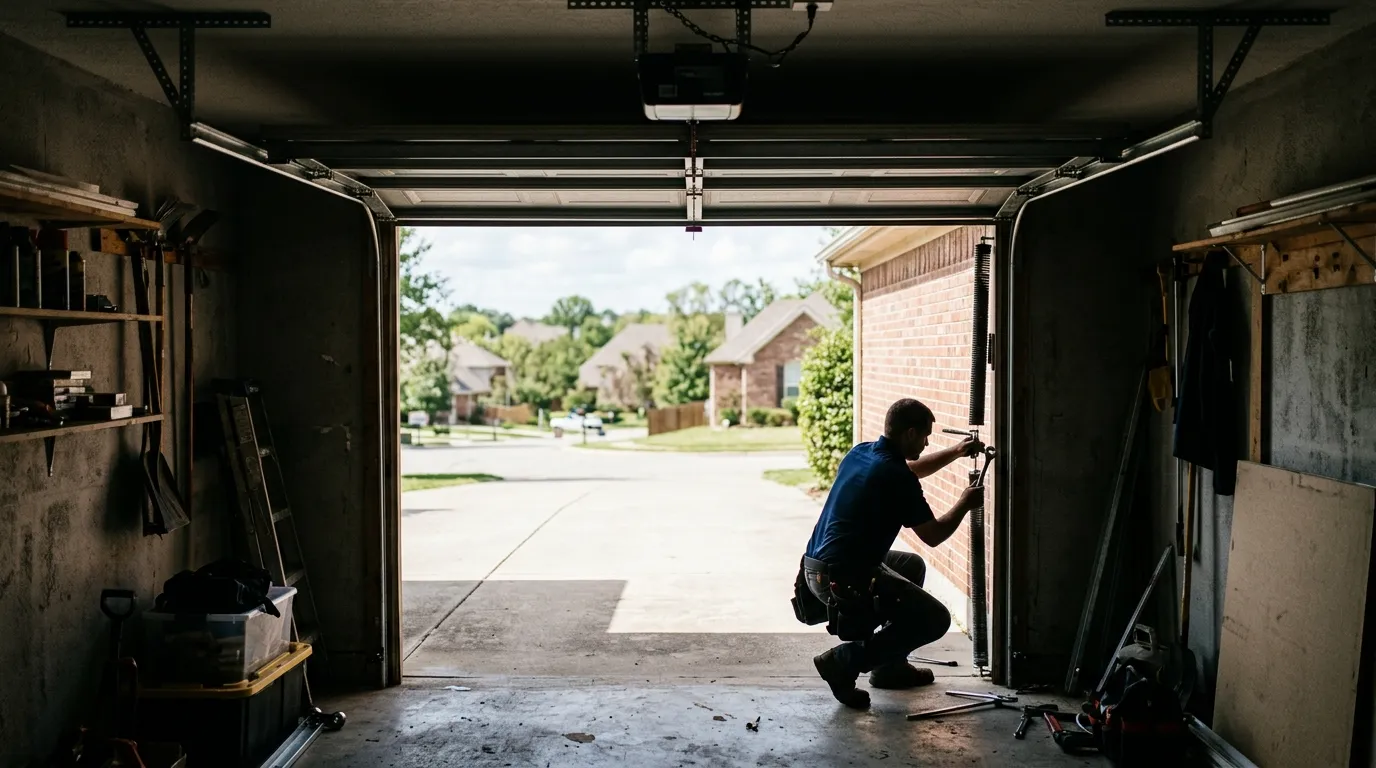
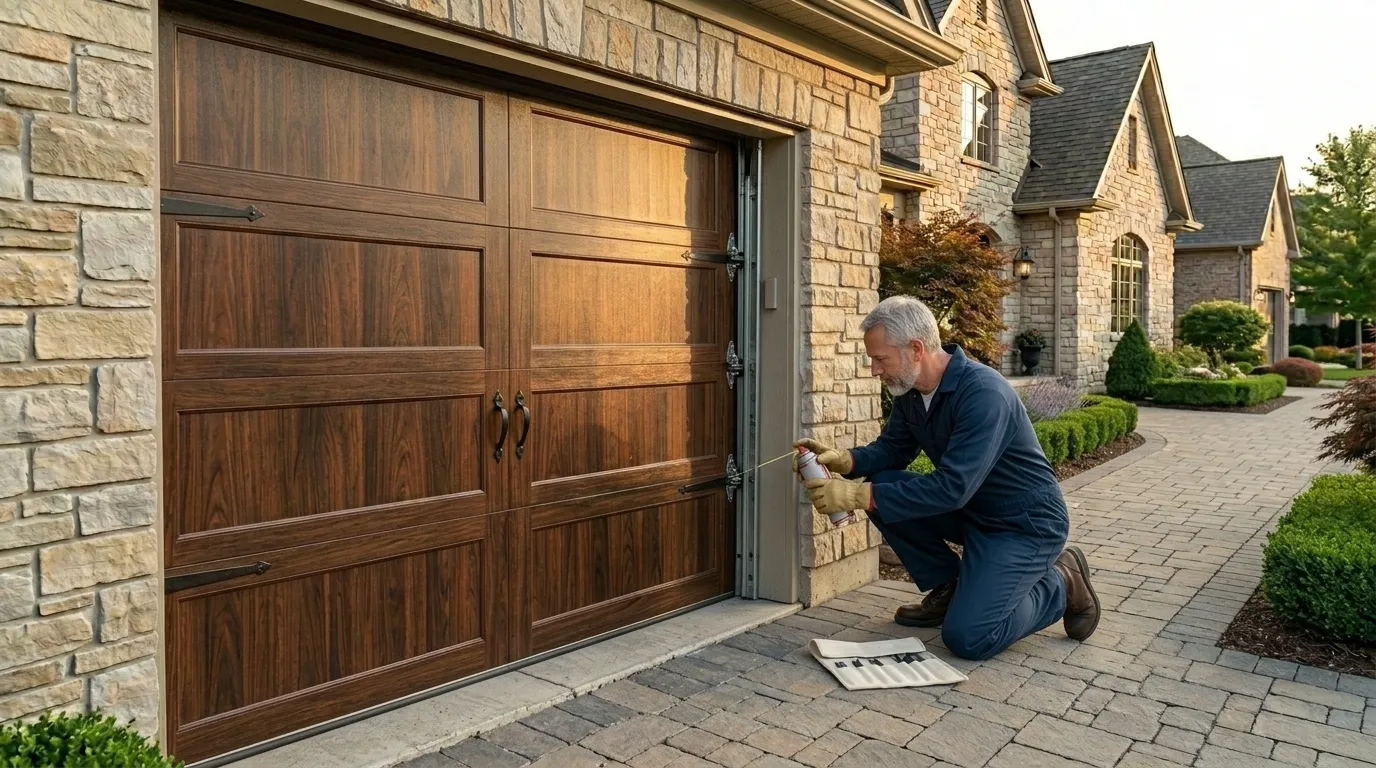
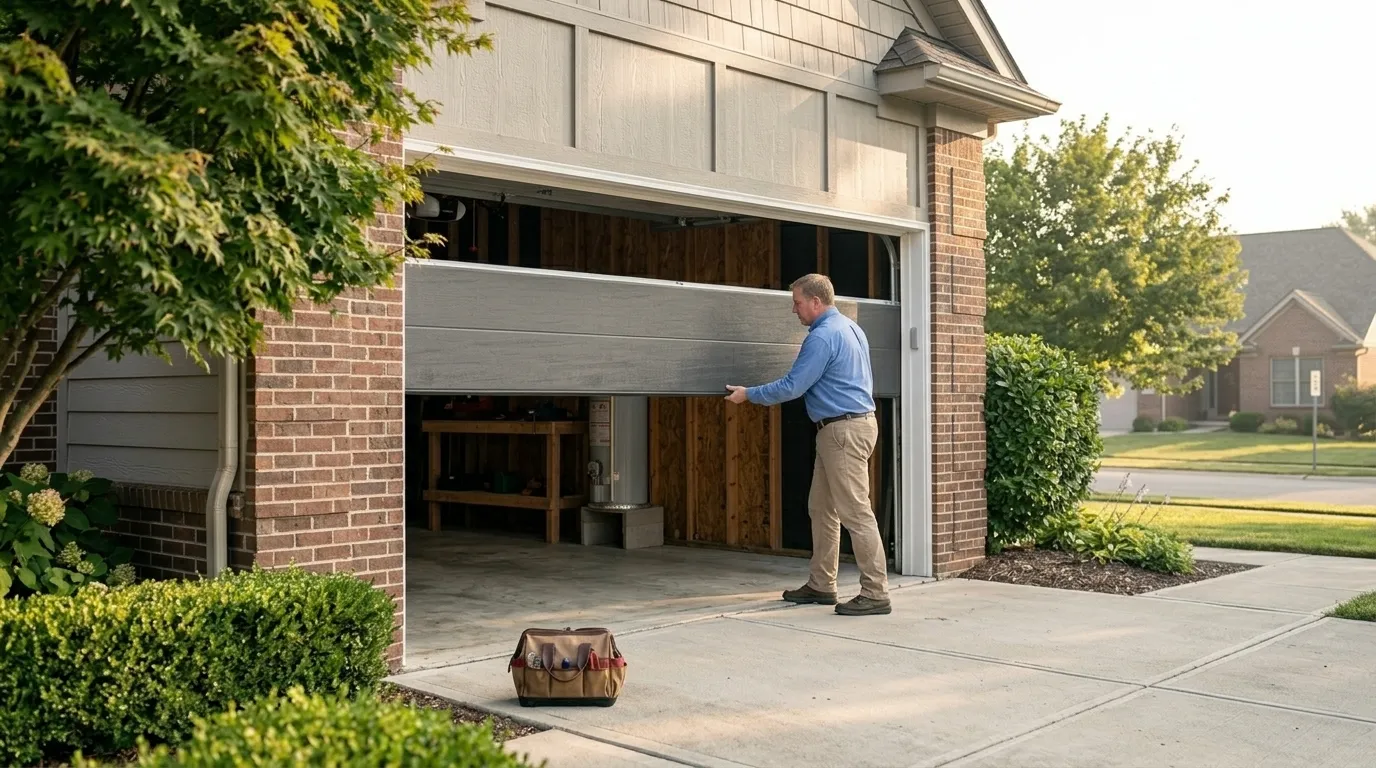
That said, plenty of Berkley jobs are still simple repairs, and you can handle some of them yourself. Tightening loose hinge bolts, lubricating rollers and hinges with a silicone-based spray, and clearing track debris are safe DIY tasks on any door. What you should not touch: torsion springs, cables, or anything holding tension. On a door this old, the spring may be a size or wind pattern that isn't stocked at the hardware store, and the housing around it may be original lumber that won't take a fresh anchor point cleanly. If you're not sure which category your problem falls into, that uncertainty is itself the answer - call it in.
How We Fix It
Berkley's housing stock runs older than most of the towns we serve from Livonia - the median year built here is 1949, a good decade or more ahead of the 1960-70s stock that makes up most of the wider service area. That means original garage openings sized for cars from a different era, narrower tracks, and in some cases low headroom that rules out a standard extension spring setup.
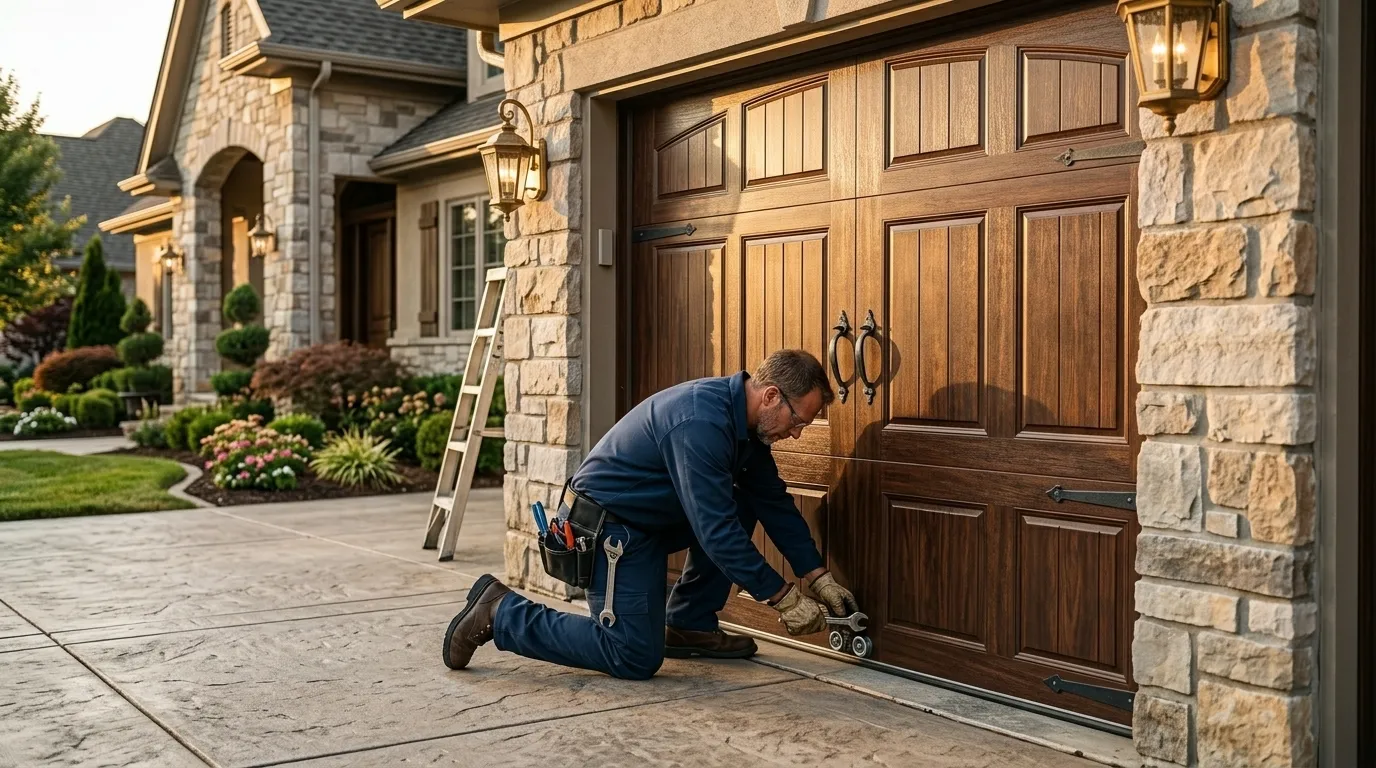
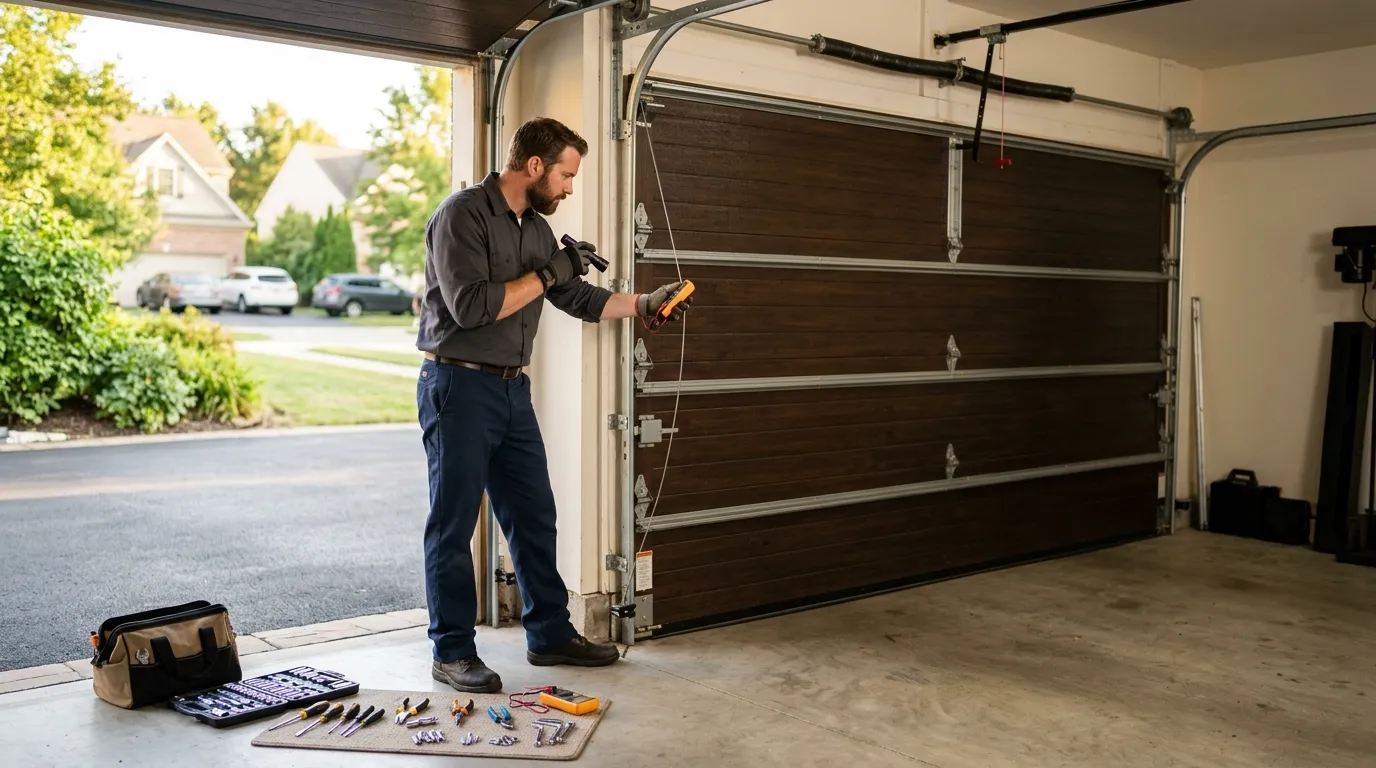
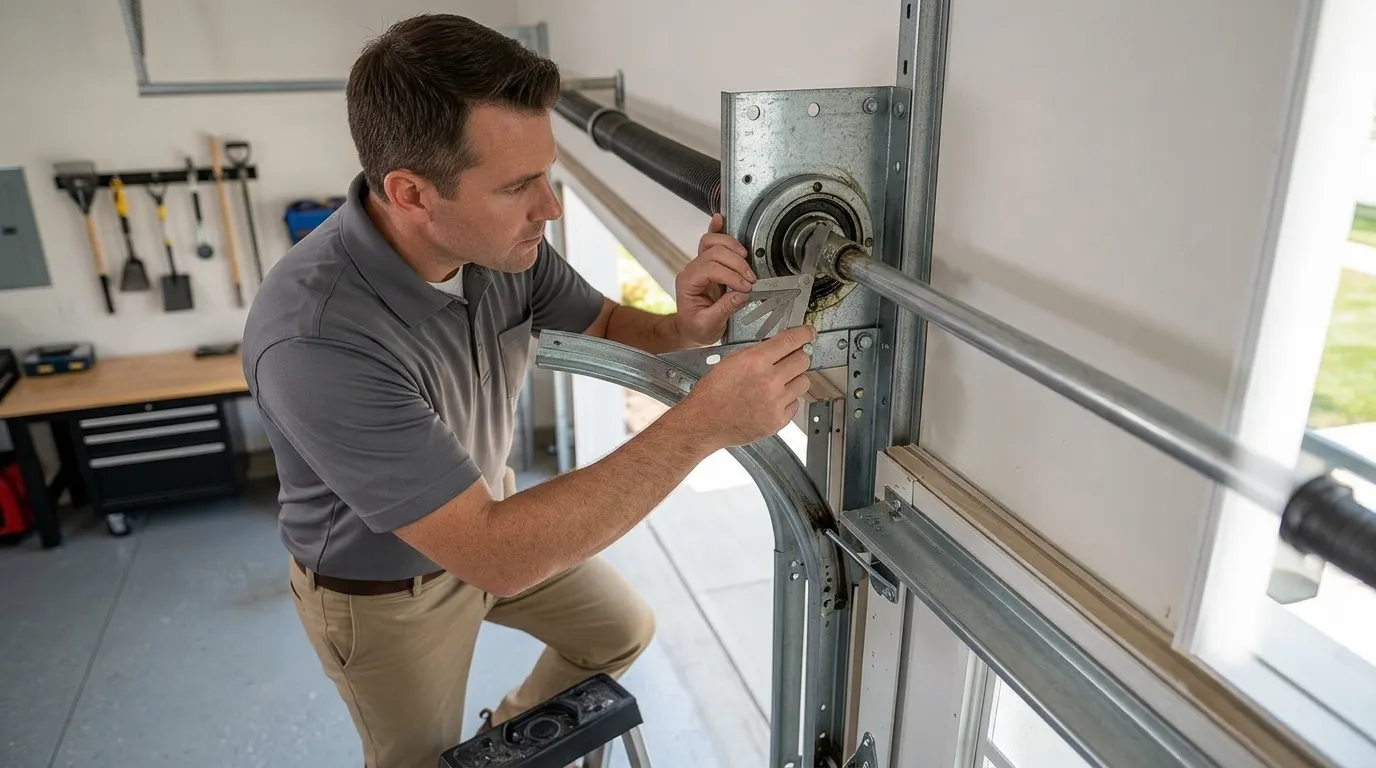
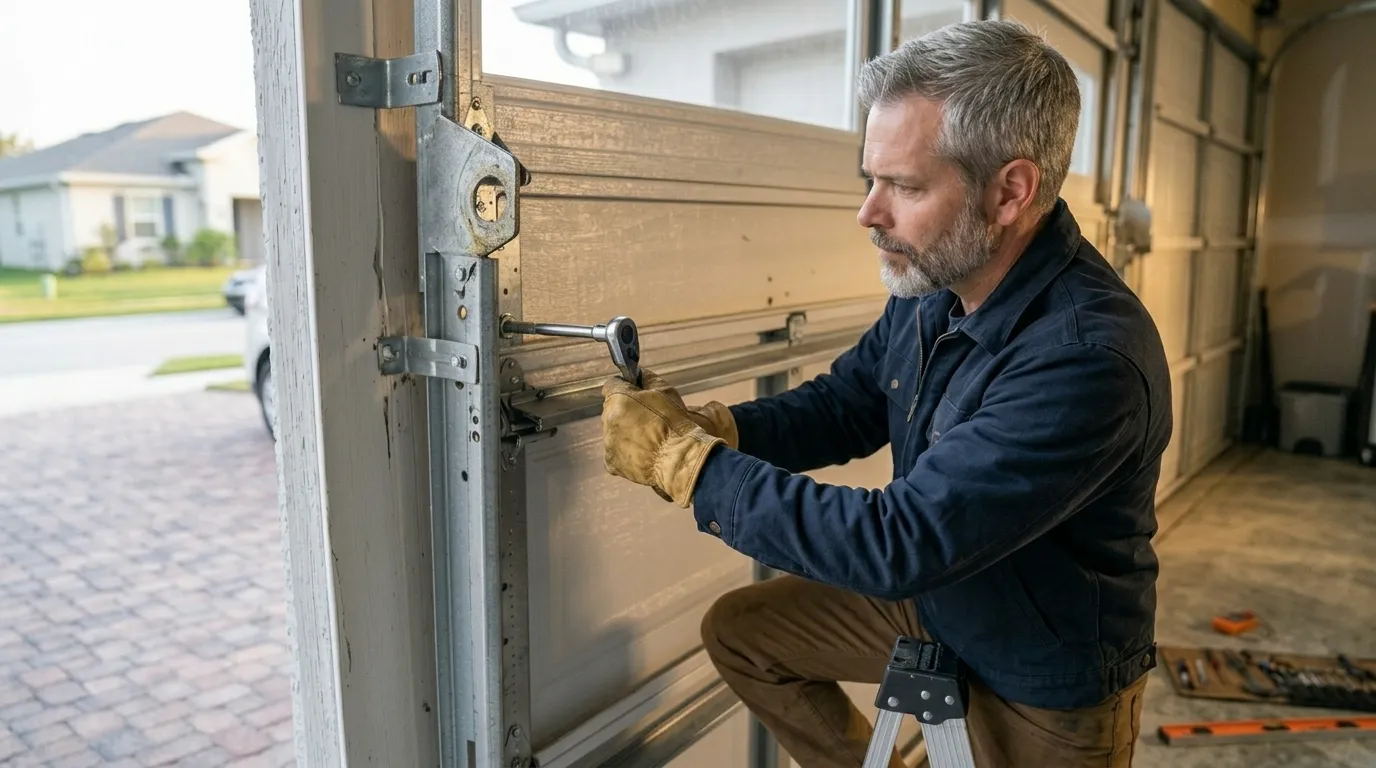
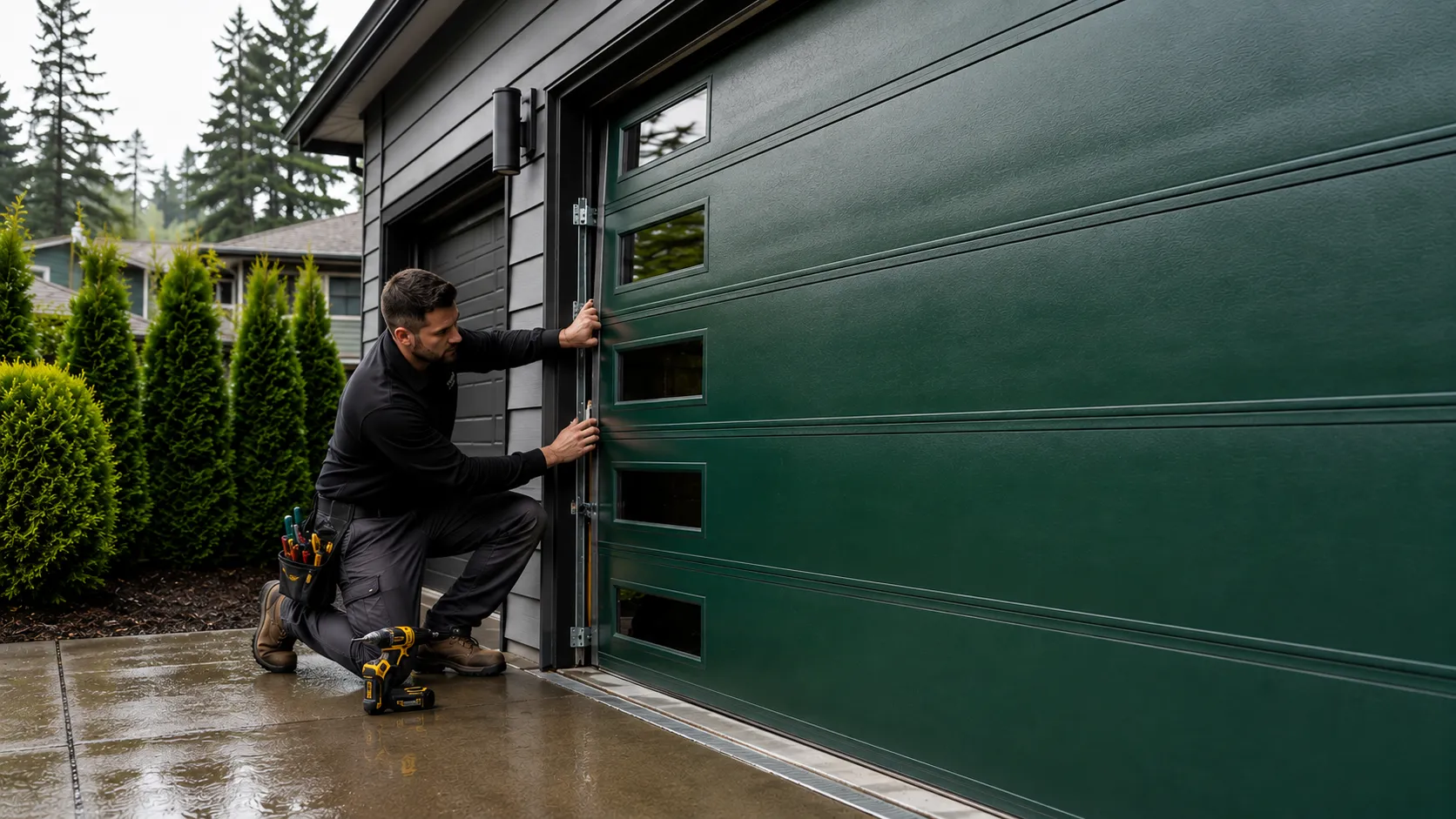
When we get a call from Berkley, the first thing we check is whether the existing track and spring system is even the right fit for the door that's on it now, since a lot of these openings have had at least one replacement door installed over the decades without the hardware being updated to match. We repair what's sound - rollers, cables, hinges, openers - and we're straight with a homeowner when a torsion spring conversion or full hardware swap makes more sense than another patch repair on a door frame built for a smaller car and a lighter panel.
We don't stock every obsolete part for a 1949-era opening on the truck, so a repair on the oldest doors sometimes means a short parts wait rather than a same-visit fix. We'll tell you that up front, not after we're already there.
What Causes It Around Here
The service area overall runs a severe cold climate, and Berkley's housing predates most of the newer stock nearby, which is a combination that shows up in specific ways. Winter cold makes steel springs more brittle and more likely to snap on a cold morning than in July, and that risk goes up on a door and hardware setup that's already decades past its expected service life.
On a house built around 1949, the garage itself may have been added or converted after the original build, which sometimes means a track or spring rated for a lighter door than what's currently hung on it. That mismatch is the kind of thing that doesn't cause a problem for years and then fails all at once on the coldest week of the year. We can't say which houses in Berkley have that mismatch without seeing the door, but it's common enough in housing this age that we check for it as a matter of course.