How We Fix It
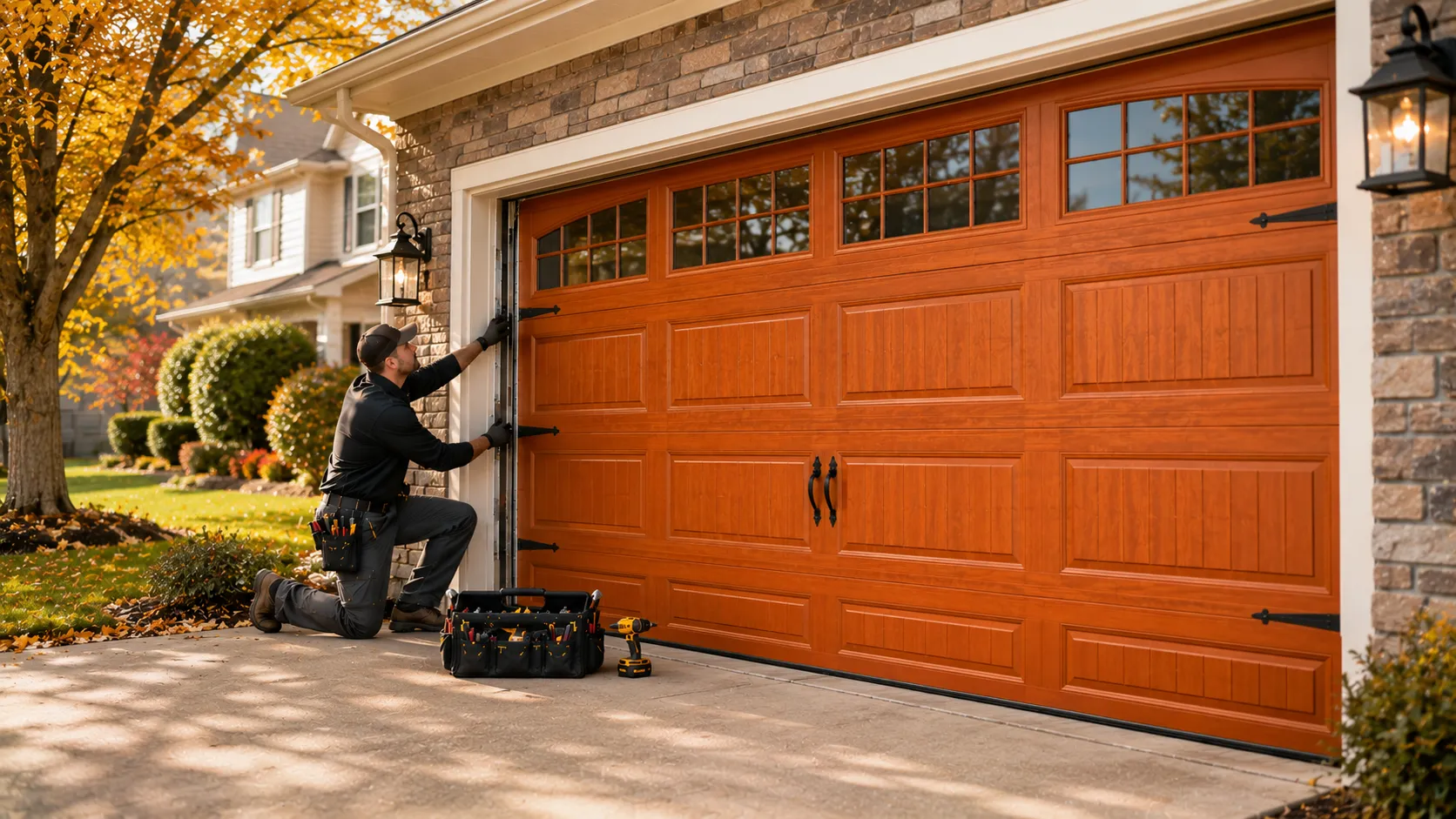
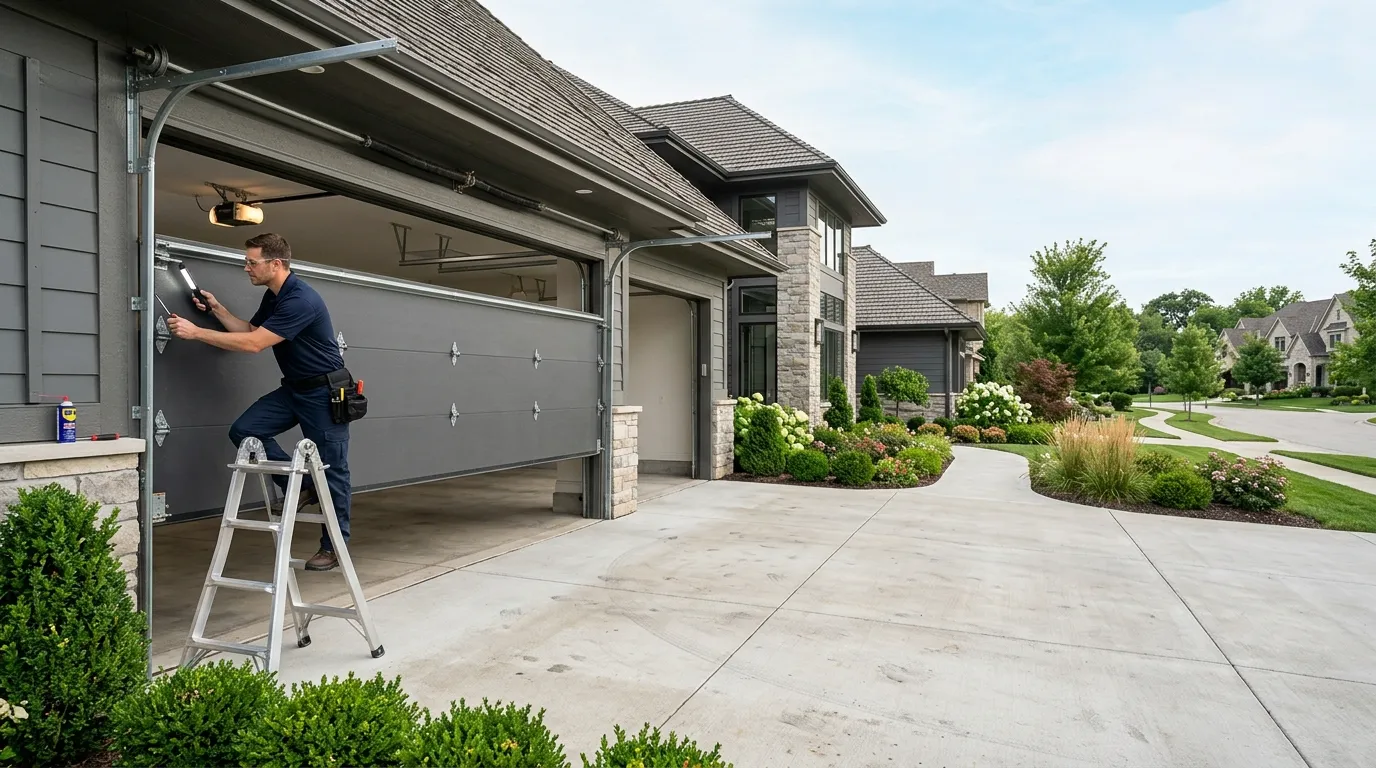
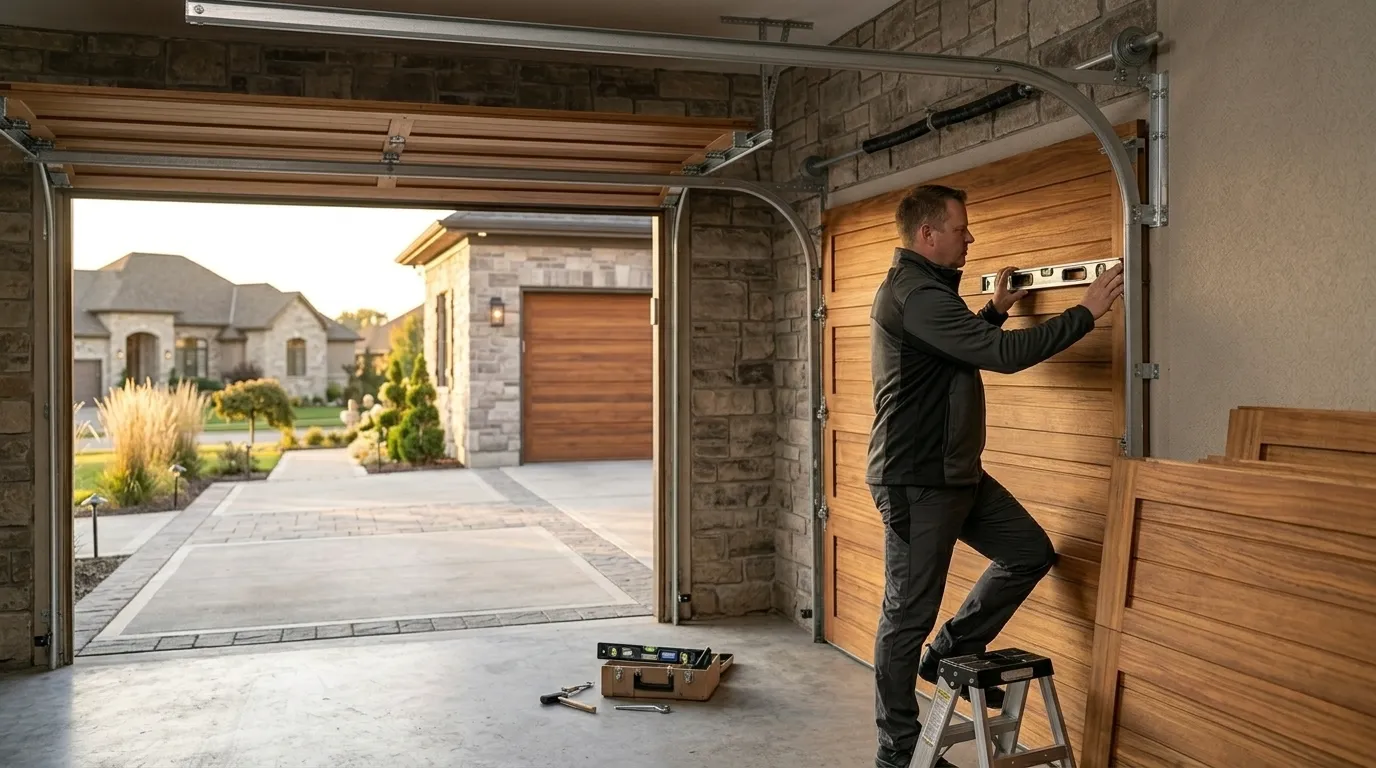
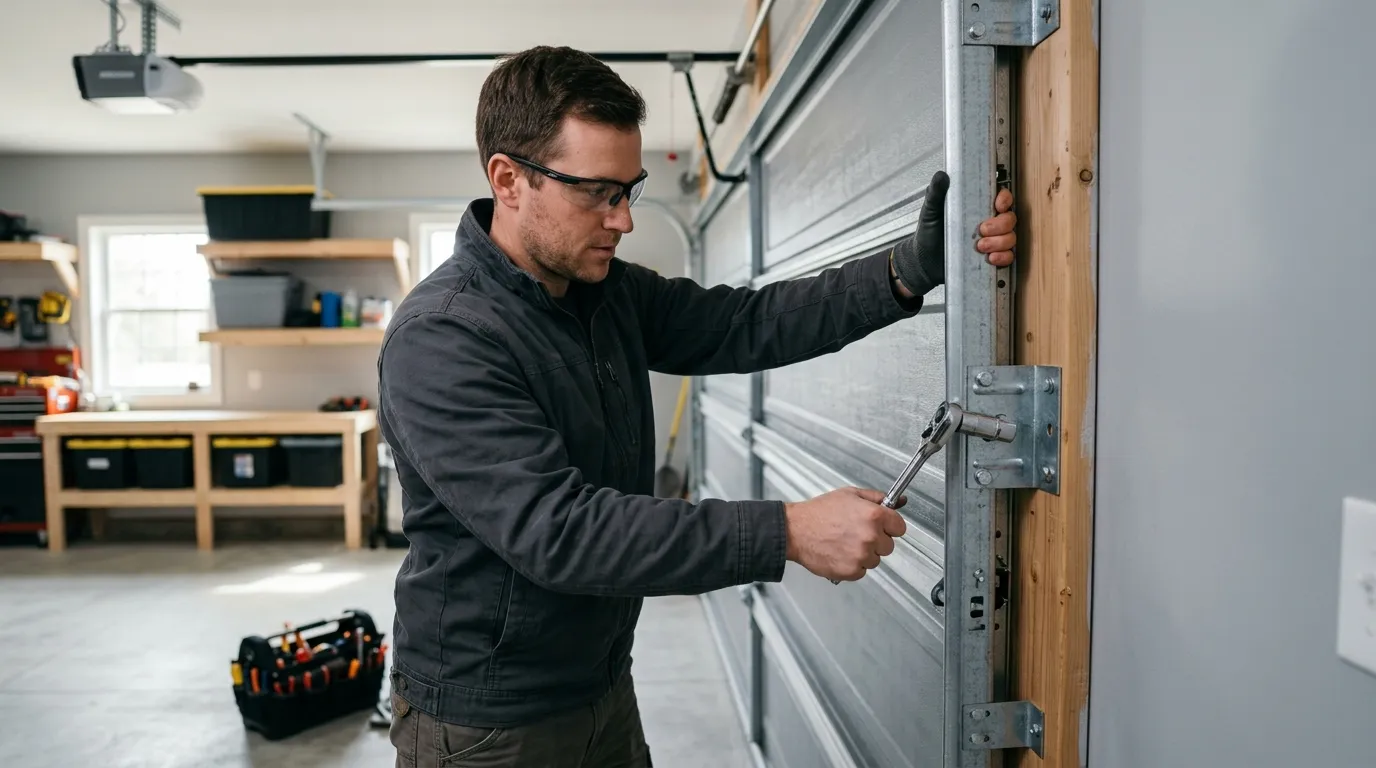
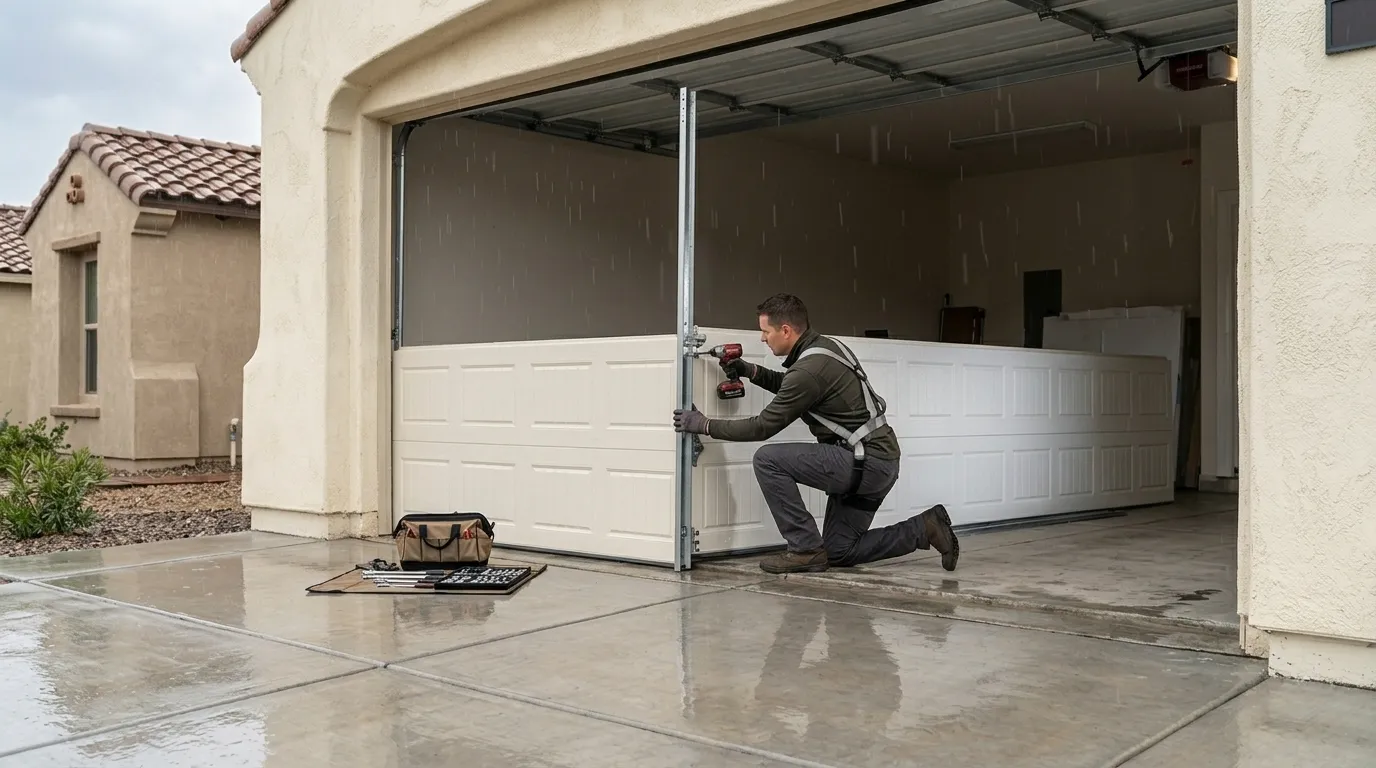
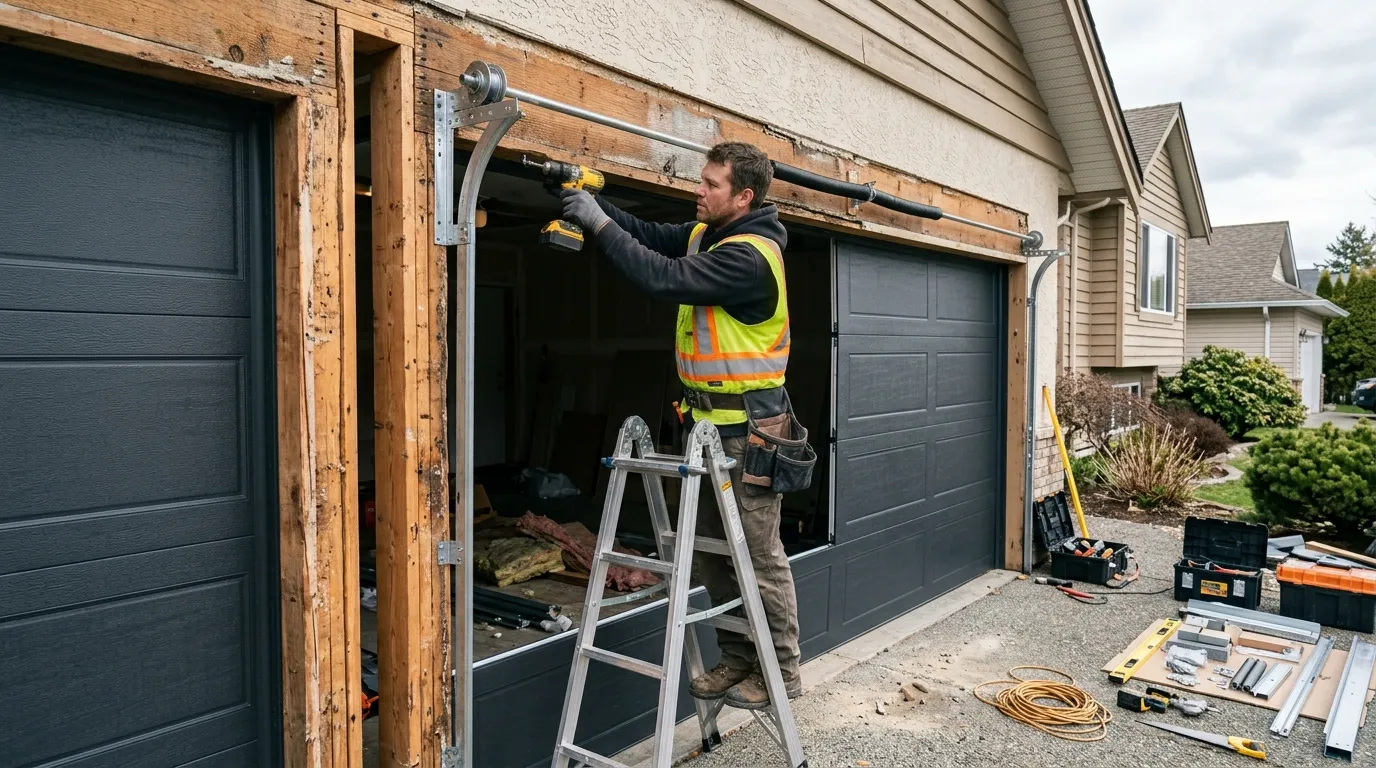
Most of Taylor went up in the early 1960s, median year 1963, and the garage doors that came with those houses used a torsion spring mounted on a single shaft above the opening, wound to counterbalance a door that's heavier than people expect. When that spring breaks, the door doesn't budge, or it drops fast and hard when someone tries to force it. We come out from Livonia, about 13 miles, and start by checking the wind on the shaft and the wire gauge on the spring itself. Original hardware from this era often used a lighter spring than the door now needs, especially if a heavier insulated door replaced the original panel at some point without anyone re-rating the spring. We measure the door's actual weight, pick a spring rated for it, and replace both springs on a double-car track even if only one broke - mismatched springs on the same shaft wear unevenly and you'll be back to a second failure within a year. The old spring comes off the shaft, the new one goes on with the same drum and cable setup unless that hardware is also worn past use, and we test the balance by hand before we leave. If the door doesn't hold itself steady at waist height when disconnected from the opener, it's not done.
What You Are Seeing
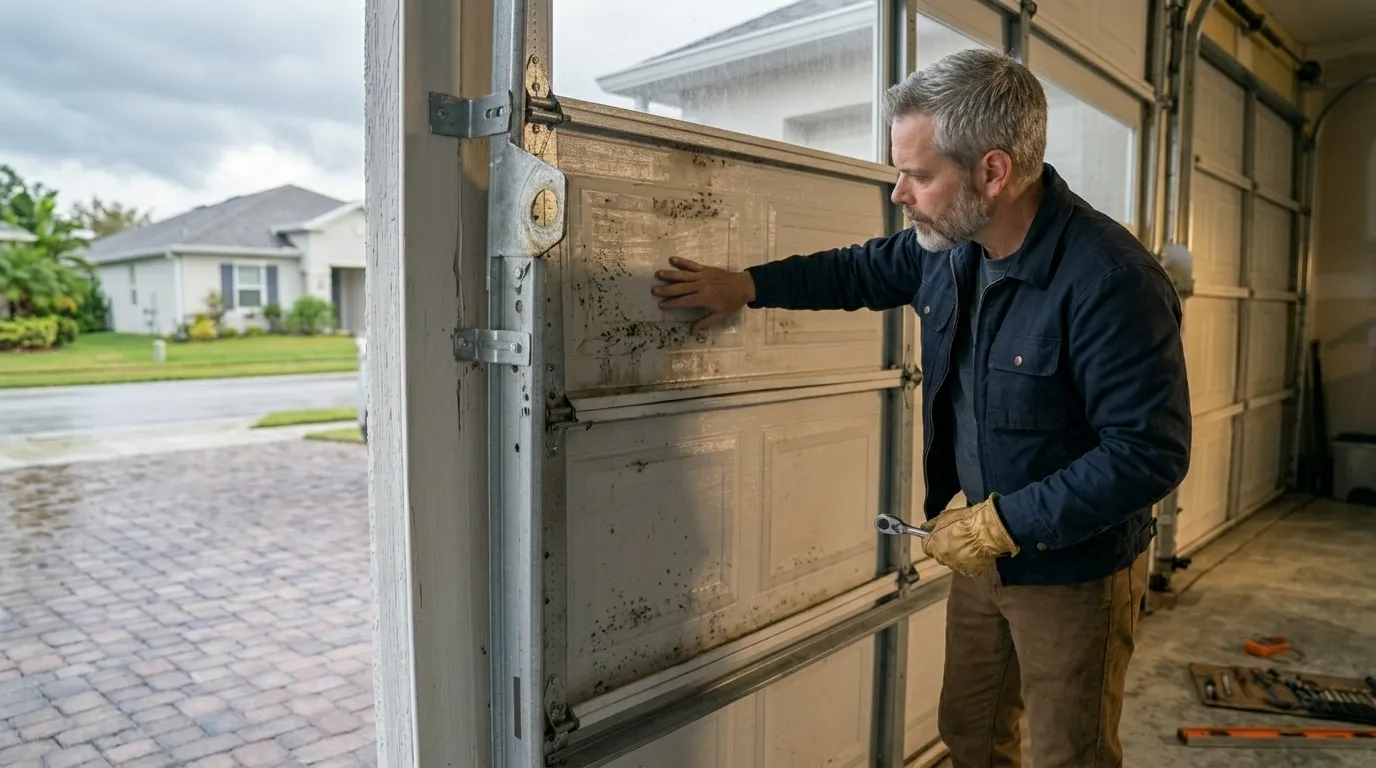
A door that won't lift, or lifts a few inches and stops, is almost always a broken torsion spring, not the opener. Some owners hear the break happen - a loud bang from the garage, sometimes mistaken for something falling off a shelf. Others just find the door dead the next morning, opener motor straining or clicking without moving the door at all. If you look up at the spring above the door and see a visible gap in the coil, that's your answer. On older torsion setups common to Taylor's housing stock, you may also see rust at the ends of the spring where moisture collects - after 60 years, some of these springs have never been replaced, and corrosion can cause a break well before a spring reaches normal fatigue life. Either way, don't run the opener again once you suspect a broken spring. Forcing it strains the cables, the drums, and the opener's gearing, turning one repair into three.
What Is on the Truck
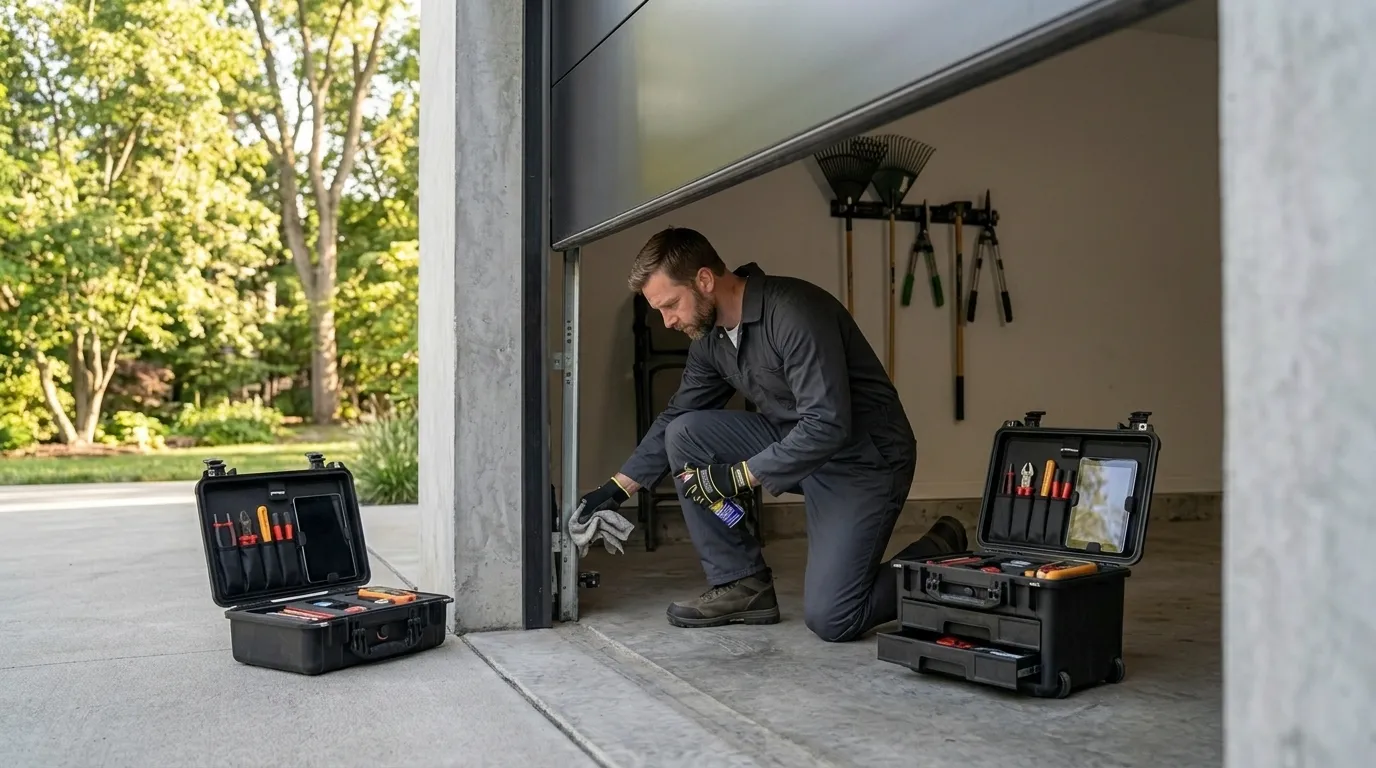
We carry torsion springs in a range of wire diameters and wind lengths, because a door built for a 1960s-era single-panel wood door and a door retrofitted later with a heavier steel or insulated panel need different spring ratings, and we won't guess - we measure the door and the shaft before pulling a spring off the truck. We also stock replacement end bearings, drums, and standard-gauge lift cable, since on hardware this old the spring is rarely the only worn part. What we don't carry is springs for high-cycle commercial doors or unusual custom sizes; if a door falls outside what's common on residential single- and double-car garages, that's a special-order part and we'll say so on-site rather than promise a same-visit fix we can't deliver.
Booking a Visit
We work Taylor from our Livonia base, roughly 13 miles out, so a visit here is scheduled the same way as any call outside our home town - we're not running a local branch or a standing crew in the area. Tell us what the door is doing: won't lift, lifted partway and stopped, dropped suddenly, or made a loud bang before quitting. That, plus the door's rough size, single or double, lets us bring the right spring the first trip instead of a second one. See what else we cover from Livonia on our main spring repair page, or check our Taylor area page for the rest of what we handle out this way.