How We Fix It
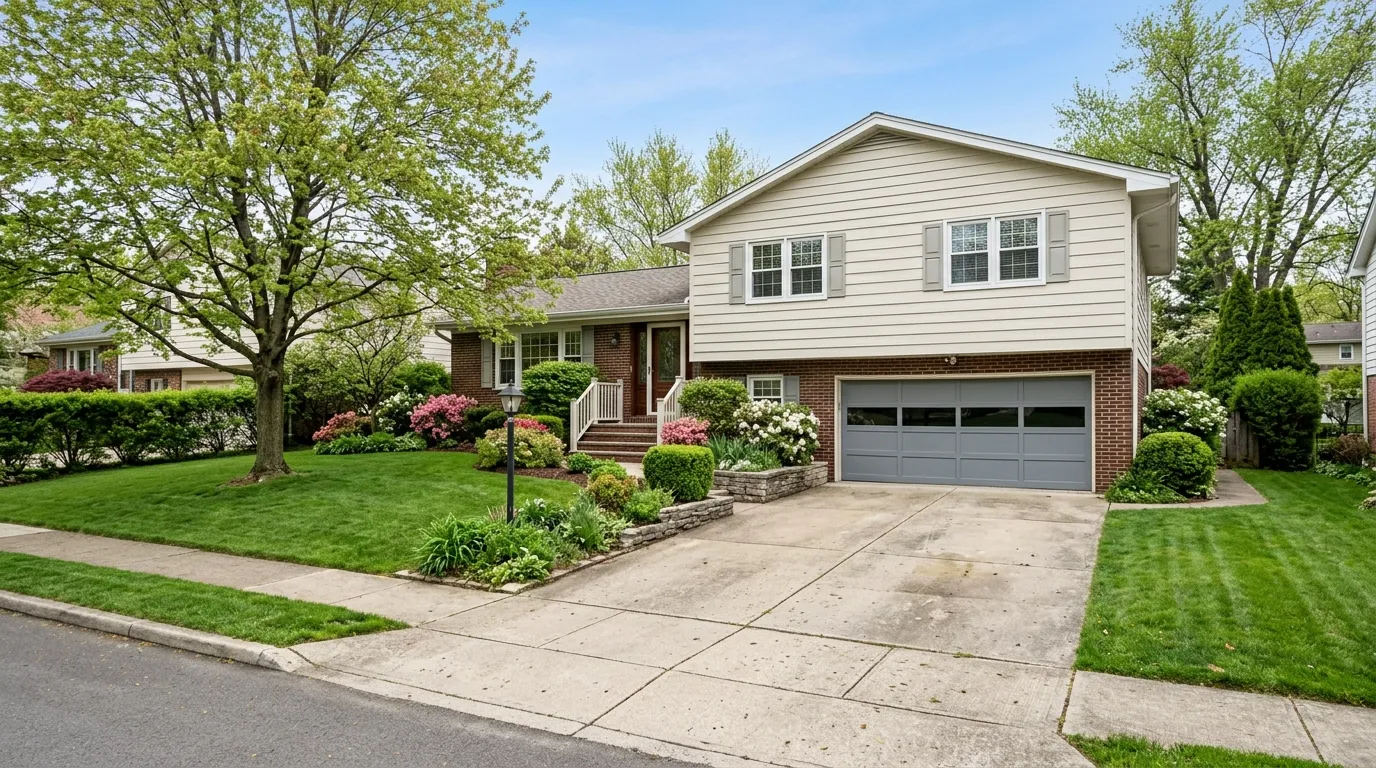
Livonia's own housing stock centers close to 1960 median-built, but Taylor's median build year runs a few years later, around 1963. That's a small gap on paper, but it means a slightly different generation of door hardware showed up on Taylor garages than went into homes closer to Livonia's core. We drive the 13 miles out from Livonia with that in mind rather than showing up assuming the same torsion setup we see on the older side of the service area.
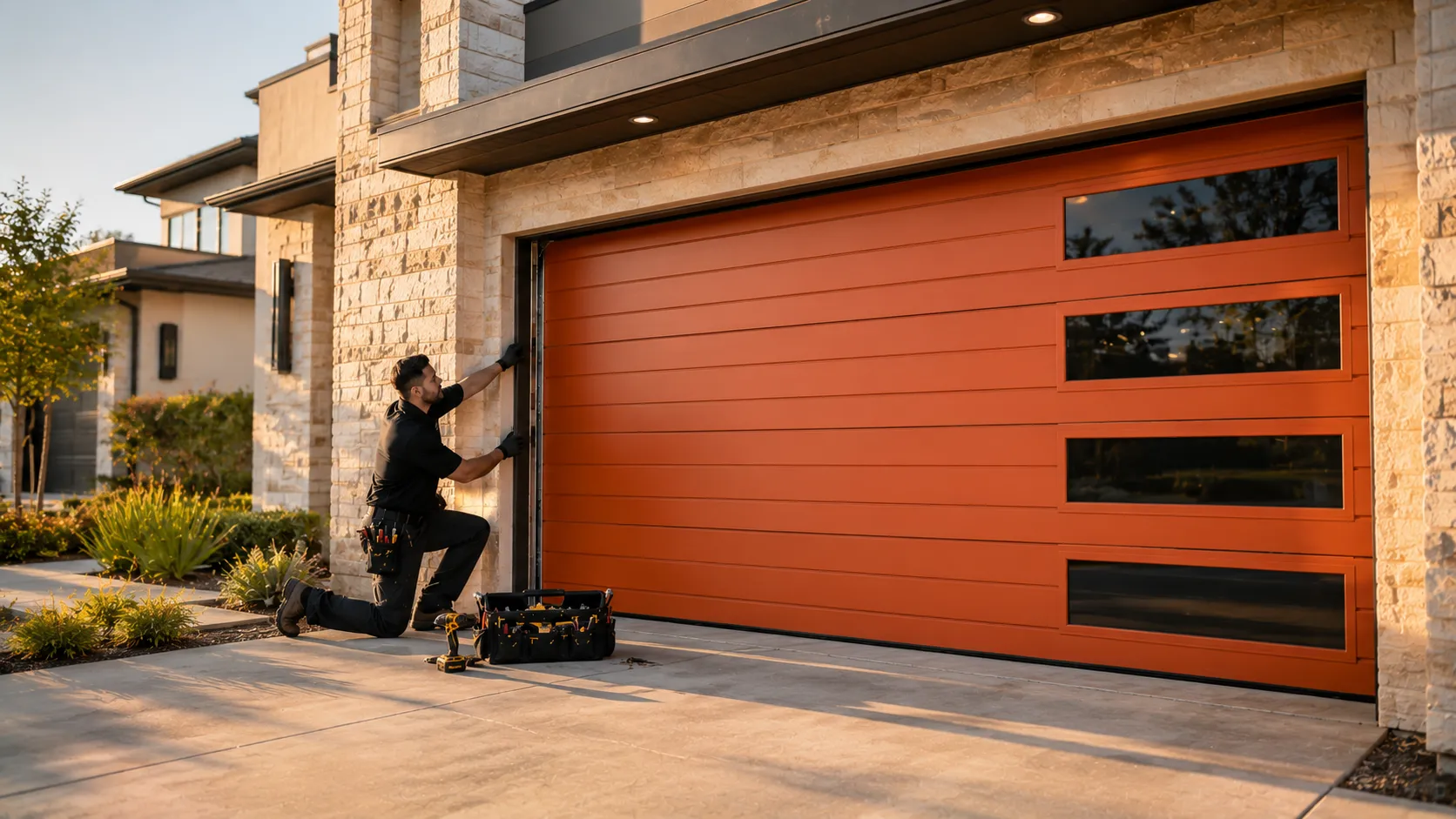
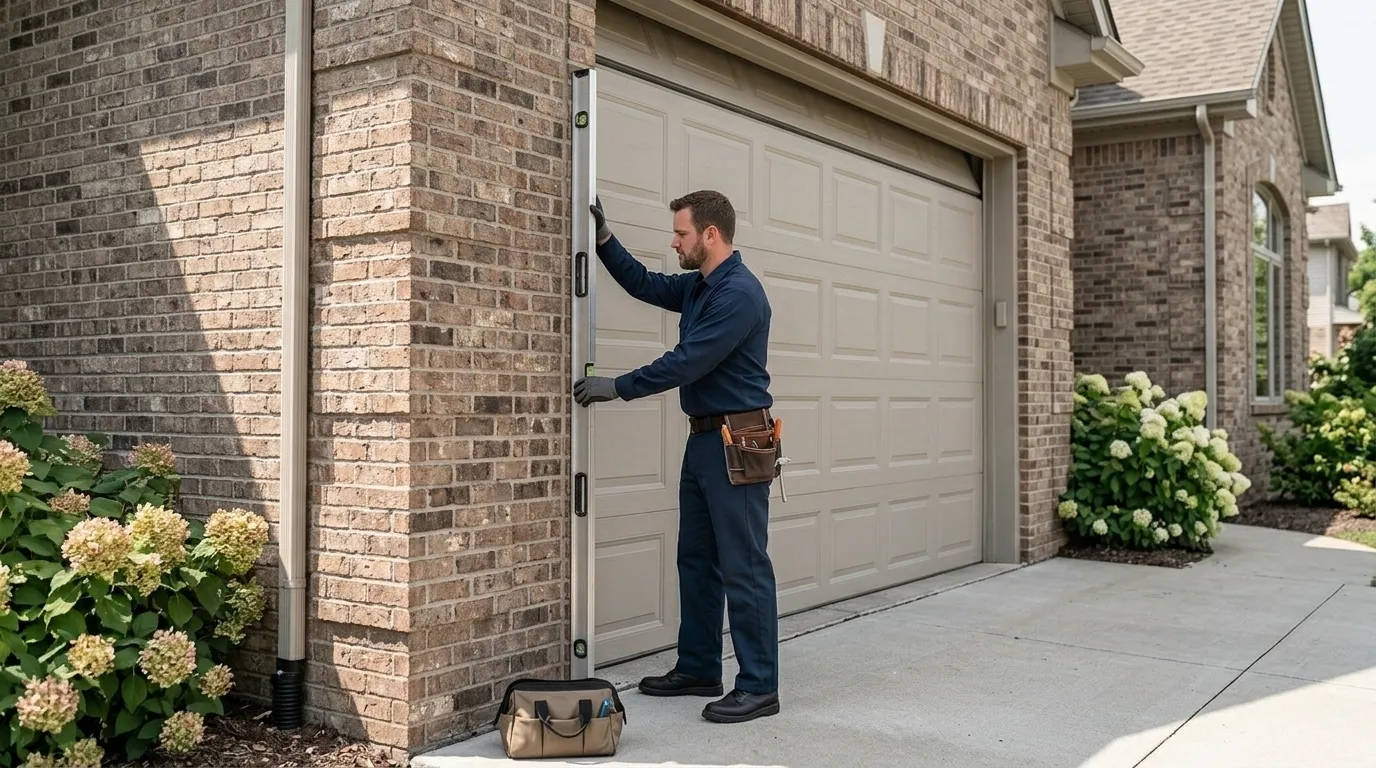
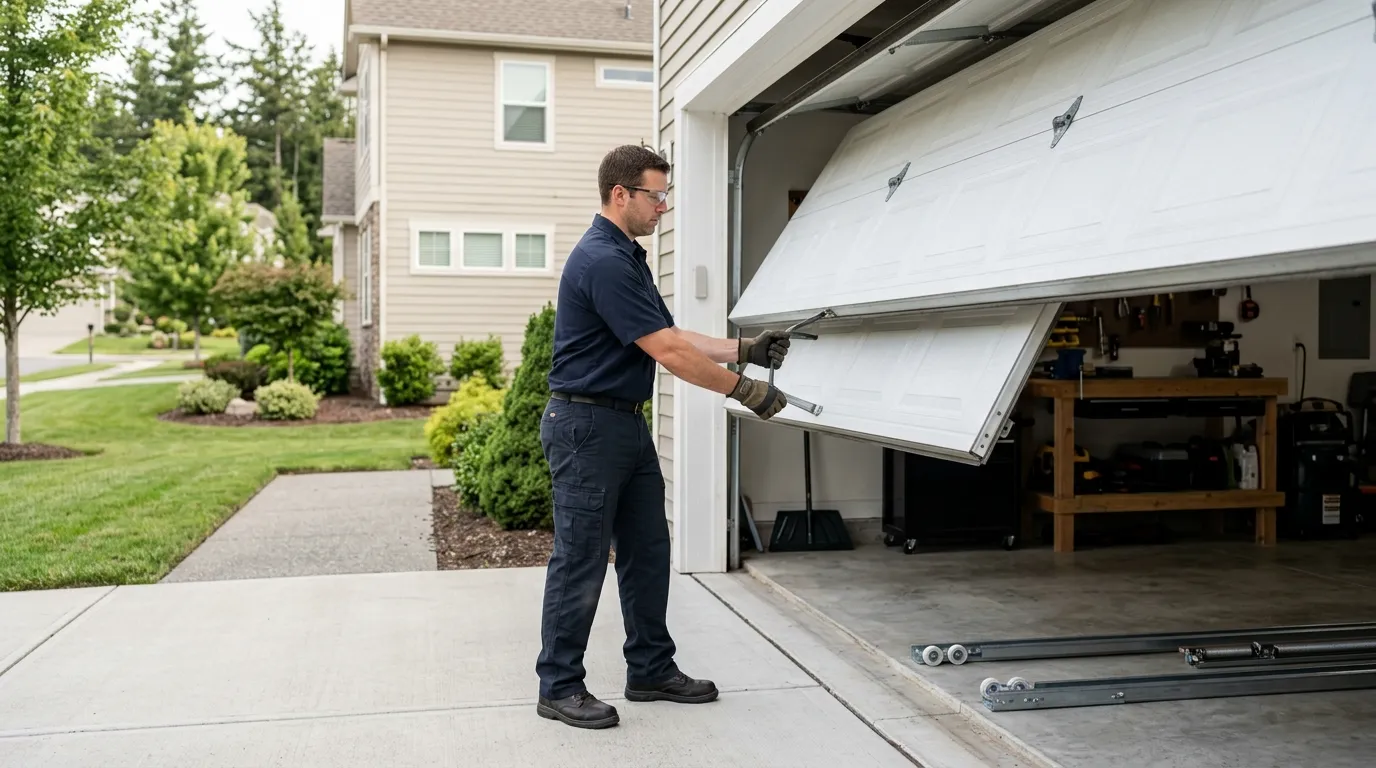
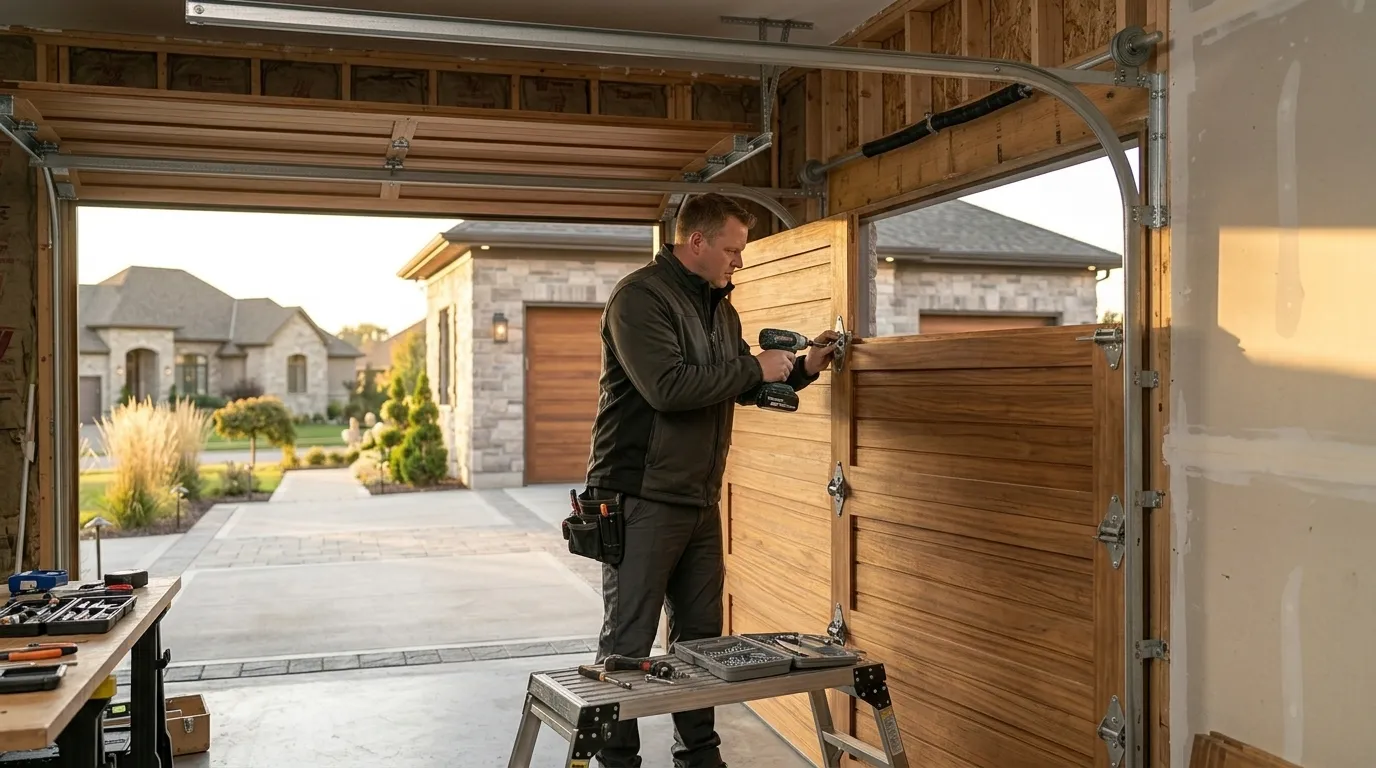
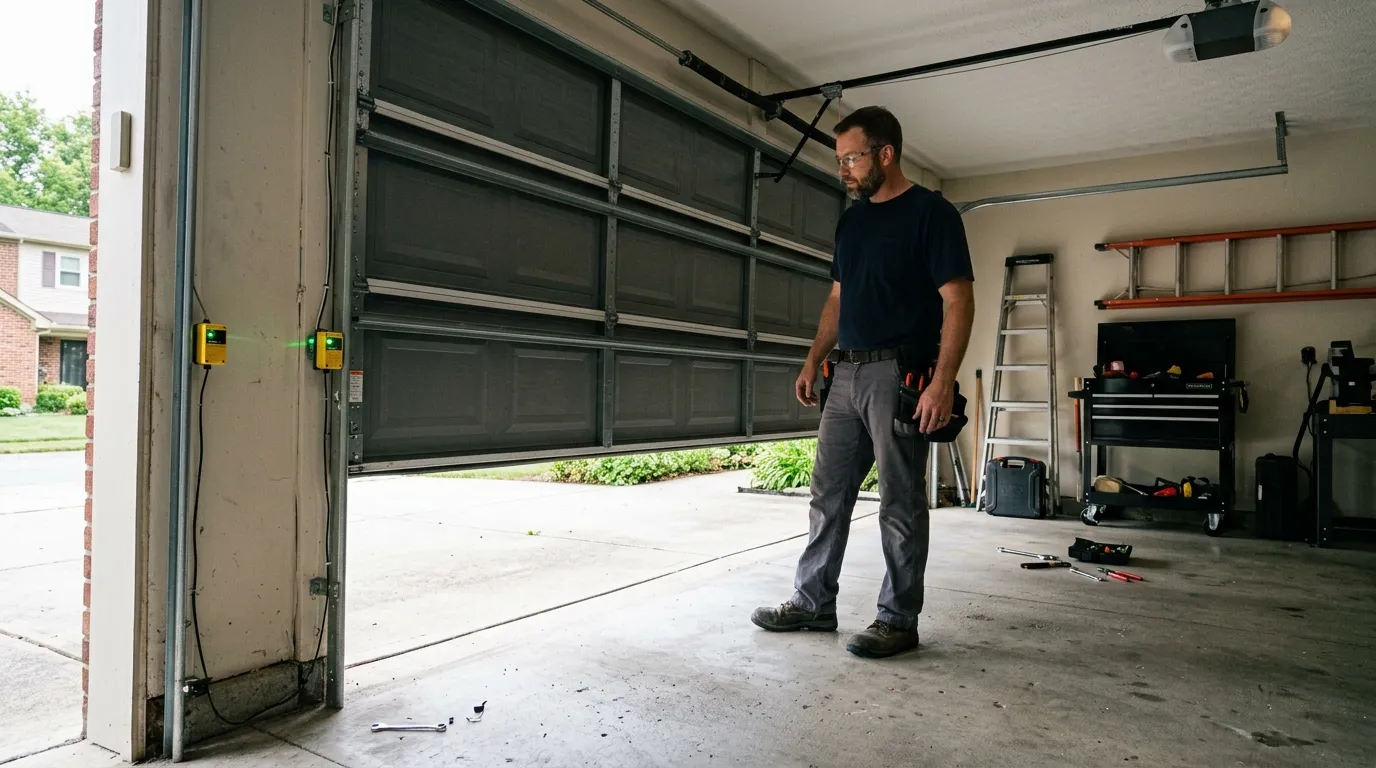
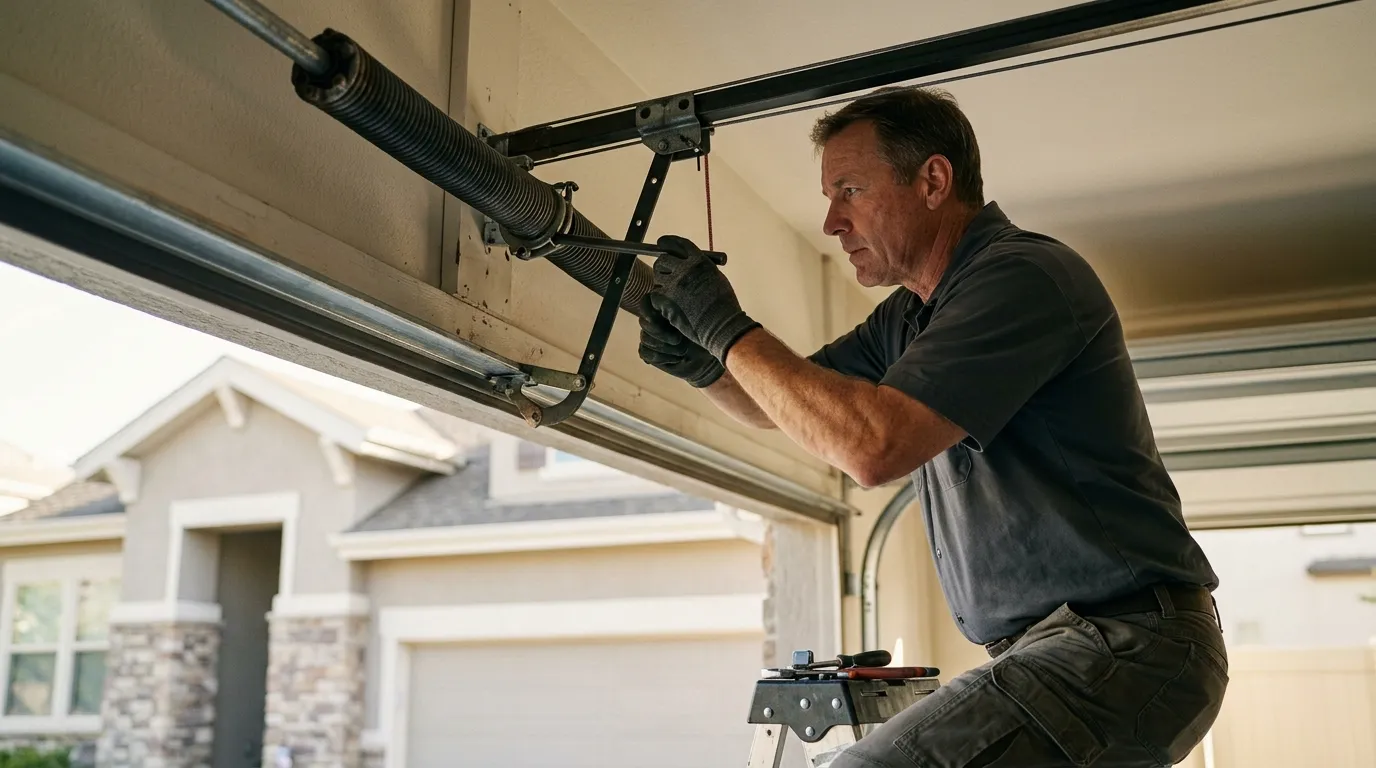
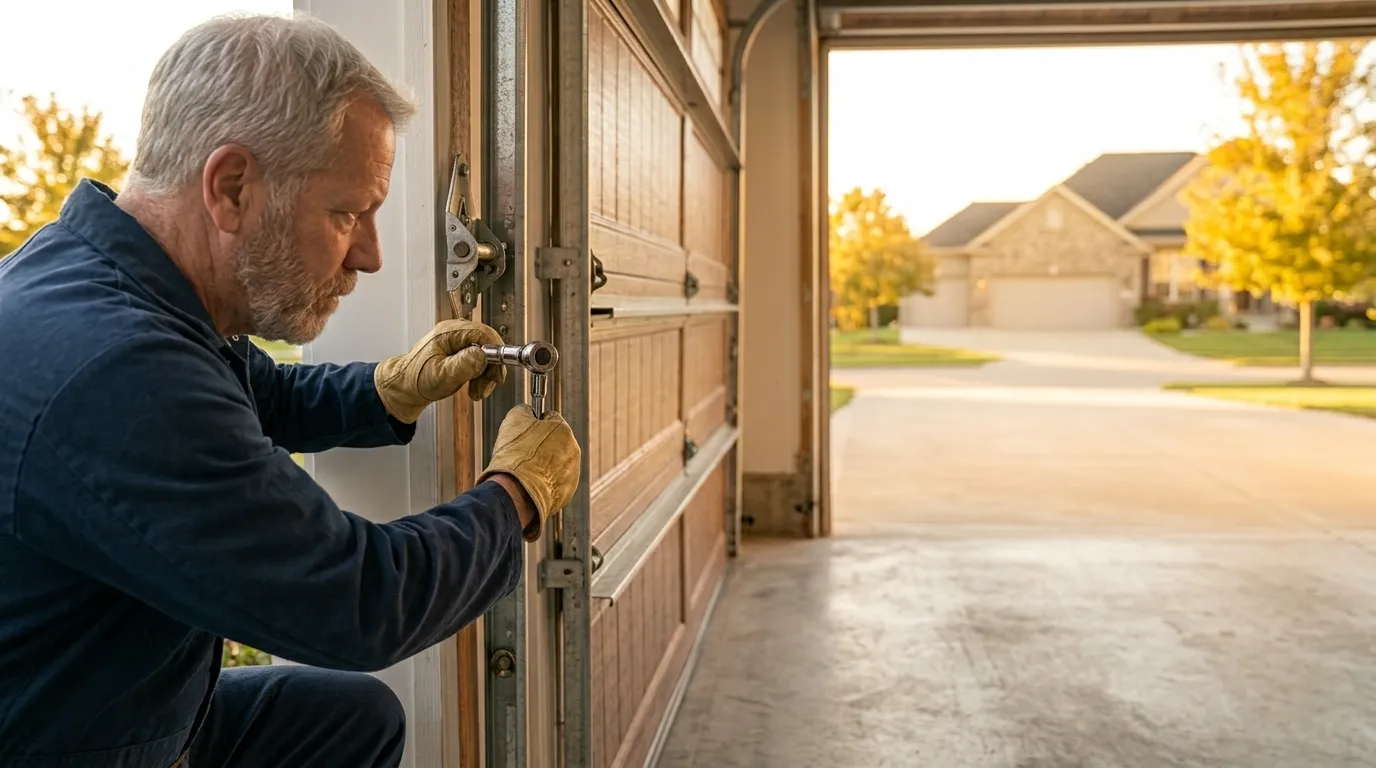
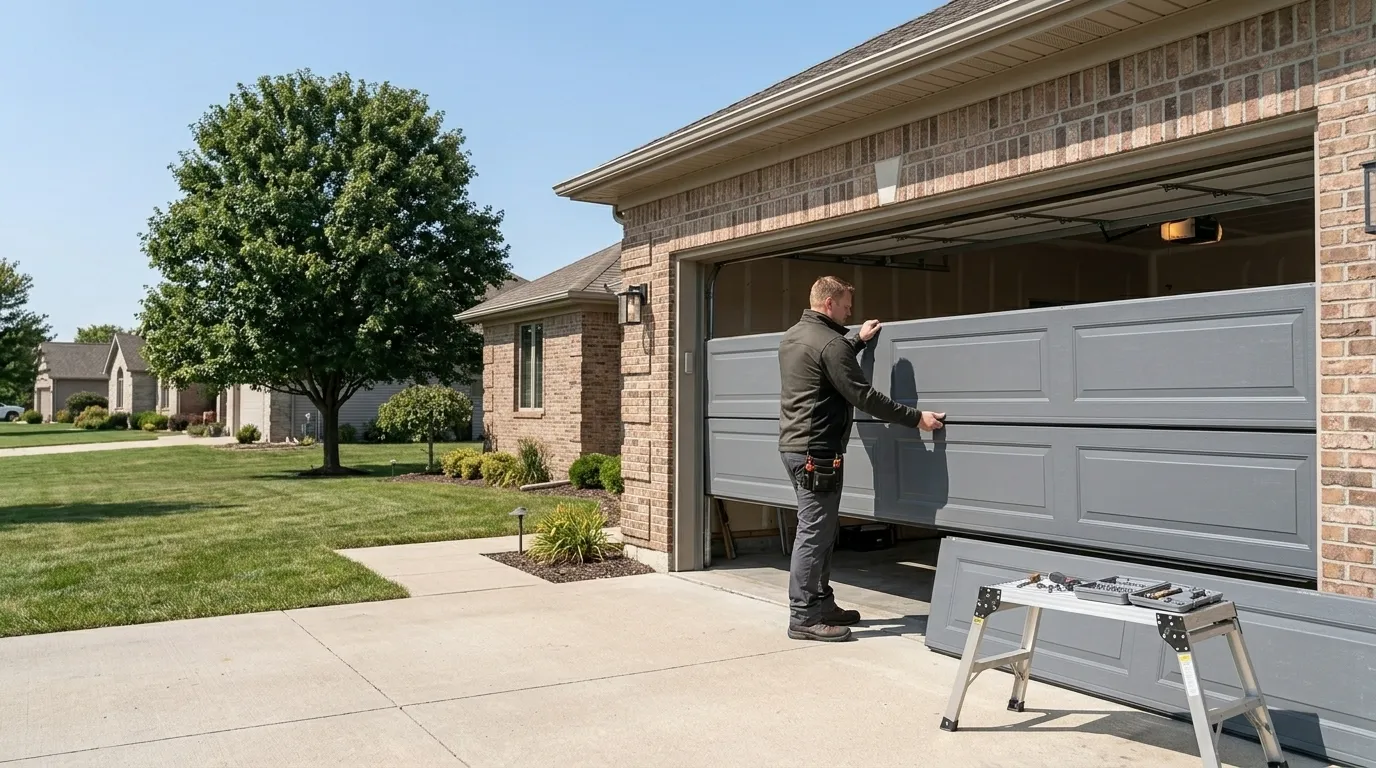
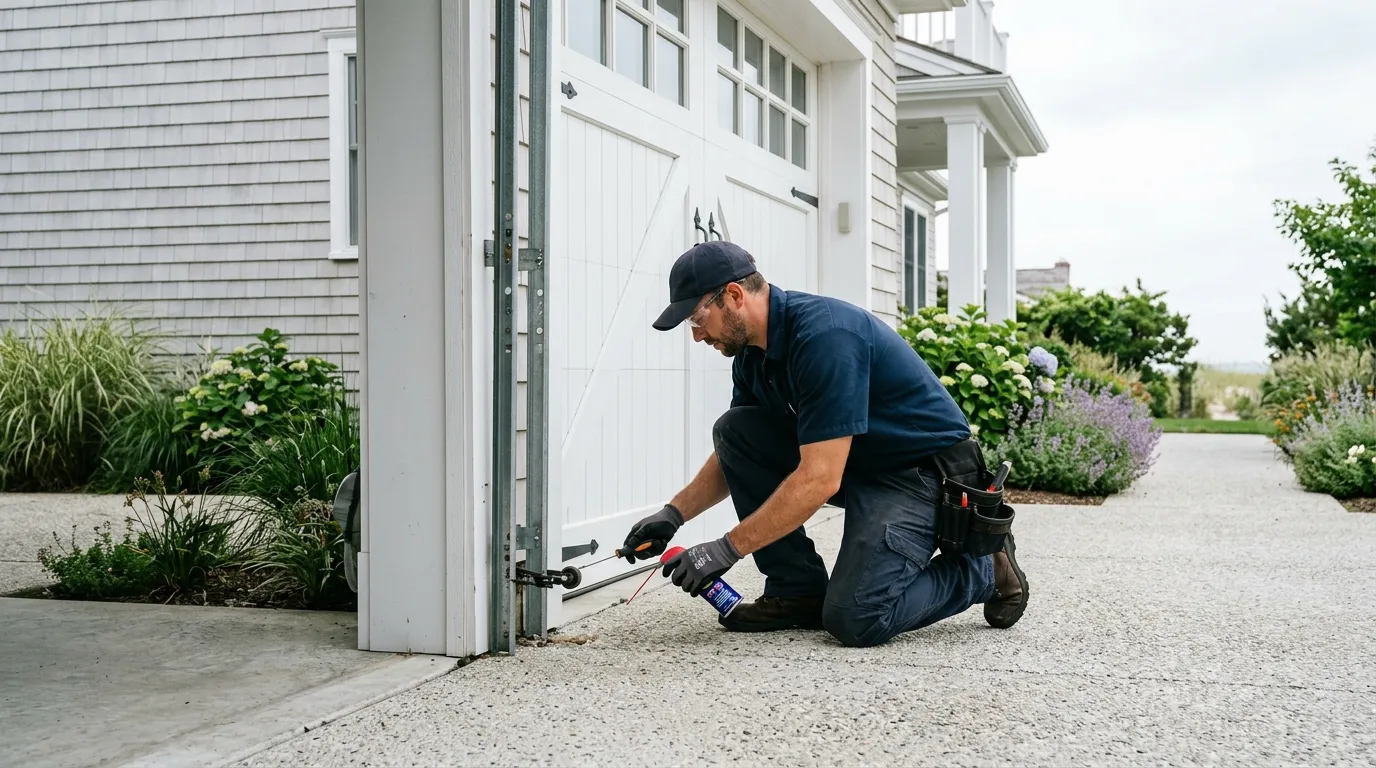
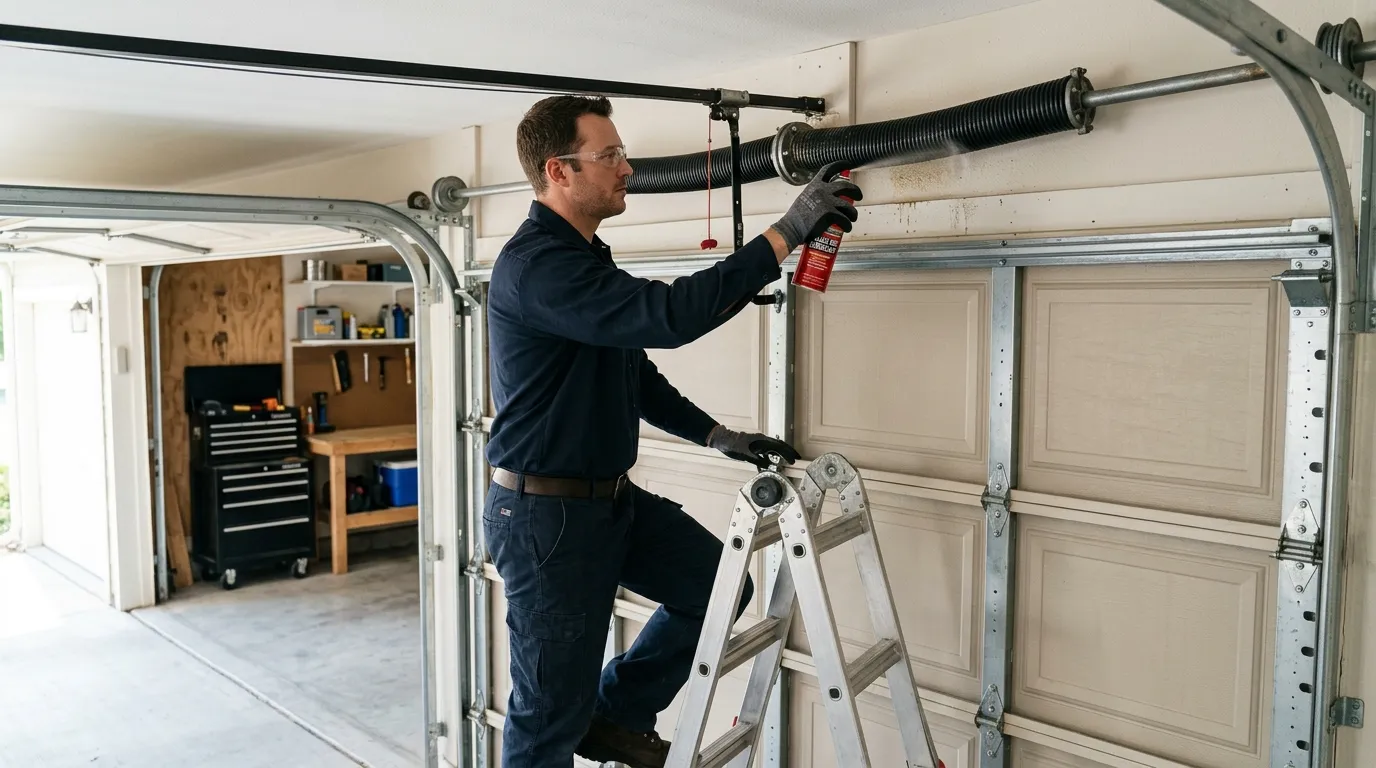
A maintenance visit here starts with the spring and cable, since that's the part most likely to have gone through multiple replacement cycles by now on a door this age. We check torsion spring wind and balance, inspect cable fray at the drum, and run the opener through its travel limits and force settings. We lubricate rollers and hinges, tighten track brackets that have worked loose over decades of use, and check the bottom seal, which matters more here than in a lot of climates.
We don't replace parts that don't need it. If a spring still has good life left, we say so and move on. The goal of a maintenance call is to catch what's wearing thin before it snaps on a Saturday morning, not to sell a full door.
What You Are Seeing
On a house built in the early-to-mid 1960s, the complaints we hear most are a door that's noisy on the way up, a door that drifts down a few inches after you stop it, or an opener that strains and reverses partway through the cycle. That drift is usually a spring that's lost tension relative to the door's weight, not the opener failing. The noise is often rollers that have gone dry and started binding in the track, sometimes combined with a bent track section from years of small bumps.
Some Taylor homeowners tell us the door feels heavier in winter, which lines up with what this climate does to steel and lubricant. Grease stiffens, metal contracts slightly, and a spring already near the end of its life has less margin. If your door has started needing a shove to get moving, or the opener clicks and resets instead of finishing the cycle, that's the hardware telling you it's behind on service, not necessarily broken yet.
What Is on the Truck
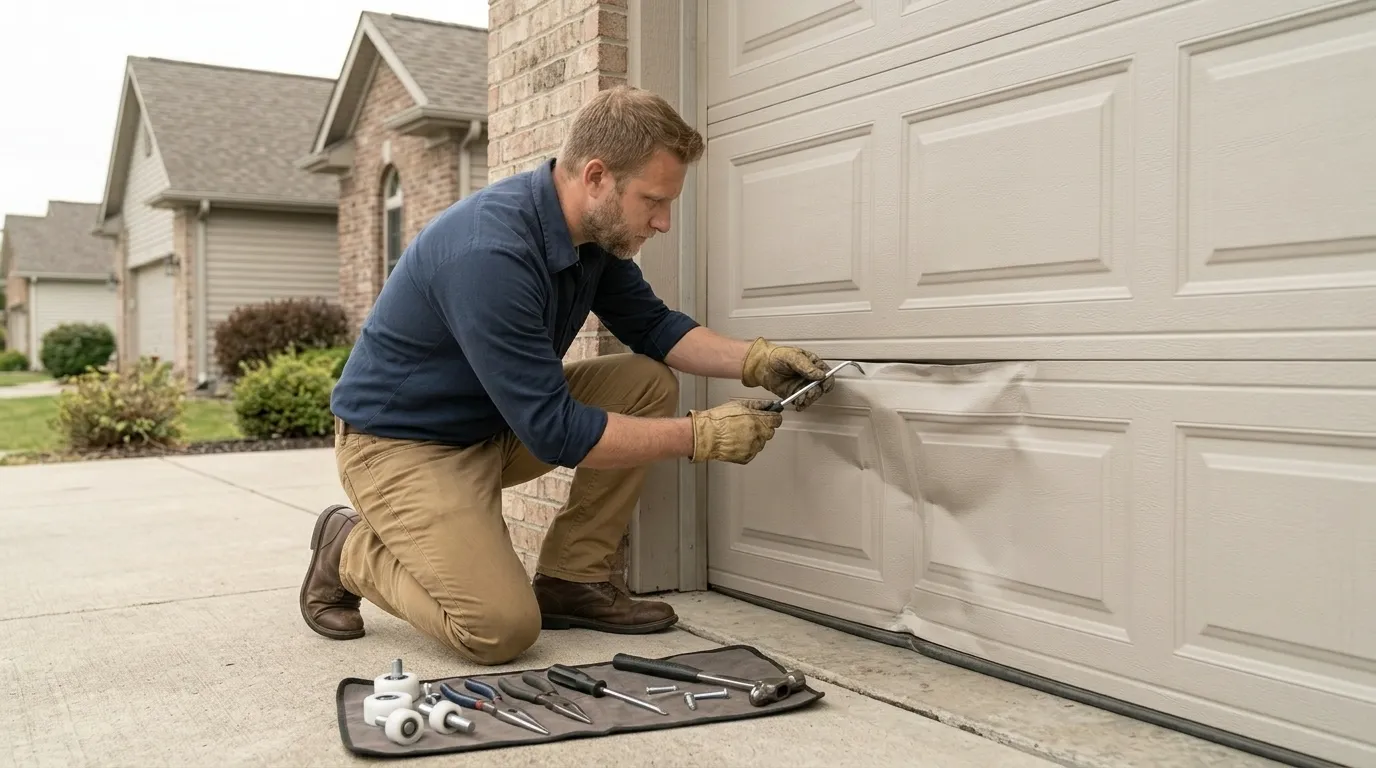
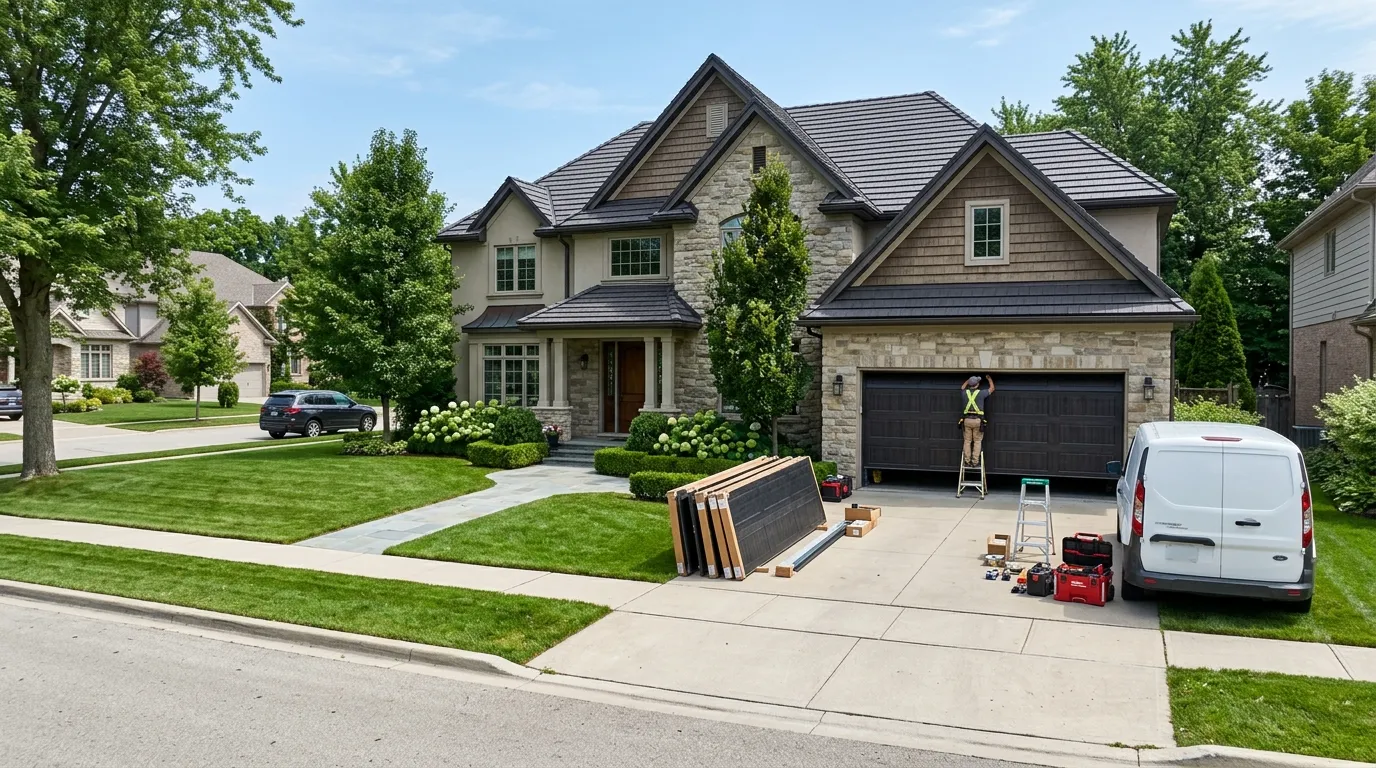
For a maintenance visit we carry standard torsion springs sized for residential single and double doors, replacement rollers in nylon and steel, cable, hinges, and track hardware. We stock the lubricants rated for this climate rather than a general-purpose grease that gums up when it's cold. Opener sensors and standard drive parts for the common residential brands are on the truck as well.
The honest limitation: if your door needs a less common panel or a specialty seal not in standard stock, we won't have it riding along on a routine visit. That part gets ordered and scheduled as a second trip. We'd rather tell you that up front than pad the invoice with a workaround that doesn't hold up. Most maintenance calls don't hit that wall, but it happens occasionally on older or nonstandard doors.
Booking a Visit
We come out to Taylor from our base in Livonia, about 13 miles away, so we schedule maintenance visits in batches with other calls on that side of the service area rather than treating each one as a one-off trip. That keeps the visit priced like routine maintenance instead of a special trip charge.
If you're not sure whether your door needs a tune-up or something more, tell us what it's doing - noisy, slow, drifting, or refusing to close all the way - and we can tell you over the phone whether it sounds like a maintenance-level fix or something we should look at in person first. See our full Taylor area coverage or check the Livonia maintenance page for what a standard tune-up covers everywhere we serve.