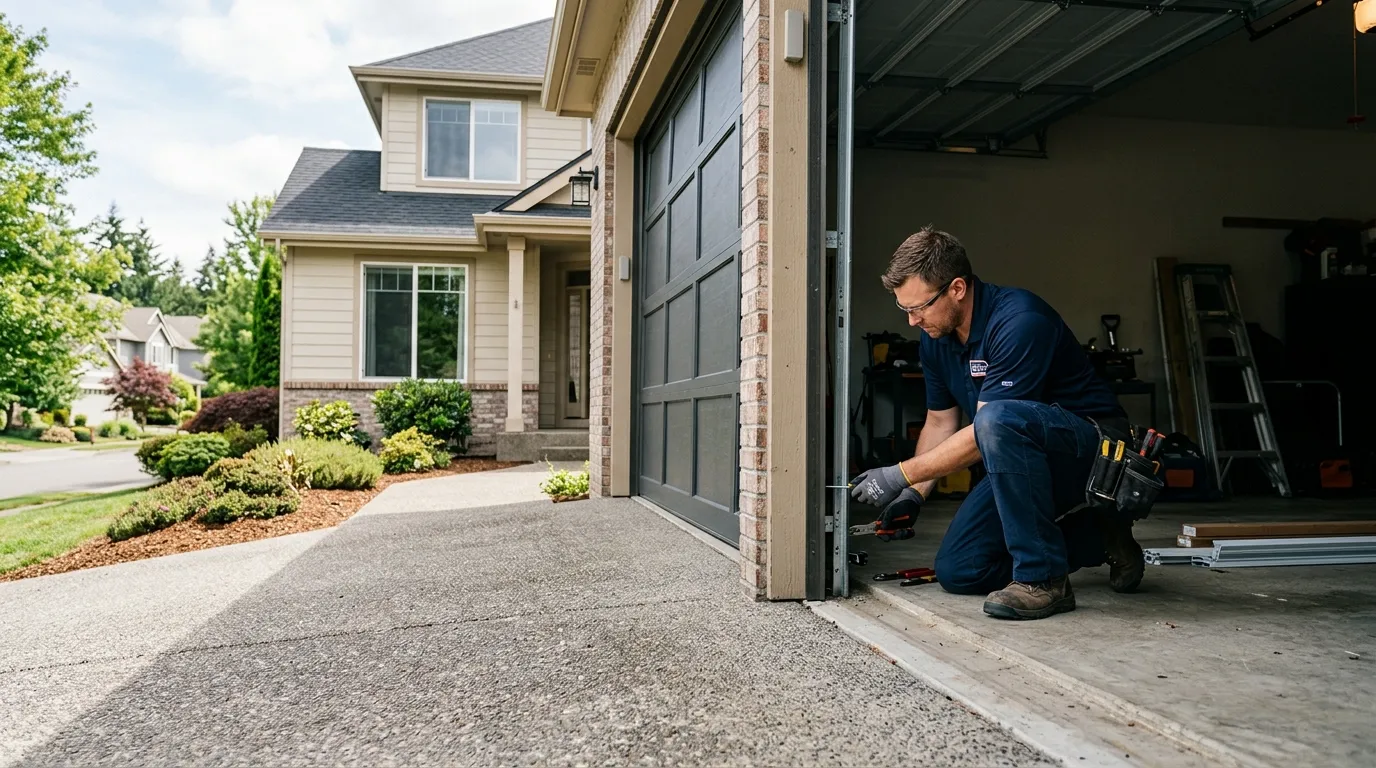

Booking a Visit
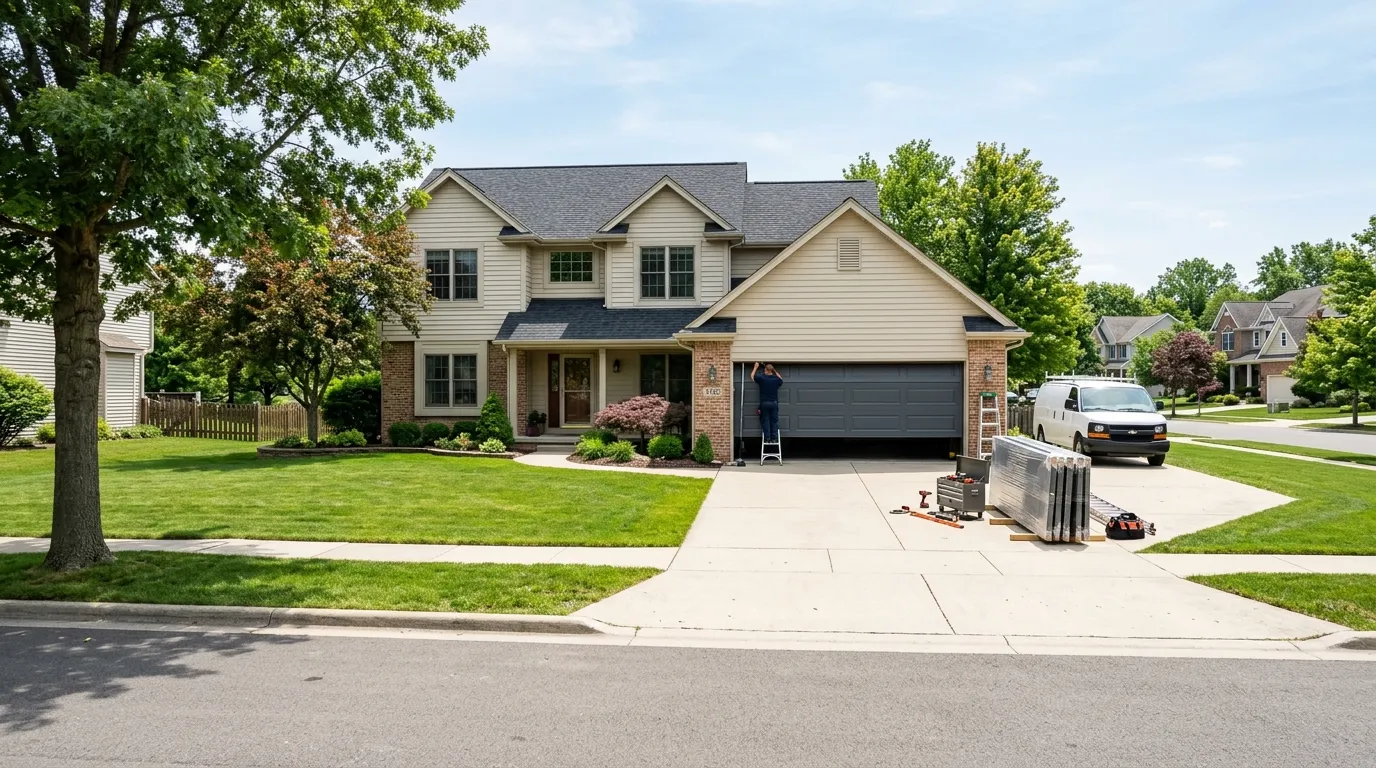
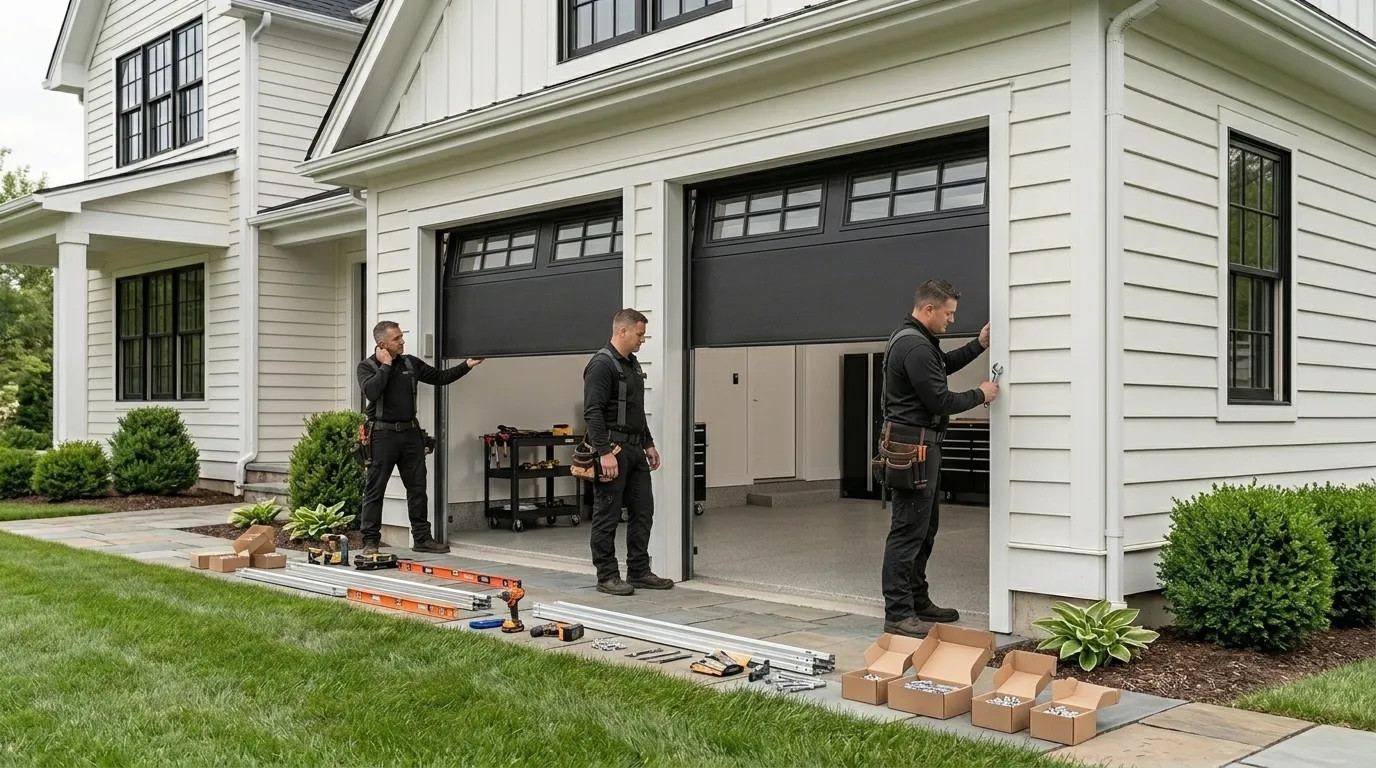
We work out of Livonia and cover Lincoln Park from there, about 14 miles down the road. Because the truck is coming from Livonia, we ask for a call with some notice rather than a same-hour walk-up, and we'll tell you plainly on the phone whether a spring job or a door swap makes more sense before anyone drives out. Lincoln Park's housing stock sits right in the middle of our service area's 1938-1991 build range, but the median here runs to 1954 - older than a lot of the 44 named areas we cover, and that changes what we expect to find under the door before we even open the van. Have the garage light on and the car moved out if you can; a spring under tension is not something to inspect in a dim single bulb.
We don't stock every obscure torsion size on the truck, so if your door turns out to need a spring the manufacturer stopped making, that part may need to be ordered rather than replaced the same visit. We'll tell you that up front instead of promising something we can't deliver that day.
What Is on the Truck
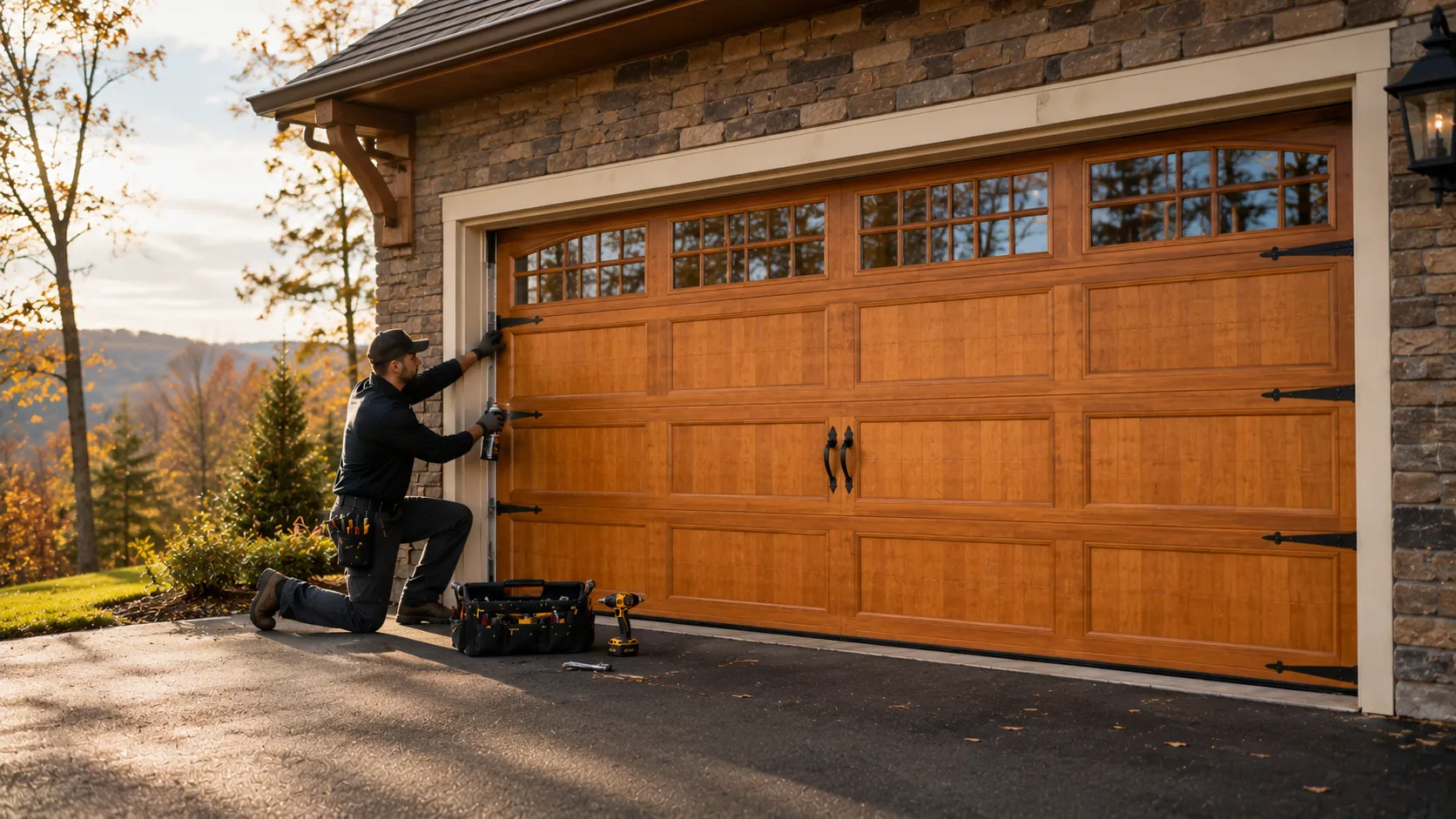
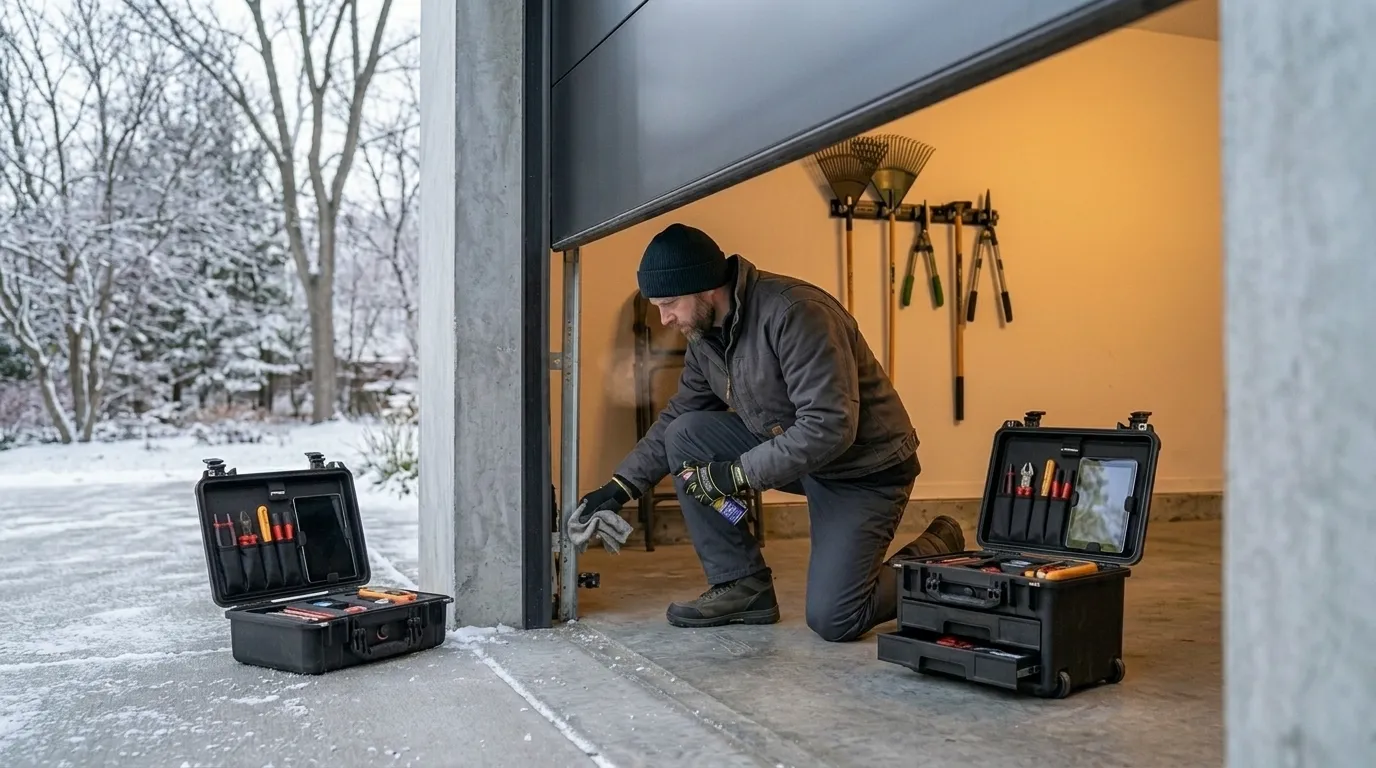
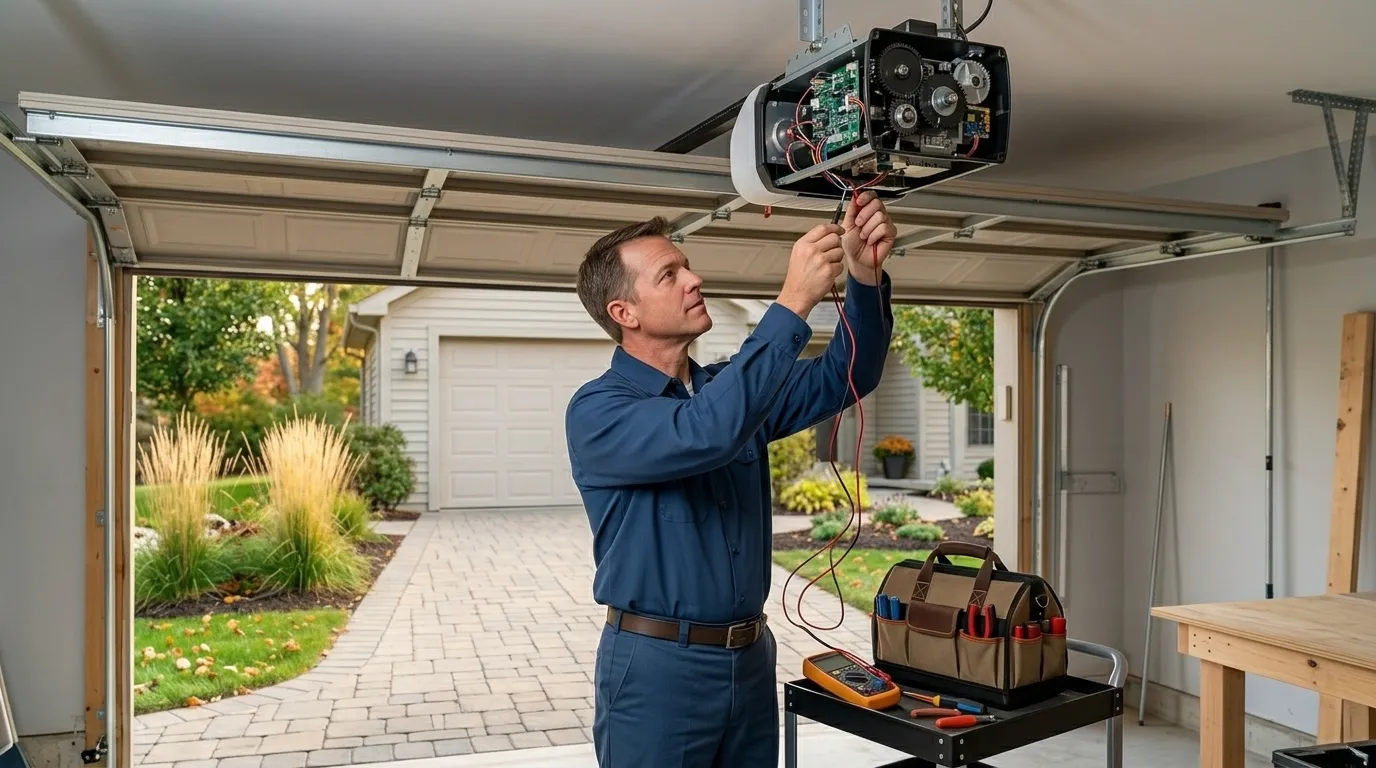
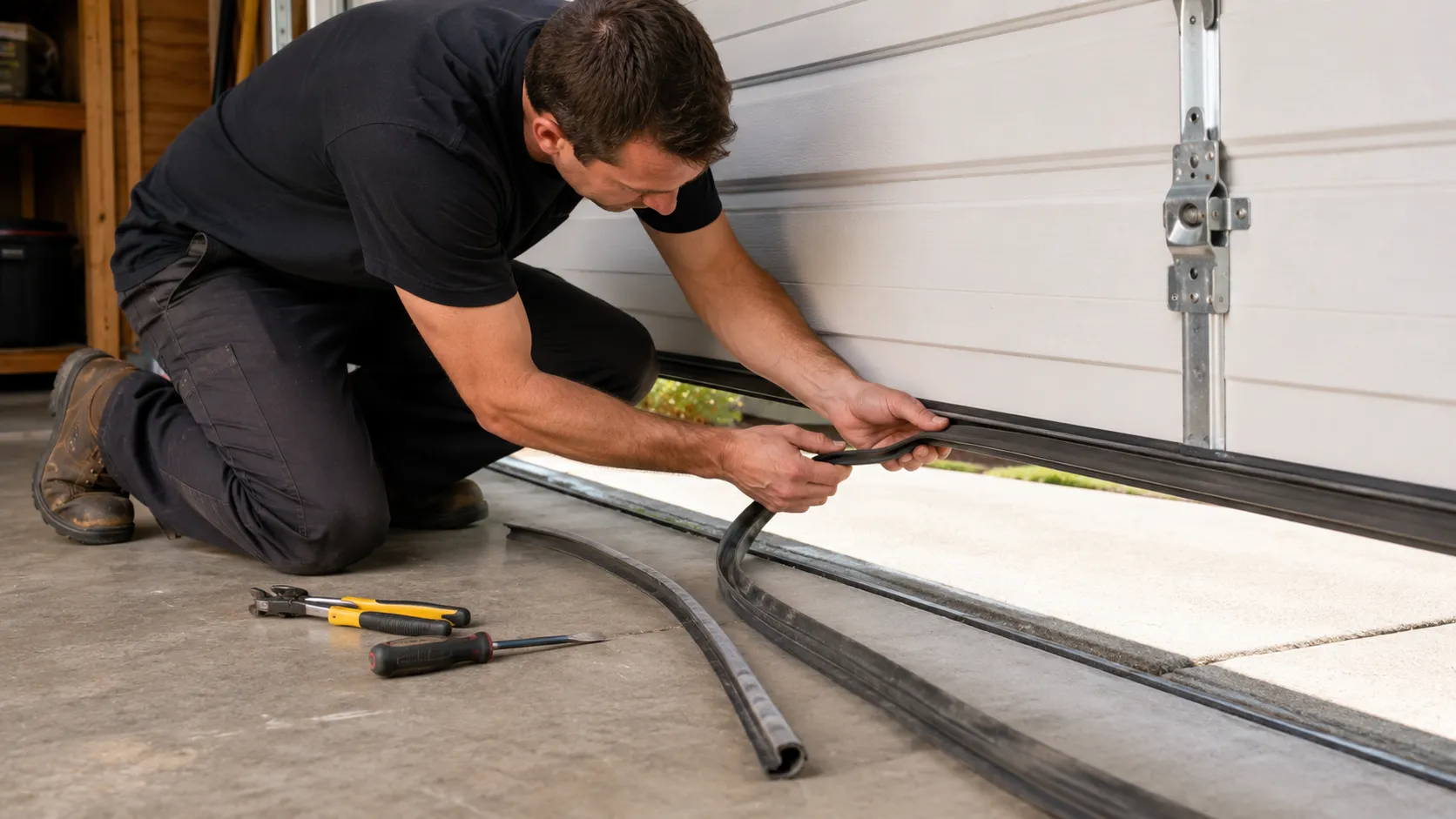
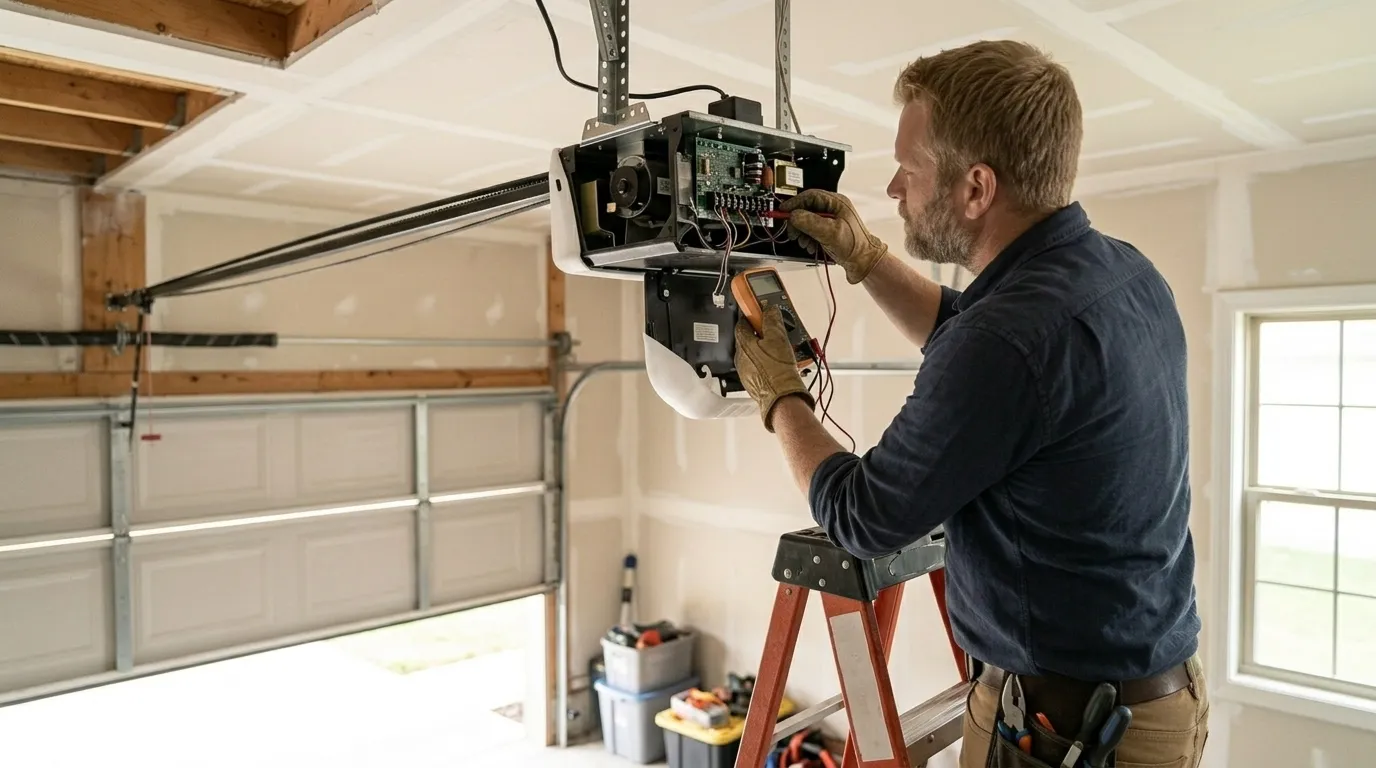
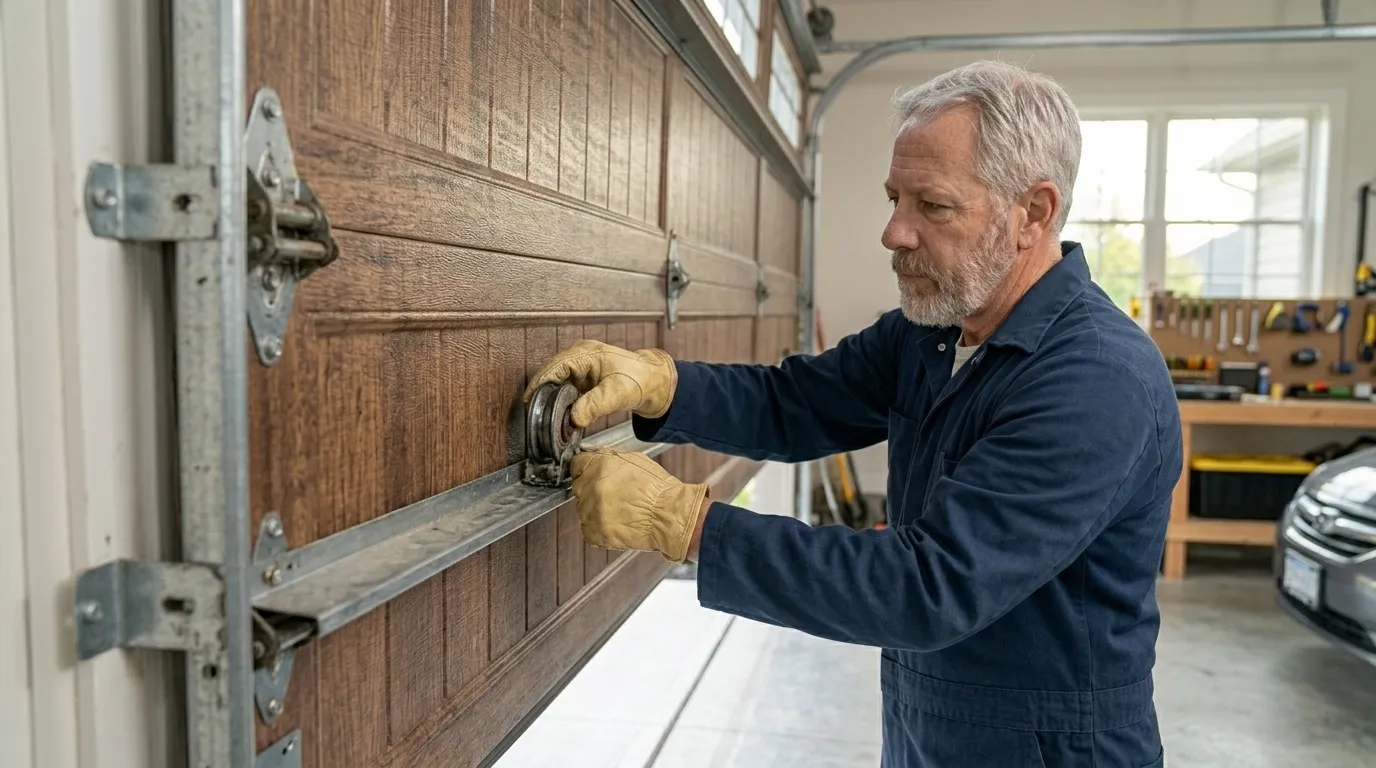
For a 1954-built house, the torsion spring on the header above the door is almost never the original - springs fatigue and snap long before the house does, so somebody has already replaced this part once, maybe twice, over seventy years. What tends to still be original is everything around the spring: the center bracket, the shaft, sometimes the drums and even the cable if the door itself hasn't been swapped. We carry standard torsion springs sized for the single and double door widths common across this service area's 1960s-70s stock, plus cable, rollers, and end bearing plates. Lincoln Park houses built in the early-to-mid 1950s sometimes run an older bracket pattern that doesn't match a modern spring kit without an adapter, so we bring adapter plates rather than assume every bracket is current stock.
On a two-spring double door, if one has broken, we replace both - not because the second is guaranteed to fail this month, but because it's carrying the same age and the same fatigue as the one that just let go, and coming back next month for the second one costs you a second trip charge for a job we could've finished once.
Doing It Yourself
A torsion spring is loaded with enough force to break a hand or worse if the winding bars slip, and that risk doesn't shrink because the job looks simple on a video. We're not going to walk you through winding one over the phone. Extension springs on the side tracks are more forgiving if you're mechanically comfortable and the door is light, but on a house this age, a lot of what looks like a simple spring swap turns into a bracket or drum problem once the old hardware is off the shaft - and that's a bad place to discover it's more than you can finish alone.
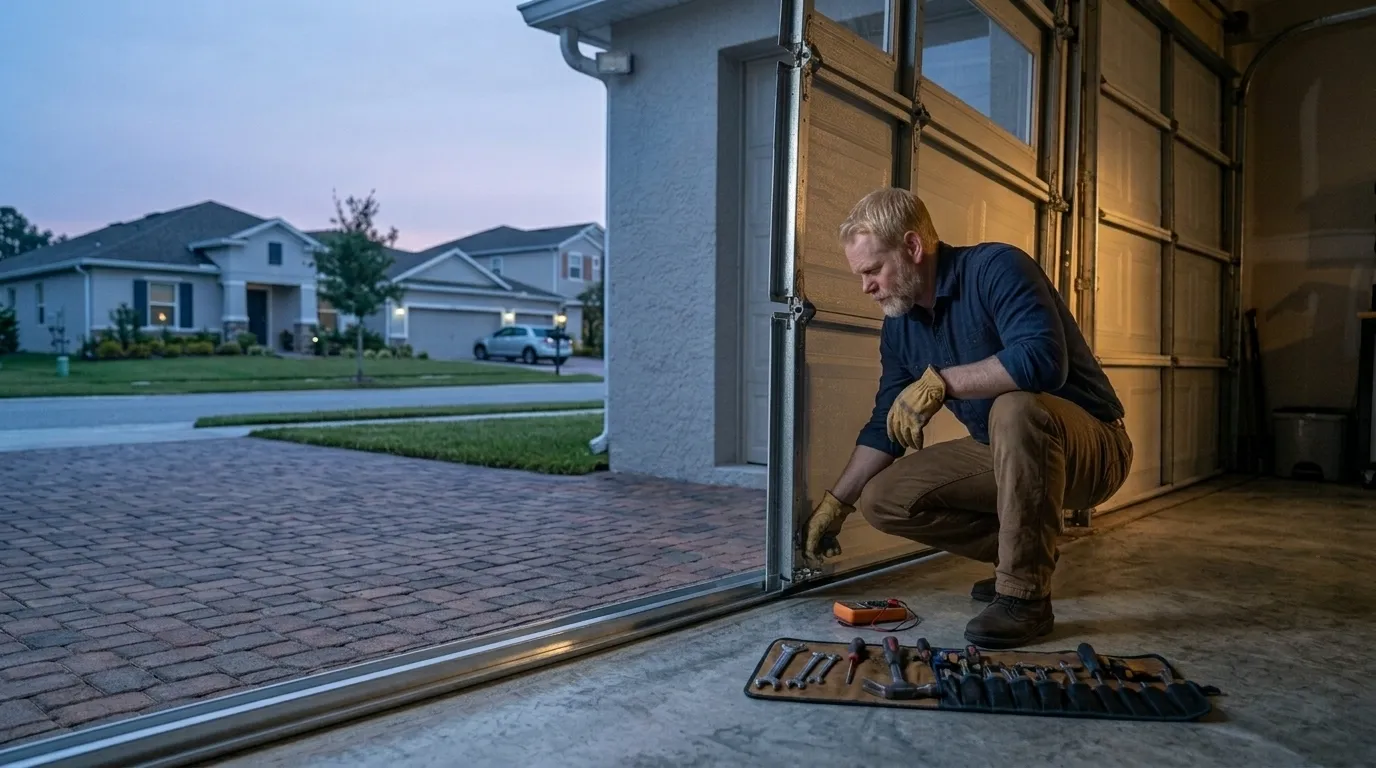
What you can safely do yourself: check the door balance by disconnecting the opener and lifting by hand - it should stay roughly where you leave it, not slam down or fly up. That tells you whether you're actually looking at a spring problem before anyone touches the header.
How Long It Takes
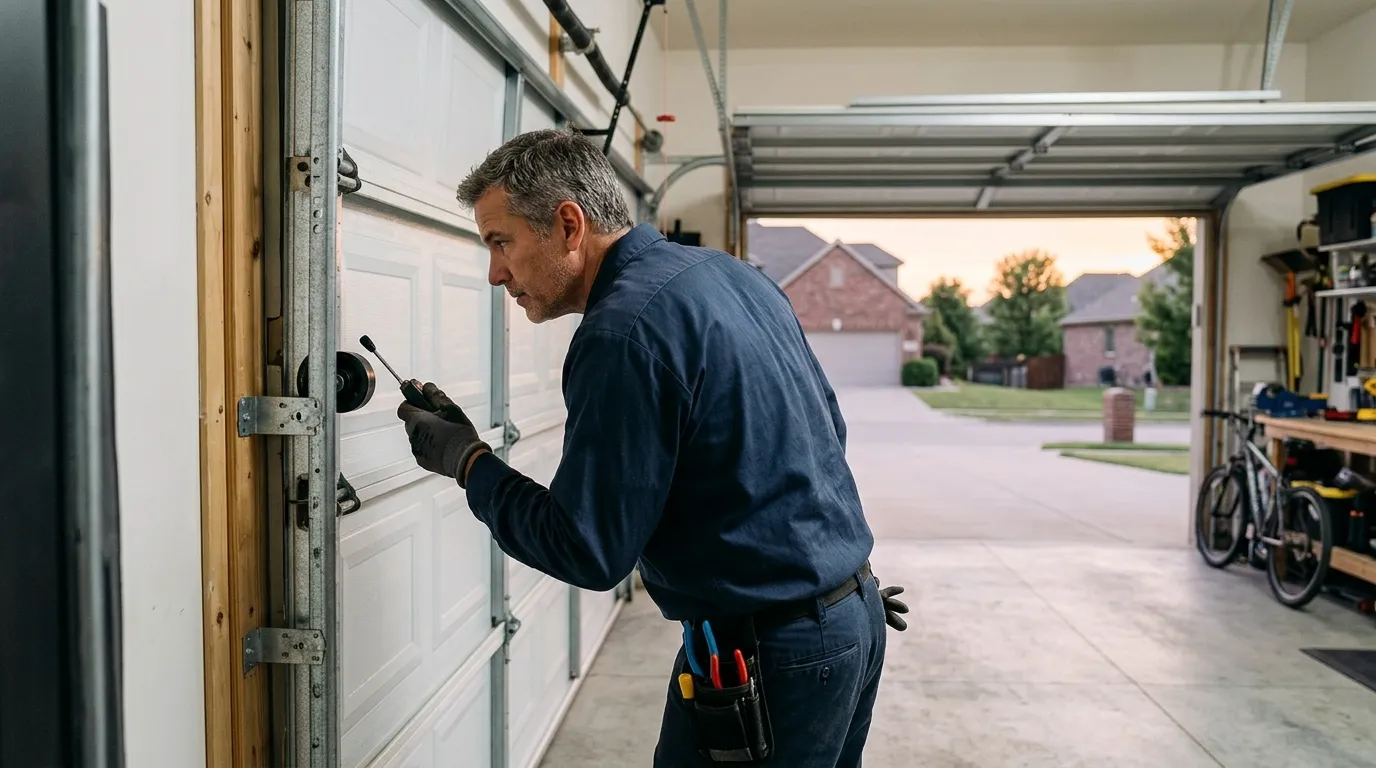
A straight torsion spring swap on hardware that's already been updated once is usually a shorter job than one where the bracket, drums, or shaft need replacing too - and on 1954-era houses in Lincoln Park, we plan for the second case more often than we do on newer stock elsewhere in the service area. If the bracket needs replacing along with the spring, or if a part isn't a size we carry standard, that adds time or a return trip for the part. We'd rather tell you that on-site than guess low and have you wait around.