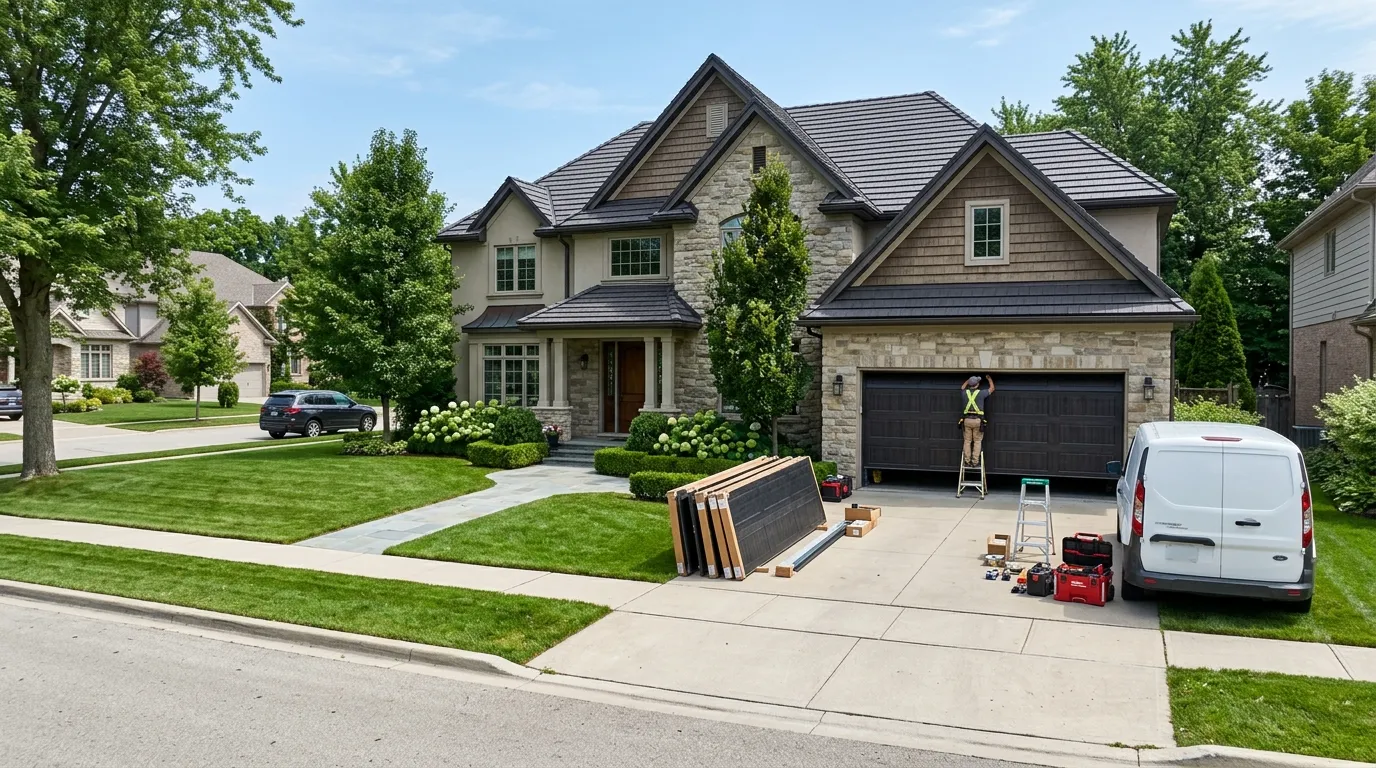
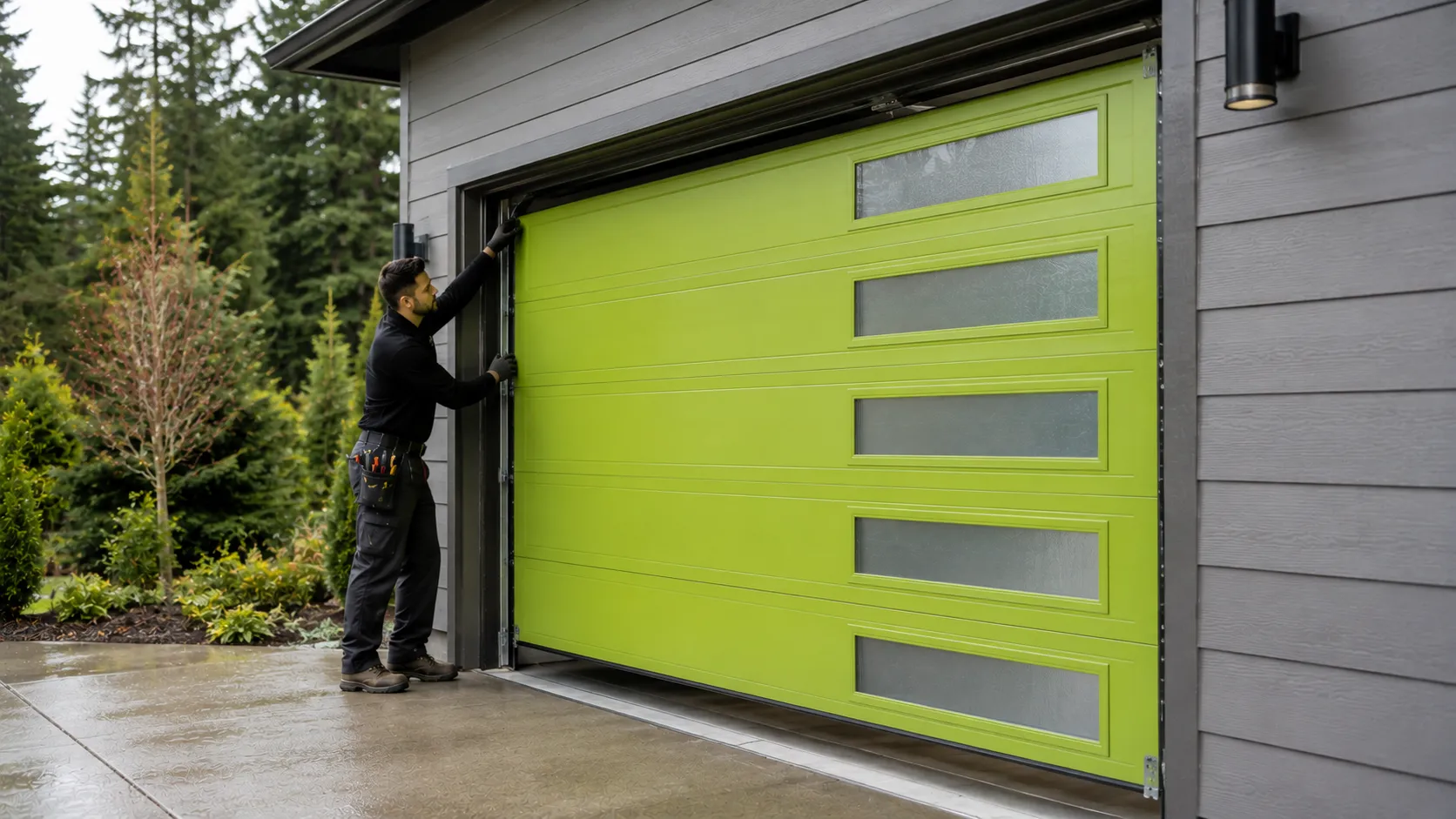
Booking a Visit
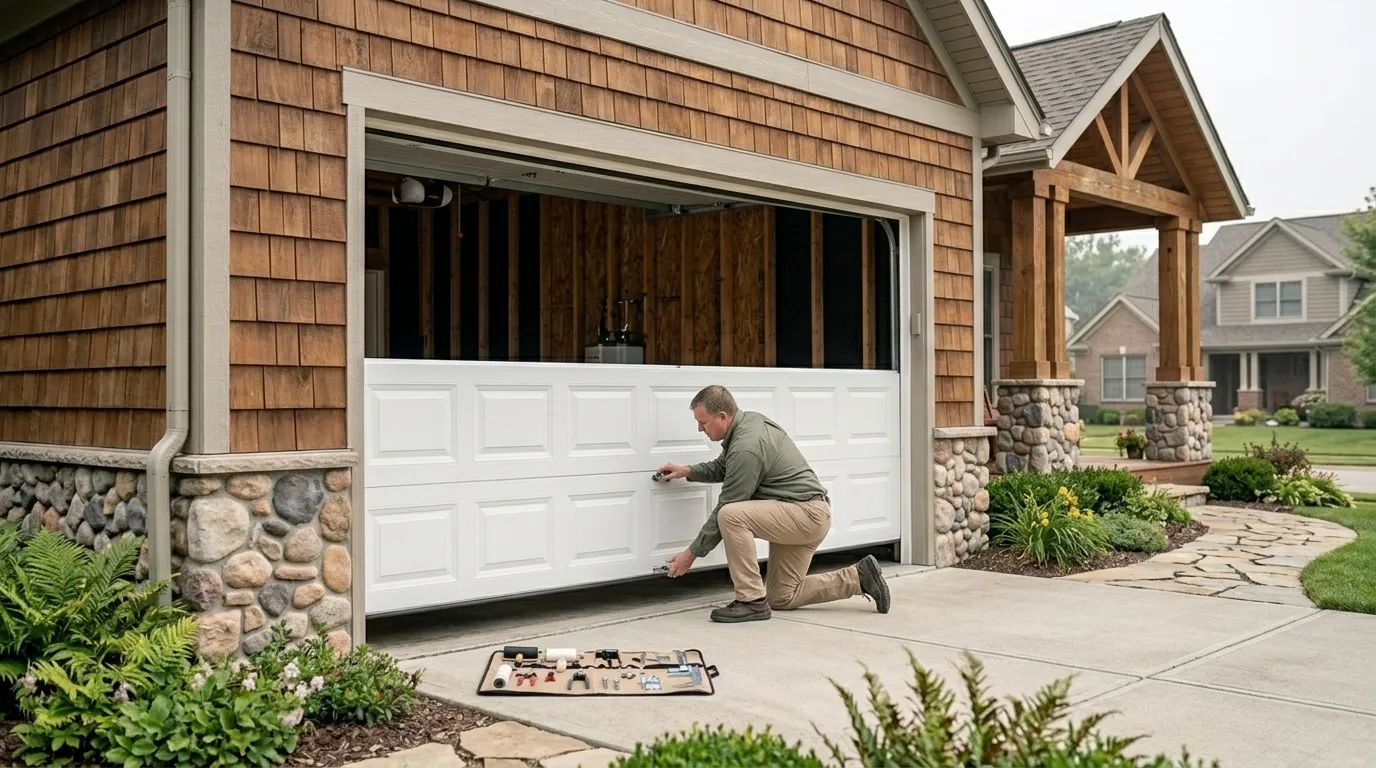
We run this job out of Livonia, about 14 miles from Lincoln Park, so we schedule the visit rather than dropping in same-day. When you call, tell us the age of the house if you know it - Lincoln Park's housing stock centers on 1954, noticeably older than the 1960 median across the wider area we cover. That one detail changes which opener bracket, which rail length, and sometimes which door weight class we load on the truck before we leave the shop. A quick photo of your current opener, or the bare rail if you don't have one yet, saves a second trip more often than anything else we ask for.
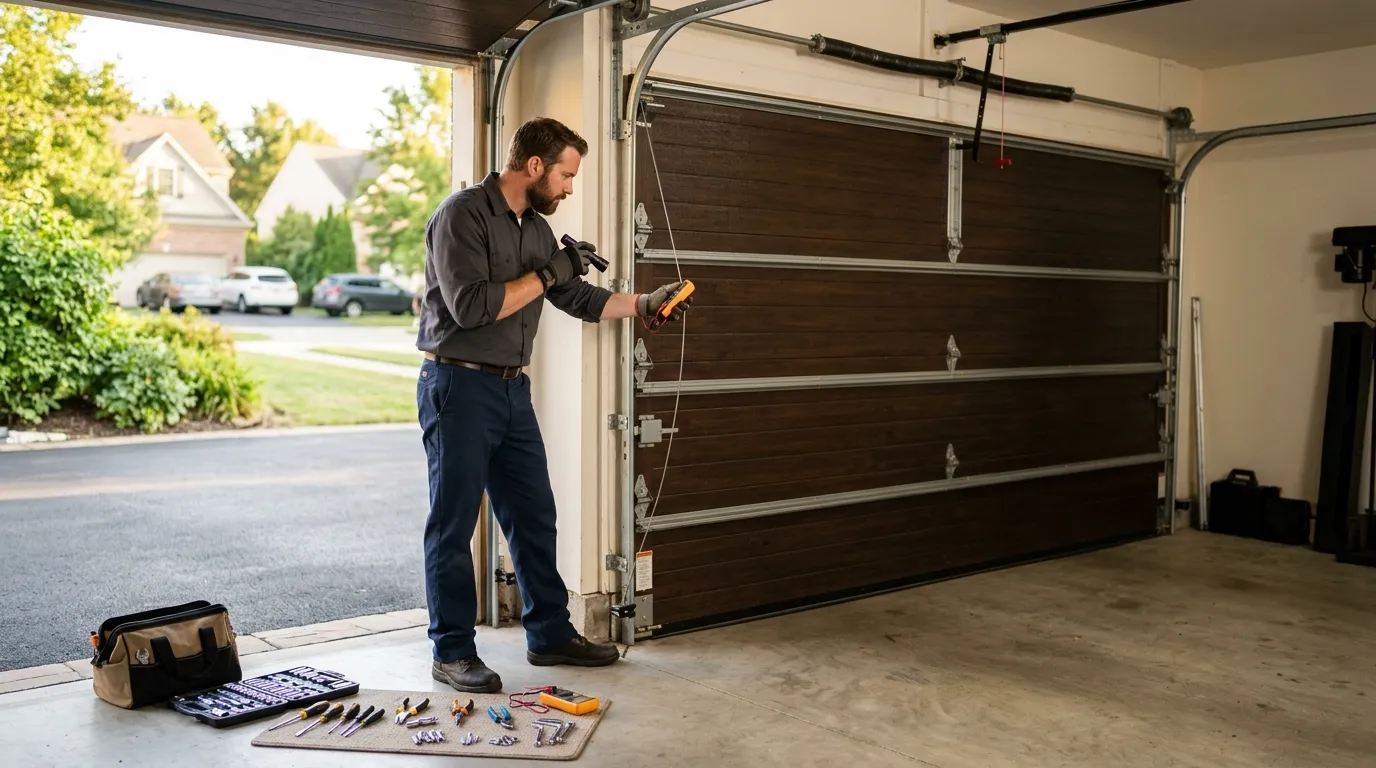
We also ask about your panel: wood, steel, or an insulated steel sandwich door, because the drive mechanism has to be sized for what it's lifting, not just what fits the header. If your door was swapped out at some point but the opener wasn't, the mismatch is usually where the trouble starts. We'll walk through that on the phone so the visit itself is about installing, not diagnosing from scratch.
What Is on the Truck
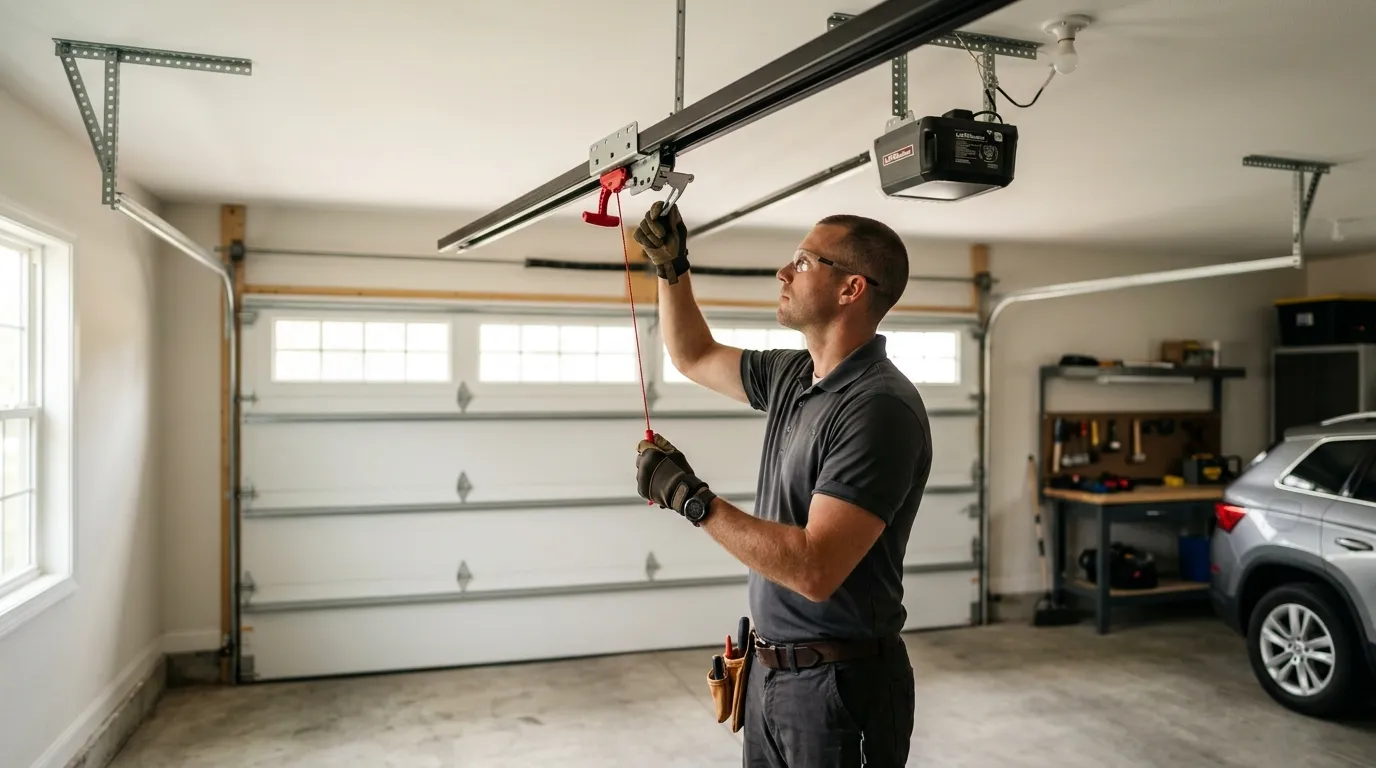
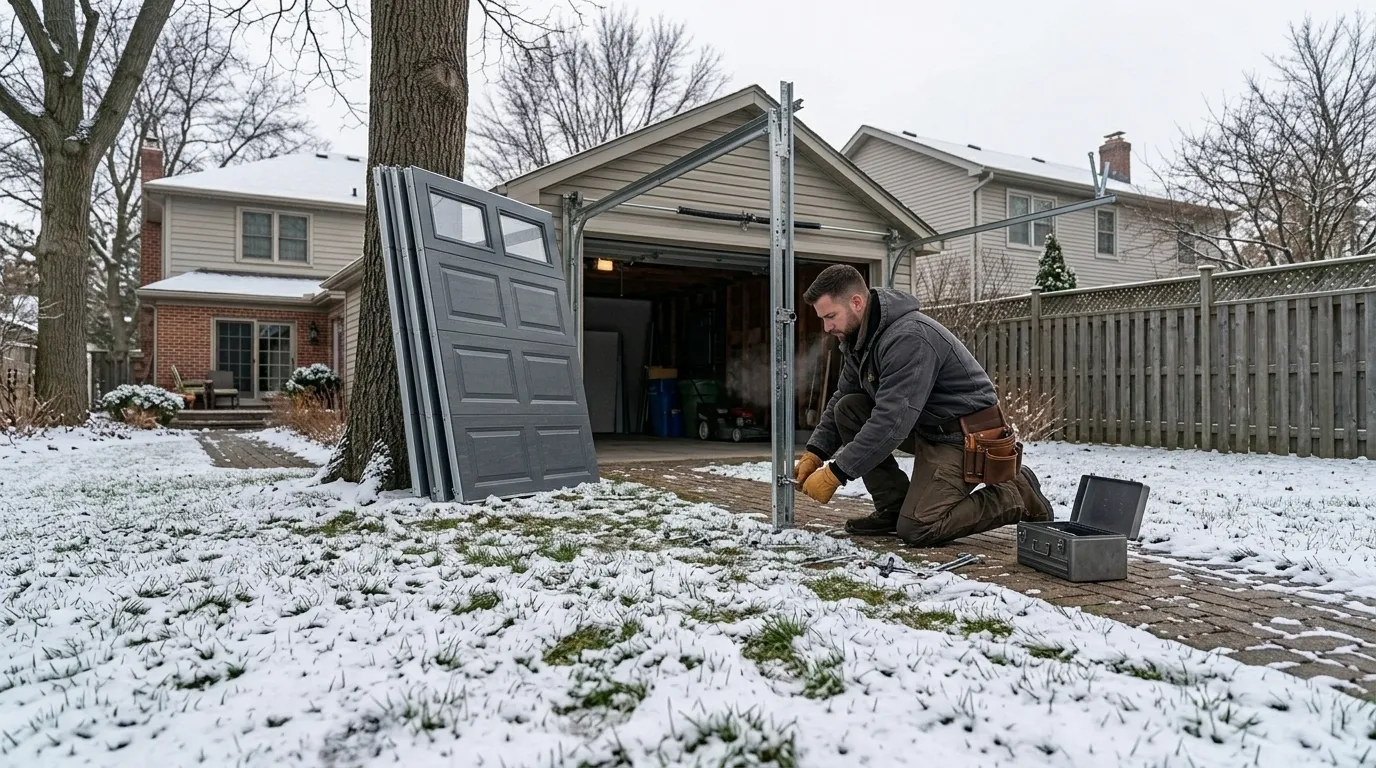
For a neighborhood built mostly in the early-to-mid 1950s, we stock openers rated for heavier one-piece and early sectional doors, plus the newer chain and belt-drive units for homes that have already been re-doored with lighter insulated steel. We carry both 1/2 HP and 3/4 HP drive units because a house from 1954 with an original heavy wood door needs more lifting force than a 2005 replacement door on the same house.
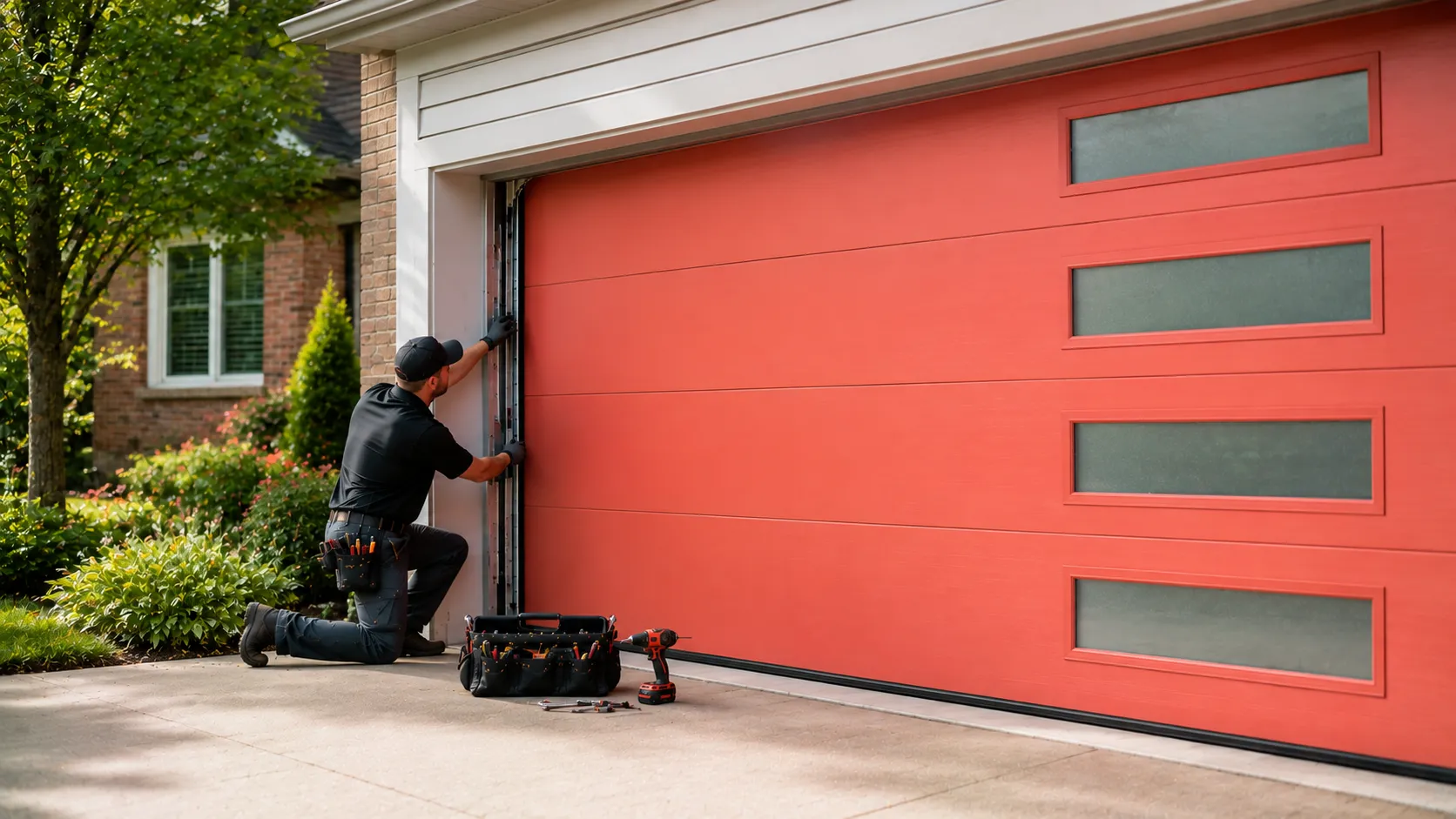
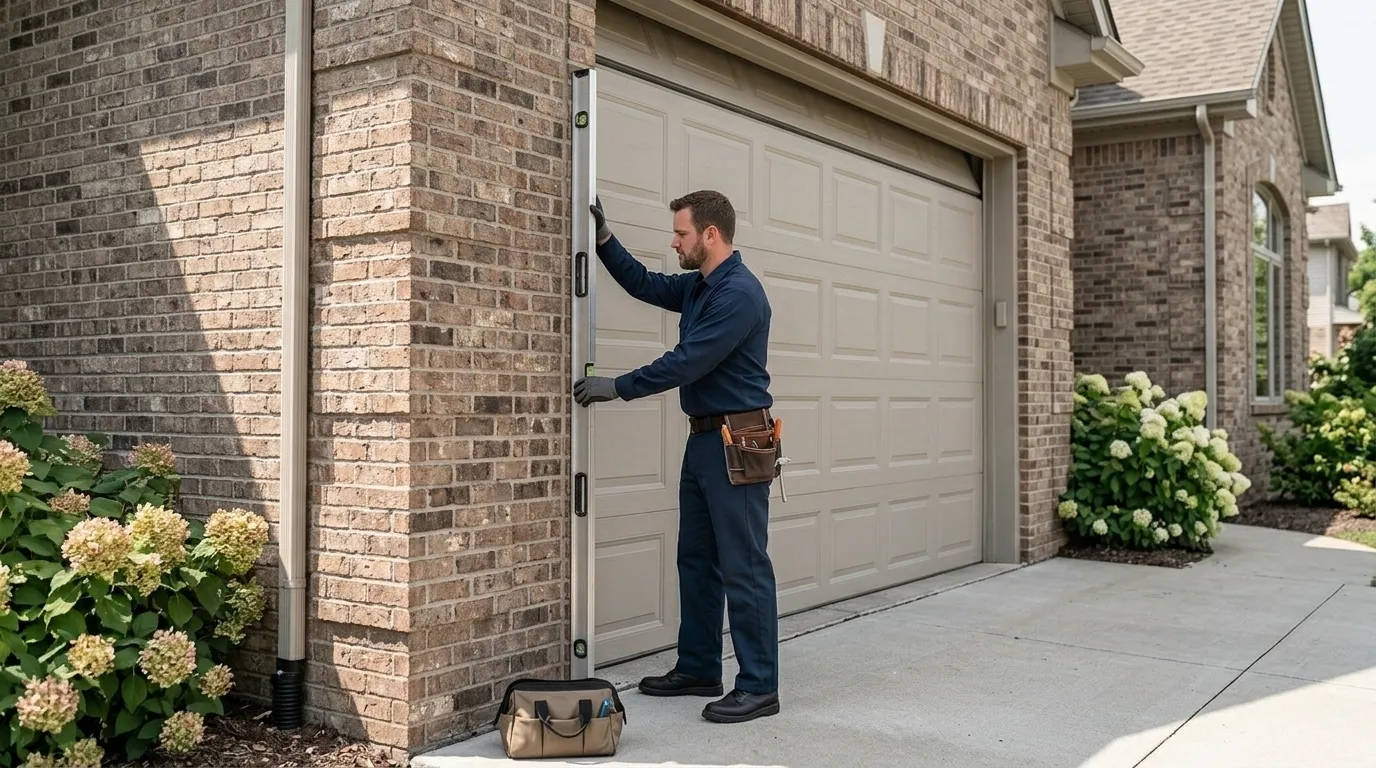
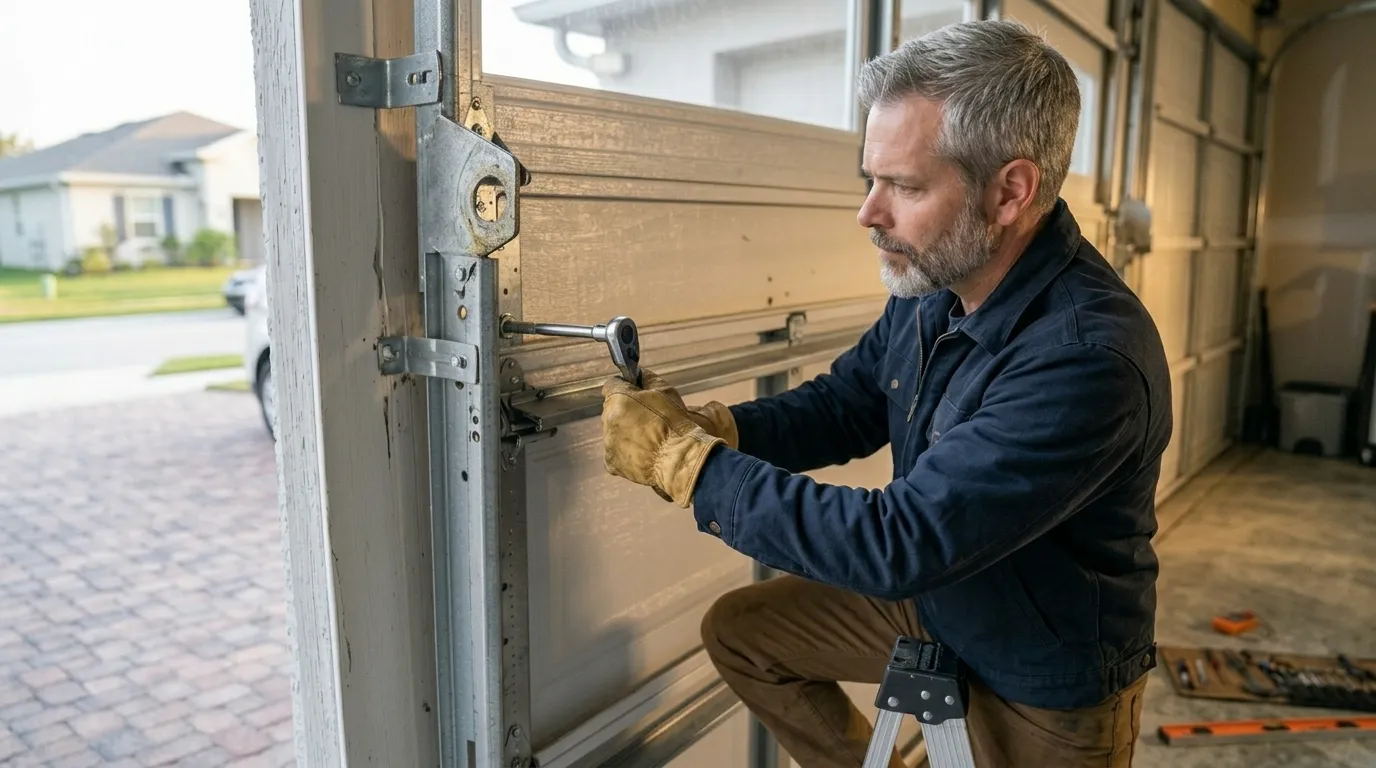
We also bring extra mounting hardware sized for older header framing. Houses from this era in the region often have narrower headers than homes built after 1980, and a modern opener bracket doesn't always bolt straight to 1950s framing without an adapter plate. We keep those adapter plates on the truck specifically because we run into this more here than in newer subdivisions closer to Livonia. What we don't carry is every wall-console or smart-hub brand on the market - if you want a specific smart-home ecosystem tie-in, tell us when you book so we can order the right unit instead of installing something and swapping it later.
Doing It Yourself
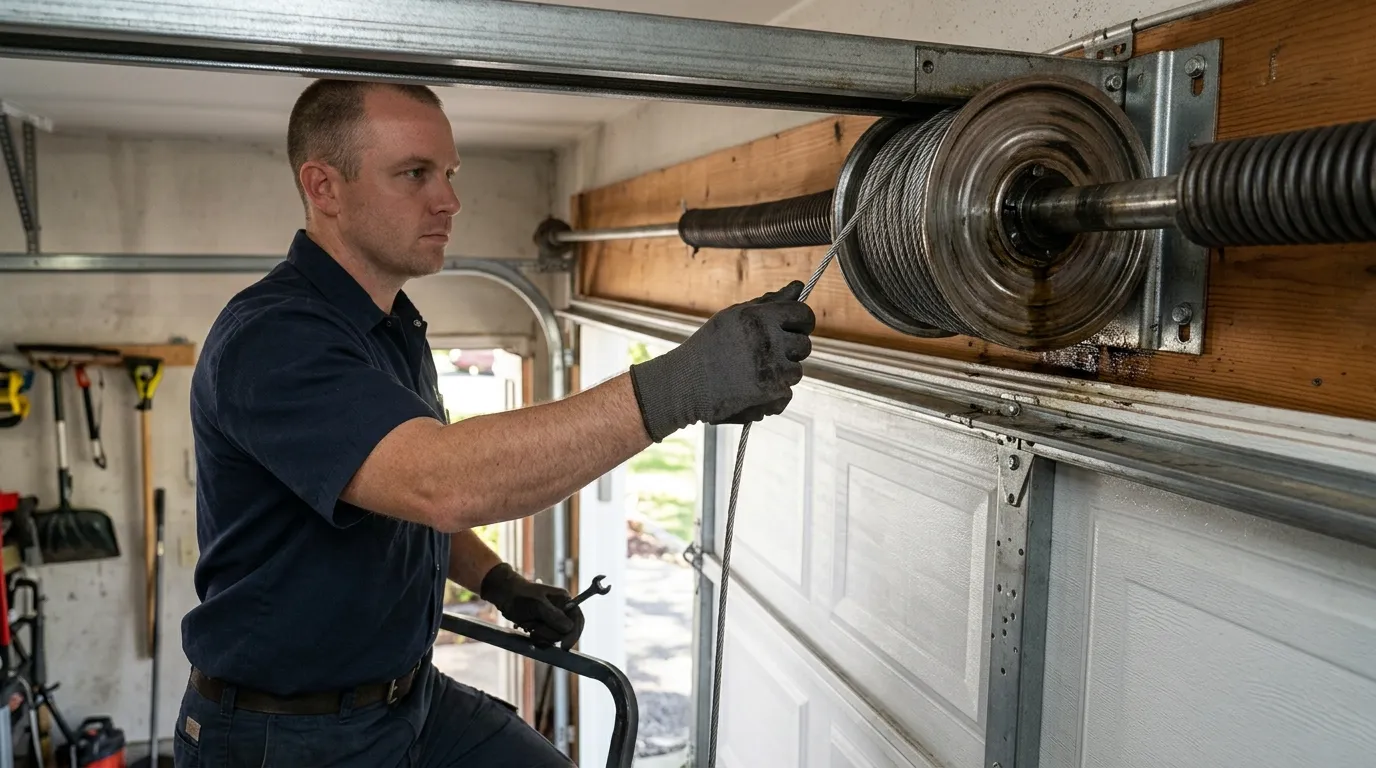
A retail opener kit will bolt to almost any door, but matching horsepower and travel to a door built in the 1950s takes more than following the box instructions. If you're comfortable with basic electrical and don't mind climbing a ladder, the mechanical install itself isn't the hard part - sizing the unit to an original heavy door, and confirming the spring can handle a powered opener instead of manual lift, is where DIY installs on older houses go wrong.
Our honest limit here: we don't do warranty work on units purchased elsewhere and installed by someone else, so if a big-box kit doesn't fit your header or your door won't balance under it, that's a separate service call, not a free fix. If you're set on doing it yourself, at minimum have someone check the spring tension and door weight before you buy the opener, not after.
How Long It Takes
A straightforward swap - same header, same door, working outlet already in place - runs about what you'd expect for any opener install. Where Lincoln Park jobs tend to run longer is the header and wiring work described above: adding a receptacle, fitting an adapter plate to older framing, or re-tensioning a spring that's been carrying an unpowered door for decades. None of that is unusual for a house from this era, but it does add time to the visit compared to a house built after 1990 with modern rough framing already in place.
We'd rather quote the extra time up front than rush a header modification. A poorly fitted bracket on old framing is the kind of thing that works fine for six months and then doesn't.