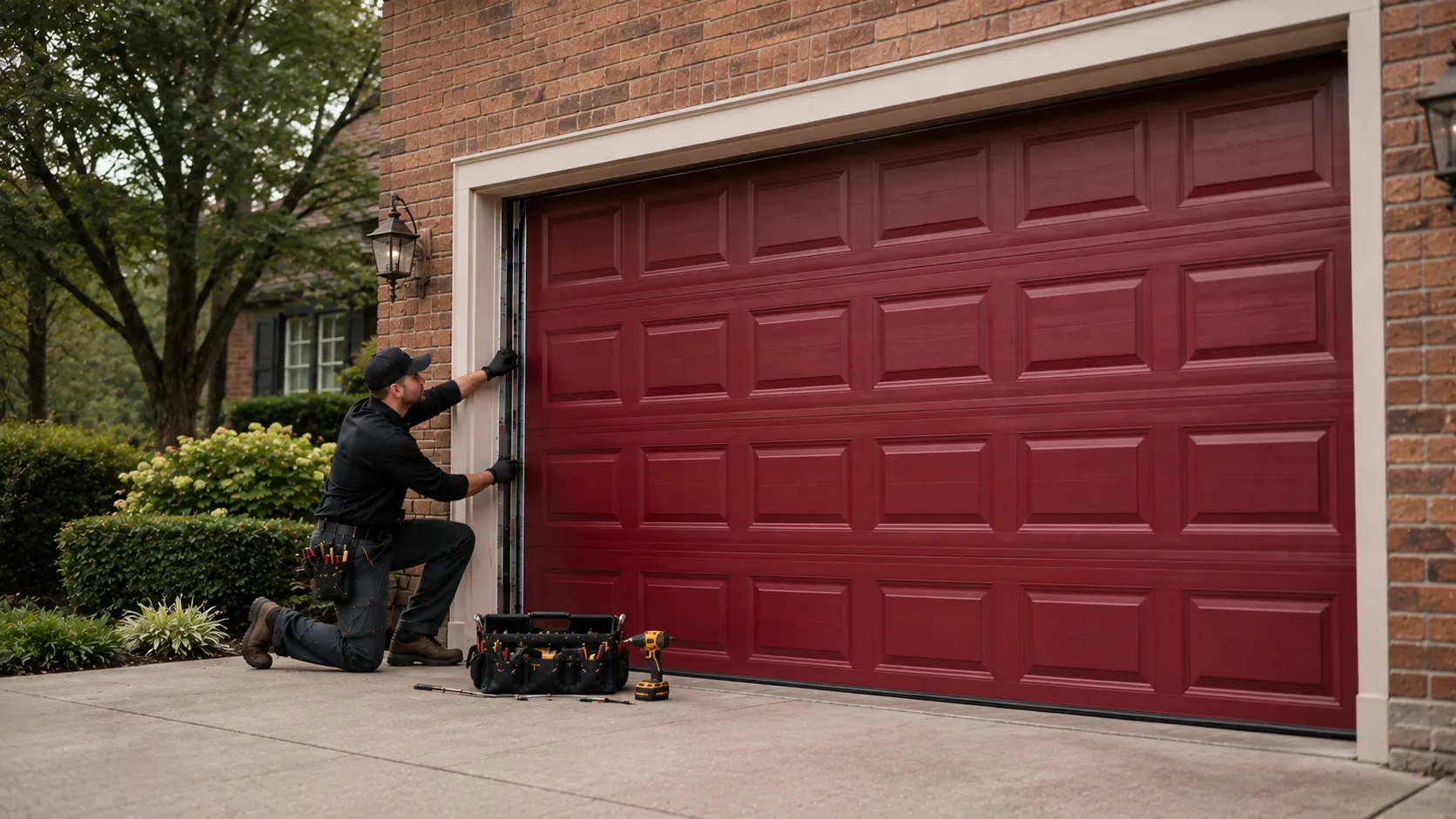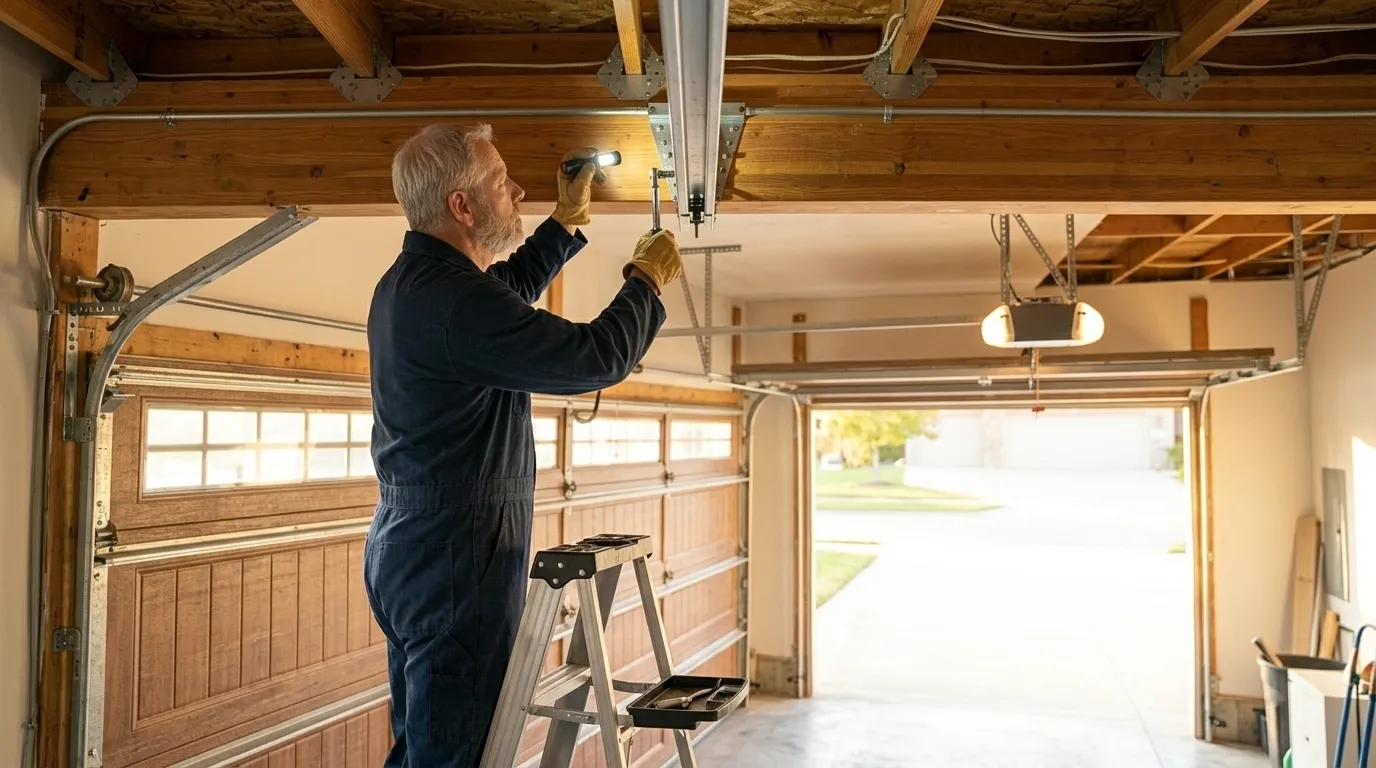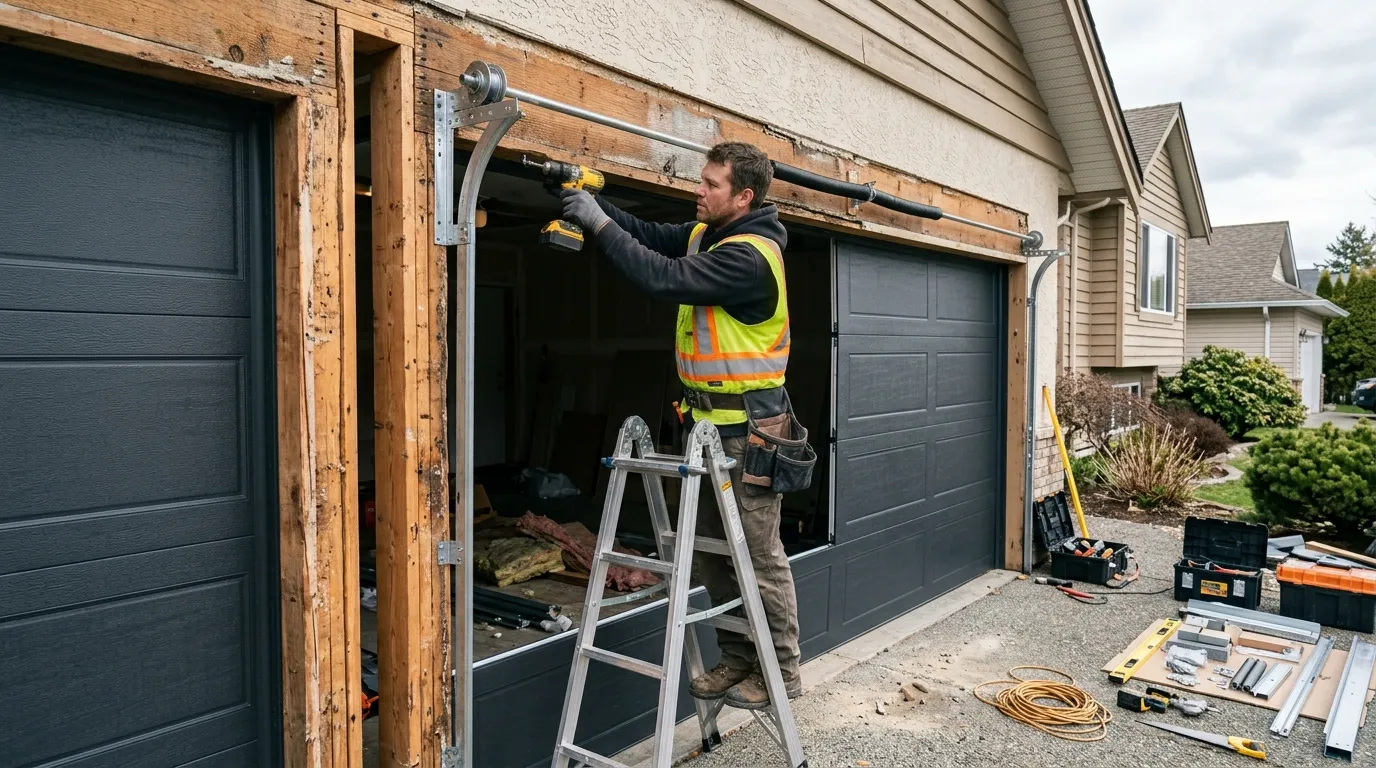
Booking a Visit
We're based in Livonia, about 14 miles from Lincoln Park, so we don't have a crew sitting idle around the corner from your house. When you call, tell us the door's size and whether it's a single or a double â€" a lot of Lincoln Park garages built in the early-to-mid 1950s were sized for one car, and knowing that before the truck rolls saves a wasted trip for the wrong spring or track length. We schedule the visit once we know what we're walking into, not before.
We don't keep a dispatcher standing by in Lincoln Park itself, so we can't promise a same-hour arrival the way a shop physically in town might. What we can do is tell you honestly on the phone whether the part you need is something we carry on the truck already or something we'll need to order, so you're not guessing while you wait.
What Is on the Truck
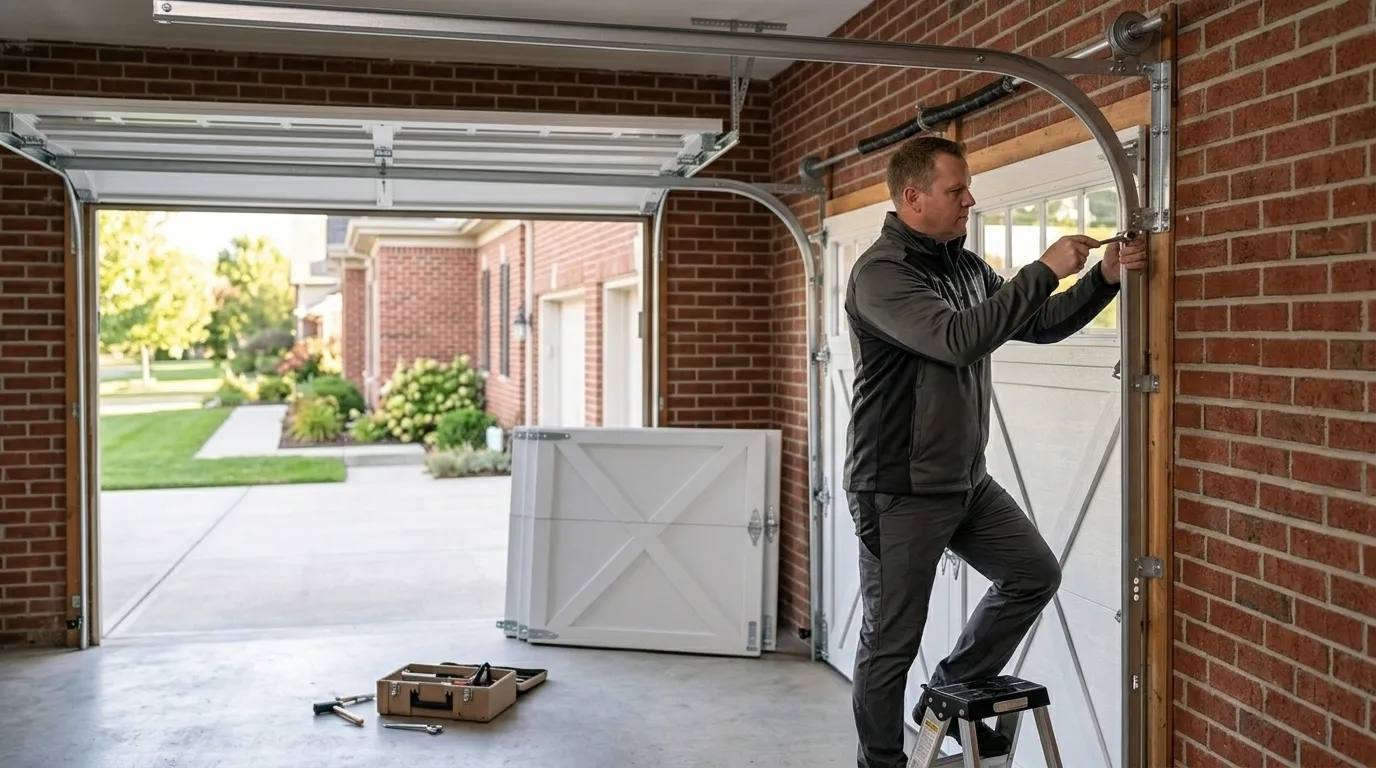
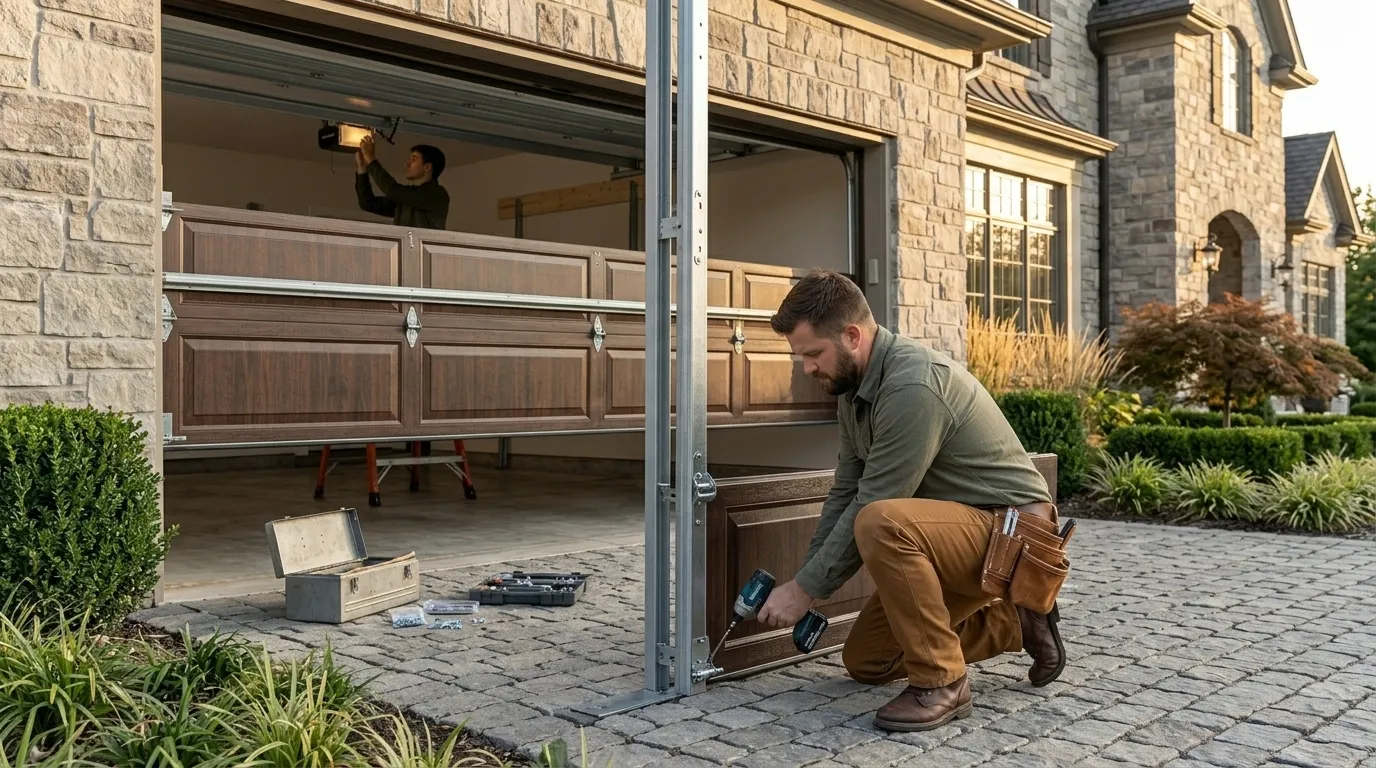
For a neighborhood built around 1954, the truck carries what those doors actually need: extension springs in the lengths common to narrower single-car openings, along with torsion conversion hardware for the houses that got upgraded doors somewhere along the way. We also stock standard rollers, cables, and hinges sized for the lighter wood and early steel panel doors that went up on this side of the housing stock, not just the wider insulated doors you'd find in newer construction.
What we don't carry is obsolete factory replacement panels for a specific door model from that era â€" if the original wood door has a cracked or rotted section, we're usually looking at a full replacement rather than a patch, and we'll say so on site rather than pretend otherwise.
Doing It Yourself
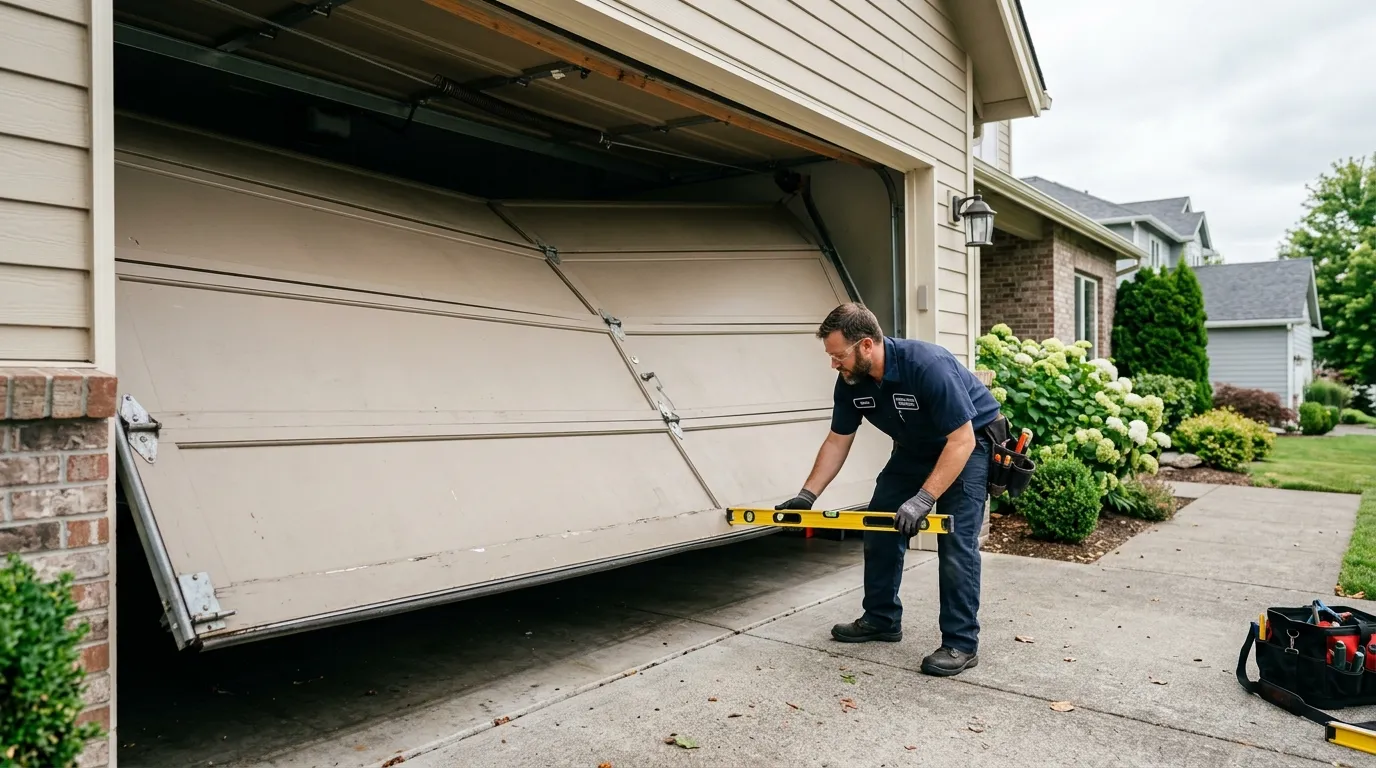
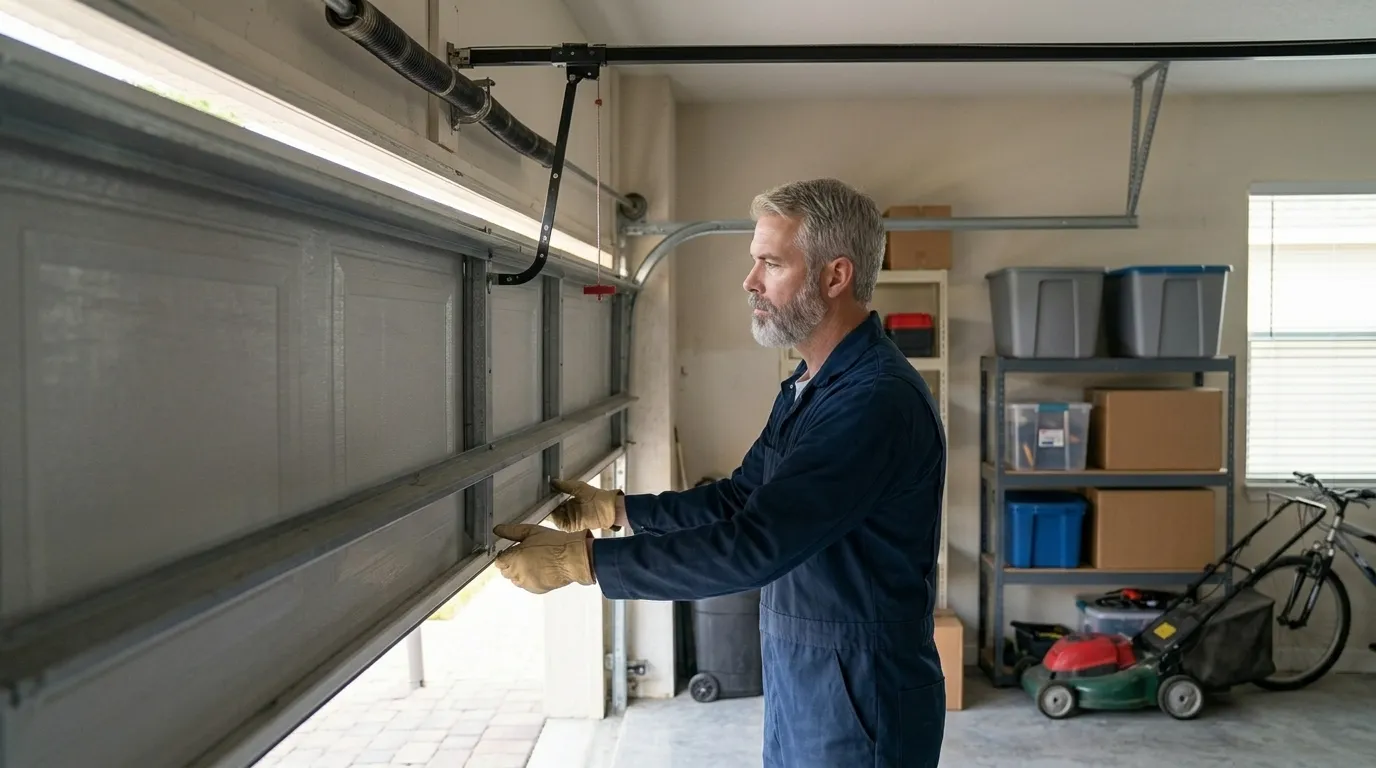
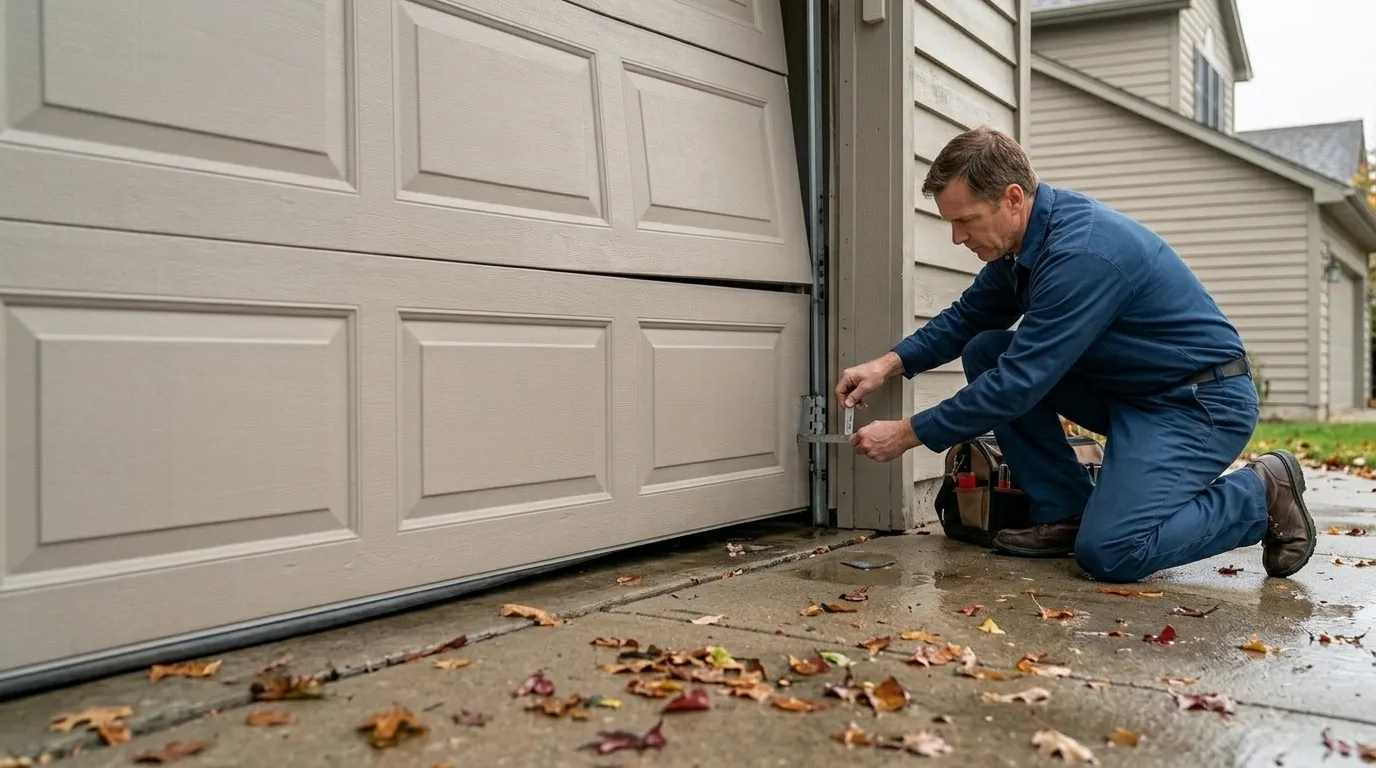
If your door is sagging on one side or the opener strains and reverses, you can usually check for a bent track or a loose roller yourself with the power disconnected. That's fair territory for a homeowner with a ladder.
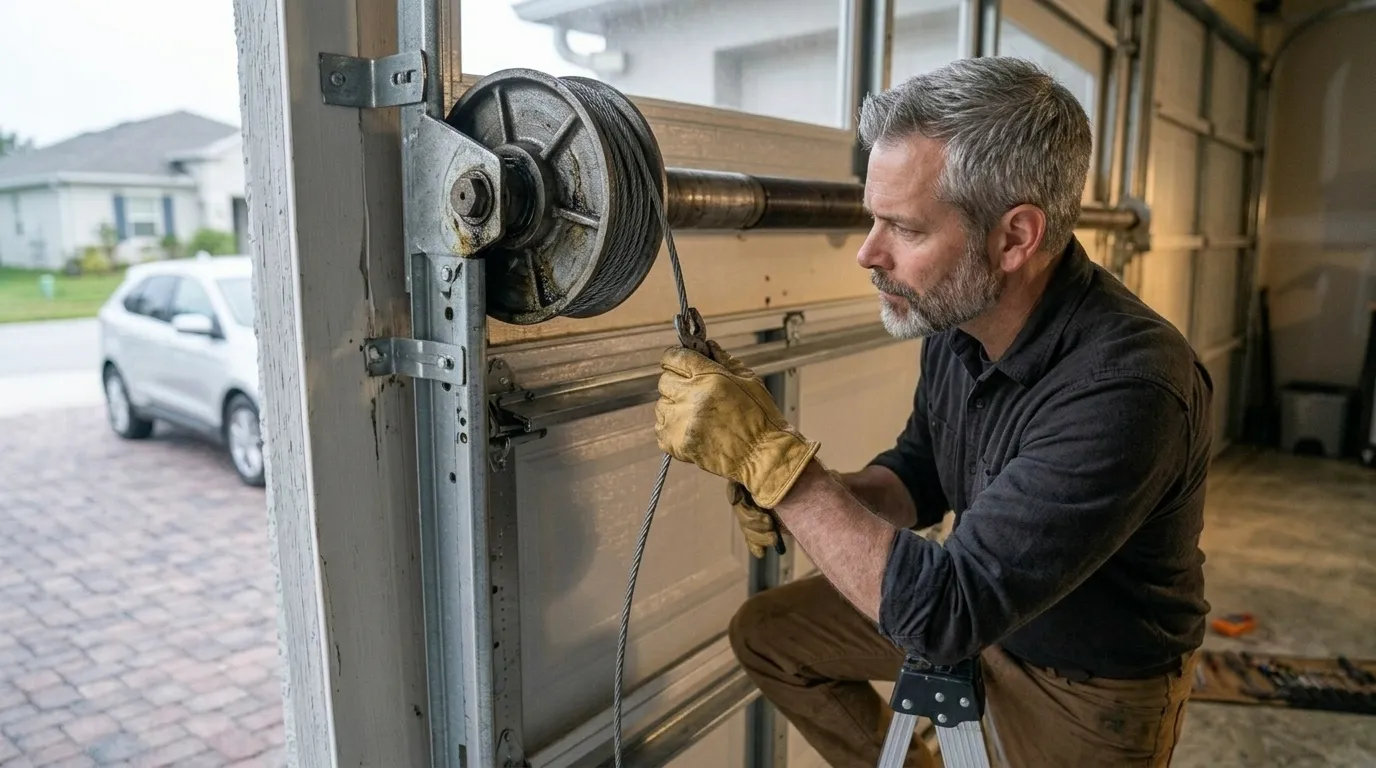
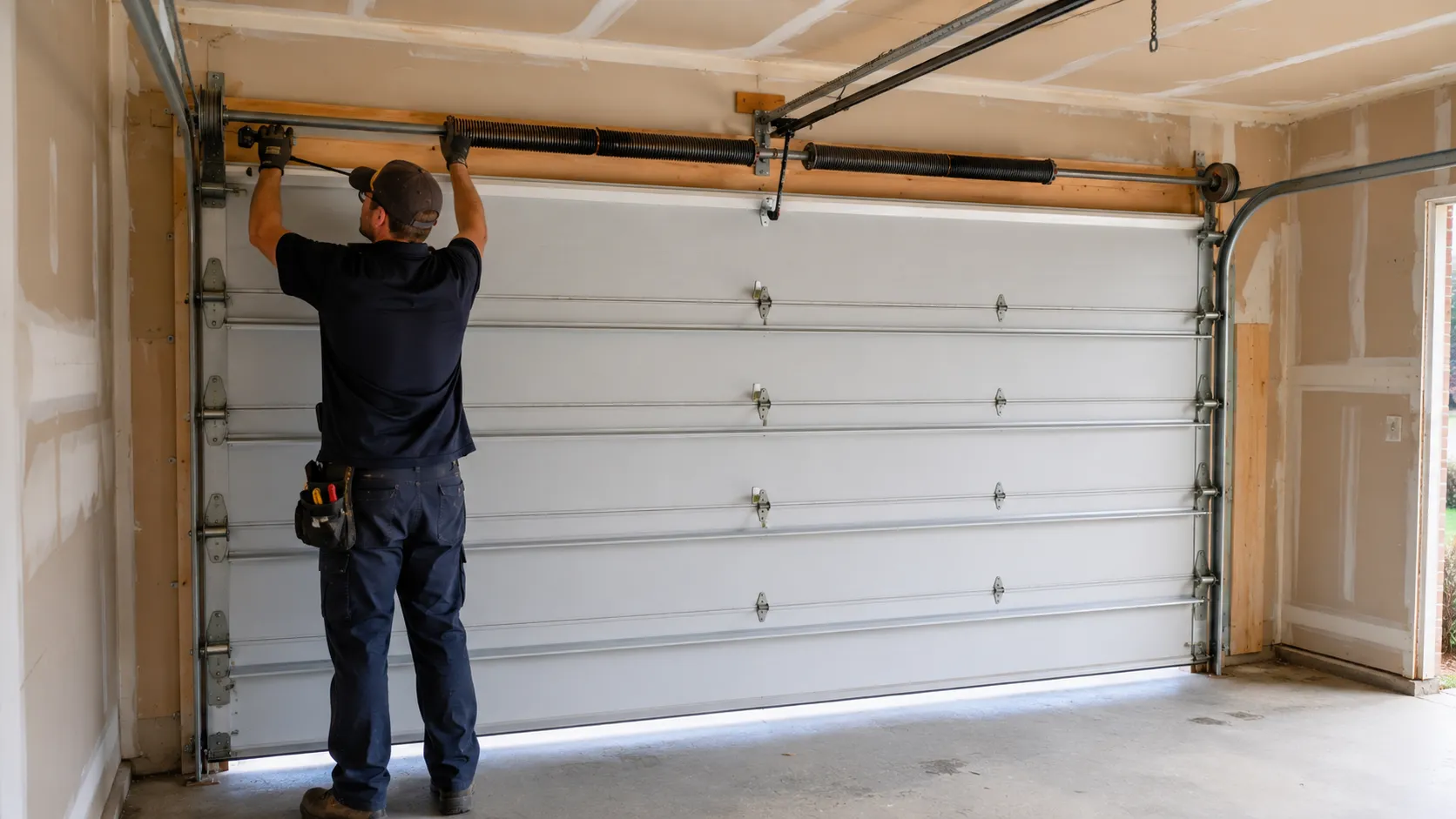
Springs are not. On a house from this era, the tension involved in a wound extension or torsion spring can put someone in the hospital, and because the hardware is old, it doesn't always fail the way a newer setup would â€" sometimes the mounting cone shears before the spring lets go, which changes where the energy goes. If the door won't move, or moves and slams, stop and call. That's not a sales line, it's the actual failure pattern we see on doors this old.
How Long It Takes
A straight spring swap on a single-car door from the 1950s stock is usually the shortest job we run â€" once we're on site with the right part. Because we're driving in from Livonia rather than working out of a Lincoln Park location, factor the travel time into when you expect us, not just the repair itself.
Jobs get longer when the original opening needs bracket or jamb work before the new spring or cable goes on, which is common enough in houses built in 1954 that we budget extra time for it rather than treat it as a surprise. If a part isn't on the truck â€" an odd-length extension spring or an obsolete bracket â€" we'll tell you at the door, not after we've started.