How We Fix It
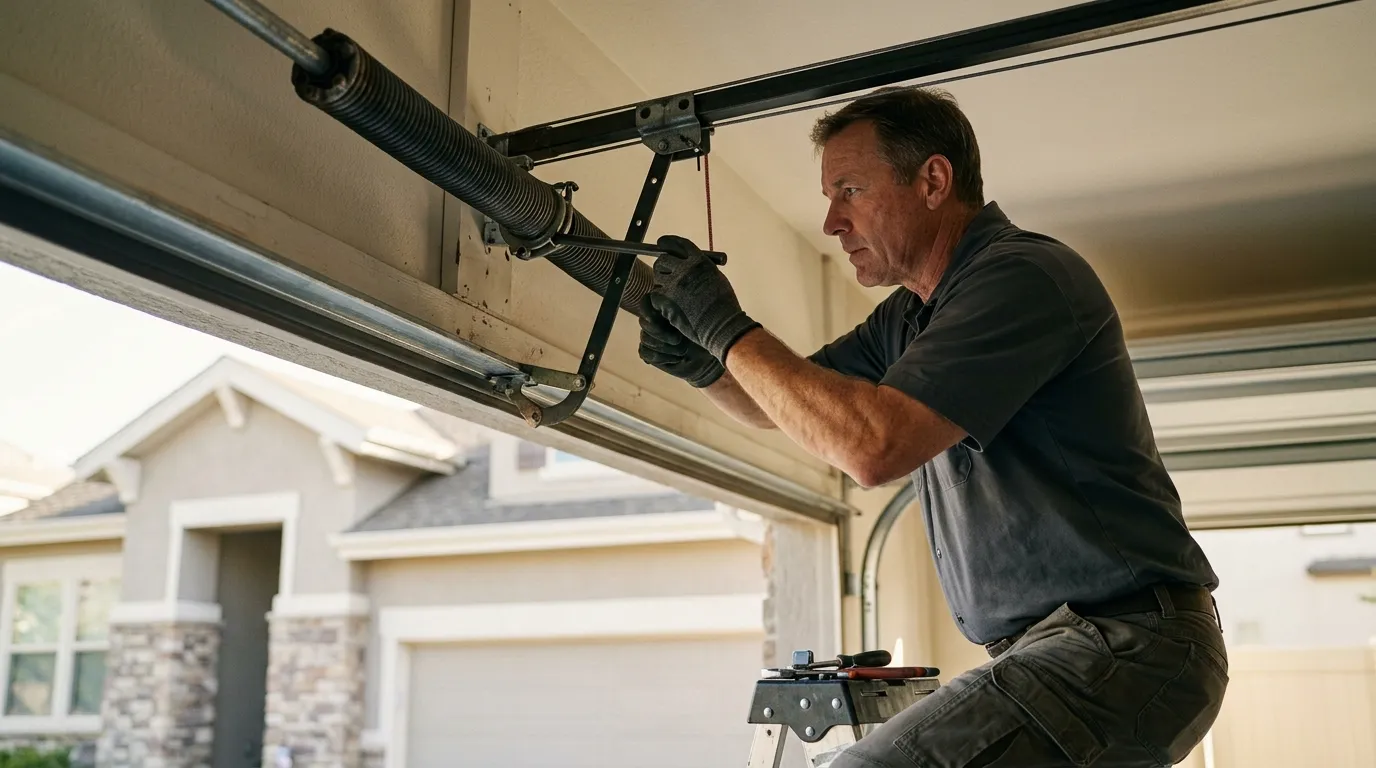
The fault we see most in Birmingham isn't a broken spring - it's a door that was never matched to the house. A lot of these homes date to around 1960, and the original single-layer steel or wood doors that came with them were built for a lighter track and a smaller torsion spring than what a modern insulated door needs. When a homeowner swaps in a heavier two-inch insulated panel door without upgrading the spring and the header bracket underneath it, the opener strains, the cables wear fast, and the whole system feels wrong within a year.
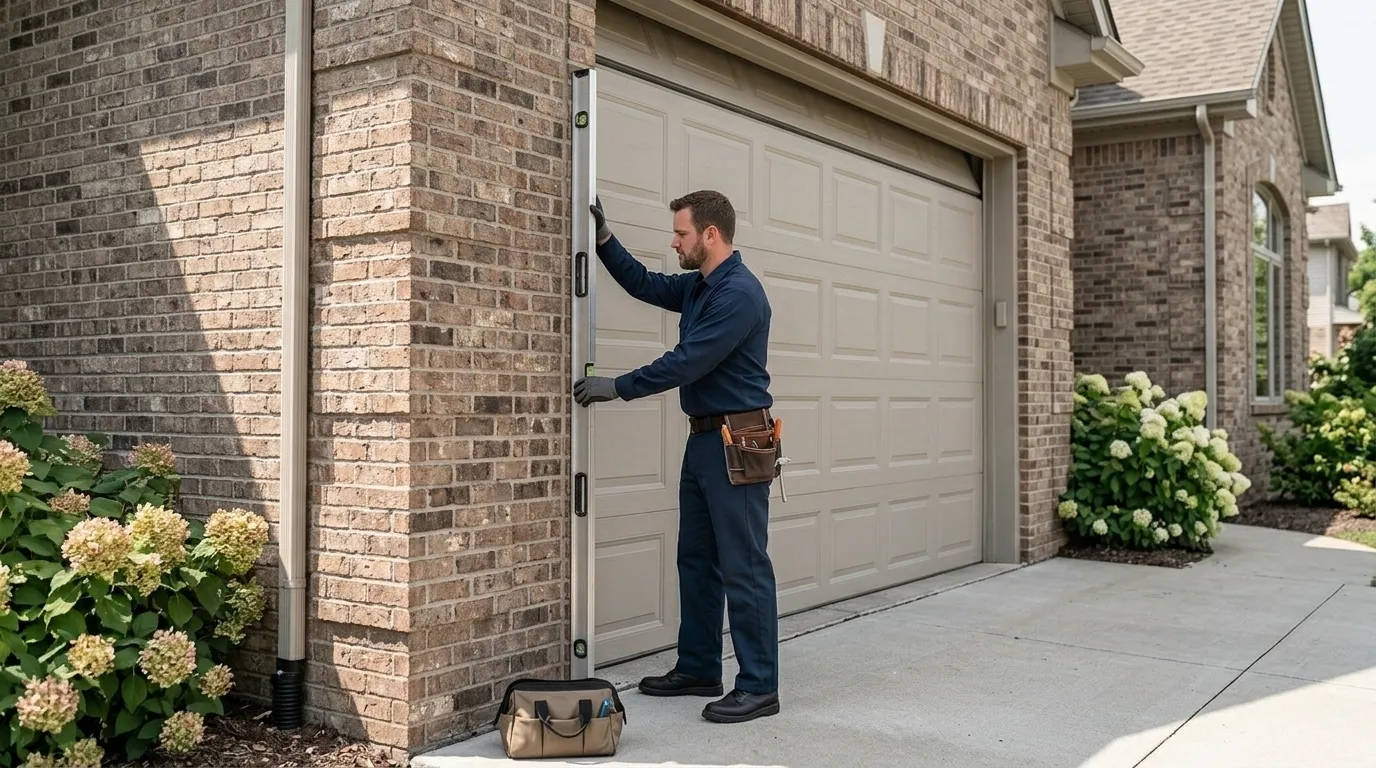
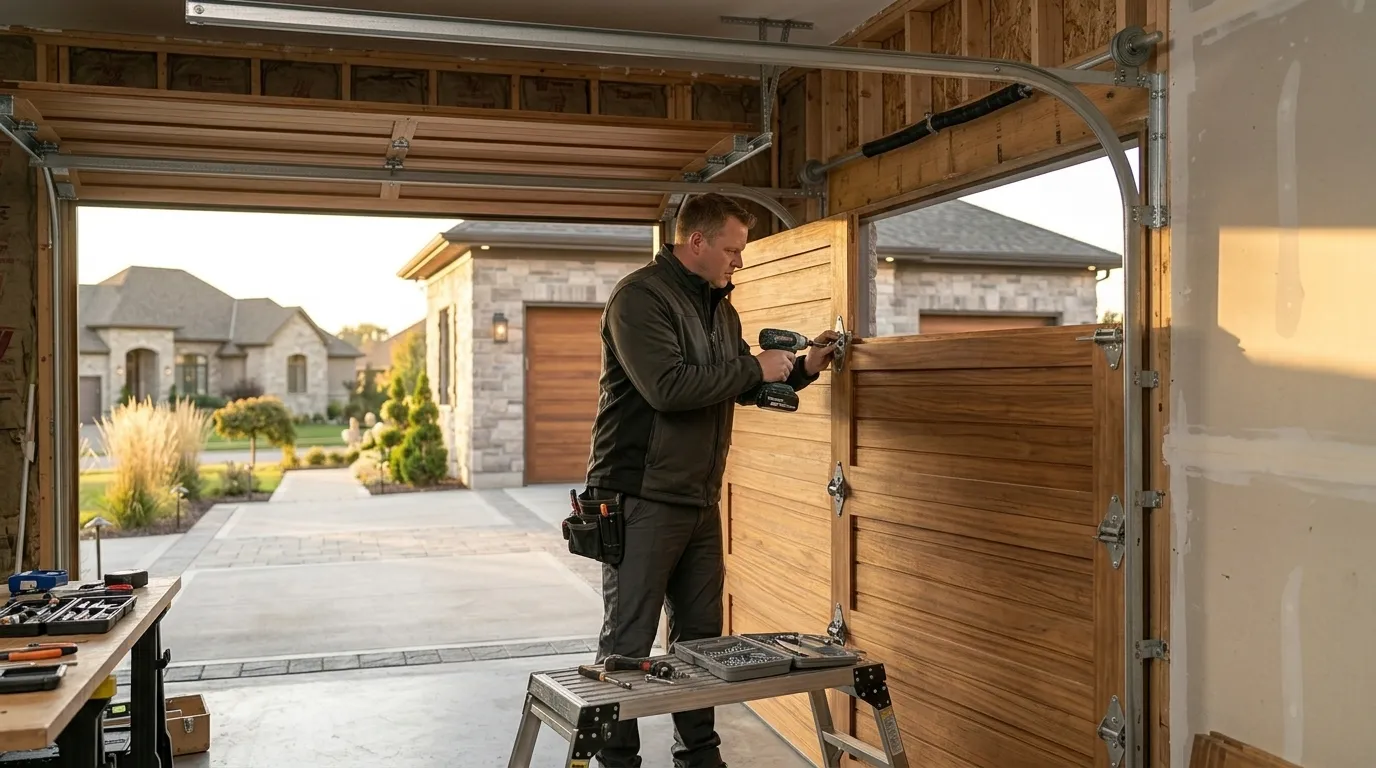
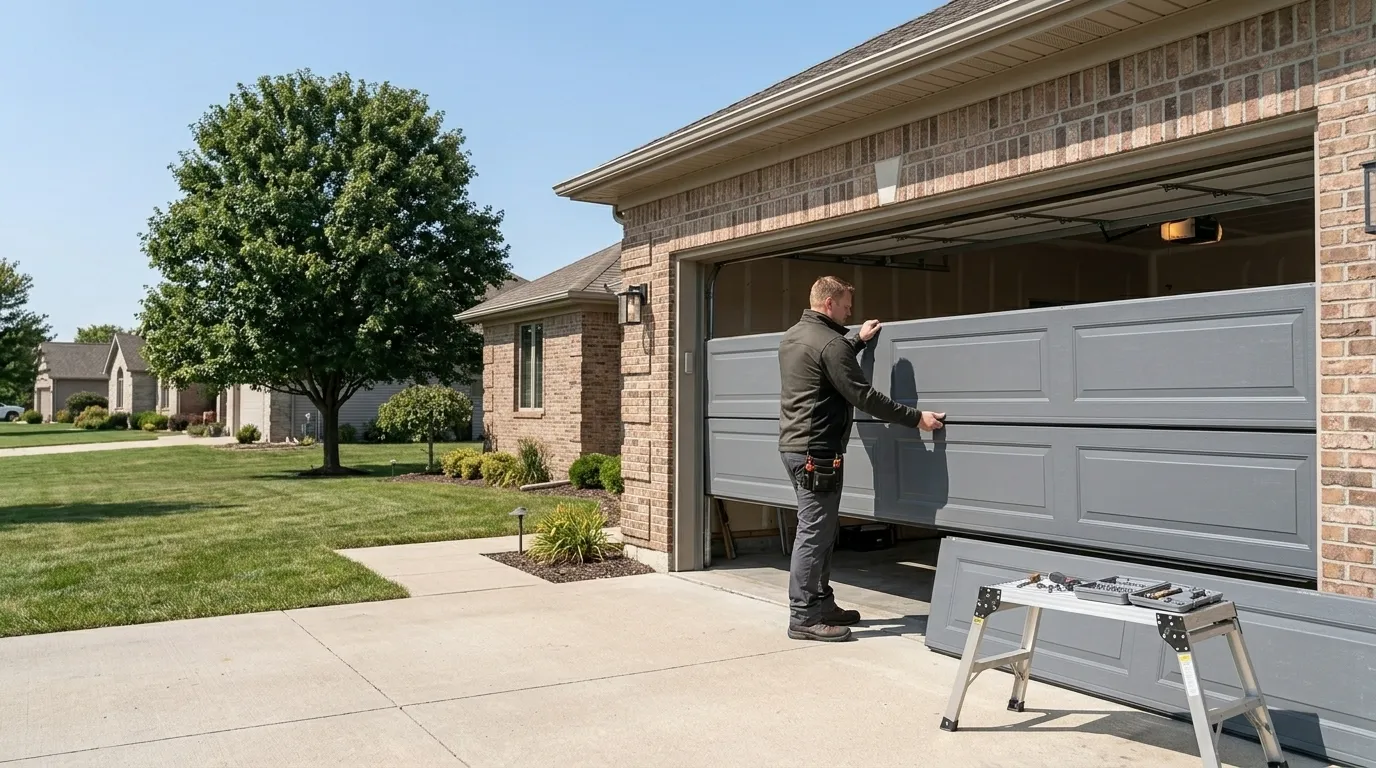
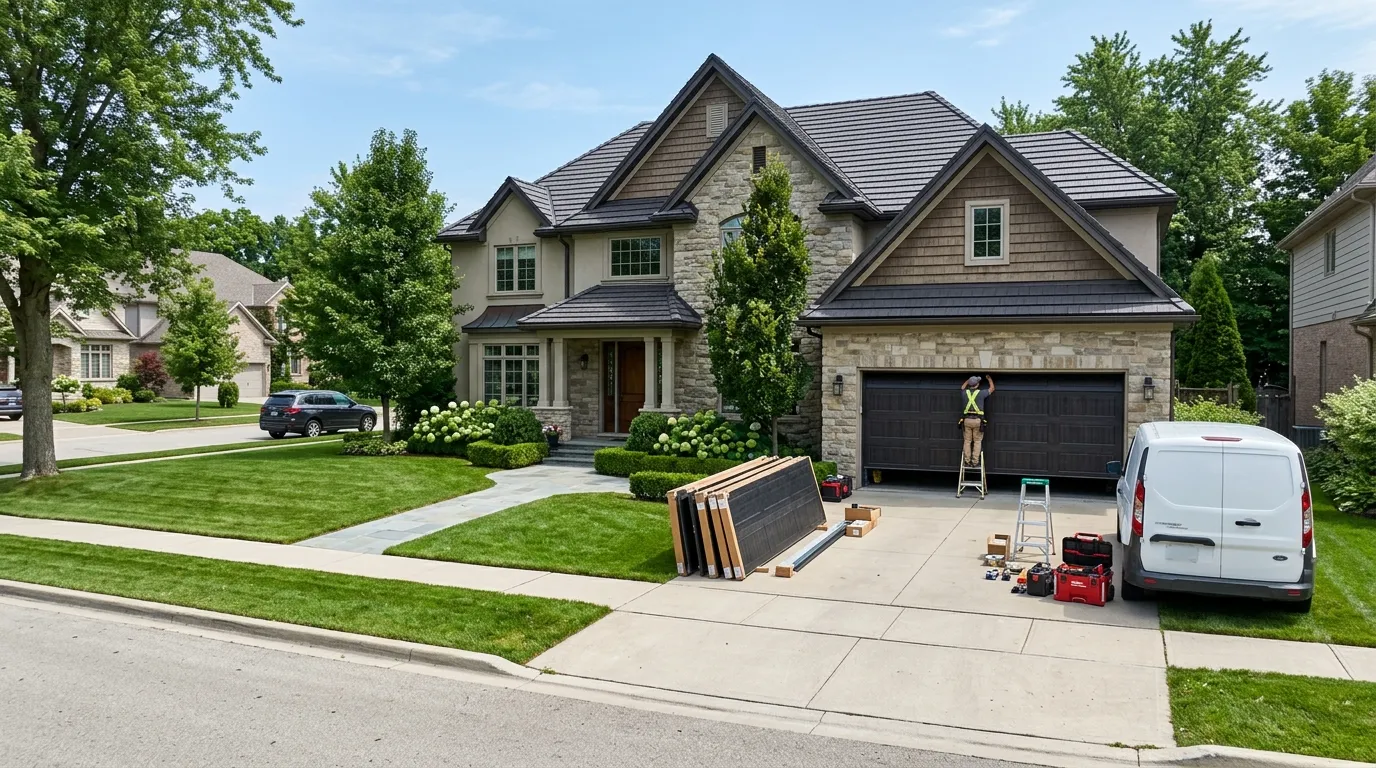
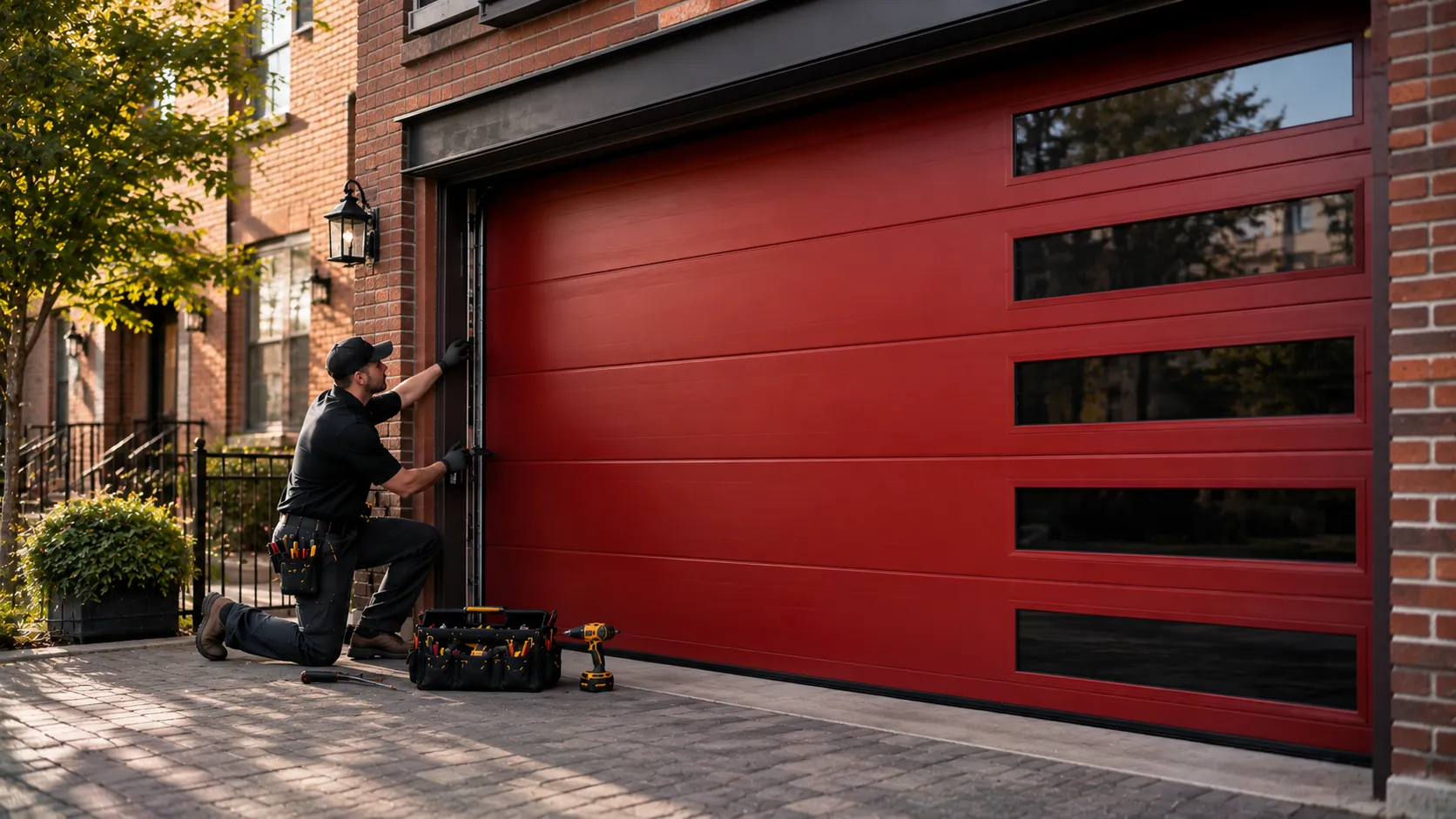
We start every install by measuring the actual opening and checking what's holding it - header, jamb, track width - against the door going in, not just against a catalog size. For a house built in this era, that often means new track and a spring rated for the new door's weight, not a reuse of what's already there. Because Birmingham sits in a severe cold climate band, we also talk through insulation value up front: a poorly sealed door on an attached garage means a colder mudroom wall all winter, and that's a cost that shows up on the heating bill long after the install truck is gone.
Booking a Visit
We run this job out of Livonia, about 13 miles from Birmingham, so we schedule the visit rather than showing up same-day on a whim. That's not a knock on the town - it's just the honest travel math, and we'd rather set a real appointment window than promise a response time we can't back up from that distance.
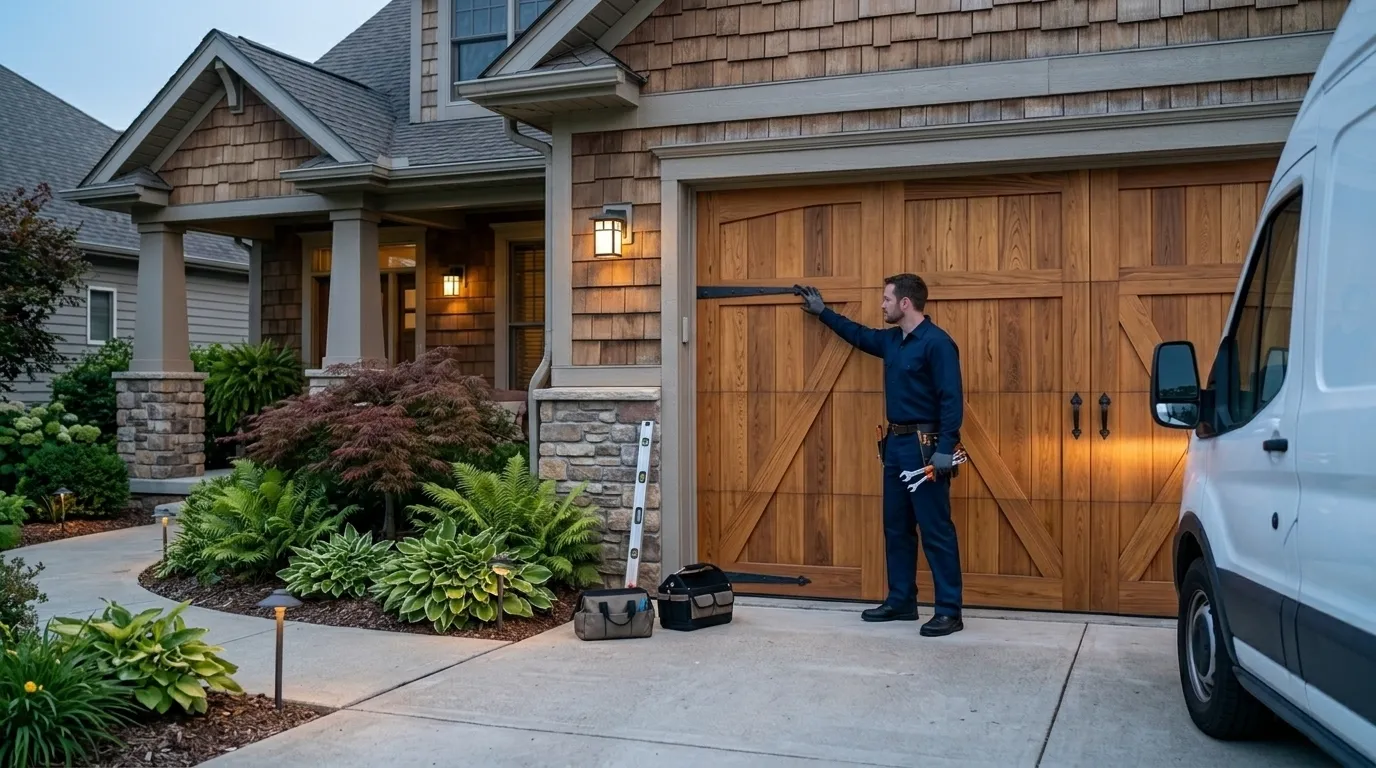
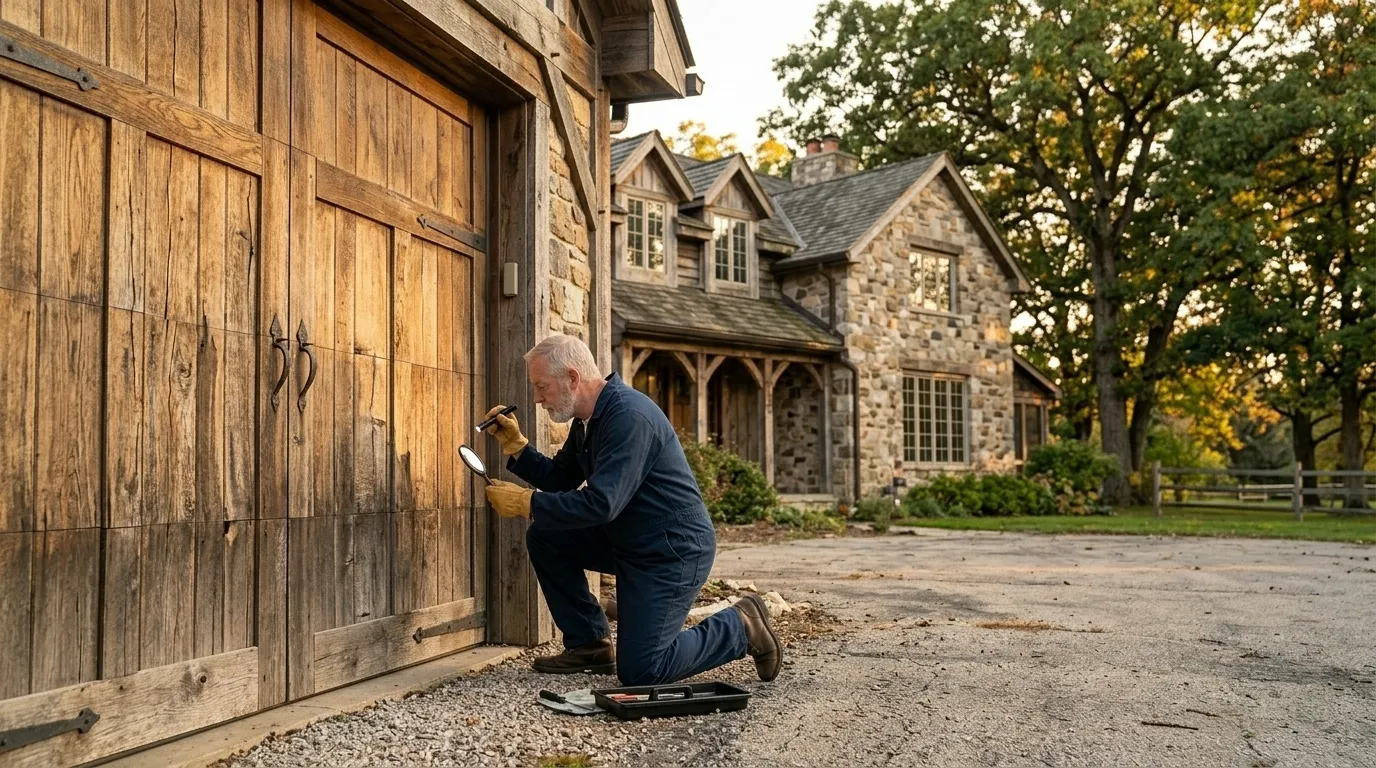
Most Birmingham installs start with a look at the opening: width, height, headroom above the door, and whatever's left of the original track and spring setup from the house's 1960-era build. Median household income in Birmingham runs well above the $70,984 median across the wider service area, and we see that reflected in what people ask for - insulated steel doors with a wood-look overlay, higher cycle-count openers, and quieter belt drives instead of chain. We can spec any of that, but we still size it to the actual opening rather than to what looks good in a brochure.
Doing It Yourself
If you're weighing a DIY install on an older Birmingham garage, the honest limitation is headroom and structural fit - not the door panel itself. Big box doors come pre-cut to standard sizes, and standard doesn't always match a 1960-built opening's actual header height or track clearance. Get that wrong and you're either forcing a door that binds or cutting into framing you didn't plan to touch.
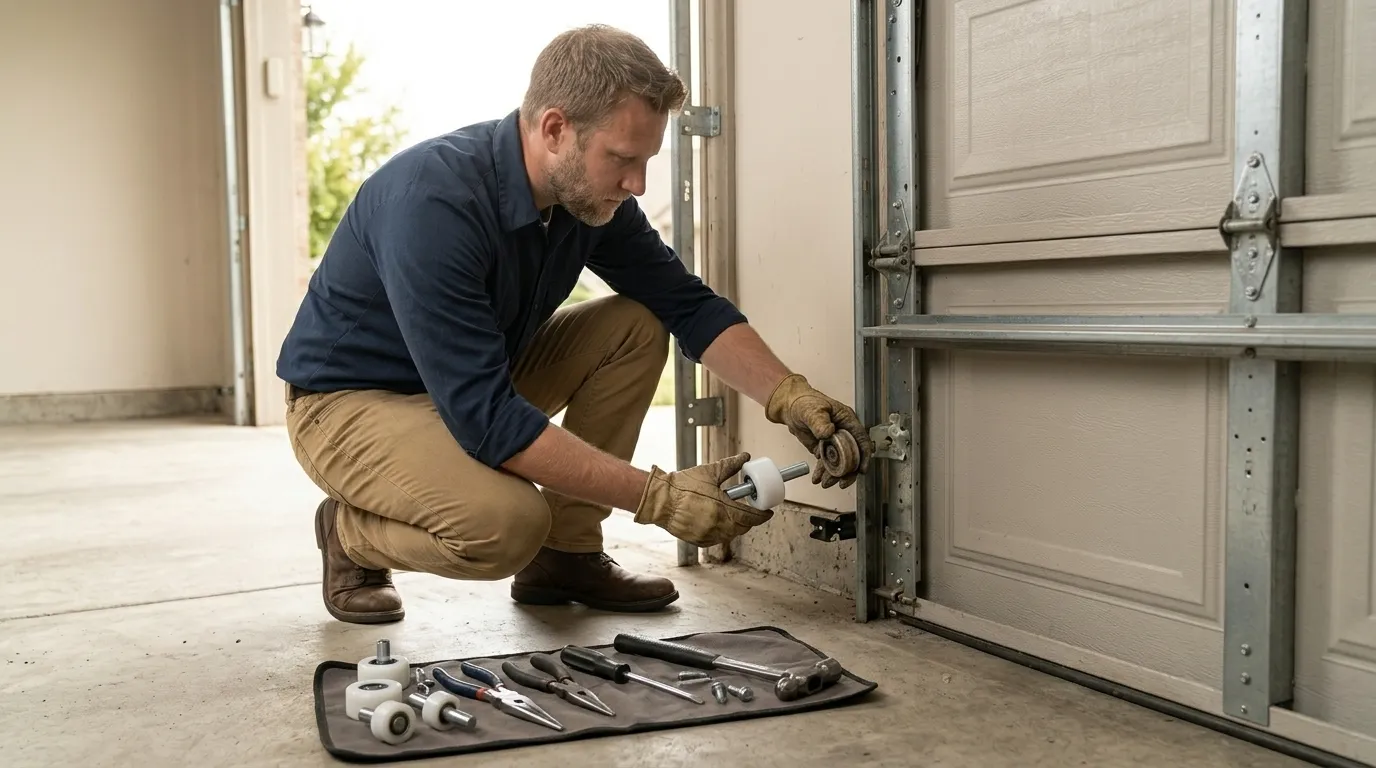
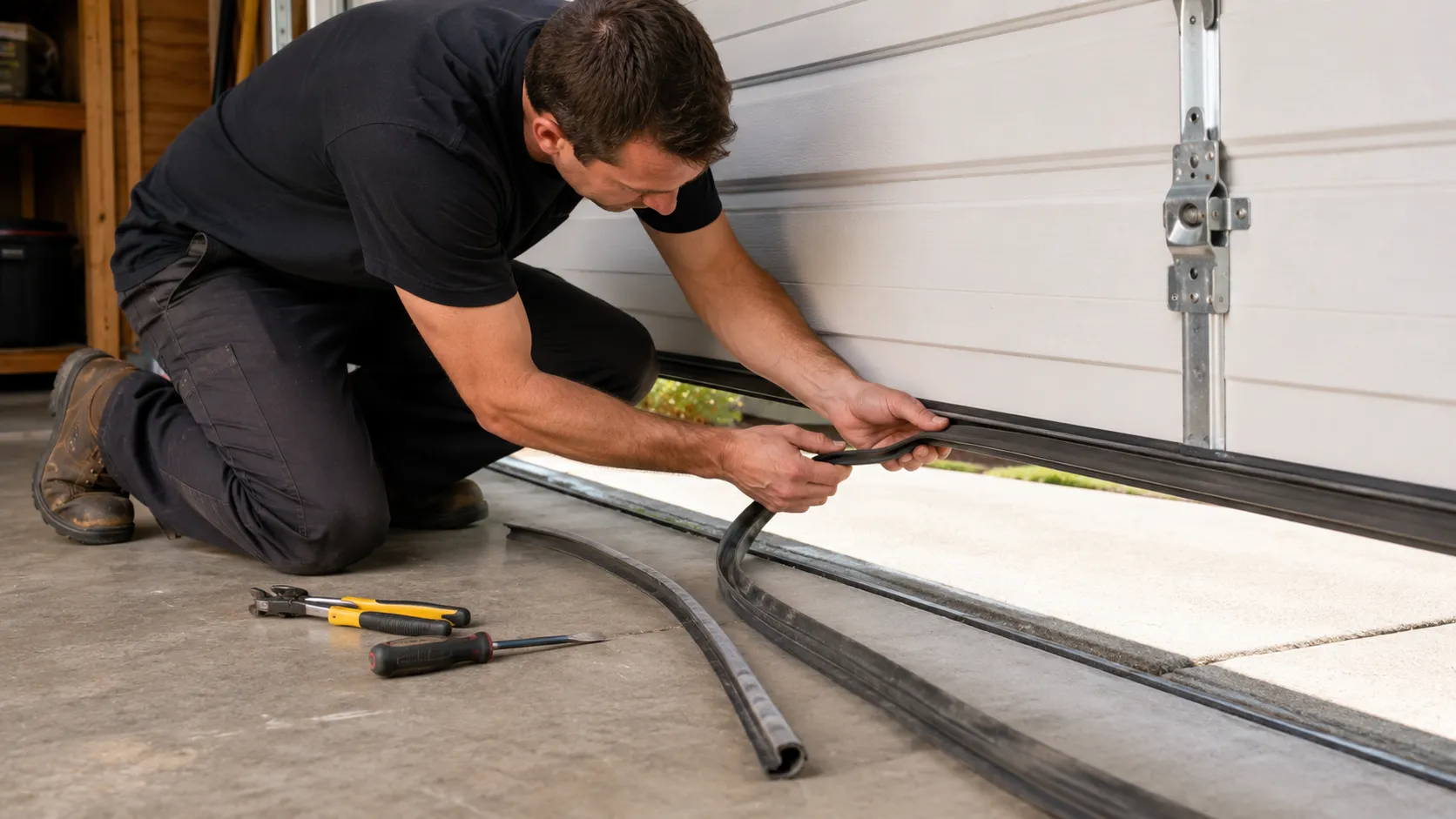
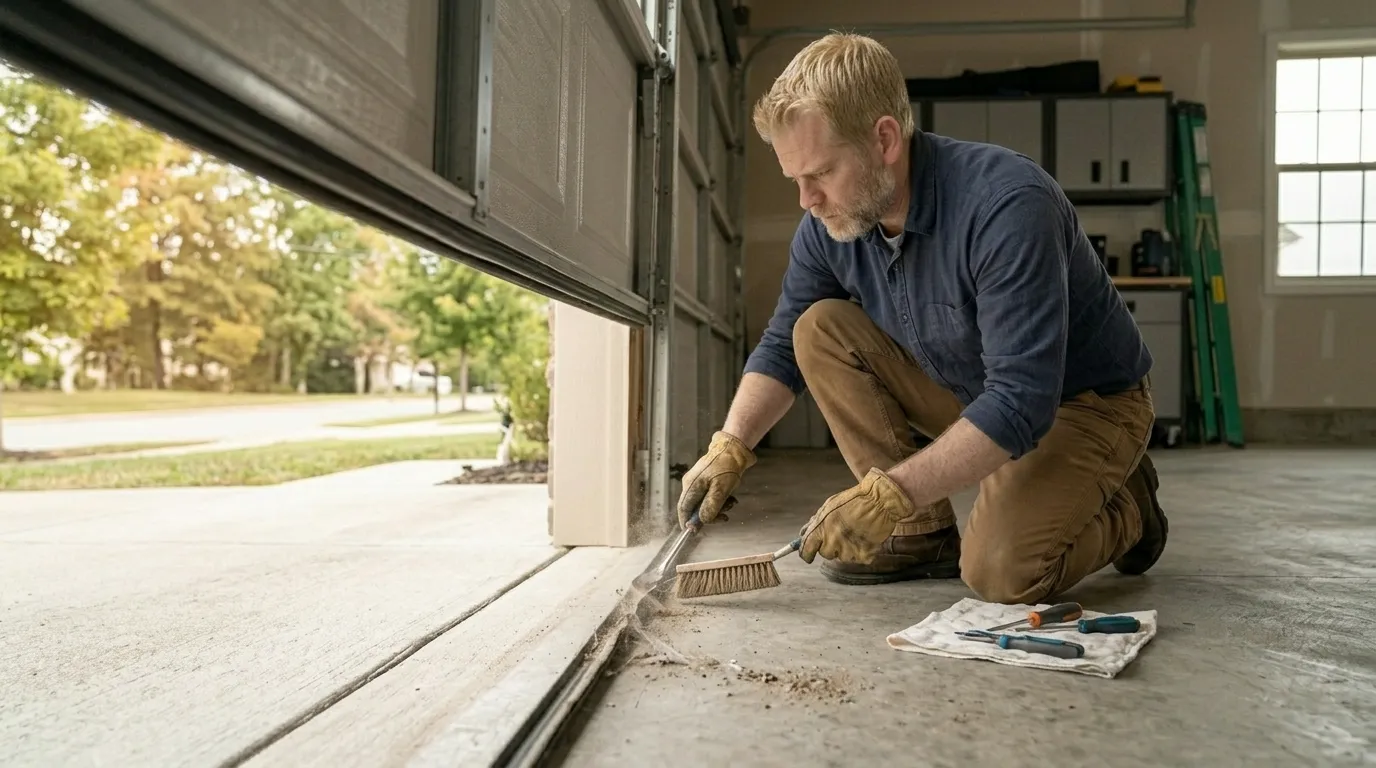
We're straightforward about what's worth doing yourself: swapping weatherstripping, replacing rollers, adjusting travel limits on an opener - all reasonable for a handy homeowner. Setting spring tension on a torsion system, or resizing an opening's track and header for a new door, is where we'd tell you to call rather than guess. A wound torsion spring under load has put people in the hospital, and that risk doesn't go down because the house is nice.