How We Fix It
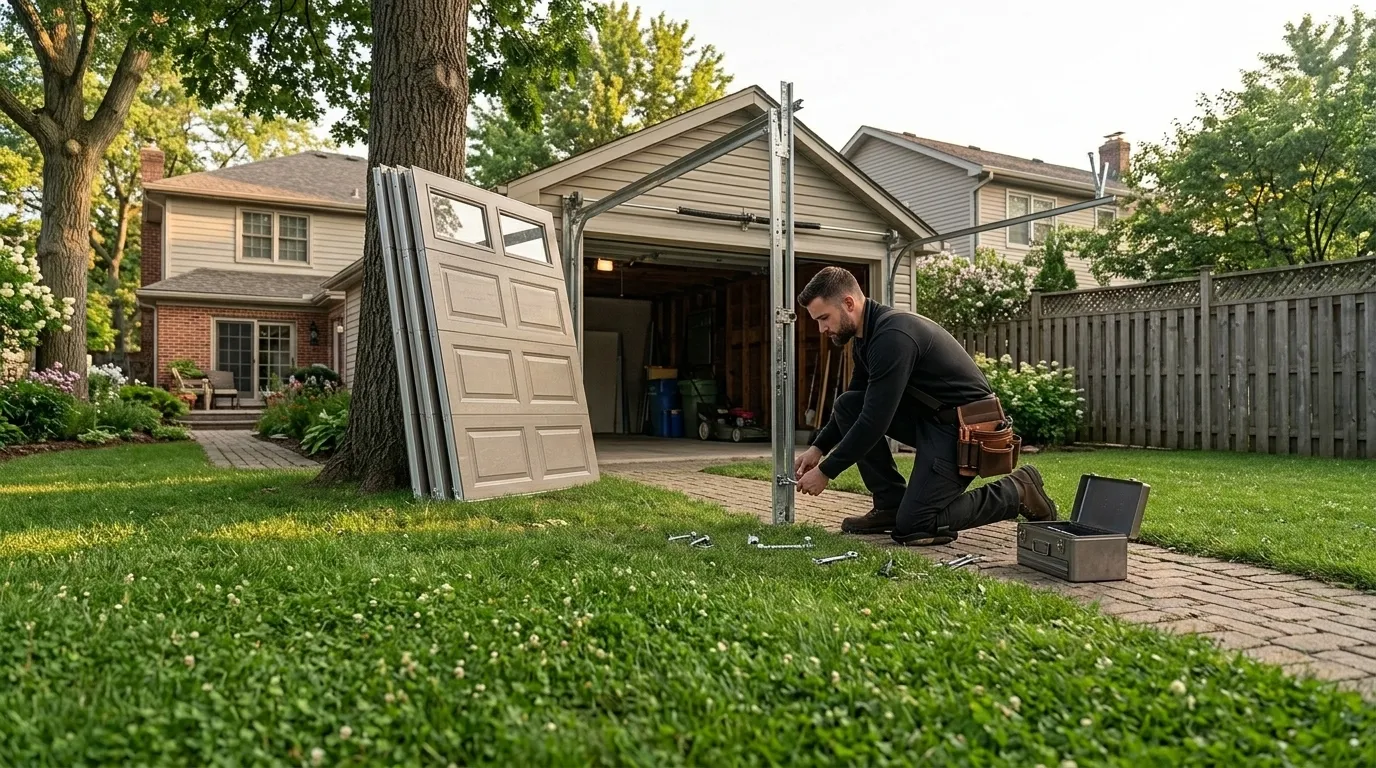
Birmingham's housing stock centers on 1960, which puts a lot of doors here on hardware that has never been swapped out. If a house hasn't had a garage door replacement job done on it, the torsion spring, the track brackets, and sometimes the opener itself are original to a build six decades old. That's not a guess about age - it's what the build year tells us before we even open the panel.
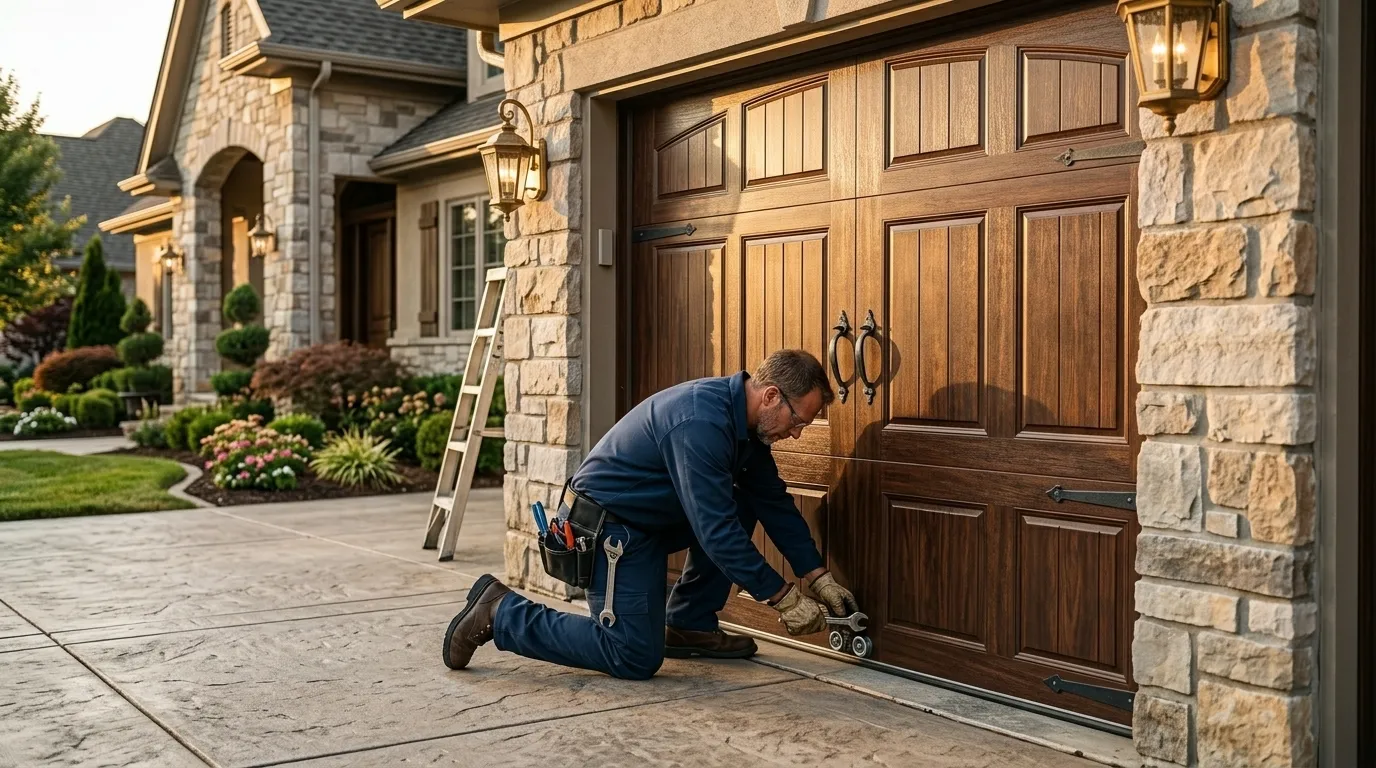
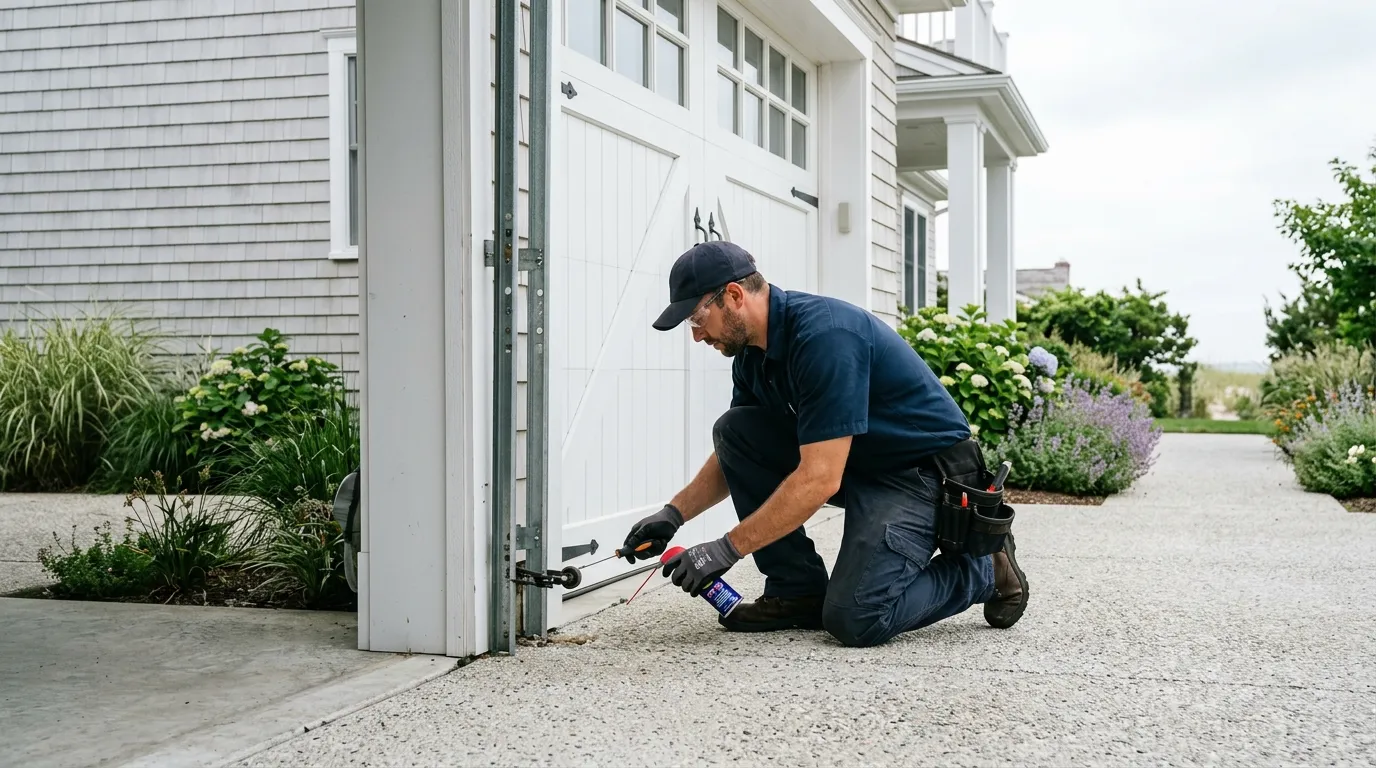
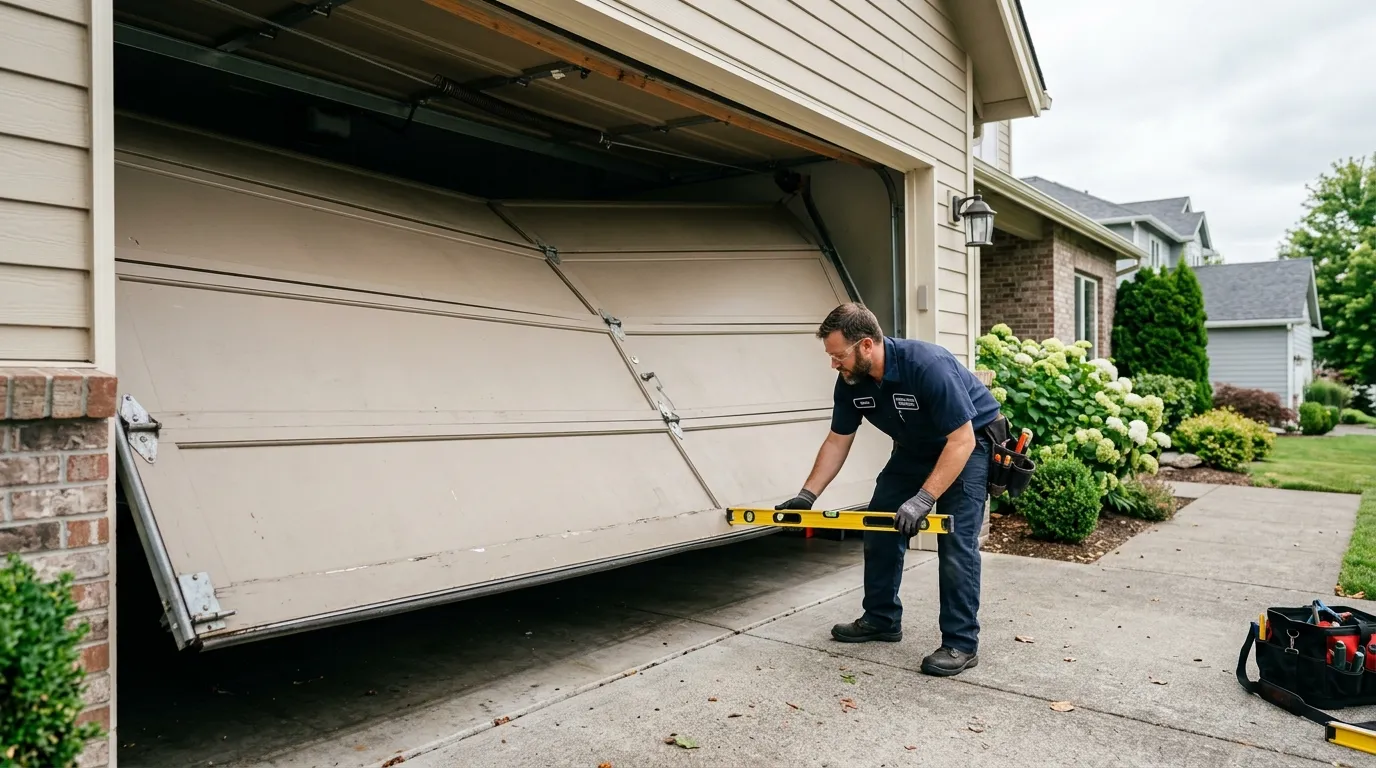
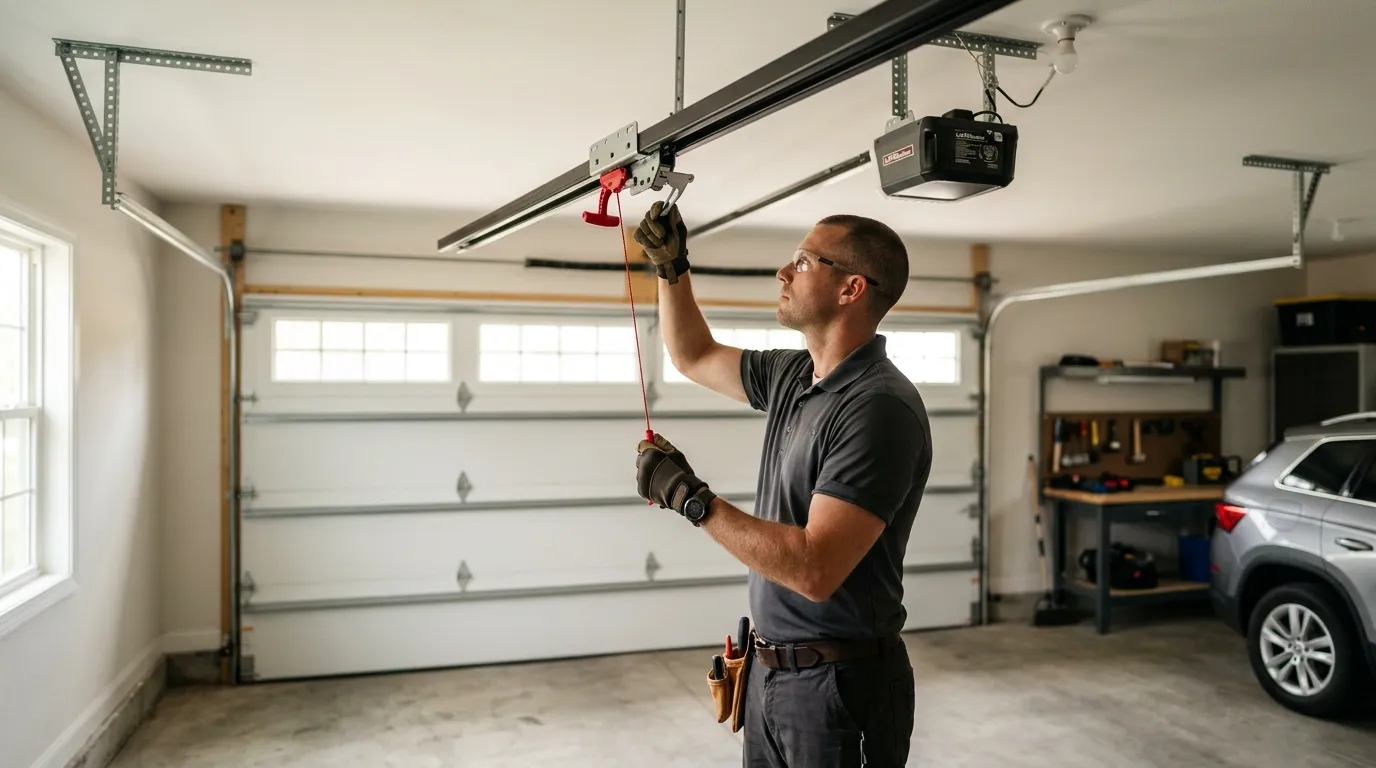
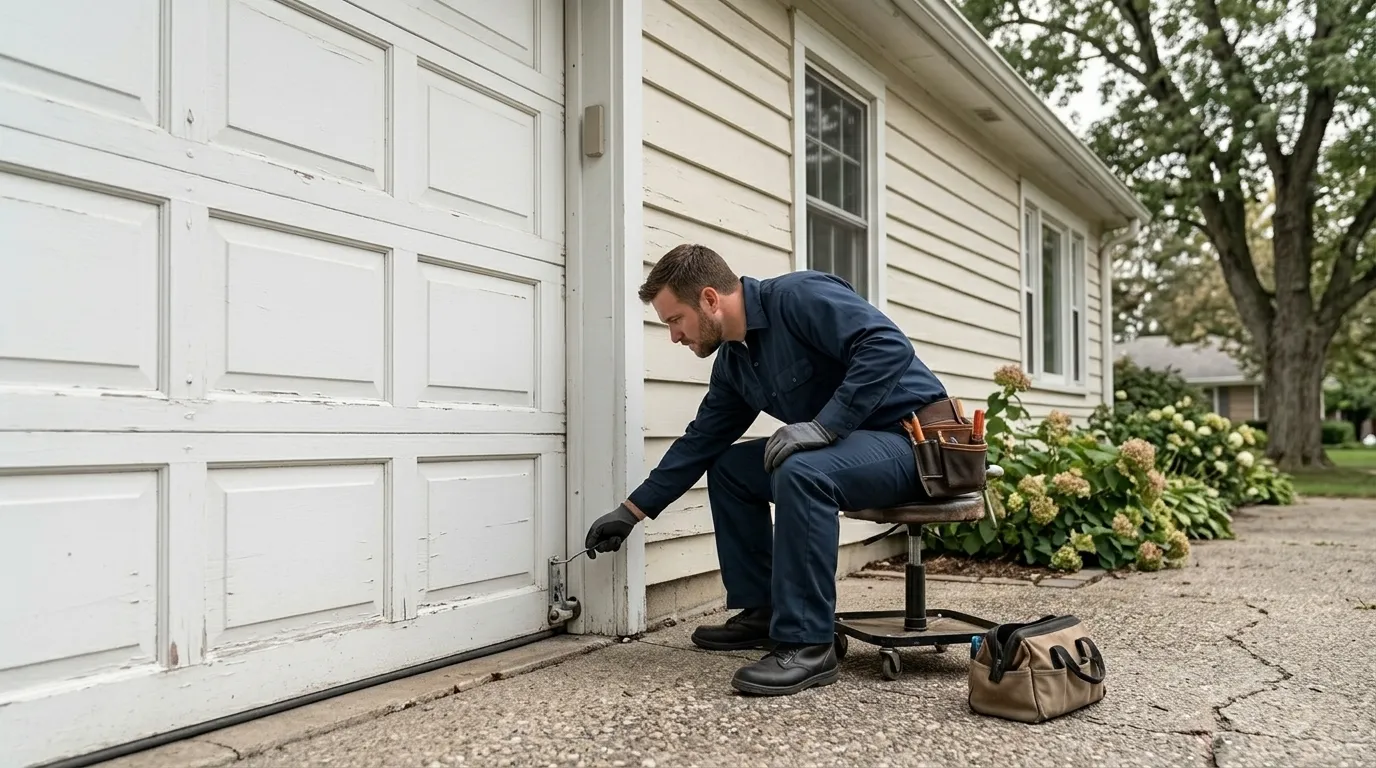
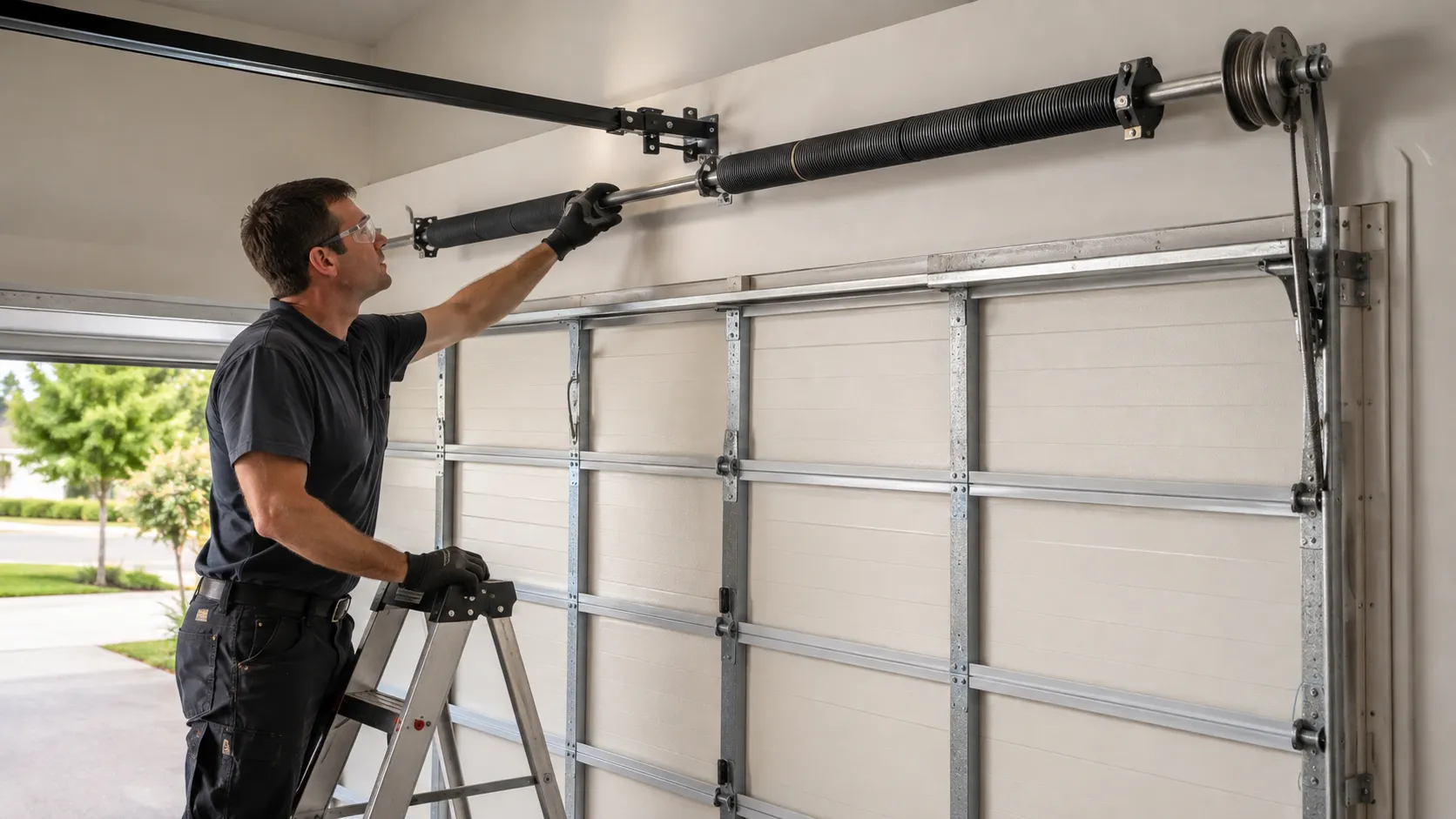
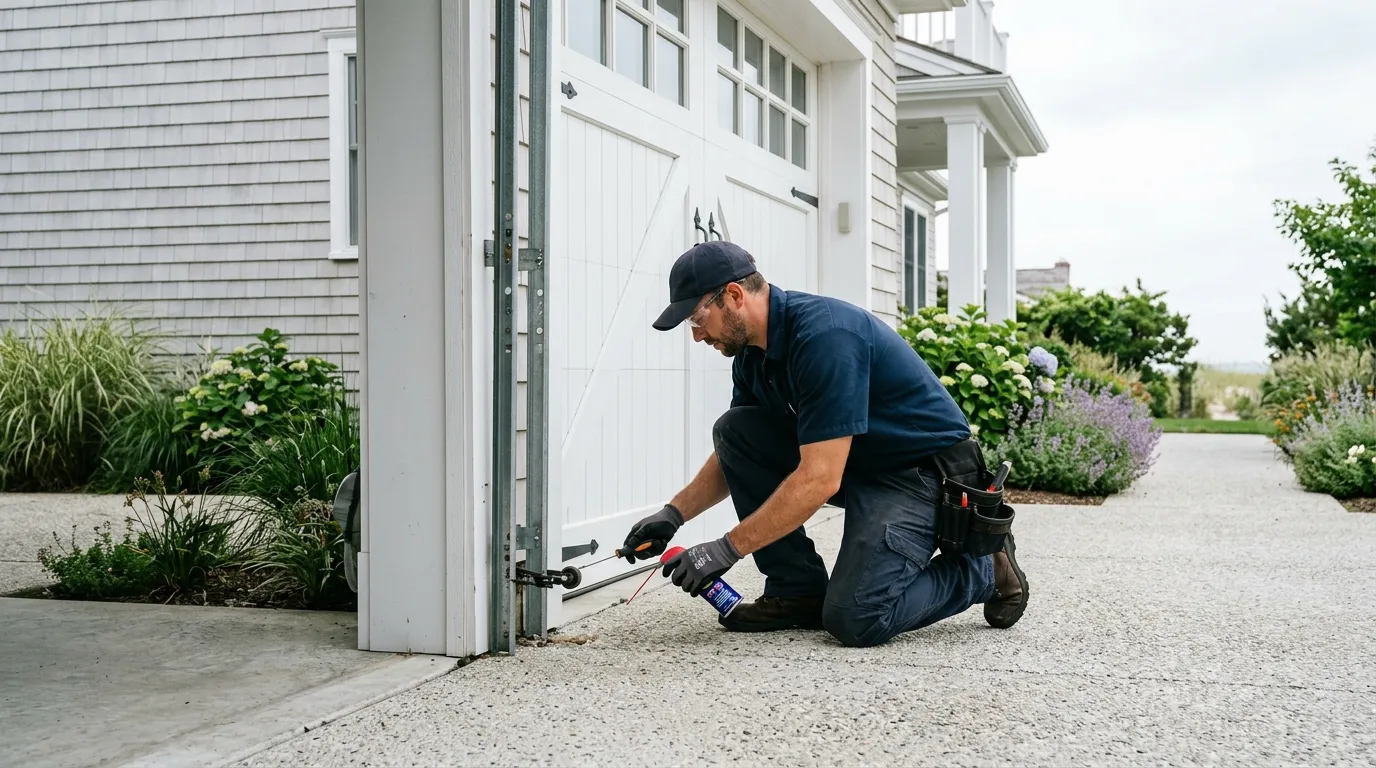
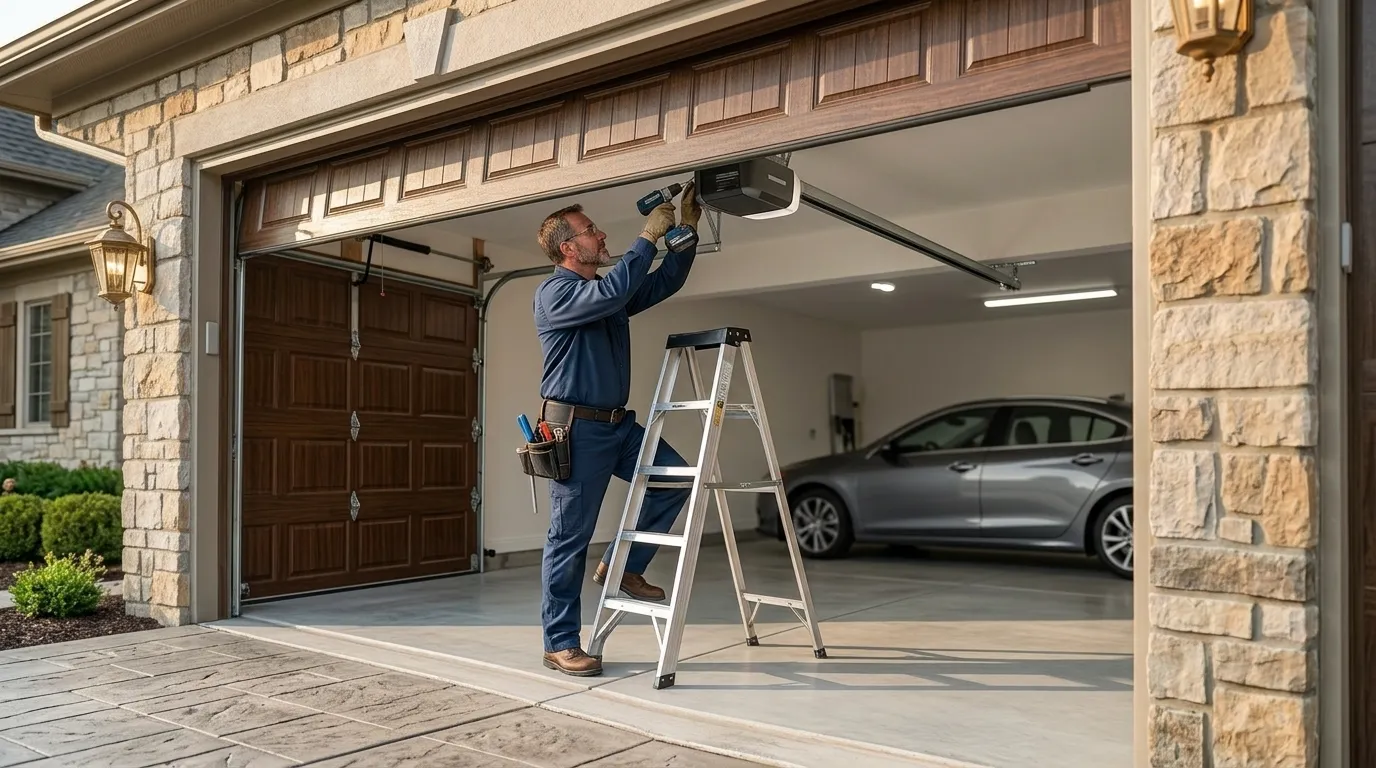
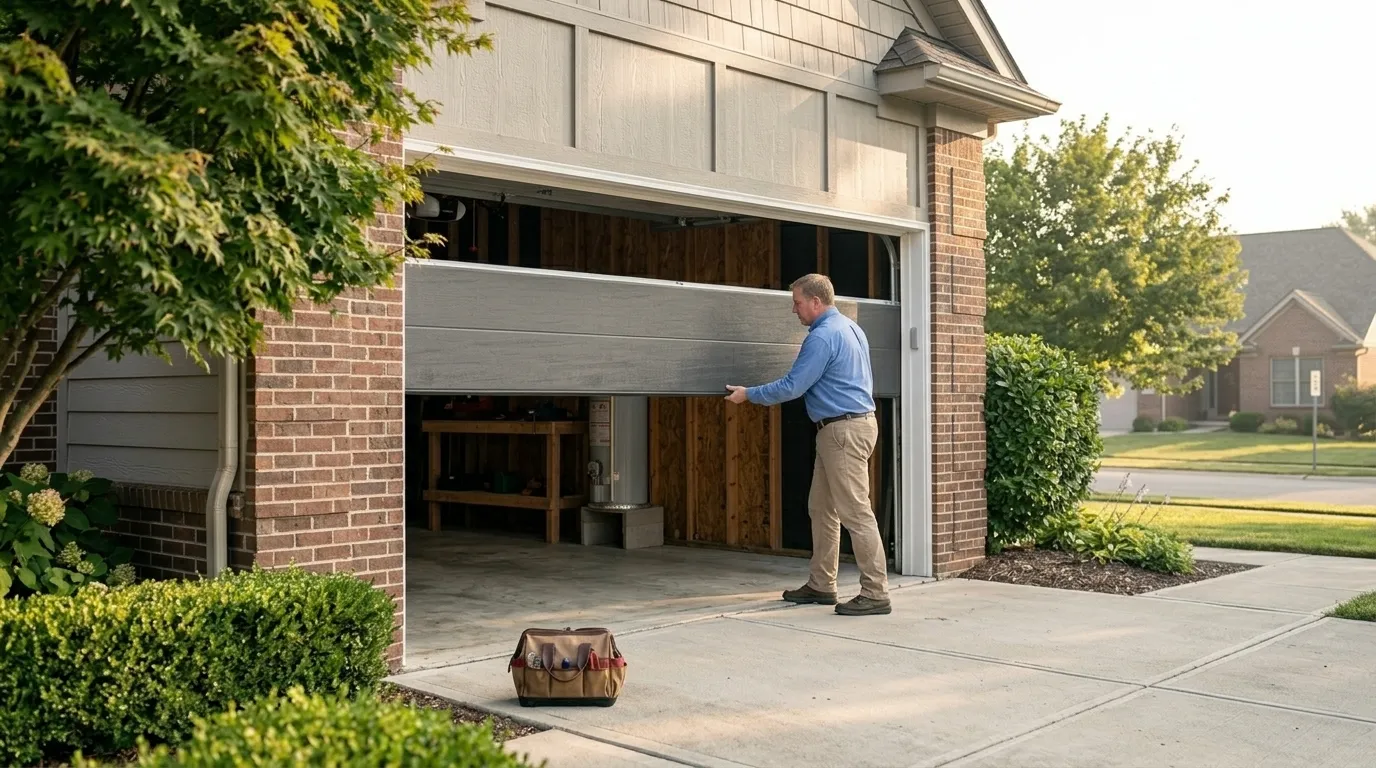
We check the spring for cone rust and shaft play, because a spring wound in 1960 wasn't built for a Michigan winter fifty repeat freeze-thaw cycles later. We check hinges and rollers for the kind of pitting that comes from decades of use, not one bad season. We check the opener's force settings, since a lot of older units were adjusted once at install and never touched again. None of this is a swap-everything visit - it's a look at what's actually failing versus what still has years left in it.
The severe cold this region gets matters here specifically: metal contracts, lubricant thickens, and a spring that's been fine all summer can bind or snap on the first hard freeze. That's the failure pattern we're checking for on a maintenance visit, not chasing a symptom after the fact.
Booking a Visit
We come from Livonia, about 13 miles out, so a Birmingham maintenance visit gets scheduled as a stop, not a same-day drop-in. That's worth knowing up front - we're not based here and we don't claim a branch or a faster window because of the address. Book ahead rather than calling the morning you notice a noise.
Birmingham's roughly 9,326 households sit at a median income well above the wider service area's $70,984 figure, and that shows up in what people ask for on these visits - full opener diagnostics, not just a spring check, and more interest in doing the work before something breaks rather than after. We plan the visit around what you tell us the door is doing now, plus what a 1960-era door with unknown maintenance history is likely hiding.
Doing It Yourself
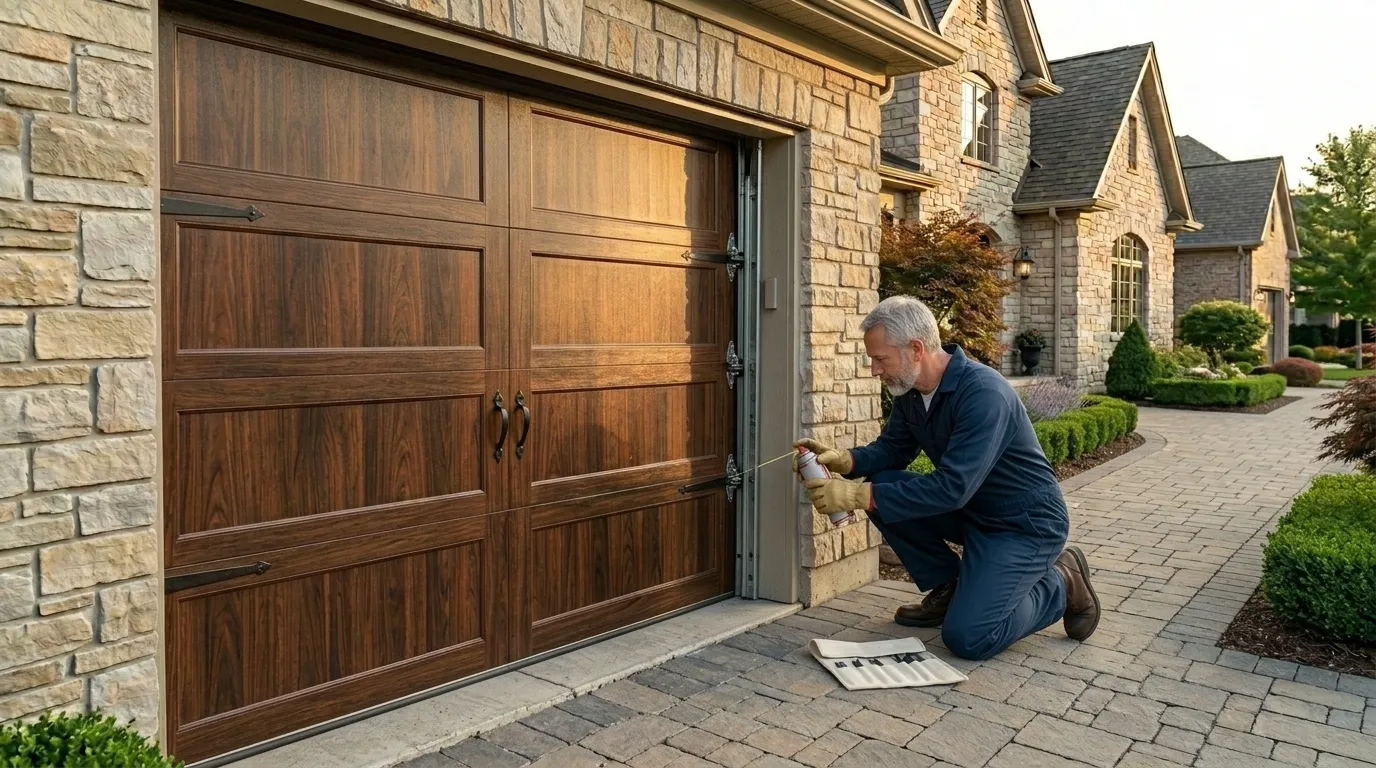
Some of this you can do yourself between our visits. Wipe down the tracks and check for dust buildup, since a dry, gritty track wears rollers faster than almost anything else. Listen for new sounds - a grind on opening usually means a roller, a bang on closing usually means the door's out of balance. Test the auto-reverse by setting a piece of wood on the ground under the door and closing it; it should stop and reverse on contact.
What you shouldn't do yourself is touch the torsion spring. It's wound under enough tension to cause a serious injury, and on a door this age, you don't know its wind count or condition until someone's trained to check it. If your door is original to a 1960 build and hasn't had that spring inspected, that's the one item on this list we'd move up the priority list, not push down it.